What Is Explosion Proof High Bay Lighting and Why Is It Used in Hazardous Facilities?
What does explosion proof high bay lighting really mean on site?
Explosion proof high bay lighting is designed for large, high-ceiling spaces where flammable gas, vapor, or combustible dust may exist.
Warehouses, processing plants, refineries — these are not low-risk environments. Add ceiling heights of 8, 10, even 15 meters, and lighting becomes both a safety and operational issue.
This type of lighting doesn’t “resist explosions.” Its purpose is to contain heat, sparks, and electrical faults inside the fixture, so they never ignite the surrounding atmosphere.
At SEEKINGLED, we see explosion proof high bay lighting as part of the facility’s safety infrastructure, not just a lighting upgrade.
How is explosion proof high bay lighting different from standard high bay lights?
The difference is not subtle — at least, it shouldn’t be.
A standard high bay light focuses on lumen output and efficiency.
A hazardous area high bay LED lighting system focuses on containment, thermal control, and certification first.
Key differences include:
- Reinforced, flameproof housings
- Sealed cable entries and joints
- Controlled surface temperature
If a high bay fixture looks lightweight or “decorative,” it doesn’t belong in a hazardous zone. Brightness alone is irrelevant if the fixture itself becomes a risk.
Why is certification critical for explosion proof high bay lighting?
Because assumptions fail in hazardous environments.
An ATEX explosion proof high bay or IECEx-certified fixture is tested under fault conditions — overheating, pressure buildup, internal ignition scenarios. This is what separates compliant equipment from marketing claims.
If certification is unclear, incomplete, or missing, that lighting should not be installed. There is no middle ground here. In regulated facilities, uncertified lighting is not just unsafe — it’s unacceptable.
SEEKINGLED designs explosion proof high bay lighting specifically to meet these certification requirements, not to work around them.
Can explosion proof high bay lighting provide enough brightness for large spaces?
Yes — when designed correctly.
Older explosion proof systems were bulky and dim. LED technology changed that. Modern industrial explosion proof high bay lights deliver strong, usable illumination without excessive heat buildup.
In high-ceiling hazardous spaces, beam angle matters as much as lumen output. Poor optics waste light and create shadows. A properly designed LED high bay lighting for hazardous locations system delivers even coverage on the working plane below.
More light is not always better. Controlled light is.
Where is explosion proof high bay lighting commonly used?
You’ll find explosion proof high bay lighting in places like:
- Oil & gas processing halls
- Chemical production workshops
- Battery manufacturing plants
- Grain and material handling facilities
These environments combine height, machinery, and volatile substances. Lighting failures here don’t just slow work — they increase risk.
Choosing the wrong high bay light in these spaces is not a cost-saving decision. It’s a gamble.
Why choose SEEKINGLED for explosion proof high bay lighting?
SEEKINGLED focuses on real hazardous-area projects, not generic lighting catalogs.
Our explosion proof high bay lighting solutions are built for facilities that operate continuously and cannot afford safety compromises.
We emphasize:
- Certified compliance for hazardous zones
- High-output LED systems with controlled heat
- Durable construction for long service life
When lighting works reliably above you, shift after shift, without drawing attention — that’s when it’s doing its job properly.
explosion proof high bay lighting recommended
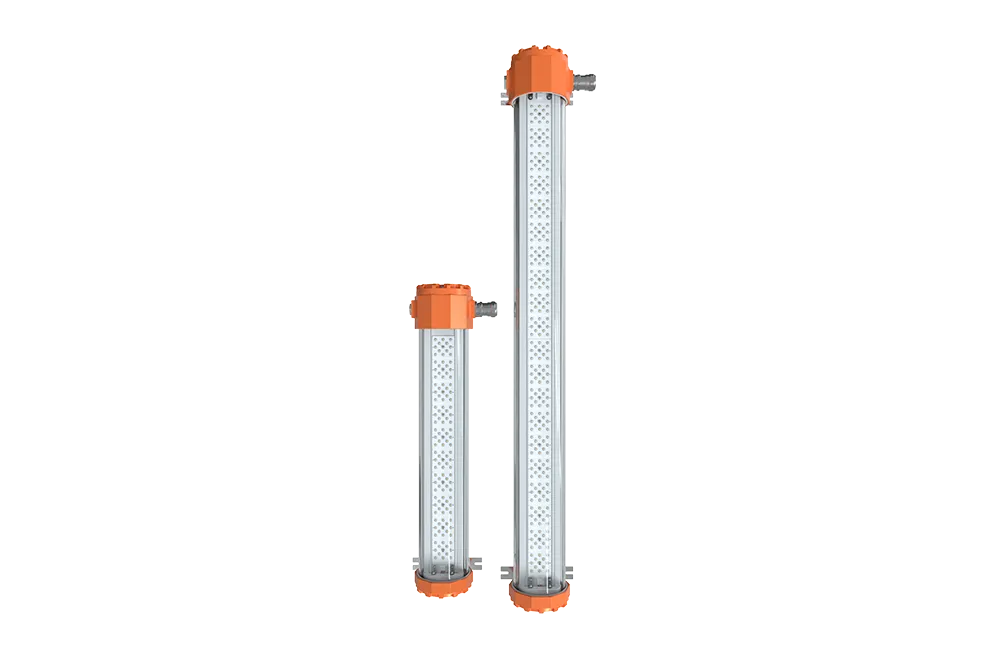
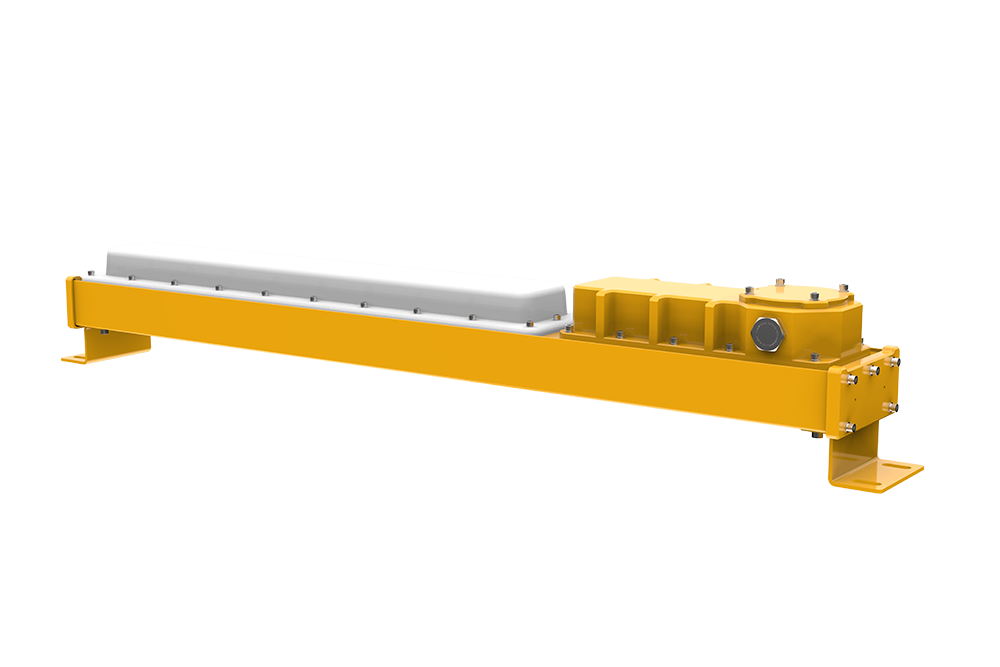
SEEKINGLED LED Linear Explosion Proof Light and Explosion Proof lighting is ATEX and IECEx certified for Zone 1, Zone 2, Zone 21 and Zone 22 hazardous locations, built for long-term industrial use.
LED Linear Explosion Proof Lights and EX Proof lights for Zone 1, Zone 2, Zone 21 and Zone 22 hazardous areas. ATEX & IECEx certified explosion proof LED linear lighting with emergency function, adjustable power and IP67 protection by SEEKINGLED.
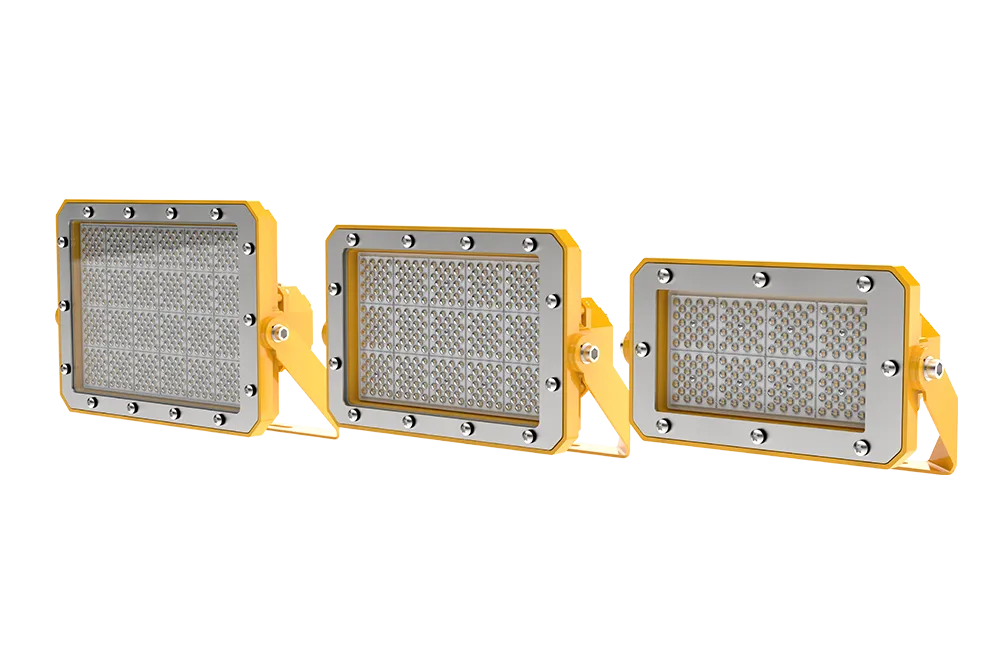
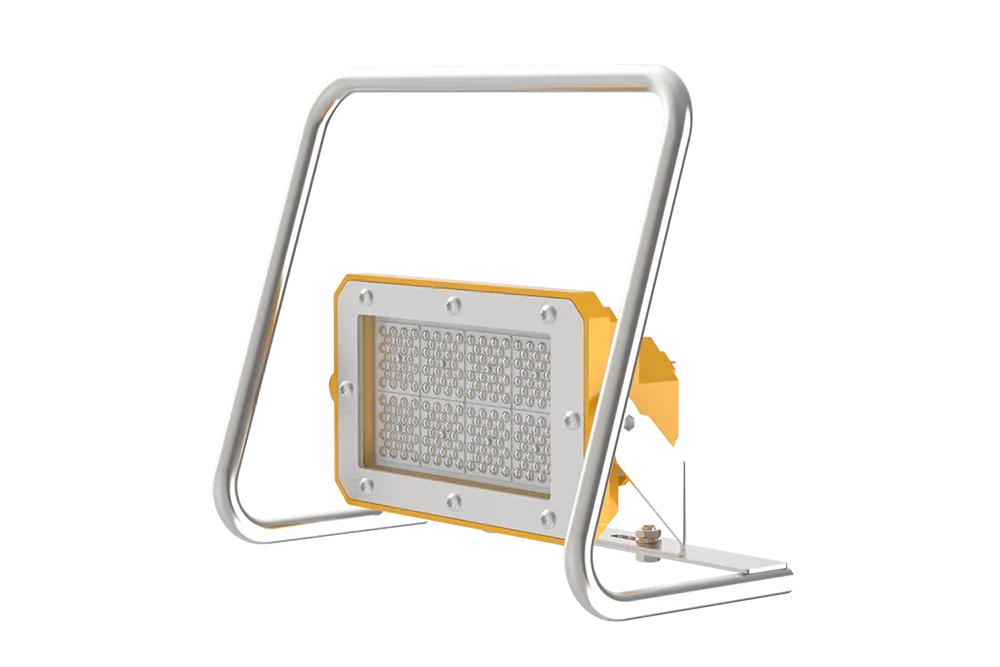
SEEKINGLED LED Explosion Proof Flood Lights are ATEX certified for Zone 2 and Zone 22 hazardous areas, offering high efficiency, adjustable power and integrated junction box.
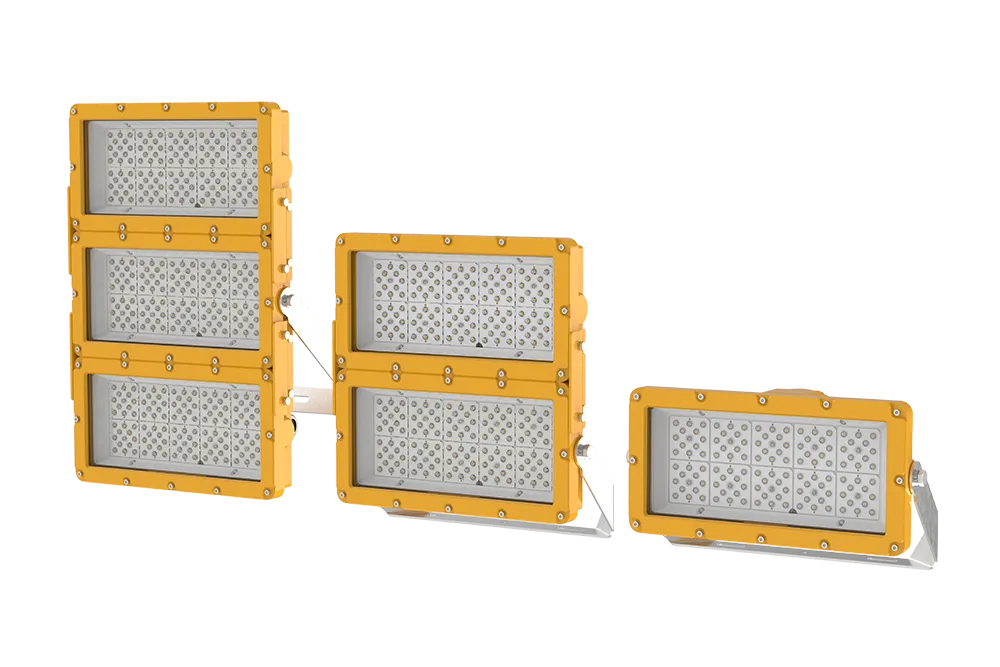
SEEKINGLED LED Explosion Proof Flood Lights are flameproof ATEX and IECEx certified for Zone 1 and Zone 2 hazardous areas, offering high power, adjustable output and long service life.
SEEKINGLED LED Gas Station Canopy Lights are ATEX certified for Zone 2 and Zone 22 hazardous areas, featuring adjustable power and built-in explosion-proof junction box.
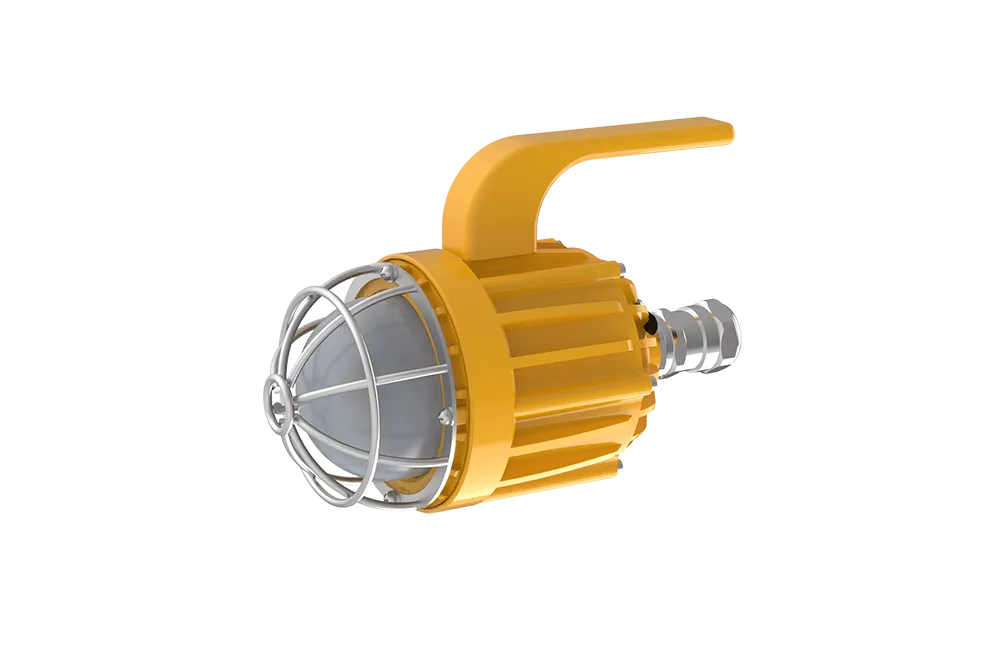
ATEX: Ex II 2G Ex db IIB T6/T5 GbEx II 2D Ex tb IIIC T80°C/ T95°C Db IECEx Ex db IIB T6 Gb;Ex tb IIIC T80°C Db Feature: ● For Zone 1,2 and Zone 21,22● Flameproof type, the strongest● 100W can replace 250W HID,energy saving● Power:60W,80W,10…
ATEX: II 3G Ex nR ⅡC T5/T6 GcII 3D Ex tc ⅢC T80℃/T95℃Dc ATEX Certificate NO: TÜV CY 26 ATEX 0207611 X Feature: ● For Zone 2 and Zone 22● 150W can replace 250W HID lamps,Energy saving● Power:50W,75W,100W,150W,200W Application: Oil and gas, m…
LED explosion proof high bay lights are designed for Zone 1, Zone 2, Zone 21 and Zone 22 hazardous areas. This page introduces the HB21 Series from SEEKING, including certifications, power options and real application considerations.
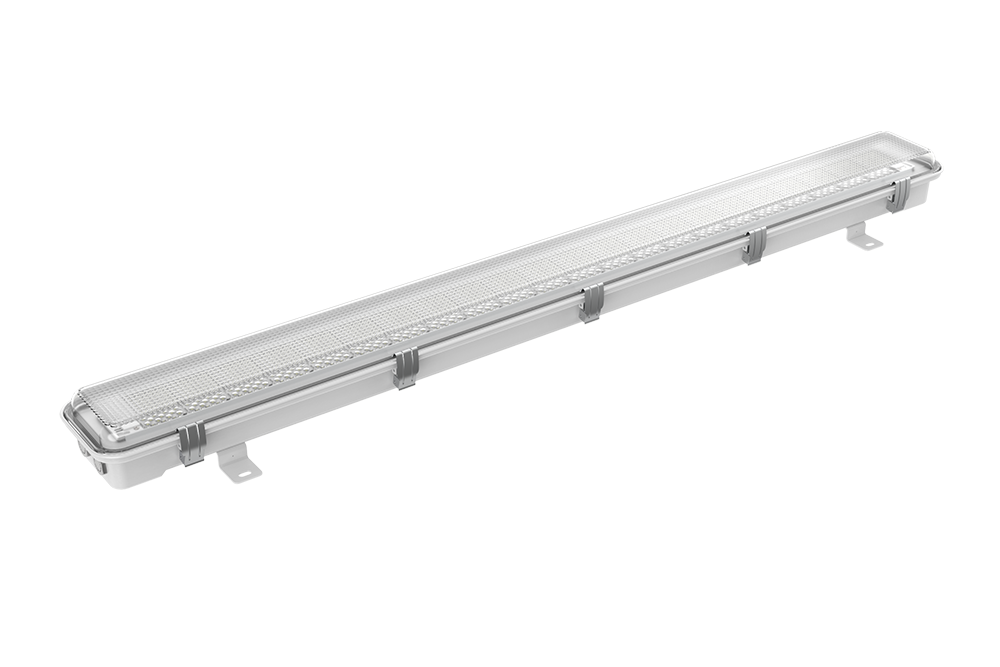
LED Linear Explosion Proof Lights from SEEKINGLED. LU Series Flame Proof lights ATEX-certified explosion proof LED linear lighting for Zone 2 gas and Zone 22 dust areas, IP69K, IK10, long lifetime and flexible power options.
Certified explosion proof work lights for Zone 1 & 21 hazardous areas. Portable, ATEX & IECEx approved, built for oil, gas and chemical plants by SEEKINGLED.
ATEX: II 3G Ex nR ⅡC T6 GcII 3D Ex tc ⅢC T80℃ Dc ATEX Certificate NO: TÜV CY 26 ATEX 0207611 X Feature: ● For Zone 2 and Zone 22● Accepts battery-powered supply● indestructible● Power:AC input:50W,75W,100WDC input:15W,25W,35W Application: O…
ATEX: Ex II 2G Ex db IIB T6 GbEx II 2D Ex tb IIIC T80°C Db IECEx Ex db IIB T6 Gb;Ex tb IIIC T80°C Db Feature: ● For Zone 1,2 and Zone 21,22● Flameproof type, the strongest Application: Oil and gas, marine, Chemical, pharmaceutical, semicondu…
ATEX: Ex II 2G Ex db IIB T6 GbEx II 2D Ex tb IIIC T80°C Db IECEx Ex db IIB T6 Gb;Ex tb IIIC T80°C Db Feature: ● For Zone 1,2 and Zone 21,22● Flameproof type, the strongest Application: Oil and gas, marine, Chemical, pharmaceutical, semicondu…
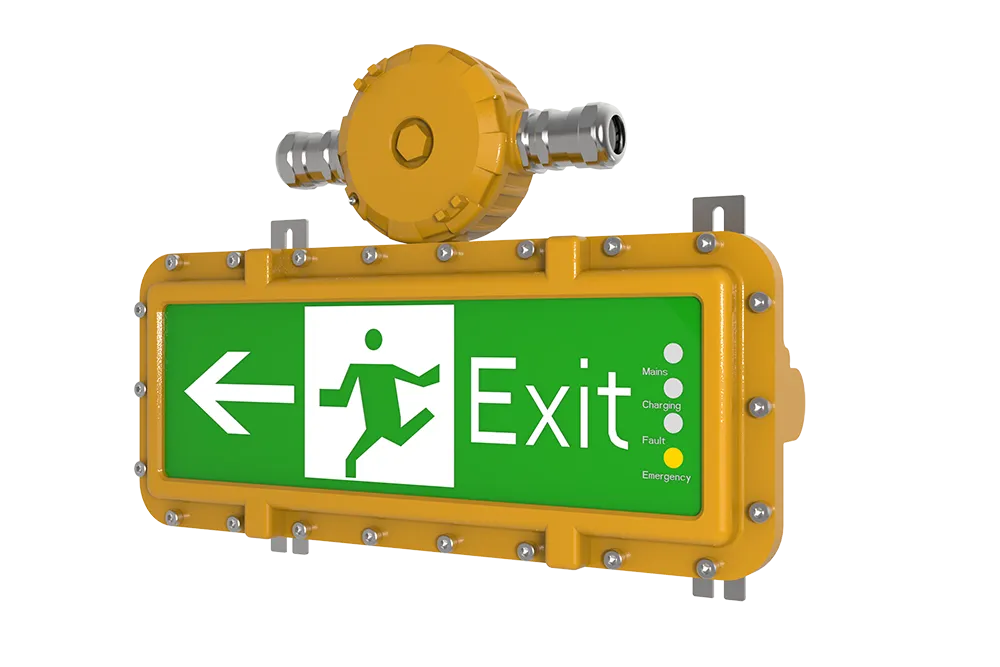
ATEX: Ex II 2G Ex d e IIB T6 Gb ATEX: Ex d e IIB T6 Gb; Feature: ● For Zone 1,2● 9W can replace 18W fluorescent lamps,50% Energy saving Application: Oil and gas, marine, Chemical, pharmaceutical, semiconductor,mining,military industry, pain…
loading…
This is the last post!
 Seeking LED