 Seeking LED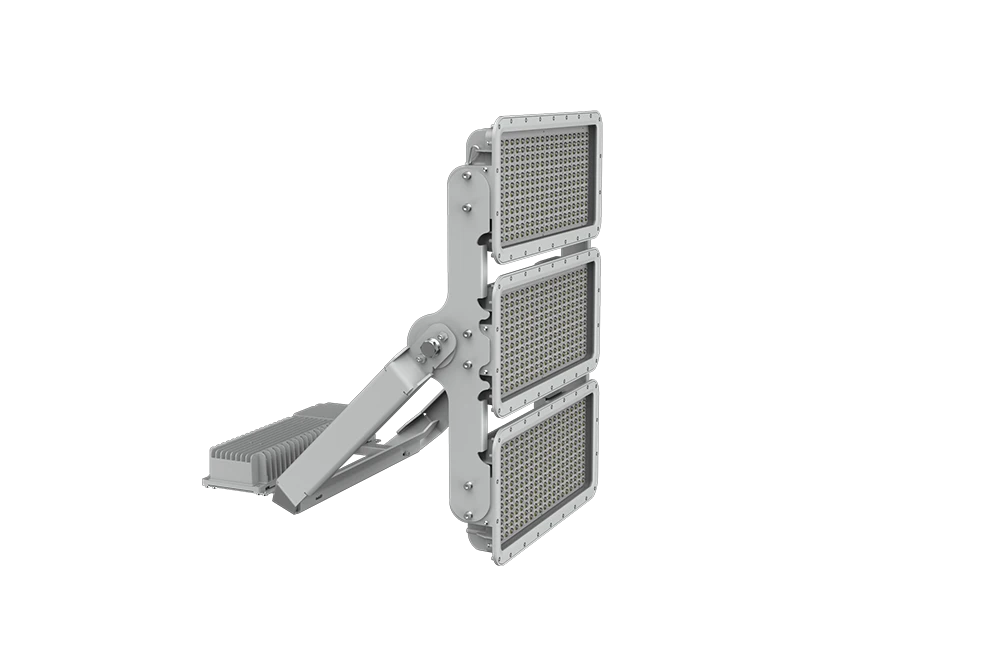
What is explosion proof Class 1 Div 1 lighting?
0What is explosion proof Class 1 Div 1 lighting? Learn how hazardous location lighting prevents ignition in oil, gas, and chemical facilities. Expert guide by SEEKINGLED.
View detailsSearch the whole station
When people search online asking what is the best led outdoor flood light, they’re usually trying to solve a very practical problem. A dark driveway. A backyard that disappears after sunset. Maybe a warehouse entrance that needs better visibility.
But here’s the reality: the “best” flood light isn’t a single product.
Lighting works a bit like tools. The best hammer for framing isn’t always the best one for finishing work. Flood lights follow the same idea. What works perfectly for a house might be completely wrong for a commercial parking lot.
So instead of chasing a specific model name, it makes more sense to look at the qualities that actually define a good LED outdoor flood light.
The first thing most people check when evaluating what is the best led outdoor flood light is brightness.
For LEDs, brightness is measured in lumens. Watts tell you how much electricity the light uses, but lumens tell you how much visible light it produces.
Typical outdoor lighting ranges look something like this:
For residential spaces like gardens or garages, 30W to 50W is usually plenty. The beam spreads widely and provides comfortable visibility without being overwhelming.
Industrial or commercial areas often need stronger output.
Manufacturers like SEEKINGLED focus on high-efficiency LED chips that produce more lumens per watt. In practice, that means brighter light while using less power.
You notice the difference immediately when the lights switch on.
Brightness alone doesn’t determine whether a flood light works well. Beam angle plays a major role too.
A flood light doesn’t just emit light randomly — it shapes the beam through lenses or reflectors.
Common beam angles include:
If you want to illuminate a wide backyard, a 120° beam works beautifully.
But if the goal is lighting a long driveway or pathway, a narrower beam can push the light further forward.
This is why lighting planners often test different angles during installation. Even small changes can dramatically affect coverage.
Outdoor lighting faces constant exposure to weather. Rain, dust, humidity, even temperature swings.
That’s why durability is a huge factor when deciding what is the best led outdoor flood light.
Look for fixtures with strong protection ratings like:
Anything lower can struggle outdoors.
High-quality products — including many designed by SEEKINGLED — typically use aluminum housings, sealed drivers, and tempered glass lenses. These features help the fixture survive harsh conditions year after year.
Here’s something people rarely think about until it’s too late.
LEDs generate heat. Not as much as traditional halogen lights, but enough to matter.
Without proper cooling, the LED chip gradually loses brightness. Sometimes it fails completely.
Good flood lights use:
Cheap fixtures often skip these details. At first they seem fine. Six months later, the difference becomes obvious.
That’s why experienced installers pay close attention to build quality, not just price.
Outdoor lighting also involves color temperature — the tone of the light.
Typical choices include:
Security lighting often uses cooler tones. They improve visibility and make movement easier to detect at night.
For patios or garden spaces, warmer tones can feel more relaxing.
Again, the “best” option depends on how the light will be used.
Imagine a homeowner installing lighting around a garage and driveway.
Two 50W LED flood lights mounted about three meters high can easily illuminate:
With a wide beam angle and around 6000 lumens each, the area becomes bright enough for security and everyday use.
This kind of installation is actually one of the most common residential setups. And it’s exactly the type of environment many SEEKINGLED outdoor flood lights are designed for.
Simple, reliable lighting that works night after night.
The best flood light usually has several key characteristics:
When those elements come together, the result is reliable outdoor lighting that performs consistently over time.
And that’s ultimately what most people want. Not the most powerful fixture on paper — just a light that turns on every evening and does its job.
So when someone asks what is the best led outdoor flood light, the honest answer isn’t a single model.
The best flood light is the one that fits the environment: bright enough, durable enough, and designed with proper optics and cooling.
Brands like SEEKINGLED build their outdoor lighting systems around those principles — efficiency, reliability, and practical performance in real-world installations.
When the right flood light is installed in the right place, the difference is immediate. The space feels safer, clearer, and easier to use after dark.
And that’s exactly what outdoor lighting should accomplish.
Sports Stadium LED Lighting by SEEKINGLED delivers high mast illumination, precise beam control, and EN 12193 compliant performance for professional venues.
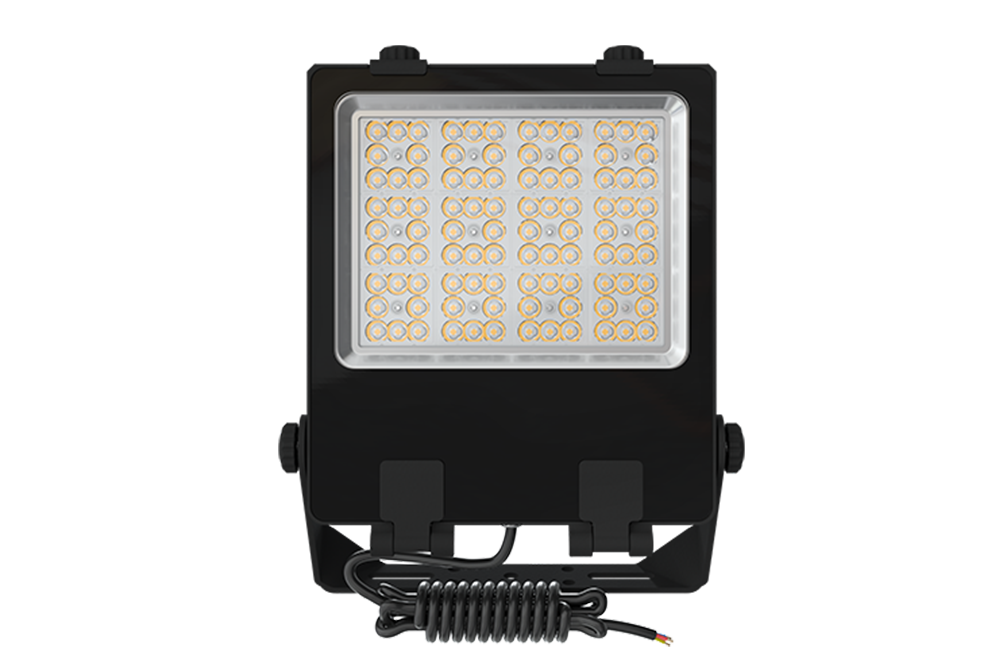
SEEKING FLX Series LED flood light outdoor for sports courts and open-area projects with 170lm/W efficiency, IP66 protection and multiple beam distributions. Designed for long-life commercial and public outdoor use.
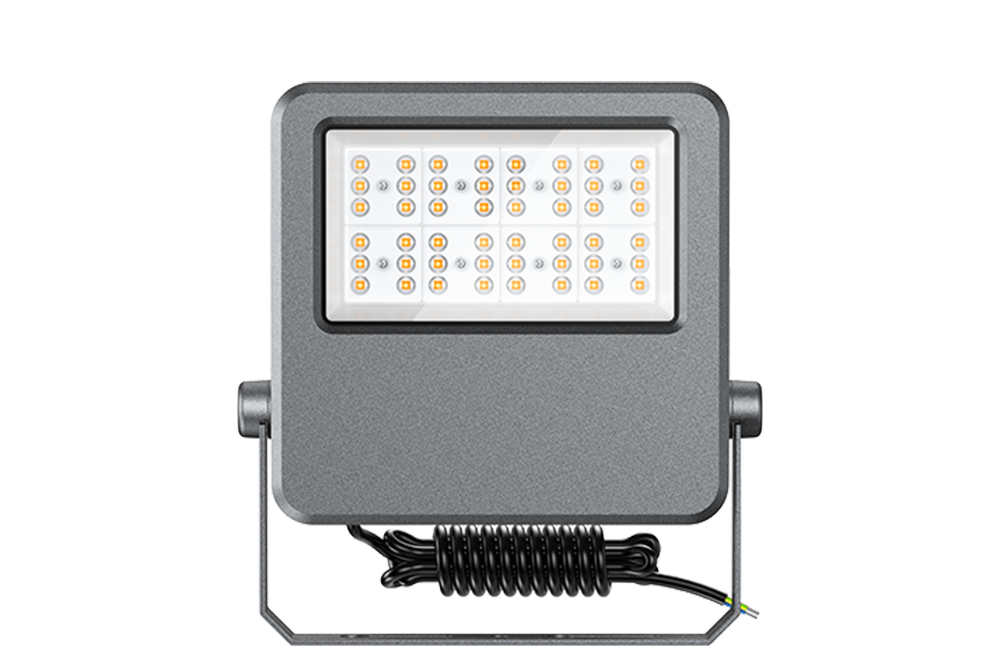
SEEKING FLE Series LED outdoor flood lights for sports grounds and open areas with multiple beam angles, IP66 protection and up to 170lm/W. Designed for long-life outdoor installations with professional driver options.
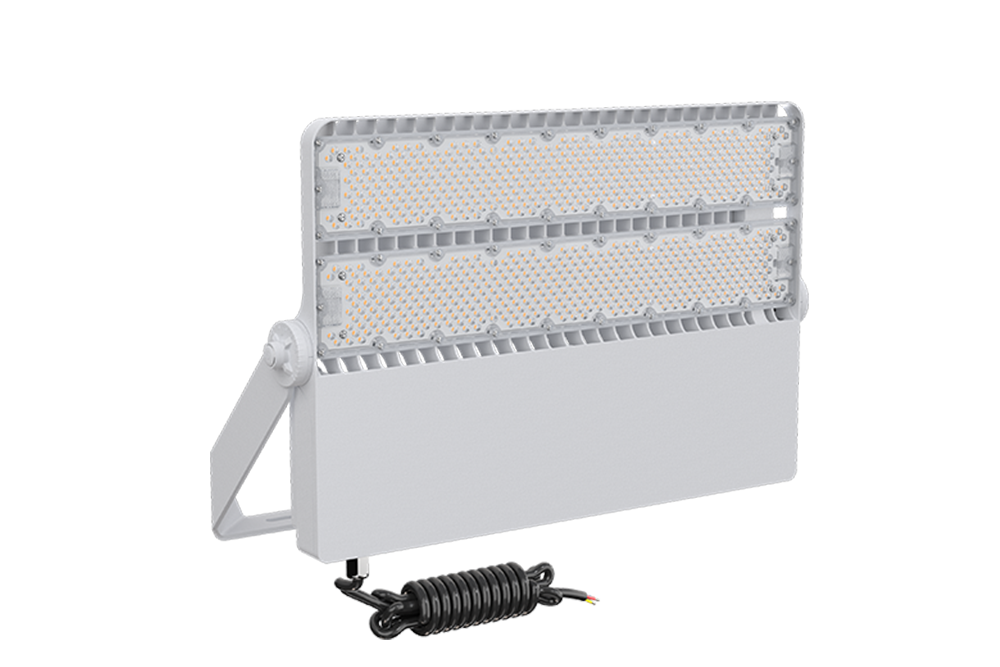
SEEKING FLD Series outdoor LED flood lights and high power led flood light deliver up to 960W with precision beam angles for sports fields, stadiums and large outdoor areas. IK08 & IP66 protection, 170lm/W efficiency and 100,000h lifetime.
loading…
This is the last post!

What is explosion proof Class 1 Div 1 lighting? Learn how hazardous location lighting prevents ignition in oil, gas, and chemical facilities. Expert guide by SEEKINGLED.
View details
Learn how to stop my high bay LED lights from unwanted behavior such as flickering, ghosting, or not shutting off. Practical guidance from SEEKINGLED.
View details
How high is high bay for lighting? Learn the recommended LED high bay mounting heights, ceiling requirements, beam angles, and industrial lighting design tips.
View details
Install Ring flood lights by isolating power, checking the junction box, connecting the wiring correctly, securing the fixture, sealing it, and completing Ri...
View details