 Seeking LED
LED High Bay Spacing Chart by Ceiling Height—How Far Apart Is Too Far?
211LED high bay spacing chart by ceiling height explained with real warehouse logic. Learn spacing ranges, common errors, and how to adjust for layout.
View detailsSearch the whole station
what is the difference between atex and iecex? ATEX is a European regulatory requirement for explosive atmosphere equipment, while IECEx is an international certification system based on IEC standards for hazardous locations.
In industrial lighting projects, I often see these two certifications compared by engineers before purchasing explosion-proof fixtures. They look similar on paper, but the approval process, regional application, and compliance approach are different.Visit the product page: Explosion Proof Lighting
ATEX and IECEx are both designed to improve safety in environments where explosive gases, vapors, or dust may exist.
The main difference is their scope.
| Standard | Main Purpose | Coverage |
|---|---|---|
| ATEX | European Union legal requirement | Mainly European markets |
| IECEx | International certification system | Global markets |
ATEX is linked to European legislation, especially Directive 2014/34/EU, which defines requirements for equipment used in potentially explosive atmospheres.
IECEx is managed by the International Electrotechnical Commission (IEC) and provides a globally recognized certification framework.
References:
European Commission ATEX Directive:
https://single-market-economy.ec.europa.eu/sectors/mechanical-engineering/equipment-potentially-explosive-atmospheres-atex_en
IECEx System:
https://www.iecex.com/
ATEX certification follows European legal requirements.
Manufacturers must ensure products comply with specific essential health and safety requirements before they can be sold in applicable markets.
The process may include:
ATEX equipment is classified according to:
For example:
| ATEX Category | Protection Level | Typical Application |
|---|---|---|
| Category 1 | Very high protection | Zone 0 / Zone 20 |
| Category 2 | High protection | Zone 1 / Zone 21 |
| Category 3 | Normal protection | Zone 2 / Zone 22 |
IECEx follows international IEC standards rather than regional legislation.
It provides a common certification approach for manufacturers supplying hazardous area equipment worldwide.
IECEx certification normally involves:
Many international oil, gas, and chemical companies prefer IECEx because it simplifies equipment approval across multiple countries.
The practical differences become clearer when selecting industrial equipment.
| Feature | ATEX | IECEx |
|---|---|---|
| Type | European regulation | International certification system |
| Main market | EU countries | Global markets |
| Legal requirement | Yes in EU | Generally voluntary but widely accepted |
| Certification basis | ATEX Directive | IEC international standards |
| Product marking | ATEX marking | IECEx certificate marking |
For a lighting manufacturer, the product design may be similar, but certification documentation and market acceptance can differ.
There is no universal answer.
The correct choice depends on:
For example:
During industrial lighting discussions, I usually recommend checking certification requirements before selecting products. This avoids situations where a technically excellent fixture cannot pass site approval.
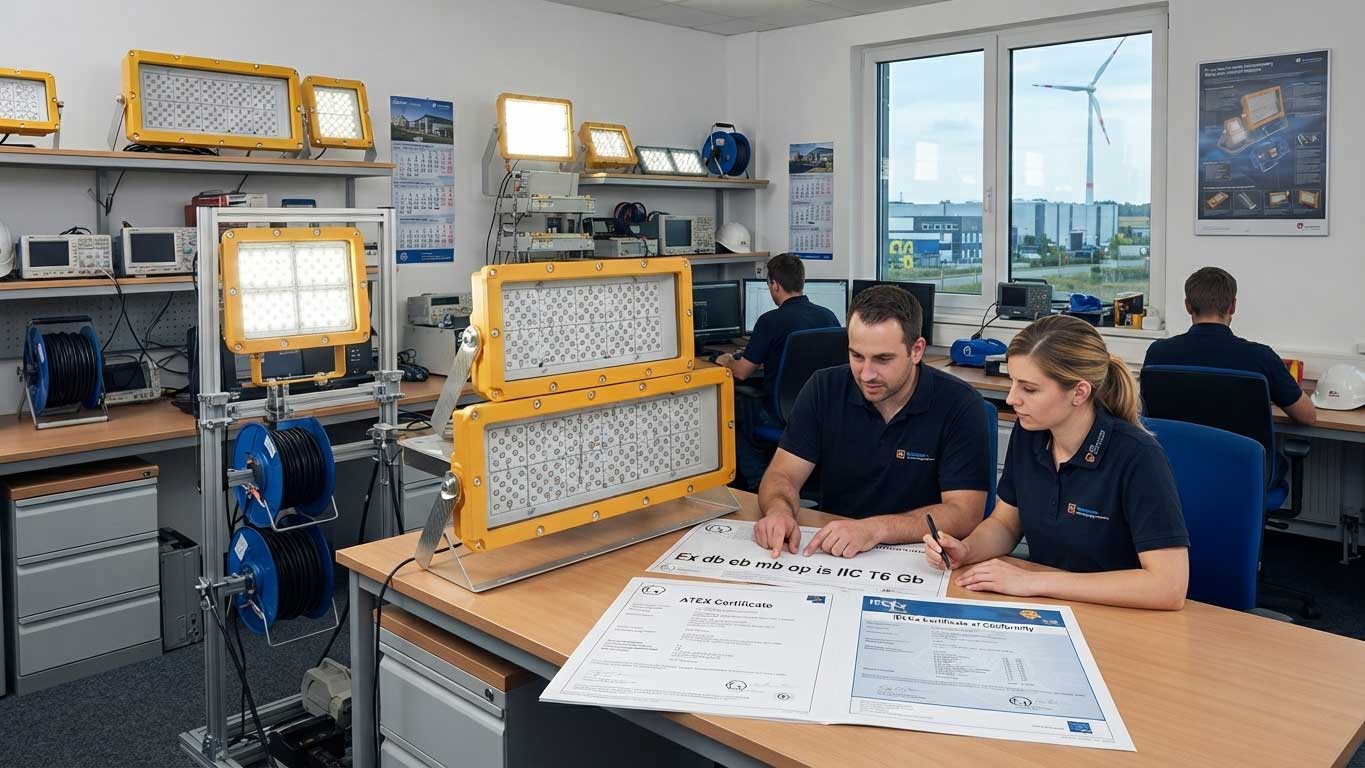
Both certifications are commonly found in industries where explosive risks exist.
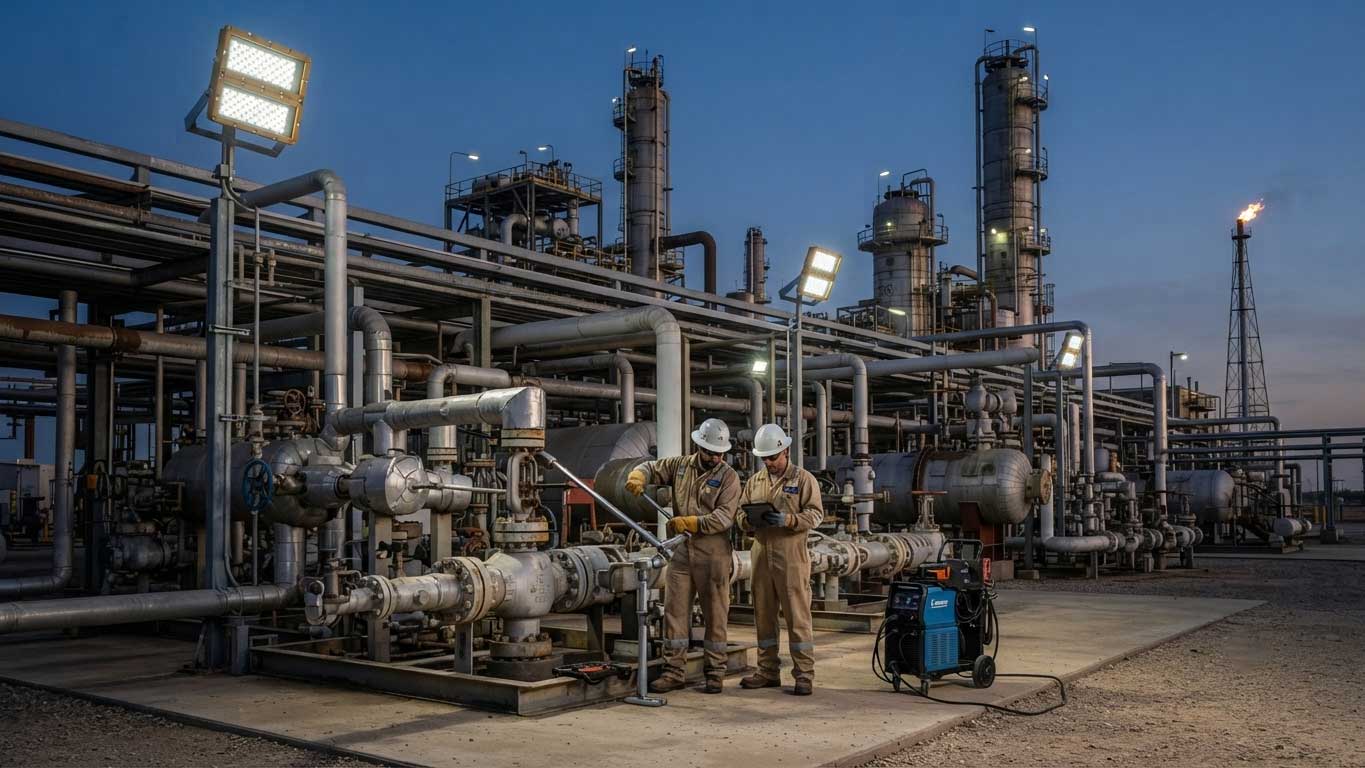
Typical applications include:
For hazardous area lighting, engineers usually evaluate:
A lighting fixture is only suitable when all these factors match the installation environment.
After working with industrial LED lighting applications, I noticed that certification discussions often happen late in projects.
A customer may first compare:
But during final approval, certification becomes the critical factor.
In hazardous locations, replacing a non-compliant product is expensive because maintenance may require shutdown permits, safety procedures, and additional labor.
The right certification choice at the beginning saves time later.
No. Both address explosive atmosphere safety, but ATEX is a European regulation while IECEx is an international certification system.
ATEX is normally required for products placed on the EU market, while IECEx may also support international project requirements.
Many global oil and gas companies use IECEx, while European facilities commonly require ATEX.
Yes. Many hazardous area products are certified under both systems for broader market acceptance.
The choice depends on the project location, customer specifications, and local regulations.
what is the difference between atex and iecex? ATEX is a European regulatory requirement, while IECEx is an international hazardous area certification system.
For industrial lighting applications, the best certification depends on where the equipment will be installed and which standards the project requires.
SEEKINGLED focuses on hazardous area lighting solutions where certification compliance, reliability, and real installation conditions are considered together.
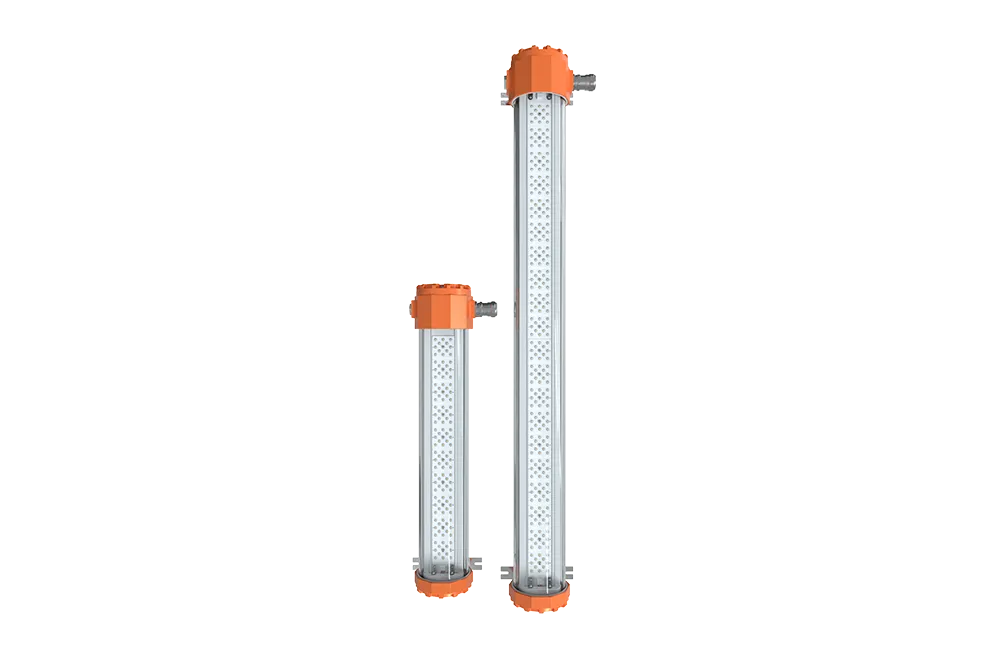
SEEKINGLED LED Linear Explosion Proof Light and Explosion Proof lighting is ATEX and IECEx certified for Zone 1, Zone 2, Zone 21 and Zone 22 hazardous locations, built for long-term industrial use.
View details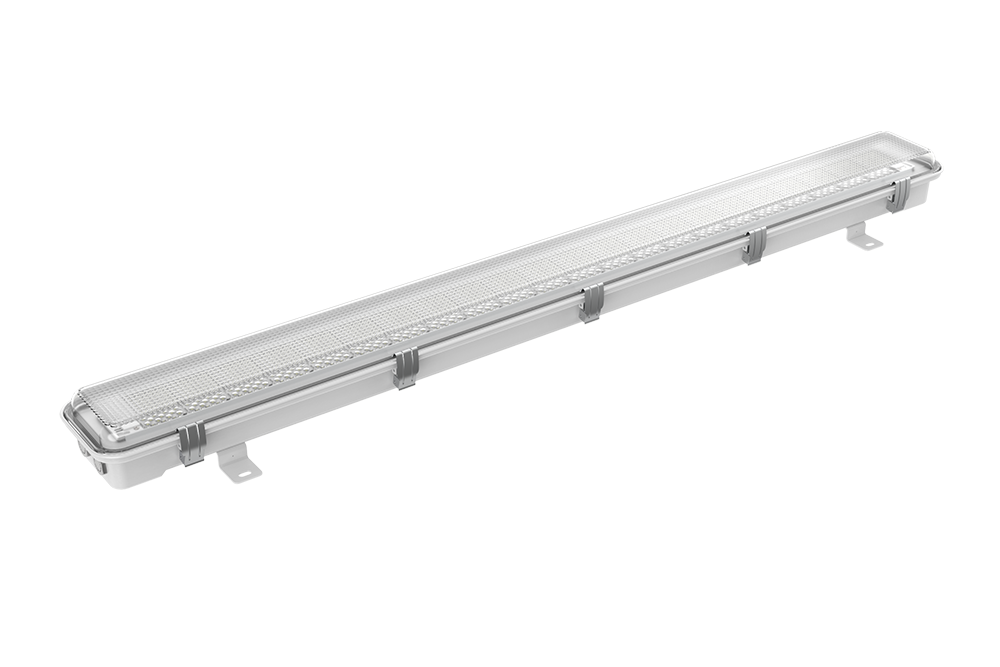
LED Linear Explosion Proof Lights and EX Proof lights for Zone 1, Zone 2, Zone 21 and Zone 22 hazardous areas. ATEX & IECEx certified explosion proof LED linear lighting with emergency function, adjustable power and IP67 protection by SEEKINGLED.
View details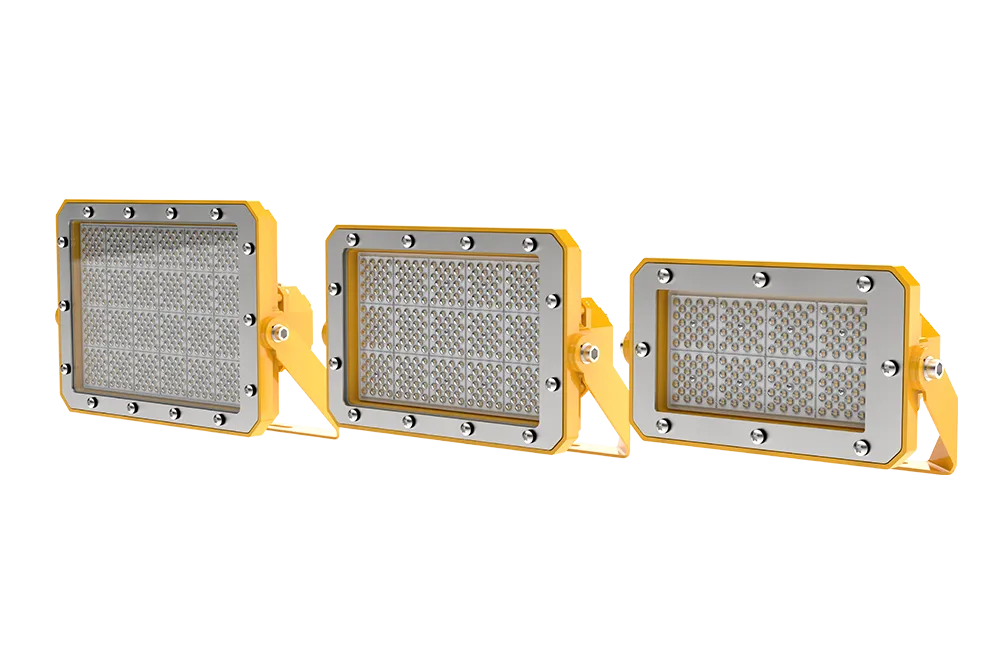
SEEKINGLED LED Explosion Proof Flood Lights are ATEX certified for Zone 2 and Zone 22 hazardous areas, offering high efficiency, adjustable power and integrated junction box.
View details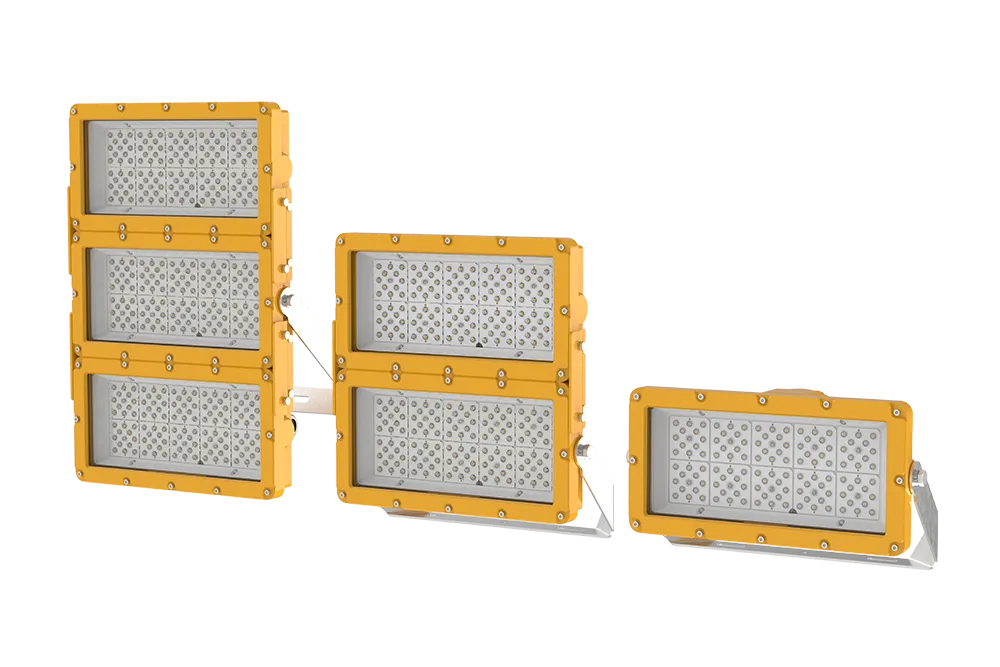
SEEKINGLED LED Explosion Proof Flood Lights are flameproof ATEX and IECEx certified for Zone 1 and Zone 2 hazardous areas, offering high power, adjustable output and long service life.
View details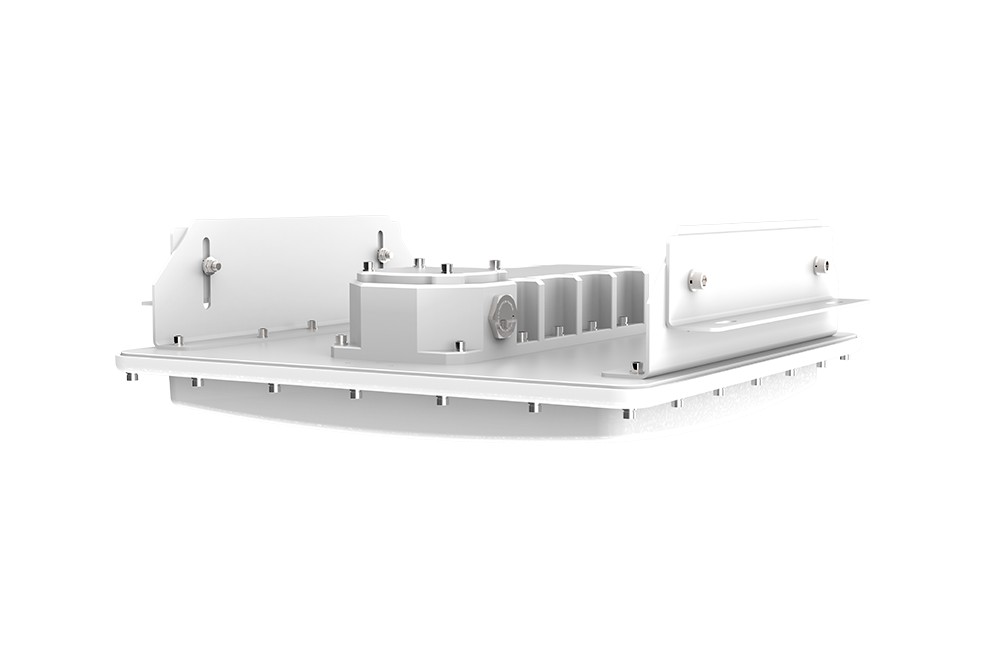
SEEKINGLED LED Gas Station Canopy Lights are ATEX certified for Zone 2 and Zone 22 hazardous areas, featuring adjustable power and built-in explosion-proof junction box.
View details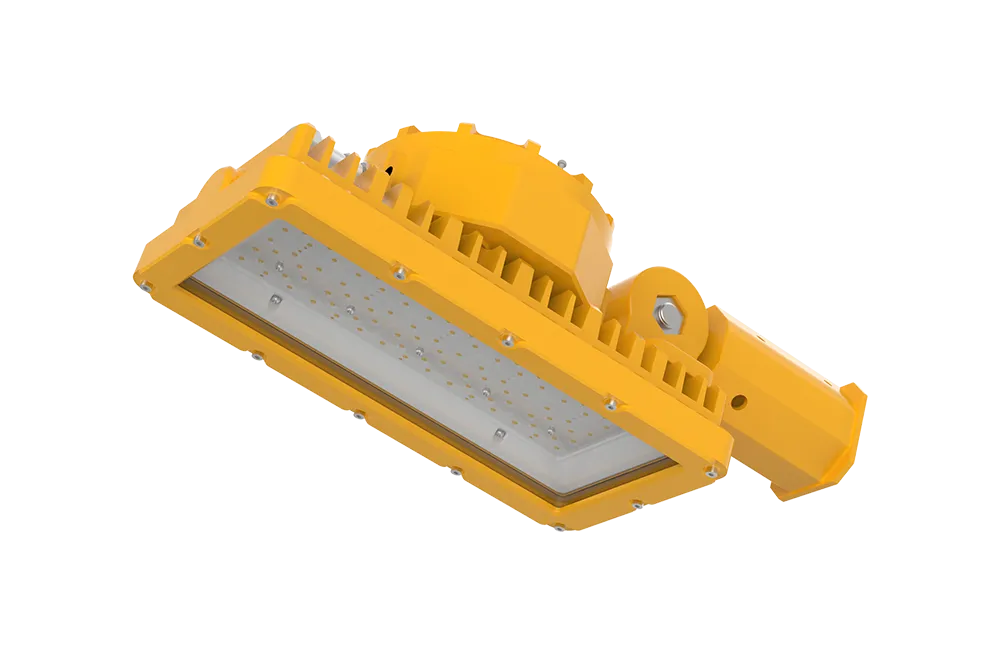
ATEX: Ex II 2G Ex db IIB T6/T5 GbEx II 2D Ex tb IIIC T80°C/ T95°C Db IECEx Ex db IIB T6 Gb;Ex tb IIIC T80°C Db Feature: ● For Zone 1,2 and Zone 21,22● Flameproof type, the strongest● 100W can replace 250W HID,energy saving● Power:60W,80W,100W Application: Oil and gas, marine, Chemical, pharmaceutical, semiconductor,mining,military industr…
View details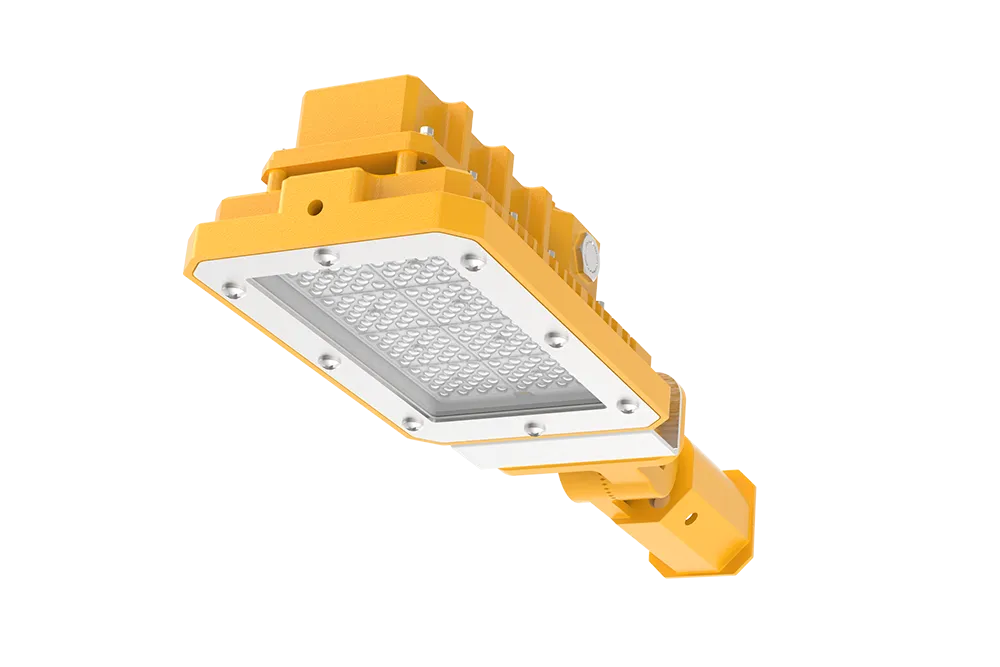
ATEX: II 3G Ex nR ⅡC T5/T6 GcII 3D Ex tc ⅢC T80℃/T95℃Dc ATEX Certificate NO: TÜV CY 26 ATEX 0207611 X Feature: ● For Zone 2 and Zone 22● 150W can replace 250W HID lamps,Energy saving● Power:50W,75W,100W,150W,200W Application: Oil and gas, marine, Chemical, pharmaceutical, semiconductor,mining,military industry, paint booth,power plant ETC…
View details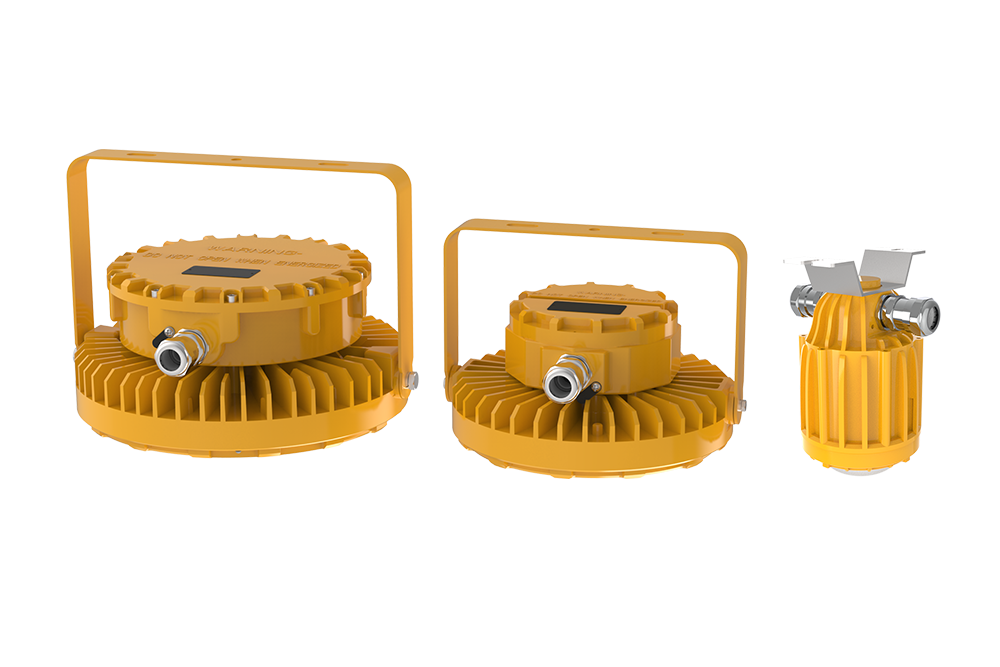
LED explosion proof high bay lights are designed for Zone 1, Zone 2, Zone 21 and Zone 22 hazardous areas. This page introduces the HB21 Series from SEEKING, including certifications, power options and real application considerations.
View details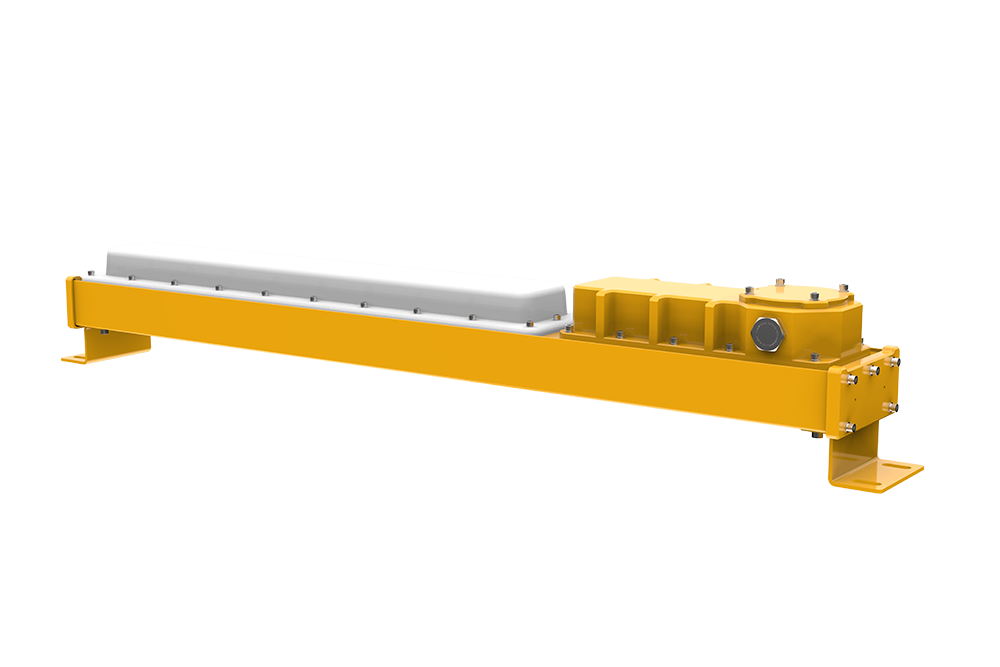
LED Linear Explosion Proof Lights from SEEKINGLED. LU Series Flame Proof lights ATEX-certified explosion proof LED linear lighting for Zone 2 gas and Zone 22 dust areas, IP69K, IK10, long lifetime and flexible power options.
View details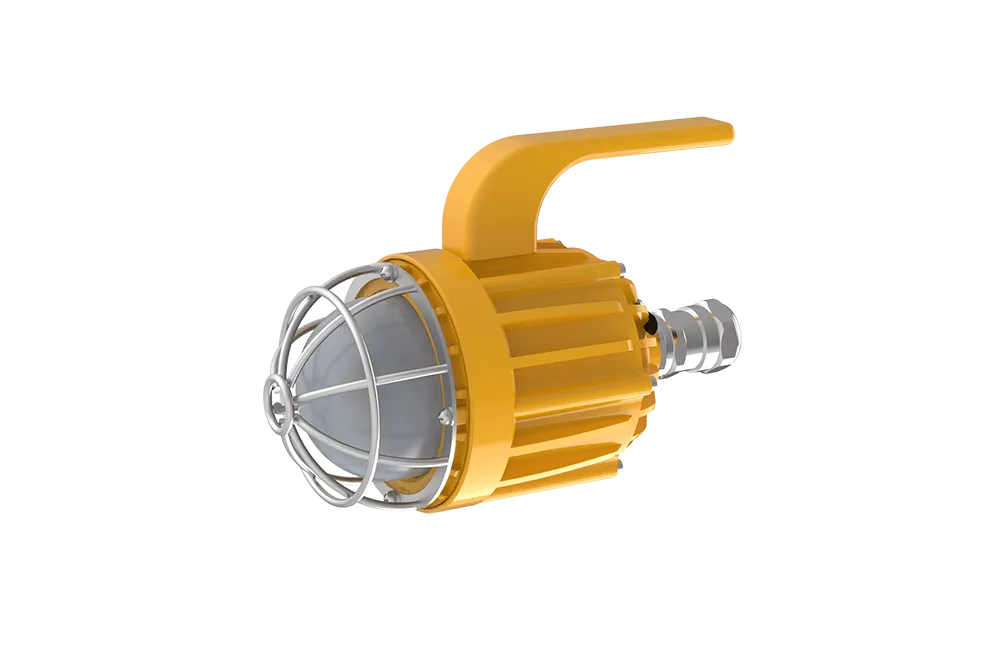
Certified explosion proof work lights for Zone 1 & 21 hazardous areas. Portable, ATEX & IECEx approved, built for oil, gas and chemical plants by SEEKINGLED.
View details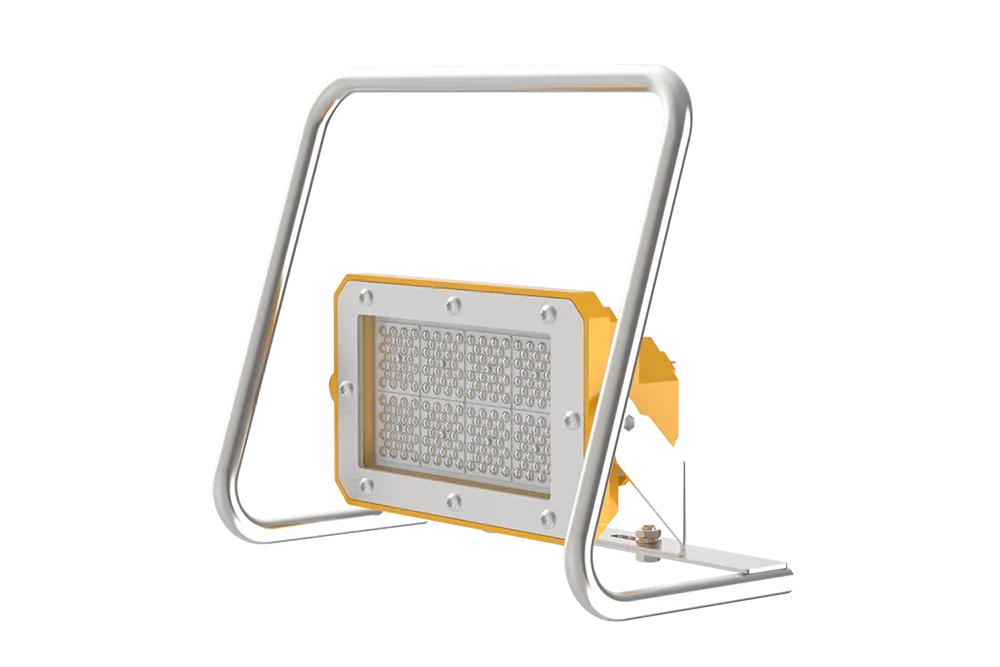
ATEX: II 3G Ex nR ⅡC T6 GcII 3D Ex tc ⅢC T80℃ Dc ATEX Certificate NO: TÜV CY 26 ATEX 0207611 X Feature: ● For Zone 2 and Zone 22● Accepts battery-powered supply● indestructible● Power:AC input:50W,75W,100WDC input:15W,25W,35W Application: Oil and gas, marine, Chemical, pharmaceutical, semiconductor,mining,military industry, paint booth,po…
View details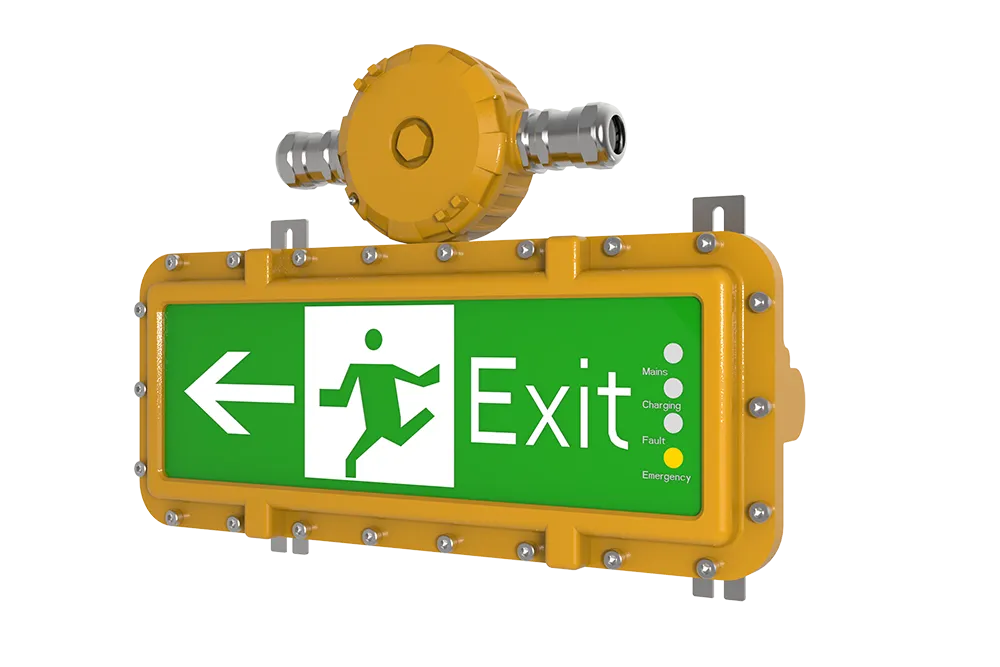
ATEX: Ex II 2G Ex db IIB T6 GbEx II 2D Ex tb IIIC T80°C Db IECEx Ex db IIB T6 Gb;Ex tb IIIC T80°C Db Feature: ● For Zone 1,2 and Zone 21,22● Flameproof type, the strongest Application: Oil and gas, marine, Chemical, pharmaceutical, semiconductor,mining,military industry, paint booth,power plant ETC hazardous area. Technical Specifications:…
View details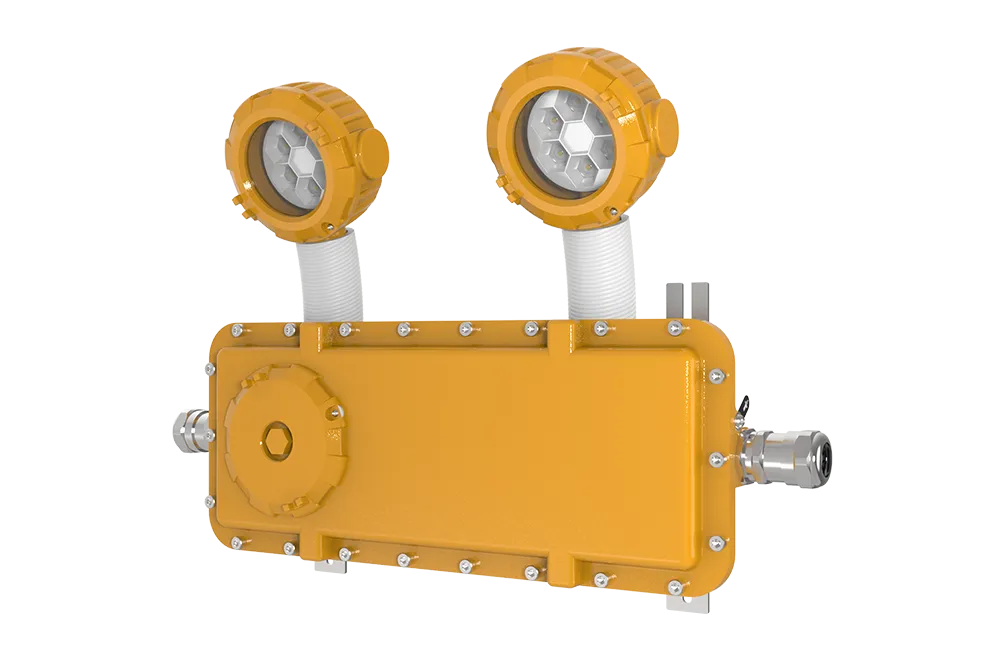
ATEX: Ex II 2G Ex db IIB T6 GbEx II 2D Ex tb IIIC T80°C Db IECEx Ex db IIB T6 Gb;Ex tb IIIC T80°C Db Feature: ● For Zone 1,2 and Zone 21,22● Flameproof type, the strongest Application: Oil and gas, marine, Chemical, pharmaceutical, semiconductor,mining,military industry, paint booth,power plant ETC hazardous area. Technical Specifications:…
View details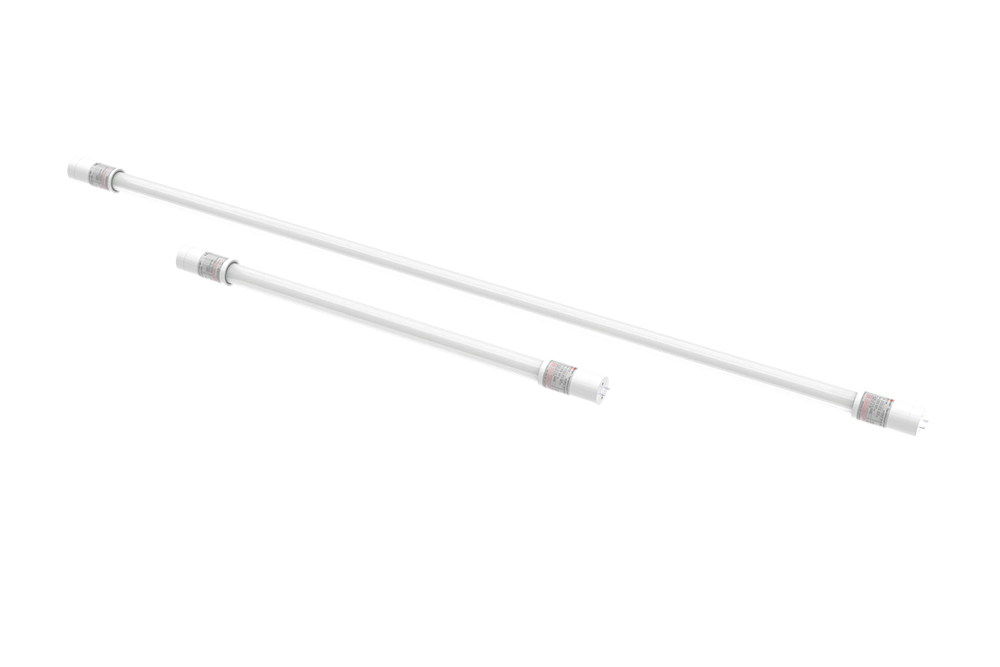
ATEX: Ex II 2G Ex d e IIB T6 Gb ATEX: Ex d e IIB T6 Gb; Feature: ● For Zone 1,2● 9W can replace 18W fluorescent lamps,50% Energy saving Application: Oil and gas, marine, Chemical, pharmaceutical, semiconductor,mining,military industry, paint booth,power plant ETC hazardous area. Technical Specifications: Standards:60079-0, 60079-1, 60079…
View details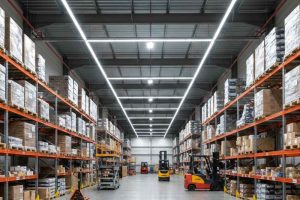
LED high bay spacing chart by ceiling height explained with real warehouse logic. Learn spacing ranges, common errors, and how to adjust for layout.
View details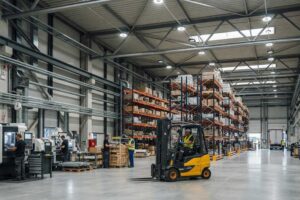
How high do high bay lights need to be? Learn the ideal LED high bay mounting height based on ceiling height, beam angle, lumens, and industrial lighting needs.
View details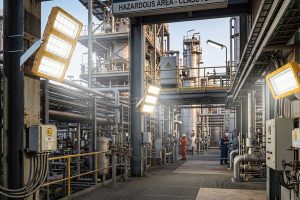
Explosion proof light fixture ensures safe operation in hazardous areas. Learn design, certifications, materials, and real-world selection tips from SEEKINGLED.
View details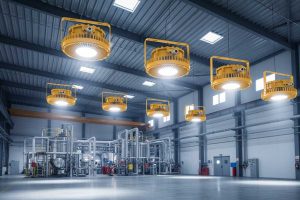
Explosion proof LED high bay lighting plays a critical role in hazardous areas. This article shares real engineering experience with ATEX and IECEx certified HB21 Series lighting from SEEKINGLED, designed for Zone 1 and Zone 21 environments.
View details