LED High Bay Glare vs Beam Angle Explained: What Actually Causes the Problem?
Question & Answer
LED high bay glare vs beam angle explained—what’s the real relationship, and why does glare still happen even with “good” fixtures?
Glare doesn’t come from brightness alone.
That’s the first misunderstanding.
When people ask for LED high bay glare vs beam angle explained, they’re usually already dealing with complaints: eye strain, headaches, forklift drivers looking away, workers saying the lights feel “harsh.”
Beam angle is almost always part of the answer—but rarely the whole story.
Glare Isn’t About Too Much Light. It’s About Where Light Goes
You can meet every lighting standard on paper and still fail in real life.
We’ve seen warehouses with perfect lux readings and miserable working conditions. The reason? Light hitting eyes instead of tasks.
That’s glare.
Beam angle controls direction, not just spread. And direction decides comfort.
Narrow Beam Angles: Powerful, Focused—and Risky
Narrow beams (60° or tighter) concentrate light aggressively.
They’re useful. Sometimes necessary.
But here’s the trade-off no one mentions enough:
- Higher intensity at eye level
- Bright “hot spots” on the floor
- Strong contrast between lit and unlit zones
In tall spaces, narrow beams often look fine on day one. Then people start working underneath them. That’s when glare shows up.
Wide Beam Angles: Softer, Safer—But Not Always Better
Wide beams (100°–120°) spread light gently.
Glare risk drops. Uniformity improves.
But go too wide and new problems appear:
- Light spills where it’s not needed
- Aisles lose definition
- Energy efficiency drops
Wide beam doesn’t automatically mean comfortable. It just shifts the balance.
The Real Issue: Beam Angle Without Context
This is where most projects go wrong.
Beam angle decisions are made without considering:
- Mounting height (actual, not planned)
- Viewing angles of workers
- Reflective surfaces (floors, racks, packaging)
We’ve seen glare complaints in buildings with “correct” beam angles—because reflections turned wide beams into eye-level brightness.
LED High Bay Glare vs Beam Angle Explained in Simple Terms
Here’s the plain truth:
- Narrow beam + low mounting height = glare risk
- Wide beam + reflective environment = glare risk
- Any beam + wrong optic design = glare guaranteed
Beam angle matters, but optics matter more.
That’s why two fixtures with the same beam angle can behave completely differently.
What Actually Reduces Glare Long Term
From field experience at SEEKINGLED, glare control works when:
- Beam angle matches mounting height
- Optics shield the LED source, not expose it
- Light is shaped, not just spread
Diffusers help. Louvers help. But layout decisions matter more than accessories.
Why Glare Complaints Usually Start Late
Glare fatigue builds over time.
Workers don’t complain immediately. They adapt—until they can’t. Then productivity drops, mistakes rise, and lighting becomes the suspect.
By then, changing fixtures costs more than choosing correctly upfront.
The Practical Takeaway
If you’re searching for LED high bay glare vs beam angle explained, the answer isn’t a number.
It’s a judgment call based on:
- Space behavior
- Human movement
- Visual comfort over hours, not minutes
That’s how we approach projects at SEEKINGLED—and why glare complaints are usually quiet where lighting is done right.
LED high bay light Product Recommendation
The SEEKING HBC-T Series high bay lights LED offer long-lasting performance for warehouses, production plants and logistics centers. Durable IP65 & IK08 housing, 60°/90° beam angles, up to 150 lm/W, and a lifespan beyond 100,000 hours. Ideal for a…
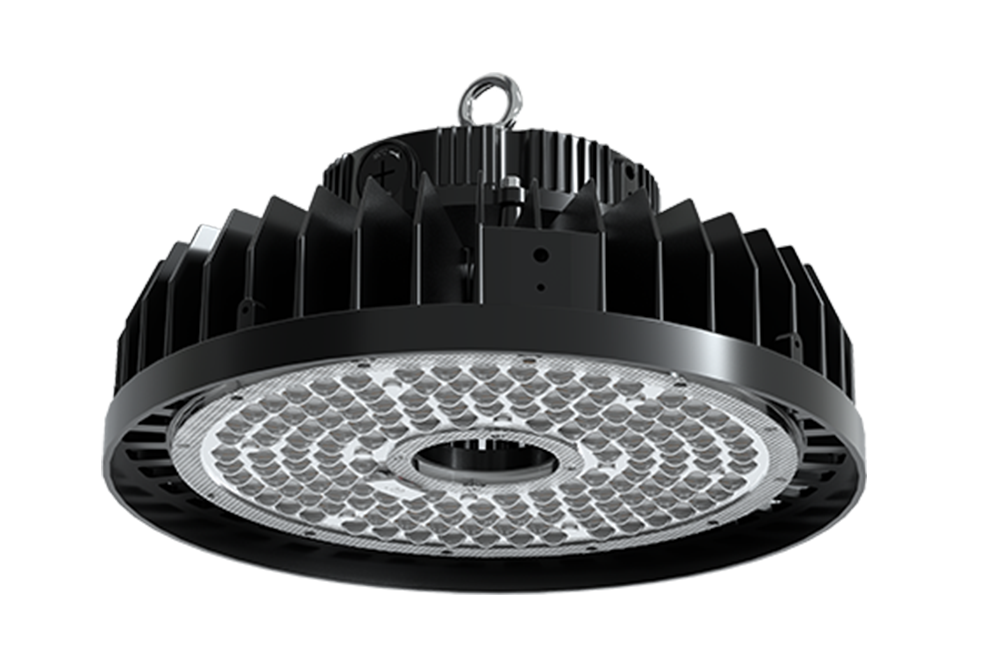
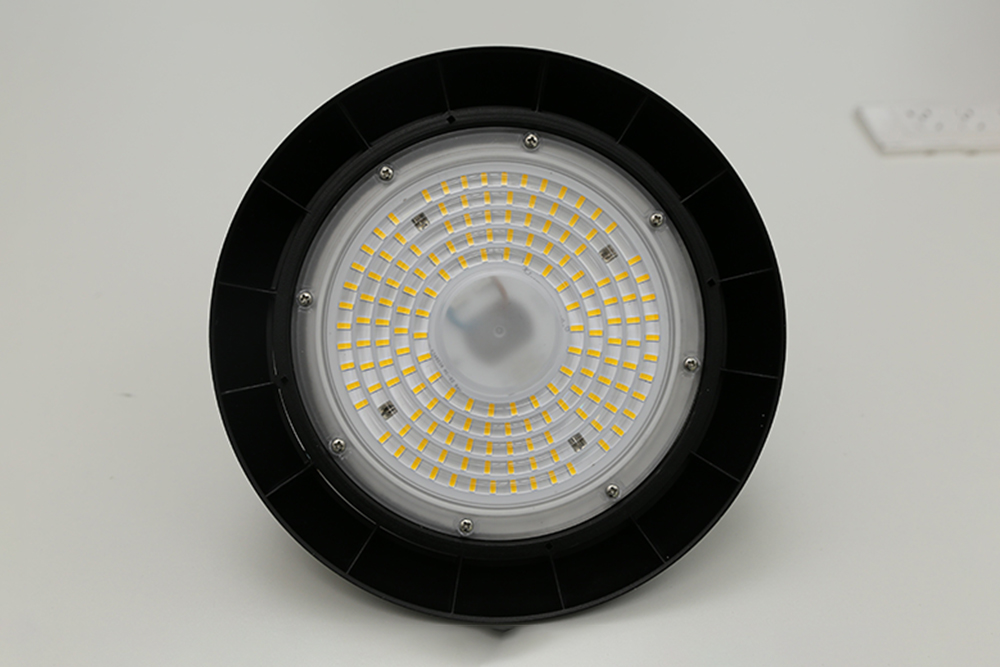
The SEEKING HBS Series LED UFO high bay light delivers 140 lm/W efficiency, IP65 protection and MEAN WELL drivers. A durable high-rise lighting solution for factories, warehouses and commercial halls.
SEEKING HBD Series LED high bay lighting delivers 160 lm/W efficiency, IP66 protection, and long 100,000-hour lifespan. A durable UFO high bay solution for warehouses, workshops, logistics centers and commercial facilities.
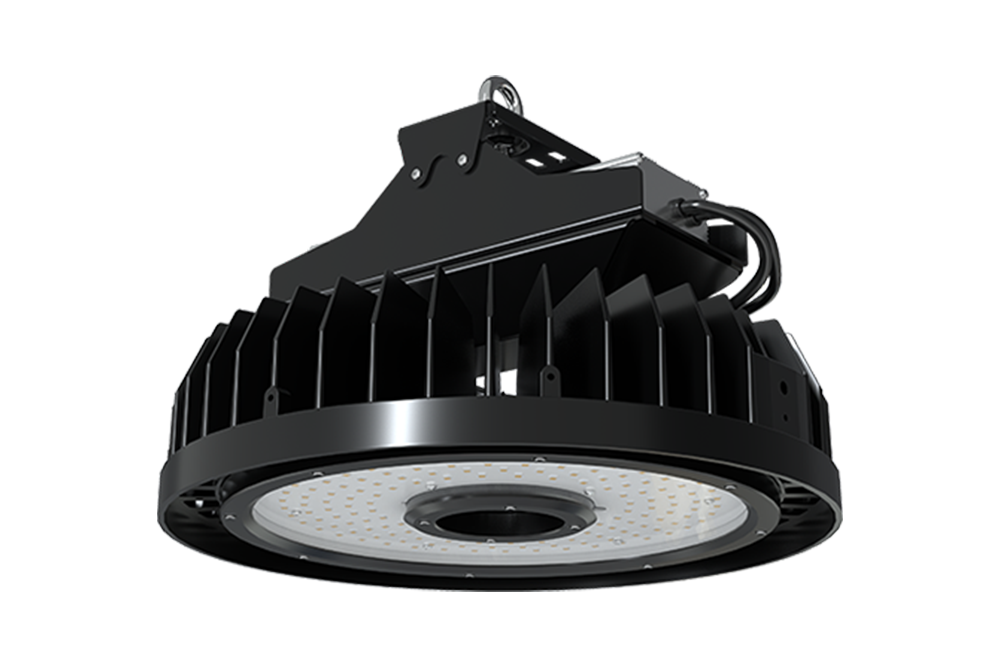
The SEEKING HBC Series high bay LED light fixtures combine strong efficiency, practical design and reliable SOSEN drivers. A durable UFO high bay lighting option for warehouses, workshops and wholesale projects.
The SEEKING GSL Series high bay LED light delivers powerful, efficient lighting for industrial and commercial spaces. With IP65 protection, flexible mounting, and up to 140 lm/W performance, it’s ideal for warehouses, workshops, and retail areas.
The SEEKING HB15(GLE) Series delivers advanced high bay led lighting with UGR 100,000 h) and reliable illumination for demanding commercial environments.
Discover the SEEKING HB13(GLK) Series ufo led high bay light, engineered for sports halls, airport lounges, showrooms, and large commercial spaces. UGR 100,000 h). Ideal for industrial ufo high bay lighting fixtures and commercial retrofits.
SEEKING HBF Series offers industrial LED high bay lighting with up to 200lm/W efficiency, SOSEN flicker-free driver, IP65 protection and optional microwave motion sensor. Ideal for warehouses, factories and commercial distribution projects.
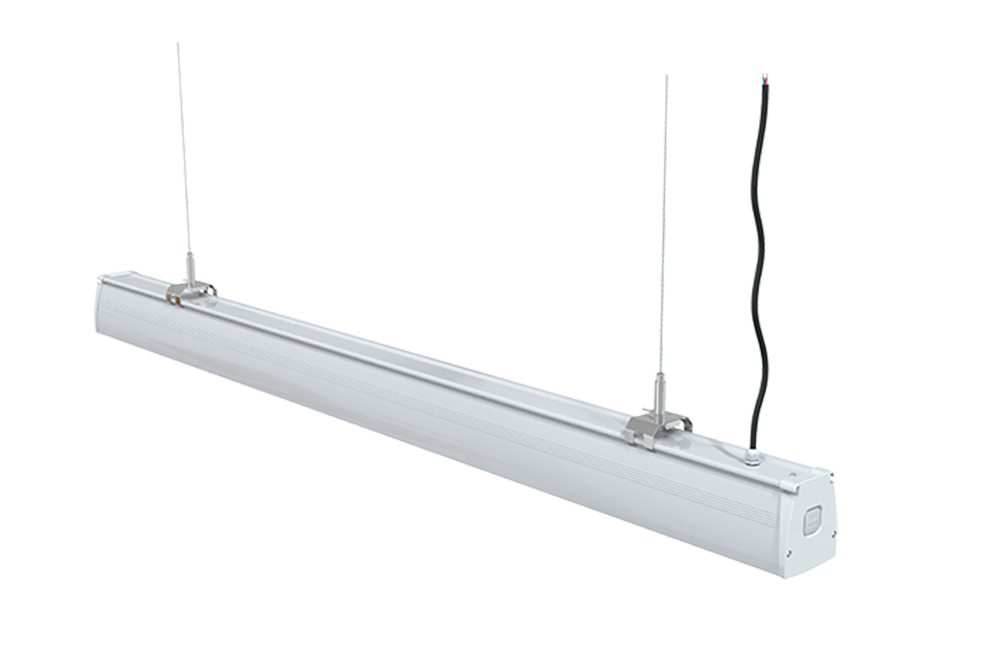
The HLD Series linear high bay LED lights from SEEKING deliver up to 200 lm/W with multiple beam angles and adjustable CCT options for warehouse, workshop, corridor and general industrial lighting.
The HBK Series LED high bay light by SEEKING combines 500W power, 160–175 lm/W efficiency and IP65 durability for heavy-duty industrial lighting. Designed for warehouse, factory and production facilities with demanding ceiling heights.
LED high bay lights engineered for extreme heat and low-temperature industrial sites. SEEKING HBK Ultua Series operates from -40°C to +70°C with Nichia LEDs and Inventronics driver.
High bay LED lights built for warehouses, production plants and wholesale distribution. SEEKING HBI Series offers up to 200lm/W, IP65, IK08 and optional microwave motion sensor for energy saving operation.
loading…
This is the last post!
 Seeking LED