 Seeking LED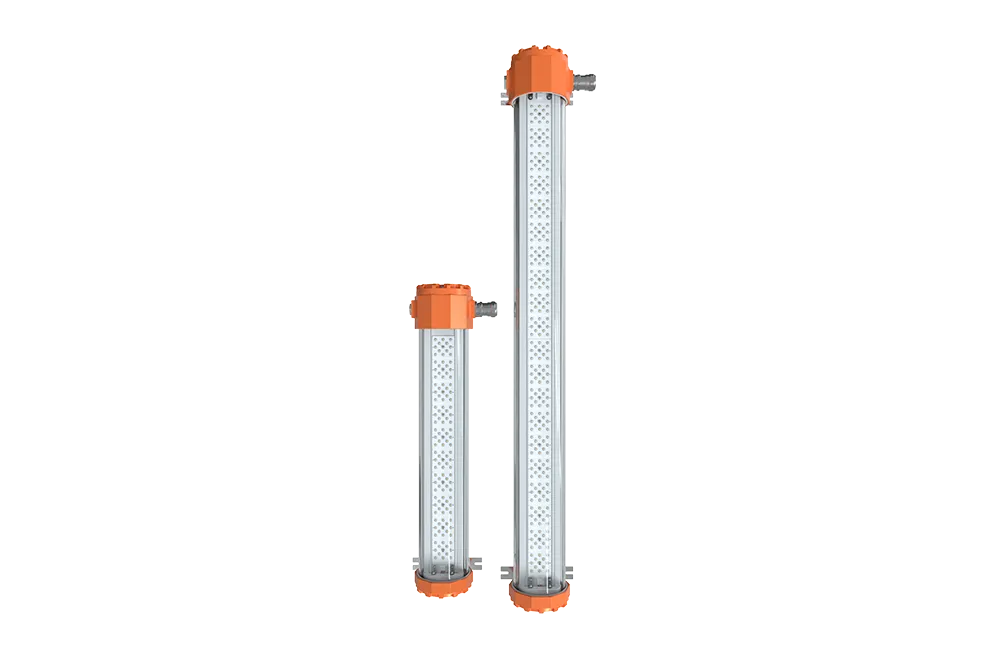
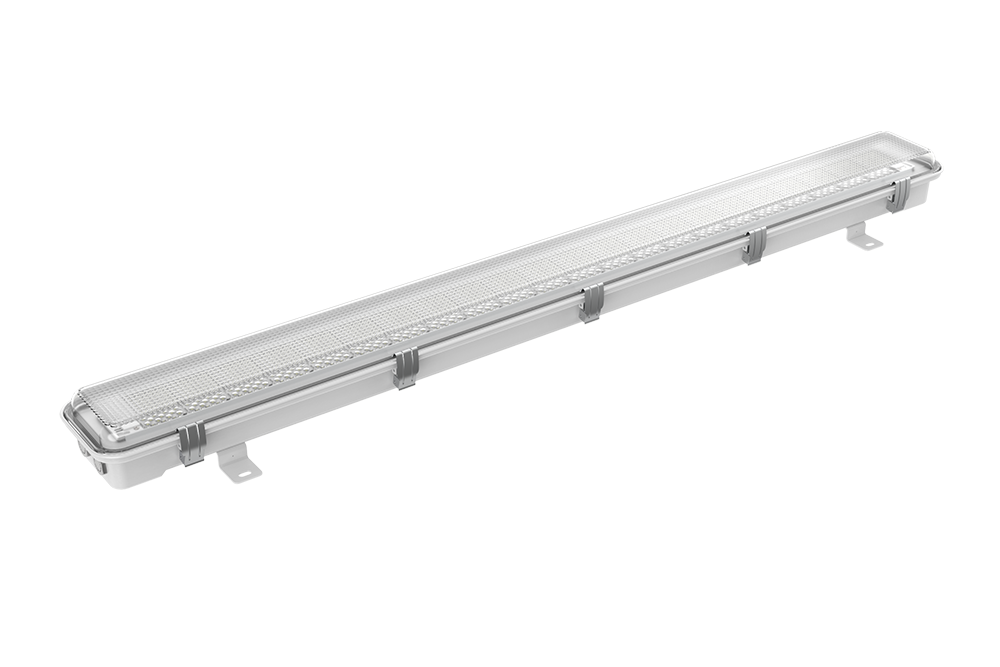
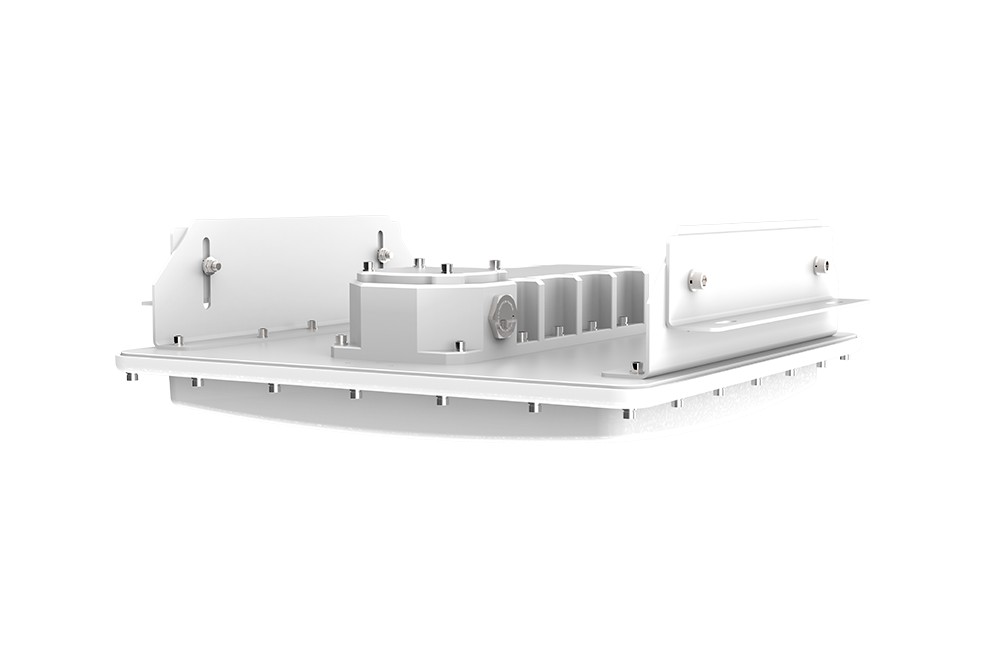
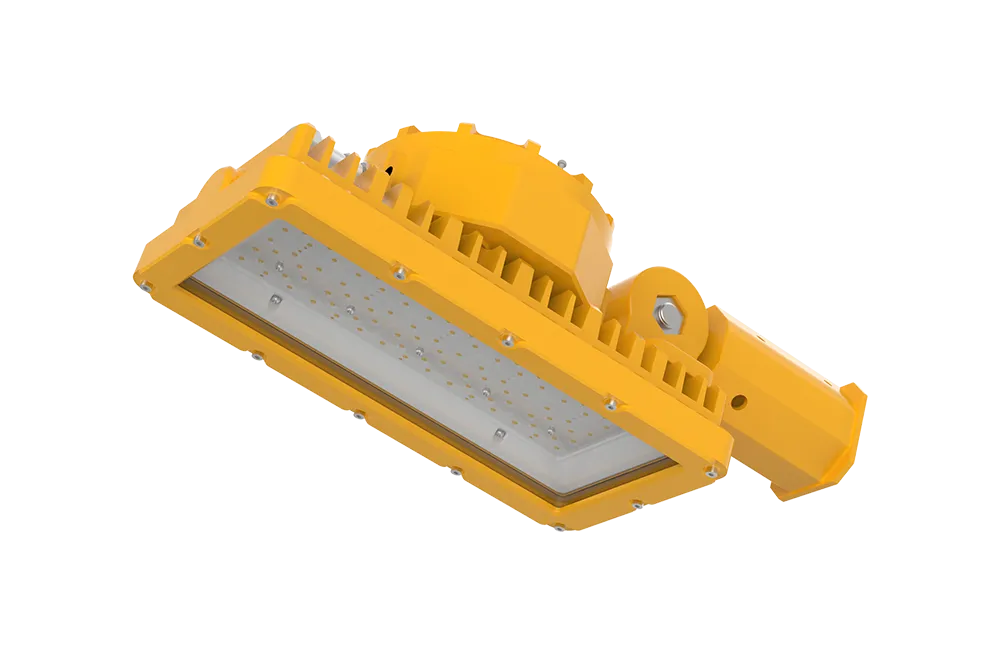
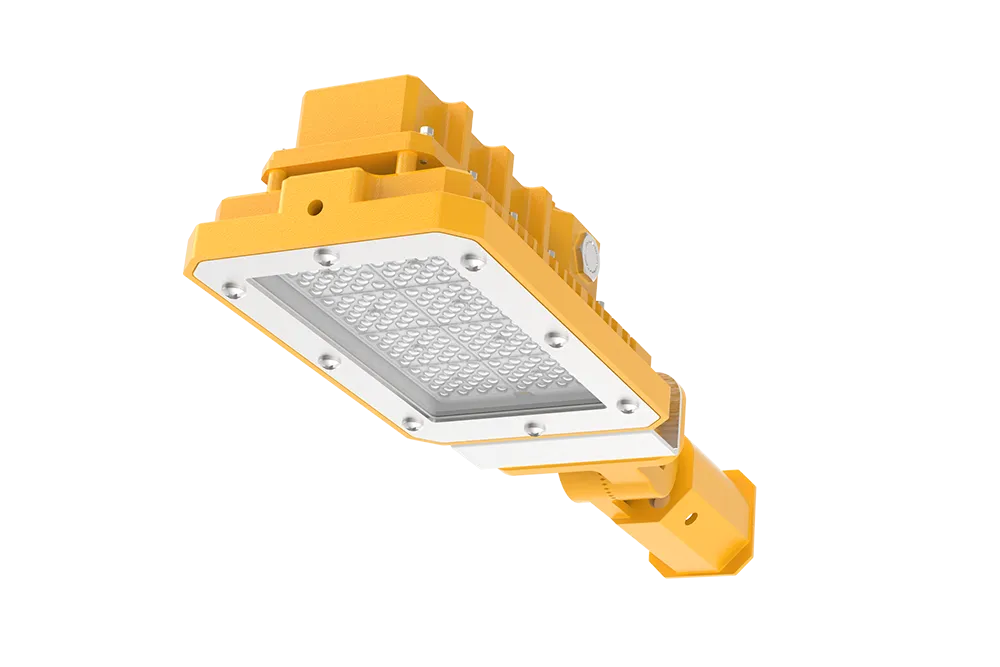

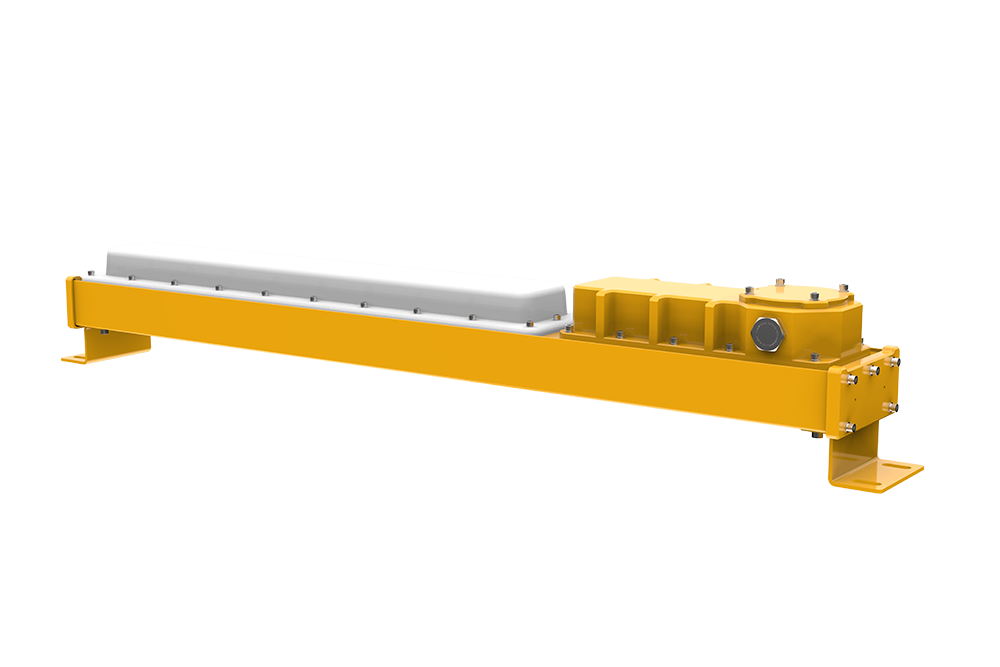
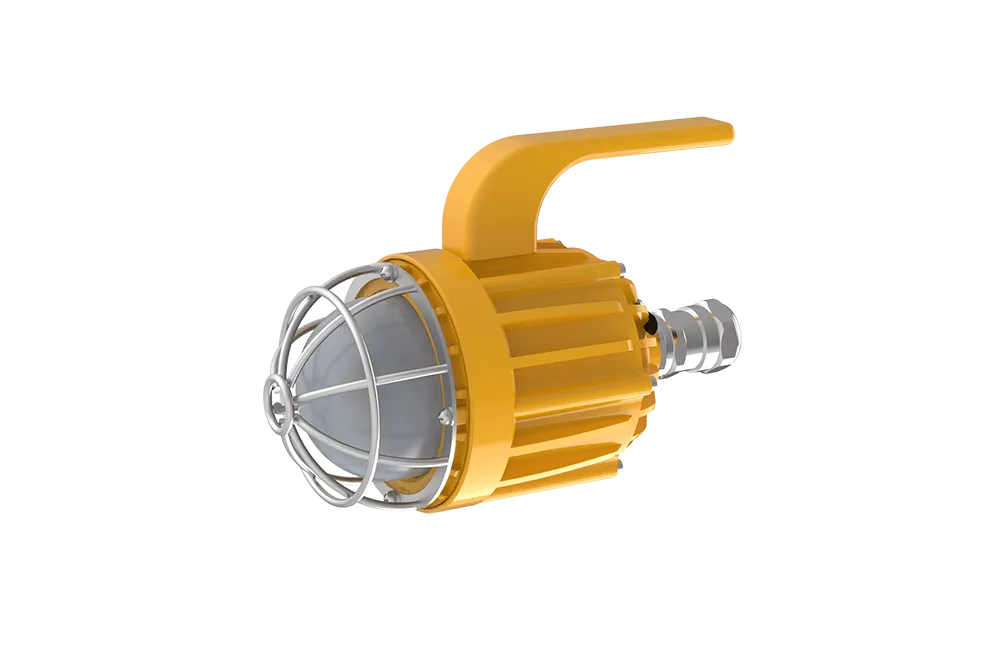
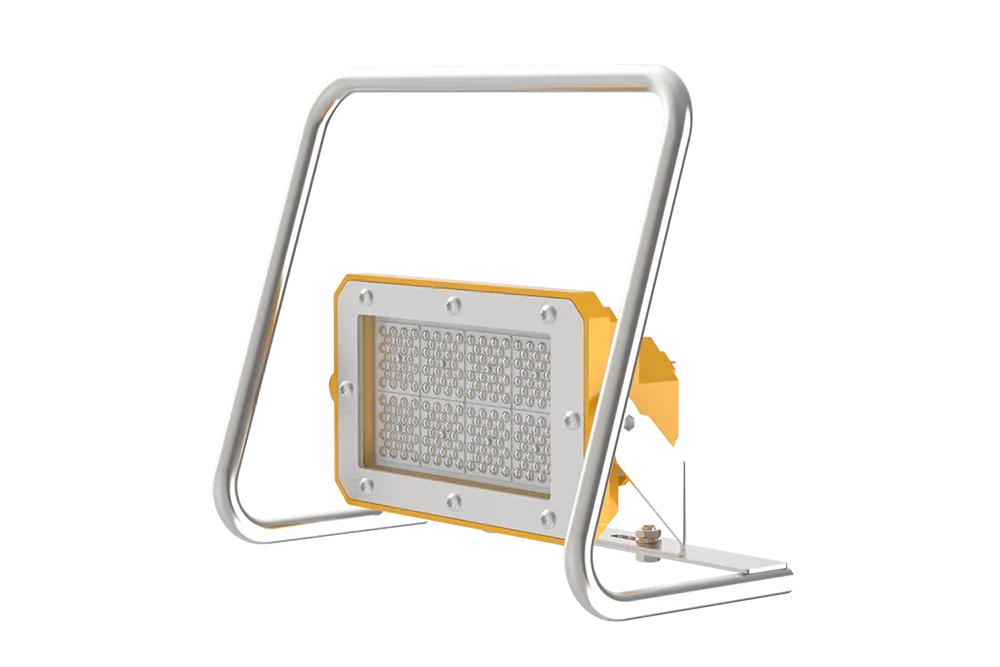
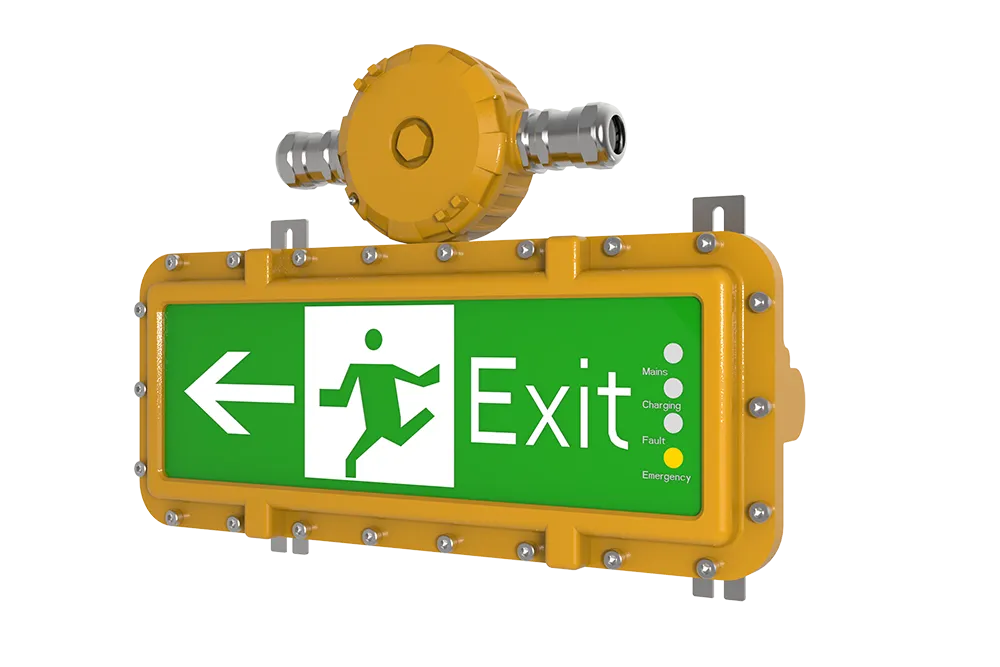
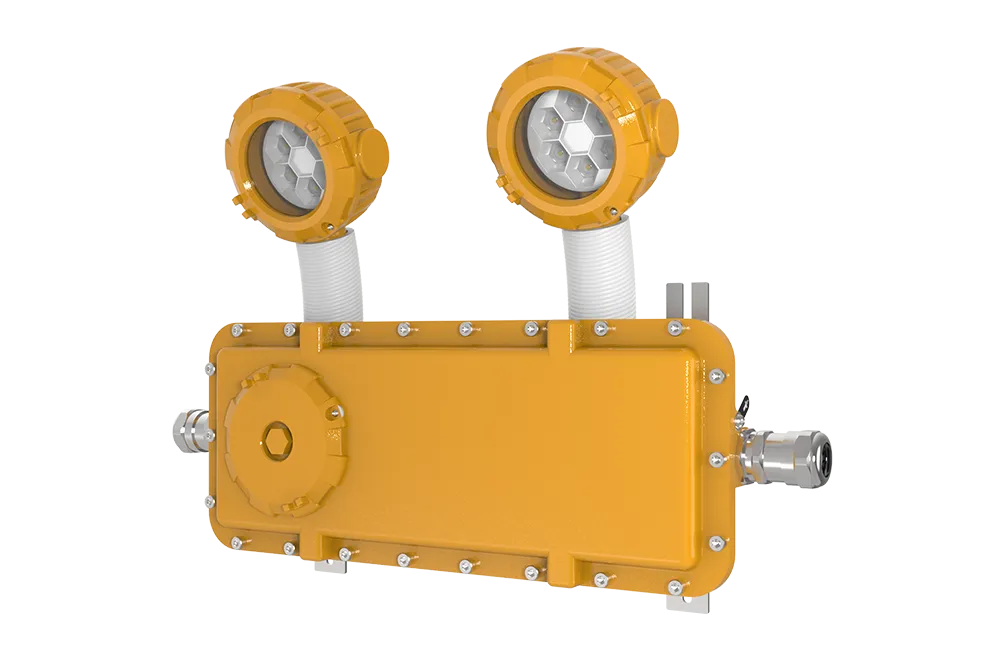
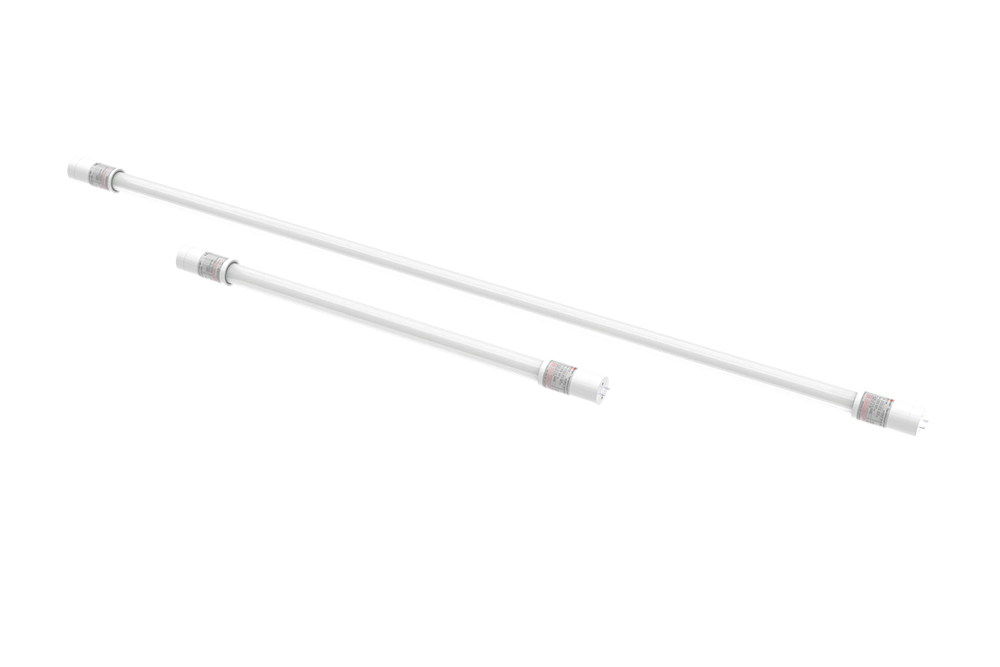
explosion proof linear light for hazardous industrial lighting
0Explosion proof linear light designed for Zone 1 and Zone 2 hazardous locations. High-efficiency LED protection for oil, gas, marine, and chemical plants.
View detailsSearch the whole station
What makes a light explosion proof is not a single feature. It is a combination of design rules, material choices, and certified testing that allow the fixture to operate safely in hazardous areas.
In simple terms, an explosion proof light is built so that any ignition occurring inside the fixture cannot ignite the surrounding gas or dust. That is the core requirement.
At SEEKINGLED, this principle is addressed from the first mechanical drawing, not added later.
No. This is a common misunderstanding.
Explosion proof lighting does not guarantee that nothing inside can fail or spark. Instead, it ensures that if an internal ignition happens, it stays contained. The external environment remains unaffected.
This is why housing strength and joint design matter more than appearance.
The enclosure is the first critical factor.
Explosion proof lights use:
These elements allow hot gases to cool before exiting, preventing flame transmission.
SEEKINGLED machines these flame paths under strict tolerance control, because even small deviations can compromise safety.
Flame paths are not seals. They are controlled escape routes.
When pressure builds inside the fixture, gases are allowed to exit slowly through engineered gaps. As they pass through, heat is dissipated, and ignition energy is reduced below the threshold needed to ignite external atmospheres.
This detail is often invisible but essential.
Yes, directly.
Surface temperature is strictly limited in hazardous areas. Explosion proof lights must stay below defined temperature classes (such as T6 or T5), even under fault conditions.
LED technology helps here, but only when paired with:
This is why certified explosion proof lights are usually heavier than standard fixtures.
Absolutely.
Cable glands, terminal chambers, and gaskets must match the same protection concept as the main housing. Poor cable entry design is one of the most common failure points in non-certified products.
SEEKINGLED integrates certified junction boxes and tested sealing systems to avoid weak links in the installation.
No.
Explosion proof lighting deals with ignition containment, not just ingress protection.
A light can be IP66 or IP67 and still be unsafe in a classified zone if it lacks explosion proof certification.
Dust-rated (Ex tb or Ex tc) and gas-rated (Ex d or Ex nR) protections follow different test logic.
Certification is not optional. It is the proof that a light meets explosion proof requirements in real conditions.
ATEX and IECEx testing includes:
SEEKINGLED products are certified through notified bodies because internal testing alone is not enough.
Yes, even with the same rating.
Differences in:
can affect reliability over time. Explosion proof is not just a label; it is ongoing performance under stress.
Usually:
Working with manufacturers like SEEKINGLED helps translate standards into practical product selection, rather than relying on assumptions.
Knowing what makes a light explosion proof helps prevent:
In hazardous areas, clarity matters more than marketing language.
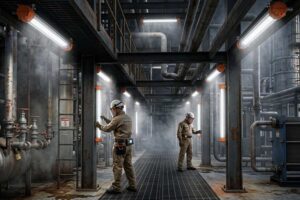
Explosion proof linear light designed for Zone 1 and Zone 2 hazardous locations. High-efficiency LED protection for oil, gas, marine, and chemical plants.
View details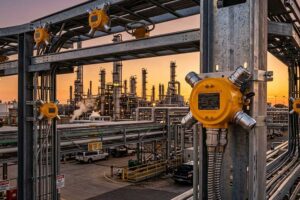
What is explosion proof junction box? Learn how explosion-proof junction boxes prevent ignition risks in hazardous areas, where they are used, and how to choose the right model.
View details
SEEKINGLED Shenzhen factory welcomed CSA Group for a QAR/QAN quality system audit covering Zone 1 flameproof explosion-proof luminaires, conducted in accordance with IEC 60079 standards.
View details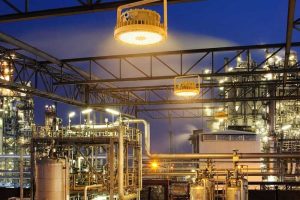
What is an explosion-proof high bay light fixture? Learn how it works, where it is used, and why certified explosion-proof high bay lighting is essential for hazardous industrial areas.
View details