 Seeking LED
High Bay LED Lights 200W for Real Industrial Environments
248High Bay LED Lights 200W deliver stable output, energy savings, and long lifespan. Discover how to choose reliable industrial lighting that performs in real environments.
View detailsSearch the whole station
How to open an explosion proof light fixture?
To open an explosion proof light fixture, isolate power, verify the area is gas-free, then carefully loosen certified bolts or threaded housings using proper tools—never forcing or modifying the enclosure to maintain safety integrity.
That’s the rule. In reality, this is where most compliance failures happen.
Explosion-proof fixtures are engineered to contain internal ignition. Once opened incorrectly, that protection is compromised—even if the light still “works.”
According to IEC 60079 (International Electrotechnical Commission) standards:
Opening it improperly can void certification immediately.
On a petrochemical site, a technician used a pipe wrench to open a seized fixture. He got it open—but damaged the flame path.
The light went back into service.
Two weeks later, it was flagged during inspection and replaced entirely.
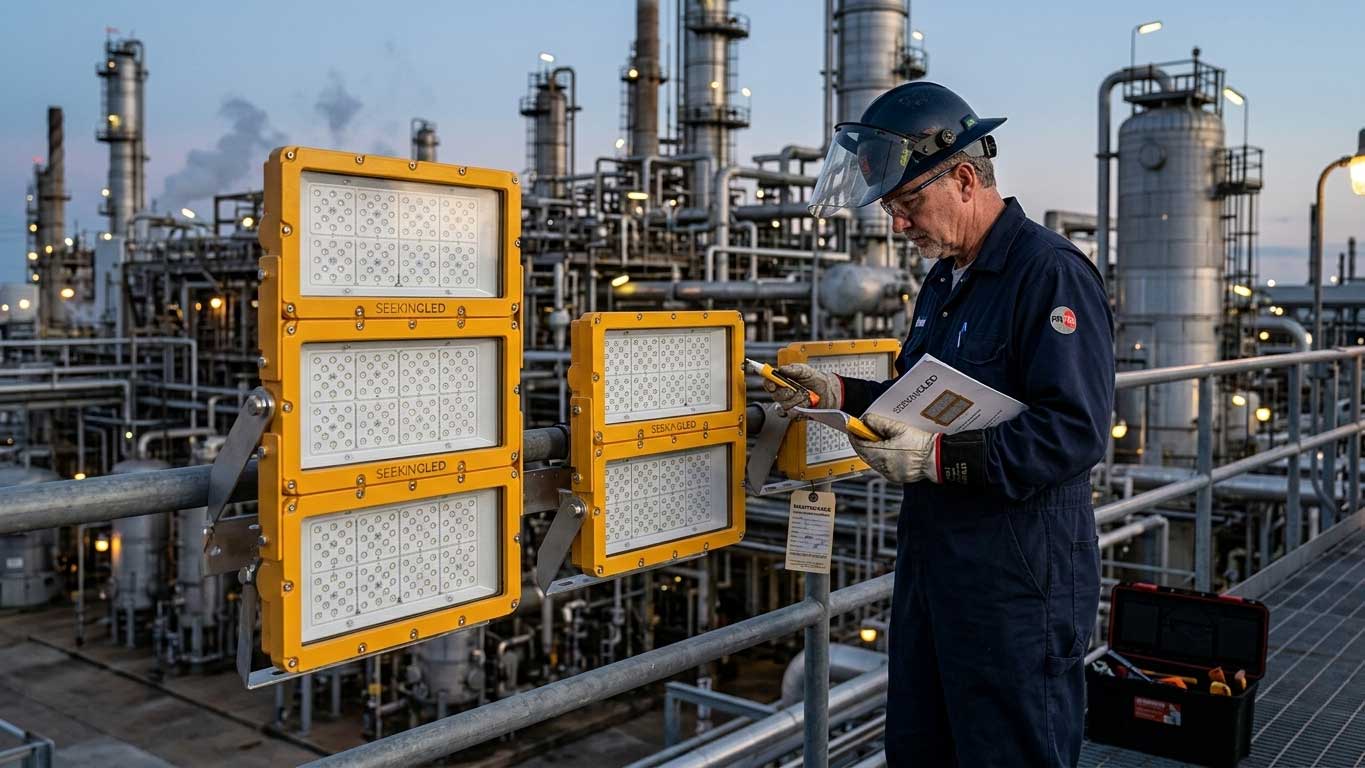
This is not optional. It’s standard under NFPA 70 (National Electrical Code).
Before opening:
Because once opened, the fixture is no longer explosion-proof.
Avoid:
Use:
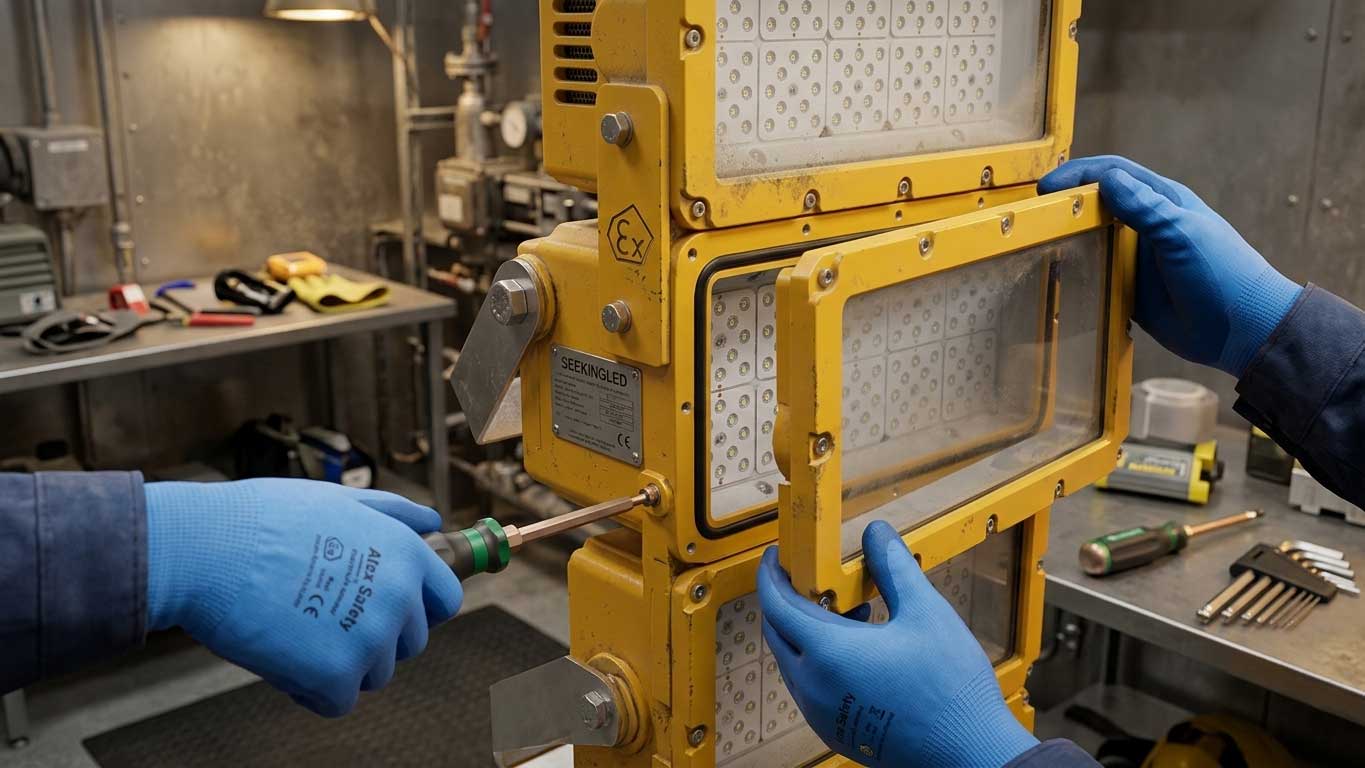
Depending on design:
Never force it. Resistance often means corrosion or pressure difference.
Once open:
Even minor damage can invalidate certification.
According to HSE (UK Health and Safety Executive) reports, improper maintenance is a leading cause of hazardous-area equipment failure.
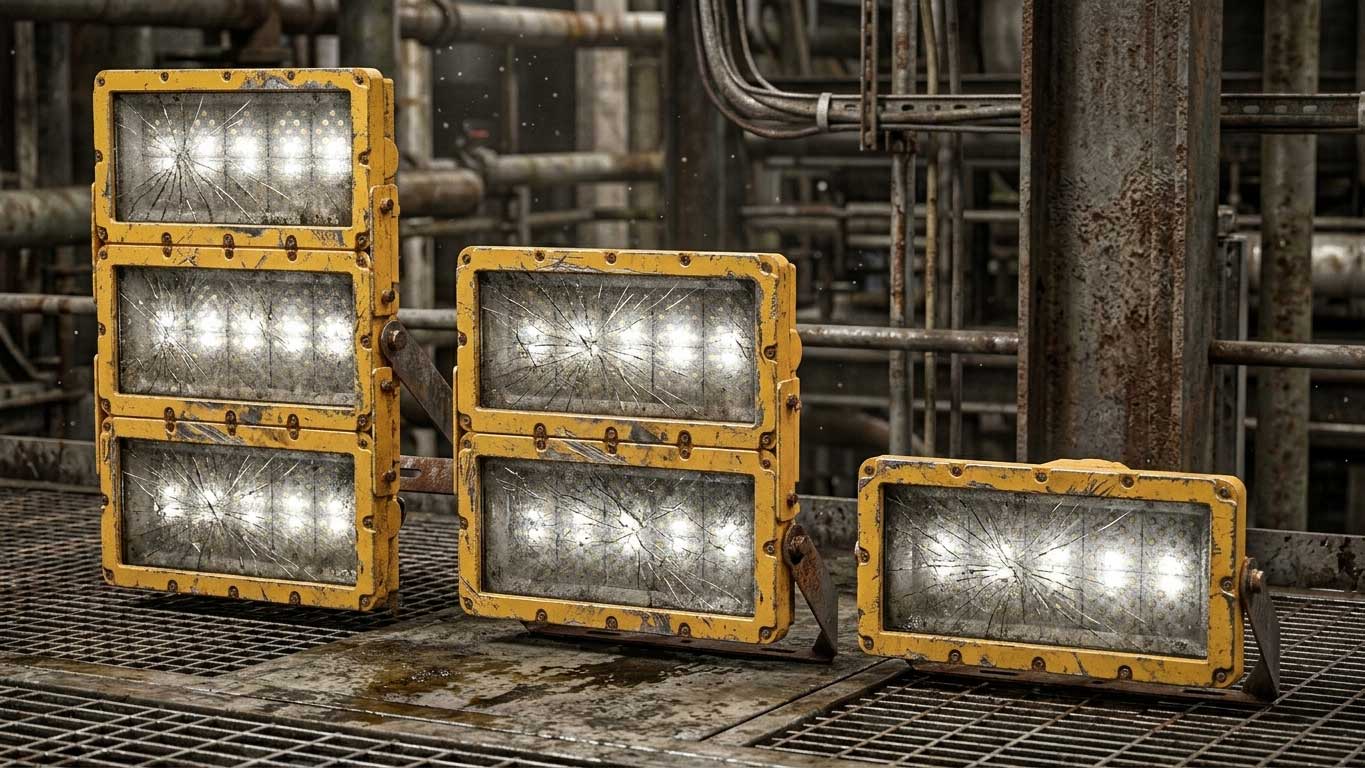
| Aspect | Correct Method | Incorrect Method |
|---|---|---|
| Tools | Certified, non-sparking | Pipe wrench, improvised |
| Process | Controlled, step-by-step | Forced opening |
| Safety | Maintains certification | Voids protection |
| Result | Reusable fixture | Replacement required |
No. Only trained personnel familiar with hazardous-area standards should perform this task.
Yes—but only after full safety procedures. There is no “quick” shortcut in hazardous zones.
The fixture loses its explosion-proof certification and must be repaired or replaced.
This guide is written by a senior engineer at SEEKINGLED, with:
The procedures here reflect real maintenance scenarios—not theoretical manuals.
Opening an explosion-proof light fixture isn’t difficult.
Doing it without compromising safety is.
That difference is what separates routine maintenance from a compliance failure.
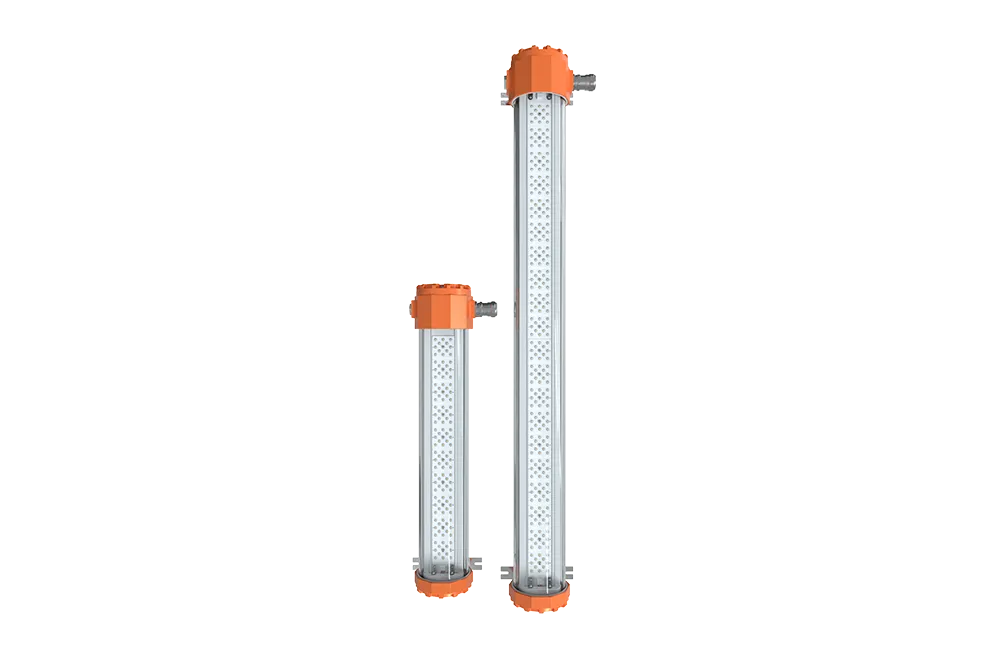
SEEKINGLED LED Linear Explosion Proof Light and Explosion Proof lighting is ATEX and IECEx certified for Zone 1, Zone 2, Zone 21 and Zone 22 hazardous locations, built for long-term industrial use.
View details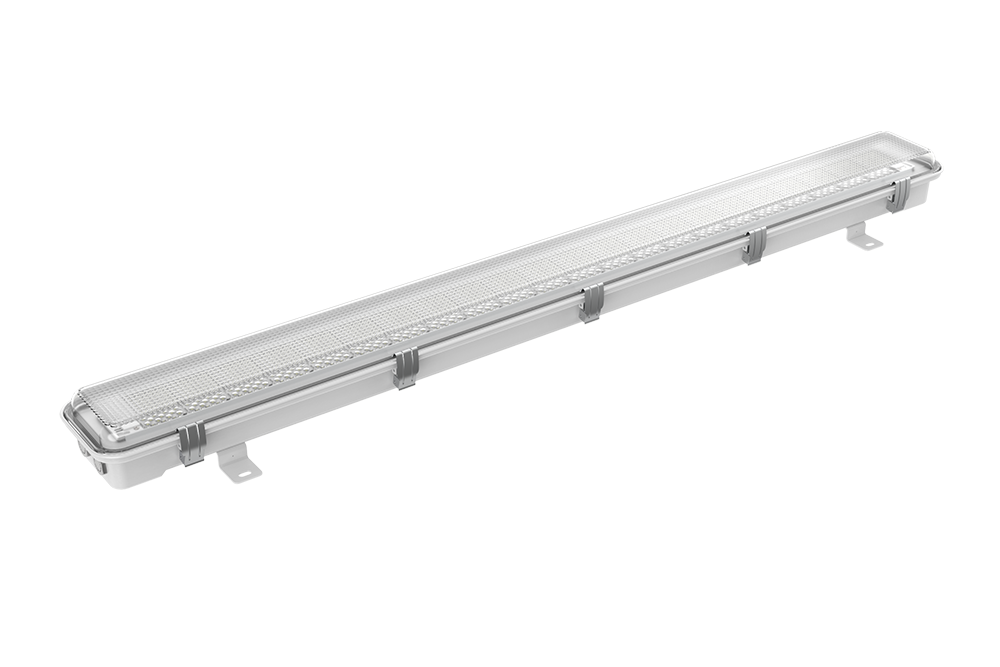
LED Linear Explosion Proof Lights and EX Proof lights for Zone 1, Zone 2, Zone 21 and Zone 22 hazardous areas. ATEX & IECEx certified explosion proof LED linear lighting with emergency function, adjustable power and IP67 protection by SEEKINGLED.
View details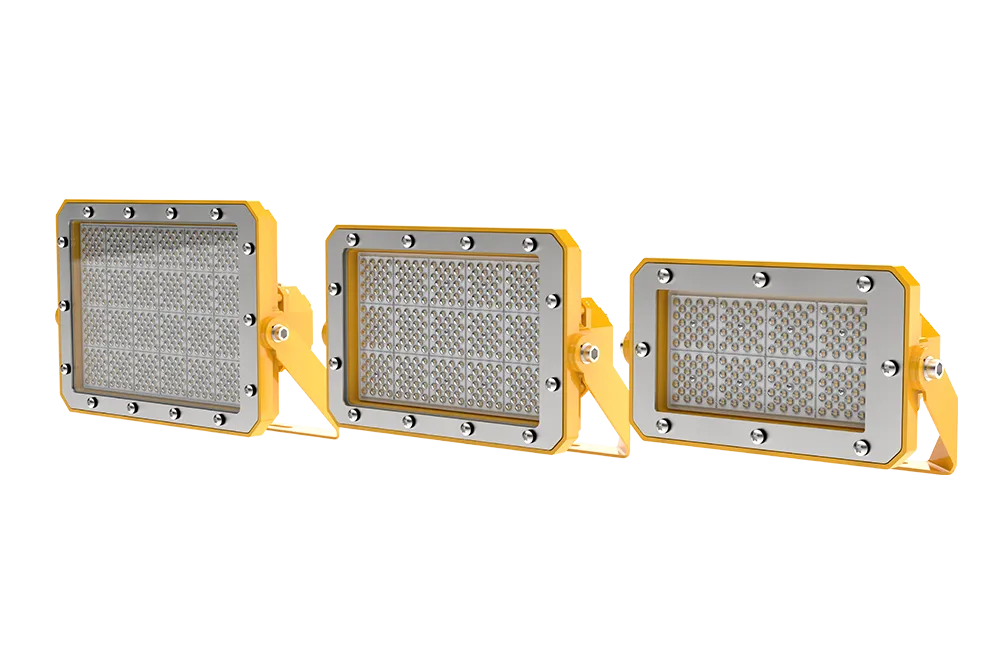
SEEKINGLED LED Explosion Proof Flood Lights are ATEX certified for Zone 2 and Zone 22 hazardous areas, offering high efficiency, adjustable power and integrated junction box.
View details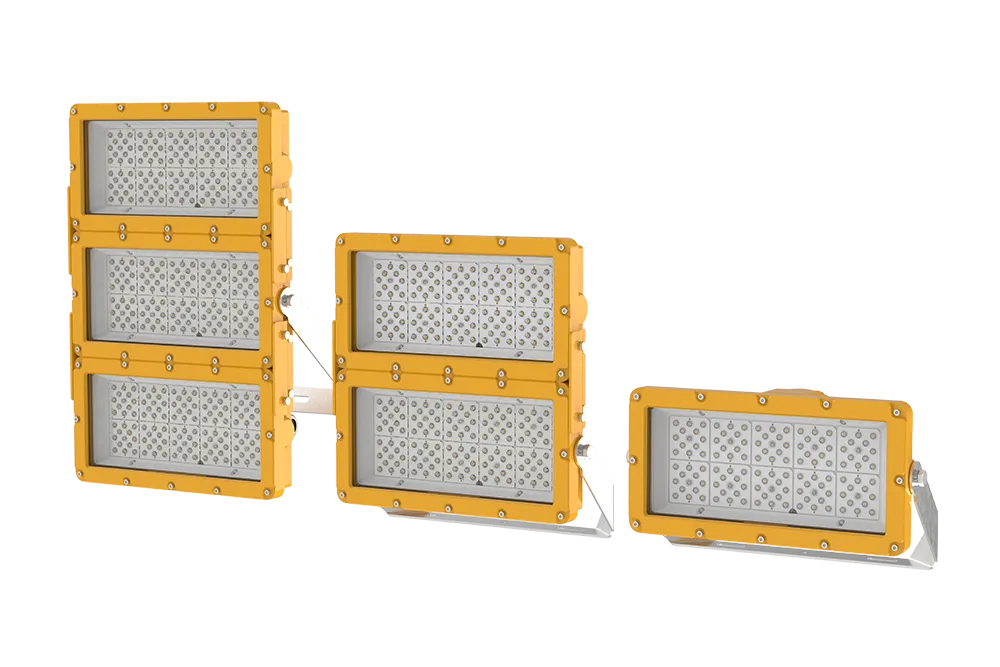
SEEKINGLED LED Explosion Proof Flood Lights are flameproof ATEX and IECEx certified for Zone 1 and Zone 2 hazardous areas, offering high power, adjustable output and long service life.
View details
SEEKINGLED LED Gas Station Canopy Lights are ATEX certified for Zone 2 and Zone 22 hazardous areas, featuring adjustable power and built-in explosion-proof junction box.
View details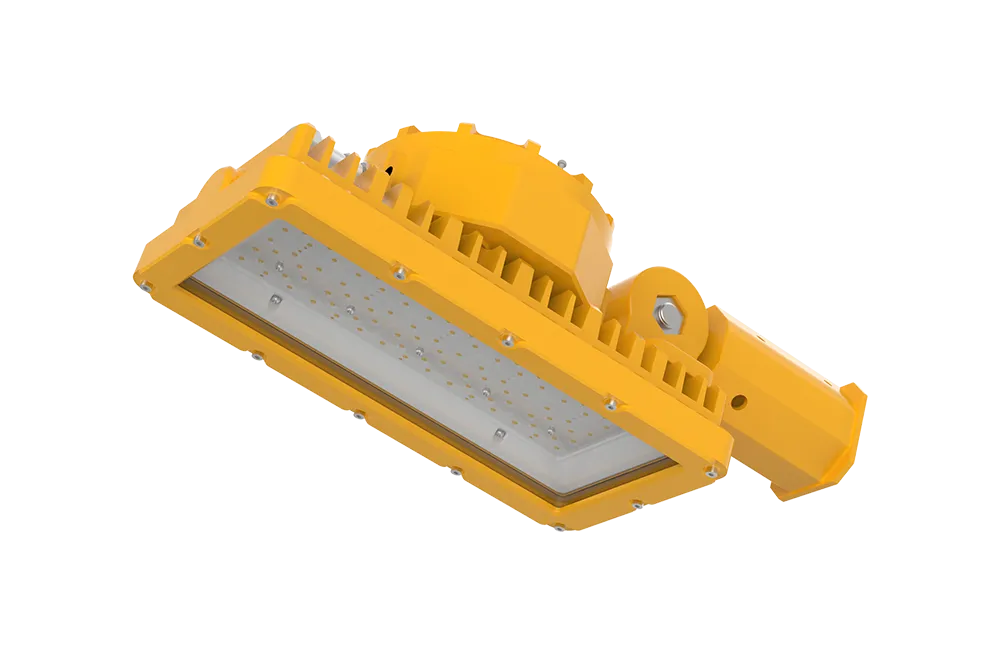
ATEX: Ex II 2G Ex db IIB T6/T5 GbEx II 2D Ex tb IIIC T80°C/ T95°C Db IECEx Ex db IIB T6 Gb;Ex tb IIIC T80°C Db Feature: ● For Zone 1,2 and Zone 21,22● Flameproof type, the strongest● 100W can replace 250W HID,energy saving● Power:60W,80W,100W Application: Oil and gas, marine, Chemical, pharmaceutical, semiconductor,mining,military industr…
View details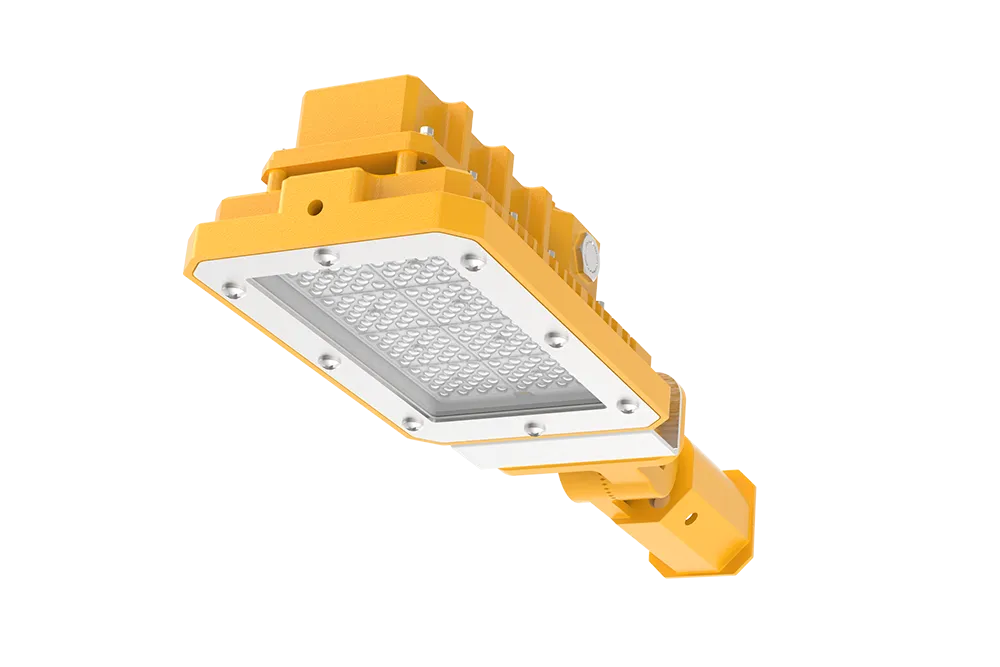
ATEX: II 3G Ex nR ⅡC T5/T6 GcII 3D Ex tc ⅢC T80℃/T95℃Dc ATEX Certificate NO: TÜV CY 26 ATEX 0207611 X Feature: ● For Zone 2 and Zone 22● 150W can replace 250W HID lamps,Energy saving● Power:50W,75W,100W,150W,200W Application: Oil and gas, marine, Chemical, pharmaceutical, semiconductor,mining,military industry, paint booth,power plant ETC…
View details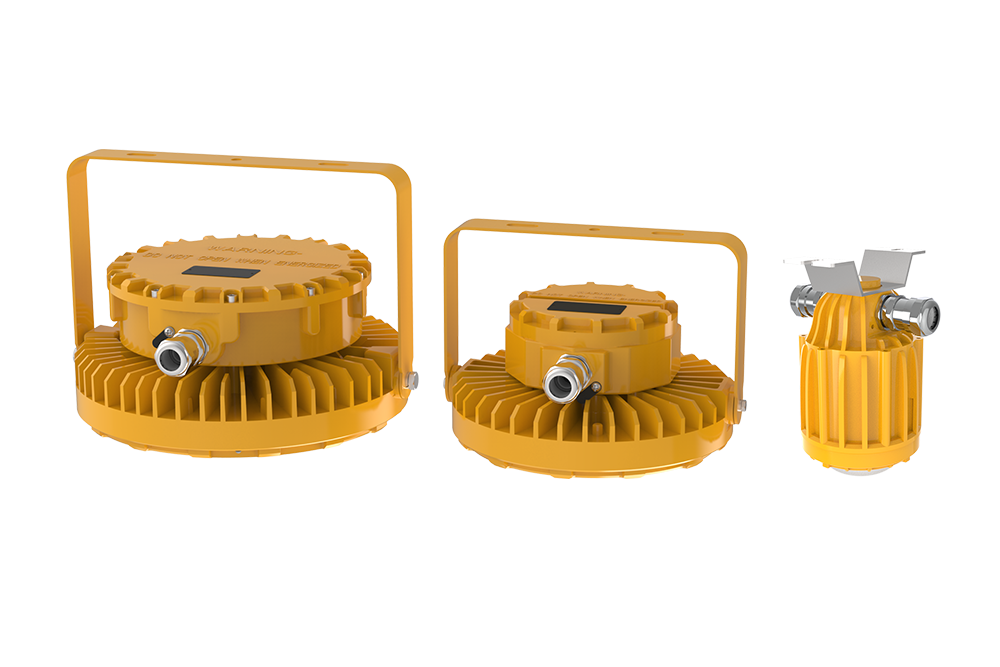
LED explosion proof high bay lights are designed for Zone 1, Zone 2, Zone 21 and Zone 22 hazardous areas. This page introduces the HB21 Series from SEEKING, including certifications, power options and real application considerations.
View details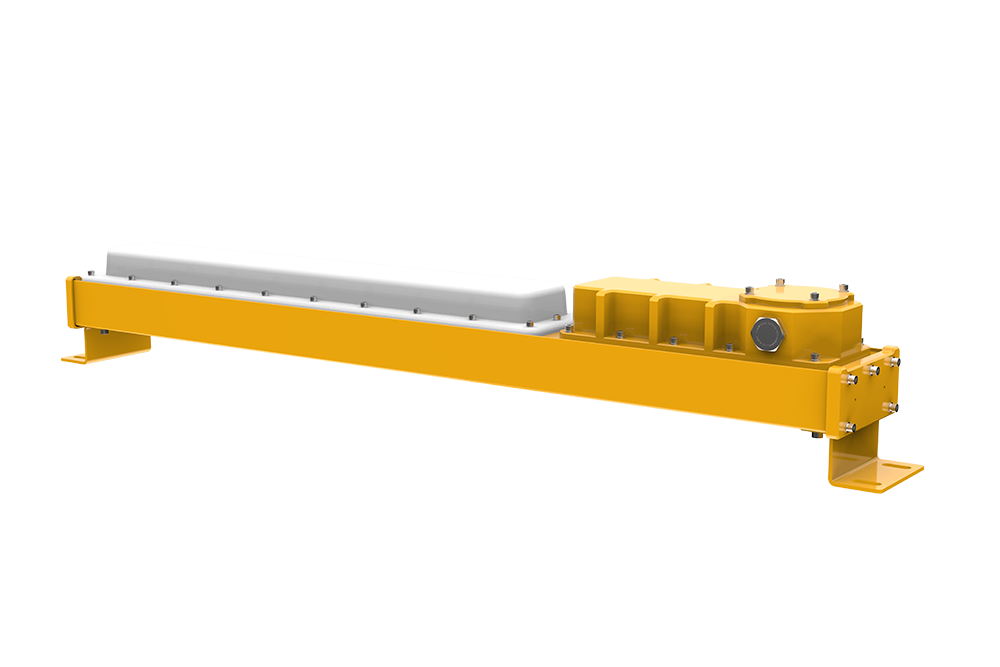
LED Linear Explosion Proof Lights from SEEKINGLED. LU Series Flame Proof lights ATEX-certified explosion proof LED linear lighting for Zone 2 gas and Zone 22 dust areas, IP69K, IK10, long lifetime and flexible power options.
View details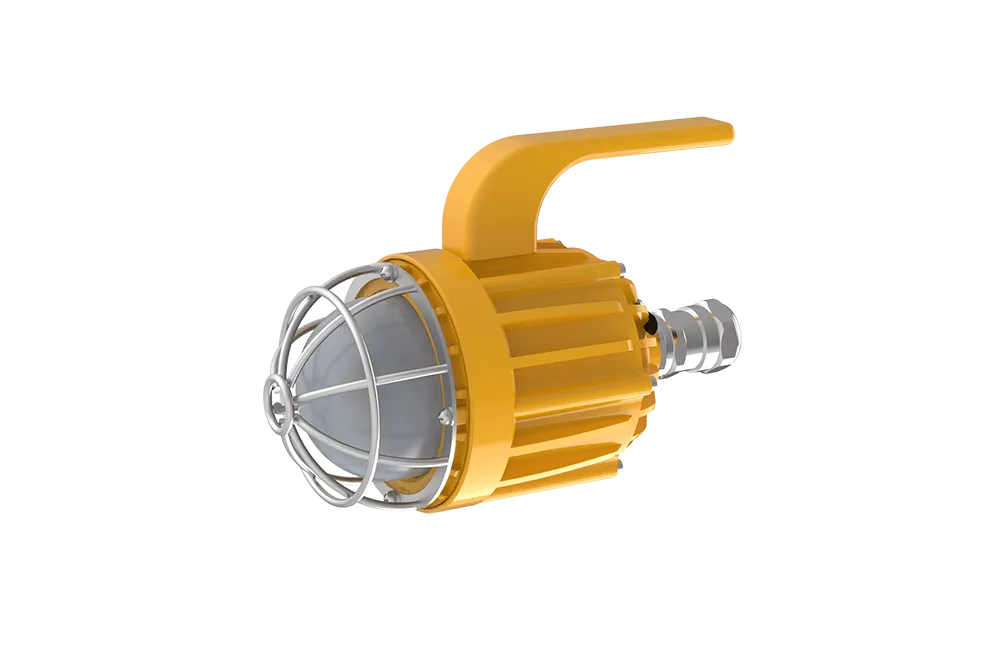
Certified explosion proof work lights for Zone 1 & 21 hazardous areas. Portable, ATEX & IECEx approved, built for oil, gas and chemical plants by SEEKINGLED.
View details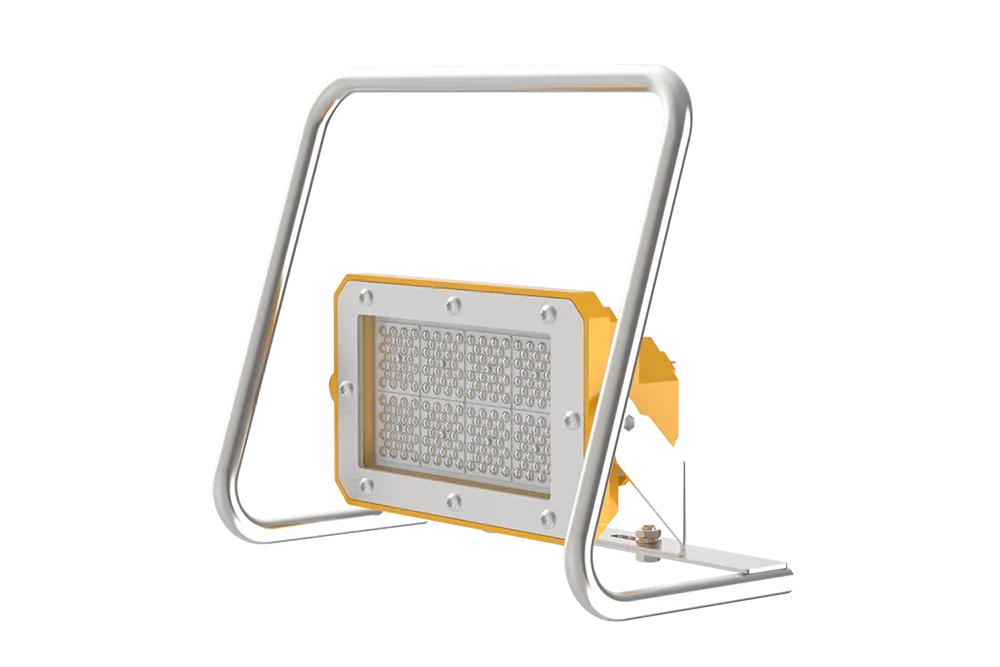
ATEX: II 3G Ex nR ⅡC T6 GcII 3D Ex tc ⅢC T80℃ Dc ATEX Certificate NO: TÜV CY 26 ATEX 0207611 X Feature: ● For Zone 2 and Zone 22● Accepts battery-powered supply● indestructible● Power:AC input:50W,75W,100WDC input:15W,25W,35W Application: Oil and gas, marine, Chemical, pharmaceutical, semiconductor,mining,military industry, paint booth,po…
View details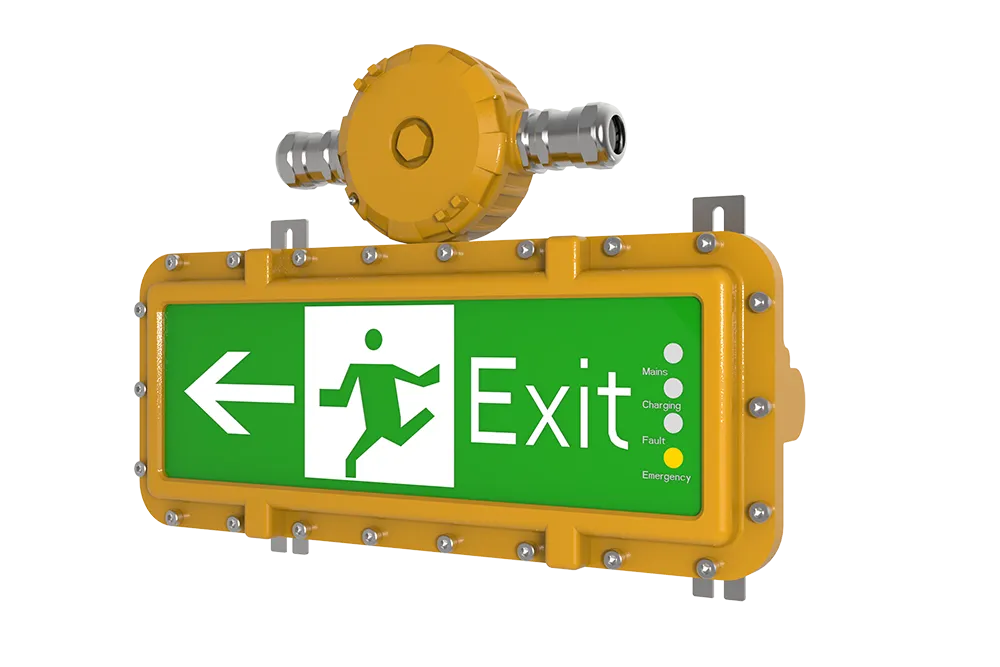
ATEX: Ex II 2G Ex db IIB T6 GbEx II 2D Ex tb IIIC T80°C Db IECEx Ex db IIB T6 Gb;Ex tb IIIC T80°C Db Feature: ● For Zone 1,2 and Zone 21,22● Flameproof type, the strongest Application: Oil and gas, marine, Chemical, pharmaceutical, semiconductor,mining,military industry, paint booth,power plant ETC hazardous area. Technical Specifications:…
View details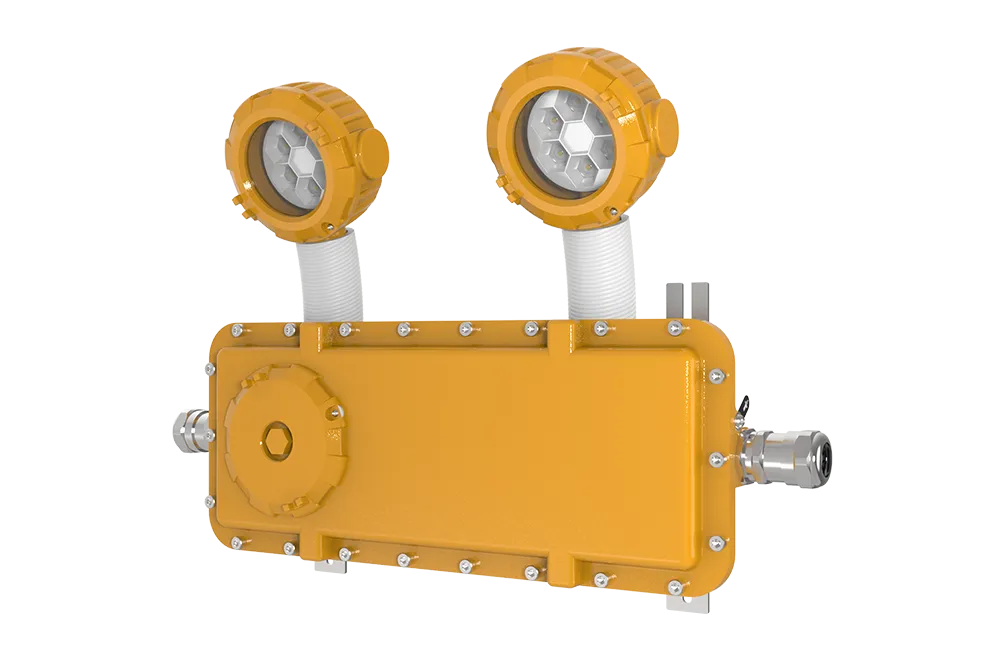
ATEX: Ex II 2G Ex db IIB T6 GbEx II 2D Ex tb IIIC T80°C Db IECEx Ex db IIB T6 Gb;Ex tb IIIC T80°C Db Feature: ● For Zone 1,2 and Zone 21,22● Flameproof type, the strongest Application: Oil and gas, marine, Chemical, pharmaceutical, semiconductor,mining,military industry, paint booth,power plant ETC hazardous area. Technical Specifications:…
View details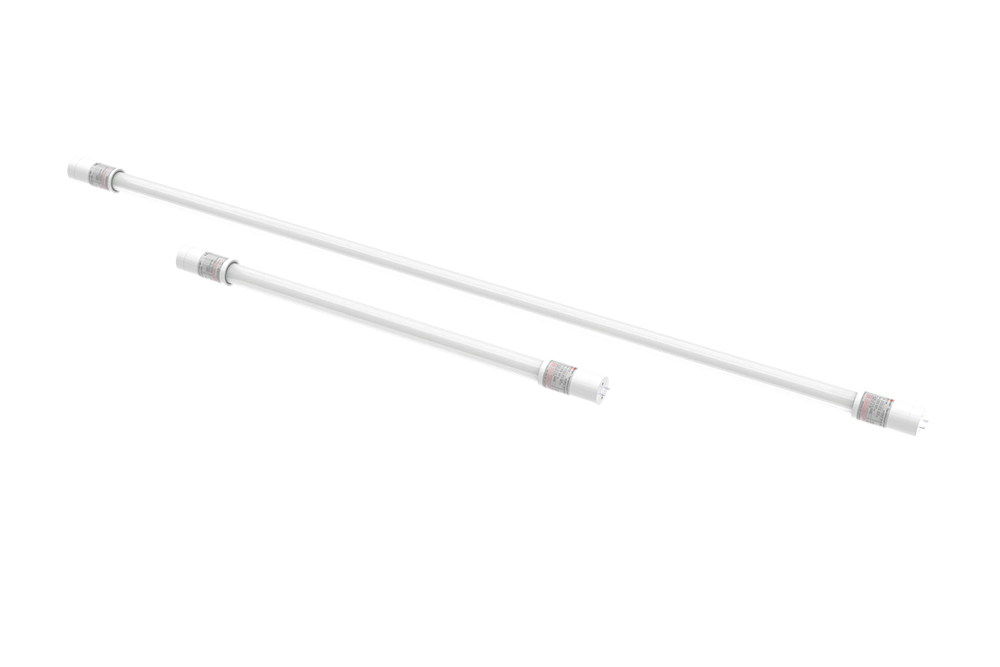
ATEX: Ex II 2G Ex d e IIB T6 Gb ATEX: Ex d e IIB T6 Gb; Feature: ● For Zone 1,2● 9W can replace 18W fluorescent lamps,50% Energy saving Application: Oil and gas, marine, Chemical, pharmaceutical, semiconductor,mining,military industry, paint booth,power plant ETC hazardous area. Technical Specifications: Standards:60079-0, 60079-1, 60079…
View details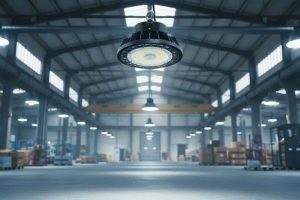
High Bay LED Lights 200W deliver stable output, energy savings, and long lifespan. Discover how to choose reliable industrial lighting that performs in real environments.
View details
12 volt dc led flood lights offer safe, efficient low-voltage lighting. Explore real-world use cases, performance data, and expert installation insights.
View details
Do high bay lights work at low level? Learn when high bays can be used on low ceilings, how glare and beam angle change, and when low bay lights are better.
View details
Learn what is led high bay lights, how they work, where they are used, and how to choose the right fixture for warehouses, factories, and high-ceiling spaces.
View details