 Seeking LED
explosion proof lighting led – Straight Answers for Hazardous Areas
133Choose reliable explosion proof lighting led from SEEKINGLED. Certified hazardous area fixtures built for oil, gas, and chemical facilities.
View detailsSearch the whole station
Where is hazardous area LED lighting used?
Hazardous area LED lighting is used in industrial environments where flammable gases, vapors, combustible dust, or explosive particles may be present. Common applications include oil refineries, offshore platforms, chemical plants, mining operations, fuel storage terminals, and marine facilities.
That’s the direct answer. But once you spend time inside these facilities, the phrase “hazardous area” stops sounding abstract very quickly.
A few years ago, I visited a refinery expansion project during a summer shutdown. Temperatures around the upper pipe racks were brutal. Hydrocarbon odor drifted intermittently through certain valve sections. Every installed lighting fixture had a hazardous-location certification plate larger than the product logo itself.
That detail says a lot about the industry mindset: in dangerous environments, certification matters more than appearance.
Hazardous industrial environments contain ignition risks that standard lighting systems are not designed to survive safely.
These hazards may include:
If ordinary electrical equipment creates sparks, excessive heat, or electrical arcs, ignition can occur.
According to OSHA, hazardous locations are classified based on the presence of explosive gases, vapors, dust, or ignitable fibers that may create fire or explosion hazards.
Source: https://www.osha.gov/laws-regs/regulations/standardnumber/1910/1910.307
Hazardous area LED lighting is engineered specifically to operate safely inside those environments.
This remains the largest application sector globally.
In these environments, explosive atmospheres may exist continuously or during normal operation.
That changes lighting requirements completely.
A refinery operator once told me something that stayed with me: “We don’t buy lighting for illumination first. We buy it because failure here has consequences.”
That’s not exaggeration.
According to the U.S. Chemical Safety Board (CSB), ignition incidents involving flammable gases continue to contribute to serious industrial accidents.
Source: https://www.csb.gov/
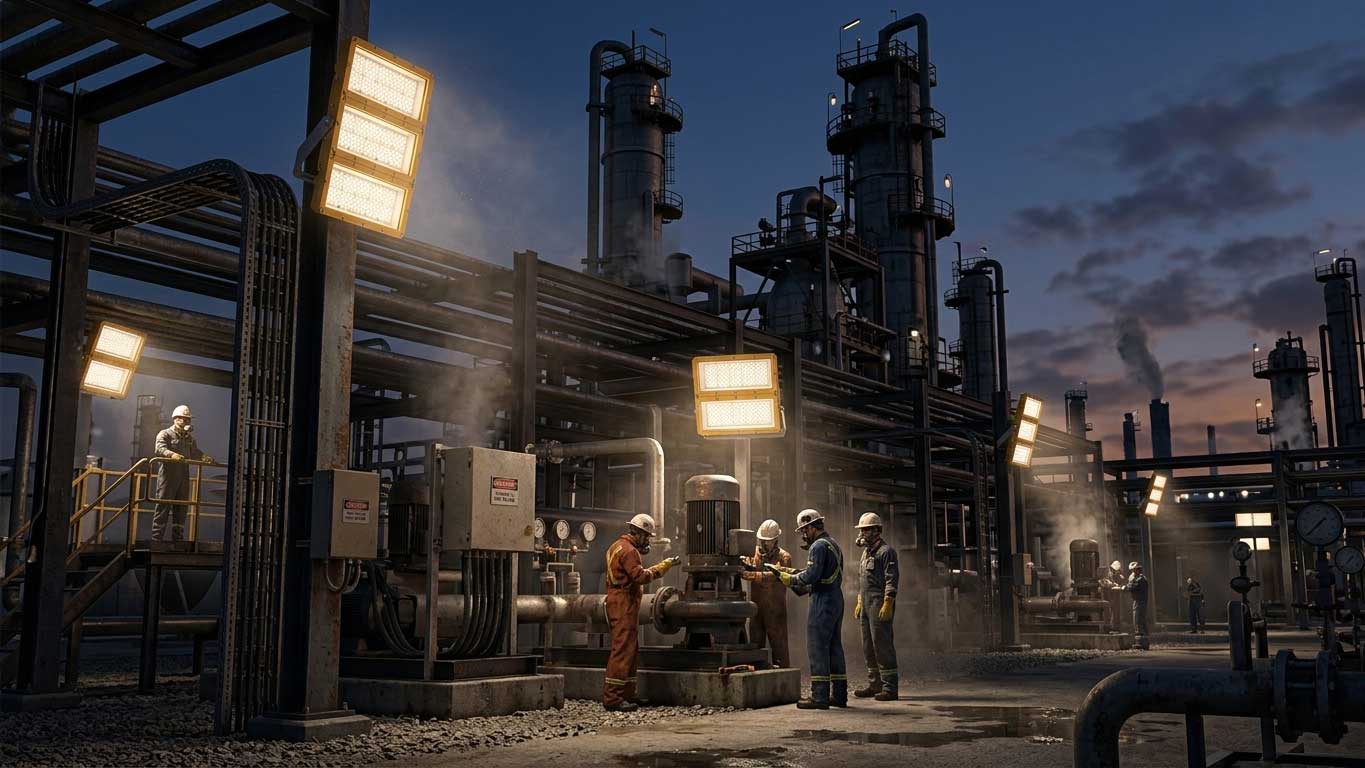
Marine facilities create a unique combination of risks:
Hazardous area LED lighting used offshore usually includes:
I’ve seen standard outdoor floodlights fail near marine loading docks in less than two years. Corrosion started around cable entries first, then gradually spread beneath the coating.
Certified hazardous-area fixtures are engineered differently because offshore conditions punish weak materials very quickly.
Chemical processing environments are unpredictable.
Some solvents produce invisible vapor concentrations long before workers smell them.
That’s why chemical plants commonly install hazardous area LED lighting around:
One chemical engineer described vapor management to me as “trying to control something you often cannot see.”
Lighting inside those environments must tolerate both chemical exposure and ignition risk simultaneously.
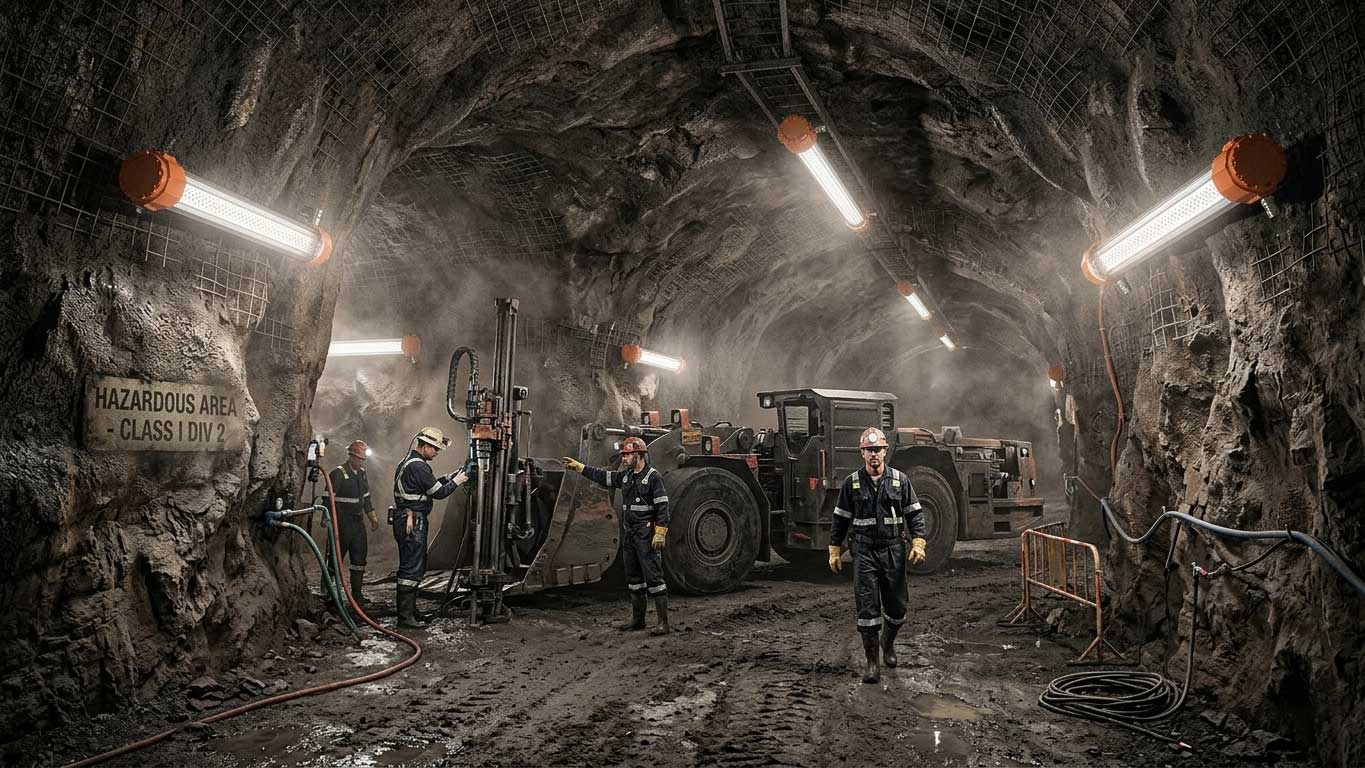
Mining environments present different hazards compared with refineries.
Instead of vapor exposure alone, mining sites often face:
Underground lighting systems must survive impact, contamination, and unstable operating conditions continuously.
According to the National Institute for Occupational Safety and Health (NIOSH), methane and combustible dust remain major safety concerns in underground mining environments.
Source: https://www.cdc.gov/niosh/mining/
Many people outside the industry overlook combustible dust hazards.
But grain dust explosions are very real.
Facilities processing:
may require hazardous-area classifications depending on dust concentration levels.
According to the National Fire Protection Association (NFPA), combustible dust explosions continue to pose serious risks across industrial processing industries.
Source: https://www.nfpa.org/
In these environments, hazardous area LED lighting helps reduce ignition risk caused by electrical faults or overheating surfaces.
This surprises some people.
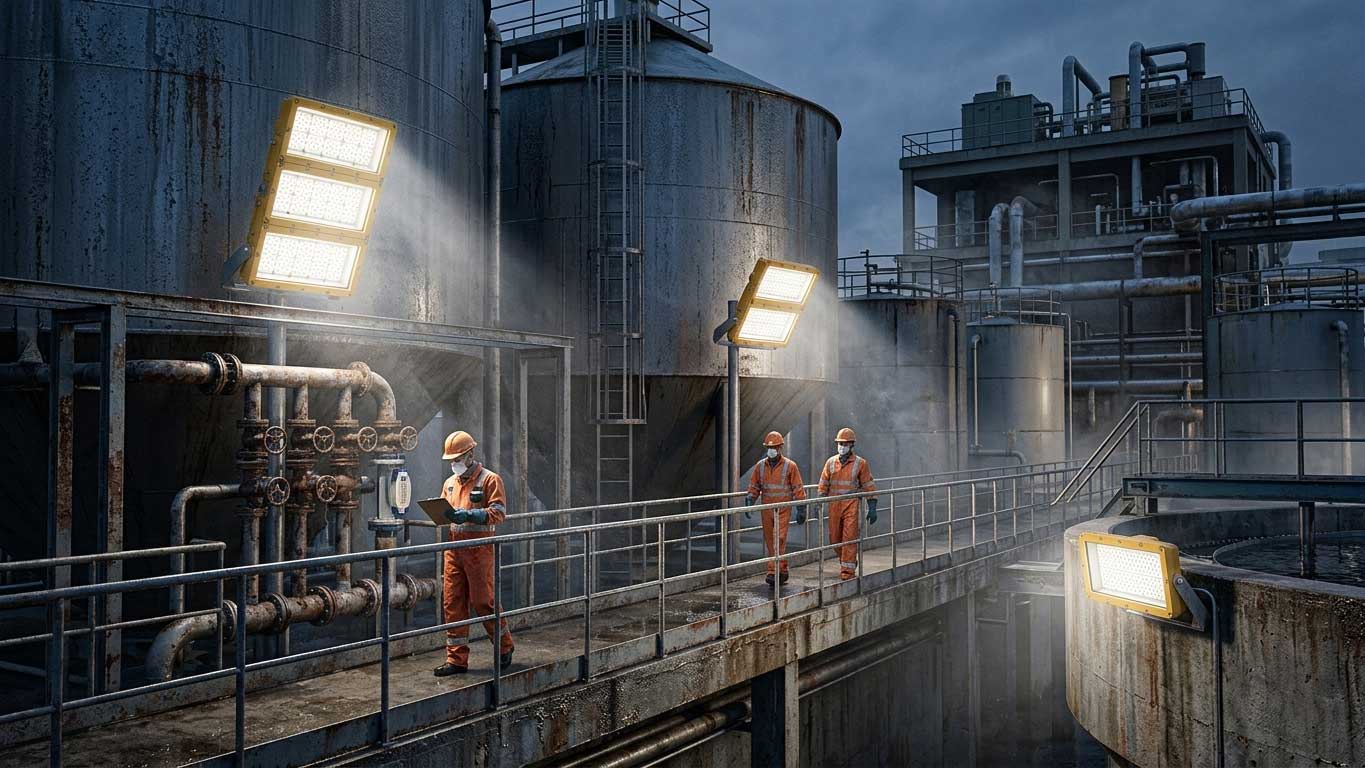
Wastewater facilities often generate methane and hydrogen sulfide gases during biological treatment processes.
Hazardous-area LED lighting is commonly installed around:
The atmosphere inside these facilities can become highly corrosive over time, especially where humidity remains consistently high.
One maintenance supervisor once described wastewater corrosion as “slow-motion equipment destruction.”
Honestly, that felt accurate.
Brightness alone is not enough in hazardous environments.
Surface temperature control is critical.
| T Rating | Maximum Surface Temperature |
|---|---|
| T1 | 450°C |
| T3 | 200°C |
| T4 | 135°C |
| T5 | 100°C |
| T6 | 85°C |
Different gases ignite at different temperatures.
That’s why hazardous area LED lighting is selected based not only on brightness or wattage, but also on gas classification and temperature code compatibility.
| Certification | Region | Purpose |
|---|---|---|
| ATEX | Europe | Explosive atmosphere protection |
| IECEx | International | Global hazardous-area compliance |
| UL844 | North America | Hazardous location lighting |
| Class 1 Div 1 | USA/Canada | Continuous gas hazard areas |
| Class 1 Div 2 | USA/Canada | Abnormal gas hazard areas |
One thing experienced facility managers learn quickly: “industrial-grade” is not the same as certified hazardous-area lighting.
Certification standards exist because consequences can become severe very fast.
Oil refineries, offshore platforms, chemical plants, fuel terminals, mining operations, marine facilities, and wastewater treatment plants are among the most common applications.
Yes. Many hazardous-area LED fixtures are designed for harsh outdoor environments including offshore facilities, marine terminals, and exposed refinery installations.
Chemical facilities often contain flammable vapors that may ignite from sparks, overheating, or electrical faults. Hazardous-area lighting reduces ignition risk through certified protective design.
Most certified fixtures include high IP ratings such as IP66 or IP67 for dust and water protection, though waterproofing alone does not equal hazardous-area certification.
The longer you spend around hazardous industrial facilities, the more obvious one truth becomes: dangerous environments are rarely dramatic all the time.
Most days look routine.
Pumps run normally.
Pipelines stay quiet.
Operators complete standard inspections.
But safety systems exist because conditions can change unexpectedly.
That’s why the answer to Where is hazardous area LED lighting used goes far beyond “oil and gas.”
It’s used anywhere industrial operators cannot afford a lighting failure becoming an ignition source.
SEEKINGLED develops hazardous-area LED lighting solutions for demanding industrial environments where certified safety, long-term durability, and operational reliability matter every day.
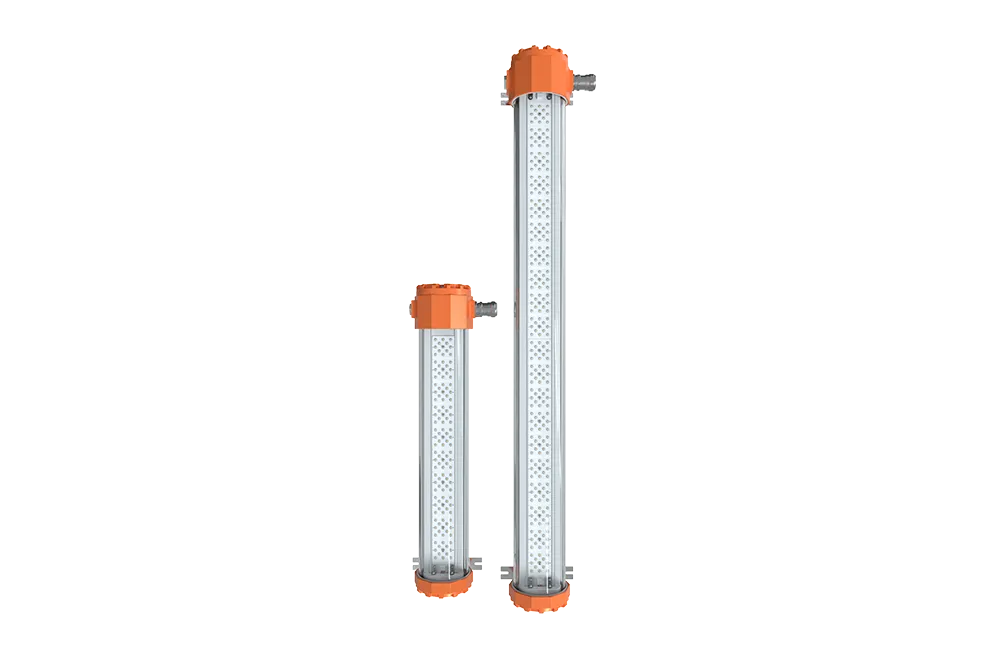
SEEKINGLED LED Linear Explosion Proof Light and Explosion Proof lighting is ATEX and IECEx certified for Zone 1, Zone 2, Zone 21 and Zone 22 hazardous locations, built for long-term industrial use.
View details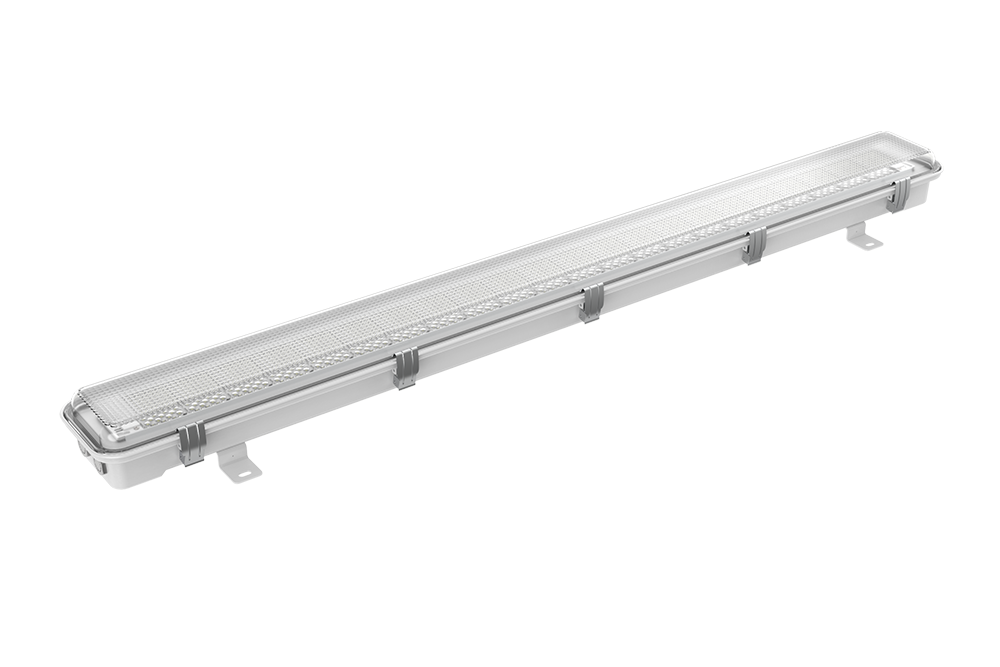
LED Linear Explosion Proof Lights and EX Proof lights for Zone 1, Zone 2, Zone 21 and Zone 22 hazardous areas. ATEX & IECEx certified explosion proof LED linear lighting with emergency function, adjustable power and IP67 protection by SEEKINGLED.
View details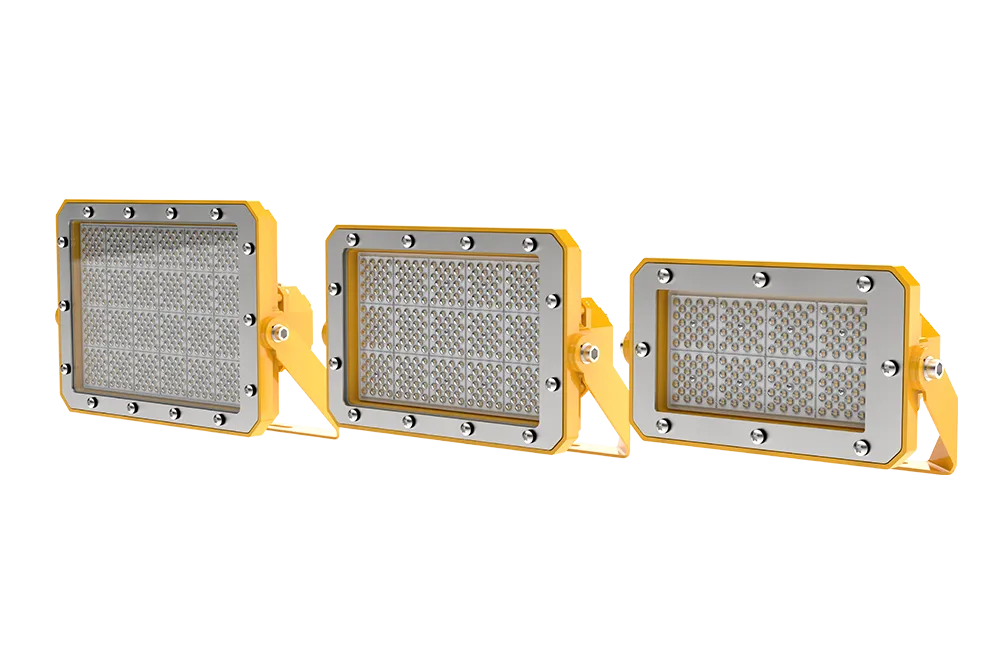
SEEKINGLED LED Explosion Proof Flood Lights are ATEX certified for Zone 2 and Zone 22 hazardous areas, offering high efficiency, adjustable power and integrated junction box.
View details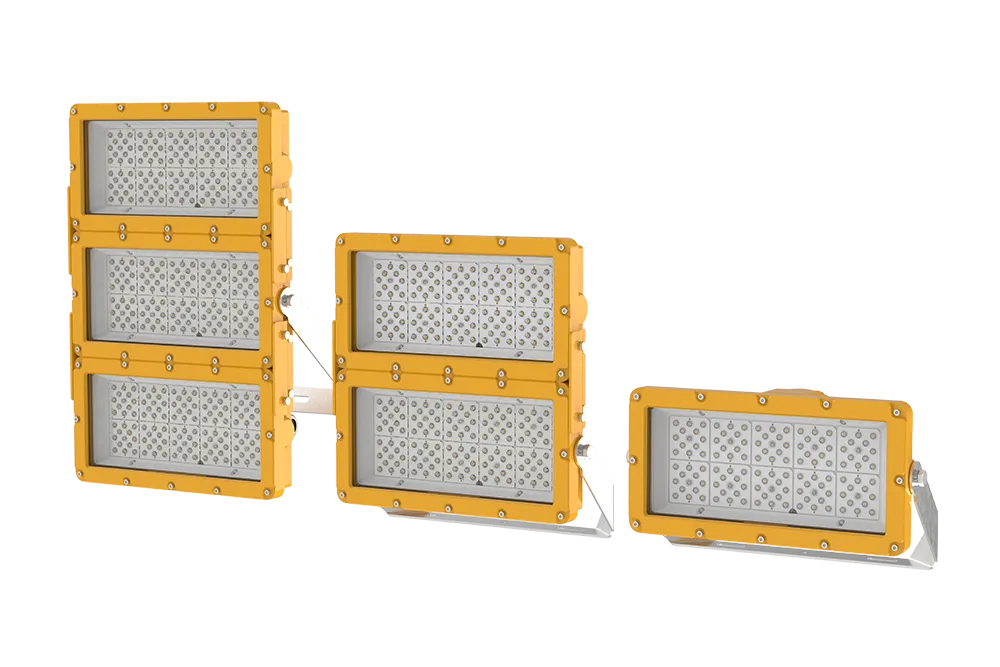
SEEKINGLED LED Explosion Proof Flood Lights are flameproof ATEX and IECEx certified for Zone 1 and Zone 2 hazardous areas, offering high power, adjustable output and long service life.
View details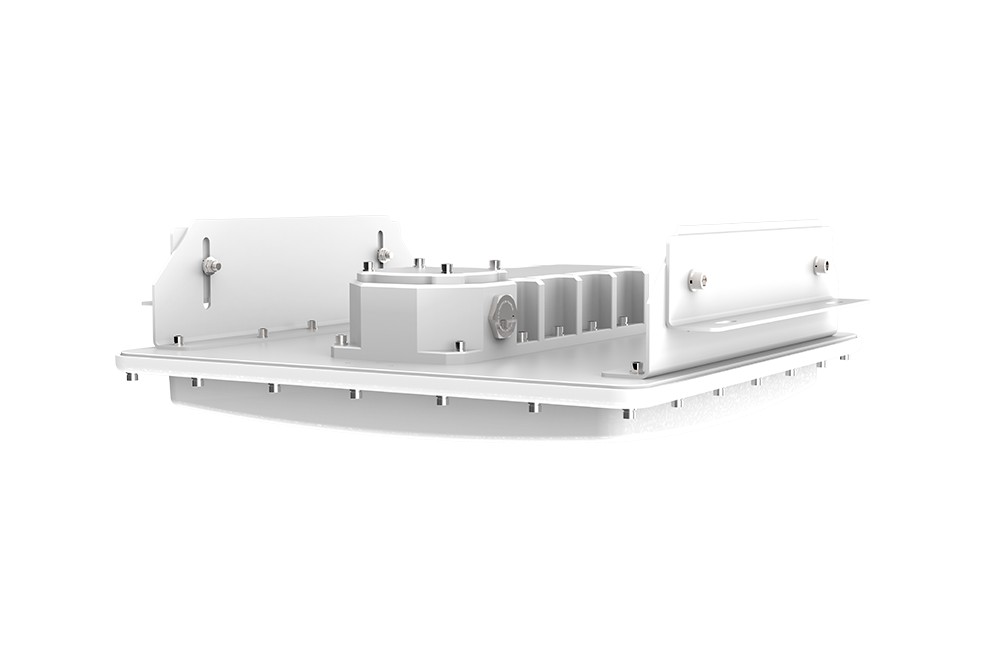
SEEKINGLED LED Gas Station Canopy Lights are ATEX certified for Zone 2 and Zone 22 hazardous areas, featuring adjustable power and built-in explosion-proof junction box.
View details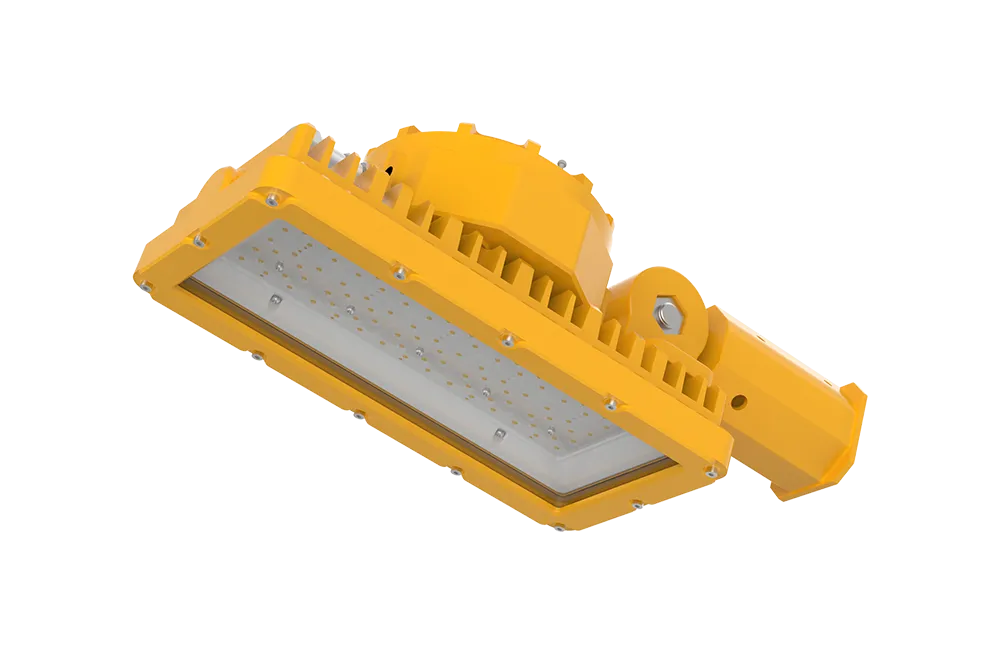
ATEX: Ex II 2G Ex db IIB T6/T5 GbEx II 2D Ex tb IIIC T80°C/ T95°C Db IECEx Ex db IIB T6 Gb;Ex tb IIIC T80°C Db Feature: ● For Zone 1,2 and Zone 21,22● Flameproof type, the strongest● 100W can replace 250W HID,energy saving● Power:60W,80W,100W Application: Oil and gas, marine, Chemical, pharmaceutical, semiconductor,mining,military industr…
View details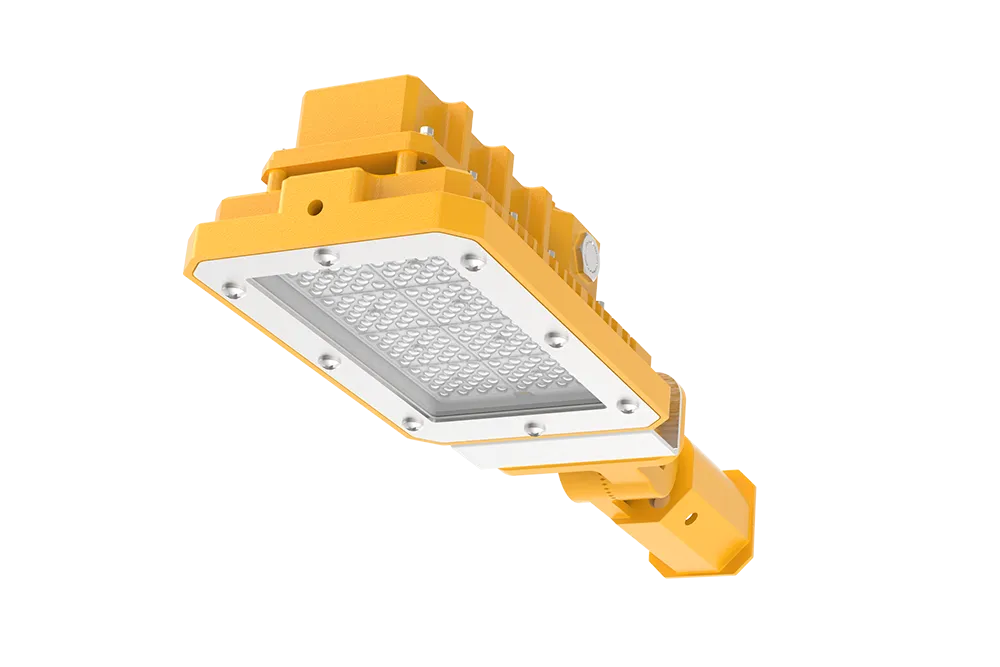
ATEX: II 3G Ex nR ⅡC T5/T6 GcII 3D Ex tc ⅢC T80℃/T95℃Dc ATEX Certificate NO: TÜV CY 26 ATEX 0207611 X Feature: ● For Zone 2 and Zone 22● 150W can replace 250W HID lamps,Energy saving● Power:50W,75W,100W,150W,200W Application: Oil and gas, marine, Chemical, pharmaceutical, semiconductor,mining,military industry, paint booth,power plant ETC…
View details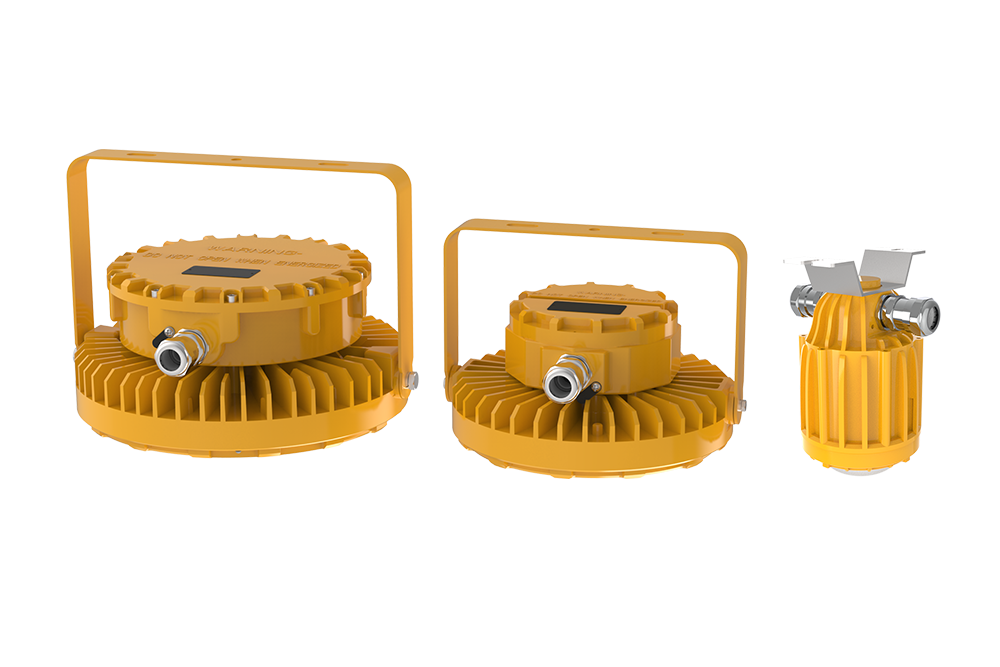
LED explosion proof high bay lights are designed for Zone 1, Zone 2, Zone 21 and Zone 22 hazardous areas. This page introduces the HB21 Series from SEEKING, including certifications, power options and real application considerations.
View details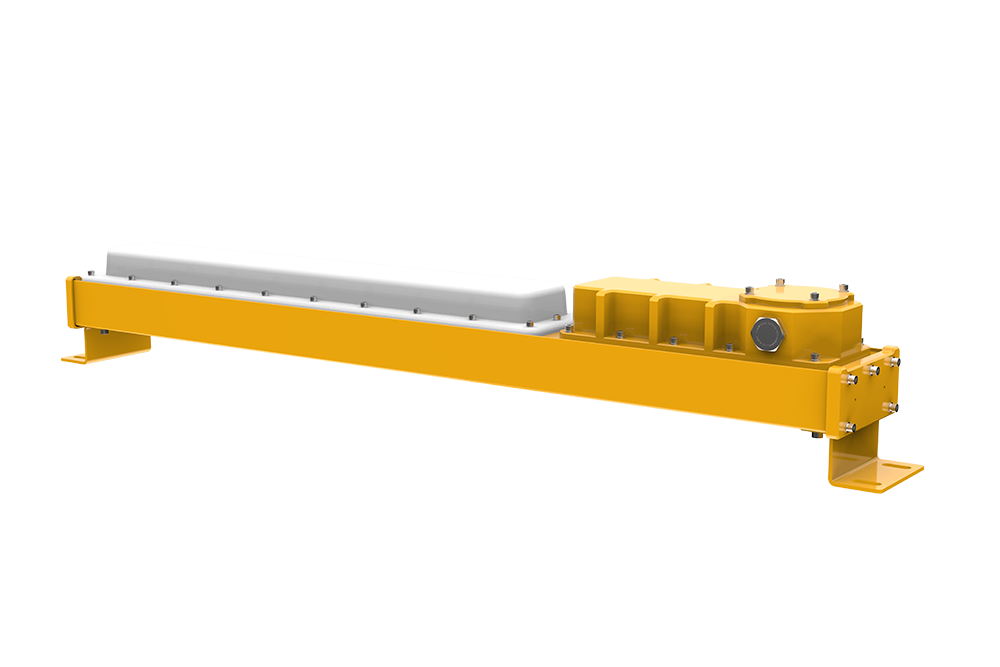
LED Linear Explosion Proof Lights from SEEKINGLED. LU Series Flame Proof lights ATEX-certified explosion proof LED linear lighting for Zone 2 gas and Zone 22 dust areas, IP69K, IK10, long lifetime and flexible power options.
View details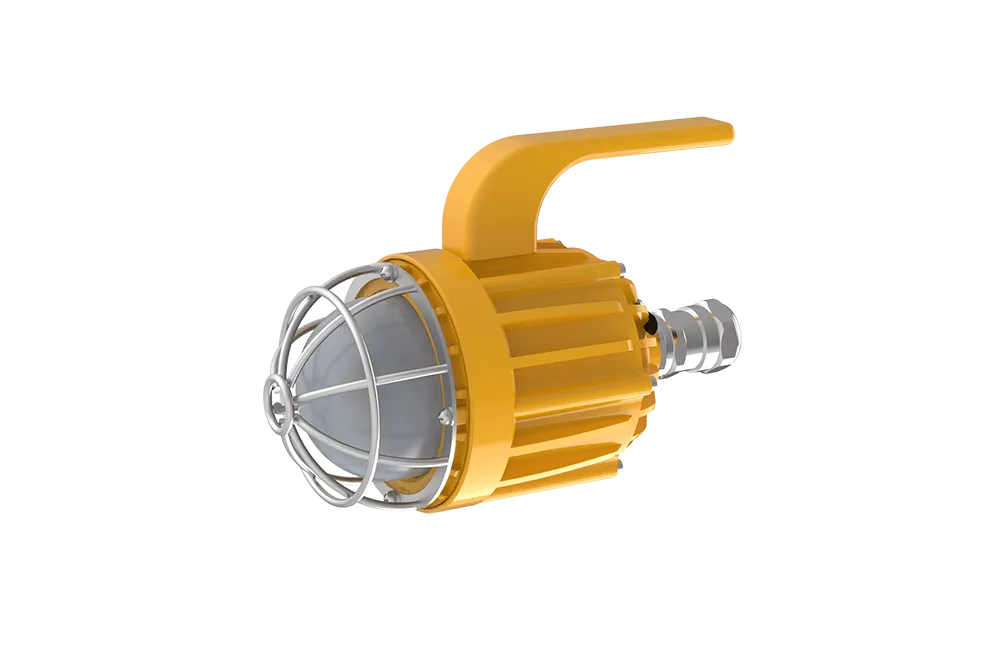
Certified explosion proof work lights for Zone 1 & 21 hazardous areas. Portable, ATEX & IECEx approved, built for oil, gas and chemical plants by SEEKINGLED.
View details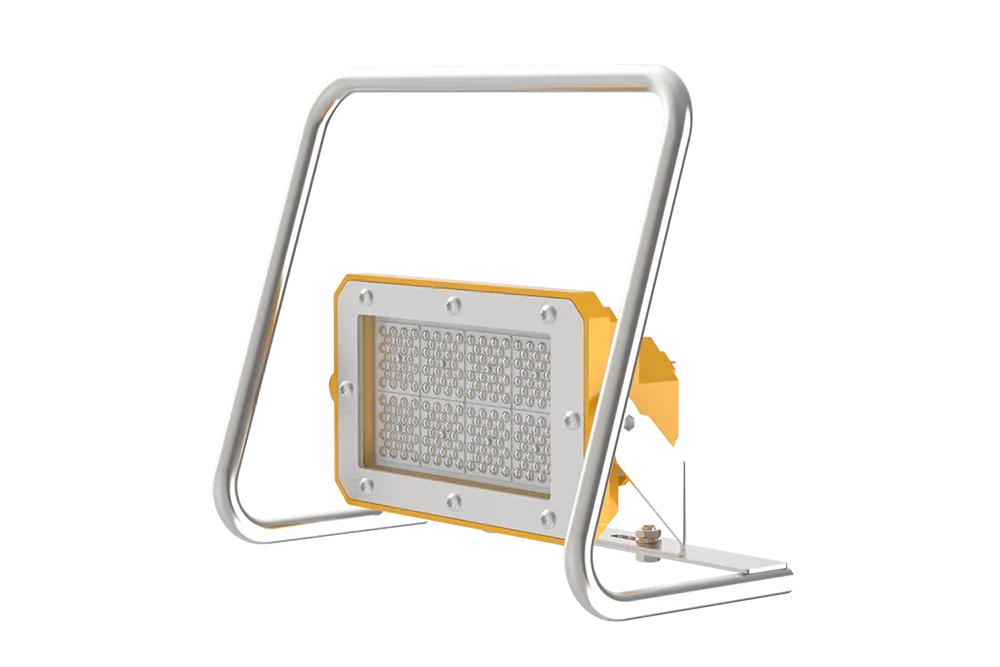
ATEX: II 3G Ex nR ⅡC T6 GcII 3D Ex tc ⅢC T80℃ Dc ATEX Certificate NO: TÜV CY 26 ATEX 0207611 X Feature: ● For Zone 2 and Zone 22● Accepts battery-powered supply● indestructible● Power:AC input:50W,75W,100WDC input:15W,25W,35W Application: Oil and gas, marine, Chemical, pharmaceutical, semiconductor,mining,military industry, paint booth,po…
View details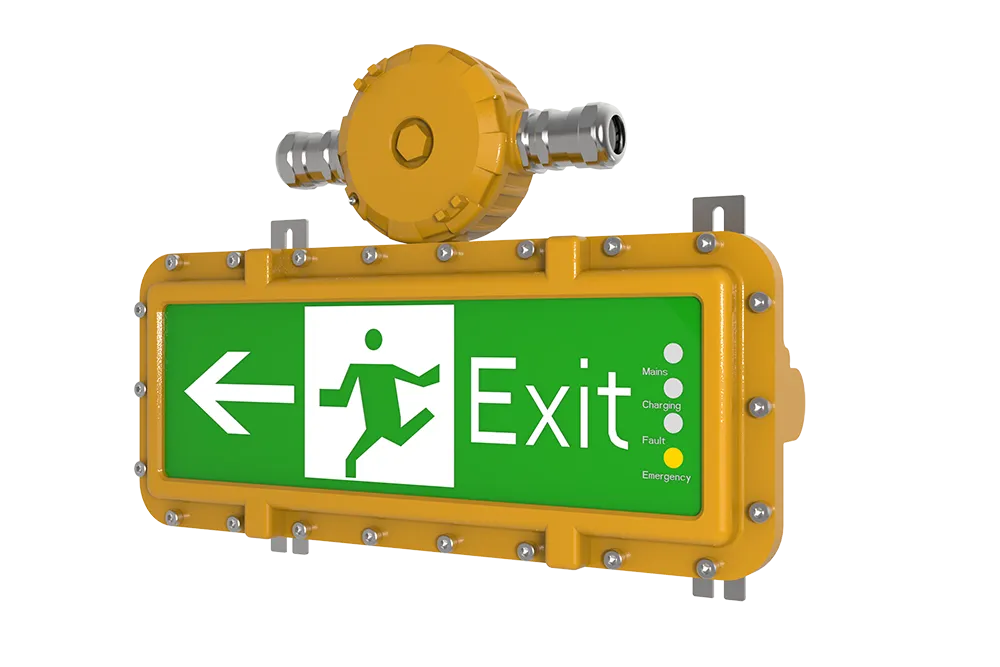
ATEX: Ex II 2G Ex db IIB T6 GbEx II 2D Ex tb IIIC T80°C Db IECEx Ex db IIB T6 Gb;Ex tb IIIC T80°C Db Feature: ● For Zone 1,2 and Zone 21,22● Flameproof type, the strongest Application: Oil and gas, marine, Chemical, pharmaceutical, semiconductor,mining,military industry, paint booth,power plant ETC hazardous area. Technical Specifications:…
View details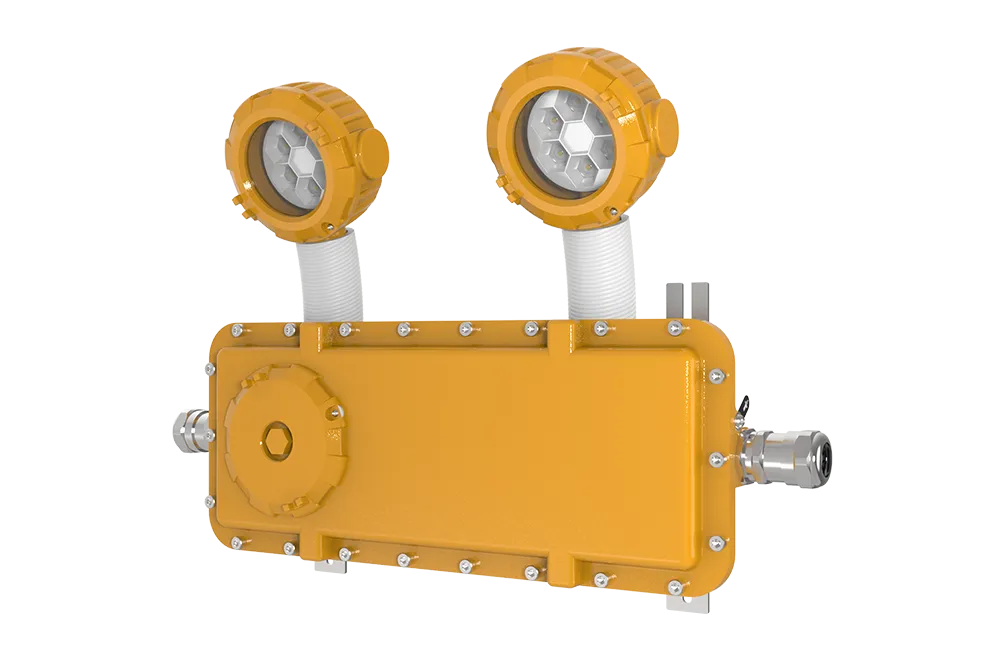
ATEX: Ex II 2G Ex db IIB T6 GbEx II 2D Ex tb IIIC T80°C Db IECEx Ex db IIB T6 Gb;Ex tb IIIC T80°C Db Feature: ● For Zone 1,2 and Zone 21,22● Flameproof type, the strongest Application: Oil and gas, marine, Chemical, pharmaceutical, semiconductor,mining,military industry, paint booth,power plant ETC hazardous area. Technical Specifications:…
View details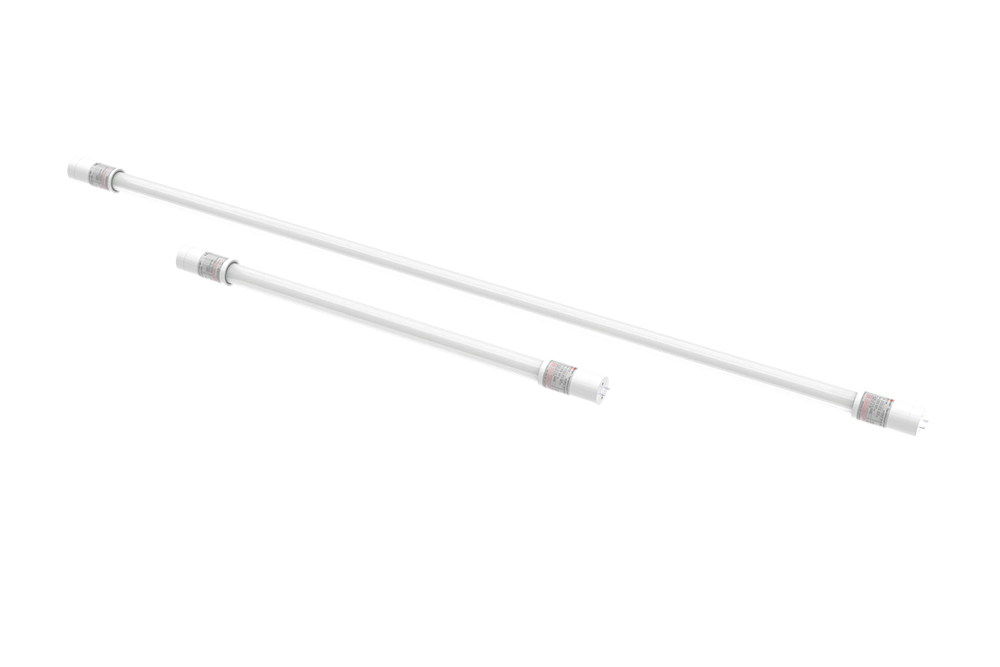
ATEX: Ex II 2G Ex d e IIB T6 Gb ATEX: Ex d e IIB T6 Gb; Feature: ● For Zone 1,2● 9W can replace 18W fluorescent lamps,50% Energy saving Application: Oil and gas, marine, Chemical, pharmaceutical, semiconductor,mining,military industry, paint booth,power plant ETC hazardous area. Technical Specifications: Standards:60079-0, 60079-1, 60079…
View details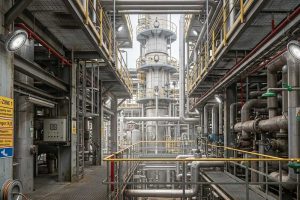
Choose reliable explosion proof lighting led from SEEKINGLED. Certified hazardous area fixtures built for oil, gas, and chemical facilities.
View details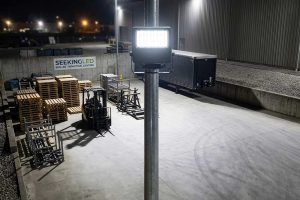
How bright are LED 60 watt flood lights? Discover lumen output, real-world brightness, and best applications with SEEKINGLED expert insights.
View details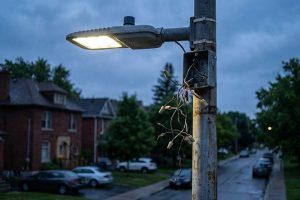
Are exposed wires for LED street lights dangerous in real street conditions? Learn the actual safety risks, common causes, and how professionals handle it.
View details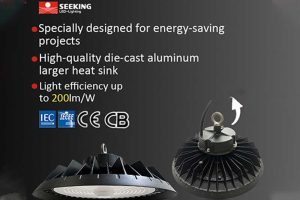
SEEKINGLED offers a high-efficiency LED lighting solution for energy-saving projects, including explosion proof lights, high bay, flood, street, garden, stadium, tri-proof and linear LED lighting.
View details