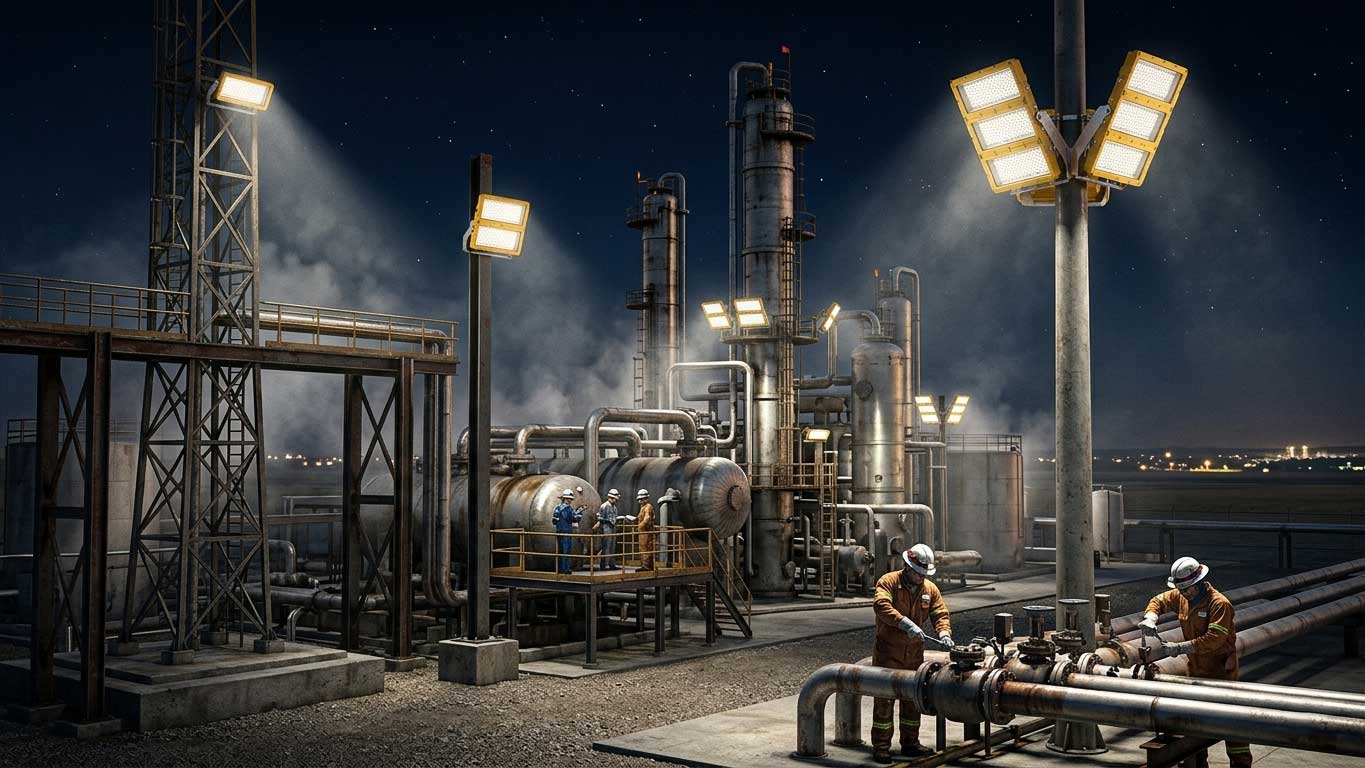
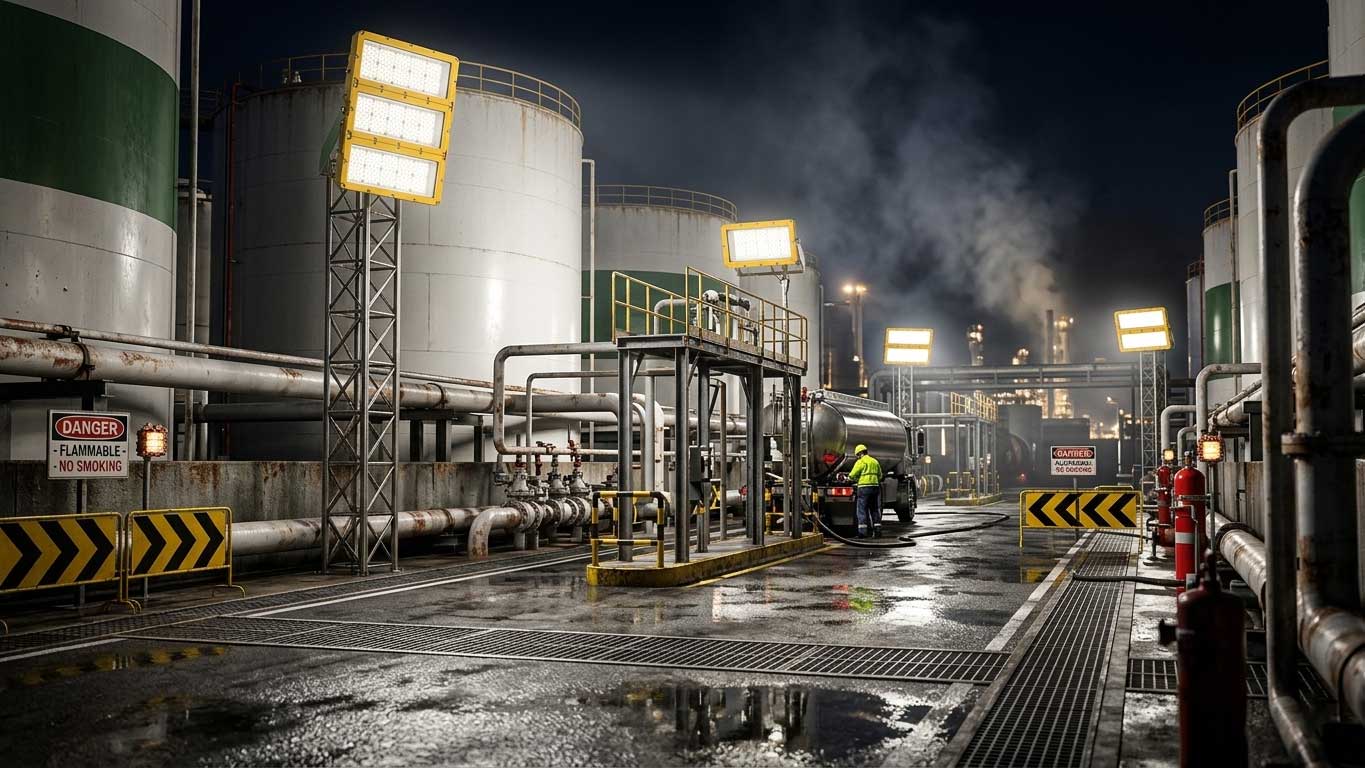
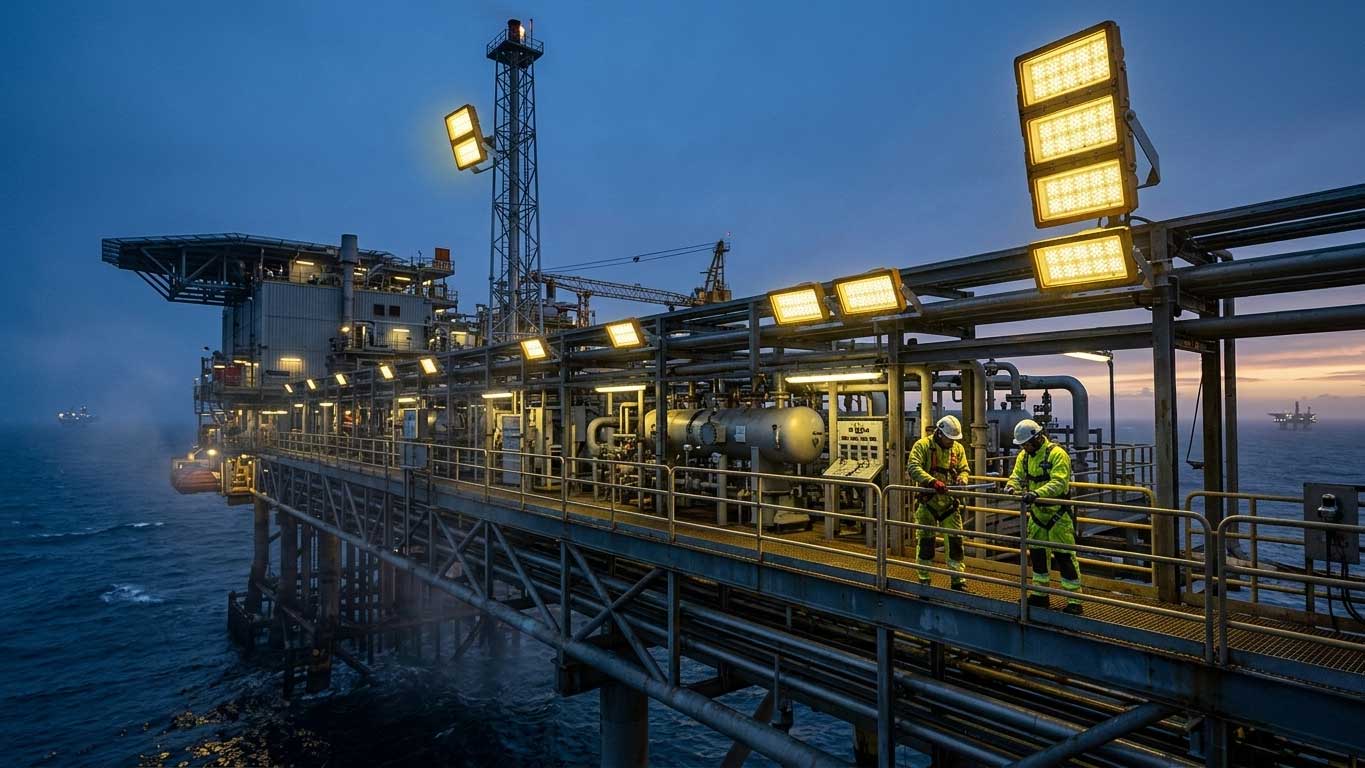
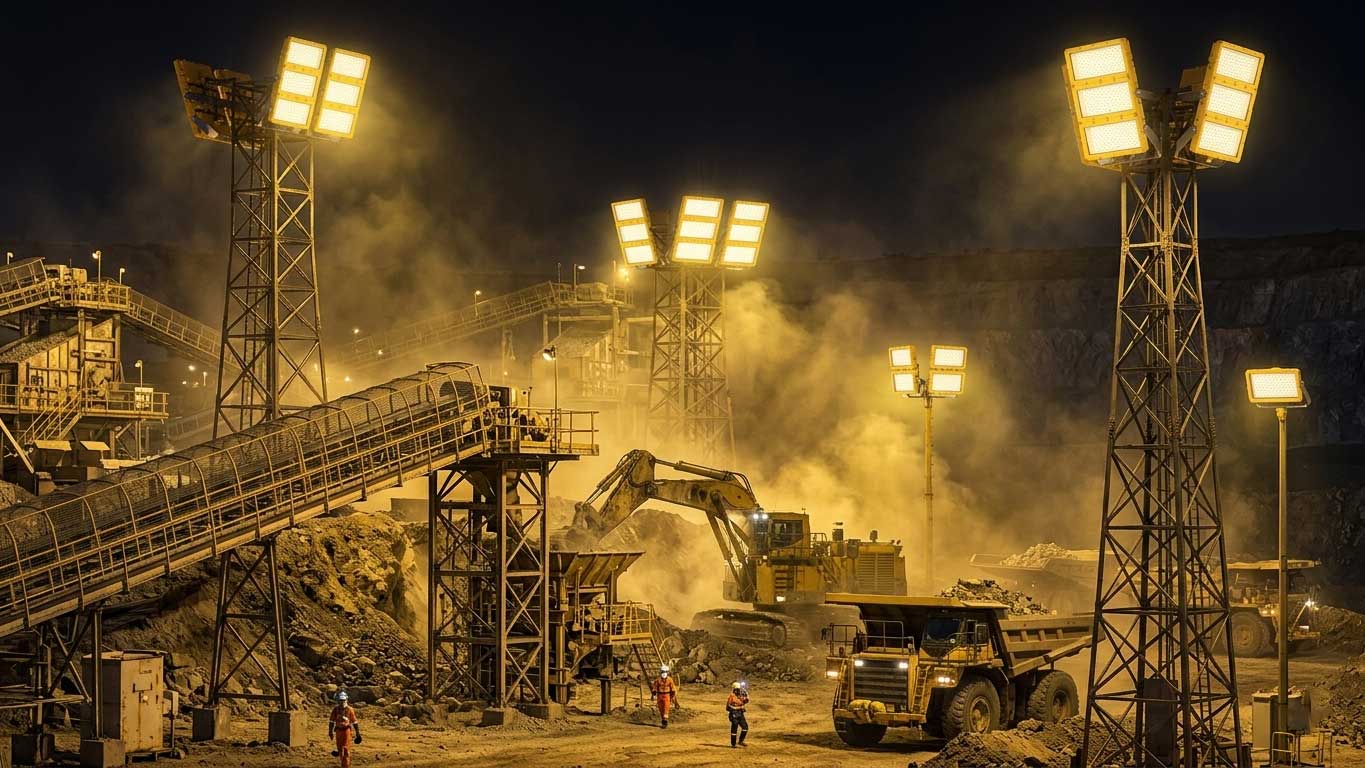
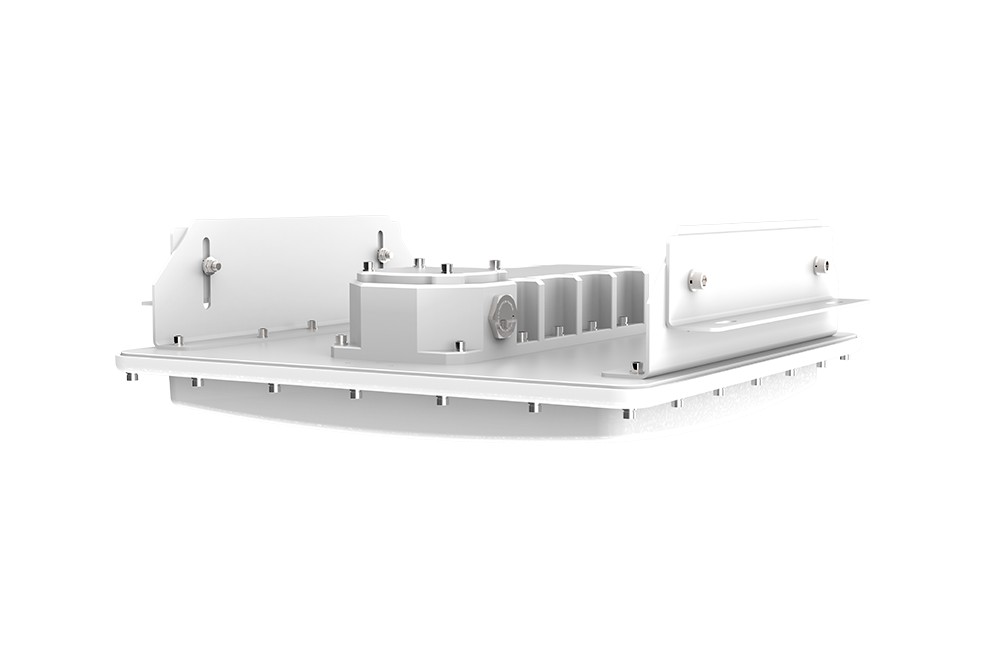
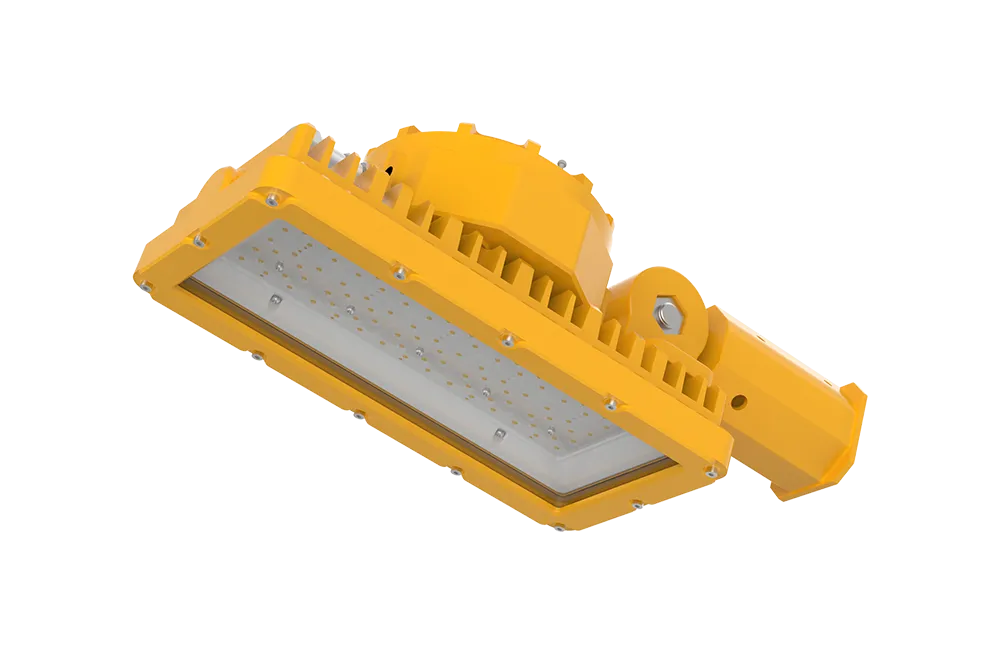
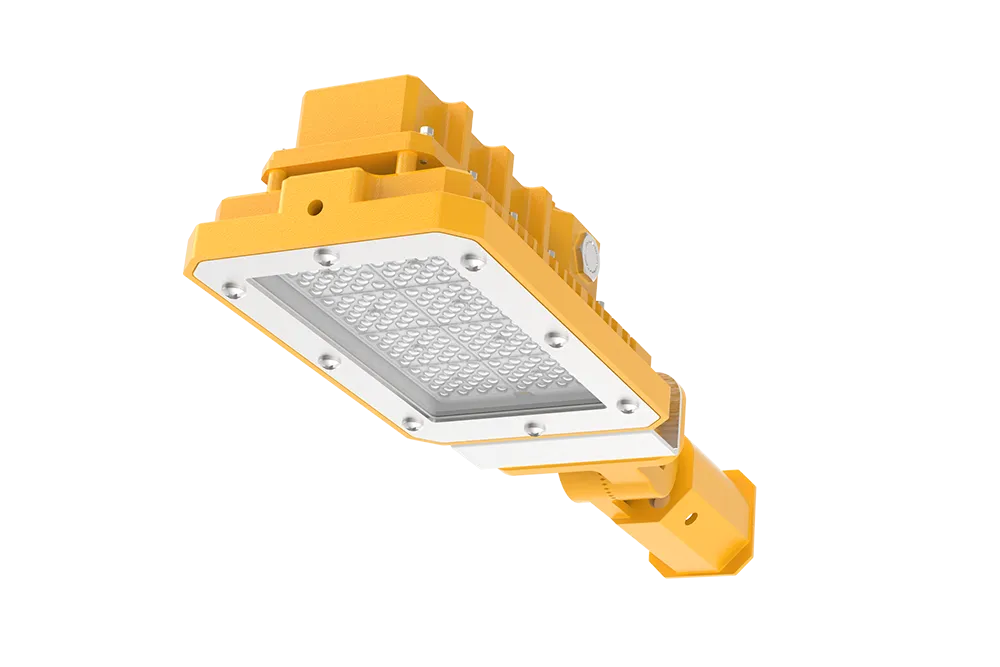
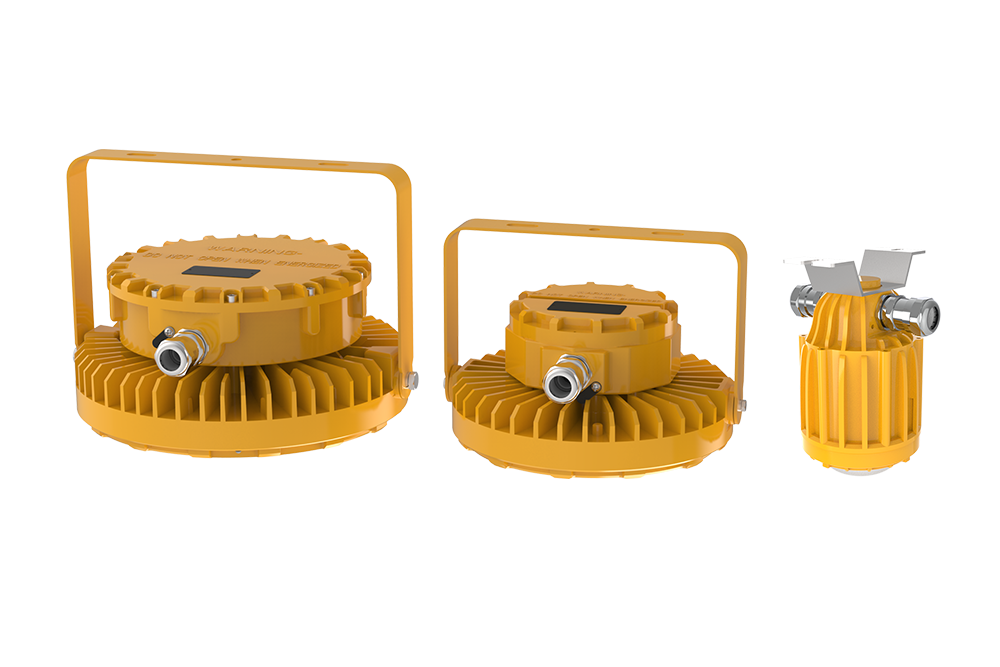
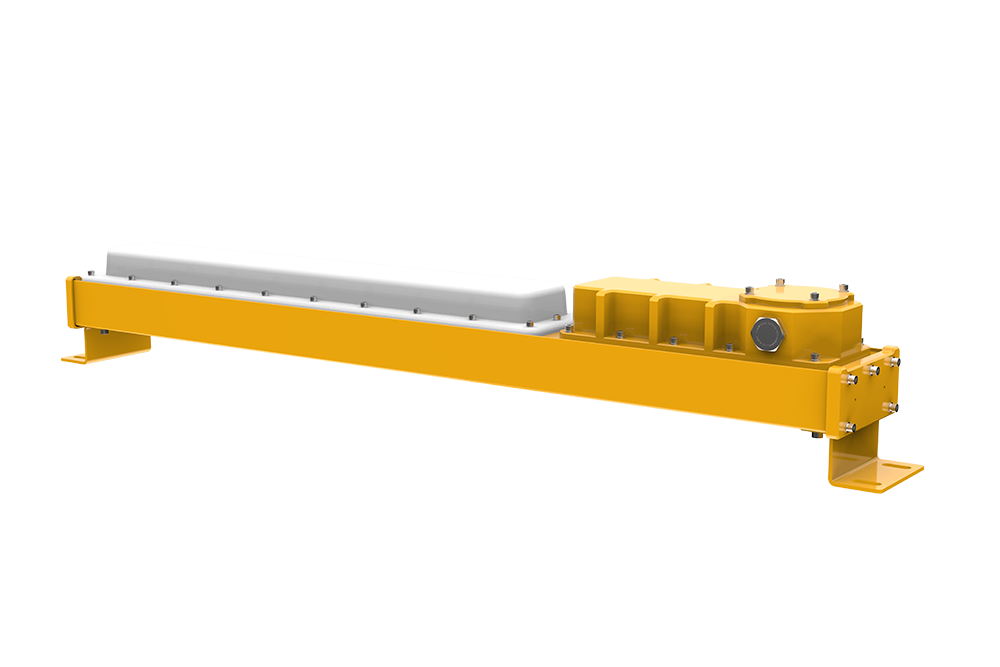
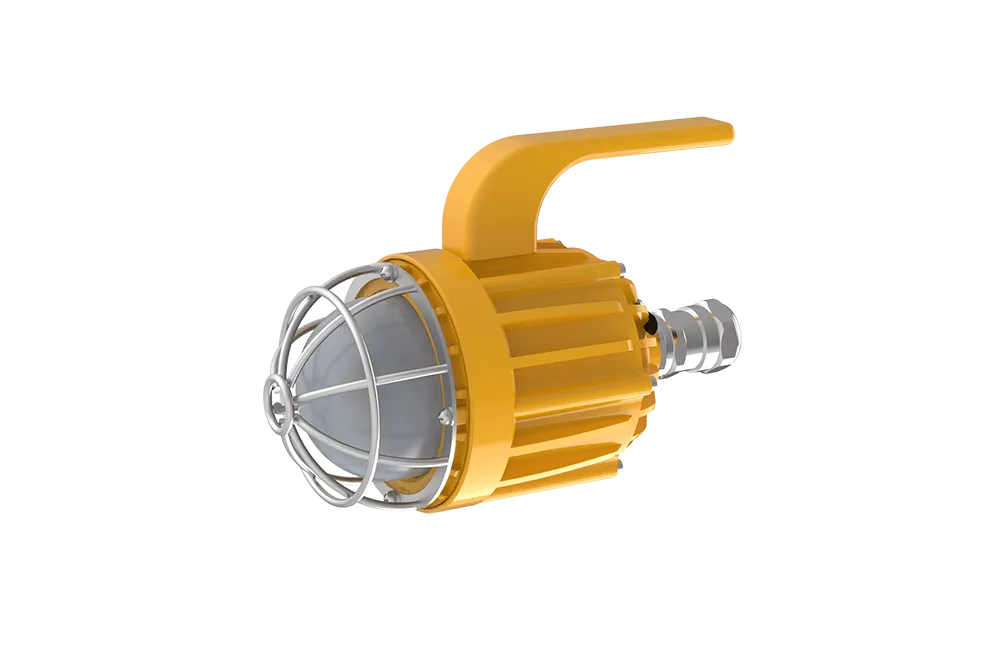
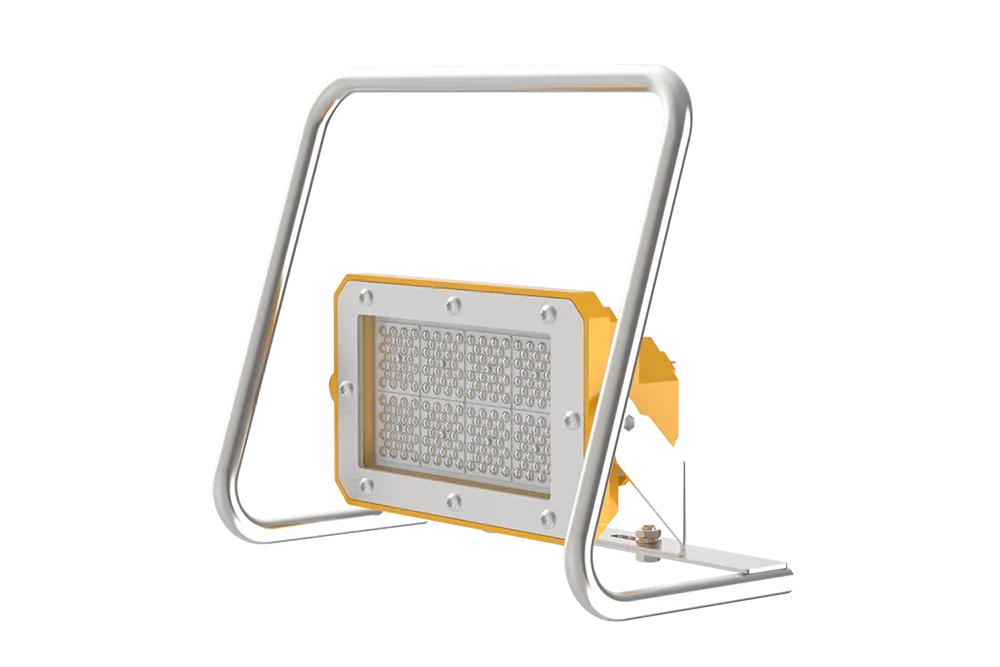
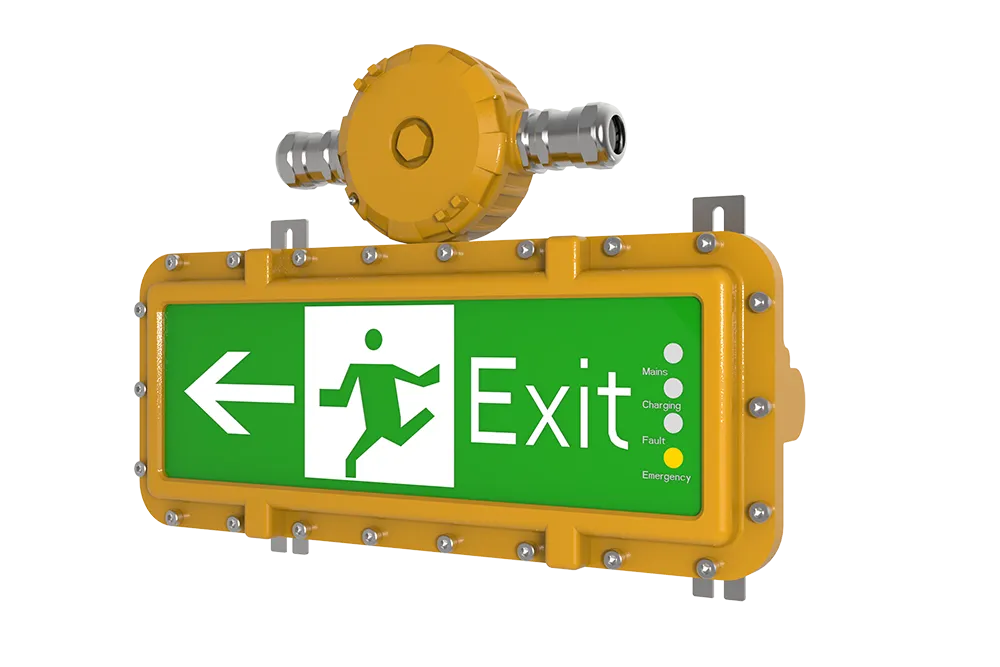
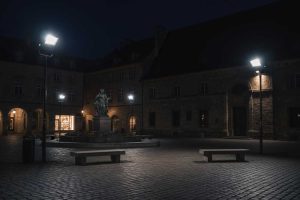
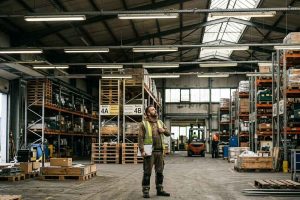
Hazardous area floodlights are specially engineered lighting systems designed for explosive industrial environments where flammable gases, combustible dust, or volatile vapors may be present. These certified floodlights provide wide-area illumination while preventing ignition risks, improving operational safety, and reducing maintenance demands in oil refineries, offshore platforms, chemical plants, mining operations, and other hazardous locations.
Several years ago, I visited a fuel transfer terminal during a nighttime maintenance shutdown. The site manager pointed toward a dark section near a loading arm where two conventional floodlights had failed earlier that week.
The replacement wasn’t simple.
Before electricians could even approach the fixtures, the team needed:
Gas detection clearance
Elevated work permits
Temporary shutdown approval
Safety supervision
That delay cost far more than the lights themselves.
In hazardous industrial environments, floodlighting becomes part of operational continuity — not just visibility.
What Are Hazardous Area Floodlights?
Hazardous area floodlights are explosion-protected lighting fixtures certified for locations containing:
Flammable gases
Explosive vapors
Combustible dust
Ignitable airborne particles
According to OSHA, hazardous locations require specially approved electrical equipment to minimize ignition hazards.
“In hazardous areas, bad lighting slows every inspection, every repair, every emergency response.”
That statement stayed with me because it reflects reality more accurately than technical marketing ever could.
Reduced Ignition Risk
In hazardous locations, lighting equipment itself can become an ignition source if poorly designed.
Potential risks include:
Electrical arcs
High surface temperature
Driver failure
Cable entry faults
Seal degradation
Hazardous area floodlights are designed specifically to reduce those risks through:
Explosion-proof housings
Thermal management systems
Certified sealing structures
Heavy-duty electrical protection
The fixture body becomes part of the safety system.
Why LED Technology Changed Hazardous Area Floodlighting
Lower Heat Generation
Traditional metal halide floodlights generate enormous heat.
That becomes problematic in explosive atmospheres because excessive surface temperature itself may create ignition risk.
According to the U.S. Department of Energy, LED lighting systems significantly reduce wasted thermal energy compared to conventional industrial lighting technologies.
In offshore installations, thermal performance becomes even more important because ambient temperature and continuous operation accelerate component stress.
Lower Maintenance Burden
Floodlights installed in hazardous environments are often difficult to access.
Replacing one failed fixture may involve:
Crane access
Hot work permits
Shutdown coordination
Elevated platform systems
Gas monitoring procedures
That’s why long-life LED hazardous area floodlights became standard in many modern industrial facilities.
Maintenance reduction is often more valuable than energy savings alone.
Industries That Use Hazardous Area Floodlights
Oil & Gas Facilities
Oil refineries remain among the most demanding lighting environments in the world.
Conditions include:
Hydrocarbon vapor
High ambient heat
Corrosive atmosphere
Continuous vibration
Difficult maintenance access
Floodlights commonly illuminate:
Tank farms
Flare systems
Pipe corridors
Pump stations
Loading areas
I once visited an offshore-connected storage facility where maintenance teams had replaced nearly every legacy HID floodlight after repeated corrosion failures near coastal pipe racks.
Salt air exposed weaknesses quickly.
Offshore Platforms
Offshore lighting systems face brutal operating conditions.
Floodlights installed in mining environments require:
Strong thermal design
Vibration resistance
Reliable sealing systems
Impact-resistant construction
Weak housings fail quickly under mining conditions.
Usually faster than buyers expect.
Hazardous Area Floodlights vs Standard Industrial Floodlights
Feature
Standard Industrial Floodlights
Hazardous Area Floodlights
Explosion Protection
No
Yes
Hazardous Certification
None
ATEX / IECEx / UL844
Surface Temperature Control
Limited
Strictly Controlled
Corrosion Resistance
Moderate
Heavy-Duty
Hazardous Gas Protection
No
Yes
Sealing Integrity
Basic
Industrial Grade
One common purchasing mistake is assuming waterproof floodlights are suitable for hazardous locations.
They are not.
Waterproofing alone does not provide explosion protection.
Real Industrial Energy Savings Example
A petrochemical facility operating:
180 floodlights
Continuous 24/7 runtime
Legacy 400W metal halide systems
…can significantly reduce energy consumption by switching to 150W LED hazardous area floodlights.
Lighting System
Estimated Annual Consumption
400W Metal Halide Floodlights
630,720 kWh
150W LED Hazardous Area Floodlights
236,520 kWh
That reduction exceeds 390,000 kWh annually.
But the maintenance savings are often even more important.
Because maintenance inside hazardous zones is never routine.
What Experienced Buyers Check Before Purchasing
Certification Authenticity
Professional buyers verify:
ATEX certification
IECEx approval
UL844 listing
Laboratory traceability
Real certifications are verifiable.
Fake labels are unfortunately common.
Thermal Design Quality
Large heat sinks and heavy housings usually indicate stronger thermal management capability.
Thin lightweight floodlights often struggle in:
High-temperature environments
Offshore installations
Continuous industrial operation
Driver Reliability
LED chips rarely fail first.
Drivers usually fail first.
Especially under:
Heat stress
Voltage instability
Offshore humidity
Continuous vibration
That’s why experienced engineers ask about driver protection immediately.
Why SEEKINGLED Focuses on Industrial Reliability
At SEEKINGLED, hazardous area floodlights are designed around actual industrial operating conditions rather than short-term specification-sheet performance.
Because harsh environments expose every weakness eventually:
Weak seals fail
Corrosion spreads
Inferior drivers overheat
Low-grade hardware loosens
Our conversations with contractors usually focus on practical questions:
“How long will this survive offshore?”
“Can the coating handle salt fog?”
“What happens after years of vibration?”
“How stable is the driver under heat?”
Those are real industrial concerns.
And hazardous-area lighting earns credibility only after surviving difficult environments over time.
Hazardous area floodlights are certified lighting fixtures designed for explosive industrial environments containing flammable gases, vapors, or combustible dust.
Where are hazardous area floodlights commonly used?
They are commonly installed in oil refineries, offshore platforms, chemical plants, tank farms, mining operations, and hazardous industrial processing facilities.
What certifications are important for hazardous area floodlights?
Important certifications include ATEX, IECEx, UL844, Class 1 Division 1, and Class 1 Division 2 depending on the application region and hazard classification.
Why are LED hazardous area floodlights preferred?
LED systems provide lower heat generation, longer lifespan, improved energy efficiency, and reduced maintenance frequency compared with traditional HID floodlights.
Can hazardous area floodlights be used outdoors?
Yes. Many hazardous area floodlights are specifically engineered for outdoor industrial environments including offshore and marine applications.
Conclusion
Hazardous area floodlights have become essential infrastructure in modern industrial facilities where explosive atmospheres, harsh operating conditions, and continuous operation demand reliable lighting performance.
The difference between ordinary floodlights and properly engineered hazardous-area systems usually appears gradually:
Through corrosion
Heat
Moisture
Vibration
Years of nonstop operation
That’s when engineering quality becomes visible.
And in hazardous industrial environments, reliability is never theoretical.
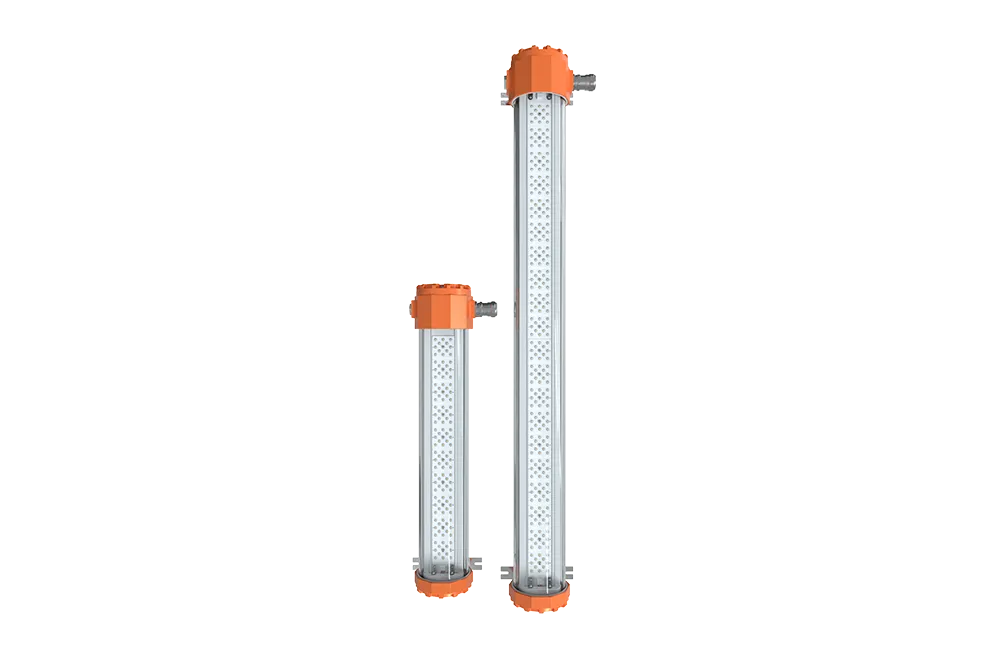
SEEKINGLED LED Linear Explosion Proof Light and Explosion Proof lighting is ATEX and IECEx certified for Zone 1, Zone 2, Zone 21 and Zone 22 hazardous locations, built for long-term industrial use.
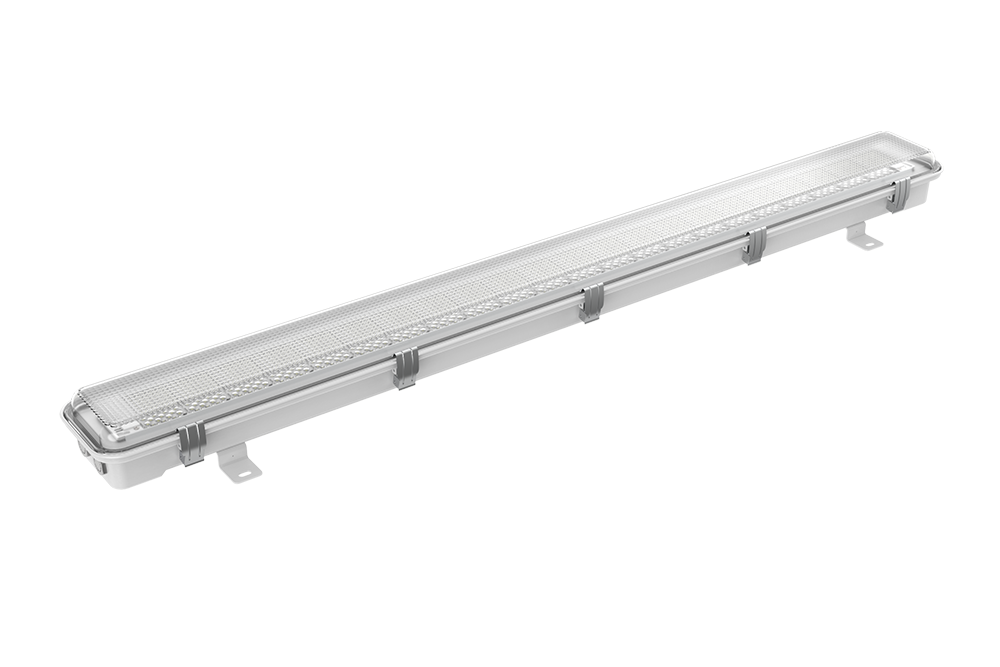
LED Linear Explosion Proof Lights and EX Proof lights for Zone 1, Zone 2, Zone 21 and Zone 22 hazardous areas. ATEX & IECEx certified explosion proof LED linear lighting with emergency function, adjustable power and IP67 protection by SEEKINGLED.
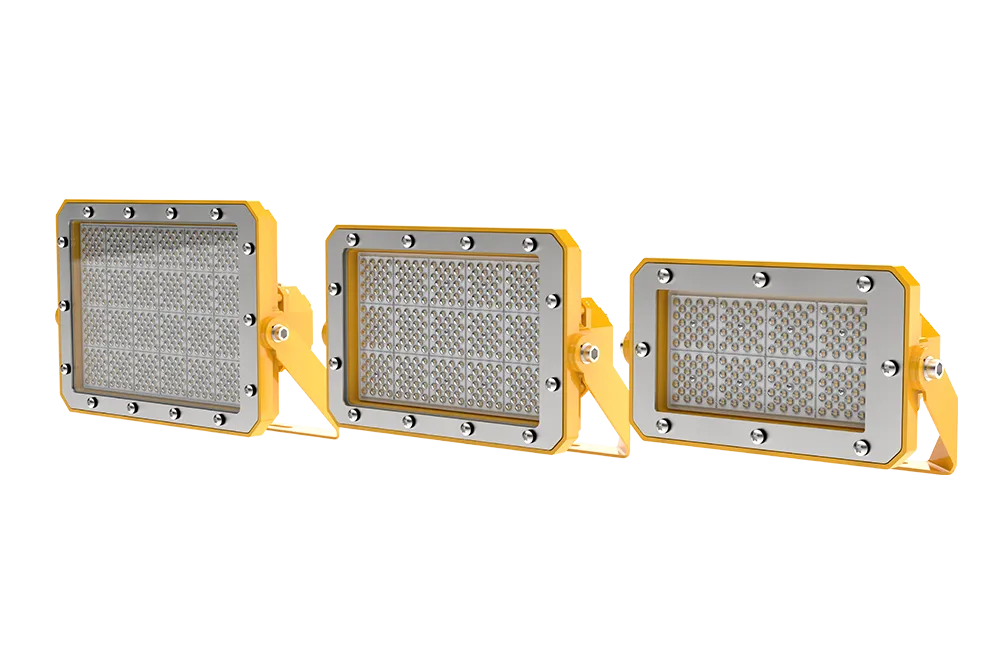
SEEKINGLED LED Explosion Proof Flood Lights are ATEX certified for Zone 2 and Zone 22 hazardous areas, offering high efficiency, adjustable power and integrated junction box.
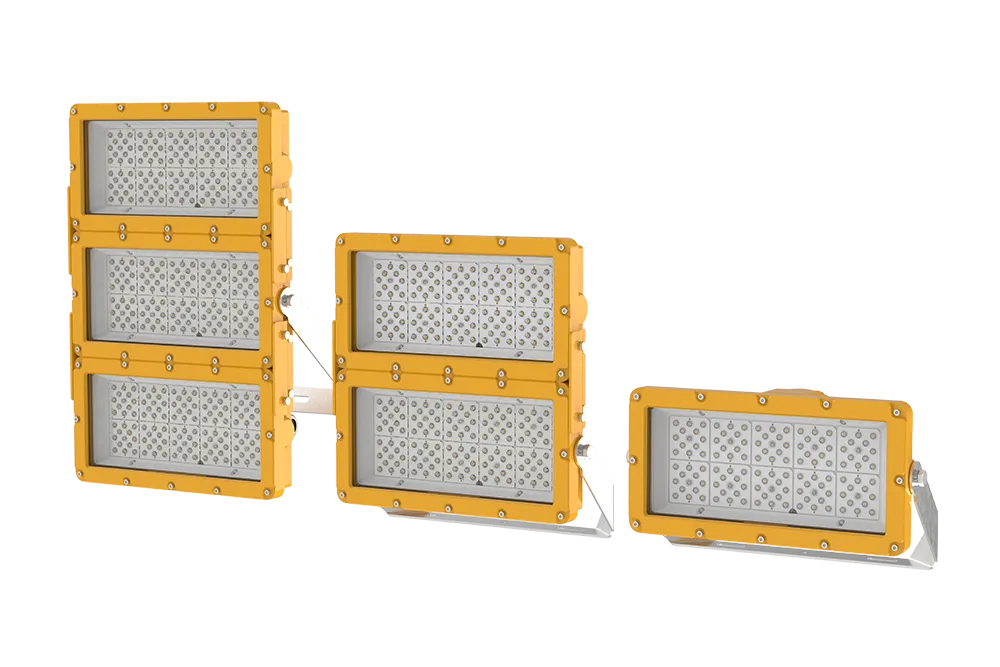
SEEKINGLED LED Explosion Proof Flood Lights are flameproof ATEX and IECEx certified for Zone 1 and Zone 2 hazardous areas, offering high power, adjustable output and long service life.
SEEKINGLED LED Gas Station Canopy Lights are ATEX certified for Zone 2 and Zone 22 hazardous areas, featuring adjustable power and built-in explosion-proof junction box.
ATEX: Ex II 2G Ex db IIB T6/T5 GbEx II 2D Ex tb IIIC T80°C/ T95°C Db IECEx Ex db IIB T6 Gb;Ex tb IIIC T80°C Db Feature: ● For Zone 1,2 and Zone 21,22● Flameproof type, the strongest● 100W can replace 250W HID,energy saving● Power:60W,80W,100W Application: Oil and gas, marine, Chemical, pharmaceutical, semiconductor,mining,military industr…
ATEX: II 3G Ex nR ⅡC T5/T6 GcII 3D Ex tc ⅢC T80℃/T95℃Dc ATEX Certificate NO: TÜV CY 26 ATEX 0207611 X Feature: ● For Zone 2 and Zone 22● 150W can replace 250W HID lamps,Energy saving● Power:50W,75W,100W,150W,200W Application: Oil and gas, marine, Chemical, pharmaceutical, semiconductor,mining,military industry, paint booth,power plant ETC…
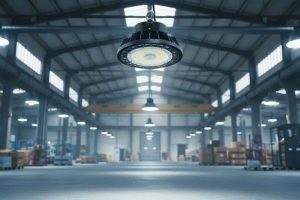
LED explosion proof high bay lights are designed for Zone 1, Zone 2, Zone 21 and Zone 22 hazardous areas. This page introduces the HB21 Series from SEEKING, including certifications, power options and real application considerations.
LED Linear Explosion Proof Lights from SEEKINGLED. LU Series Flame Proof lights ATEX-certified explosion proof LED linear lighting for Zone 2 gas and Zone 22 dust areas, IP69K, IK10, long lifetime and flexible power options.
Certified explosion proof work lights for Zone 1 & 21 hazardous areas. Portable, ATEX & IECEx approved, built for oil, gas and chemical plants by SEEKINGLED.
ATEX: II 3G Ex nR ⅡC T6 GcII 3D Ex tc ⅢC T80℃ Dc ATEX Certificate NO: TÜV CY 26 ATEX 0207611 X Feature: ● For Zone 2 and Zone 22● Accepts battery-powered supply● indestructible● Power:AC input:50W,75W,100WDC input:15W,25W,35W Application: Oil and gas, marine, Chemical, pharmaceutical, semiconductor,mining,military industry, paint booth,po…
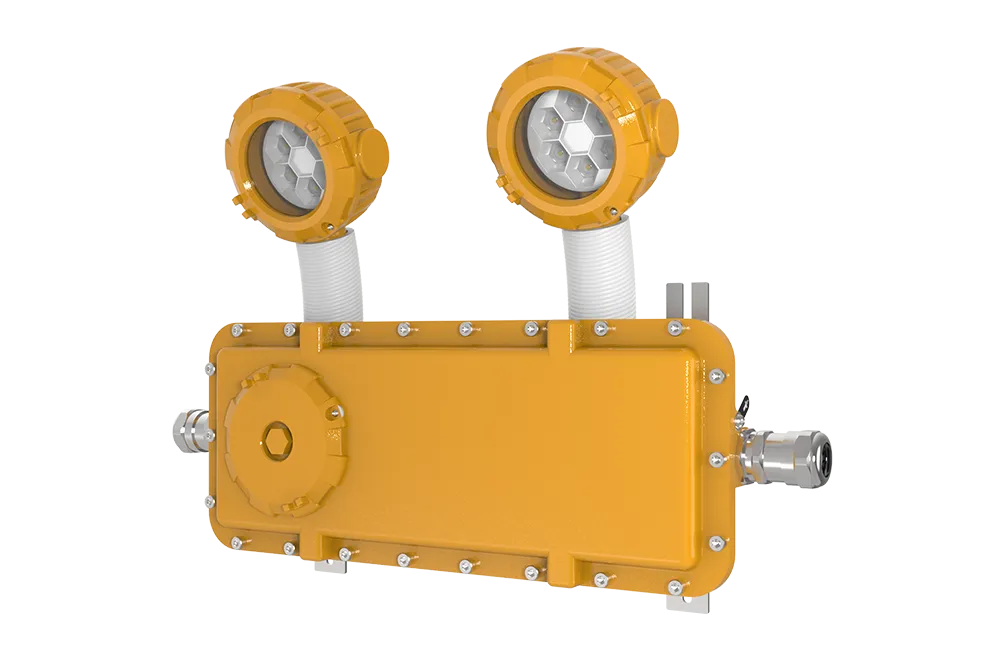
ATEX: Ex II 2G Ex db IIB T6 GbEx II 2D Ex tb IIIC T80°C Db IECEx Ex db IIB T6 Gb;Ex tb IIIC T80°C Db Feature: ● For Zone 1,2 and Zone 21,22● Flameproof type, the strongest Application: Oil and gas, marine, Chemical, pharmaceutical, semiconductor,mining,military industry, paint booth,power plant ETC hazardous area. Technical Specifications:…
ATEX: Ex II 2G Ex db IIB T6 GbEx II 2D Ex tb IIIC T80°C Db IECEx Ex db IIB T6 Gb;Ex tb IIIC T80°C Db Feature: ● For Zone 1,2 and Zone 21,22● Flameproof type, the strongest Application: Oil and gas, marine, Chemical, pharmaceutical, semiconductor,mining,military industry, paint booth,power plant ETC hazardous area. Technical Specifications:…
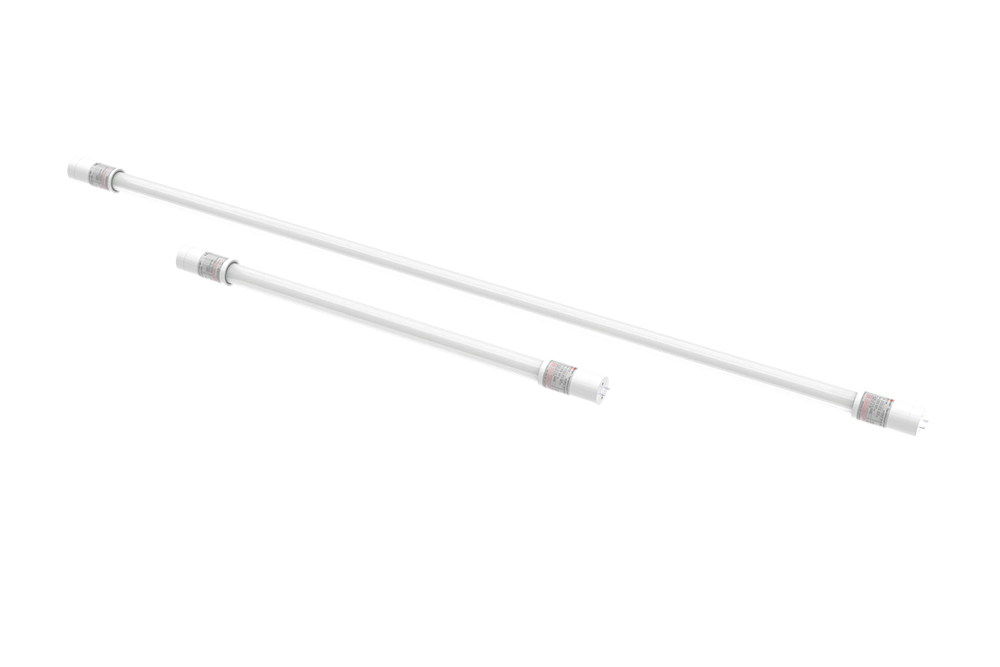
ATEX: Ex II 2G Ex d e IIB T6 Gb ATEX: Ex d e IIB T6 Gb; Feature: ● For Zone 1,2● 9W can replace 18W fluorescent lamps,50% Energy saving Application: Oil and gas, marine, Chemical, pharmaceutical, semiconductor,mining,military industry, paint booth,power plant ETC hazardous area. Technical Specifications: Standards:60079-0, 60079-1, 60079…
High Bay Lighting for Automotive Factory projects require stable illumination and long-term reliability. This case records the on-site use of SEEKINGLED XJ-HBS High Bay lights in a Porsche factory in Germany.
High Bay LED Lights 200W deliver stable output, energy savings, and long lifespan. Discover how to choose reliable industrial lighting that performs in real environments.
Discover how 220 outdoor LED flood light solutions from SEEKINGLED help reduce energy use, simplify installation, and improve lighting quality for courts, parking areas, and public outdoor spaces.
 Seeking LED