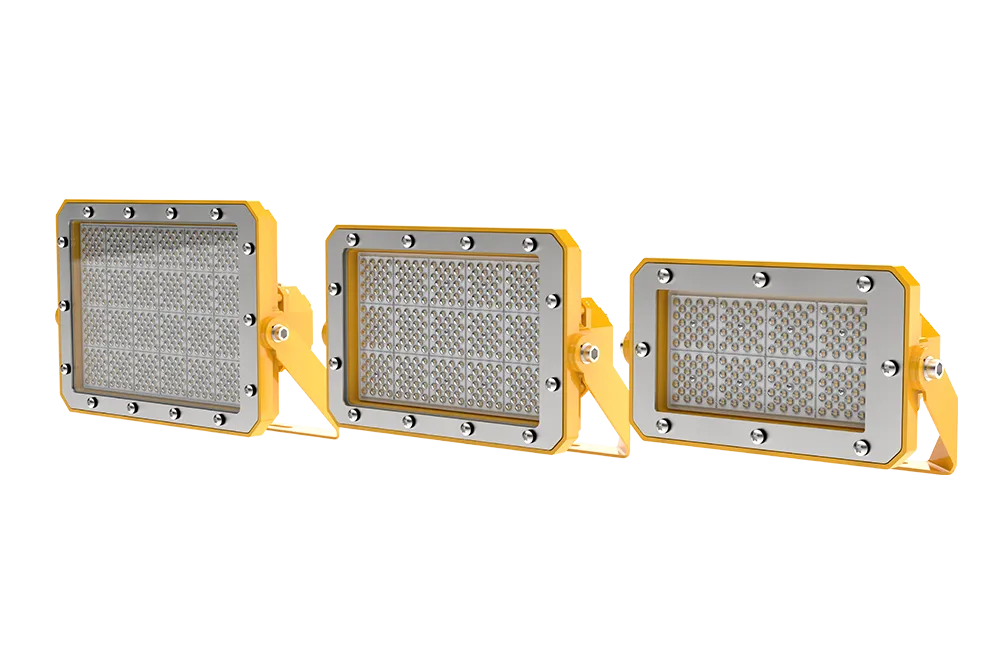
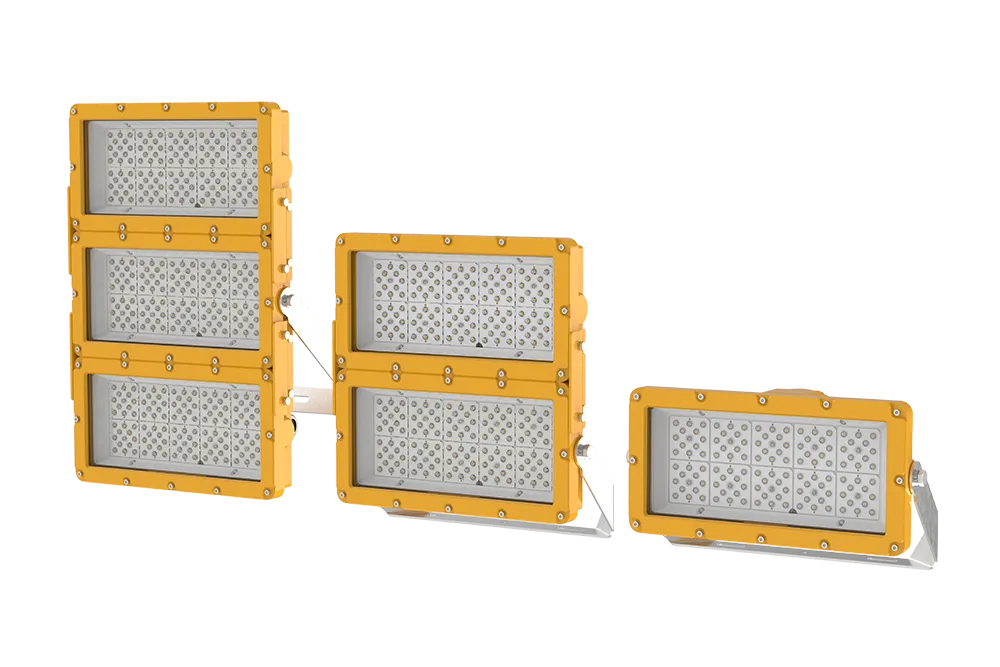
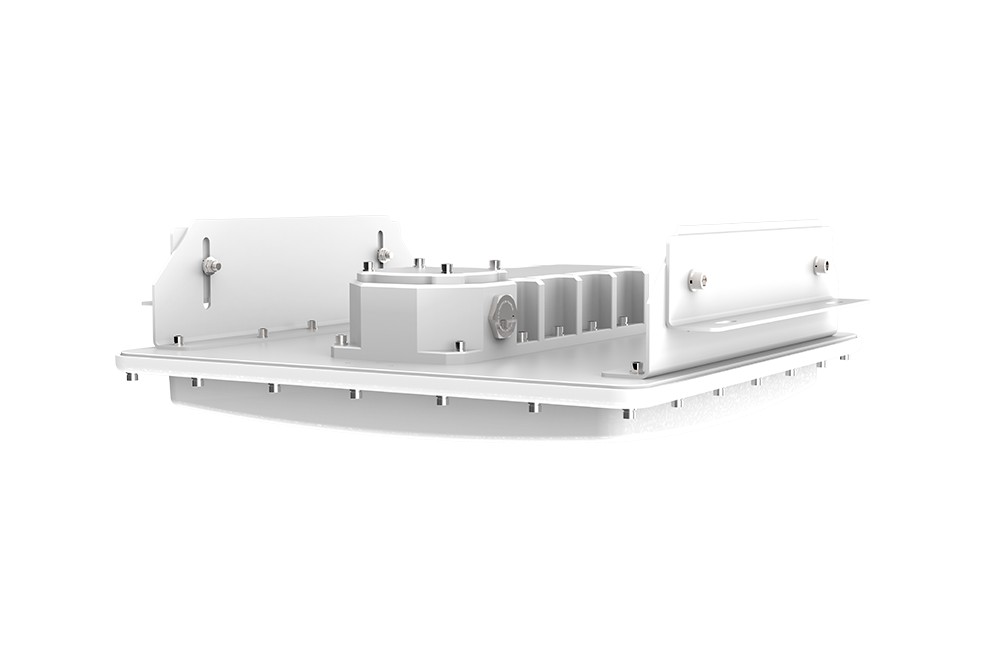
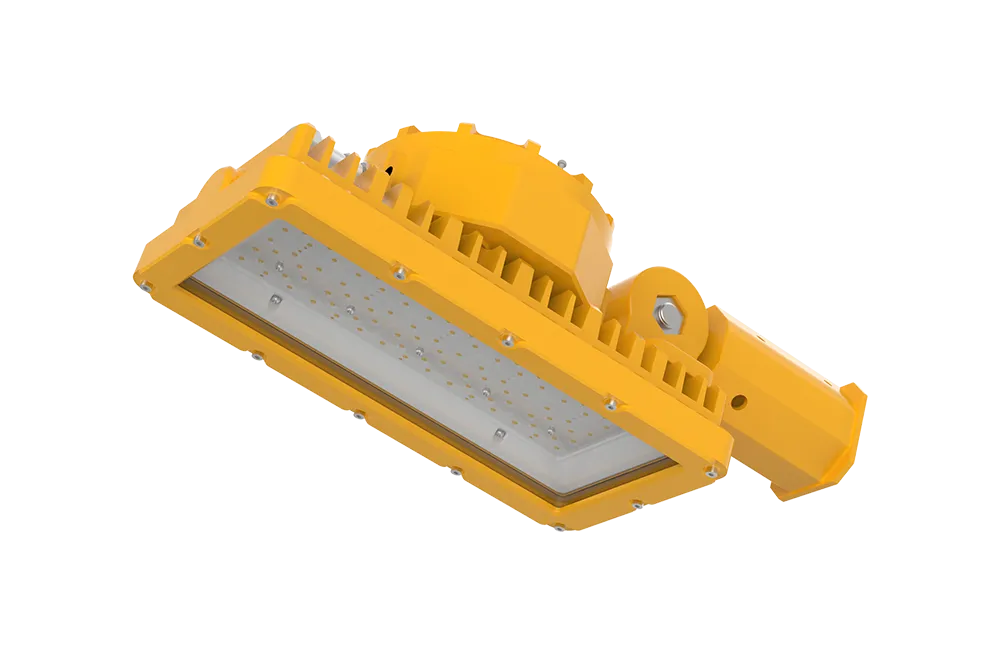
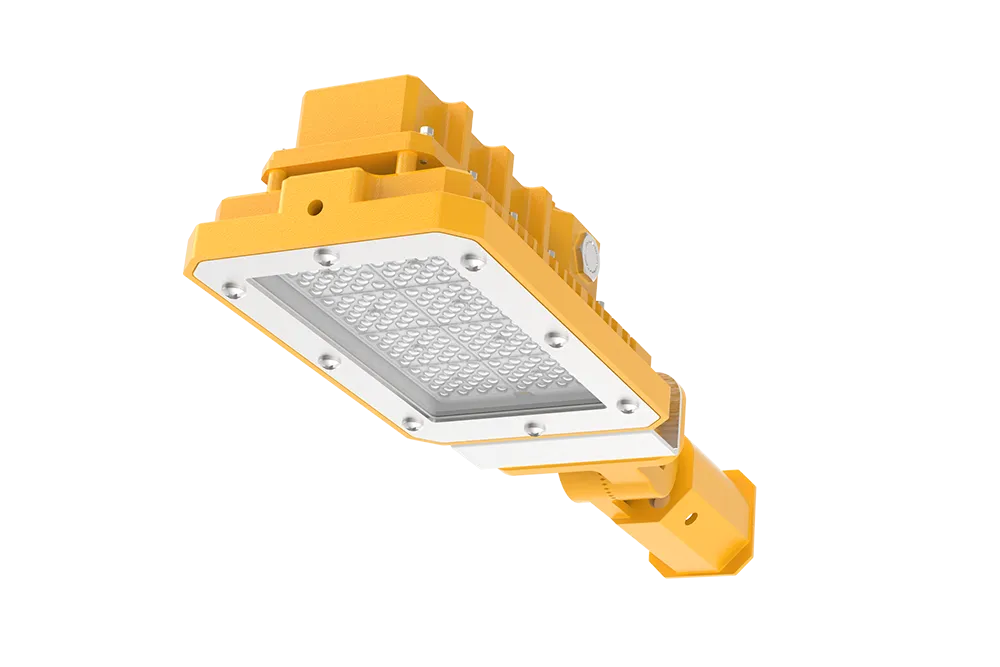
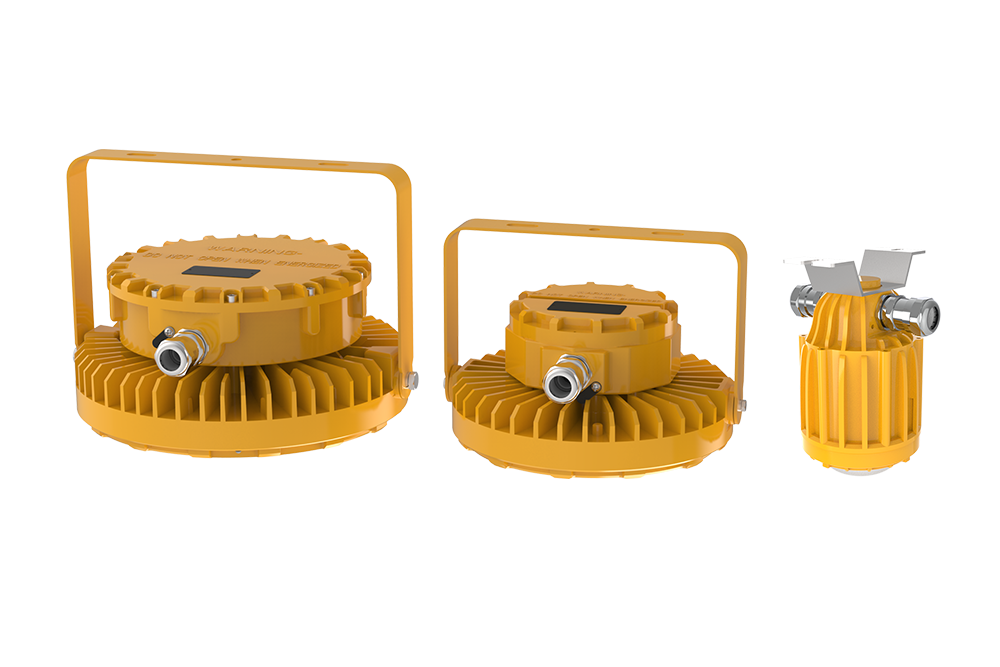
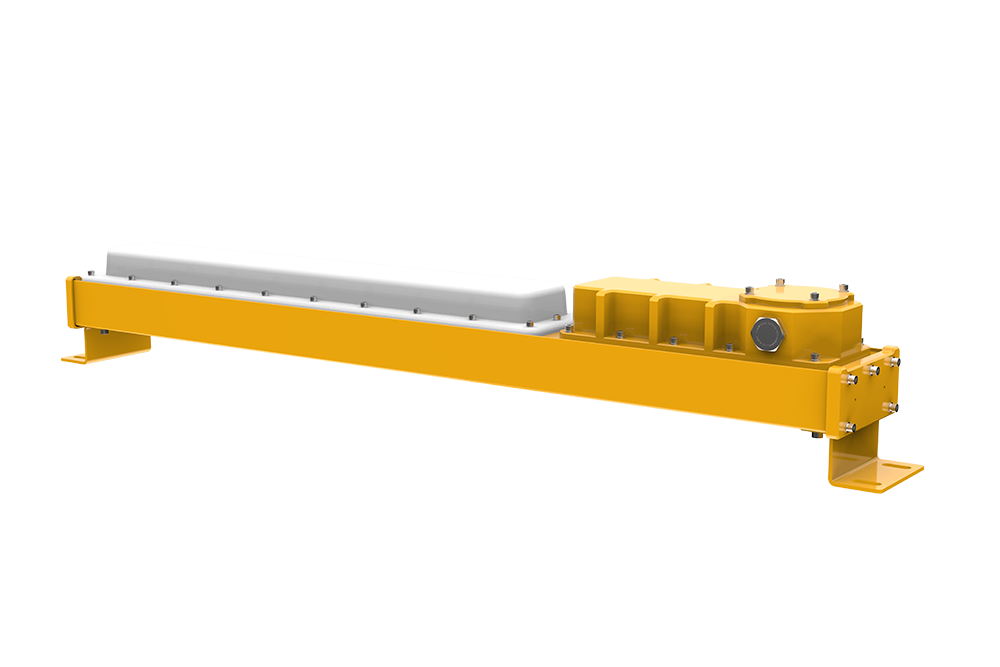
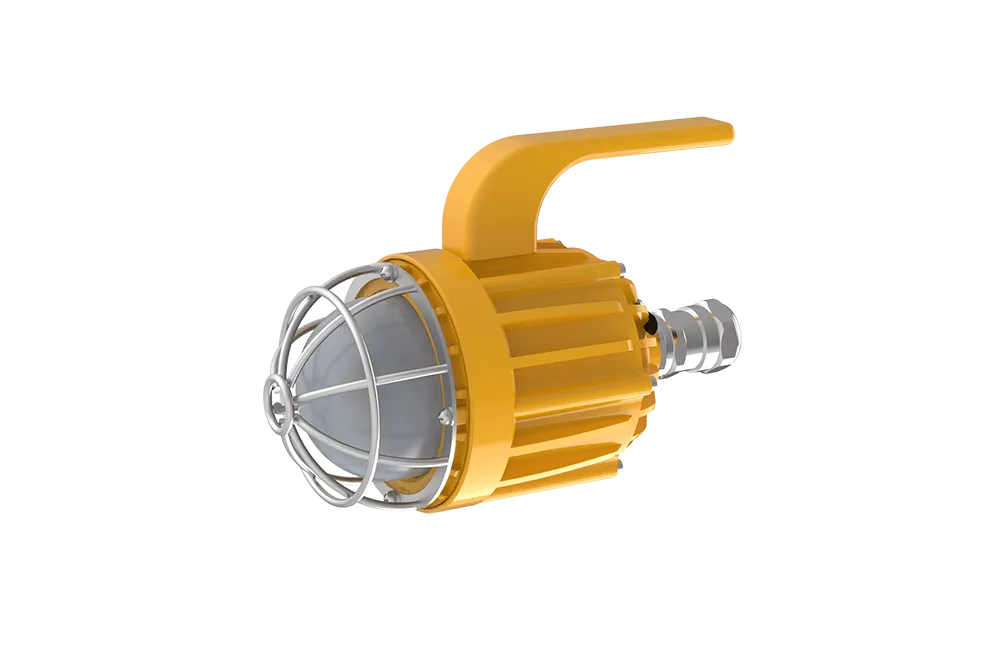
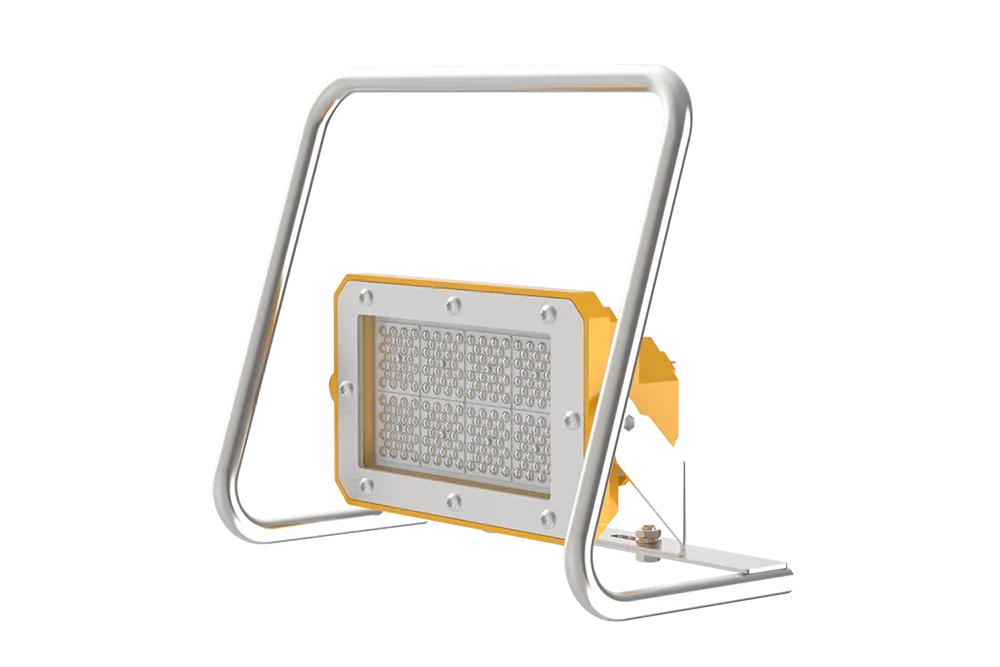
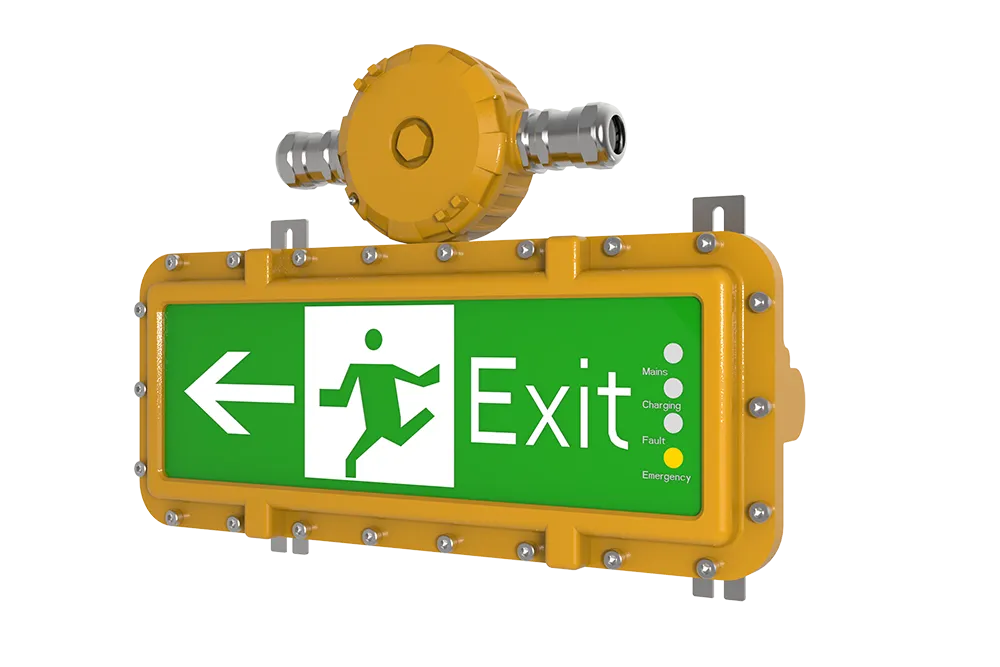
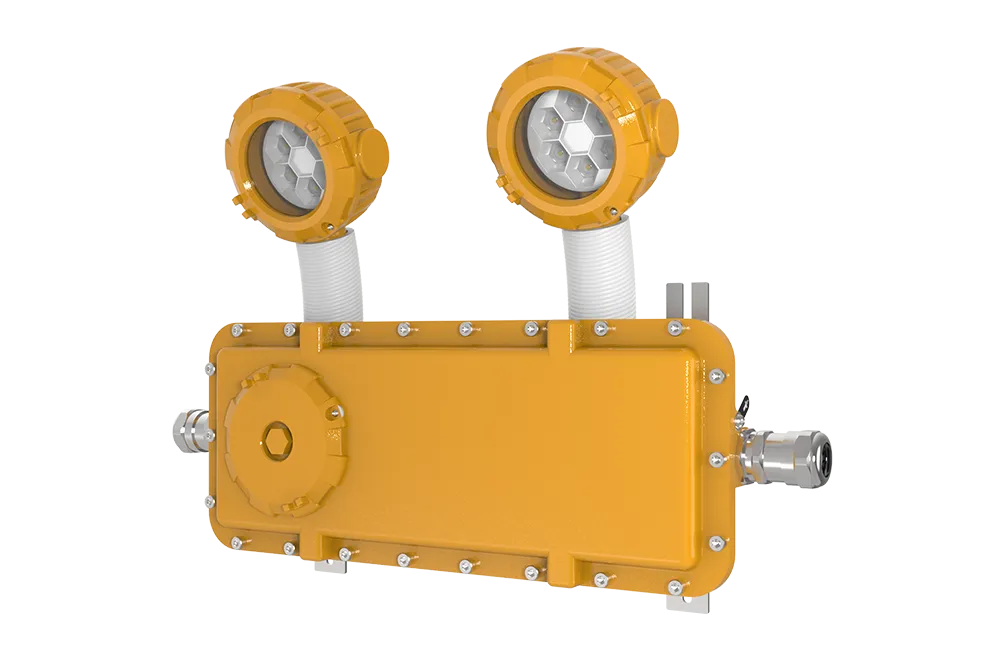
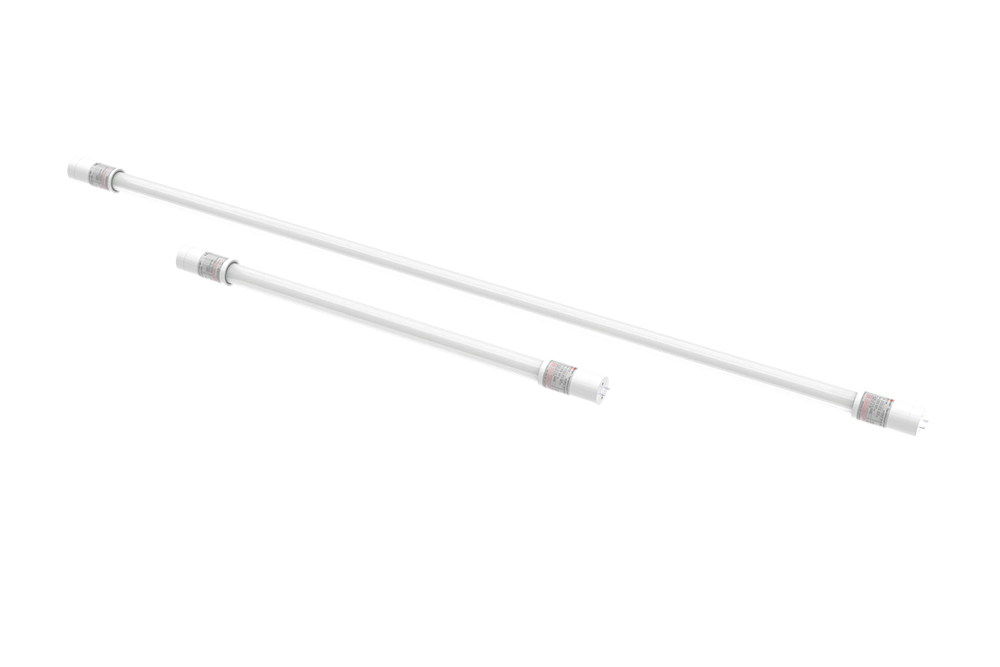
Hazardous area LED lighting is specially certified industrial lighting designed for environments where flammable gases, vapors, combustible dust, or explosive particles may be present. These LED fixtures are engineered to prevent sparks, excessive heat, or electrical faults from igniting dangerous atmospheres.
That’s the formal explanation. On actual industrial sites, though, hazardous area LED lighting is less about illumination and more about risk control.
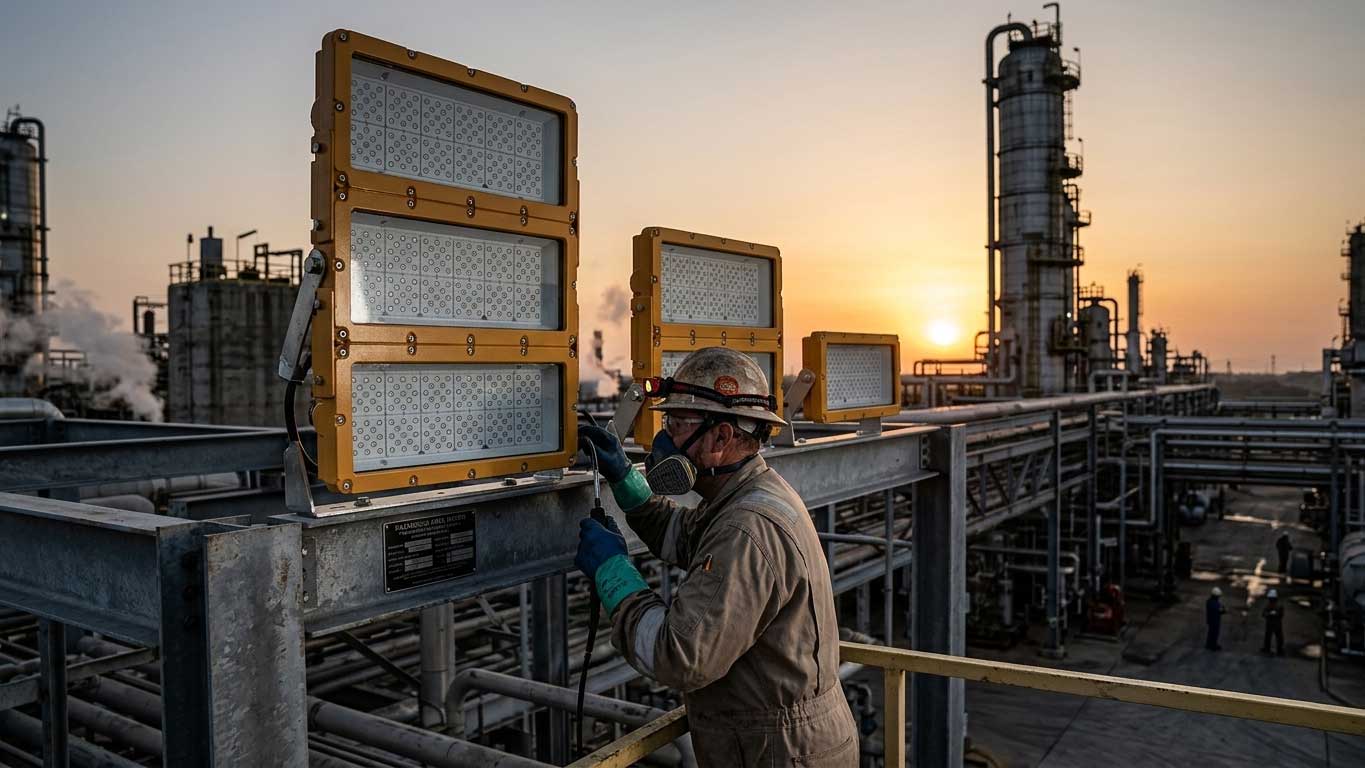
I remember standing inside a coastal fuel terminal during a midnight inspection after a severe tropical storm. Several standard outdoor floodlights had already failed from moisture intrusion. The hazardous-area LED fixtures nearby were still operating normally—despite direct exposure to salt spray, vibration, and constant humidity.
That contrast explains the category better than most technical brochures ever could.
Why hazardous area LED lighting exists
In hazardous industrial environments, ignition sources can become catastrophic unusually fast.
Facilities handling the following materials are considered high-risk:
Natural gas
Hydrogen
Methane
Ethanol vapor
Solvent chemicals
Combustible grain dust
Petroleum products
Even a small electrical spark can ignite these atmospheres under the right conditions.
According to the Occupational Safety and Health Administration (OSHA), hazardous locations are areas where fire or explosion hazards may exist because of flammable gases, vapors, dust, or ignitable fibers.
Ordinary commercial lighting fixtures are not designed for those environments.
Hazardous area LED lighting is.
What makes hazardous area LED lighting different?
A common misunderstanding is that hazardous-area lighting simply uses stronger housings.
The engineering goes much deeper.
Certified hazardous area LED fixtures are designed to:
Contain internal sparks
Limit surface temperature
Prevent gas ignition
Resist corrosion
Survive vibration
Maintain sealing integrity
Operate safely under abnormal conditions
This matters because failure inside hazardous facilities rarely happens dramatically at first.
Usually it begins quietly:
A damaged gasket
Condensation inside the housing
Corroded cable glands
Thermal stress on drivers
Seal shrinkage after years of UV exposure
Then one day, the wrong gas concentration exists at the wrong moment.
That’s the real reason hazardous-area certifications exist.
Common hazardous area classifications
Different countries use different hazardous-area standards.
North American system
Classification
Description
Class 1 Div 1
Flammable gases present during normal operation
Class 1 Div 2
Flammable gases present only under abnormal conditions
Class 2
Combustible dust environments
Class 3
Ignitable fibers and flyings
International system
Certification
Region
ATEX
European Union
IECEx
International
UL844
North America
One thing experienced engineers quickly learn: certification labels matter more than marketing language.
Terms like “industrial-grade” or “waterproof” do not equal hazardous-area approval.
Why LED technology changed hazardous-area lighting
Before LED adoption, many hazardous facilities still relied on:
Metal halide fixtures
High-pressure sodium lamps
Fluorescent hazardous-area systems
Those technologies created several operational problems:
Excessive heat generation
Frequent lamp replacement
Higher energy consumption
Long restrike delays
Fragile components
LED lighting solved many of those issues simultaneously.
According to the U.S. Department of Energy, LED systems can reduce industrial lighting energy consumption by approximately 50–70% compared with conventional HID technologies.
That energy reduction becomes significant in large-scale facilities operating hundreds of fixtures 24 hours a day.
At one petrochemical expansion project I visited, the engineering team estimated the LED conversion reduced enough electrical load to avoid upgrading an aging backup generator system.
That rarely appears in marketing copy. Finance departments notice it immediately.
Hazardous area LED lighting in real industrial environments
Offshore oil platforms
Marine conditions are brutal on lighting systems.
Salt spray accelerates corrosion faster than many buyers expect.
Good hazardous-area LED fixtures for offshore use typically include:
Marine-grade aluminum housings
Stainless steel hardware
Multi-layer anti-corrosion coatings
IP66/IP67 sealing
Impact-resistant lenses
I’ve seen cheaper fixtures begin surface oxidation within a single monsoon season near offshore loading structures.
The LEDs still functioned. The enclosure protection did not.
Chemical processing plants
Chemical vapor environments introduce another challenge: unpredictability.
Some solvents evaporate rapidly and accumulate near ceilings or enclosed processing areas.
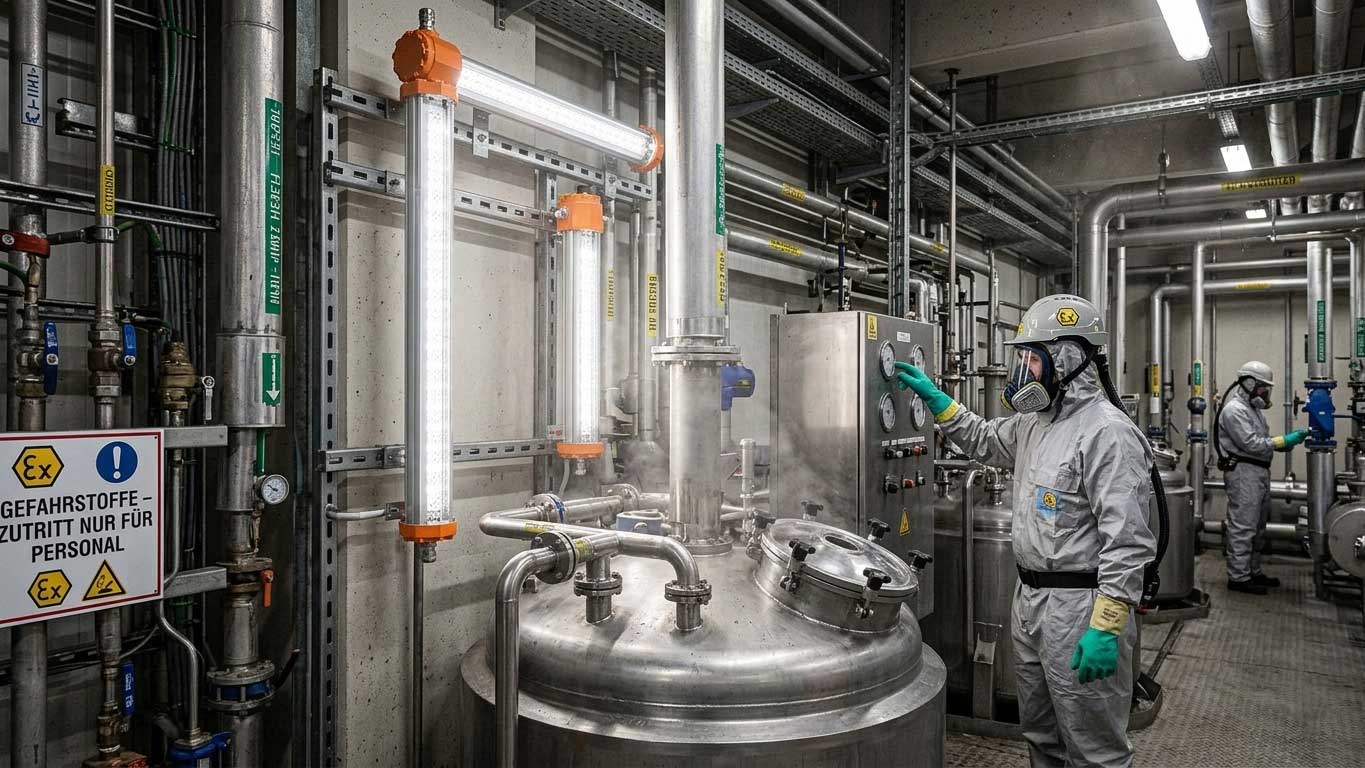
Lighting fixtures in these environments must maintain stable thermal performance while preventing ignition risks during continuous operation.
This is why hazardous area LED lighting often includes:
Temperature-controlled drivers
Isolated wiring chambers
Flame-path engineering
Reinforced gasket systems
Temperature ratings are often overlooked
Brightness gets attention. Temperature classification should.
Hazardous area LED lighting must control maximum surface temperature carefully.
Common T-ratings
Temperature Rating
Maximum Surface Temperature
T1
450°C
T2
300°C
T3
200°C
T4
135°C
T5
100°C
T6
85°C
Certain gases ignite at surprisingly low temperatures.
That means a fixture can still become dangerous even if no visible spark occurs.
Many modern oil and gas facilities now specify T4-rated or T5-rated hazardous-area LED lighting as minimum standards.
Maintenance mistakes that quietly compromise safety
This part gets ignored online far too often.
Even certified hazardous-area fixtures can lose compliance after improper maintenance.
Common mistakes include:
Replacing certified cable glands
Scratching flame-path surfaces
Using incorrect fasteners
Opening energized fixtures
Applying paint over enclosure joints
Installing incompatible LED drivers
I once saw a contractor pressure-wash fixtures aggressively during refinery maintenance. Water intrusion didn’t appear immediately. Several driver failures appeared months later.
Hazardous-area lighting failures are often delayed problems.
Difference between hazardous area lighting and ordinary industrial lighting
Feature
Hazardous Area LED Lighting
Standard Industrial LED Lighting
Explosion Protection
Yes
No
Certified for Gas Zones
Yes
No
Flame Containment
Yes
No
Controlled Surface Temperature
Required
Limited
Corrosion Resistance
Enhanced
Standard
Hazardous Certification
Mandatory
Not required
From a distance, both fixture types may look similar.
Internally, the engineering difference is enormous.
FAQ:What Is Hazardous Area LED Lighting?
Is hazardous area LED lighting explosion proof?
Many hazardous-area LED fixtures are explosion proof, but certification depends on the environment and regional standards such as ATEX, IECEx, or Class 1 Div 1.
Where is hazardous area LED lighting used?
Common applications include oil refineries, offshore platforms, chemical plants, mining facilities, wastewater treatment plants, grain processing facilities, and fuel storage terminals.
Is waterproof lighting the same as hazardous-area lighting?
No. Waterproof fixtures protect against water and dust ingress, while hazardous-area lighting is specifically engineered and certified to prevent ignition in explosive environments.
Why are hazardous area LED fixtures heavier?
Explosion-proof housings require thicker metal construction, reinforced lenses, flame-path engineering, and higher structural durability, which significantly increases fixture weight.
Final thoughts from real project environments
After years around hazardous industrial sites, one thing becomes obvious quickly: dangerous environments rarely fail all at once.
Problems accumulate gradually.
A gasket ages. A cable gland loosens. Corrosion spreads quietly under coatings. Drivers overheat during summer peaks.
Then conditions align.
That’s why What Is Hazardous Area LED Lighting is ultimately a question about reliability under pressure—not just illumination performance.
The best hazardous-area LED fixtures are engineered for moments nobody wants to experience but every industrial facility must prepare for.
SEEKINGLED develops hazardous-area LED lighting systems for oil, gas, marine, and heavy industrial environments where certified protection, long-term durability, and operational safety are critical.
SEEKINGLED LED Linear Explosion Proof Light and Explosion Proof lighting is ATEX and IECEx certified for Zone 1, Zone 2, Zone 21 and Zone 22 hazardous locations, built for long-term industrial use.
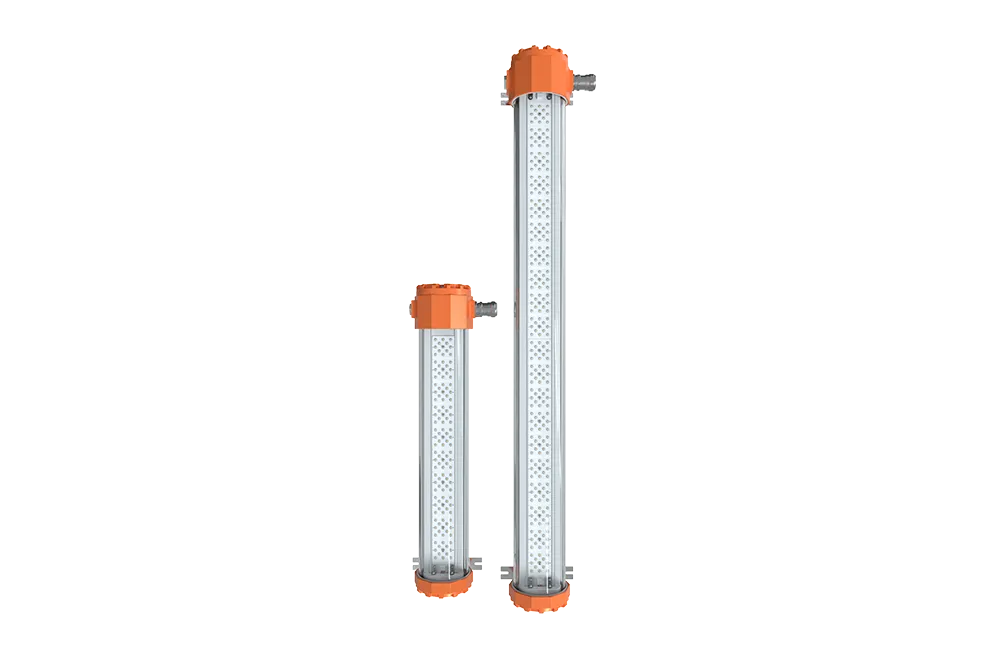
LED Linear Explosion Proof Lights and EX Proof lights for Zone 1, Zone 2, Zone 21 and Zone 22 hazardous areas. ATEX & IECEx certified explosion proof LED linear lighting with emergency function, adjustable power and IP67 protection by SEEKINGLED.
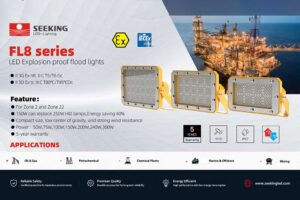
SEEKINGLED LED Explosion Proof Flood Lights are ATEX certified for Zone 2 and Zone 22 hazardous areas, offering high efficiency, adjustable power and integrated junction box.
SEEKINGLED LED Explosion Proof Flood Lights are flameproof ATEX and IECEx certified for Zone 1 and Zone 2 hazardous areas, offering high power, adjustable output and long service life.
SEEKINGLED LED Gas Station Canopy Lights are ATEX certified for Zone 2 and Zone 22 hazardous areas, featuring adjustable power and built-in explosion-proof junction box.
ATEX: Ex II 2G Ex db IIB T6/T5 GbEx II 2D Ex tb IIIC T80°C/ T95°C Db IECEx Ex db IIB T6 Gb;Ex tb IIIC T80°C Db Feature: ● For Zone 1,2 and Zone 21,22● Flameproof type, the strongest● 100W can replace 250W HID,energy saving● Power:60W,80W,100W Application: Oil and gas, marine, Chemical, pharmaceutical, semiconductor,mining,military industr…
ATEX: II 3G Ex nR ⅡC T5/T6 GcII 3D Ex tc ⅢC T80℃/T95℃Dc ATEX Certificate NO: TÜV CY 26 ATEX 0207611 X Feature: ● For Zone 2 and Zone 22● 150W can replace 250W HID lamps,Energy saving● Power:50W,75W,100W,150W,200W Application: Oil and gas, marine, Chemical, pharmaceutical, semiconductor,mining,military industry, paint booth,power plant ETC…
LED explosion proof high bay lights are designed for Zone 1, Zone 2, Zone 21 and Zone 22 hazardous areas. This page introduces the HB21 Series from SEEKING, including certifications, power options and real application considerations.
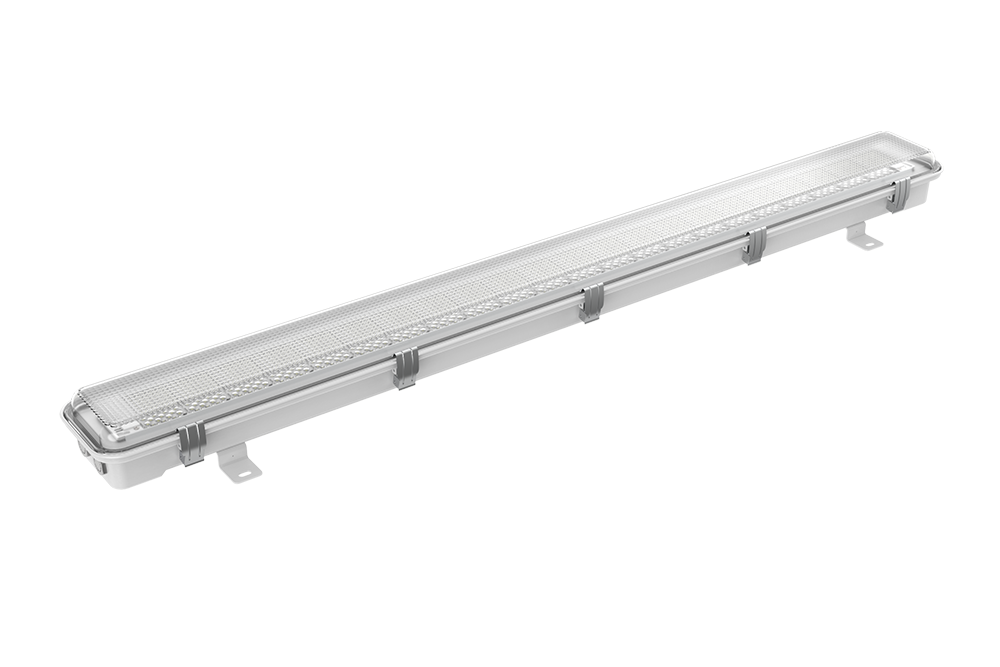
LED Linear Explosion Proof Lights from SEEKINGLED. LU Series Flame Proof lights ATEX-certified explosion proof LED linear lighting for Zone 2 gas and Zone 22 dust areas, IP69K, IK10, long lifetime and flexible power options.
Certified explosion proof work lights for Zone 1 & 21 hazardous areas. Portable, ATEX & IECEx approved, built for oil, gas and chemical plants by SEEKINGLED.
ATEX: II 3G Ex nR ⅡC T6 GcII 3D Ex tc ⅢC T80℃ Dc ATEX Certificate NO: TÜV CY 26 ATEX 0207611 X Feature: ● For Zone 2 and Zone 22● Accepts battery-powered supply● indestructible● Power:AC input:50W,75W,100WDC input:15W,25W,35W Application: Oil and gas, marine, Chemical, pharmaceutical, semiconductor,mining,military industry, paint booth,po…
ATEX: Ex II 2G Ex db IIB T6 GbEx II 2D Ex tb IIIC T80°C Db IECEx Ex db IIB T6 Gb;Ex tb IIIC T80°C Db Feature: ● For Zone 1,2 and Zone 21,22● Flameproof type, the strongest Application: Oil and gas, marine, Chemical, pharmaceutical, semiconductor,mining,military industry, paint booth,power plant ETC hazardous area. Technical Specifications:…
ATEX: Ex II 2G Ex db IIB T6 GbEx II 2D Ex tb IIIC T80°C Db IECEx Ex db IIB T6 Gb;Ex tb IIIC T80°C Db Feature: ● For Zone 1,2 and Zone 21,22● Flameproof type, the strongest Application: Oil and gas, marine, Chemical, pharmaceutical, semiconductor,mining,military industry, paint booth,power plant ETC hazardous area. Technical Specifications:…
ATEX: Ex II 2G Ex d e IIB T6 Gb ATEX: Ex d e IIB T6 Gb; Feature: ● For Zone 1,2● 9W can replace 18W fluorescent lamps,50% Energy saving Application: Oil and gas, marine, Chemical, pharmaceutical, semiconductor,mining,military industry, paint booth,power plant ETC hazardous area. Technical Specifications: Standards:60079-0, 60079-1, 60079…
Why does my LED flood light stay on all night? Discover real causes like sensor faults, wiring issues, or photocell problems, and how SEEKINGLED lighting solves them.
Real project record of XJ-HBS200W high bay with motion and daylight sensor installed in an Australian warehouse, focusing on on-site setup and energy-saving results.
How to dim LED lights that are too bright? Discover safe, practical solutions to reduce brightness, improve comfort, and avoid damaging your LED lighting system.
In hazardous areas (oil & gas, chemical, mining, pharma, warehouses), explosion-proof lights ensure safety and lighting. Key factors: power (W), lumens (lm), and efficacy (lm/W). Modern units use LED. Power depends on height, area, and illumin...
 Seeking LED