 Seeking LED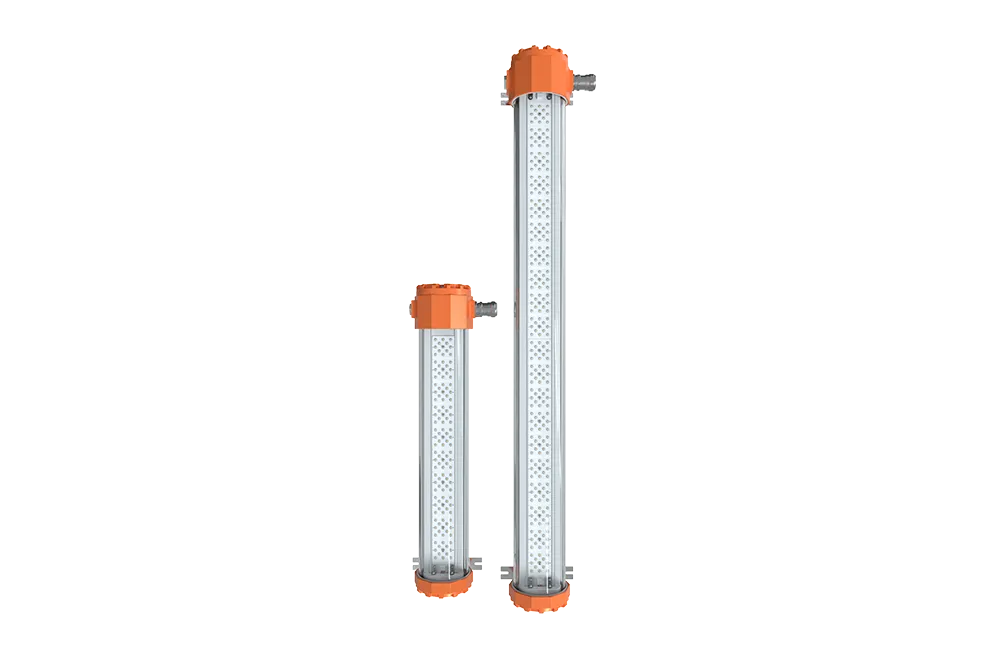

Indoor LED Floodlights (How They Actually Perform Indoors)
54Indoor LED floodlights deliver focused, energy-efficient lighting for homes and commercial spaces. Learn real-world usage, setup tips, and expert insights with SEEKINGLED.
View detailsSearch the whole station
Is LED lighting explosion proof?
In short, no. LED lighting itself is not automatically explosion proof. While LED technology is efficient and produces less heat than traditional light sources, this alone does not make it safe for hazardous locations.
Explosion proof performance depends on how the entire luminaire is designed, built, and certified—not on the LED chip inside.
Standard LED lighting is developed for offices, warehouses, or outdoor areas with normal atmospheric conditions. These fixtures are not designed to contain sparks, electrical arcs, or internal ignition caused by component failure.
In hazardous environments where flammable gas, vapor, or dust may be present, even a minor internal fault can become an ignition source. Without a certified enclosure, LED lighting remains ordinary lighting, regardless of efficiency or lifespan.
This is why simply switching from fluorescent to LED does not solve safety requirements in classified zones.
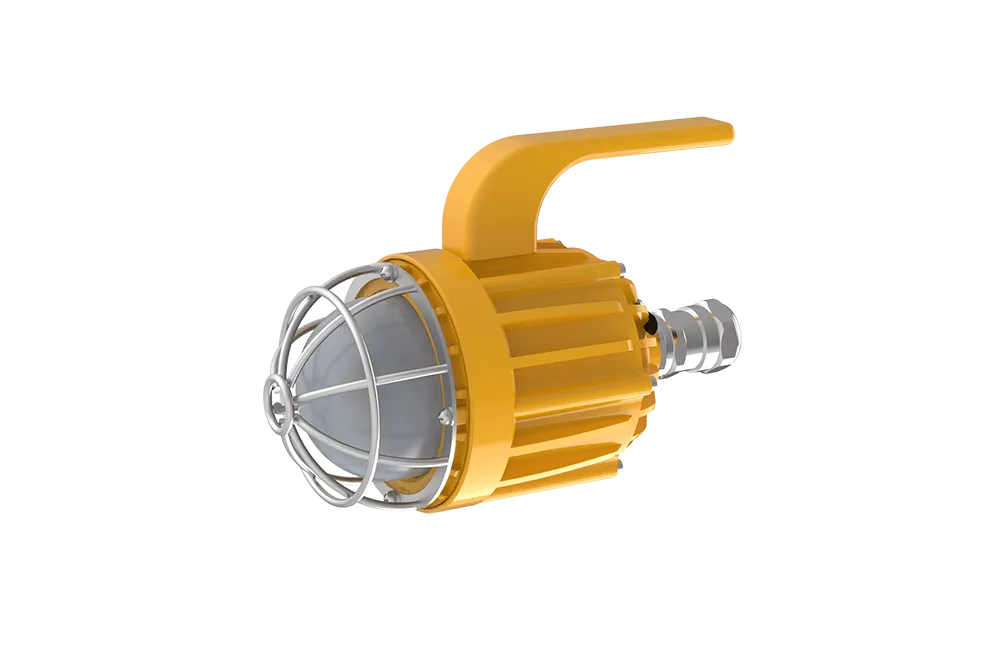
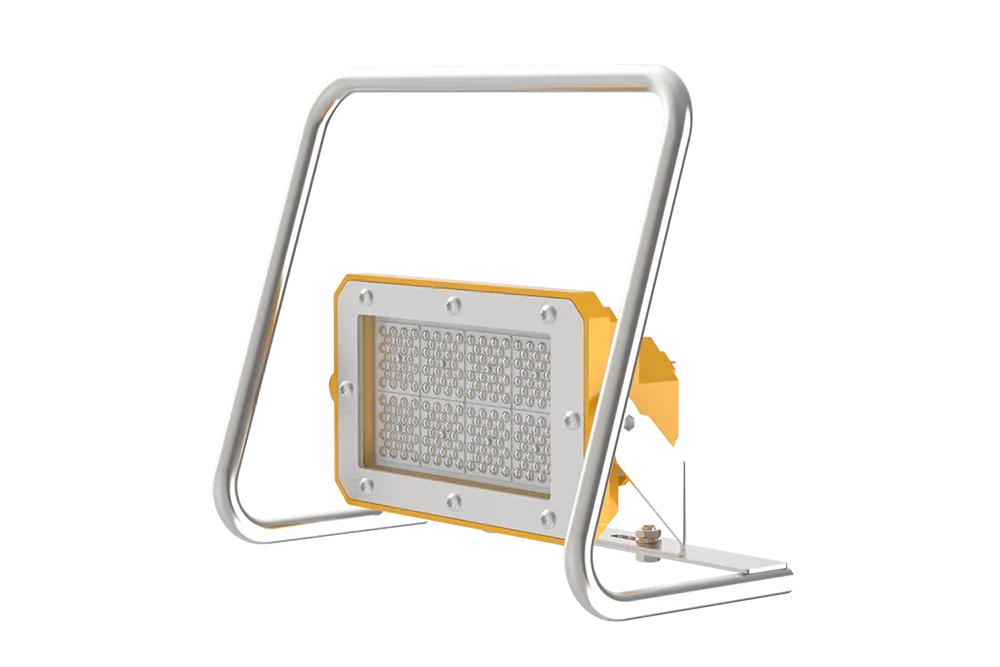
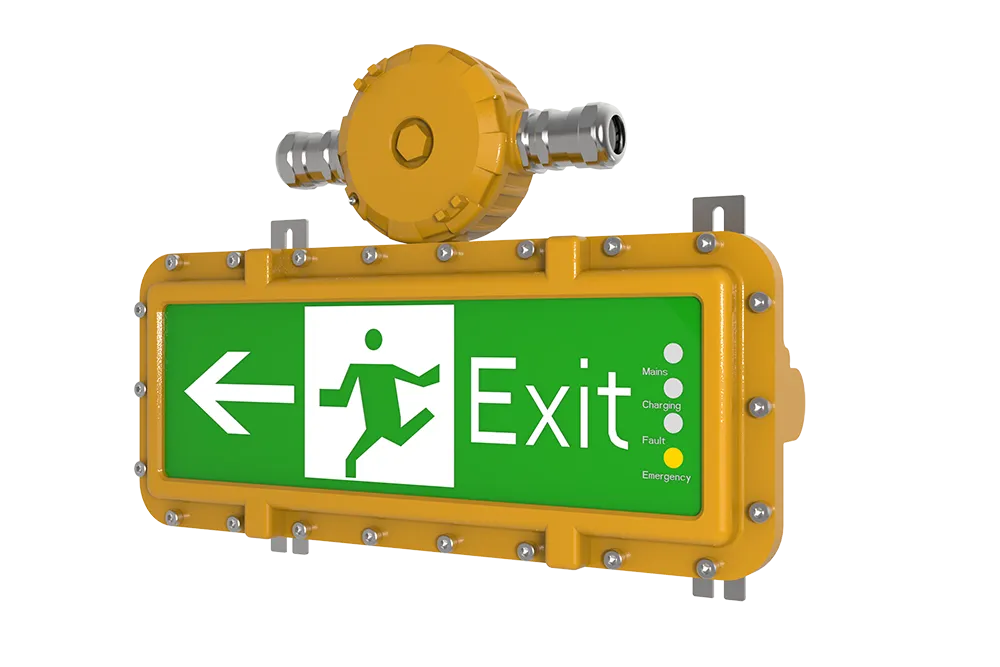
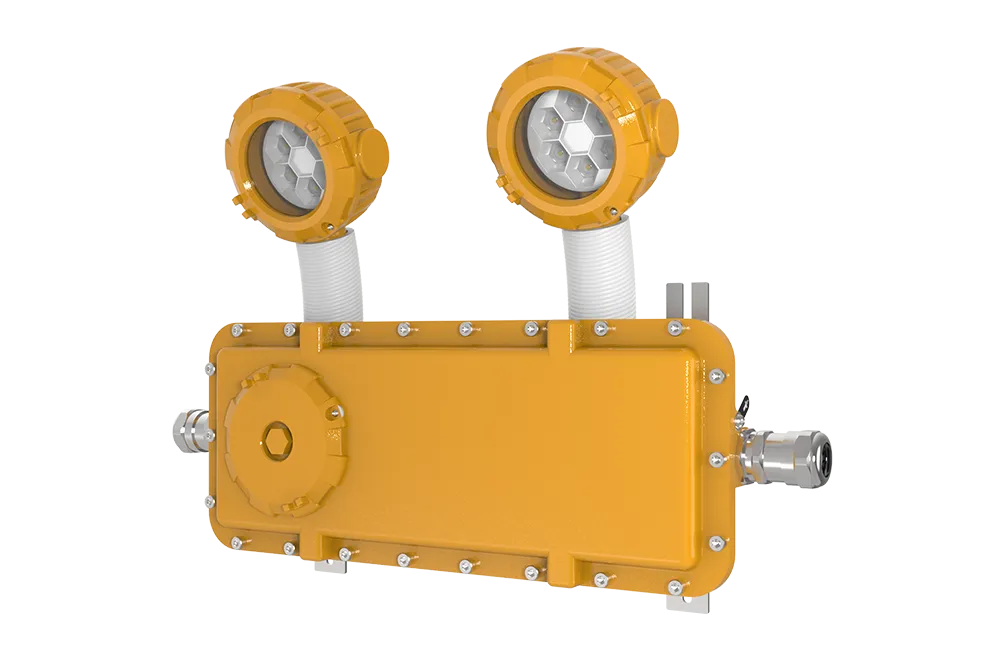
LED lighting becomes explosion proof only when the fixture follows recognized protection concepts such as flameproof (Ex d), increased safety (Ex e), or encapsulation (Ex m), and passes third-party certification testing.
These designs ensure that:
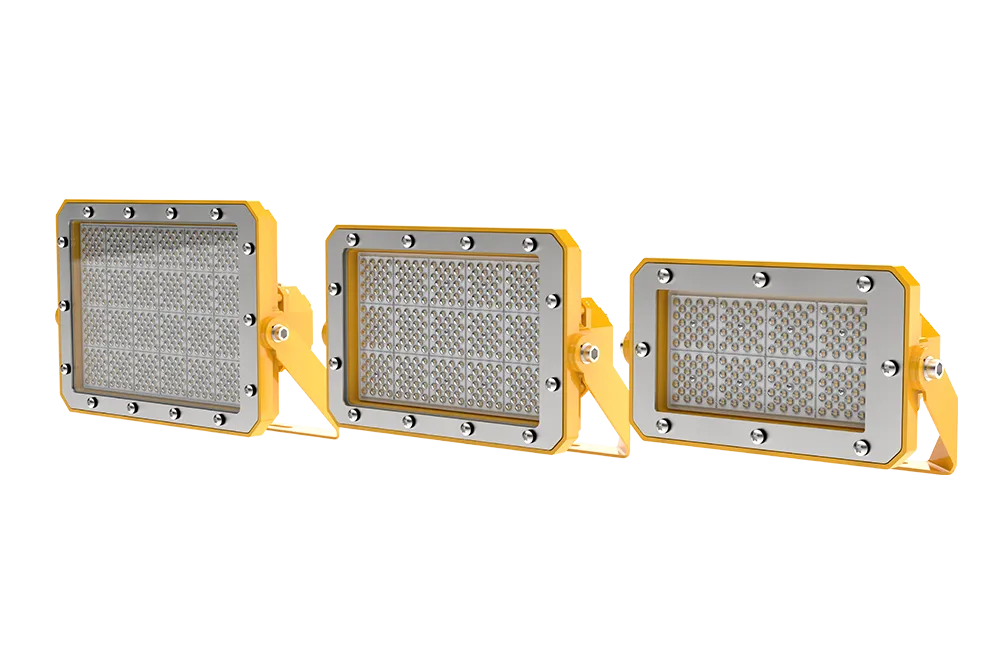
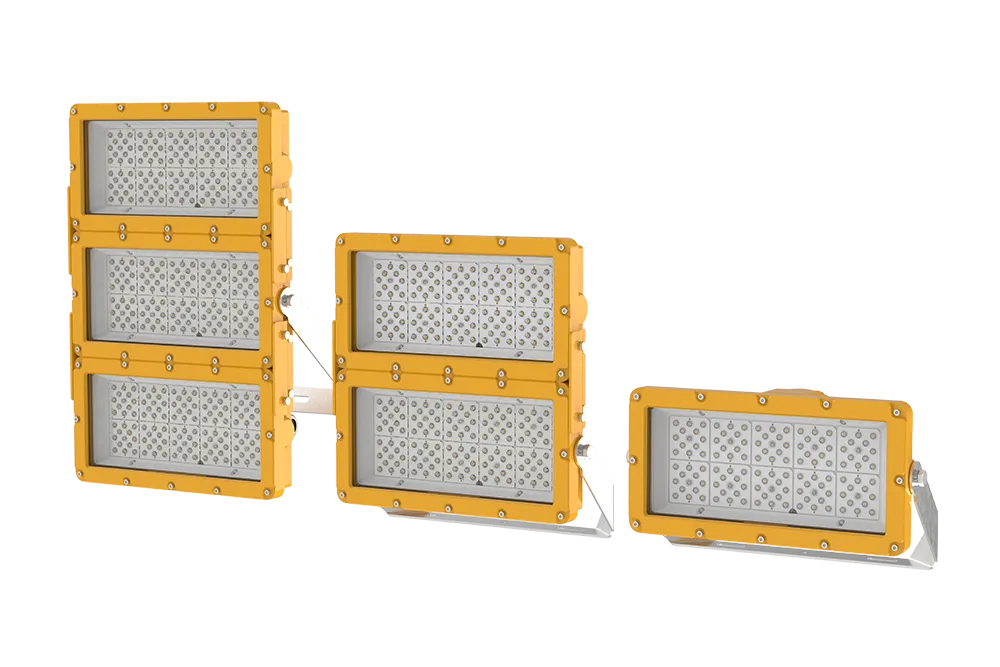
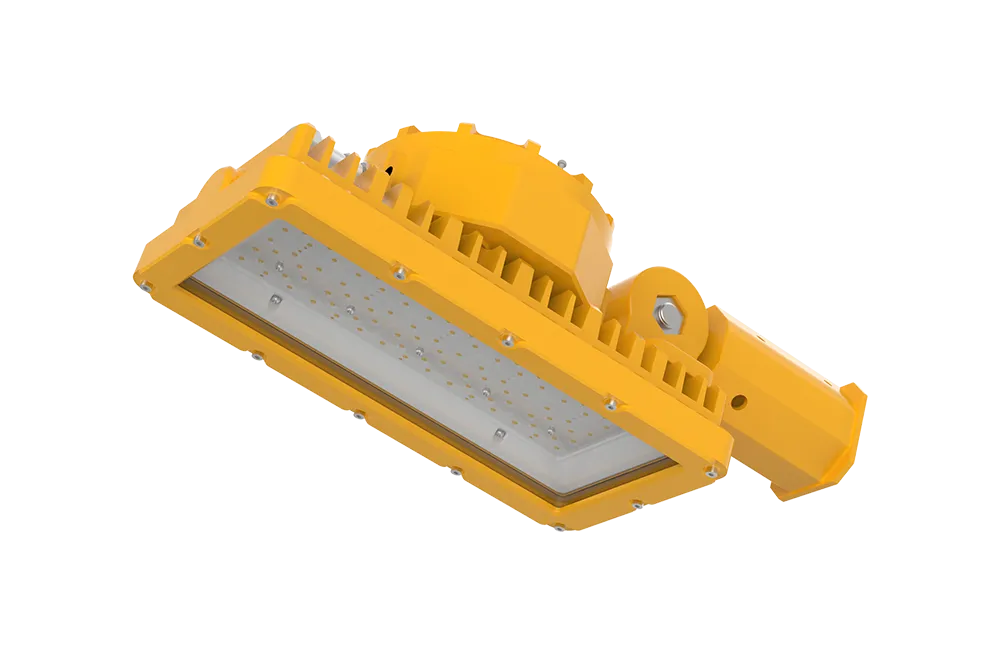
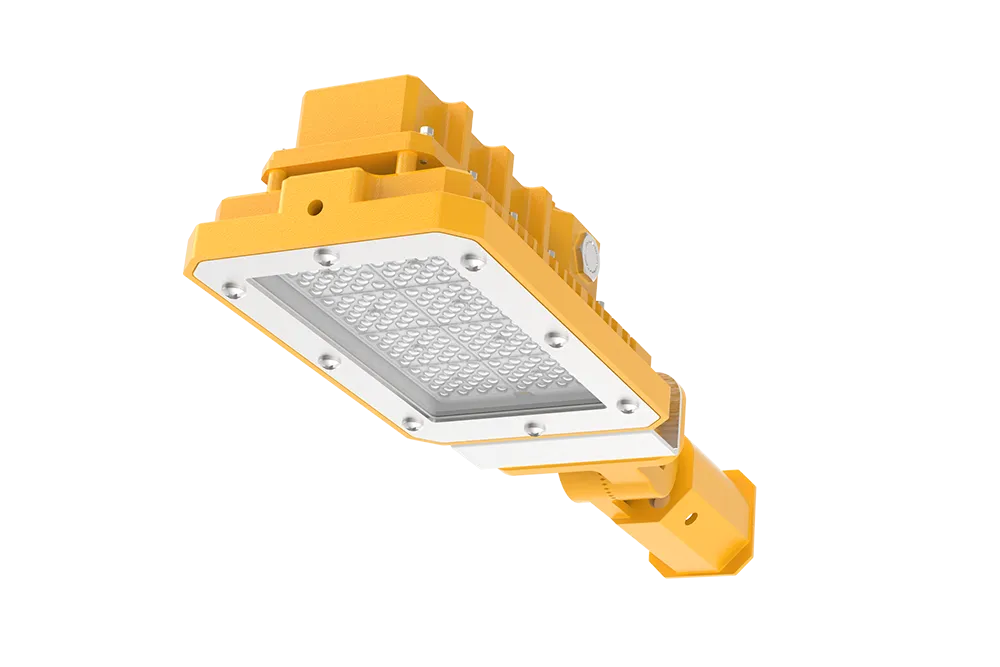
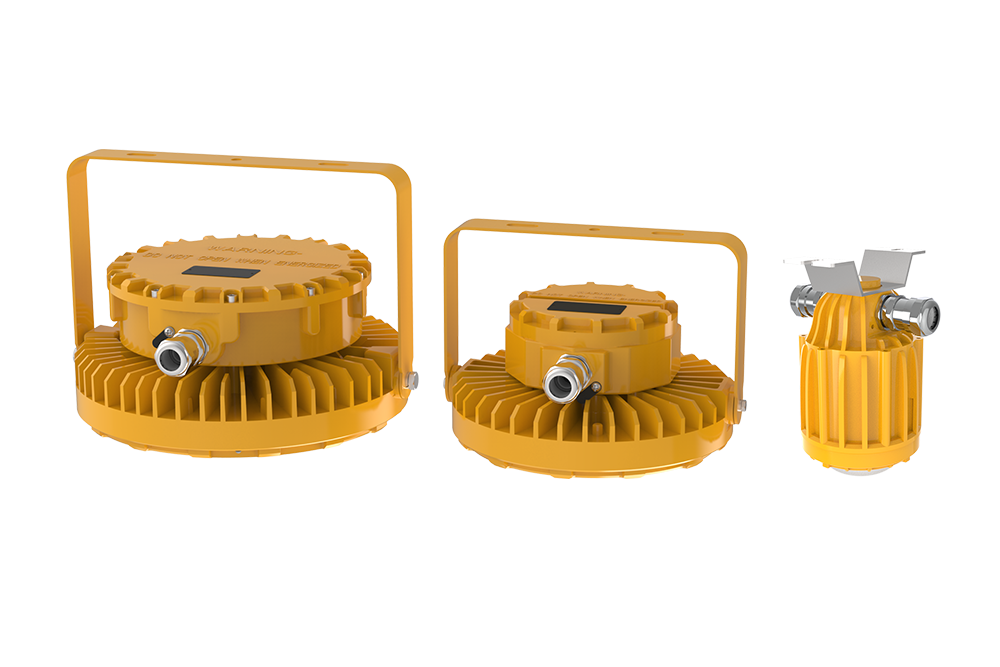
SEEKINGLED explosion proof LED lighting is engineered with these principles in mind, combining certified enclosures with controlled thermal design rather than relying on LED efficiency alone.
One of the most common misunderstandings is assuming that “low heat” equals “explosion proof.” In reality, certification bodies evaluate lighting under abnormal and failure conditions.
Only LED lighting with valid ATEX or IECEx certification is accepted for hazardous areas. Inspectors and project owners rely on certificates and markings, not product descriptions.
From an engineering perspective, certification is not an option—it is the baseline.
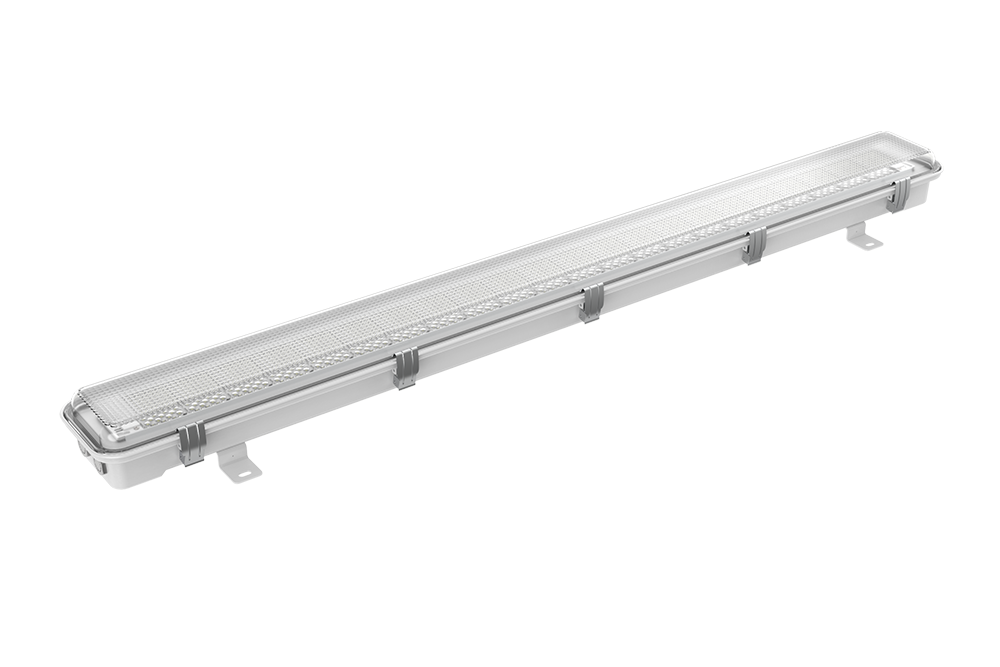
Explosion proof LED lighting is typically required in oil & gas facilities, chemical plants, paint booths, pharmaceutical production areas, and grain handling sites.
In these locations, using non-certified LED lighting introduces safety risks and compliance issues. SEEKINGLED works closely with system integrators and project engineers to select explosion proof LED lighting based on zone classification, gas group, and ambient conditions.
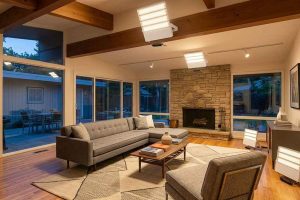
Indoor LED floodlights deliver focused, energy-efficient lighting for homes and commercial spaces. Learn real-world usage, setup tips, and expert insights with SEEKINGLED.
View details
Why some LED high bays are not worth upgrading comes down to optics, labor, and sunk cost. Learn when replacement is the smarter move.
View details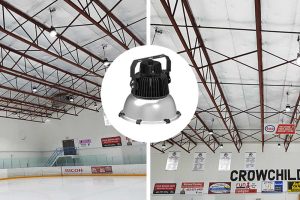
LED high bay lighting upgrade for hockey field in Canada. SEEKINGLED XJ-HBS200W replaced 92 units of 400W metal halide with up to 75% energy savings.
View details
Wondering how to choose led flood lights for your yard, warehouse, or parking lot? Discover wattage, beam angle, and brightness tips from SEEKINGLED experts.
View details