A 300w led flood light delivers approximately 36,000–45,000 lumens, providing high-intensity illumination for large outdoor areas such as stadiums, industrial yards, and high mast applications.
That’s the straightforward answer. But once you’re standing under a 20-meter pole trying to eliminate dark patches across a loading yard, 300W stops being “just a spec”—it becomes a question of distribution, mounting geometry, and control.
I’ve worked on multiple high-mast lighting retrofits where 300W class fixtures replaced legacy 600–1000W HID systems. The difference isn’t just energy savings—it’s control.
High power LED floodlight 300W outdoor performance
What 300W actually does on-site
On paper, a 300w led flood light looks excessive. In reality, it’s often the minimum required for large-scale coverage.
Typical field parameters I’ve measured:
Mounting height: 12–25 meters
Ground illuminance: 100–300 lux (depending on optics)
Coverage: 250–400 m² per fixture
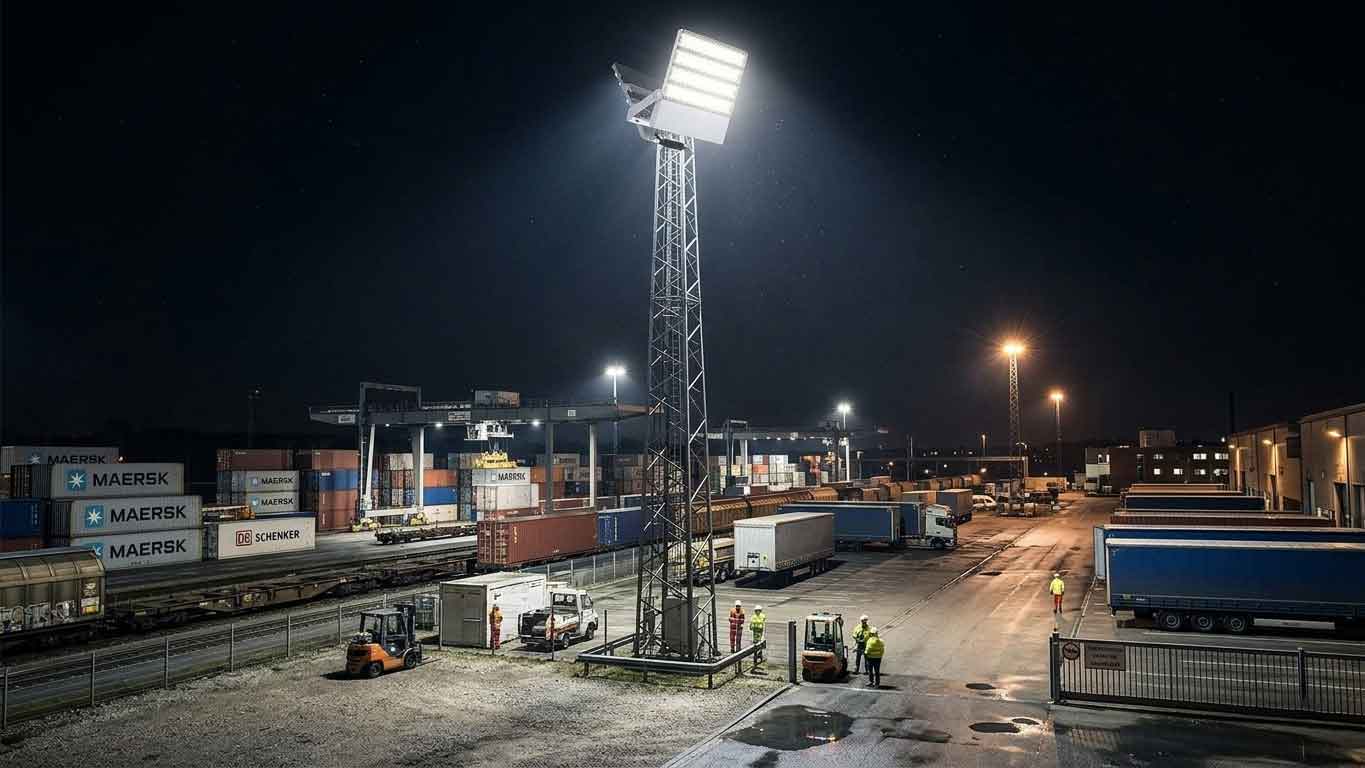
In one port-side project, replacing 1000W metal halide fixtures with 300W LED units reduced energy consumption by nearly 65%, while improving uniformity across the yard.
The U.S. Department of Energy (energy.gov) states that LEDs can cut lighting energy use by up to 75% compared to traditional systems—especially in high-output outdoor environments.
300W LED flood light lumen output and efficiency
Not all 300W fixtures are equal
A quality 300w led flood light should deliver:
120–150 lm/W efficacy
Total output: 36,000–45,000 lumens
Stable lumen maintenance over time
Fixture Type
Power
Lumen Output
Efficiency
Metal Halide
1000W
~110,000 lm
~110 lm/W (degrading fast)
LED Floodlight
300W
~42,000 lm
~140 lm/W (stable)
But here’s what datasheets won’t tell you: metal halide loses up to 30–40% of its output over time, while LEDs maintain far more consistent performance.
According to the ENERGY STAR program (energystar.gov), LEDs maintain usable light levels significantly longer than conventional lighting technologies.
Stadium LED flood lighting 300W applications
Where 300W becomes necessary
Lower wattage units simply can’t handle certain environments.
Best-fit scenarios:
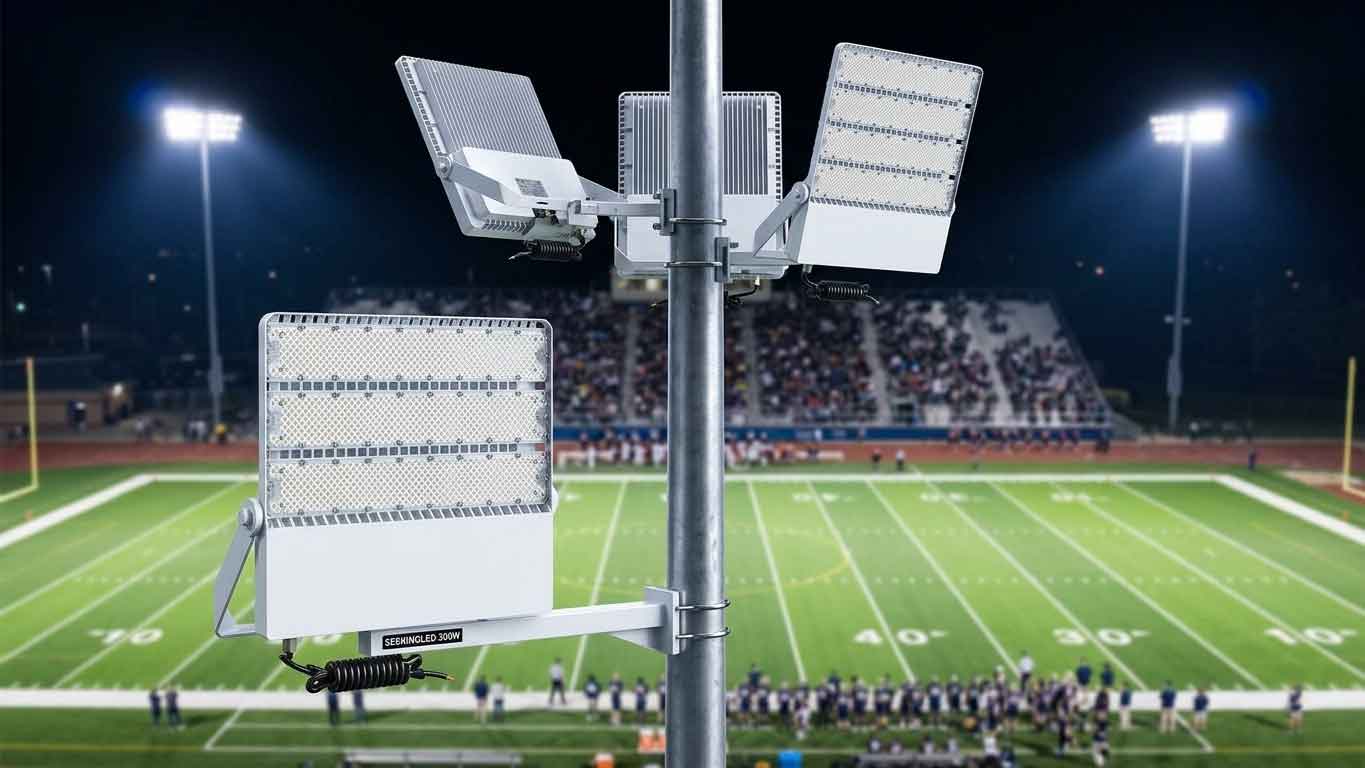
Stadium perimeter lighting
Ports and logistics hubs
High mast roadway lighting
Large industrial compounds
In a football training ground I audited, switching to 300W fixtures with narrow beam optics improved edge visibility dramatically—players noticed immediately, even before lux measurements confirmed it.
Beam angle: the real performance driver
30° → long throw (high mast)
60° → balanced industrial use
Asymmetric → stadium edge control
The Illuminating Engineering Society (ies.org) emphasizes beam distribution and uniformity ratios as critical factors in large-area lighting design—not just total lumen output.
Industrial LED floodlight high mast design considerations
Large fixtures at height must handle wind pressure. I’ve seen poorly mounted floodlights shift angle slightly—and that alone caused uneven lighting across a yard.
Energy efficiency and cost reality
Where savings actually come from
Switching to 300w led flood light systems typically results in:
50–70% energy reduction
Lower maintenance frequency
Reduced downtime in critical operations
The International Energy Agency (iea.org) highlights LED adoption as a major contributor to global energy efficiency improvements in lighting systems.
But here’s the nuance: savings depend heavily on layout optimization—not just fixture replacement.
Installation insights from the field
Common mistakes I’ve corrected
Using wide beam angles at high mounting heights
Overlapping beams excessively
Ignoring pole spacing geometry
Correct approach:
Define coverage area
Select beam angle
Set mounting height
Optimize spacing
Then finalize wattage
In one case, reducing fixture count by 20%—just by correcting beam angles—improved both uniformity and energy efficiency.
FAQ: 300w led flood light
Is 300W too powerful for general use?
Yes for small areas. It’s designed for large-scale outdoor environments.
How many lumens does a 300W LED floodlight produce?
Typically 36,000–45,000 lumens depending on efficiency.
Can 300W replace 1000W metal halide?
In many applications, yes—especially with optimized optics and layout.
I work with SEEKINGLED on high-power outdoor lighting systems, focusing on:
High mast lighting design
On-site lux measurement and validation
Retrofit optimization for industrial and sports facilities
The observations in this article come from real installations—ports, yards, and stadiums—not just theoretical specifications.
Final field note
A 300w led flood light is not about maximum brightness—it’s about controlled power at scale. When properly deployed, it replaces far higher wattage systems with better results and fewer compromises.
Sports Stadium LED Lighting by SEEKINGLED delivers high mast illumination, precise beam control, and EN 12193 compliant performance for professional venues.
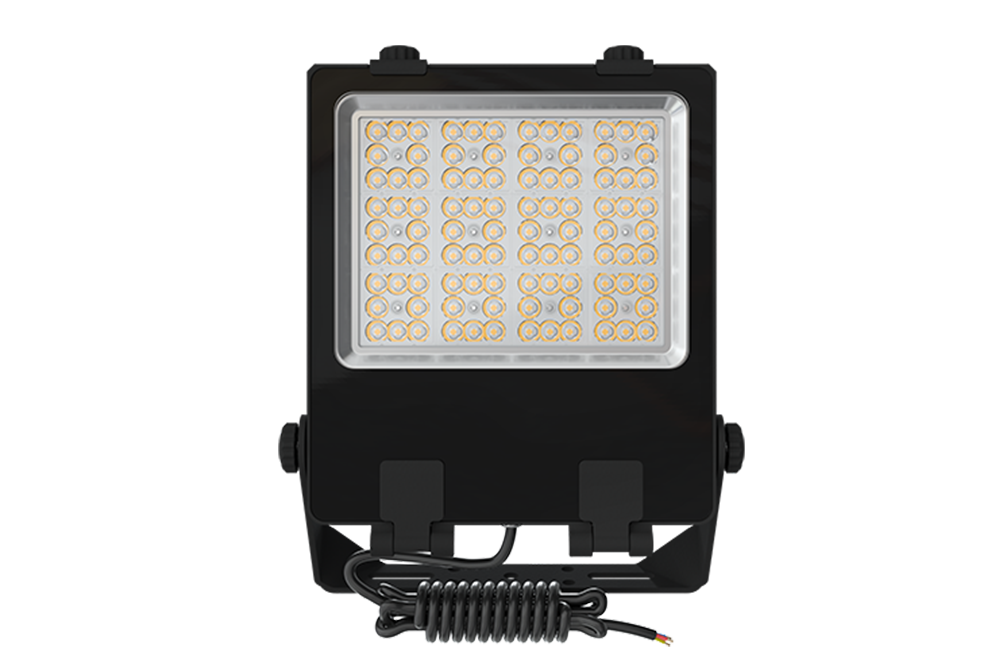
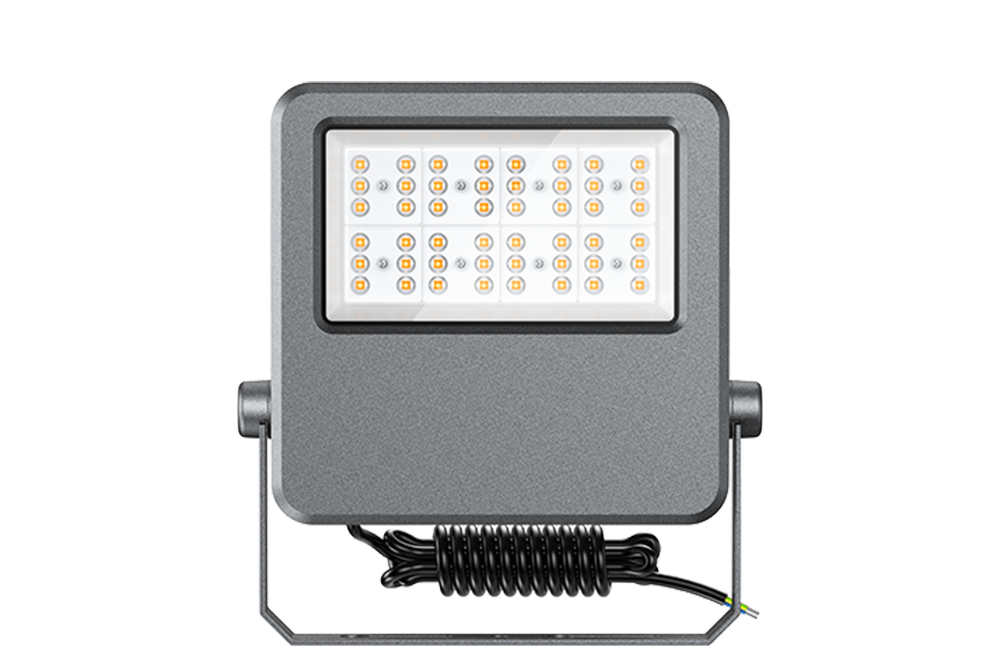
SEEKING FLX Series LED flood light outdoor for sports courts and open-area projects with 170lm/W efficiency, IP66 protection and multiple beam distributions. Designed for long-life commercial and public outdoor use.
SEEKING FLE Series LED outdoor flood lights for sports grounds and open areas with multiple beam angles, IP66 protection and up to 170lm/W. Designed for long-life outdoor installations with professional driver options.
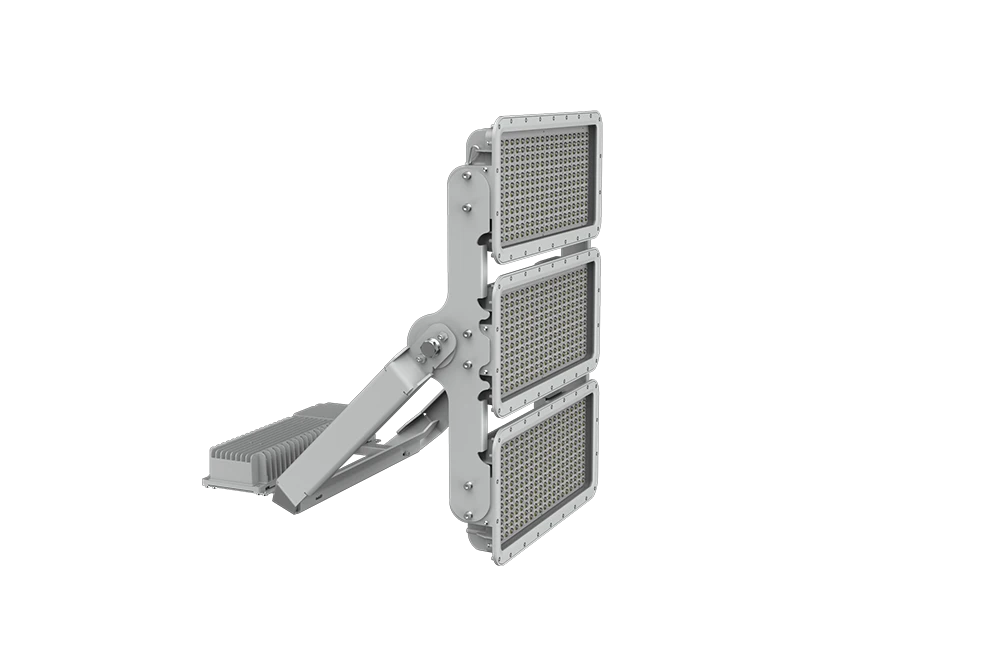
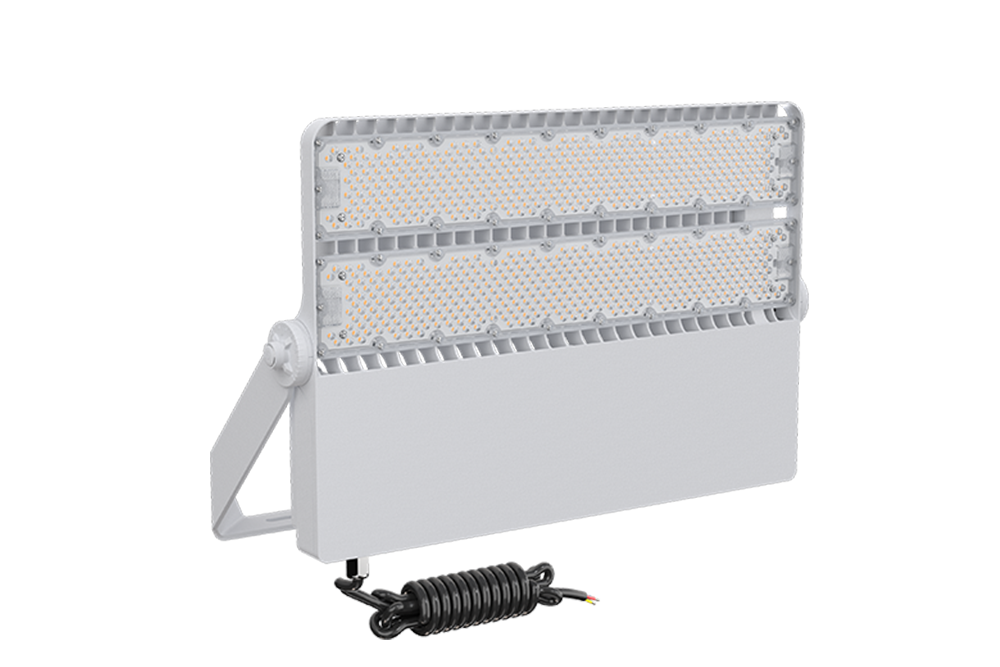
SEEKING FLD Series outdoor LED flood lights and high power led flood light deliver up to 960W with precision beam angles for sports fields, stadiums and large outdoor areas. IK08 & IP66 protection, 170lm/W efficiency and 100,000h lifetime.
27-30th,October,2015 Booth: 5B-B29We lunch HBS round series high bay light, which include 100W, 120W, 150W, 200W, 240W, SMD3030 LED chip, IP65. use Meanwell HBG series driver, whole lamp 5 year warranty. Improve to 140lm/w, less heat. ...
hazardous location junction box designed for explosive environments. Learn about certified enclosure protection, industrial applications, standards, and field experience.
Municipal LED street lighting solutions deliver energy savings, reliable performance, and long service life for cities. Insights from field experience by SEEKINGLED.
 Seeking LED