The first time you see it, you stop.
The road looks normal. The pole looks fine.
But the light isn’t white anymore. It’s purple. Not decorative purple—an uneven, washed-out violet that wasn’t planned.
So people ask, very directly: why do LED street lights turn purple?
From real projects, the answer is clear. And no, it’s not a design choice.
Purple LED street lights are not a feature
Let’s get this out of the way.
Cities don’t install purple street lights on purpose. When LED street lights turn purple, something inside the light has already failed. It’s a symptom, not a style.
At SEEKINGLED, when customers send photos like this, we don’t ask if there’s an issue. We ask how long it’s been happening.
The core reason: phosphor degradation
Most white LED street lights are actually blue LEDs with a phosphor coating. That coating converts blue light into white.
When the phosphor layer breaks down, flakes, or burns unevenly, the balance is gone.
What’s left is:
- Too much blue
- Not enough converted light
- A visible purple or violet tone
This is the most common reason LED street lights turn purple, especially after years of outdoor exposure.
Heat accelerates the problem
This part is often ignored.
Street lights operate for long hours. In hot climates or poorly ventilated fixtures, internal temperatures stay high. Over time, heat attacks the phosphor layer first.
You’ll notice patterns:
- Purple lights clustered on the same road
- Fixtures installed in the same year failing together
- Color shift appearing before total failure
That’s not coincidence. That’s thermal stress showing itself.
Why only some LED street lights turn purple
People ask this a lot.
Same road. Same model. Only a few turn purple.
In practice, manufacturing tolerances matter. Slight differences in phosphor thickness, sealing quality, or thermal paste application can decide which fixtures fail first.
That’s why purple LED street lights often appear randomly, even though the cause is shared.
Power issues are not the main cause
This is where myths creep in.
Voltage fluctuation can cause flicker or dimming. It does not usually cause a stable purple color. When you see consistent purple night after night, you’re looking at material degradation, not power supply problems.
We rule power out quickly in these cases.
Is it safe to keep purple street lights running?
Technically, yes. Practically, no.
Purple LED street lights:
- Reduce color rendering
- Distort road visibility
- Trigger public complaints fast
More importantly, once the phosphor fails, lumen output drops. The light may still be on, but it’s no longer doing its job.
From an engineering standpoint, replacement is inevitable.
What cities usually do next
There’s no repair for failed phosphor.
Most municipalities choose between:
- Full fixture replacement
- Warranty claims (if still valid)
- Batch replacement to avoid repeated labor
At SEEKINGLED, we’ve seen customers try to “wait it out.” It never improves. Purple doesn’t fade back to white.
Final takeaway
So, why do LED street lights turn purple?
Because the phosphor layer fails.
Because heat and time win.
Because white LEDs depend on chemistry, not magic.
Purple light means the system has crossed a line.
It’s still on—but it’s already past its best days.
— SEEKINGLED
LED street lighting project
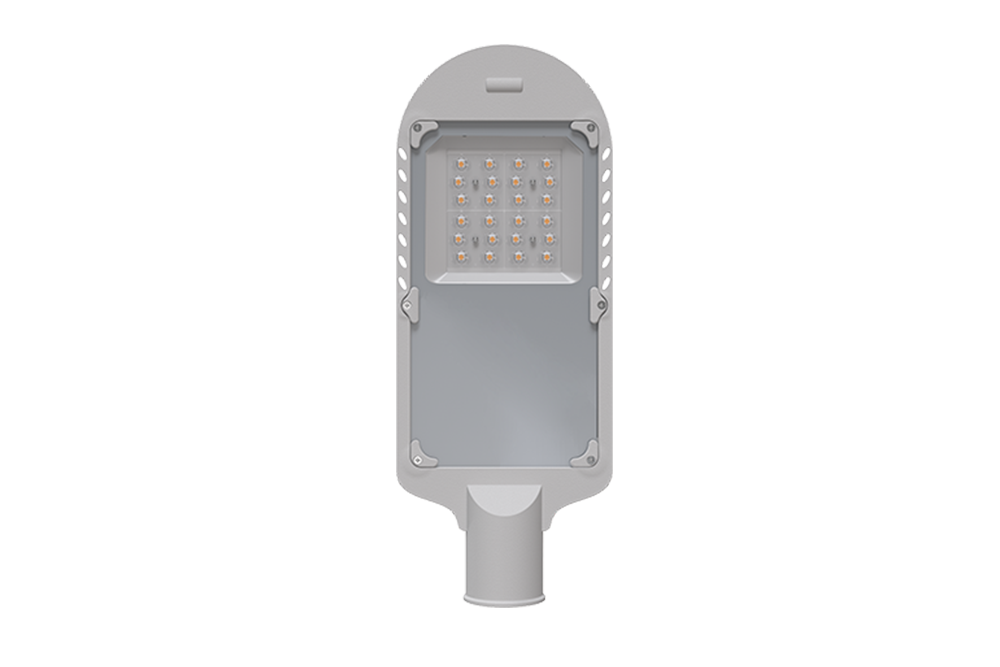
SEEKING STL-Series LED street lights deliver stable performance, 170 lm/W efficiency and 10KV surge protection. Ideal for city streets, parking lots, public roads and outdoor area lighting projects. Durable IP66 & IK08 design for long-term reliabi…
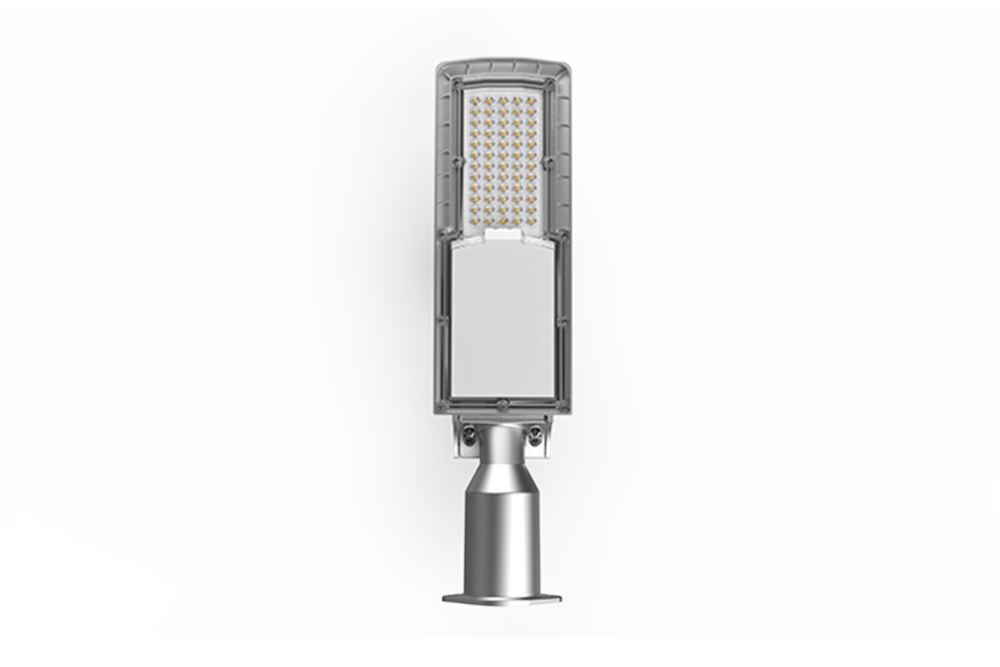
The SEEKING STC Series LED light street light delivers up to 170lm/W efficiency with MOSO drivers, IP66 protection, and a ±15° adjustable arm—ideal for roads, residential areas, and public lighting upgrades.
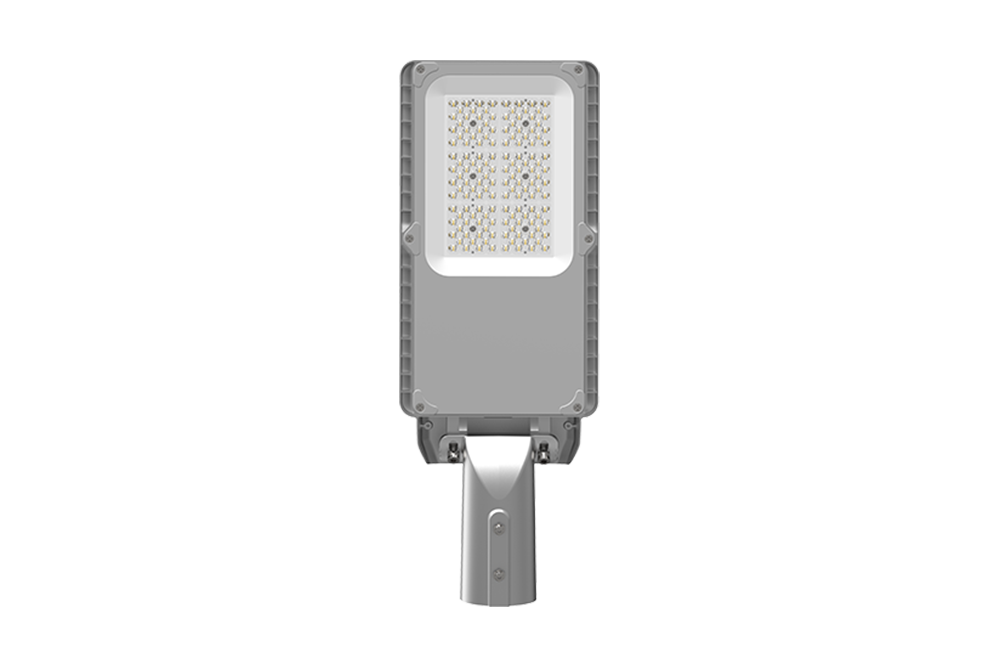
SEEKING STB Series LED street lighting delivers up to 160 lm/W, 10kV surge protection, IP66 waterproofing, and durable IK08 impact resistance. Ideal for streets, parking lots, and large outdoor areas needing long-lasting, energy-saving LED roadway…
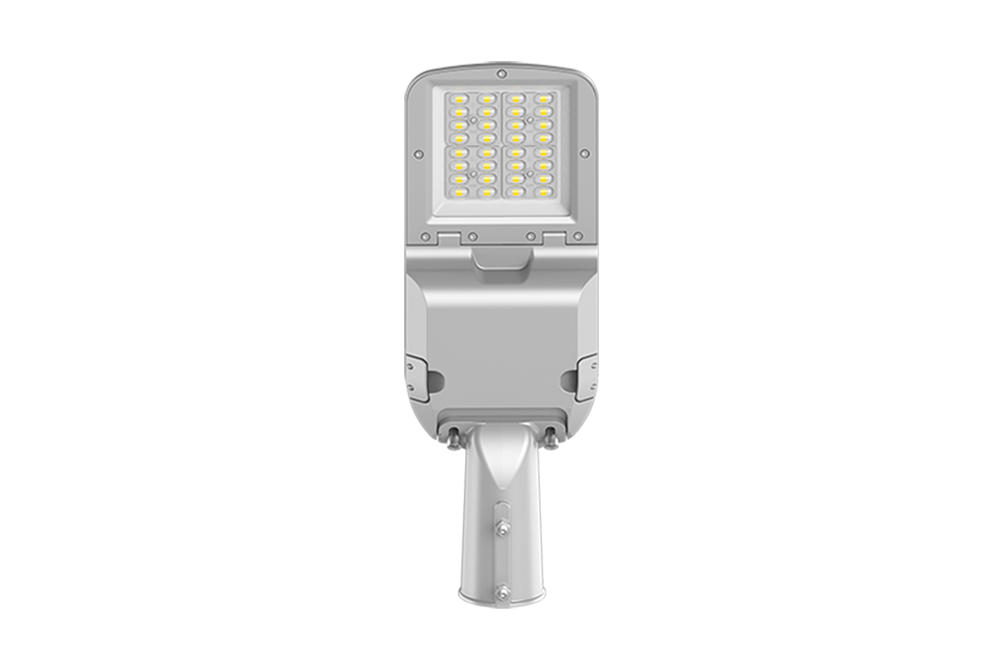
The SEEKING STA Series LED street light delivers strong efficiency, IP66 protection, 10kV surge resistance and multiple beam patterns for roads, parking lots and urban areas. High lumen output, easy installation and reliable performance for long-t…
loading…
This is the last post!
 Seeking LED