 Seeking LED
What is hazardous area bay lighting?
0What is hazardous area bay lighting? A field-based engineering guide explaining explosion-proof bay lights used in oil, gas and dust hazardous industrial zones.
View detailsSearch the whole station
Hazardous lighting LED is specifically engineered to operate safely in explosive environments by preventing ignition sources such as sparks, arcs, and excessive heat.
That’s the technical definition. But in real installations, what matters is simpler:
Does it keep working—safely—after months of heat, vibration, and exposure?
I’ve worked on hazardous lighting upgrades across oil terminals, grain facilities, and chemical plants over the past 12 years. Failures rarely happen on day one. They show up later—when seals age, drivers overheat, or installation details are ignored.
Standard LED lighting is designed for efficiency.
Hazardous lighting LED is designed for containment and risk control.
According to the official IECEx system , equipment used in explosive atmospheres must be tested to ensure it cannot ignite surrounding gases or dust under fault conditions.
In practice, the most common purchasing mistake is simple:
Choosing brightness over certification.
| Zone | Risk Level | Typical Environment |
|---|---|---|
| Zone 0 | Continuous hazard | Inside fuel tanks |
| Zone 1 | Likely hazard | Refineries, processing areas |
| Zone 2 | Occasional hazard | Storage zones |
A real case:
During a retrofit project in Southeast Asia, nearly 40% of installed fixtures had to be replaced—not due to failure, but because they were incorrectly rated for Zone 1.
According to the U.S. Department of Energy (DOE):
In hazardous environments, this translates into:
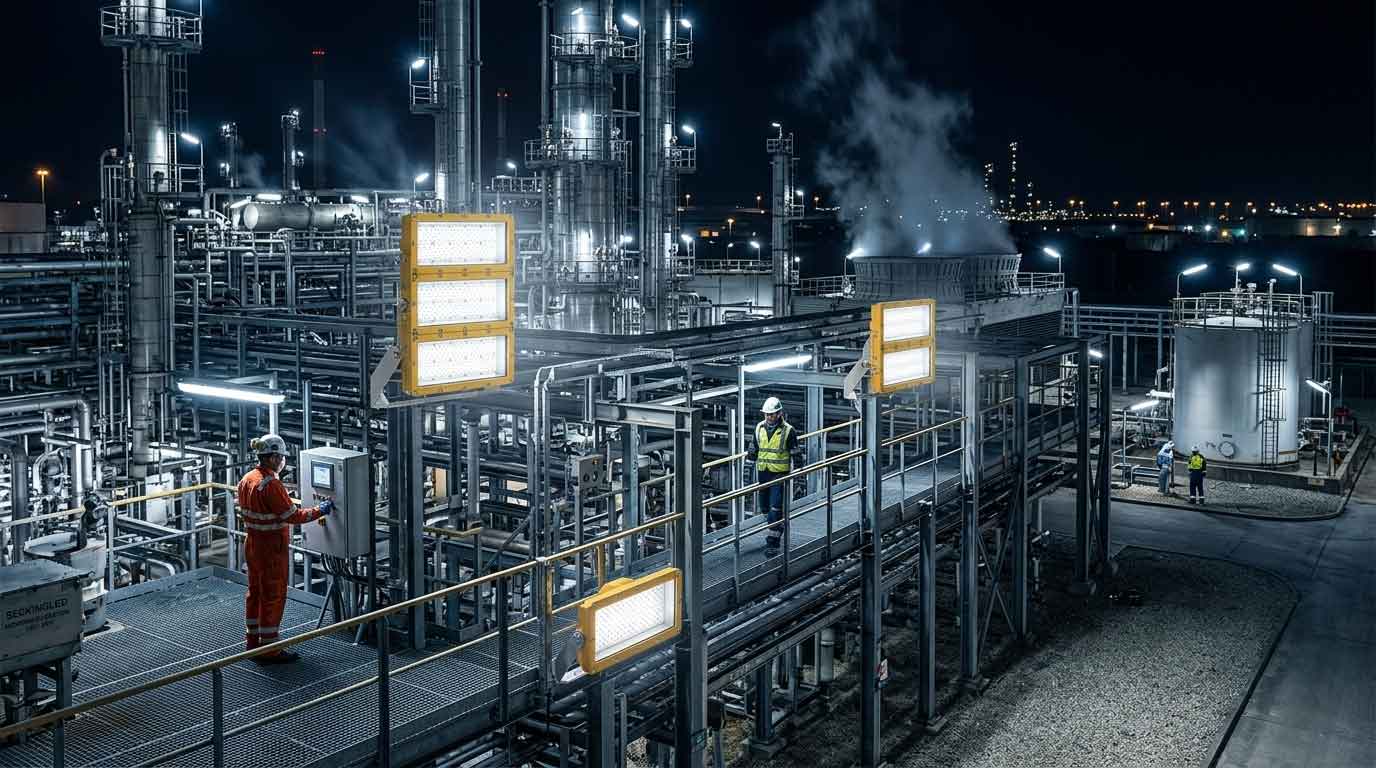
Refineries are one of the harshest real-world tests—especially at night, when temperature drops and condensation begins.
From field experience:
Poor thermal design becomes obvious within months—light output drops, and internal components degrade faster than expected.
This is the part rarely discussed in brochures.
In high-temperature regions (45°C+ ambient), low-quality drivers fail quickly.
In one Middle Eastern installation, non-premium drivers showed instability in less than 9 months.
What works:
Use proven drivers (e.g., Mean Well class) with proper thermal derating.
Not all failures are electrical. Some are chemical.
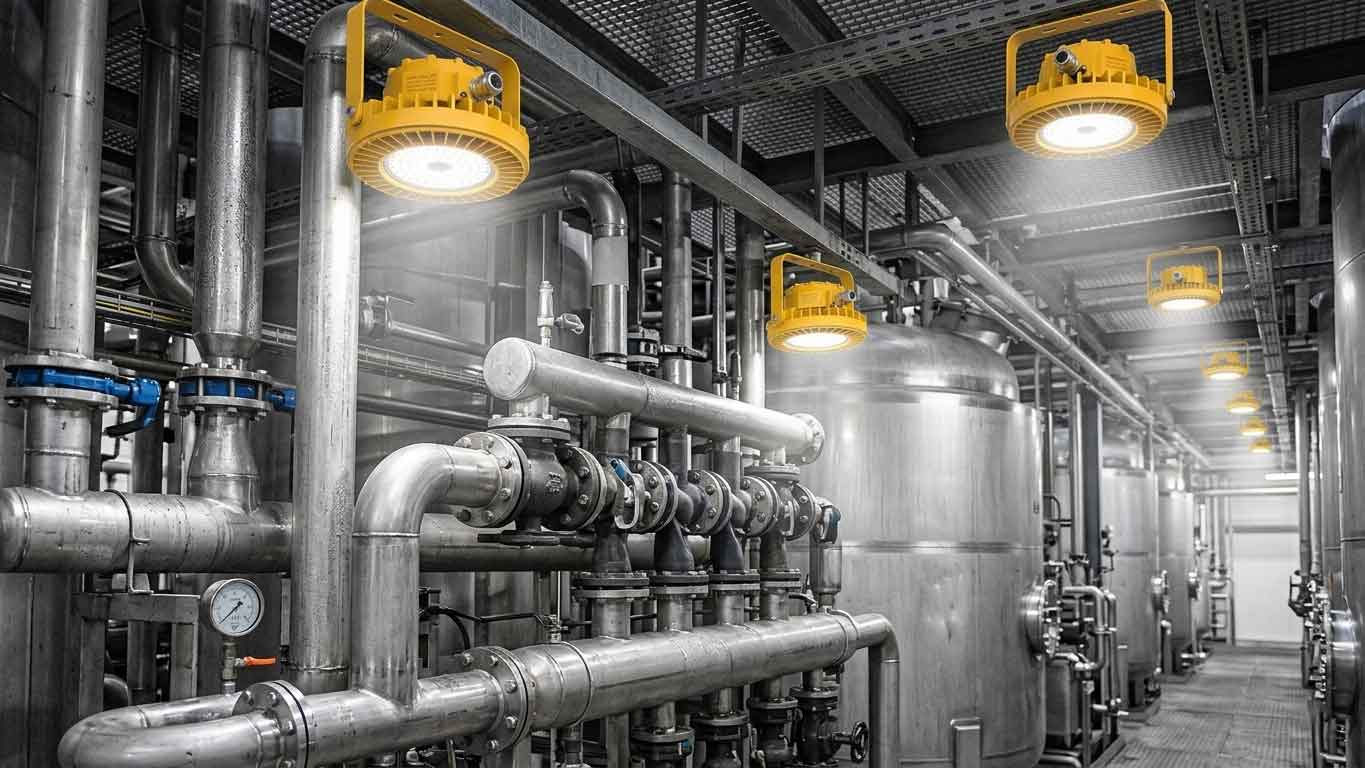
In coastal or chemical environments:
One upgrade we implemented:
Switching to fluorosilicone sealing extended service life by more than 2×.
Dust is often underestimated—but it’s highly explosive under the right conditions.
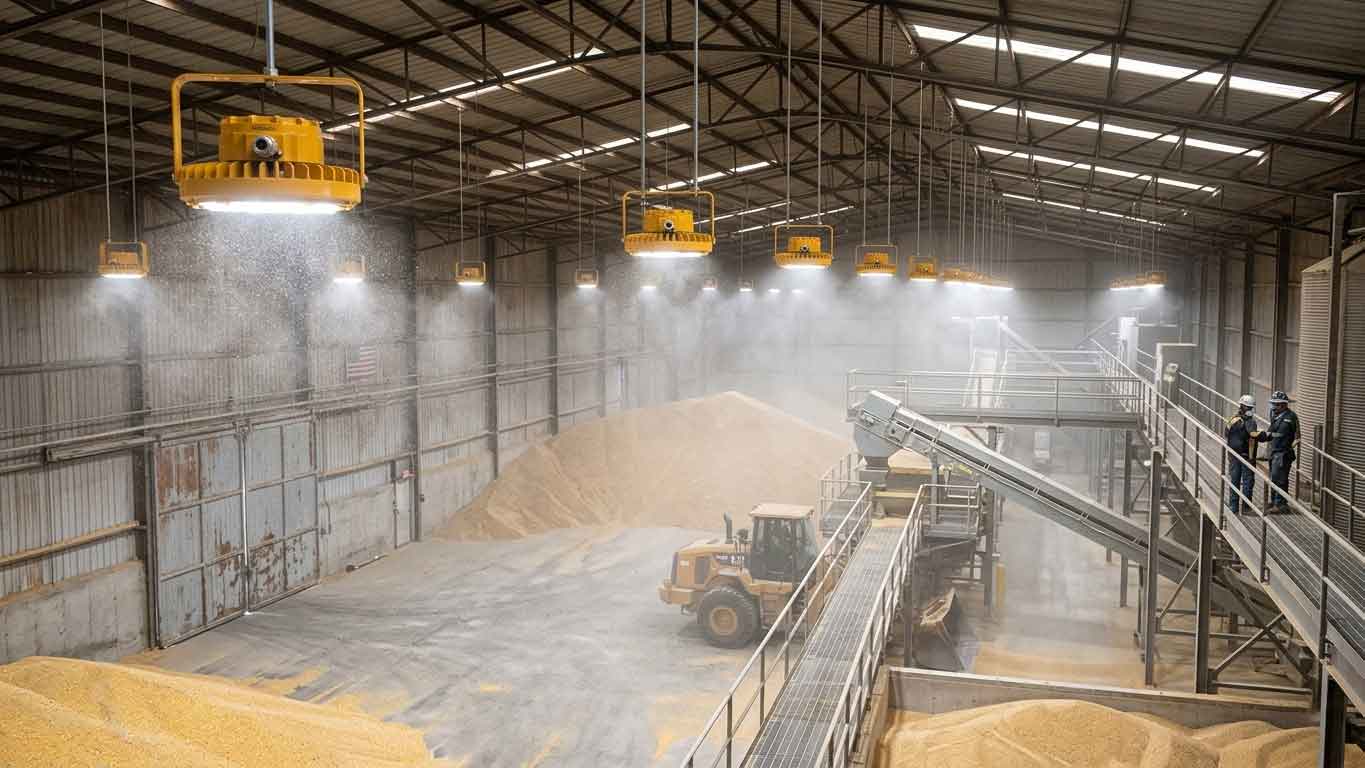
Dust ingress is the silent killer. Once inside, it affects:
According to the European Commission:
ATEX ensures equipment is safe for explosive atmospheres across EU markets.
From actual deployment—not marketing claims:
In one logistics project in Eastern Europe, switching to SEEKINGLED hazardous lighting LED reduced maintenance interventions by over 60% within 18 months.
This article is based on direct field experience from industrial lighting projects across oil & gas, chemical processing, and heavy industry environments.
The author has:
Unlike catalog-based content, the insights here come from real installation feedback, failure cases, and long-term performance tracking—not theoretical specifications.
Hazardous lighting LED is used in environments where flammable gases, vapors, or dust are present, such as refineries, chemical plants, and grain facilities.
Yes. In regulated industries, certified lighting is required to comply with safety standards like ATEX or IECEx.
Typically between 50,000 and 100,000 hours, depending on thermal management and component quality.
Explosion-proof lighting is a subset of hazardous lighting designed to contain internal explosions without igniting the surrounding atmosphere.
In hazardous environments, lighting is not just about visibility.
It’s about risk control over time.
Most hazardous lighting LED failures don’t come from LEDs themselves—but from:
Get those right, and the system performs for years.
Get them wrong, and failure is only a matter of time.
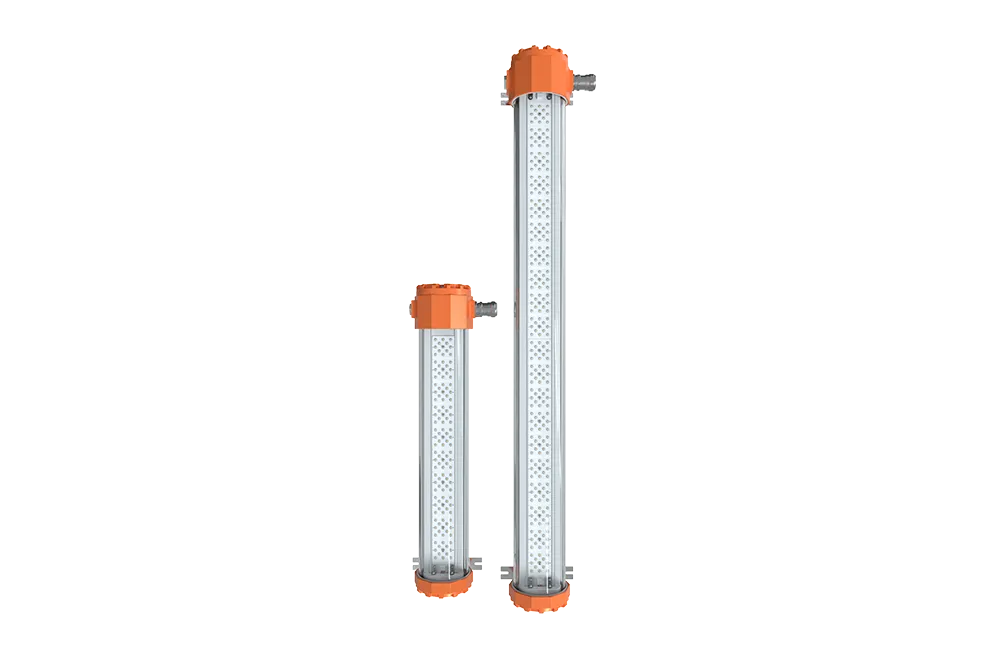
SEEKINGLED LED Linear Explosion Proof Light and Explosion Proof lighting is ATEX and IECEx certified for Zone 1, Zone 2, Zone 21 and Zone 22 hazardous locations, built for long-term industrial use.
View details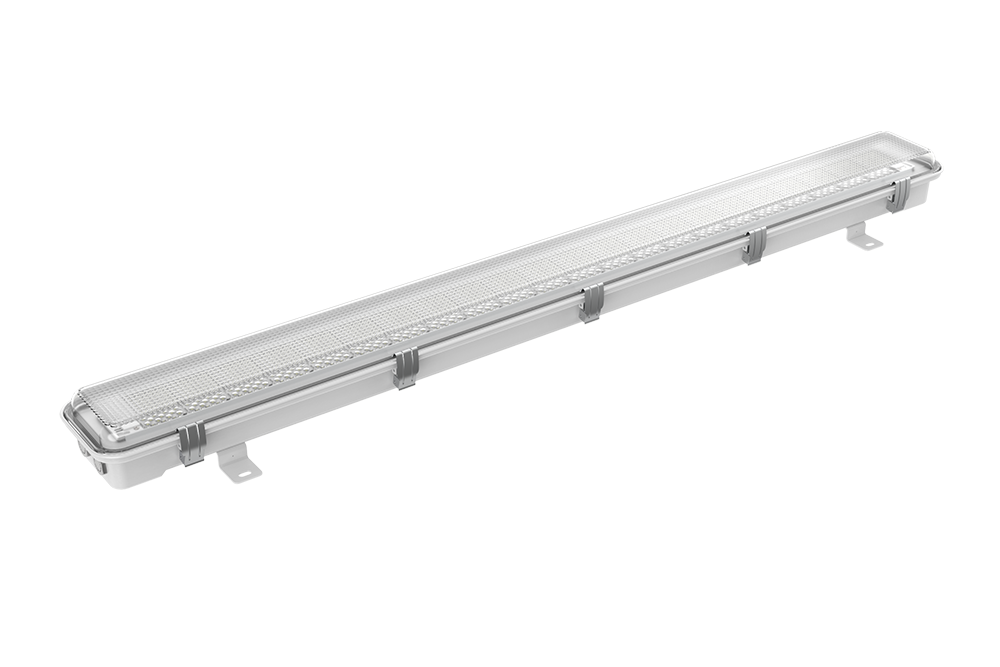
LED Linear Explosion Proof Lights and EX Proof lights for Zone 1, Zone 2, Zone 21 and Zone 22 hazardous areas. ATEX & IECEx certified explosion proof LED linear lighting with emergency function, adjustable power and IP67 protection by SEEKINGLED.
View details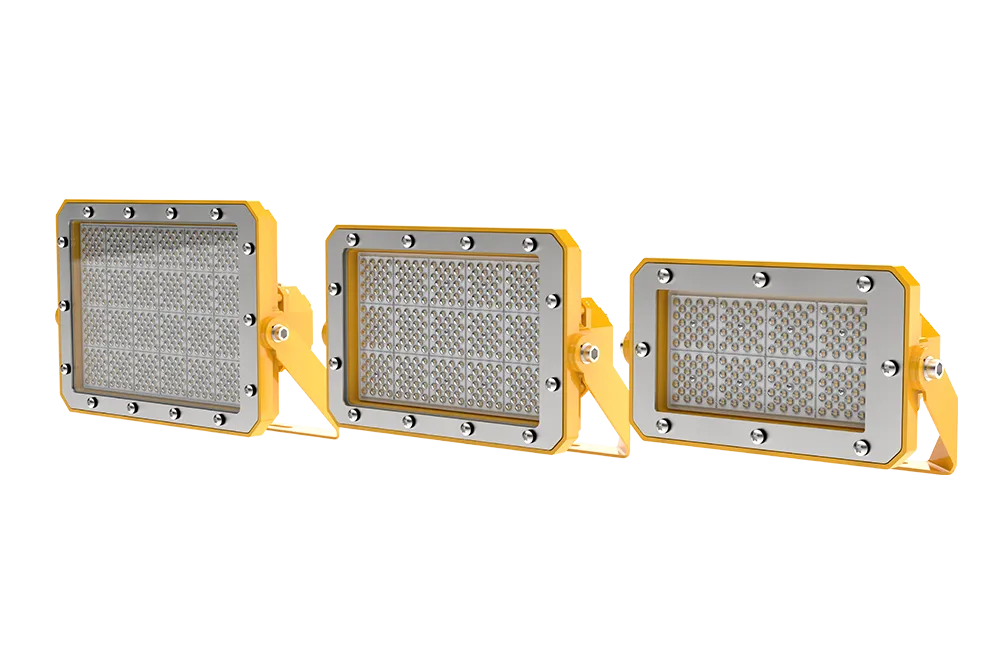
SEEKINGLED LED Explosion Proof Flood Lights are ATEX certified for Zone 2 and Zone 22 hazardous areas, offering high efficiency, adjustable power and integrated junction box.
View details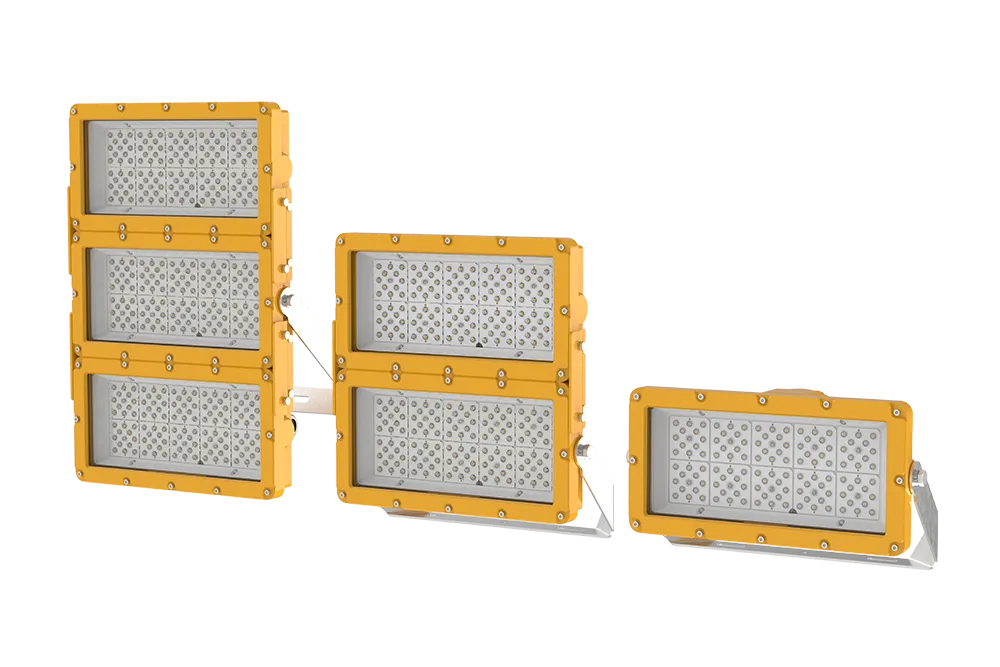
SEEKINGLED LED Explosion Proof Flood Lights are flameproof ATEX and IECEx certified for Zone 1 and Zone 2 hazardous areas, offering high power, adjustable output and long service life.
View details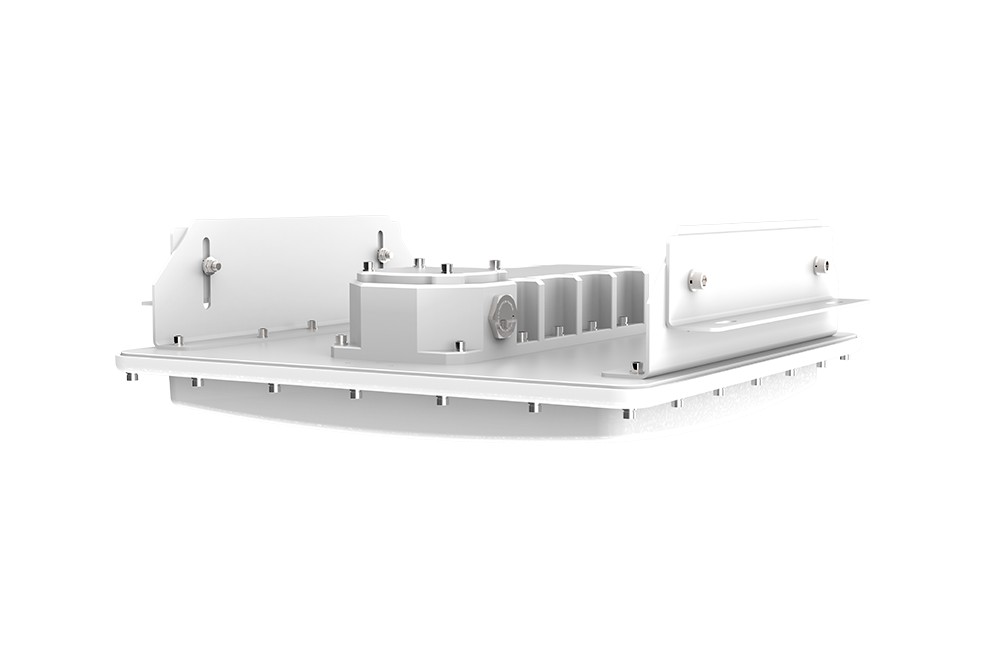
SEEKINGLED LED Gas Station Canopy Lights are ATEX certified for Zone 2 and Zone 22 hazardous areas, featuring adjustable power and built-in explosion-proof junction box.
View details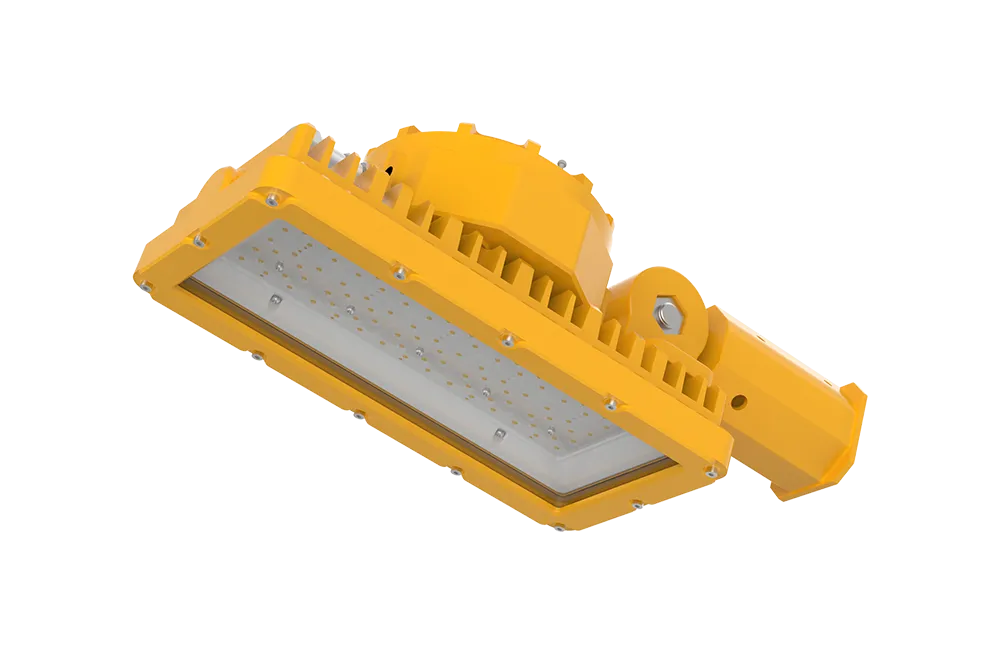
ATEX: Ex II 2G Ex db IIB T6/T5 GbEx II 2D Ex tb IIIC T80°C/ T95°C Db IECEx Ex db IIB T6 Gb;Ex tb IIIC T80°C Db Feature: ● For Zone 1,2 and Zone 21,22● Flameproof type, the strongest● 100W can replace 250W HID,energy saving● Power:60W,80W,100W Application: Oil and gas, marine, Chemical, pharmaceutical, semiconductor,mining,military industr…
View details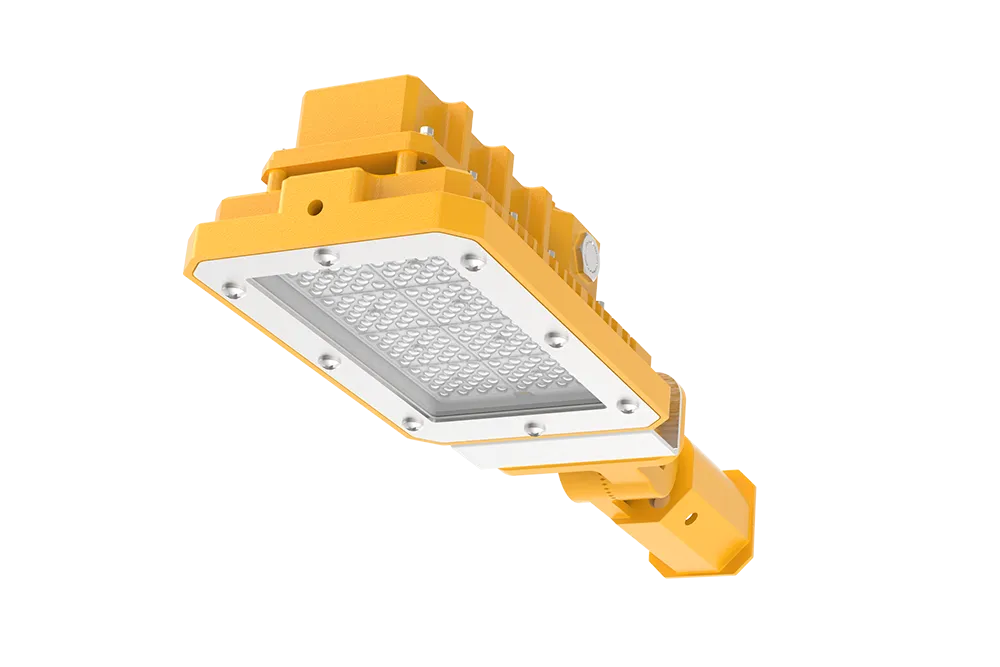
ATEX: II 3G Ex nR ⅡC T5/T6 GcII 3D Ex tc ⅢC T80℃/T95℃Dc ATEX Certificate NO: TÜV CY 26 ATEX 0207611 X Feature: ● For Zone 2 and Zone 22● 150W can replace 250W HID lamps,Energy saving● Power:50W,75W,100W,150W,200W Application: Oil and gas, marine, Chemical, pharmaceutical, semiconductor,mining,military industry, paint booth,power plant ETC…
View details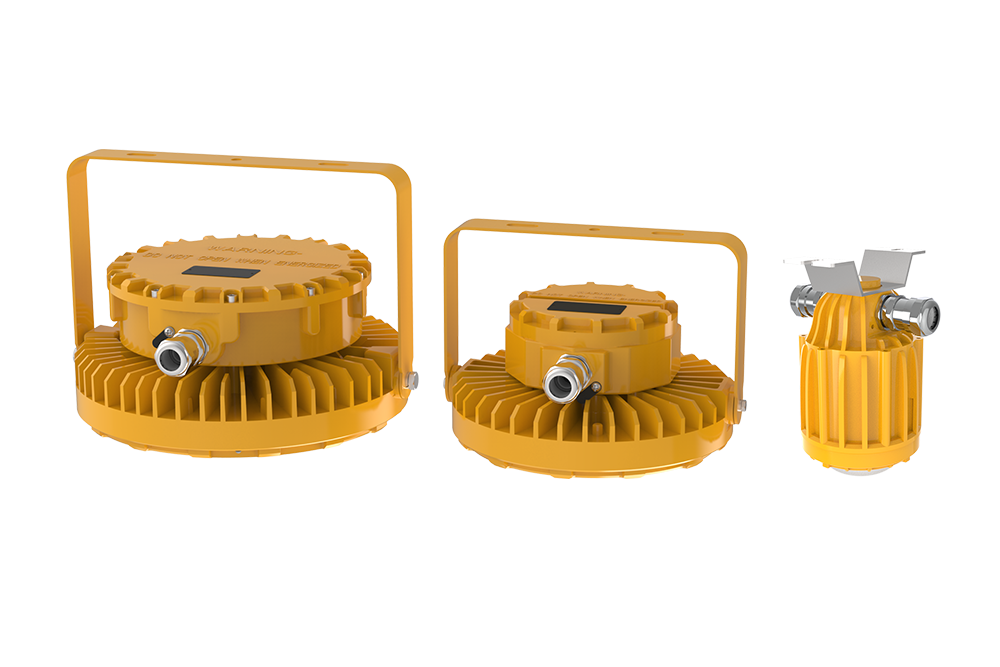
LED explosion proof high bay lights are designed for Zone 1, Zone 2, Zone 21 and Zone 22 hazardous areas. This page introduces the HB21 Series from SEEKING, including certifications, power options and real application considerations.
View details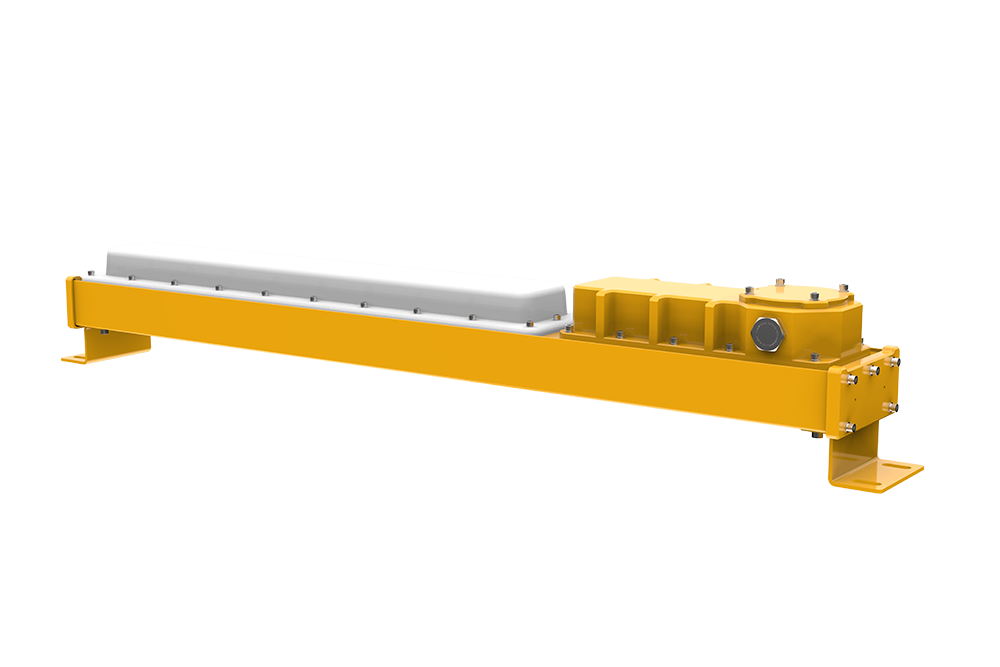
LED Linear Explosion Proof Lights from SEEKINGLED. LU Series Flame Proof lights ATEX-certified explosion proof LED linear lighting for Zone 2 gas and Zone 22 dust areas, IP69K, IK10, long lifetime and flexible power options.
View details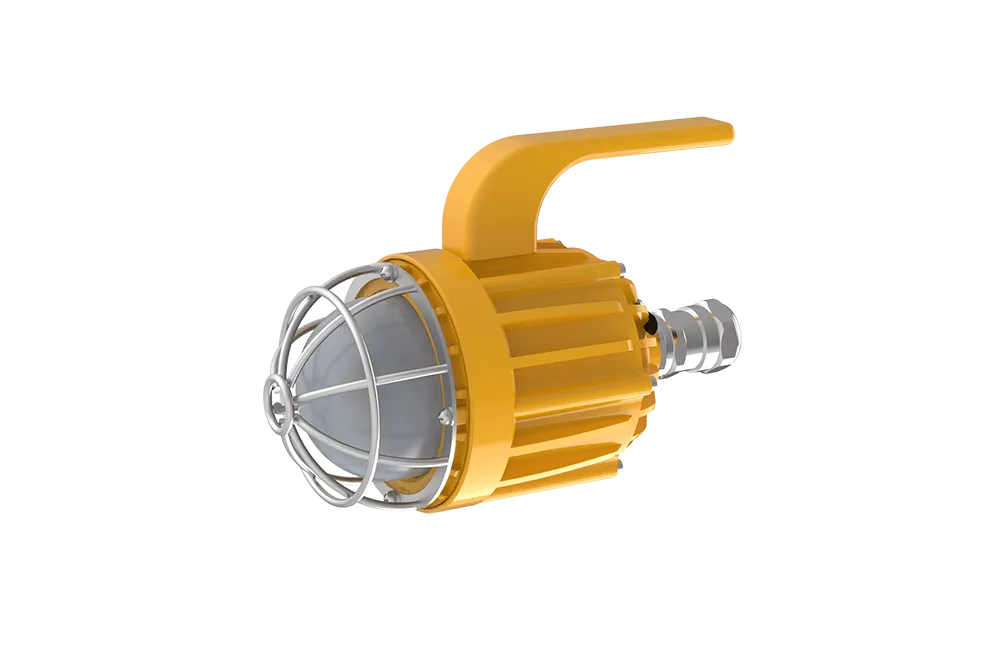
Certified explosion proof work lights for Zone 1 & 21 hazardous areas. Portable, ATEX & IECEx approved, built for oil, gas and chemical plants by SEEKINGLED.
View details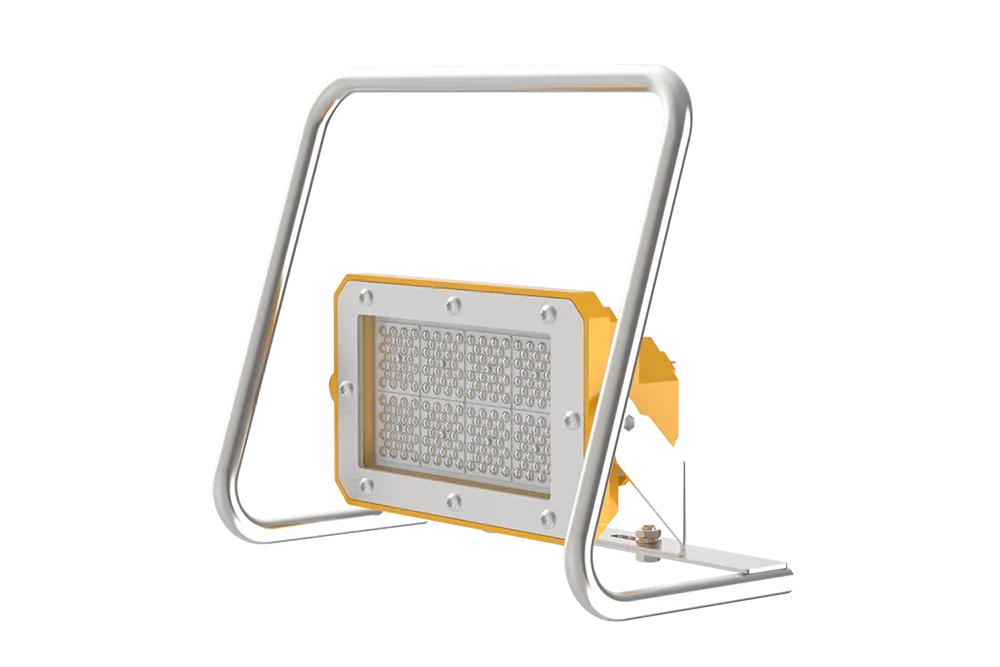
ATEX: II 3G Ex nR ⅡC T6 GcII 3D Ex tc ⅢC T80℃ Dc ATEX Certificate NO: TÜV CY 26 ATEX 0207611 X Feature: ● For Zone 2 and Zone 22● Accepts battery-powered supply● indestructible● Power:AC input:50W,75W,100WDC input:15W,25W,35W Application: Oil and gas, marine, Chemical, pharmaceutical, semiconductor,mining,military industry, paint booth,po…
View details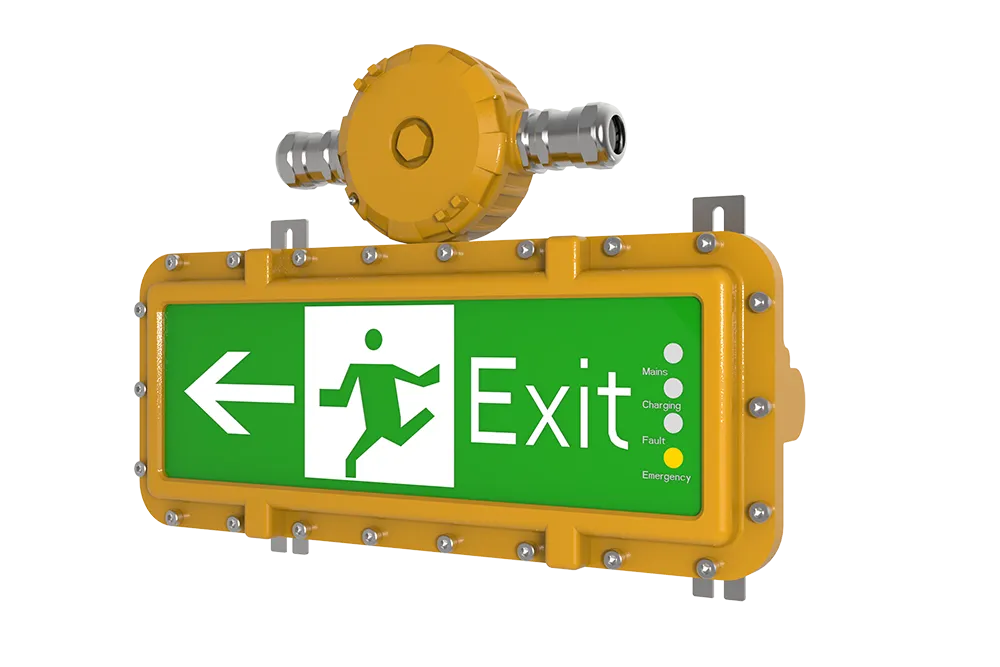
ATEX: Ex II 2G Ex db IIB T6 GbEx II 2D Ex tb IIIC T80°C Db IECEx Ex db IIB T6 Gb;Ex tb IIIC T80°C Db Feature: ● For Zone 1,2 and Zone 21,22● Flameproof type, the strongest Application: Oil and gas, marine, Chemical, pharmaceutical, semiconductor,mining,military industry, paint booth,power plant ETC hazardous area. Technical Specifications:…
View details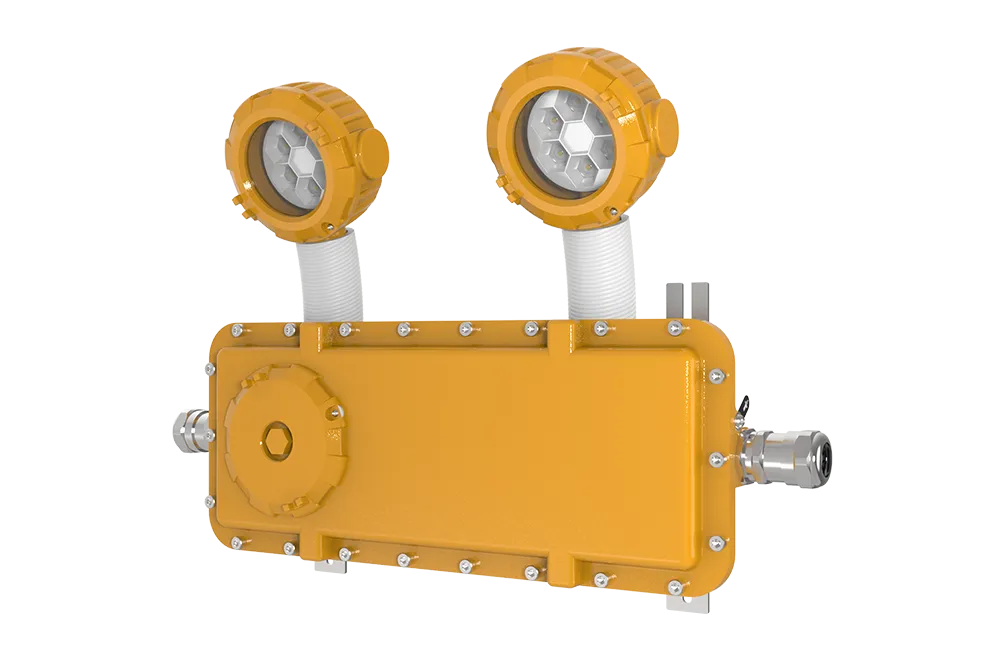
ATEX: Ex II 2G Ex db IIB T6 GbEx II 2D Ex tb IIIC T80°C Db IECEx Ex db IIB T6 Gb;Ex tb IIIC T80°C Db Feature: ● For Zone 1,2 and Zone 21,22● Flameproof type, the strongest Application: Oil and gas, marine, Chemical, pharmaceutical, semiconductor,mining,military industry, paint booth,power plant ETC hazardous area. Technical Specifications:…
View details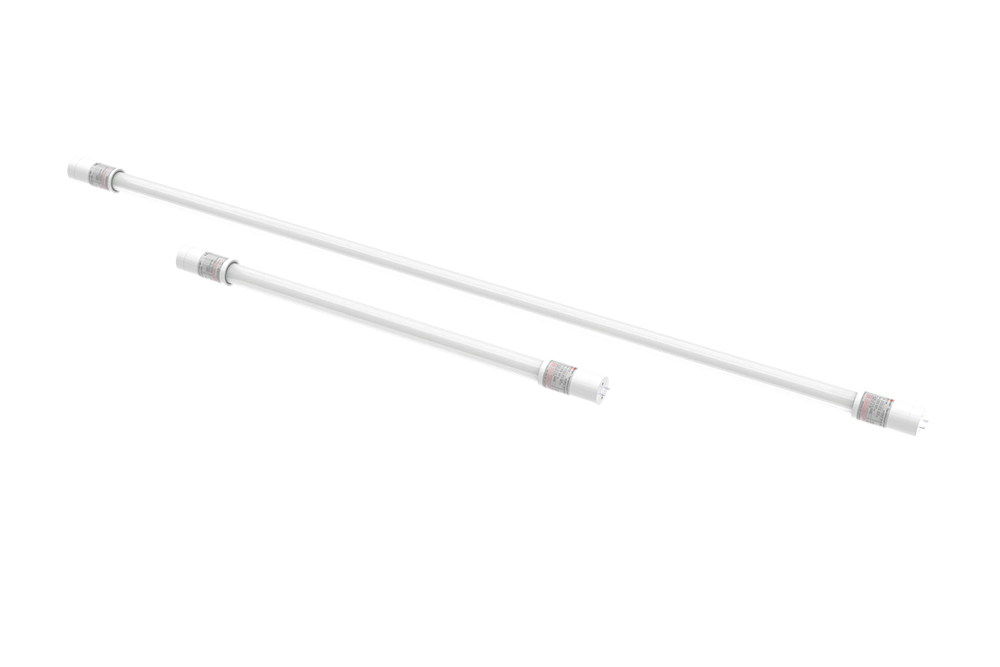
ATEX: Ex II 2G Ex d e IIB T6 Gb ATEX: Ex d e IIB T6 Gb; Feature: ● For Zone 1,2● 9W can replace 18W fluorescent lamps,50% Energy saving Application: Oil and gas, marine, Chemical, pharmaceutical, semiconductor,mining,military industry, paint booth,power plant ETC hazardous area. Technical Specifications: Standards:60079-0, 60079-1, 60079…
View details
What is hazardous area bay lighting? A field-based engineering guide explaining explosion-proof bay lights used in oil, gas and dust hazardous industrial zones.
View details
How many amps does a LED flood light use? This guide explains real current draw at different voltages, common wattages, and what installers usually see on site. By SEEKINGLED.
View details
Discover zone 2 hazardous area lighting requirements, certifications, applications, and LED solutions for safe industrial operation in hazardous environments.
View details
Discover what is high bay LED lighting, how it works, where it is used, and why industries choose LED high bay solutions for efficient commercial illumination.
View details