 Seeking LED
what is atex directive?
0what is atex directive? Learn ATEX 2014/34/EU requirements, hazardous area equipment rules, explosion protection standards, and industrial safety applications.
View detailsSearch the whole station
Outdoor lights fail eventually. It happens in porch fixtures, garden lamps, security floodlights—sometimes right when you need them most. The good news is that learning how to change outdoor led light bulb isn’t difficult.
Still, people get stuck for simple reasons: the bulb is hot, the fixture is damp, or the socket is tighter than expected. I’ve seen homeowners twist harder and accidentally break the bulb. That’s the wrong move.
Let’s walk through the process the practical way.
Before touching anything, cut the power.
Most outdoor fixtures connect to the same circuit as indoor lights. Flip the switch off, but honestly, that’s not always enough. If you want to be safe—especially with metal fixtures—turn off the breaker.
Outdoor environments introduce moisture, dust, and corrosion. Electricity and damp metal don’t mix well.
Professional installers, including technicians who work with SEEKINGLED outdoor led flood light fixtures, always start here. It’s routine for a reason.
This part gets ignored all the time.
Even LED bulbs generate heat. Not as much as halogen or incandescent bulbs, but enough to burn your fingers if the light was on recently.
Give it about 10–15 minutes.
If you’re changing a floodlight above a garage, the housing may stay warm longer. Touch the fixture lightly first to test.
Outdoor fixtures vary a lot.
Typical setups include:
Sometimes you simply twist the bulb. Other times you must remove a glass cover or protective cage.
Look for:
Don’t force anything. If it doesn’t move easily, check for hidden screws first.
Now the actual part of how to change outdoor led light bulb begins.
Grip the bulb firmly and rotate counterclockwise.
Usually it comes loose quickly. But outdoor fixtures live through rain, dust, and temperature swings. Threads can stick.
If the bulb refuses to move:
If the glass breaks (rare but possible), turn off power at the breaker and remove the base with pliers.
Check the replacement bulb first.
Outdoor fixtures usually require:
Thread the new bulb clockwise until snug.
Not overly tight. Just secure.
Over-tightening can damage the socket or make the next replacement frustrating.
Many homeowners now choose sealed outdoor LEDs like those used in SEEKINGLED LED Flood Light fixtures. These designs reduce moisture entry and extend lifespan.
Put the cover back exactly as it was.
If the fixture includes:
make sure they sit properly.
Outdoor lighting depends heavily on sealing. A slightly loose cover allows water in, which eventually damages the socket.
Turn the breaker or switch back on.
The bulb should light instantly.
If it doesn’t:
When the fixture still refuses to work, the issue might be the fixture wiring rather than the bulb.
After years working around lighting installations, these are the mistakes people make most often:
1. Skipping the power shutoff
Quick changes sometimes lead to small electric shocks.
2. Installing indoor bulbs outdoors
Indoor LEDs aren’t designed for humidity or temperature changes.
3. Using the wrong brightness
Outdoor security lights typically need 800–1600 lumens depending on coverage.
4. Forgetting weather seals
Even a tiny gap lets moisture inside.
Here’s something worth mentioning.
Many modern fixtures—especially floodlights—use integrated LED modules instead of bulbs.
In that case, you can’t simply swap the bulb. The entire fixture must be replaced.
Brands like SEEKINGLED design these integrated systems because they last longer and provide better heat management. But once the LED eventually fails, replacement means installing a new fixture.
More answers
Knowing how to change outdoor led light bulb is a small skill, but it saves time and avoids unnecessary electrician visits.
The steps are straightforward:
Take it slow. Outdoor fixtures deal with weather every day, so patience helps.
And if you’re upgrading fixtures entirely, choosing reliable outdoor lighting—like weather-sealed designs from SEEKINGLED—usually means you won’t be repeating this process very often.

what is atex directive? Learn ATEX 2014/34/EU requirements, hazardous area equipment rules, explosion protection standards, and industrial safety applications.
View details
Flood light 100W for outdoor and commercial lighting. Strong illumination, stable performance, and long-term reliability from SEEKINGLED.
View details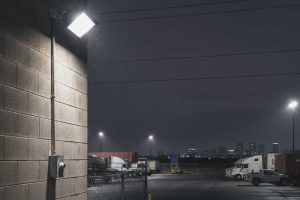
How to install LED flood light correctly for outdoor and industrial applications. Learn wiring, mounting height, safety tips, and common installation mistakes.
View details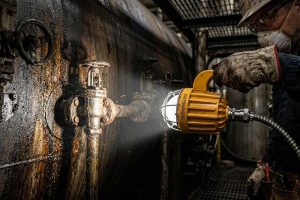
ATEX work light explained with real certifications, field insights, and safety design. Discover how SEEKINGLED ensures reliable lighting in hazardous areas.
View details