Is LED lighting explosion proof? No—standard LED lighting is not explosion proof. Only specially engineered and certified LED fixtures are safe for hazardous environments.
That’s the straight answer. And in real projects, this distinction isn’t theoretical—it’s the line between compliance and risk. I’ve seen standard LED floodlights installed in classified zones simply because “LED runs cooler.” That assumption doesn’t hold under inspection.
explosion proof LED lighting requirements explained
The International Electrotechnical Commission (iec.ch) defines these requirements through IECEx standards, widely used for hazardous environments.
Why standard LED lighting doesn’t meet the requirement
Typical LED fixtures:
Are not sealed against explosive atmospheres
Use drivers not rated for hazardous zones
Lack certified enclosure design
I’ve opened failed fixtures where moisture and dust had already entered—now imagine that in a flammable gas environment. That’s where the risk escalates.
hazardous area LED lighting standards and certifications
The certifications that define safety
To answer “Is LED lighting explosion proof,” you have to look at certification—not technology.
Key standards:
ATEX (Europe)
IECEx (International)
UL844 (North America)
These certifications verify:
Explosion containment capability
Temperature classification (T1–T6)
Suitability for specific gas/dust zones
According to the official IECEx system (iecex.com), certified equipment undergoes rigorous testing to ensure it will not ignite surrounding atmospheres.
Zone classification matters
Zone
Description
Example
Zone 0
Continuous hazard
Inside tanks
Zone 1
Likely hazard
Refineries
Zone 2
Occasional hazard
Storage areas
Standard LED lighting is not designed for any of these zones.
ATEX LED lighting certification vs standard LED
Key structural differences
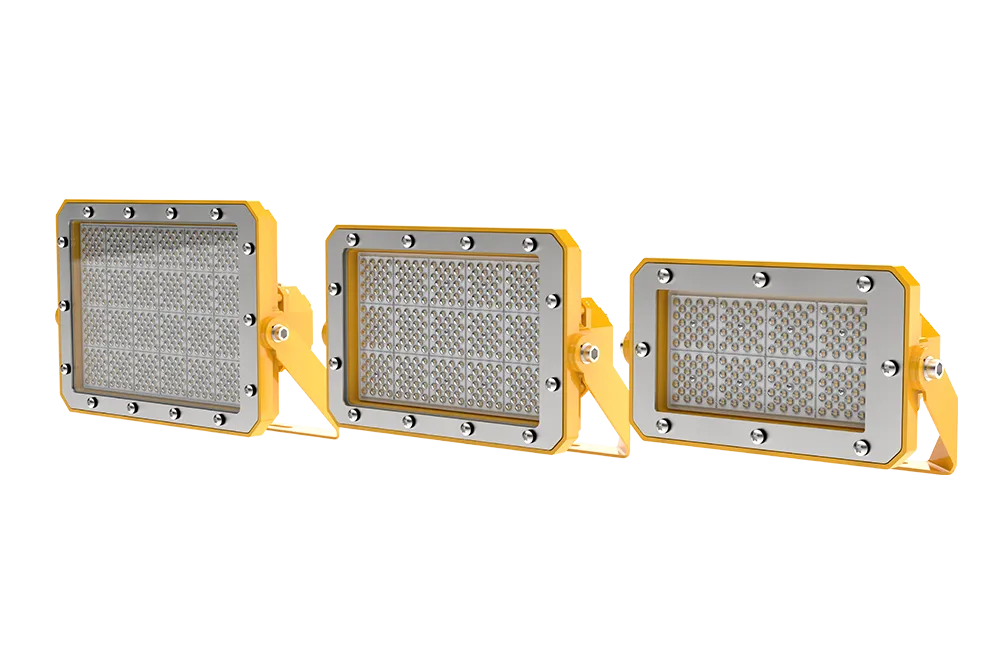
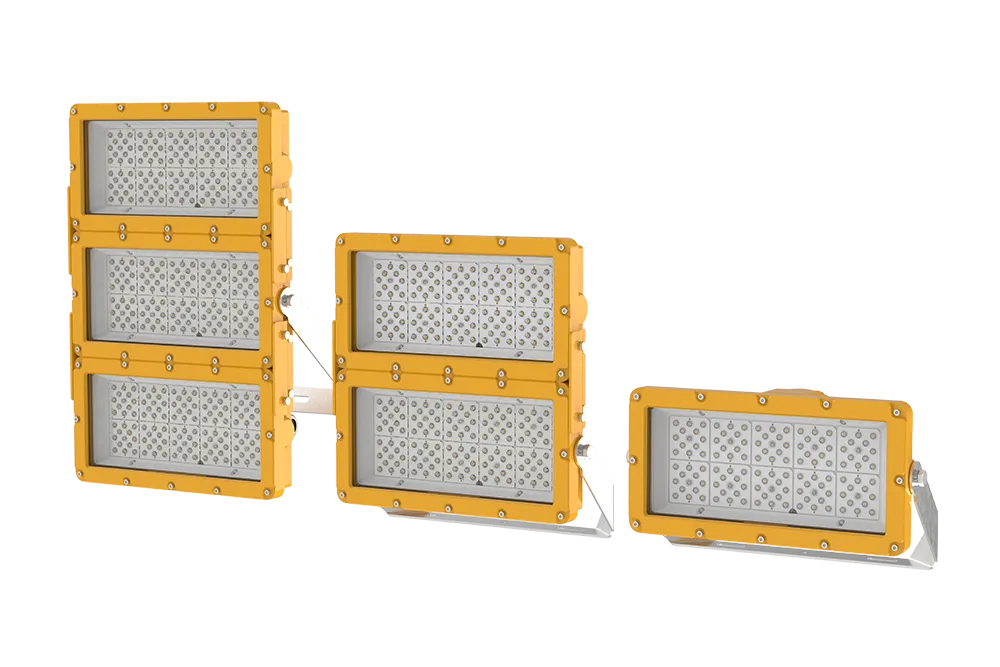
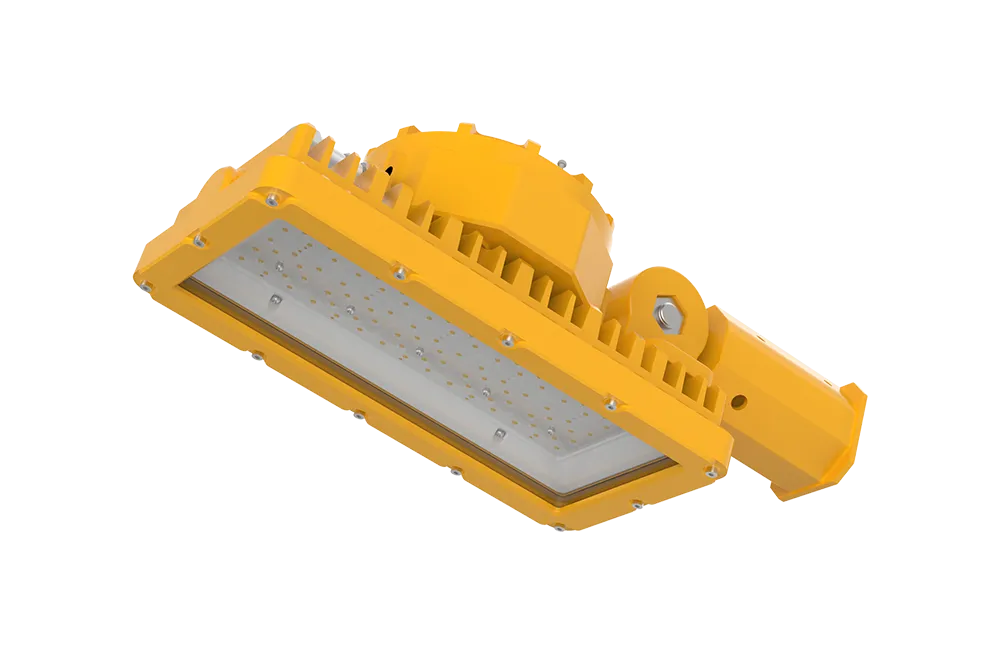
A certified explosion-proof LED fixture includes:
Reinforced, sealed housing
Flameproof joints
Specialized cable glands
Temperature-controlled operation
Feature
Standard LED
Explosion-Proof LED
Sealing
Basic
High-integrity
Certification
None
ATEX / IECEx
Safety level
General use
Hazardous zones
The U.S. Occupational Safety and Health Administration (osha.gov) emphasizes that only certified equipment should be used in hazardous locations to prevent ignition risks.
Temperature class: often overlooked
Even without sparks, heat can ignite gases.
T6 rating → max surface temperature 85°C
Required in many chemical environments
I’ve seen installations fail compliance checks solely due to temperature class mismatch—not because of visible defects.
field insight: common misconceptions
“LED is safer, so it must be explosion-proof”
This is the most common mistake.
Yes, LEDs:
Run cooler than HID lamps
Are more energy efficient
But none of that replaces certification.
Where real risks appear
In inspections I’ve done:
Non-rated fixtures installed in Zone 2 areas
Missing certification labels
Improper cable sealing
These aren’t rare cases—they’re patterns.
FAQ: Is LED lighting explosion proof
Is LED lighting explosion proof?
No. Only certified explosion-proof LED fixtures are safe for hazardous environments.
Can LED lights be used in hazardous areas?
Yes, but only if they meet ATEX, IECEx, or UL certification requirements.
Why is certification necessary?
Because safety depends on containment, temperature control, and verified design—not just light source type.
I work with SEEKINGLED on explosion-proof and industrial lighting systems, focusing on:
Hazardous area compliance (ATEX / IECEx)
Fixture selection and verification
On-site inspection and retrofit projects
The insights here come from real-world installations—refineries, chemical plants, and logistics facilities—not theoretical guidelines.
Final field observation
The question “Is LED lighting explosion proof” usually comes from a good place—wanting safer, more efficient lighting. But safety in hazardous areas is not about the light source. It’s about certified design. Without that, even the best LED becomes a risk.
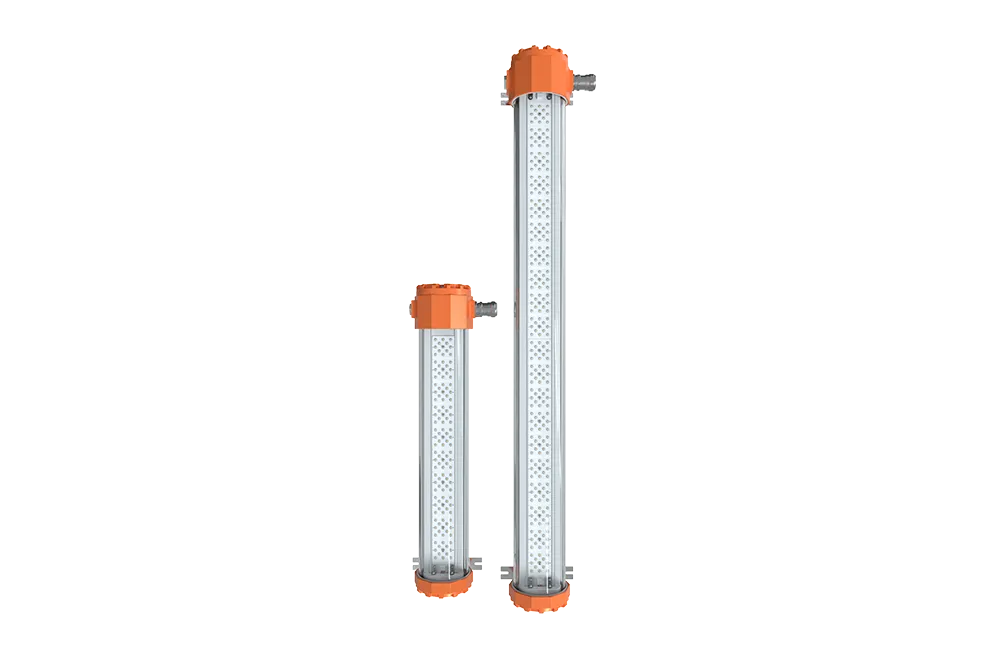
SEEKINGLED LED Linear Explosion Proof Light and Explosion Proof lighting is ATEX and IECEx certified for Zone 1, Zone 2, Zone 21 and Zone 22 hazardous locations, built for long-term industrial use.
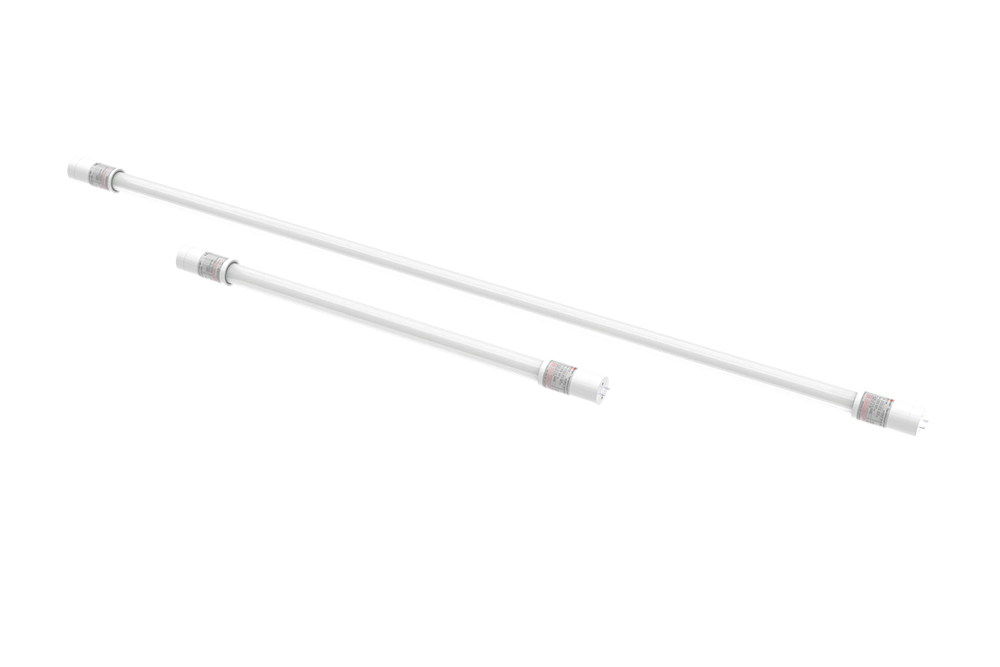
LED Linear Explosion Proof Lights and EX Proof lights for Zone 1, Zone 2, Zone 21 and Zone 22 hazardous areas. ATEX & IECEx certified explosion proof LED linear lighting with emergency function, adjustable power and IP67 protection by SEEKINGLED.
SEEKINGLED LED Explosion Proof Flood Lights are ATEX certified for Zone 2 and Zone 22 hazardous areas, offering high efficiency, adjustable power and integrated junction box.
SEEKINGLED LED Explosion Proof Flood Lights are flameproof ATEX and IECEx certified for Zone 1 and Zone 2 hazardous areas, offering high power, adjustable output and long service life.
SEEKINGLED LED Gas Station Canopy Lights are ATEX certified for Zone 2 and Zone 22 hazardous areas, featuring adjustable power and built-in explosion-proof junction box.
ATEX: Ex II 2G Ex db IIB T6/T5 GbEx II 2D Ex tb IIIC T80°C/ T95°C Db IECEx Ex db IIB T6 Gb;Ex tb IIIC T80°C Db Feature: ● For Zone 1,2 and Zone 21,22● Flameproof type, the strongest● 100W can replace 250W HID,energy saving● Power:60W,80W,100W Application: Oil and gas, marine, Chemical, pharmaceutical, semiconductor,mining,military industr…
ATEX: II 3G Ex nR ⅡC T5/T6 GcII 3D Ex tc ⅢC T80℃/T95℃Dc ATEX Certificate NO: TÜV CY 26 ATEX 0207611 X Feature: ● For Zone 2 and Zone 22● 150W can replace 250W HID lamps,Energy saving● Power:50W,75W,100W,150W,200W Application: Oil and gas, marine, Chemical, pharmaceutical, semiconductor,mining,military industry, paint booth,power plant ETC…
LED explosion proof high bay lights are designed for Zone 1, Zone 2, Zone 21 and Zone 22 hazardous areas. This page introduces the HB21 Series from SEEKING, including certifications, power options and real application considerations.
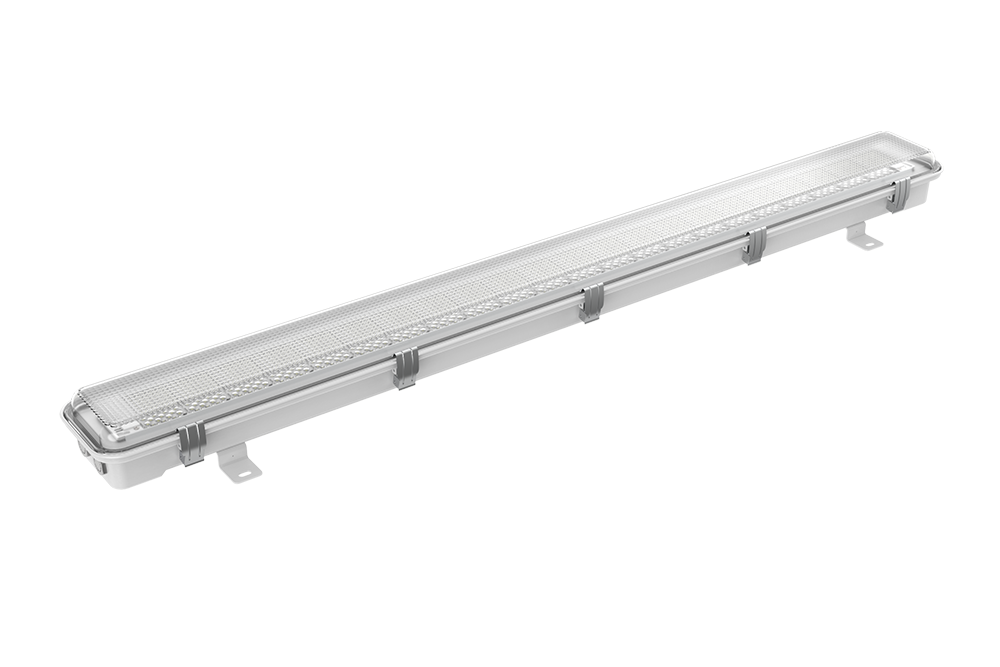
LED Linear Explosion Proof Lights from SEEKINGLED. LU Series Flame Proof lights ATEX-certified explosion proof LED linear lighting for Zone 2 gas and Zone 22 dust areas, IP69K, IK10, long lifetime and flexible power options.
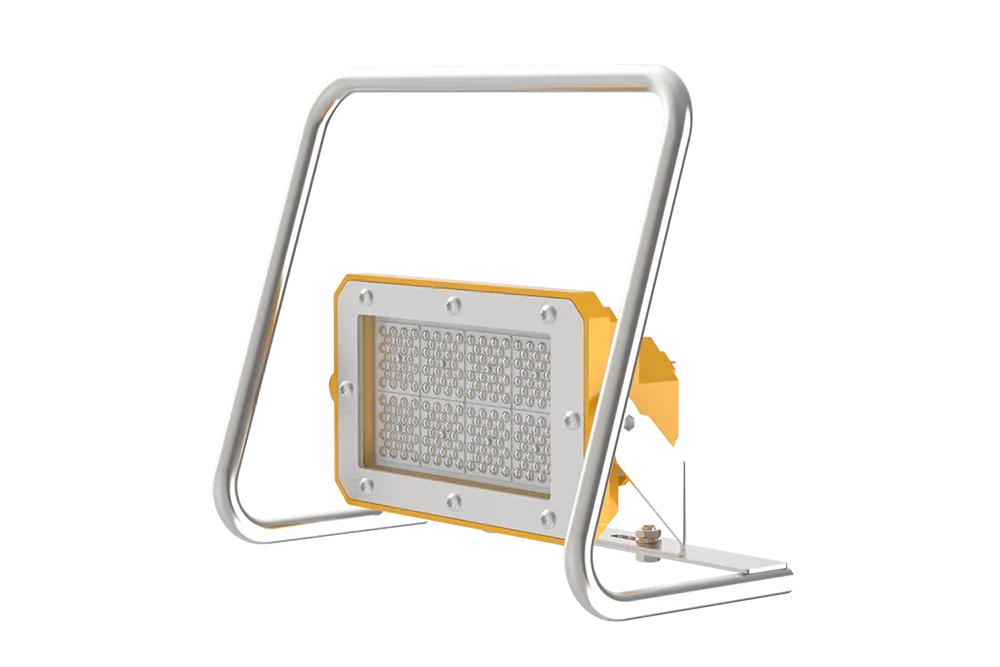
Certified explosion proof work lights for Zone 1 & 21 hazardous areas. Portable, ATEX & IECEx approved, built for oil, gas and chemical plants by SEEKINGLED.
ATEX: II 3G Ex nR ⅡC T6 GcII 3D Ex tc ⅢC T80℃ Dc ATEX Certificate NO: TÜV CY 26 ATEX 0207611 X Feature: ● For Zone 2 and Zone 22● Accepts battery-powered supply● indestructible● Power:AC input:50W,75W,100WDC input:15W,25W,35W Application: Oil and gas, marine, Chemical, pharmaceutical, semiconductor,mining,military industry, paint booth,po…
ATEX: Ex II 2G Ex db IIB T6 GbEx II 2D Ex tb IIIC T80°C Db IECEx Ex db IIB T6 Gb;Ex tb IIIC T80°C Db Feature: ● For Zone 1,2 and Zone 21,22● Flameproof type, the strongest Application: Oil and gas, marine, Chemical, pharmaceutical, semiconductor,mining,military industry, paint booth,power plant ETC hazardous area. Technical Specifications:…
ATEX: Ex II 2G Ex db IIB T6 GbEx II 2D Ex tb IIIC T80°C Db IECEx Ex db IIB T6 Gb;Ex tb IIIC T80°C Db Feature: ● For Zone 1,2 and Zone 21,22● Flameproof type, the strongest Application: Oil and gas, marine, Chemical, pharmaceutical, semiconductor,mining,military industry, paint booth,power plant ETC hazardous area. Technical Specifications:…
ATEX: Ex II 2G Ex d e IIB T6 Gb ATEX: Ex d e IIB T6 Gb; Feature: ● For Zone 1,2● 9W can replace 18W fluorescent lamps,50% Energy saving Application: Oil and gas, marine, Chemical, pharmaceutical, semiconductor,mining,military industry, paint booth,power plant ETC hazardous area. Technical Specifications: Standards:60079-0, 60079-1, 60079…
Discover how hazardous light fixtures improve safety in explosive environments. Learn certifications, zone classifications, Ex protection methods, and selection tips from SEEKINGLED.
What Is a Hazardous Location Junction Box? Learn how explosion-proof electrical enclosures protect industrial wiring in hazardous areas with standards, applications, and expert insights.
Are street lights LED today? Learn why cities are switching to LED street lights, how they compare to older lamps, and how SEEKINGLED STA Series supports modern road lighting projects.
how many amps does led lights draw in real installations? Learn typical LED current draw, practical wiring examples, and electrical load insights from SEEKINGLED.
 Seeking LED