 Seeking LED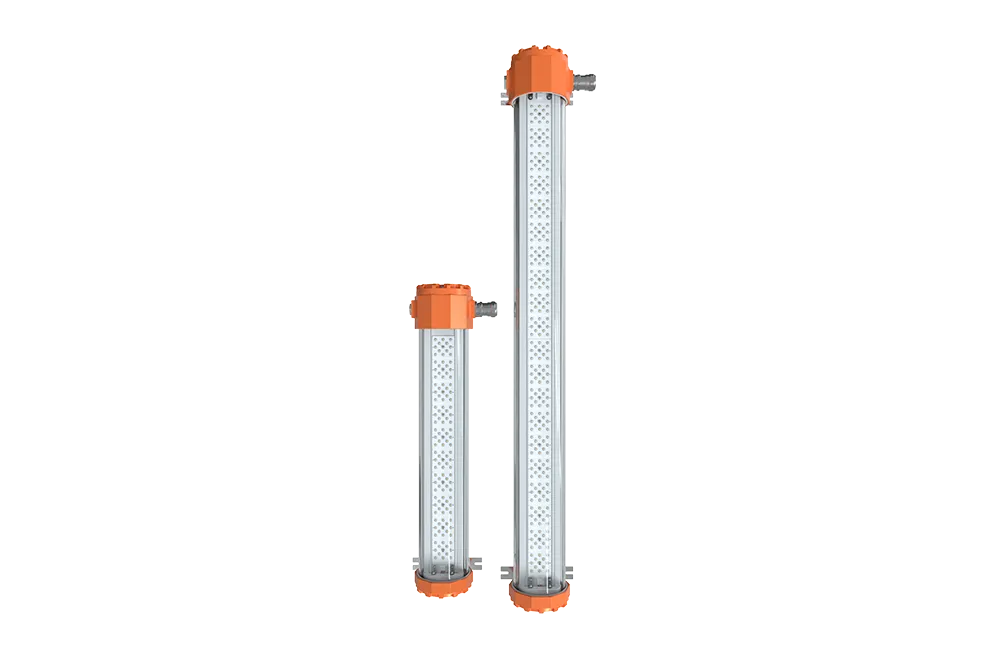
High Bay LED Lights 200W for Real Industrial Environments
248High Bay LED Lights 200W deliver stable output, energy savings, and long lifespan. Discover how to choose reliable industrial lighting that performs in real environments.
View detailsSearch the whole station
Written by a hazardous-area lighting engineer with 10+ years of project experience in ATEX-certified facilities across Europe, including petrochemical plants, chemical warehouses, offshore support zones, and logistics terminals.
ATEX explosion proof lighting is one of those things that looks simple on paper and becomes very serious the moment you walk onto a classified site.
In ATEX Zone 1 or Zone 21 areas, explosive gas or combustible dust is not an exception—it’s part of normal operation. According to Directive 2014/34/EU, equipment installed in these zones must not become an ignition source under either normal use or foreseeable faults. That single sentence explains why lighting selection often takes longer than expected.
I’ve been involved in several projects where lighting was discussed late in the design stage. That usually leads to compromises. In hazardous areas, compromise is rarely a good idea.
From an engineering perspective, ATEX explosion proof lighting lives at the intersection of EU regulation and IEC technical standards.
Most LED explosion proof luminaires used in Europe are designed and tested under:
These standards define how a luminaire must:
In practice, inspectors often focus on flame paths, enclosure tolerances, and sealing methods. This is where poorly designed fixtures fail certification or, worse, pass on paper but cause issues during operation.

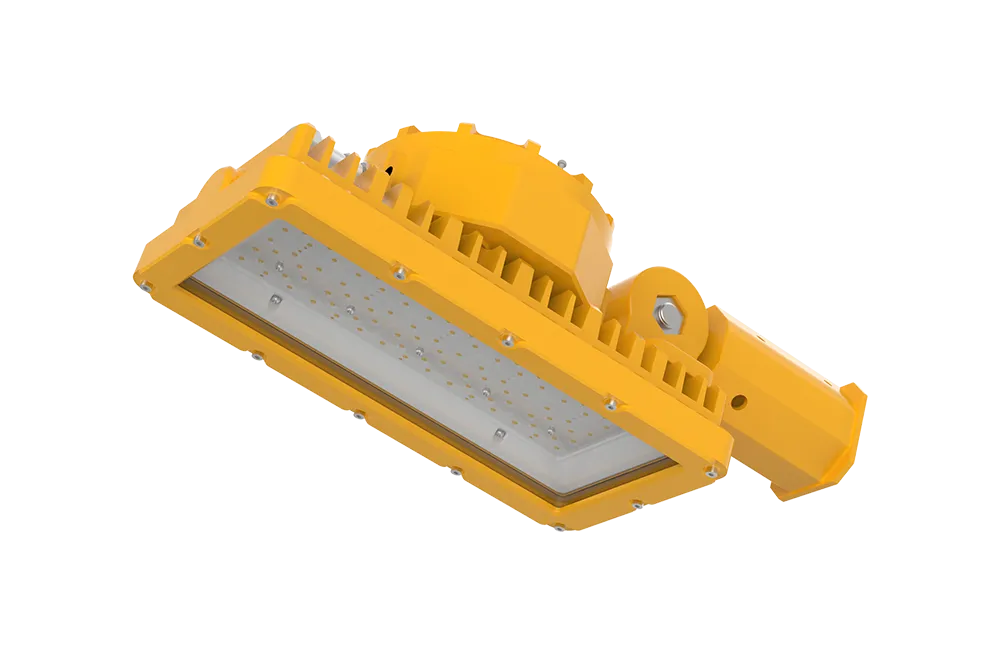
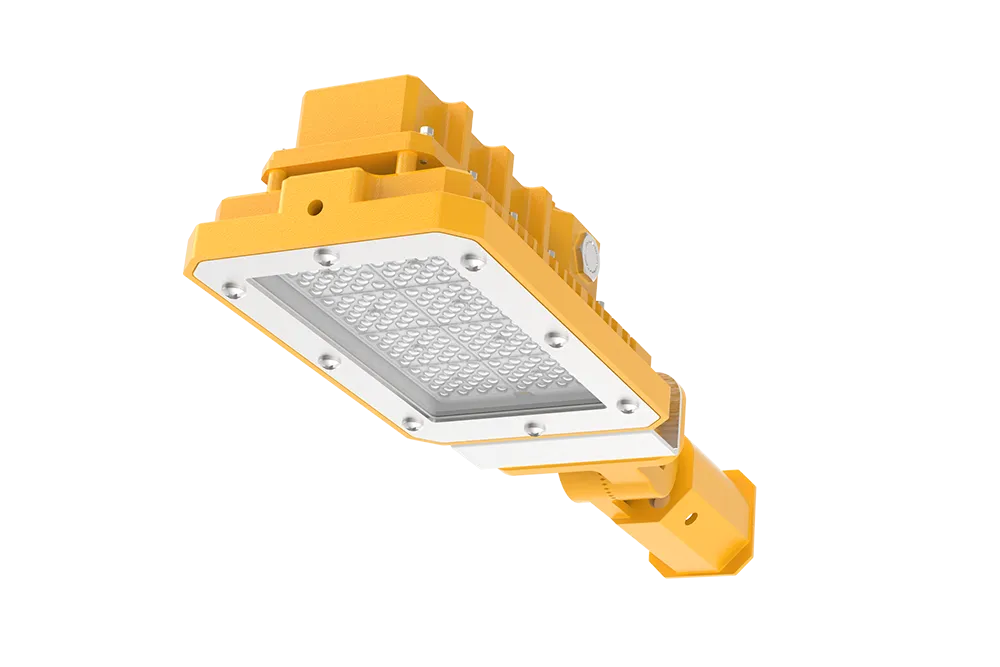
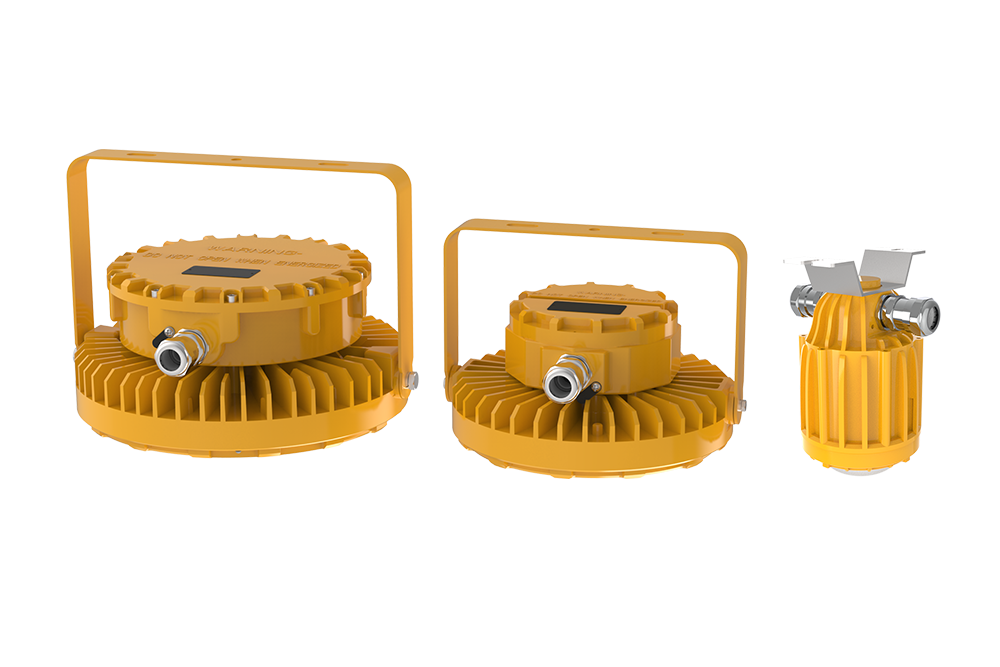
In several ATEX projects, we selected the HB21 Series LED explosion proof high bay lights from SEEKINGLED for Zone 1 and Zone 21 areas.
The decision wasn’t based on wattage tables alone. What mattered was that the HB21 follows a pure flameproof (Ex d) design, not a hybrid or “protected” enclosure.
Certification details we verified on site included:
For multinational operators, having both ATEX and IECEx approval avoids long internal approval loops.
One thing that tends to get overlooked in ATEX explosion proof lighting discussions is thermal stability over time.
HB21 Series Explosion proof light fixtures are rated for ambient temperatures from –20°C to +55°C, which aligns with many industrial indoor and semi-outdoor environments. According to IEC 60079-0, temperature classification is determined under the most unfavorable conditions, not just short test runs.
In long-shift operations, especially in oil and gas or chemical processing facilities, luminaires may run 24/7. The aluminum housing and internal heat management of the HB21 Series helped keep surface temperatures within the declared T-class during extended operation.
This matters more than efficiency figures.
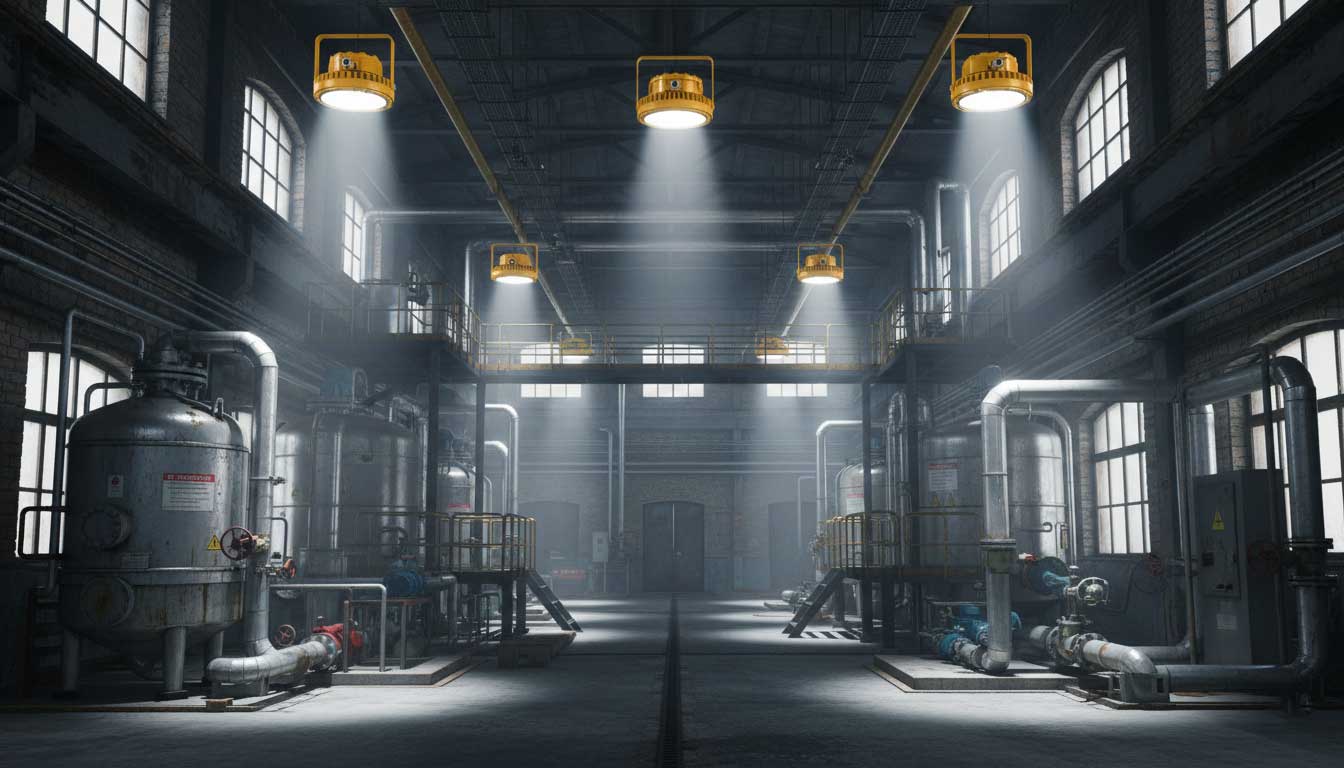
Explosion proof lighting is not only about safety—it also affects daily operations.
The HB21 Series offers 60°, 90°, and 120° beam angles, which allowed us to adapt lighting layouts to:
With a luminous efficacy of up to 150 lm/W @ CRI >80, visibility was noticeably better than older halogen or HPS systems. According to industrial safety studies, improved color rendering reduces misidentification of labels and indicators, which directly impacts operational safety.
From a site perspective, a few HB21 design choices made life easier:
None of these features look impressive in a catalog, but they reduce mistakes during installation—and mistakes in ATEX zones are expensive.
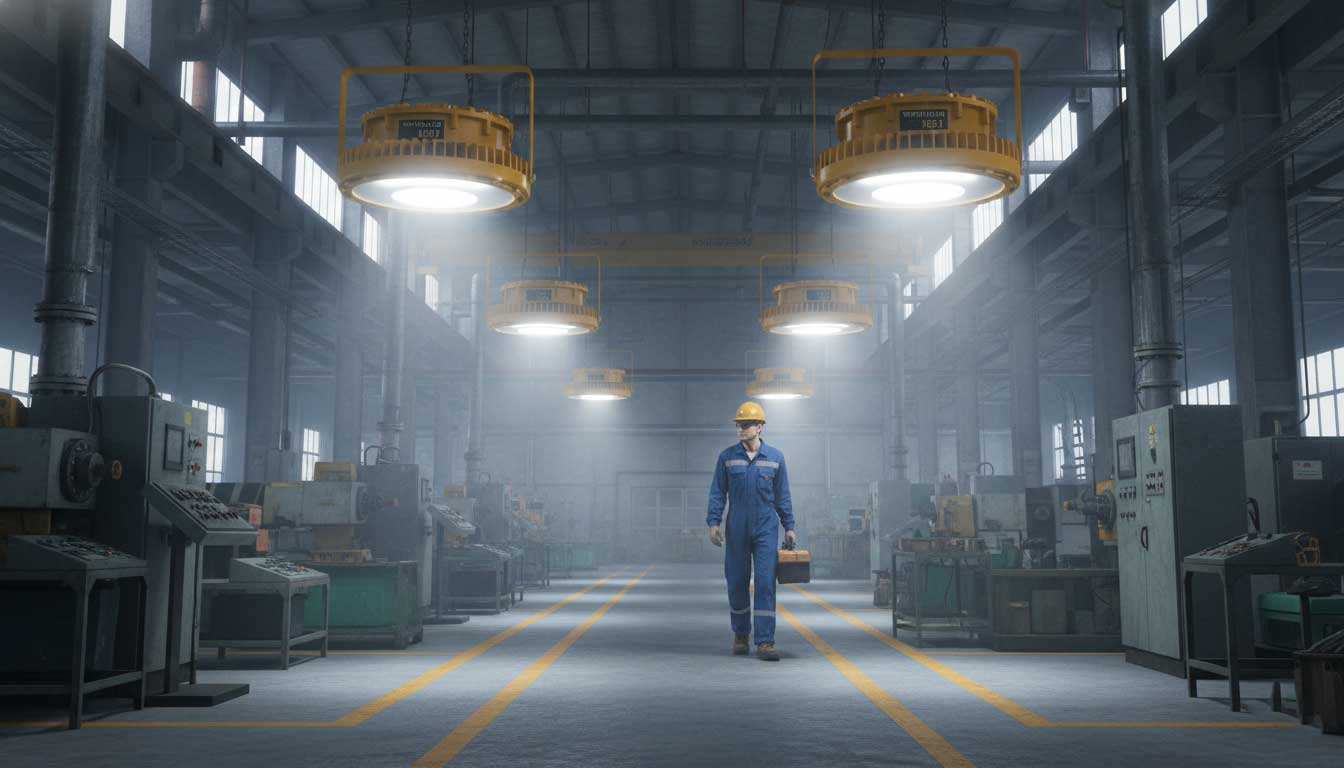
ATEX explosion proof lighting is not about choosing the brightest fixture or the lowest wattage. It’s about choosing equipment that behaves predictably under pressure—thermal, mechanical, and regulatory.
From my experience, the HB21 Series from SEEKINGLED fits well into projects where compliance, stability, and long service life matter more than decorative design. In hazardous areas, that balance is usually what keeps projects running quietly in the background.
And for ATEX explosion proof lighting, quiet reliability is often the best outcome.
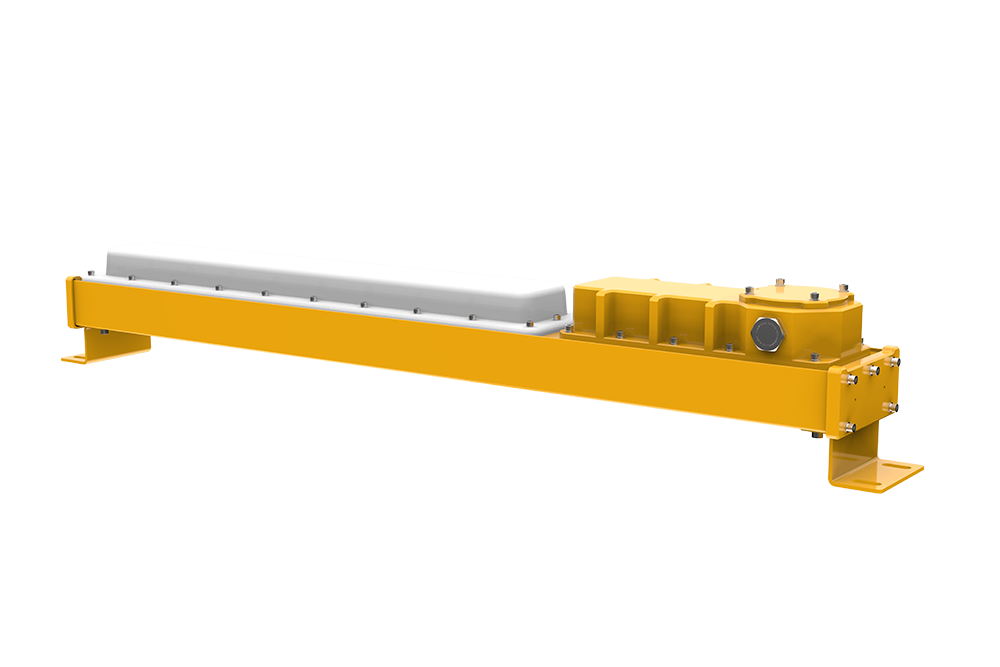
SEEKINGLED LED Linear Explosion Proof Light and Explosion Proof lighting is ATEX and IECEx certified for Zone 1, Zone 2, Zone 21 and Zone 22 hazardous locations, built for long-term industrial use.
LED Linear Explosion Proof Lights and EX Proof lights for Zone 1, Zone 2, Zone 21 and Zone 22 hazardous areas. ATEX & IECEx certified explosion proof LED linear lighting with emergency function, adjustable power and IP67 protection by SEEKINGLED.
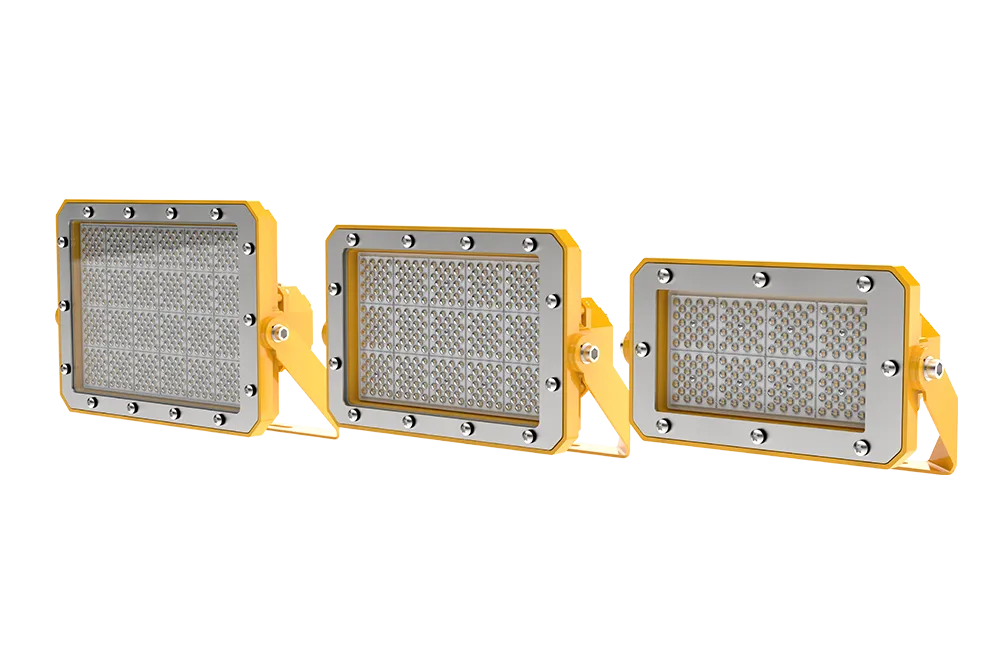
SEEKINGLED LED Explosion Proof Flood Lights are ATEX certified for Zone 2 and Zone 22 hazardous areas, offering high efficiency, adjustable power and integrated junction box.
SEEKINGLED LED Explosion Proof Flood Lights are flameproof ATEX and IECEx certified for Zone 1 and Zone 2 hazardous areas, offering high power, adjustable output and long service life.
SEEKINGLED LED Gas Station Canopy Lights are ATEX certified for Zone 2 and Zone 22 hazardous areas, featuring adjustable power and built-in explosion-proof junction box.
ATEX: Ex II 2G Ex db IIB T6/T5 GbEx II 2D Ex tb IIIC T80°C/ T95°C Db IECEx Ex db IIB T6 Gb;Ex tb IIIC T80°C Db Feature: ● For Zone 1,2 and Zone 21,22● Flameproof type, the strongest● 100W can replace 250W HID,energy saving● Power:60W,80W,10…
ATEX: II 3G Ex nR ⅡC T5/T6 GcII 3D Ex tc ⅢC T80℃/T95℃Dc ATEX Certificate NO: TÜV CY 26 ATEX 0207611 X Feature: ● For Zone 2 and Zone 22● 150W can replace 250W HID lamps,Energy saving● Power:50W,75W,100W,150W,200W Application: Oil and gas, m…
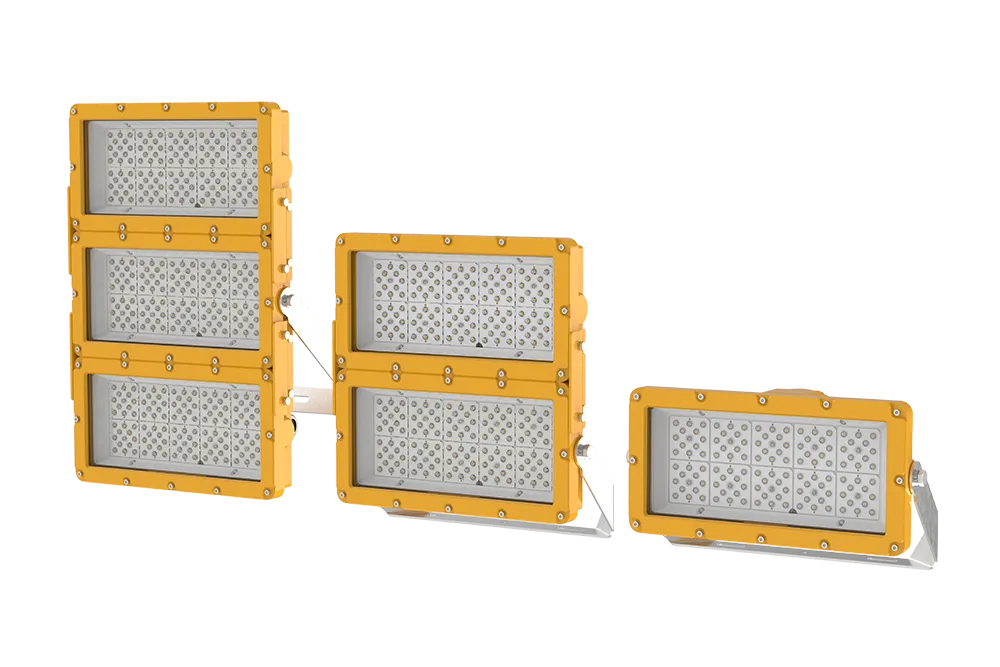
LED explosion proof high bay lights are designed for Zone 1, Zone 2, Zone 21 and Zone 22 hazardous areas. This page introduces the HB21 Series from SEEKING, including certifications, power options and real application considerations.
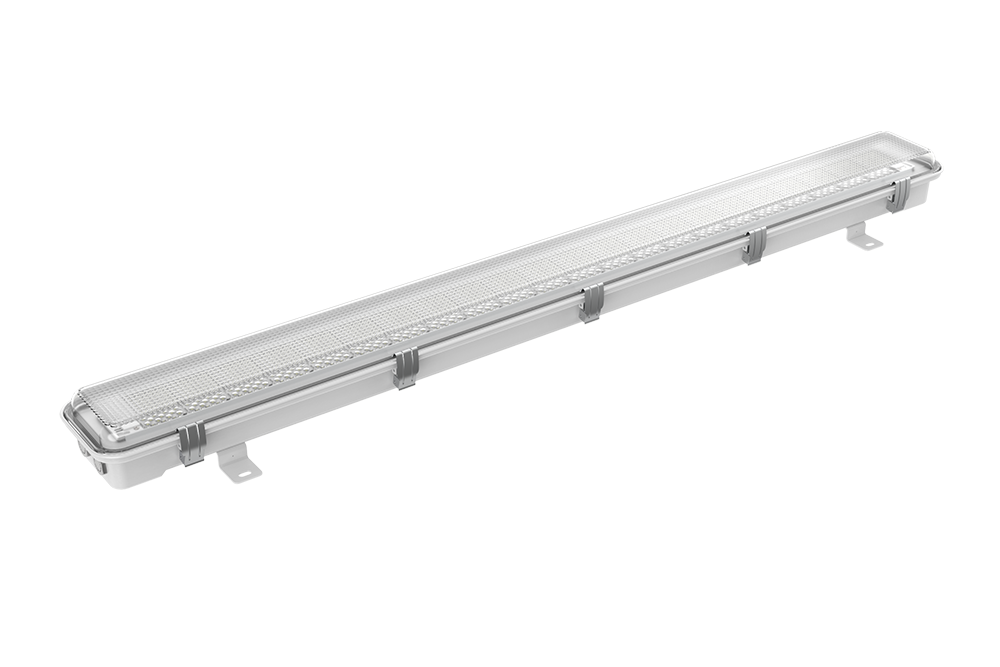
LED Linear Explosion Proof Lights from SEEKINGLED. LU Series Flame Proof lights ATEX-certified explosion proof LED linear lighting for Zone 2 gas and Zone 22 dust areas, IP69K, IK10, long lifetime and flexible power options.
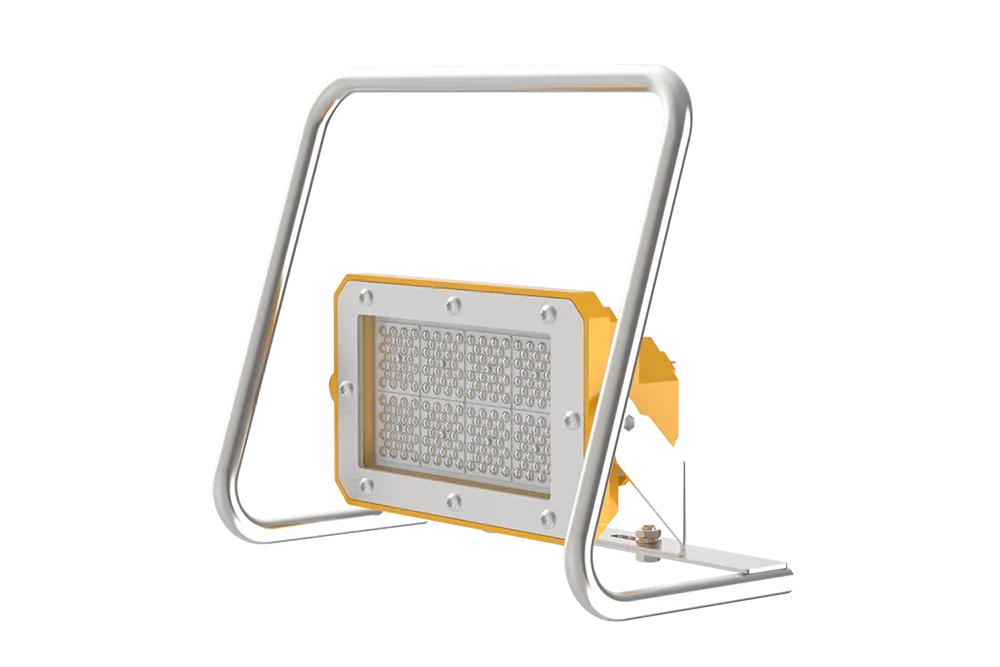
Certified explosion proof work lights for Zone 1 & 21 hazardous areas. Portable, ATEX & IECEx approved, built for oil, gas and chemical plants by SEEKINGLED.
ATEX: II 3G Ex nR ⅡC T6 GcII 3D Ex tc ⅢC T80℃ Dc ATEX Certificate NO: TÜV CY 26 ATEX 0207611 X Feature: ● For Zone 2 and Zone 22● Accepts battery-powered supply● indestructible● Power:AC input:50W,75W,100WDC input:15W,25W,35W Application: O…
ATEX: Ex II 2G Ex db IIB T6 GbEx II 2D Ex tb IIIC T80°C Db IECEx Ex db IIB T6 Gb;Ex tb IIIC T80°C Db Feature: ● For Zone 1,2 and Zone 21,22● Flameproof type, the strongest Application: Oil and gas, marine, Chemical, pharmaceutical, semicondu…
ATEX: Ex II 2G Ex db IIB T6 GbEx II 2D Ex tb IIIC T80°C Db IECEx Ex db IIB T6 Gb;Ex tb IIIC T80°C Db Feature: ● For Zone 1,2 and Zone 21,22● Flameproof type, the strongest Application: Oil and gas, marine, Chemical, pharmaceutical, semicondu…
ATEX: Ex II 2G Ex d e IIB T6 Gb ATEX: Ex d e IIB T6 Gb; Feature: ● For Zone 1,2● 9W can replace 18W fluorescent lamps,50% Energy saving Application: Oil and gas, marine, Chemical, pharmaceutical, semiconductor,mining,military industry, pain…
loading…
This is the last post!
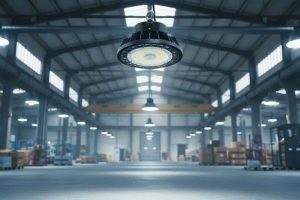
High Bay LED Lights 200W deliver stable output, energy savings, and long lifespan. Discover how to choose reliable industrial lighting that performs in real environments.
View details
Are LED street lights cost effective over time? This guide explains real costs, savings, and when LED street lighting truly makes financial sense.
View details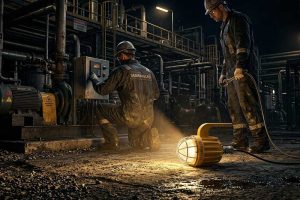
Portable explosion proof lighting for hazardous worksites. Safe, mobile, and durable lighting for oil, gas, and confined spaces by SEEKINGLED.
View details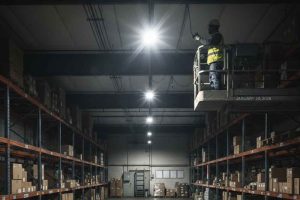
Why some LED high bays are not worth upgrading comes down to optics, labor, and sunk cost. Learn when replacement is the smarter move.
View details