 Seeking LED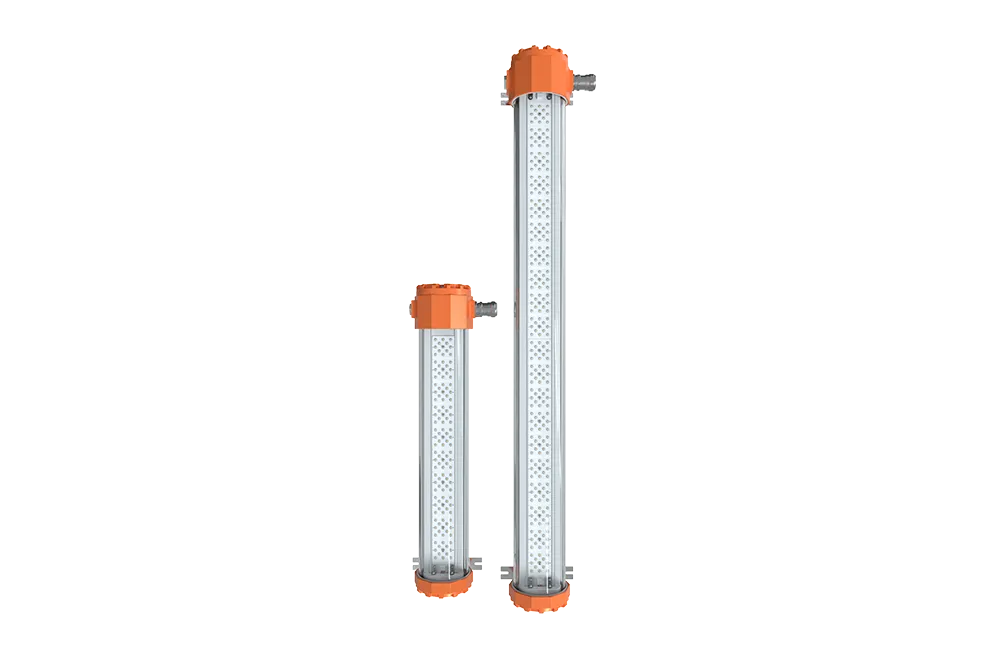
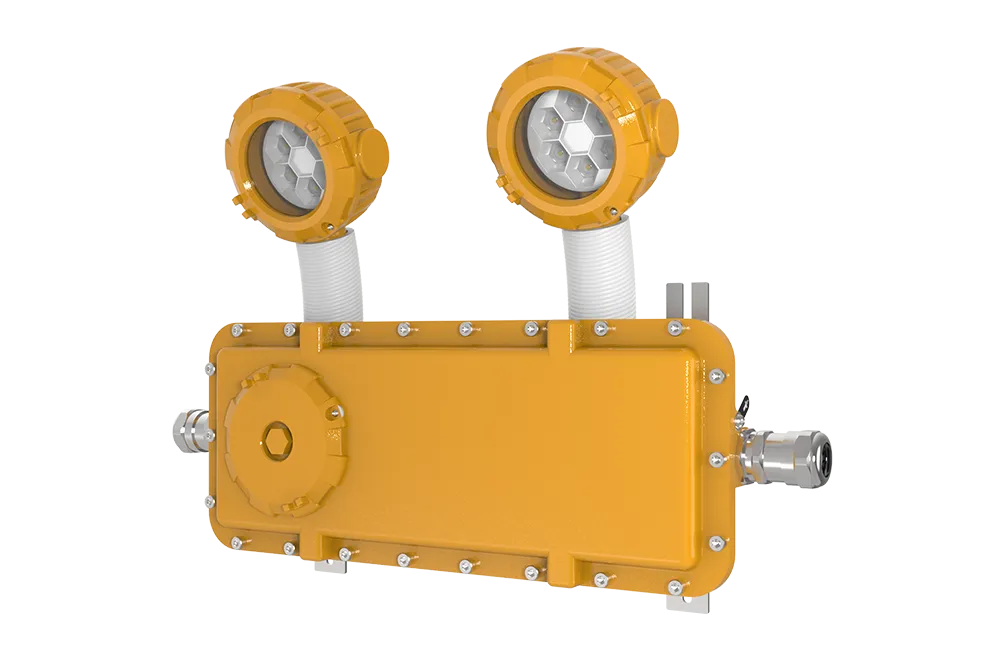
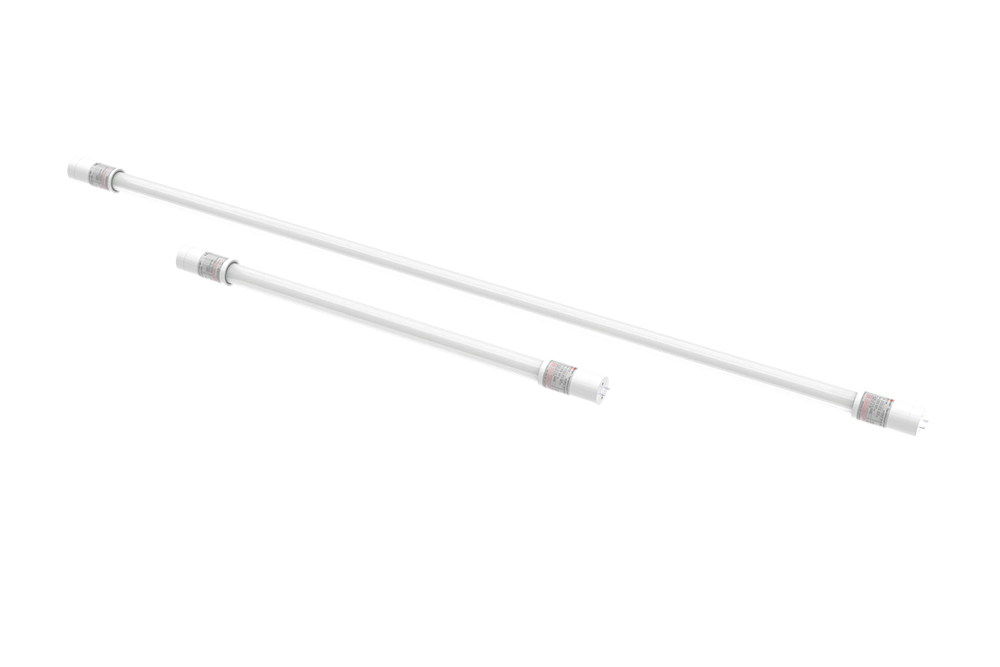
what are high bay lights?
0Discover what are high bay lights, how they work, where they are used, and why LED high bay solutions improve industrial lighting efficiency.
View detailsSearch the whole station
When specifying an explosion-proof light for hazardous work environments, most buyers zero in on certification marks and wattage. Those matter — but they are just starting points. After over a decade designing and commissioning hazardous location LED systems for oil & gas, petrochemical, and offshore facilities with SEEKINGLED, I know that real performance emerges only when design, testing, and deployment withstand harsh industrial conditions.
This article reflects that reality — concrete experience backed by standards and verified performance data, not theory.
An explosion-proof light is engineered to operate safely where flammable gases, vapors, or dust may be present. The word explosion-proof can be misleading — it does not mean the fixture prevents all explosions. Instead, it means the fixture is designed so that any internal ignition does not propagate to the external atmosphere.
Global standards defined by the International Electrotechnical Commission under the IEC 60079 series establish protection methods such as:
In Europe, ATEX Directive 2014/34/EU aligns with these IEC requirements. In North America, the National Electrical Code (NEC) and the National Fire Protection Association oversee similar classifications. These frameworks ensure explosion-proof lights are tested, certified, and safe for defined hazardous zones.
One of the most misunderstood aspects of explosion-proof light deployment is thermal behavior. Many assume LED technology, by nature lower in heat than HID lamps, simplifies safety compliance. It does not.
LED chips themselves are efficient, but drivers, constant current components, and sealed enclosures generate heat that must exit the fixture. Unmanaged thermal buildup pushes external surface temperatures above the allowable ignition threshold for certain gas groups.
In one refinery retrofit project, we measured surface temperatures exceeding the declared class T6 limits on imported fixtures under a +50°C ambient. The LED modules were fine — the driver compartment was not. That mismatch can cause inspection failures and safety risks.
At SEEKINGLED, we conduct long-duration burn-in tests at maximum ambient conditions to confirm real safety margins — not just theoretical ones.
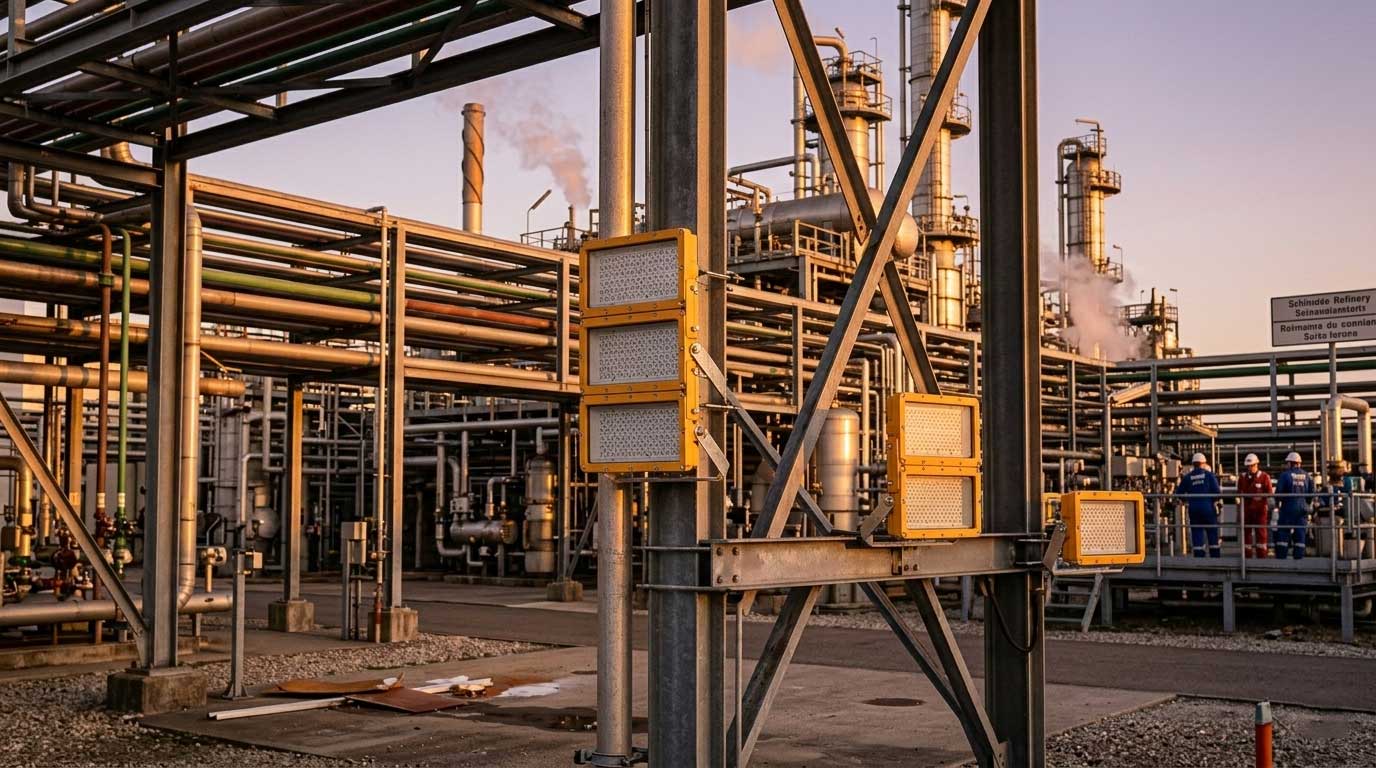
Hazardous environments test mechanical durability as much as electrical safety. Offshore platforms face salt corrosion and vibration. Chemical plants expose fixtures to corrosive vapors. Grain facilities generate fine combustible dust.
The International Energy Agency emphasizes that long-term system reliability directly influences operational performance. In practice, if seals fail, internal corrosion begins, lumens drop, and service intervals shorten.
Best practices for explosion-proof lights include:
In one Gulf of Mexico platform maintenance cycle, we saw gasket degradation around cable entries less than four years after installation — not electrical failure, but mechanical compromise.
Design must account for those field realities.
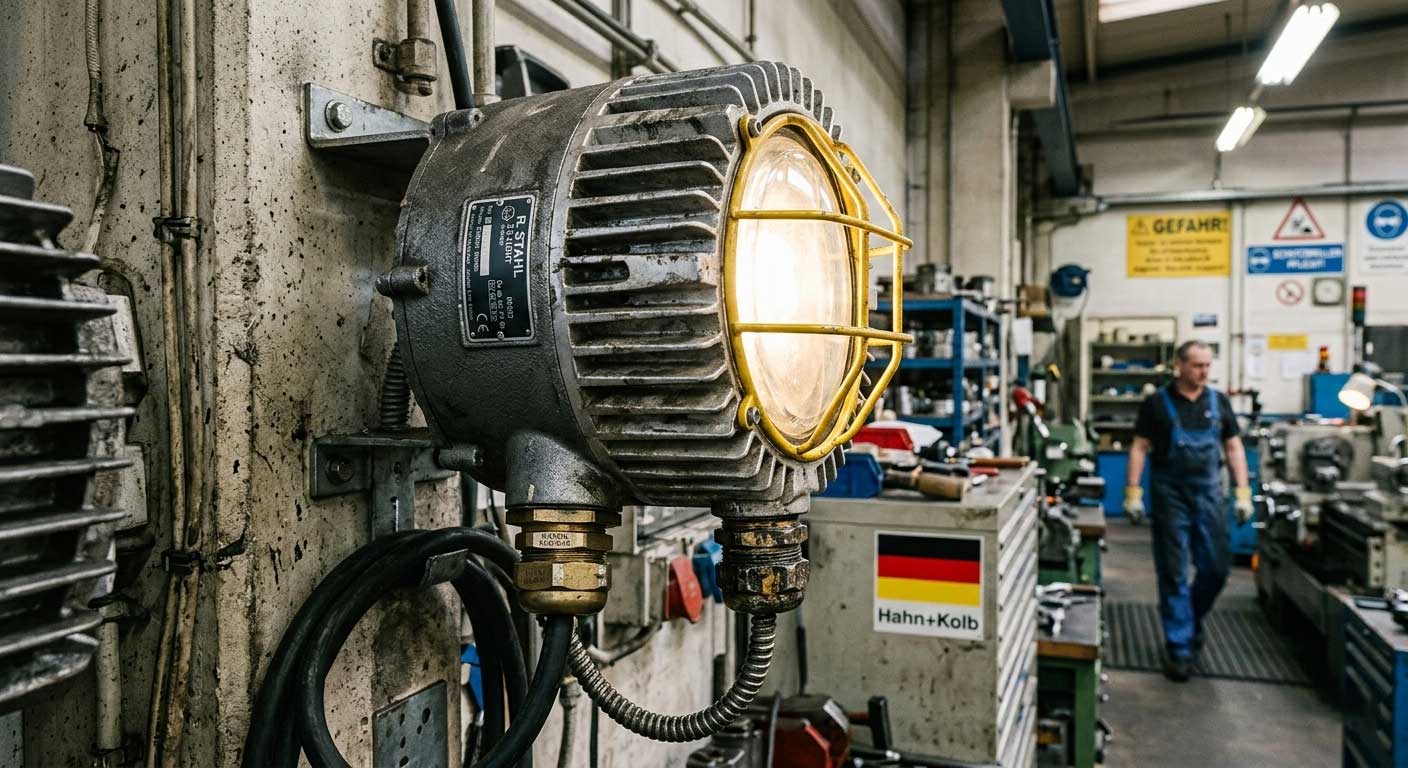
Wattage and certification are part of specification. Installation effort and maintenance access are equally real costs.
Integrated terminal chambers, balanced housing weight, and clear labeling reduce installation errors and time. In a 150-fixture refinery retrofit, adopting fixtures with straightforward terminal access reduced labor hours by nearly 20%.
Technicians in hazardous zones cannot afford confusion. Clear labeling, concise instructions, and practical hardware simplify fieldwork — and reduce interruption during turnarounds.
Labels and certificates matter. Field inspectors do not evaluate slogans; they examine:
Traceability between fixture marking and certification reports prevents last-minute rejections. At SEEKINGLED, we maintain batch-level traceability to avoid surprises.
Documentation is not bureaucracy — it’s safety verification.
Field experience reveals patterns:
✔ Best-engineered explosion-proof lights fail less often.
✘ Common failure modes are gasket fatigue, driver overheating, vibration loosening.
When evaluating fixtures, ask suppliers for:
Real data prevents guesswork.
An explosion-proof light is defined by how it performs under stress — not just how it appears on paper. Proper design balances thermal management, mechanical durability, installation practicality, and verified compliance.
At SEEKINGLED, every fixture we develop goes through rigorous engineering validation and real-world scenario testing. Because in hazardous zones, lighting is not optional — it is part of the safety system.
SEEKINGLED LED Linear Explosion Proof Light and Explosion Proof lighting is ATEX and IECEx certified for Zone 1, Zone 2, Zone 21 and Zone 22 hazardous locations, built for long-term industrial use.
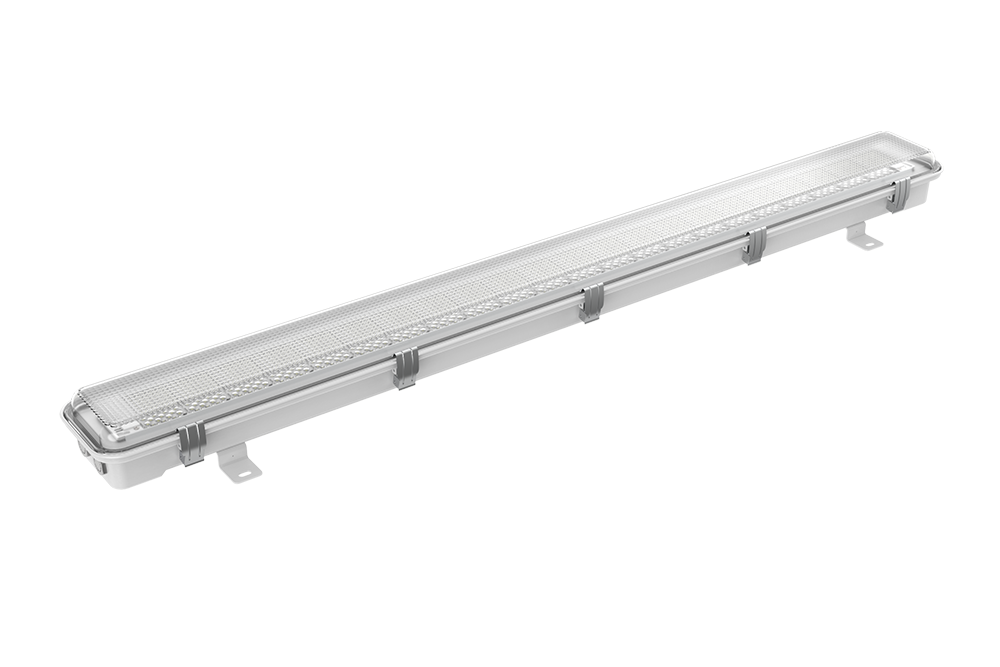
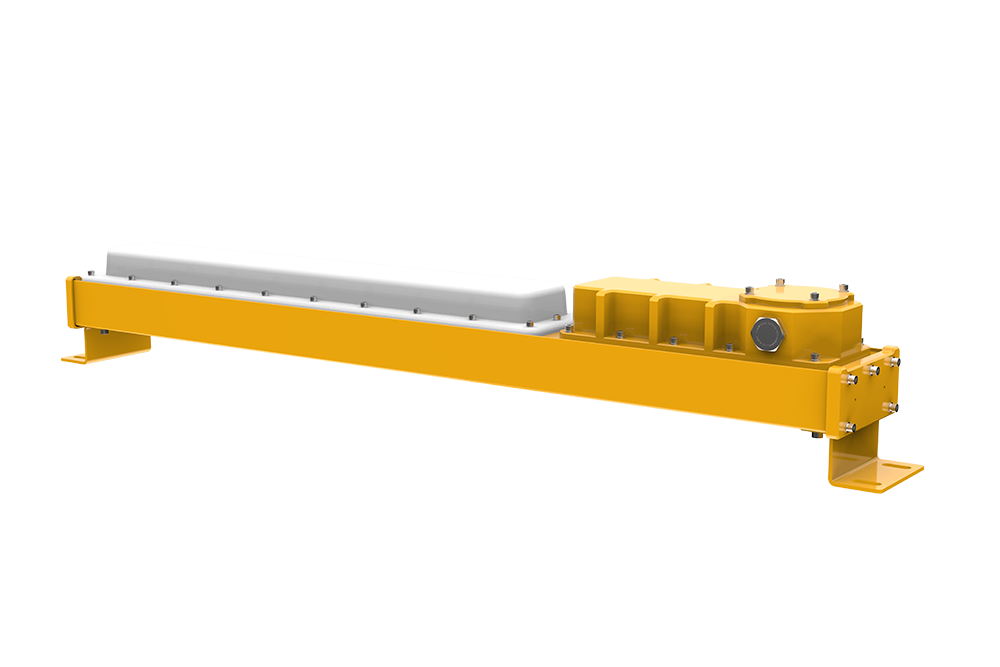
LED Linear Explosion Proof Lights and EX Proof lights for Zone 1, Zone 2, Zone 21 and Zone 22 hazardous areas. ATEX & IECEx certified explosion proof LED linear lighting with emergency function, adjustable power and IP67 protection by SEEKINGLED.
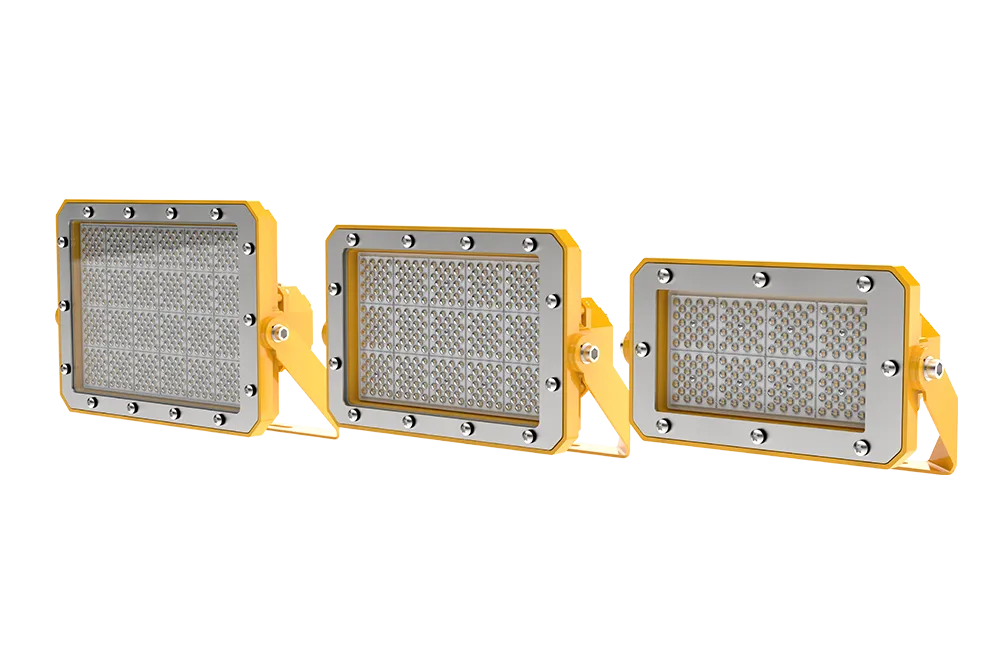
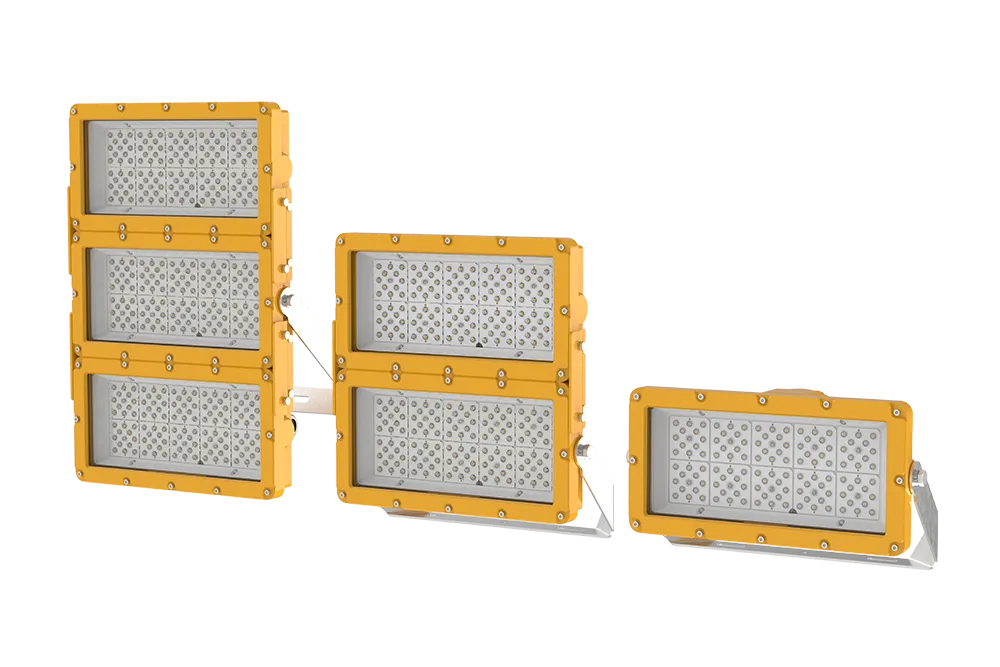
SEEKINGLED LED Explosion Proof Flood Lights are ATEX certified for Zone 2 and Zone 22 hazardous areas, offering high efficiency, adjustable power and integrated junction box.
SEEKINGLED LED Explosion Proof Flood Lights are flameproof ATEX and IECEx certified for Zone 1 and Zone 2 hazardous areas, offering high power, adjustable output and long service life.
SEEKINGLED LED Gas Station Canopy Lights are ATEX certified for Zone 2 and Zone 22 hazardous areas, featuring adjustable power and built-in explosion-proof junction box.
ATEX: Ex II 2G Ex db IIB T6/T5 GbEx II 2D Ex tb IIIC T80°C/ T95°C Db IECEx Ex db IIB T6 Gb;Ex tb IIIC T80°C Db Feature: ● For Zone 1,2 and Zone 21,22● Flameproof type, the strongest● 100W can replace 250W HID,energy saving● Power:60W,80W,10…
ATEX: II 3G Ex nR ⅡC T5/T6 GcII 3D Ex tc ⅢC T80℃/T95℃Dc ATEX Certificate NO: TÜV CY 26 ATEX 0207611 X Feature: ● For Zone 2 and Zone 22● 150W can replace 250W HID lamps,Energy saving● Power:50W,75W,100W,150W,200W Application: Oil and gas, m…
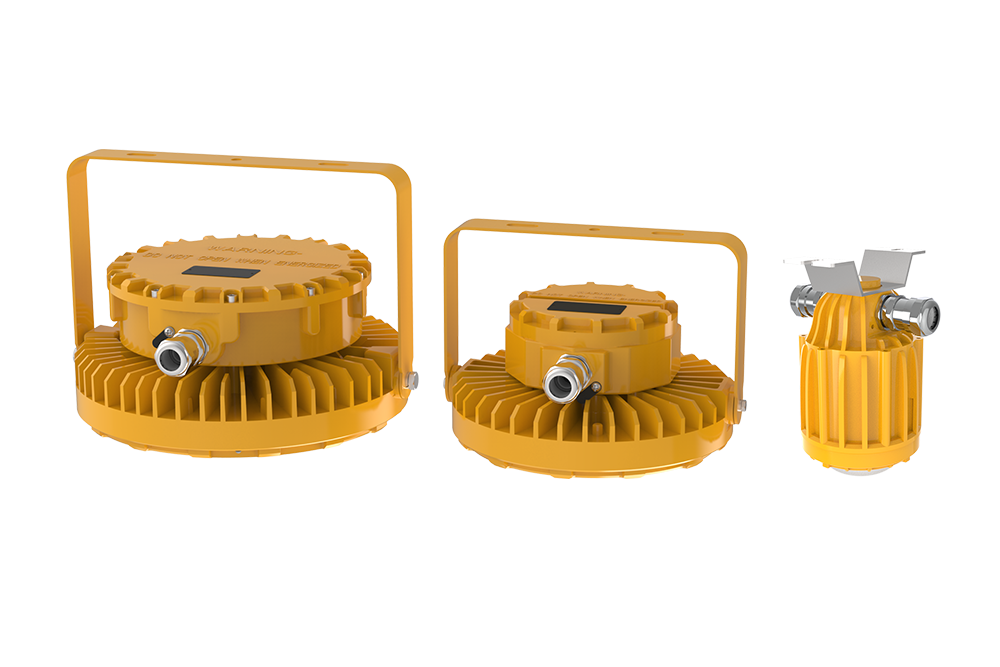
LED explosion proof high bay lights are designed for Zone 1, Zone 2, Zone 21 and Zone 22 hazardous areas. This page introduces the HB21 Series from SEEKING, including certifications, power options and real application considerations.
LED Linear Explosion Proof Lights from SEEKINGLED. LU Series Flame Proof lights ATEX-certified explosion proof LED linear lighting for Zone 2 gas and Zone 22 dust areas, IP69K, IK10, long lifetime and flexible power options.
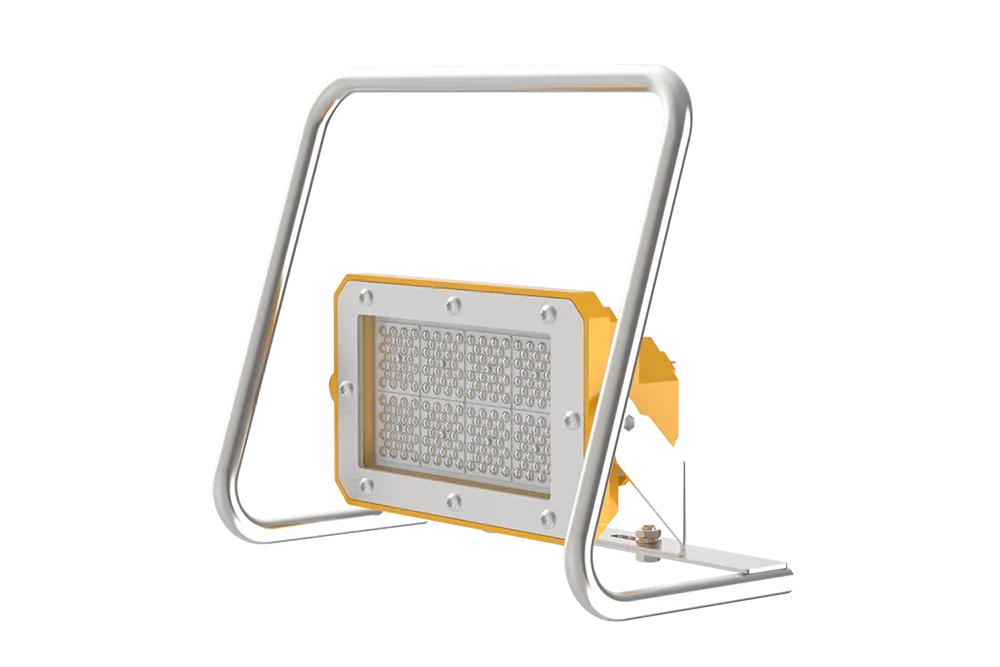
Certified explosion proof work lights for Zone 1 & 21 hazardous areas. Portable, ATEX & IECEx approved, built for oil, gas and chemical plants by SEEKINGLED.
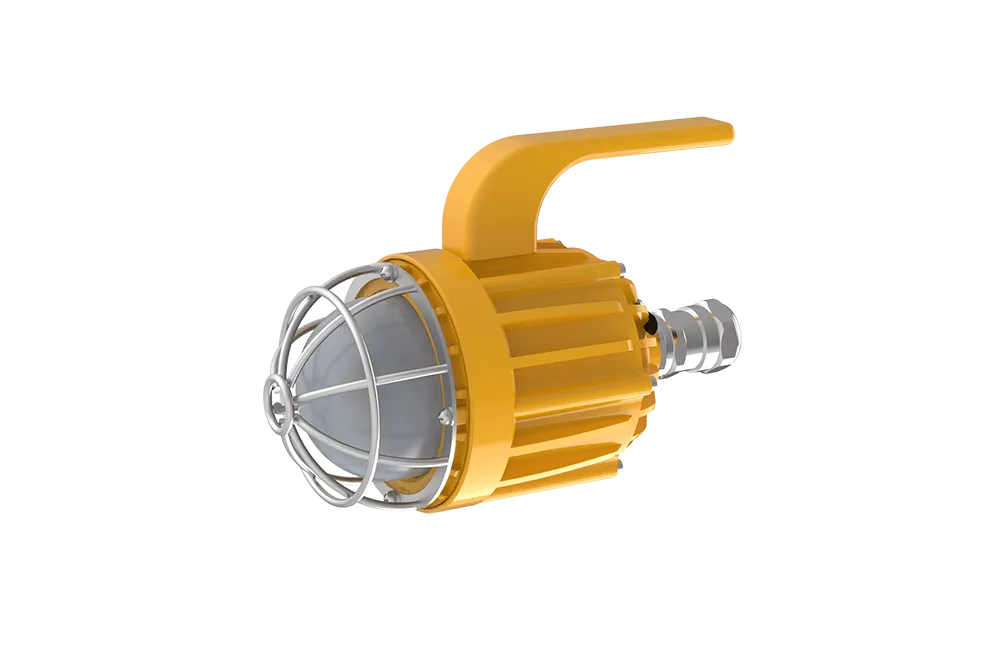
ATEX: II 3G Ex nR ⅡC T6 GcII 3D Ex tc ⅢC T80℃ Dc ATEX Certificate NO: TÜV CY 26 ATEX 0207611 X Feature: ● For Zone 2 and Zone 22● Accepts battery-powered supply● indestructible● Power:AC input:50W,75W,100WDC input:15W,25W,35W Application: O…
ATEX: Ex II 2G Ex db IIB T6 GbEx II 2D Ex tb IIIC T80°C Db IECEx Ex db IIB T6 Gb;Ex tb IIIC T80°C Db Feature: ● For Zone 1,2 and Zone 21,22● Flameproof type, the strongest Application: Oil and gas, marine, Chemical, pharmaceutical, semicondu…
ATEX: Ex II 2G Ex db IIB T6 GbEx II 2D Ex tb IIIC T80°C Db IECEx Ex db IIB T6 Gb;Ex tb IIIC T80°C Db Feature: ● For Zone 1,2 and Zone 21,22● Flameproof type, the strongest Application: Oil and gas, marine, Chemical, pharmaceutical, semicondu…
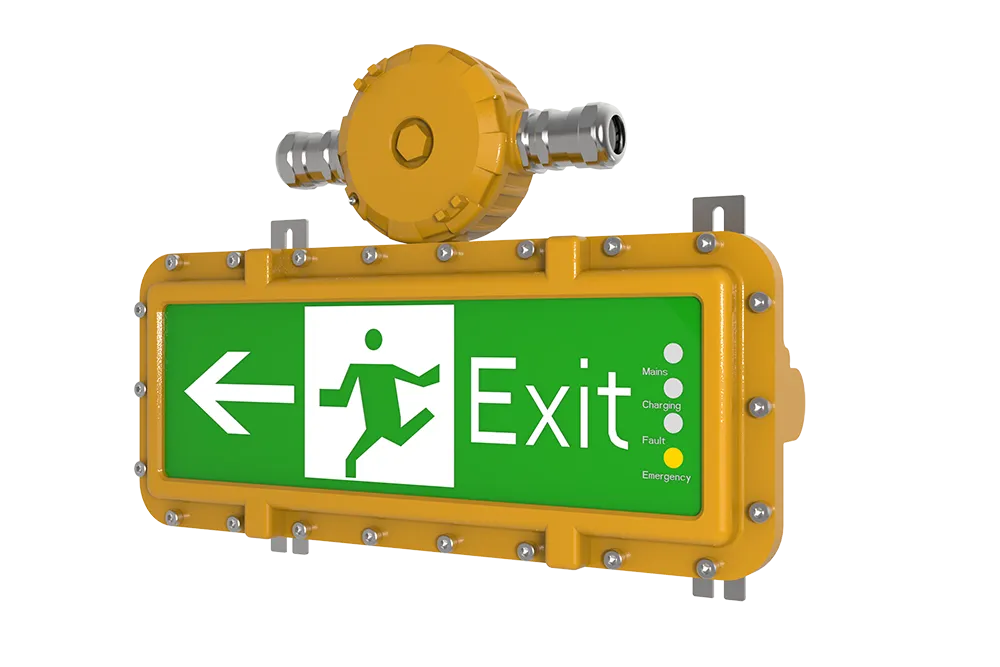
ATEX: Ex II 2G Ex d e IIB T6 Gb ATEX: Ex d e IIB T6 Gb; Feature: ● For Zone 1,2● 9W can replace 18W fluorescent lamps,50% Energy saving Application: Oil and gas, marine, Chemical, pharmaceutical, semiconductor,mining,military industry, pain…
loading…
This is the last post!
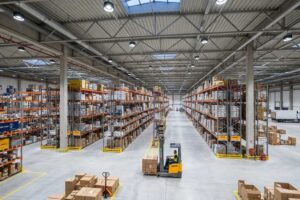
Discover what are high bay lights, how they work, where they are used, and why LED high bay solutions improve industrial lighting efficiency.
View details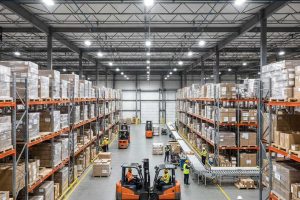
Where to find high quality high bay LED lights wholesale? This Q&A explains trusted sourcing channels, factory criteria, and how to evaluate wholesale suppliers.
View details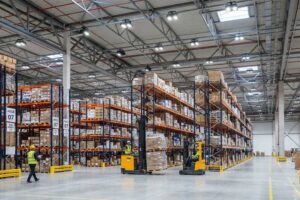
Discover what is high bay lighting, how LED high bay systems work, where they are used, and why industries choose efficient lighting solutions.
View details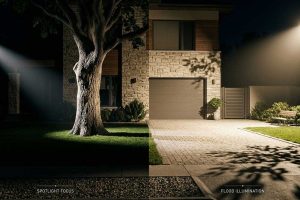
What is the difference between spot and flood LED lights? Learn beam angles, brightness, and real-world uses to choose the right lighting with SEEKINGLED expert tips.
View details