 Seeking LED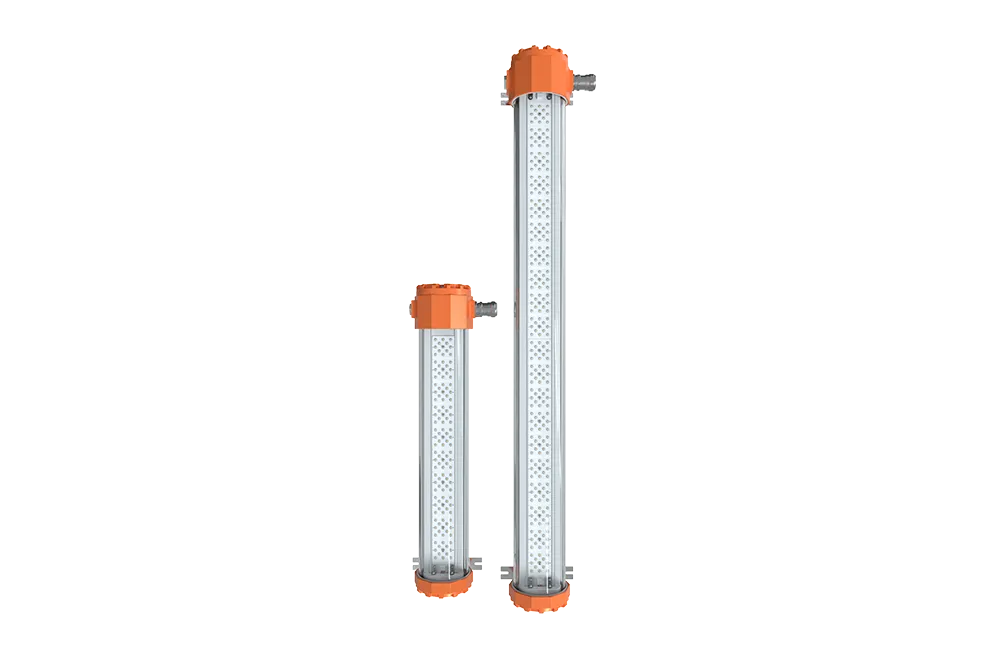
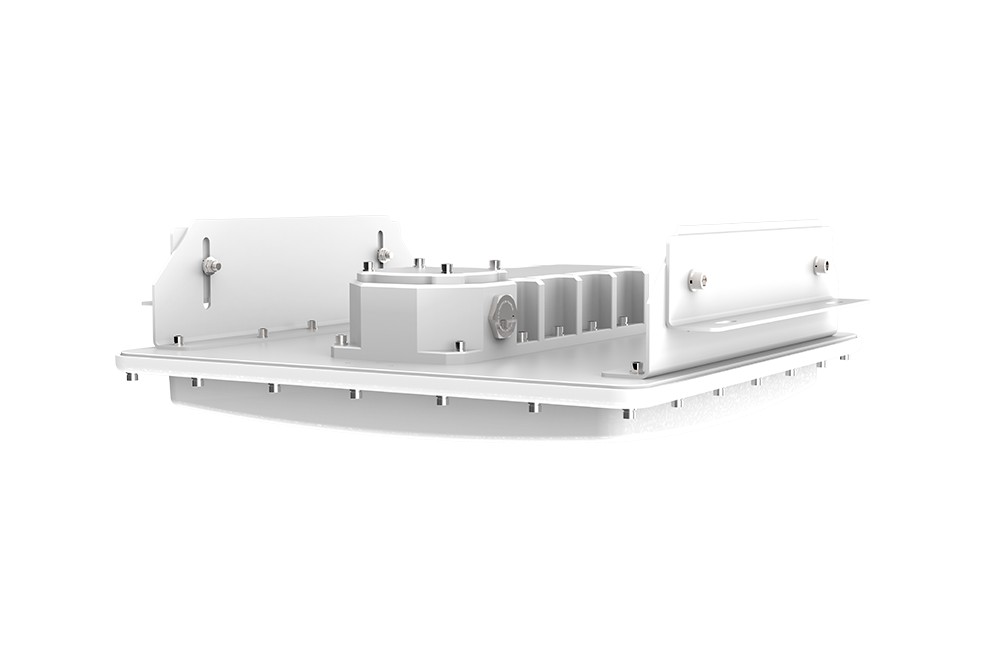
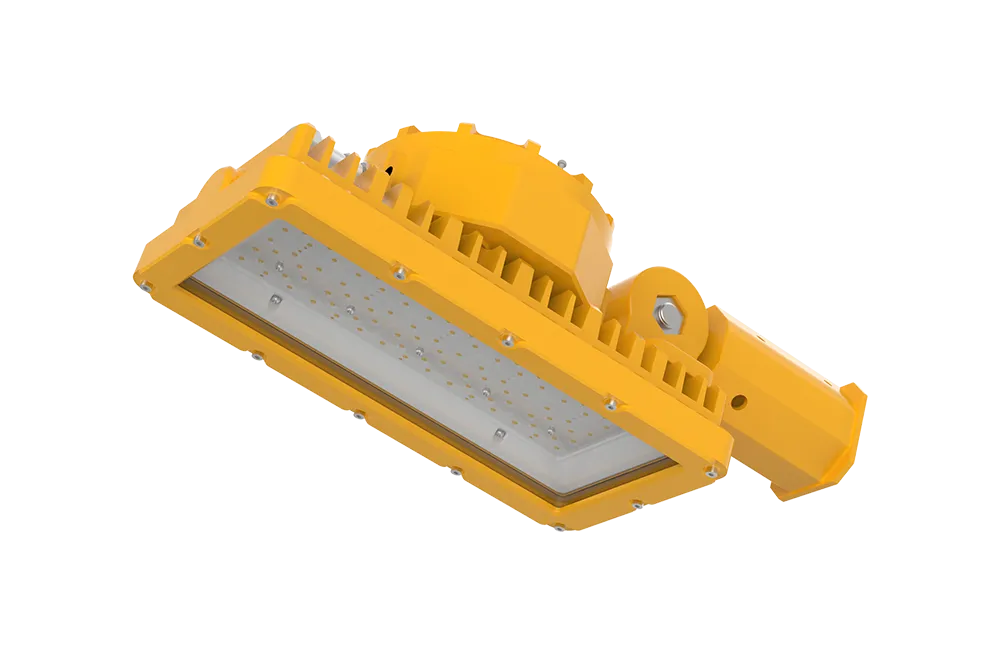
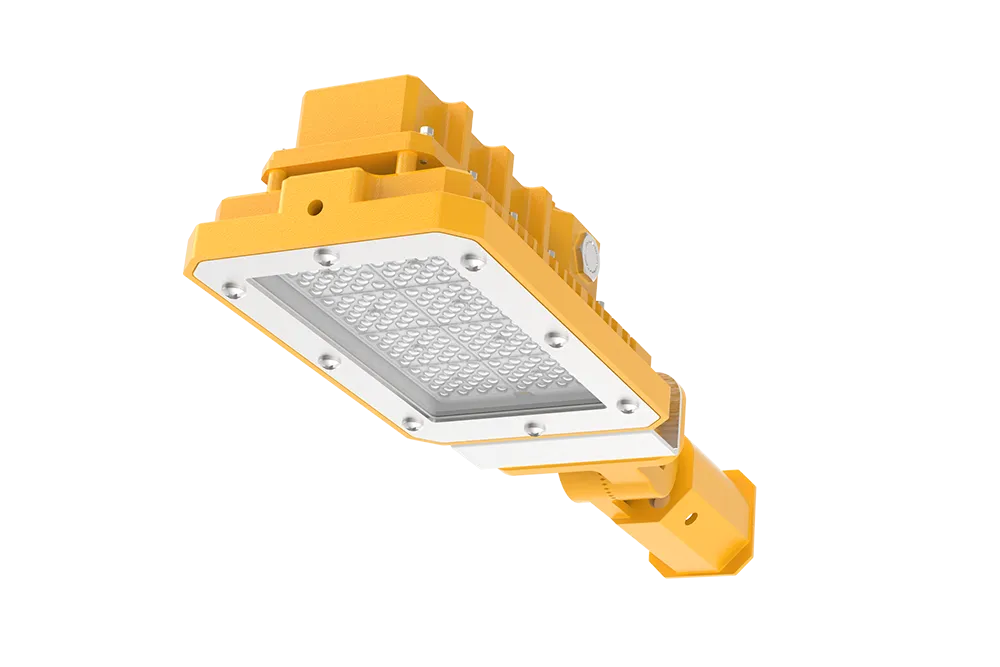
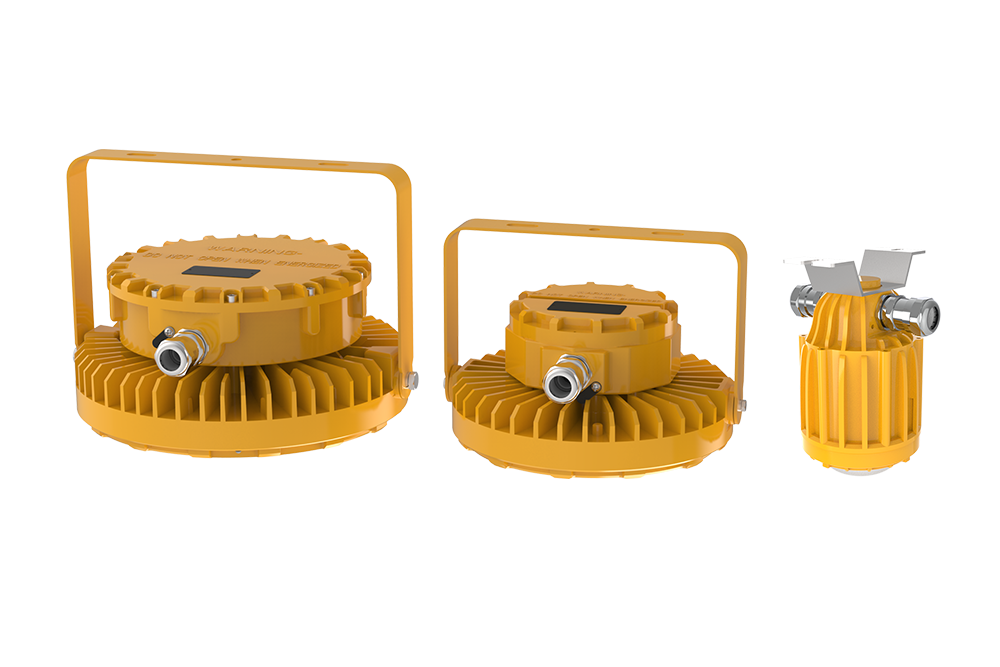
What Is Explosion Proof LED Lighting Class 1 Division 1 and Why Is It So Strict?
172Explosion proof LED lighting Class 1 Division 1 for high-risk locations. Certified safety, stable output, and long-term reliability by SEEKINGLED.
View detailsSearch the whole station
A 60w led explosion proof light sounds simple on paper. Sixty watts. LED. Hazardous location certified. But after more than a decade working on refinery retrofits and offshore lighting upgrades, I can say clearly: wattage is the least interesting number in the specification sheet.
At SEEKINGLED, I’ve been directly involved in product validation, thermal simulation, and field commissioning across oil and gas sites in Southeast Asia and the Middle East. I’ve seen fixtures pass lab tests and still struggle in harsh environments. I’ve also seen well-designed 60W units outperform higher-wattage alternatives simply because the engineering was right.
This article is not theoretical. It reflects site reality.
In hazardous areas, especially Zone 1 and Zone 2, lighting layouts are calculated carefully. A 60w led explosion proof light often replaces older 100W–150W HID luminaires due to higher luminous efficacy.
According to the U.S. Department of Energy, LED systems can reduce industrial lighting energy use by 50–70% compared to high-intensity discharge (HID) technologies. In practice, I’ve seen 60W LED explosion proof fixtures deliver 7,000–9,000 lumens depending on optical design — more than sufficient for walkways, pump stations, and pipe rack zones.
The benefit is not only energy savings:
But LED efficiency alone does not make it safe. Hazardous compliance does.
Explosion protection standards are defined globally by the International Electrotechnical Commission under IEC 60079. In Europe, ATEX aligns with these requirements. In North America, hazardous location classifications are structured under NEC guidelines administered by the National Fire Protection Association.
A 60w led explosion proof light must meet:
I once participated in a project where inspectors rejected several fixtures because the surface temperature exceeded declared limits at 50°C ambient. The difference was less than 10°C — but that margin determines safety approval.
Certification marking must match test documentation exactly. No shortcuts.
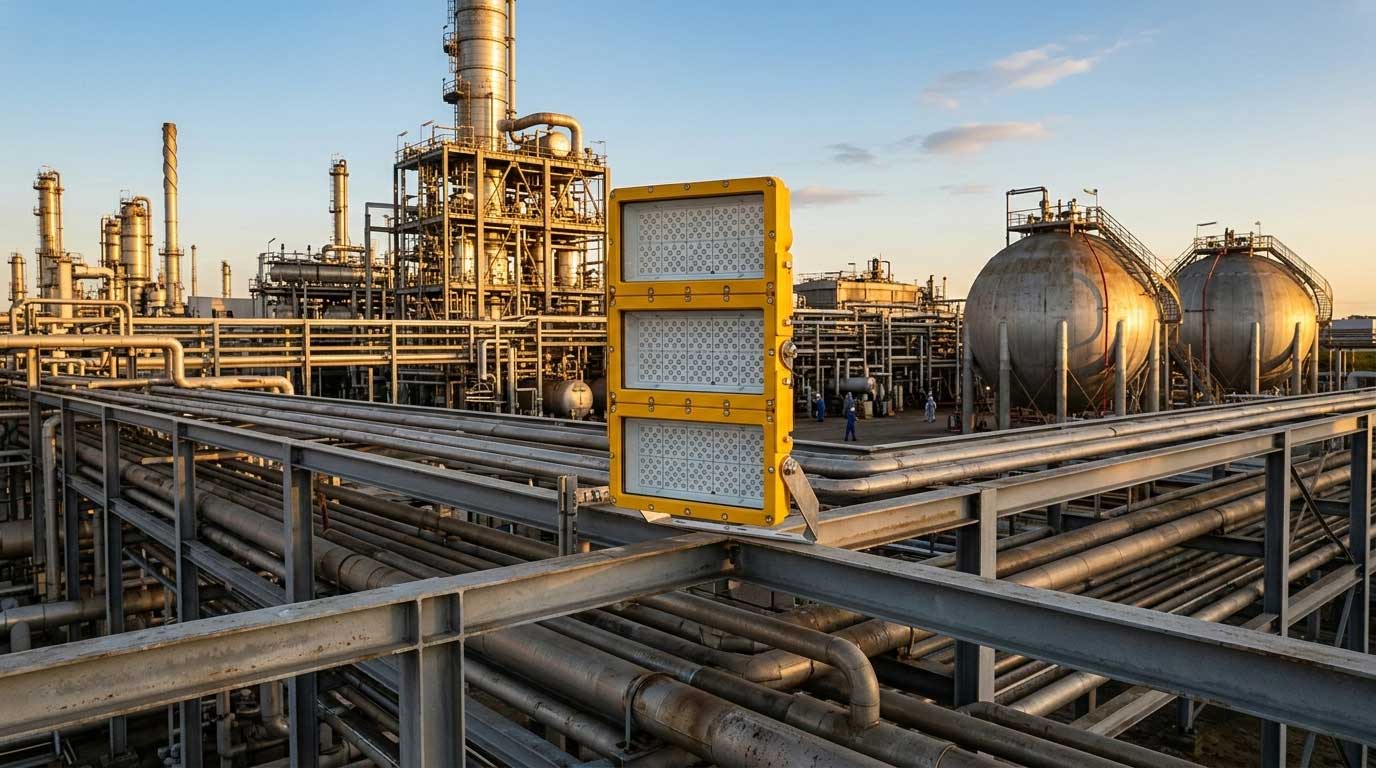
A 60w led explosion proof light may appear compact, but sealing an LED driver and heat source inside a flameproof housing creates thermal stress.
LED chips are efficient, yet drivers generate heat continuously. In tropical installations where ambient temperature can reach 45–55°C, internal thermal accumulation becomes serious.
In our validation process at SEEKINGLED:
Failures rarely occur on day one. They appear months later if thermal margin is insufficient. Good aluminum mass, optimized heat sink fins, and driver positioning matter more than marketing claims.
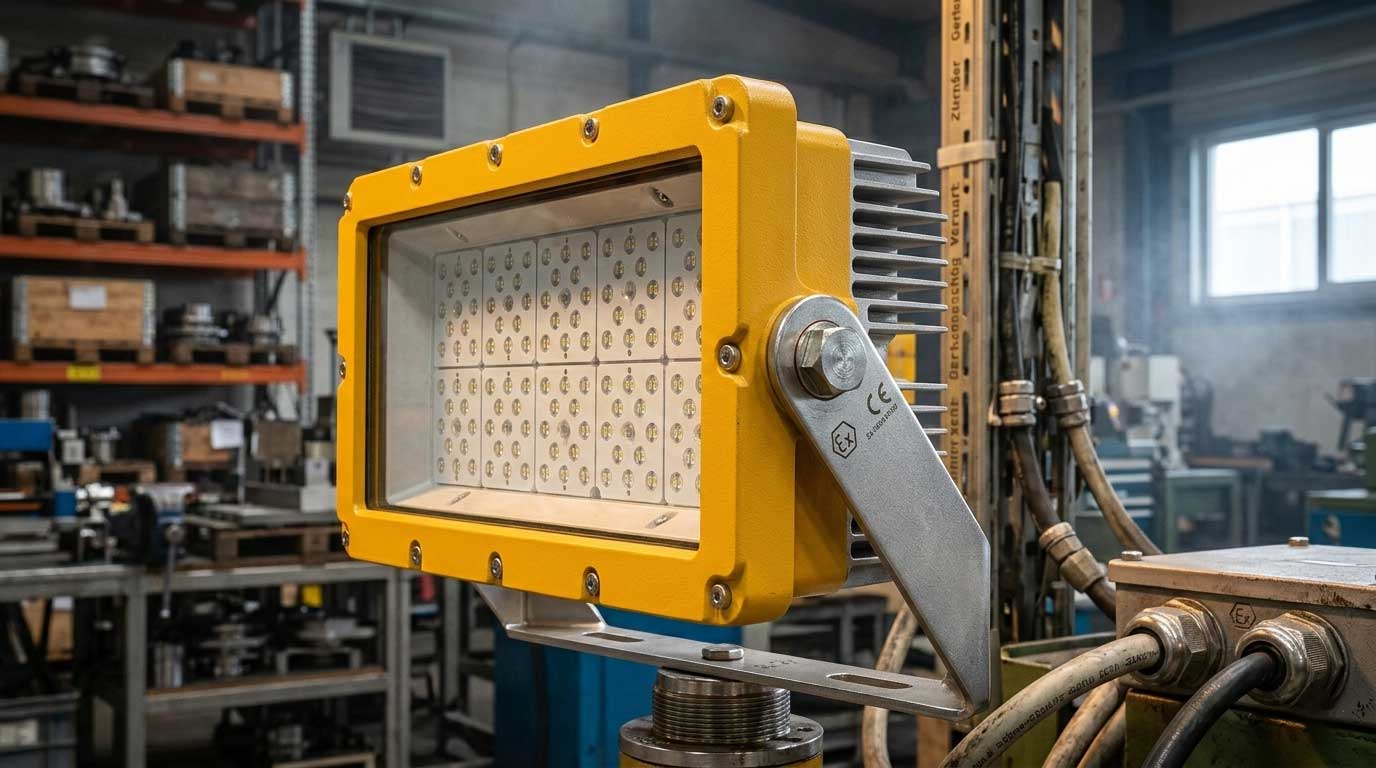
Oil platforms vibrate. Chemical plants corrode. Grain facilities generate dust.
The International Energy Agency emphasizes that system reliability directly affects long-term energy performance in industrial operations. From experience, mechanical durability determines lifecycle cost more than wattage.
For a 60w led explosion proof light, this means:
On an offshore replacement project, I saw fixtures only four years old already compromised by salt corrosion around cable entries. Since then, we upgraded material selection and coating thickness.
Design evolves from mistakes.
Many procurement teams focus on unit price. But installation time is often the hidden cost. Integrated terminal chambers, balanced bracket design, and lighter housing weight reduce labor hours.
In one 120-unit refinery retrofit, switching to improved mounting alignment saved roughly 15–20% installation time. That matters.
A 60w led explosion proof light should not complicate field work. Technicians working at height need straightforward access and secure mounting.
After years in hazardous lighting engineering, I’ve learned that a 60w led explosion proof light is not defined by wattage alone. It must balance compliance, thermal stability, corrosion resistance, and installation practicality.
When properly engineered and certified, a 60w led explosion proof light provides stable illumination, reduces energy consumption, and supports long-term operational safety in hazardous environments.
At SEEKINGLED, that balance between safety and efficiency guides every design decision we make.
And in oil and gas facilities, that discipline is not optional.
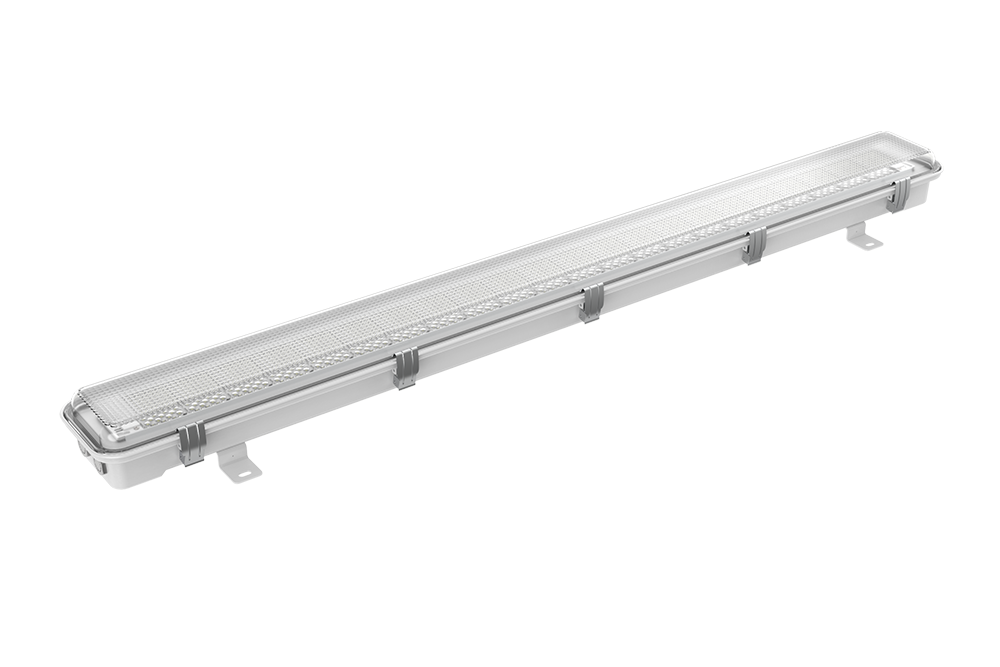
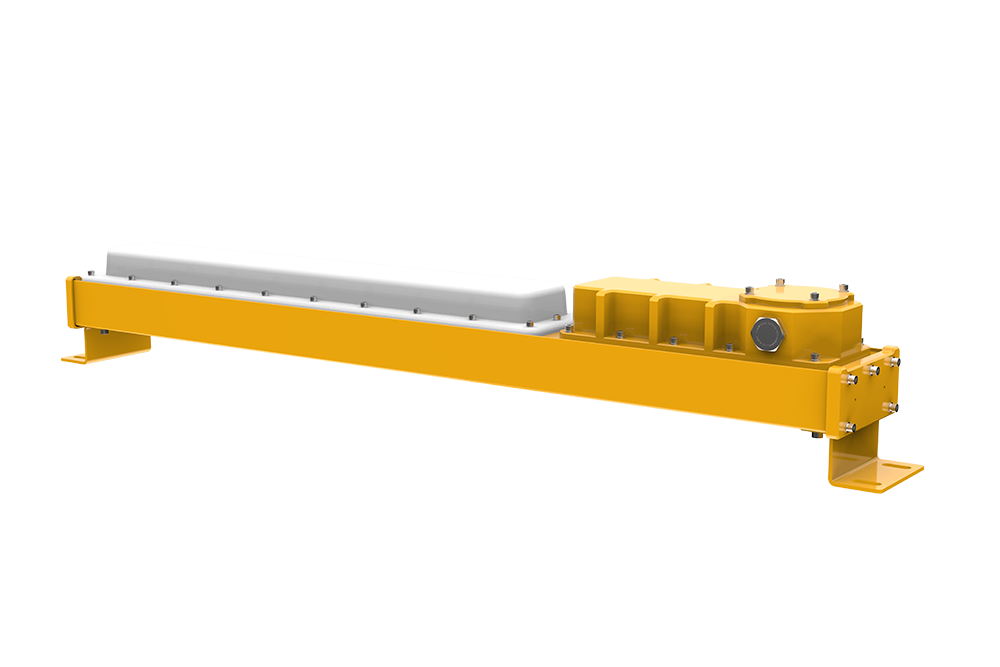
SEEKINGLED LED Linear Explosion Proof Light and Explosion Proof lighting is ATEX and IECEx certified for Zone 1, Zone 2, Zone 21 and Zone 22 hazardous locations, built for long-term industrial use.
LED Linear Explosion Proof Lights and EX Proof lights for Zone 1, Zone 2, Zone 21 and Zone 22 hazardous areas. ATEX & IECEx certified explosion proof LED linear lighting with emergency function, adjustable power and IP67 protection by SEEKINGLED.
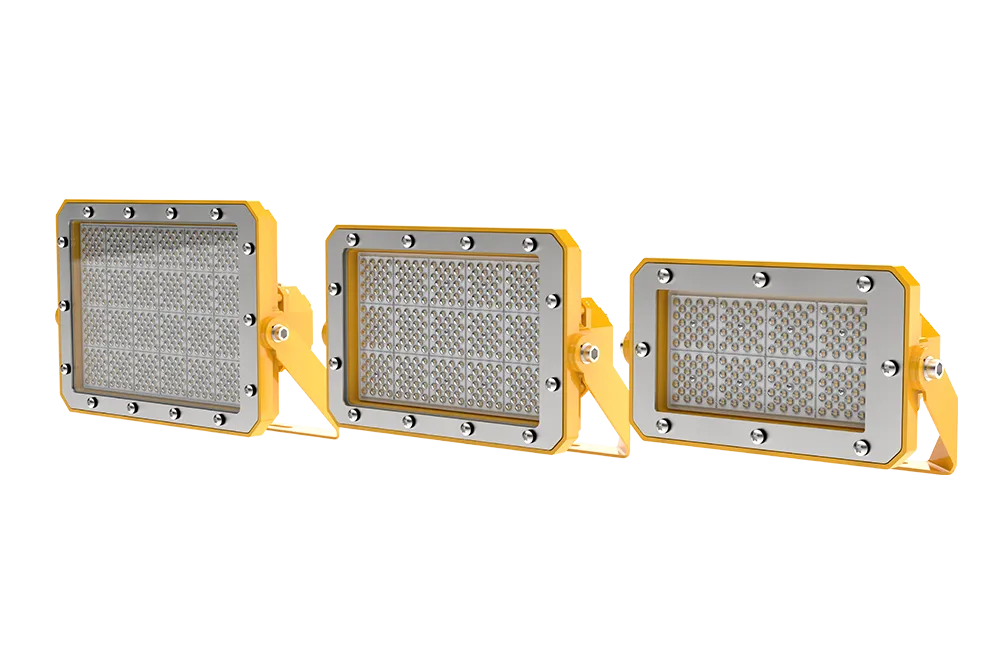
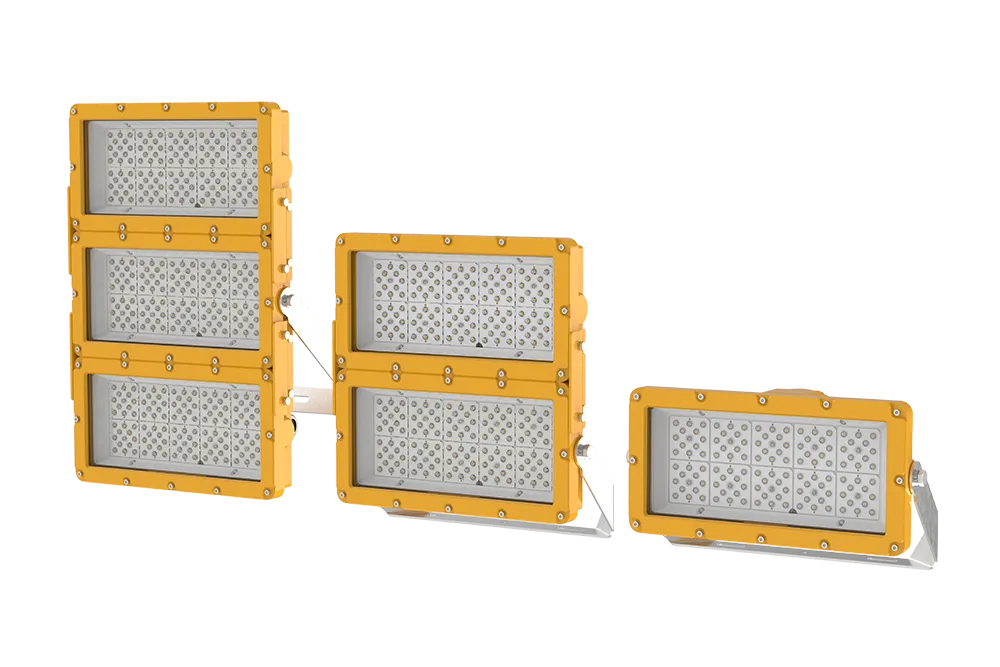
SEEKINGLED LED Explosion Proof Flood Lights are ATEX certified for Zone 2 and Zone 22 hazardous areas, offering high efficiency, adjustable power and integrated junction box.
SEEKINGLED LED Explosion Proof Flood Lights are flameproof ATEX and IECEx certified for Zone 1 and Zone 2 hazardous areas, offering high power, adjustable output and long service life.
SEEKINGLED LED Gas Station Canopy Lights are ATEX certified for Zone 2 and Zone 22 hazardous areas, featuring adjustable power and built-in explosion-proof junction box.
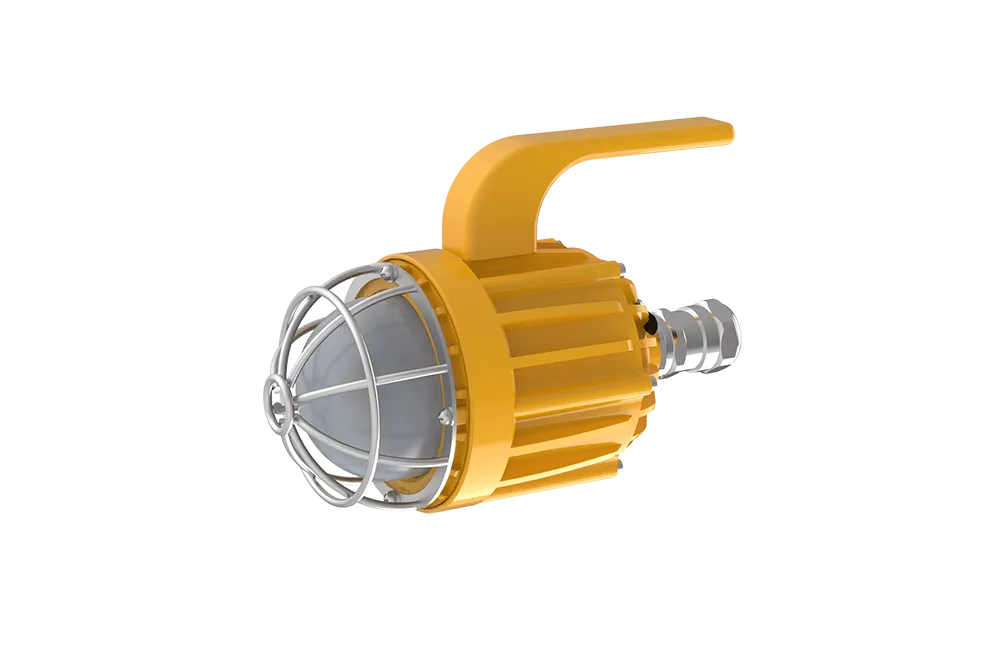
ATEX: Ex II 2G Ex db IIB T6/T5 GbEx II 2D Ex tb IIIC T80°C/ T95°C Db IECEx Ex db IIB T6 Gb;Ex tb IIIC T80°C Db Feature: ● For Zone 1,2 and Zone 21,22● Flameproof type, the strongest● 100W can replace 250W HID,energy saving● Power:60W,80W,10…
ATEX: II 3G Ex nR ⅡC T5/T6 GcII 3D Ex tc ⅢC T80℃/T95℃Dc ATEX Certificate NO: TÜV CY 26 ATEX 0207611 X Feature: ● For Zone 2 and Zone 22● 150W can replace 250W HID lamps,Energy saving● Power:50W,75W,100W,150W,200W Application: Oil and gas, m…
LED explosion proof high bay lights are designed for Zone 1, Zone 2, Zone 21 and Zone 22 hazardous areas. This page introduces the HB21 Series from SEEKING, including certifications, power options and real application considerations.
LED Linear Explosion Proof Lights from SEEKINGLED. LU Series Flame Proof lights ATEX-certified explosion proof LED linear lighting for Zone 2 gas and Zone 22 dust areas, IP69K, IK10, long lifetime and flexible power options.
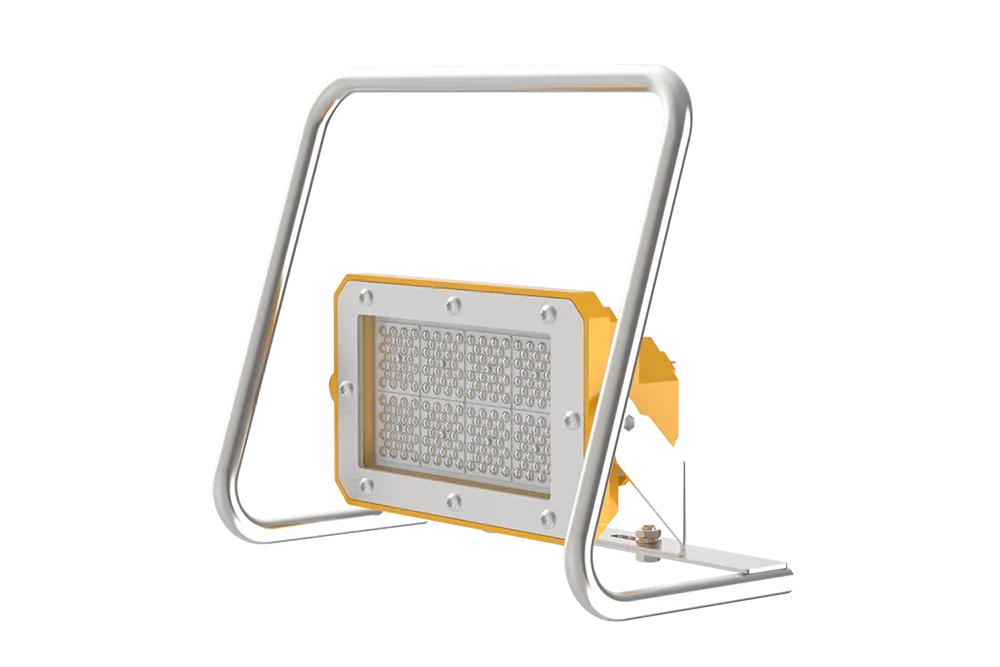
Certified explosion proof work lights for Zone 1 & 21 hazardous areas. Portable, ATEX & IECEx approved, built for oil, gas and chemical plants by SEEKINGLED.
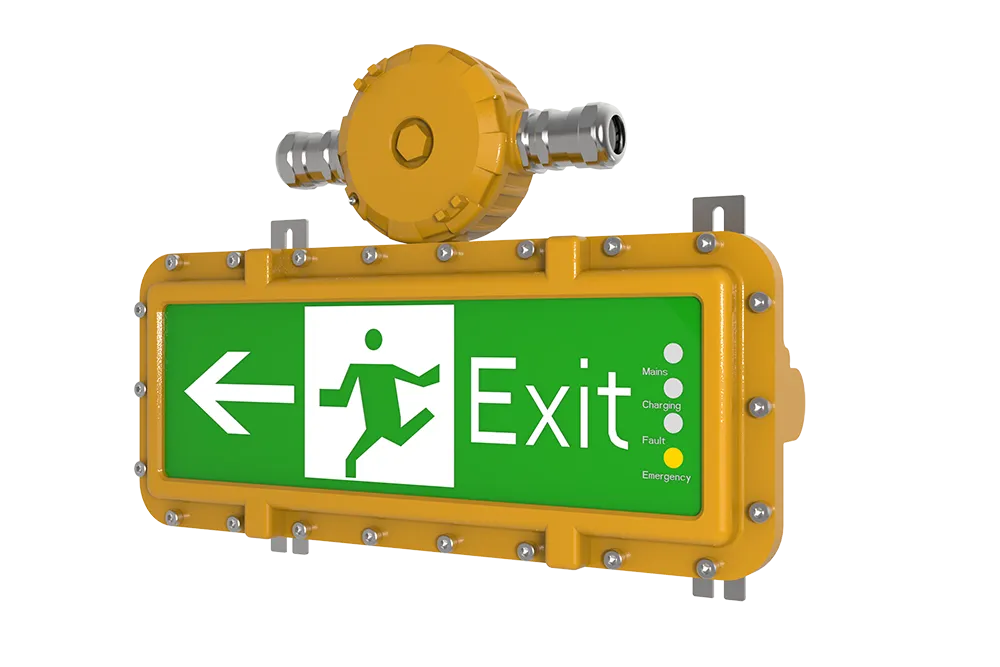
ATEX: II 3G Ex nR ⅡC T6 GcII 3D Ex tc ⅢC T80℃ Dc ATEX Certificate NO: TÜV CY 26 ATEX 0207611 X Feature: ● For Zone 2 and Zone 22● Accepts battery-powered supply● indestructible● Power:AC input:50W,75W,100WDC input:15W,25W,35W Application: O…
ATEX: Ex II 2G Ex db IIB T6 GbEx II 2D Ex tb IIIC T80°C Db IECEx Ex db IIB T6 Gb;Ex tb IIIC T80°C Db Feature: ● For Zone 1,2 and Zone 21,22● Flameproof type, the strongest Application: Oil and gas, marine, Chemical, pharmaceutical, semicondu…
ATEX: Ex II 2G Ex db IIB T6 GbEx II 2D Ex tb IIIC T80°C Db IECEx Ex db IIB T6 Gb;Ex tb IIIC T80°C Db Feature: ● For Zone 1,2 and Zone 21,22● Flameproof type, the strongest Application: Oil and gas, marine, Chemical, pharmaceutical, semicondu…
ATEX: Ex II 2G Ex d e IIB T6 Gb ATEX: Ex d e IIB T6 Gb; Feature: ● For Zone 1,2● 9W can replace 18W fluorescent lamps,50% Energy saving Application: Oil and gas, marine, Chemical, pharmaceutical, semiconductor,mining,military industry, pain…
loading…
This is the last post!
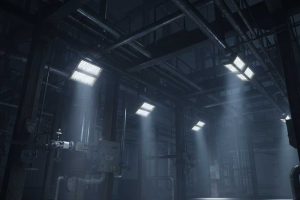
Explosion proof LED lighting Class 1 Division 1 for high-risk locations. Certified safety, stable output, and long-term reliability by SEEKINGLED.
View details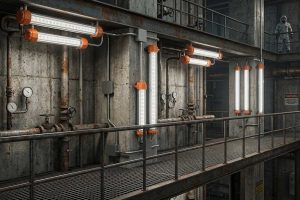
What is an explosion-proof fluorescent light fixture? Learn how sealed housings, flameproof design, and certifications ensure safe lighting in hazardous areas.
View details
SEEKINGLED announces the relocation of its Shenzhen office to Guole Science and Technology Park, supporting continued growth in explosion proof lights, LED flood lights, street lighting and industrial LED solutions.
View details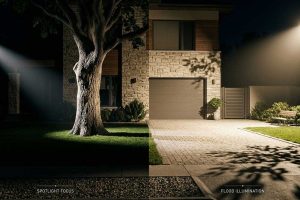
What is the difference between spot and flood LED lights? Learn beam angles, brightness, and real-world uses to choose the right lighting with SEEKINGLED expert tips.
View details