Question: Can you use indoor LED flood lights outdoor?
Short answer: Usually no. Sometimes people do it temporarily. But in real installations, it’s not a good idea.
I’ve seen this situation many times on job sites. Someone has extra indoor flood lights sitting in a warehouse. The outdoor lights haven’t arrived yet. The project manager says, “Just mount those indoors units outside for now.” Sounds simple. But it rarely ends well.
At SEEKINGLED, we’ve worked with contractors, stadium installers, warehouse operators, and even municipal lighting teams. One pattern repeats: indoor flood lights fail quickly when exposed to weather. Not always immediately — sometimes after a few rainy weeks or a cold winter. But they fail.
So if you’re wondering can you use indoor LED flood lights outdoor, let’s talk about what actually happens in the field.
Why Indoor LED Flood Lights Struggle Outdoors
Indoor flood lights are designed for controlled environments. Think warehouses, factories, or retail ceilings. Air is dry. Temperatures are stable. Wind, rain, dust — basically nonexistent.
Outdoors is different. Very different.
Outdoor flood lights must survive:
- Rain and humidity
- Dust and insects
- Temperature swings
- UV exposure
- Wind vibration
Indoor fixtures simply aren’t built for that.
The most obvious difference is the IP rating.
Indoor fixtures often carry IP20 or IP40 protection. That means basic protection against solid objects — not water. Outdoor fixtures usually start at IP65, sometimes IP66 or IP67.
Once rain gets inside a driver compartment, corrosion begins. Not instantly. Slowly. Drivers start flickering. Then one night the light simply doesn’t turn on.
I’ve opened failed fixtures before. Water marks everywhere.
The Real Problem: Moisture and Drivers
LED chips themselves are fairly durable. The weak point is usually the LED driver.
Moisture does three things:
- Causes internal corrosion
- Creates short circuits
- Degrades insulation over time
I remember one warehouse yard installation where someone mounted indoor lights above loading docks. First storm of the season — heavy rain with wind. Within three weeks, nearly half the lights were flickering.
They worked… until they didn’t.
Replacing them cost more than installing proper outdoor fixtures from the start.
That’s why at SEEKINGLED, we always recommend selecting the right flood light type from the beginning.
When People Do Use Indoor Flood Lights Outside
Now, to be honest — yes, people sometimes do it.
But only under certain conditions.
For example:
- Temporary construction lighting
- Covered outdoor structures
- Areas with deep roof overhangs
Even then, it’s risky.
If a fixture is installed under a canopy where rain never reaches it, an indoor light might survive. But even humidity and temperature differences can shorten its lifespan.
So when customers ask us can you use indoor LED flood lights outdoor, our answer is straightforward: you shouldn’t rely on it for permanent lighting.
Here’s what separates proper outdoor flood lights from indoor ones.
Outdoor LED flood lights typically include:
- IP65 or higher waterproof rating
- Silicone sealing gaskets
- Anti-corrosion coating
- Tempered glass lenses
- Waterproof cable entries
- Wider operating temperature range
Indoor fixtures often skip these features because they aren’t needed indoors.
This is why indoor vs outdoor LED flood lights are priced differently. You’re not just paying for brightness — you’re paying for durability.
Why IP Rating Matters More Than People Think
The IP rating tells you exactly how protected a fixture is against dust and water.
For outdoor lighting, these levels matter:
- IP65 – protected from rain and water jets
- IP66 – stronger protection against heavy water spray
- IP67 – can handle temporary immersion
For yards, parking lots, and building exteriors, IP65 is usually the minimum.
Indoor lights rarely reach that level.
So if you’re wondering are indoor LED flood lights waterproof, the answer is simple: most are not.
Real Outdoor Lighting Requires Proper Design
Another issue people forget about is heat and airflow.
Outdoor fixtures face:
- Direct sunlight
- Hot summer days
- Cold winters
Drivers must handle these changes. Outdoor flood lights from manufacturers like SEEKINGLED are designed with heat sinks and ventilation structures to maintain stable temperatures.
Indoor lights often assume stable indoor climates.
Put them outside, and thermal stress begins.
When Choosing Outdoor Flood Lights, Look for These
If you’re installing outdoor lighting, here’s what actually matters:
- IP65 or higher waterproof rating
- Aluminum housing for heat dissipation
- Surge protection (especially for outdoor grids)
- UV-resistant coatings
- Reliable LED drivers
These factors determine whether your lights last two years or ten years.
At SEEKINGLED, we design flood lights specifically for industrial yards, sports lighting, and building exteriors. Outdoor environments demand it.
Final Verdict
So, can you use indoor LED flood lights outdoor?
Technically — yes, for a short time in protected areas.
Practically — no, not if you want reliability.
Rain, humidity, and temperature shifts will eventually damage indoor fixtures. Outdoor-rated flood lights exist for a reason.
If you’re planning a permanent installation, choosing the right fixture from the start saves money, time, and a lot of headaches later.
That’s the advice we give customers at SEEKINGLED every day.
LED flood light flash recommended
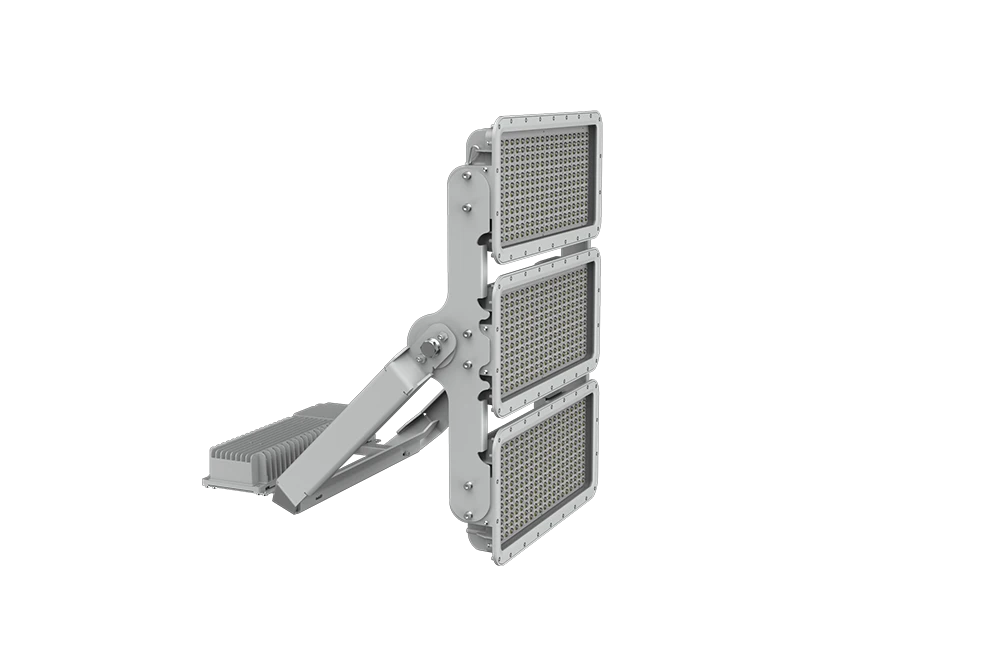
Sports Stadium LED Lighting by SEEKINGLED delivers high mast illumination, precise beam control, and EN 12193 compliant performance for professional venues.
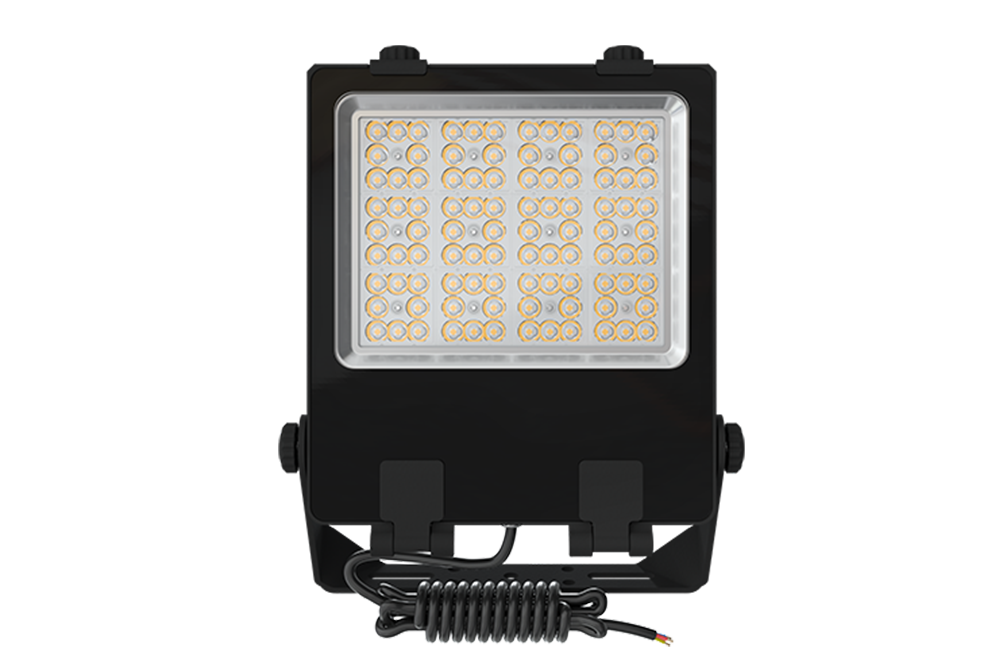
SEEKING FLX Series LED flood light outdoor for sports courts and open-area projects with 170lm/W efficiency, IP66 protection and multiple beam distributions. Designed for long-life commercial and public outdoor use.
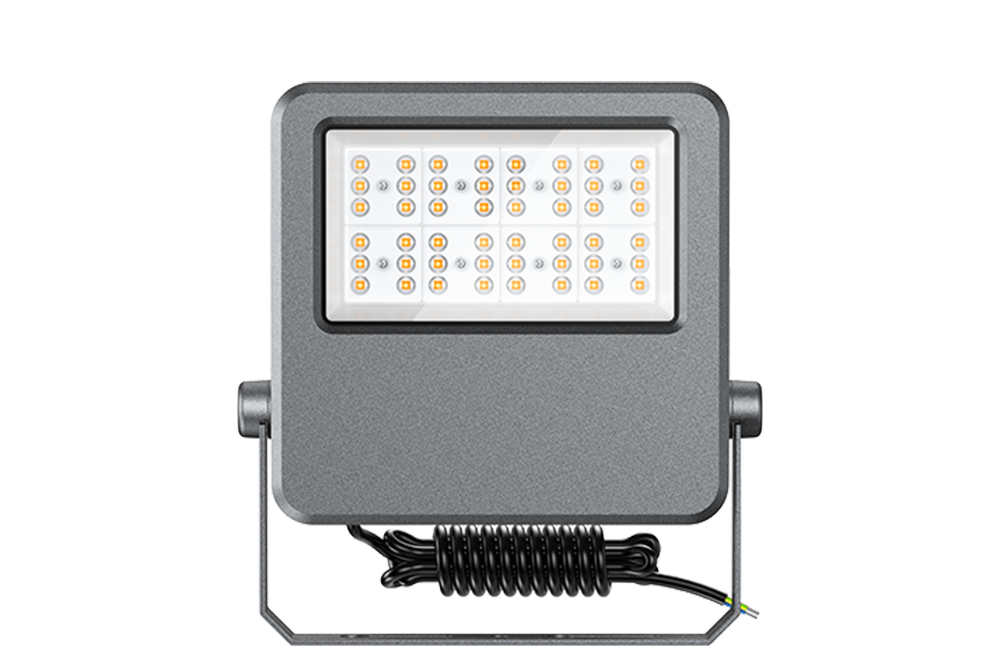
SEEKING FLE Series LED outdoor flood lights for sports grounds and open areas with multiple beam angles, IP66 protection and up to 170lm/W. Designed for long-life outdoor installations with professional driver options.
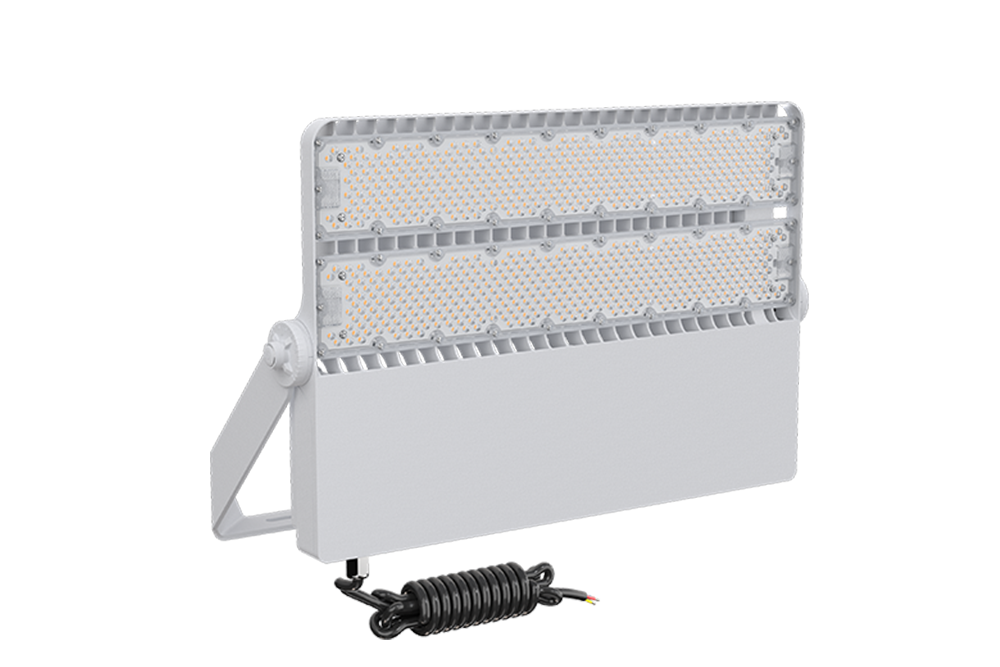
SEEKING FLD Series outdoor LED flood lights and high power led flood light deliver up to 960W with precision beam angles for sports fields, stadiums and large outdoor areas. IK08 & IP66 protection, 170lm/W efficiency and 100,000h lifetime.
loading…
This is the last post!
 Seeking LED