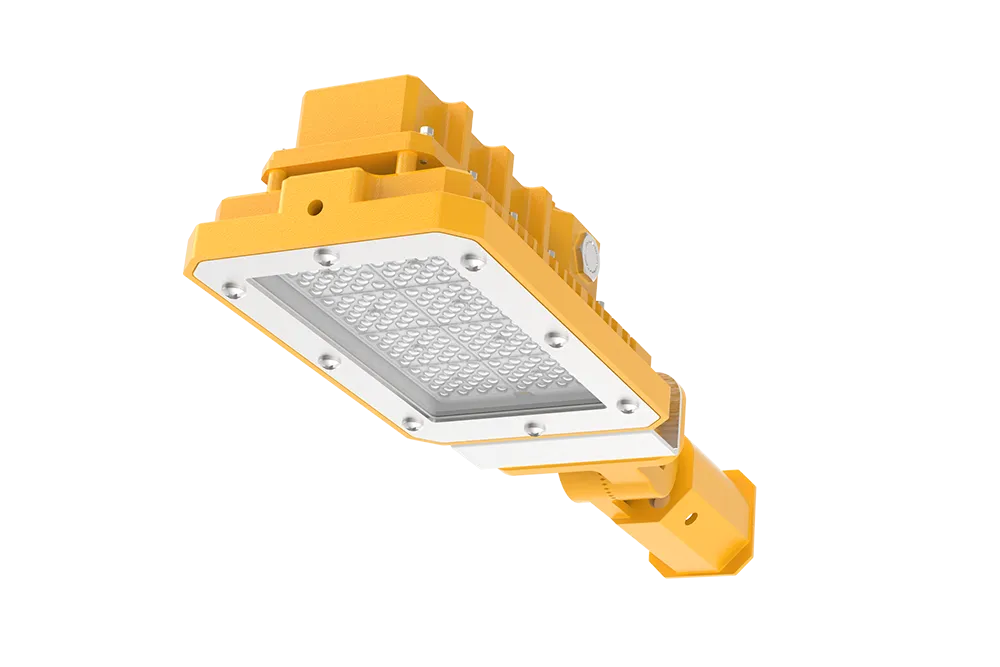
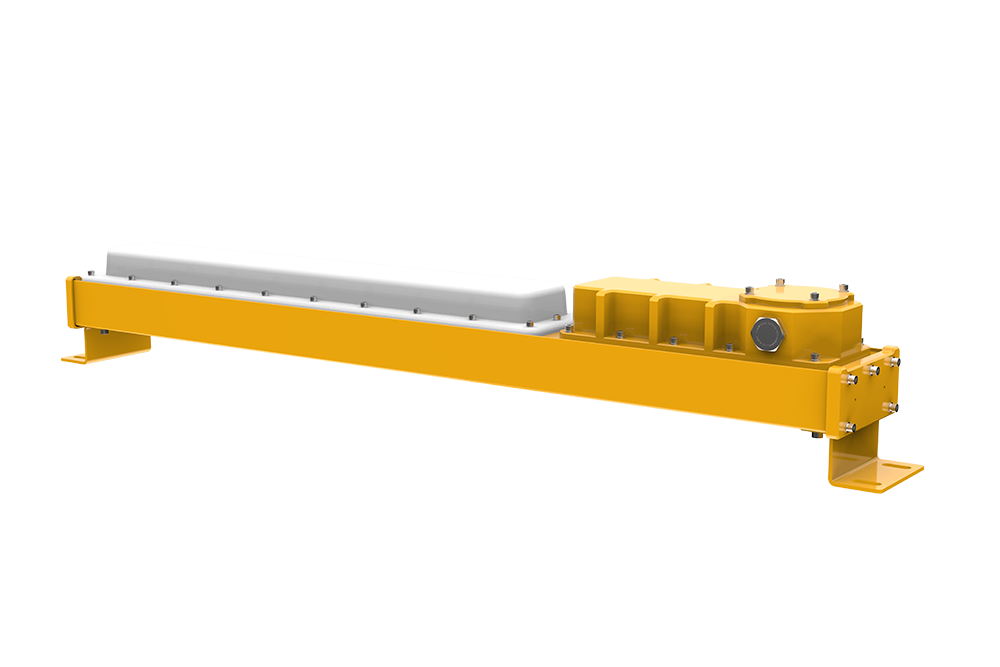
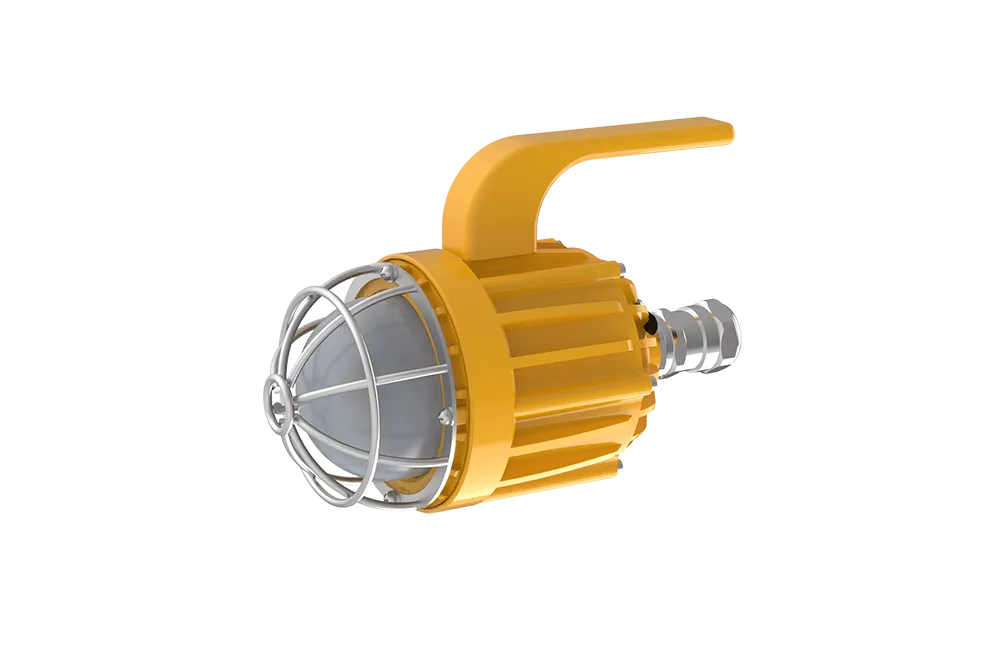
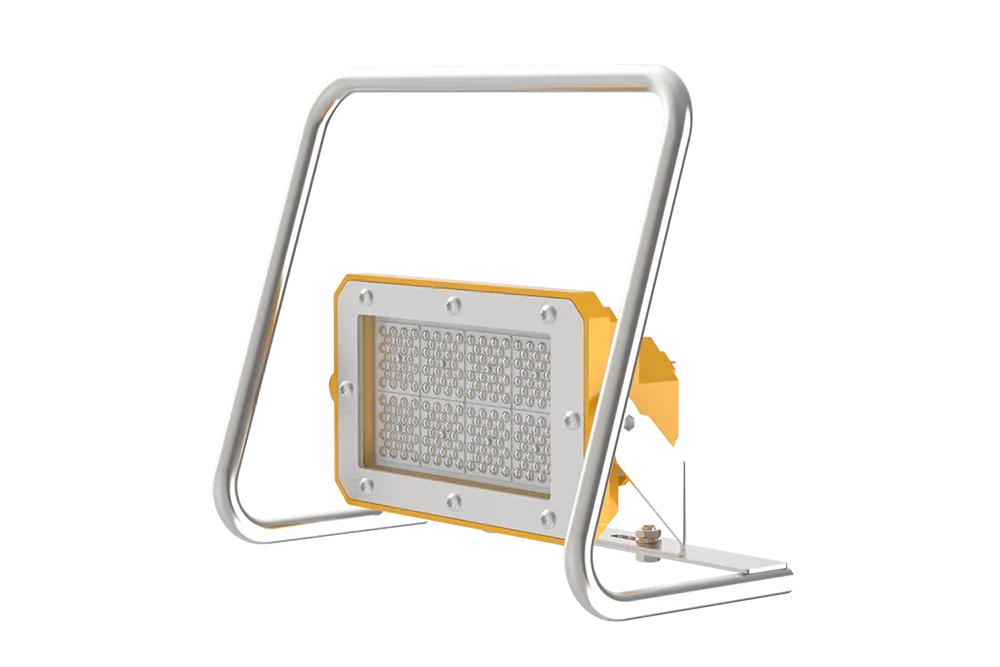
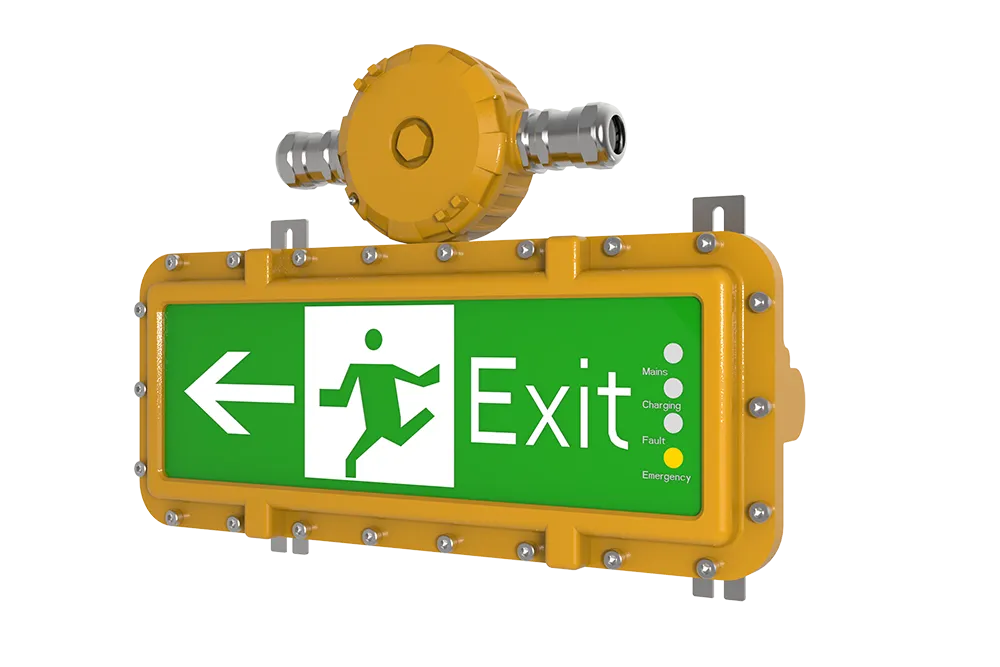
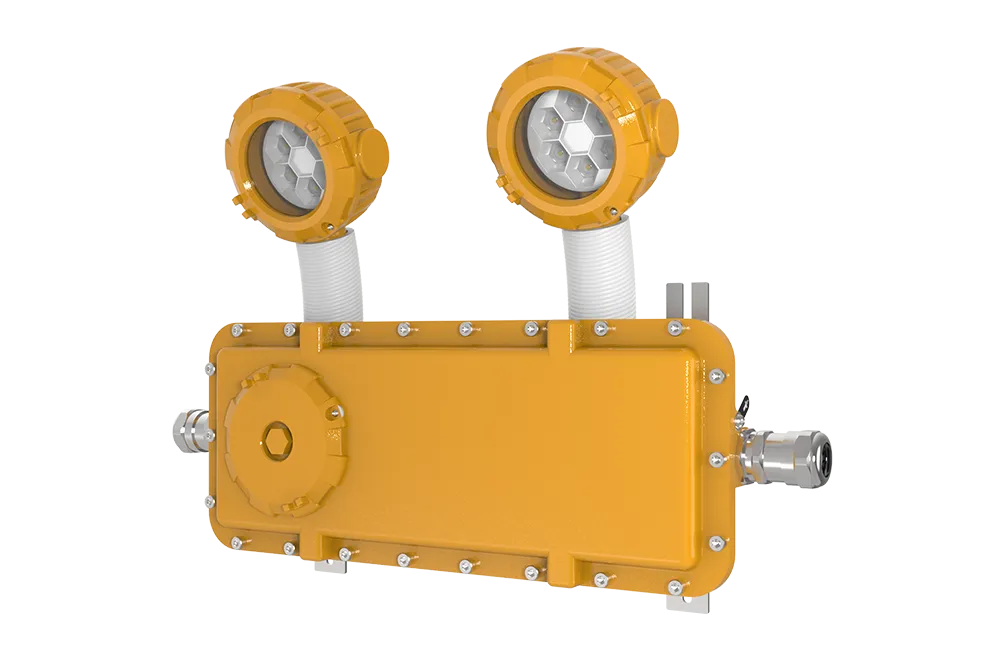
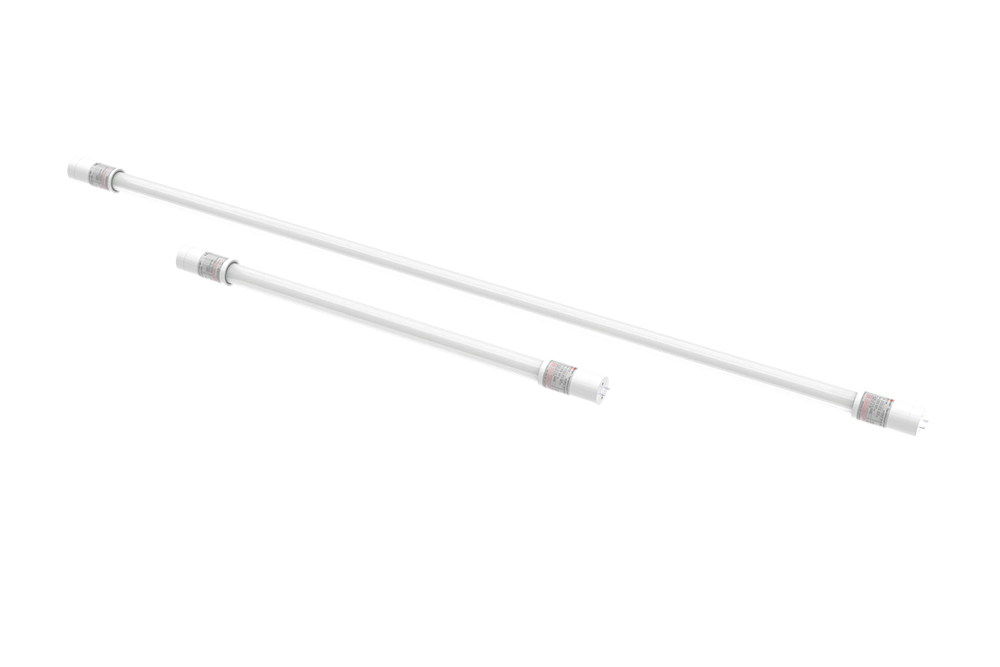
When engineers specify lighting for hazardous areas, explosion proof light fixtures are at the top of the checklist. But beyond labels and catalogs, real-world performance and compliance determine whether a light fixture will truly function safely under industrial stress.
I am an electrical and hazardous area lighting engineer with over 12 years’ experience. I’ve worked on petrochemical expansions, refinery turnarounds, offshore platform retrofits, and plant audits in multiple continents. At SEEKINGLED, we engineer and manufacture explosion proof lighting solutions with an emphasis on practical reliability — not just attractive datasheets.
This article goes beyond buzzwords and digs into how these fixtures behave in real industrial environments.
What Defines an Explosion Proof Light Fixture?
The term “explosion proof” is often misunderstood. It does not mean the fixture never experiences an internal spark. It means that if a spark or arc occurs inside, the enclosure prevents ignition of the surrounding explosive atmosphere.
Standards developed by the International Electrotechnical Commission — particularly the IEC 60079 series — define protection methods such as:
- Ex d (flameproof enclosure)
- Ex e (increased safety)
- Ex nR (restricted breathing)
- Ex tc (dust ignition protection by enclosure)
In Europe, these standards align with ATEX Directive 2014/34/EU. In North America, hazardous classifications under the NEC are managed by the National Fire Protection Association.
An explosion proof light fixture certified under these regimes has been tested to contain internal arcs and prevent hot gases from igniting the external atmosphere.
Real-World Observation: Temperature and Compliance
One of the most common issues I’ve encountered on site is temperature misclassification. A fixture might look robust, but under high ambient conditions, its surface temperature can exceed allowable limits.
Temperature classes such as T6 (≤85°C) or T5 (≤100°C) are not arbitrary — they correspond to ignition temperatures of common gases like propane and butane. In one refinery installation, lights rated at T5 were installed in a Zone 1 area with +50°C ambient. The result? Failed certification checks due to surface temperature creeping above limits.
This is where real thermal testing — not just simulation — matters. At SEEKINGLED, thermal validation under worst-case conditions is a standard part of our development process.
Why LED Technology Changed Hazardous Lighting
A decade ago, explosion proof light fixtures mostly used HID sources. These produced high heat and required frequent maintenance. LED has reshaped the landscape.
According to the U.S. Department of Energy, switching industrial lighting to LED can reduce energy consumption by 50–70% compared to traditional HID systems. For hazardous areas, this means:
- Lower energy costs
- Reduced heat burden
- Longer service intervals
However, LED brings its own engineering challenges. The driver and LED junction generate heat that must be managed inside sealed housings. In some cases, poorly designed LED luminaires fail thermal compliance — even if they meet other criteria.
At SEEKINGLED, we measure heat distribution inside flameproof enclosures and design heat sinks to accommodate high ambient conditions.
LED’s efficiency is an asset only when thermal design is balanced.
Mechanical Durability in Extreme Conditions
Explosion proof light fixtures rarely operate in pristine environments. Offshore platforms experience salt corrosion. Chemical plants expose fixtures to acidic vapors. Grain facilities produce fine dust. Mechanical strength and sealing performance matter.
For a hazardous light fixture to last, it must have:
- IP66 or higher ingress protection
- IK10 impact resistance
- Marine-grade anti-corrosion treatment
- Stable gasket compression across temperature cycles
In one offshore project, we saw gasket degradation lead to moisture ingress within three years — not because the seal was faulty, but because surface preparation was inadequate.
Design evolves from real-world lessons.
Installation and Maintenance Realities
Unit price is only part of the total cost. Installation time, labor complexity, and maintenance access contribute significantly to project economics.
For example, explosion proof light fixtures with external junction boxes often take longer to wire than those with integrated terminal compartments. In a 150-fixture refinery retrofit, integrated designs reduced installation labor by over 15%.
Technicians working at height or in confined spaces benefit from simplified access without compromising safety.
Maintenance planning should always be part of fixture selection.
Documentation and Traceability
Inspection teams do not assess marketing claims — they evaluate labels and documentation. Every explosion proof light fixture should clearly display:
- Certificate number
- Gas group classification (IIA, IIB, IIC)
- Temperature class
- Ambient operating range
Traceability between product labeling and official certification reports prevents surprises during commissioning.
At SEEKINGLED, we maintain batch-level documentation to ensure traceability remains intact from factory to field.
Practical Conclusion
After 12+ years involved in hazardous lighting engineering and field support, I can say confidently: a good explosion proof light fixture is not defined by wattage alone. It is defined by:
- Certified compliance
- Thermal stability
- Mechanical durability
- Installation practicality
- Documentation traceability
In hazardous environments, lighting is not decorative. It is part of a safety system.
A fixture that fails reduces visibility, raises risk, and increases long-term cost.
At SEEKINGLED, we design with that reality in mind — not for catalogs, but for the field.
explosion proof light fixtures recommended
SEEKINGLED LED Linear Explosion Proof Light and Explosion Proof lighting is ATEX and IECEx certified for Zone 1, Zone 2, Zone 21 and Zone 22 hazardous locations, built for long-term industrial use.
LED Linear Explosion Proof Lights and EX Proof lights for Zone 1, Zone 2, Zone 21 and Zone 22 hazardous areas. ATEX & IECEx certified explosion proof LED linear lighting with emergency function, adjustable power and IP67 protection by SEEKINGLED.
SEEKINGLED LED Explosion Proof Flood Lights are ATEX certified for Zone 2 and Zone 22 hazardous areas, offering high efficiency, adjustable power and integrated junction box.
SEEKINGLED LED Explosion Proof Flood Lights are flameproof ATEX and IECEx certified for Zone 1 and Zone 2 hazardous areas, offering high power, adjustable output and long service life.
SEEKINGLED LED Gas Station Canopy Lights are ATEX certified for Zone 2 and Zone 22 hazardous areas, featuring adjustable power and built-in explosion-proof junction box.
ATEX: Ex II 2G Ex db IIB T6/T5 GbEx II 2D Ex tb IIIC T80°C/ T95°C Db IECEx Ex db IIB T6 Gb;Ex tb IIIC T80°C Db Feature: ● For Zone 1,2 and Zone 21,22● Flameproof type, the strongest● 100W can replace 250W HID,energy saving● Power:60W,80W,10…
ATEX: II 3G Ex nR ⅡC T5/T6 GcII 3D Ex tc ⅢC T80℃/T95℃Dc ATEX Certificate NO: TÜV CY 26 ATEX 0207611 X Feature: ● For Zone 2 and Zone 22● 150W can replace 250W HID lamps,Energy saving● Power:50W,75W,100W,150W,200W Application: Oil and gas, m…
LED explosion proof high bay lights are designed for Zone 1, Zone 2, Zone 21 and Zone 22 hazardous areas. This page introduces the HB21 Series from SEEKING, including certifications, power options and real application considerations.
LED Linear Explosion Proof Lights from SEEKINGLED. LU Series Flame Proof lights ATEX-certified explosion proof LED linear lighting for Zone 2 gas and Zone 22 dust areas, IP69K, IK10, long lifetime and flexible power options.
Certified explosion proof work lights for Zone 1 & 21 hazardous areas. Portable, ATEX & IECEx approved, built for oil, gas and chemical plants by SEEKINGLED.
ATEX: II 3G Ex nR ⅡC T6 GcII 3D Ex tc ⅢC T80℃ Dc ATEX Certificate NO: TÜV CY 26 ATEX 0207611 X Feature: ● For Zone 2 and Zone 22● Accepts battery-powered supply● indestructible● Power:AC input:50W,75W,100WDC input:15W,25W,35W Application: O…
ATEX: Ex II 2G Ex db IIB T6 GbEx II 2D Ex tb IIIC T80°C Db IECEx Ex db IIB T6 Gb;Ex tb IIIC T80°C Db Feature: ● For Zone 1,2 and Zone 21,22● Flameproof type, the strongest Application: Oil and gas, marine, Chemical, pharmaceutical, semicondu…
ATEX: Ex II 2G Ex db IIB T6 GbEx II 2D Ex tb IIIC T80°C Db IECEx Ex db IIB T6 Gb;Ex tb IIIC T80°C Db Feature: ● For Zone 1,2 and Zone 21,22● Flameproof type, the strongest Application: Oil and gas, marine, Chemical, pharmaceutical, semicondu…
ATEX: Ex II 2G Ex d e IIB T6 Gb ATEX: Ex d e IIB T6 Gb; Feature: ● For Zone 1,2● 9W can replace 18W fluorescent lamps,50% Energy saving Application: Oil and gas, marine, Chemical, pharmaceutical, semiconductor,mining,military industry, pain…
loading…
This is the last post!
 Seeking LED