 Seeking LED
are halogen flood lights dimmable?
0Most halogen flood lights are dimmable with a compatible dimmer and correctly rated circuit. Dimming reduces light output and energy consumption while making...
View detailsSearch the whole station
Are ATEX Explosion Proof Lights Waterproof?
Yes — most certified ATEX explosion proof lights are designed to be waterproof for hazardous outdoor environments. High-quality ATEX LED fixtures commonly carry IP66, IP67, or even IP68 ratings, meaning they can resist heavy rain, seawater spray, dust ingress, and industrial washdowns without compromising safety certification.
That short answer matters because I still see buyers confuse “explosion proof” with “weatherproof.” They are not the same thing. A fixture can be explosion proof yet fail outdoors if its sealing system is weak. After working around petrochemical yards and coastal loading terminals, I’ve seen low-grade fixtures corrode long before the LEDs themselves failed.
Industrial lighting survives or dies at the cable entry, gasket, and housing seam — not the marketing brochure.
In hazardous environments, moisture is more than a maintenance problem. Water intrusion can:
That’s why outdoor ATEX lighting normally combines:
| Feature | Purpose |
|---|---|
| Explosion-proof enclosure | Contains internal ignition |
| IP66/IP67 sealing | Blocks water and dust |
| Corrosion-resistant housing | Prevents saltwater deterioration |
| Tempered glass lens | Handles thermal shock |
| Sealed cable glands | Stops moisture ingress |
According to the International Electrotechnical Commission (IEC), IP66 fixtures are protected against “powerful water jets,” while IP67 fixtures can withstand temporary immersion.
Source: IEC 60529 standard via IEC official reference.
I learned this lesson the hard way during a dockyard retrofit in Southeast Asia. Two lighting brands looked identical on paper. After eleven months near seawater exposure, one housing developed oxidation around the cable gland. The other remained intact because the manufacturer used marine-grade powder coating and stainless hardware instead of cheaper plated steel.
That difference never appears in a simple wattage chart.
Most outdoor ATEX flood lights use IP66 protection.
IP66 means:
For oil terminals, chemical plants, and offshore decks, IP66 is usually considered the baseline.
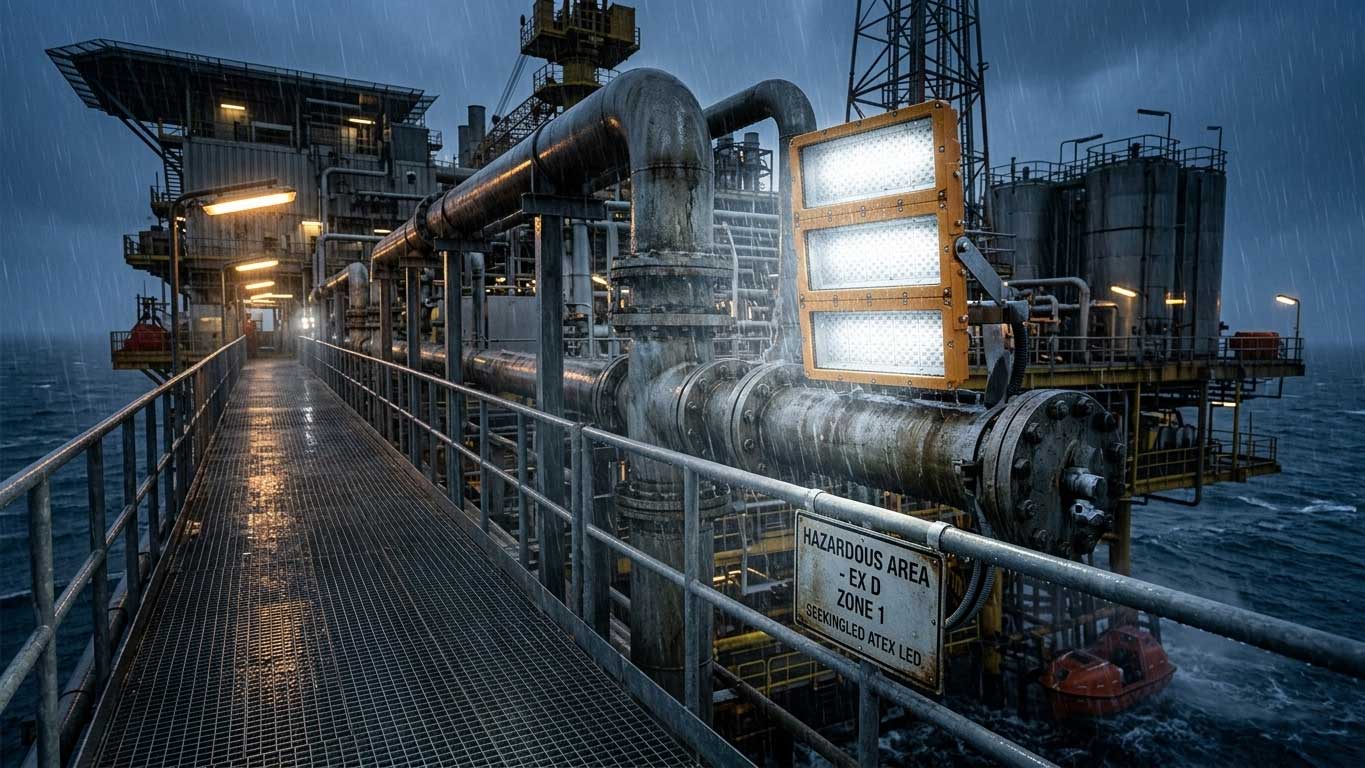
Some environments need more.
Examples include:
In those places, temporary flooding or direct seawater exposure can happen.
IP67 fixtures survive temporary immersion.
IP68 fixtures handle longer immersion periods under manufacturer-defined conditions.
But here is something many spec sheets hide:
An IP68 rating alone does not guarantee corrosion resistance.
I’ve opened failed fixtures with intact waterproof seals but severe internal rust caused by inferior aluminum alloy quality. Salt air is relentless.
No.
This is where many purchasing mistakes happen.
Some explosion proof fixtures are designed only for indoor hazardous areas such as:
Those fixtures may carry:
That’s acceptable indoors but risky outdoors.
Before installation, always check:
A surprising number of premature failures start with mismatched cable glands rather than the fixture body itself.
According to NACE International corrosion studies, atmospheric corrosion costs industries hundreds of billions annually worldwide, with marine environments among the harshest operating conditions.
Outdoor explosion proof lighting near coastlines faces:
Cheap housings crack faster under repeated temperature swings.
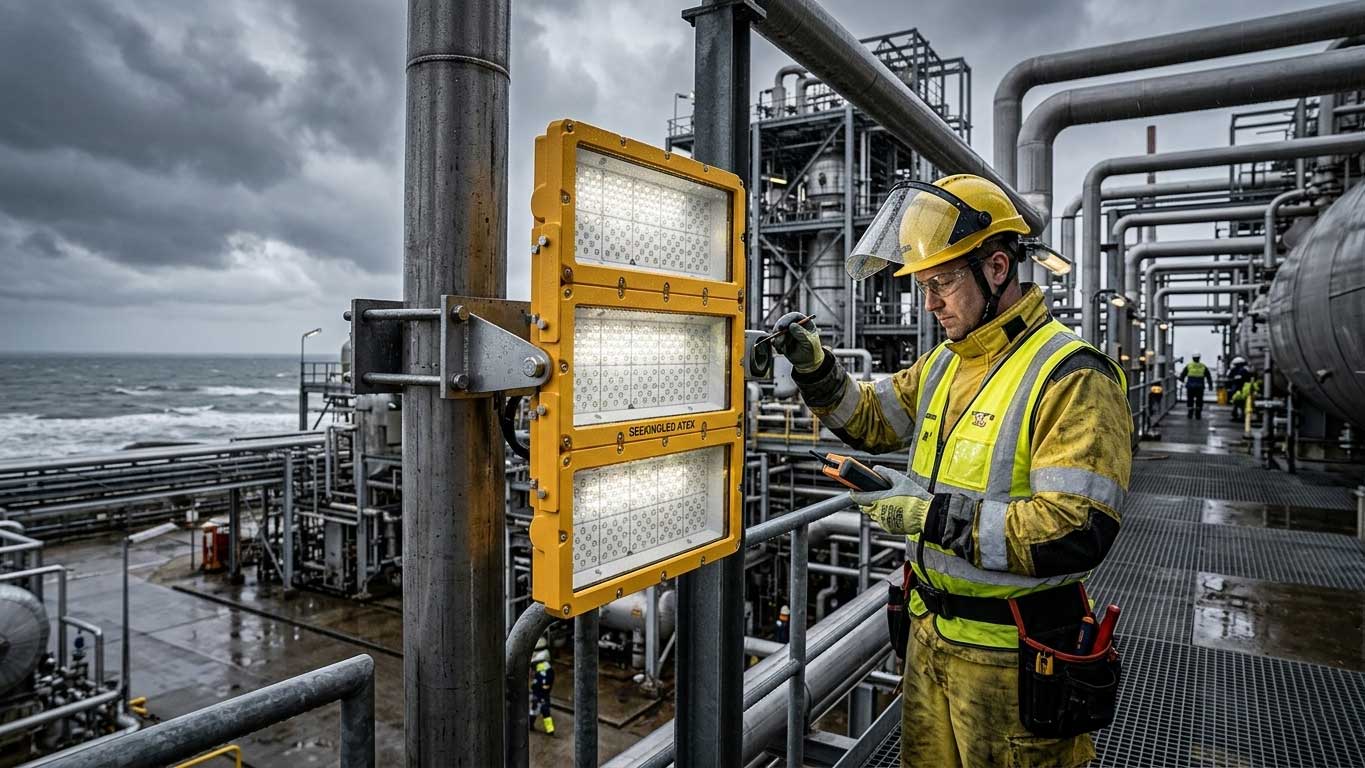
One overlooked problem is thermal shock.
I’ve seen fixtures running hot under direct sun suddenly cooled by tropical rainstorms. Inferior glass expands unevenly and eventually micro-cracks.
Better ATEX fixtures use:
Those details directly affect long-term waterproof integrity.
A quality ATEX LED fixture can commonly last:
According to the U.S. Department of Energy, LED systems significantly outperform traditional HID lighting in maintenance cycles and energy efficiency.
Source: U.S. Department of Energy — Solid-State Lighting Program.
But the LED chip itself is rarely the first failure point outdoors.
Typical outdoor failure causes include:
| Failure Point | Common Cause |
|---|---|
| Driver failure | Heat + moisture |
| Seal degradation | UV exposure |
| Cable gland leakage | Improper installation |
| Housing corrosion | Saltwater exposure |
| Lens cracking | Thermal cycling |
That’s why experienced engineers pay attention to enclosure design, not just lumen output.
At SEEKINGLED, outdoor hazardous lighting designs focus heavily on sealing structure and heat control.
Several engineering details matter more than many buyers realize:
Cable entries are common leak points.
Industrial-grade glands help prevent:
Outdoor fixtures exposed to marine air require stronger coatings than standard warehouse lighting.
Typical protection includes:
Heat destroys electronics faster than water alone.
Well-designed cooling fins reduce driver stress while preserving waterproof gasket performance over time.
In field conditions, cooler fixtures consistently outlast overheated sealed units.
Waterproof explosion proof lighting is widely installed in:
In these environments, ordinary outdoor LED flood lights simply are not safe enough.
Yes. Most outdoor-certified ATEX fixtures with IP66 or higher ratings are designed for direct rain exposure and severe weather conditions.
Usually yes, but offshore platforms often prefer IP67 or enhanced marine-grade corrosion protection for longer lifespan.
Only fixtures specifically rated IP67 or IP68 should experience temporary or continuous immersion, depending on certification details.
Yes. UV exposure, heat cycling, and chemical exposure gradually age rubber gaskets and sealing systems.
In highly corrosive marine environments, stainless steel housings generally outperform standard aluminum bodies for long-term durability.
So, are ATEX explosion proof lights waterproof?
In most industrial outdoor applications, absolutely — but only when the fixture combines proper ATEX certification with a genuinely high IP protection rating and corrosion-resistant construction.
The reality is simple: hazardous-area lighting is tested hardest by weather, vibration, salt, and time. A waterproof label alone means little if the enclosure design is weak.
That’s why experienced industrial buyers inspect the sealing system as carefully as the certification paperwork itself.
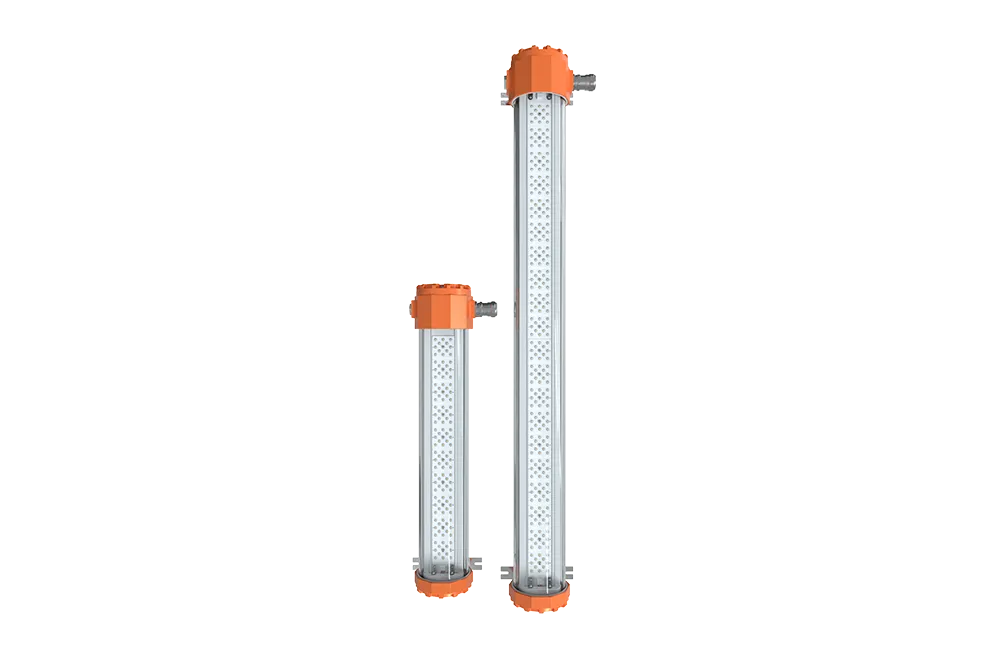
SEEKINGLED LED Linear Explosion Proof Light and Explosion Proof lighting is ATEX and IECEx certified for Zone 1, Zone 2, Zone 21 and Zone 22 hazardous locations, built for long-term industrial use.
View details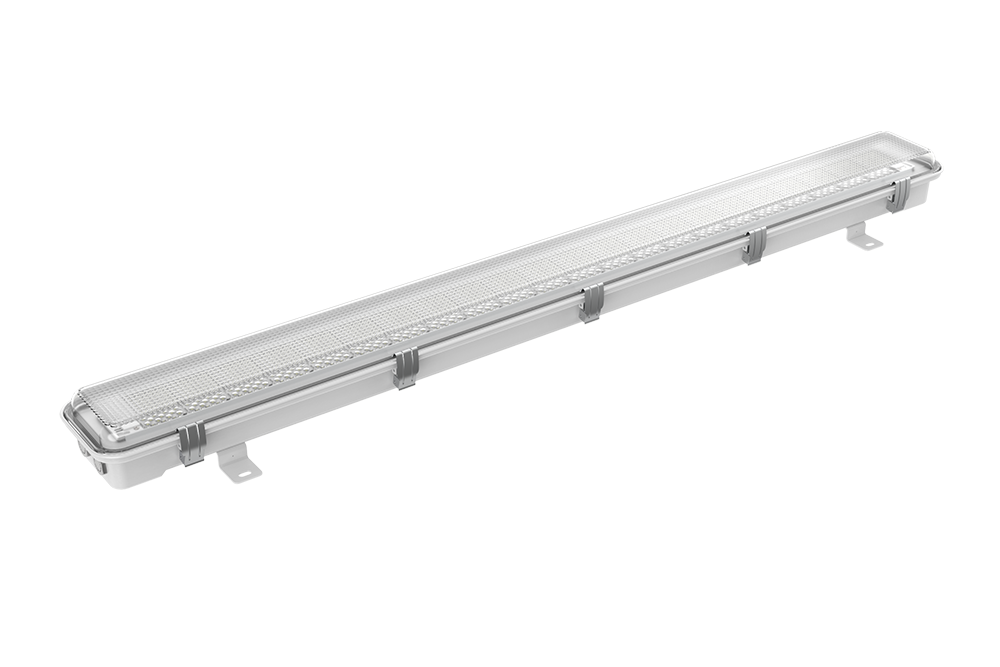
LED Linear Explosion Proof Lights and EX Proof lights for Zone 1, Zone 2, Zone 21 and Zone 22 hazardous areas. ATEX & IECEx certified explosion proof LED linear lighting with emergency function, adjustable power and IP67 protection by SEEKINGLED.
View details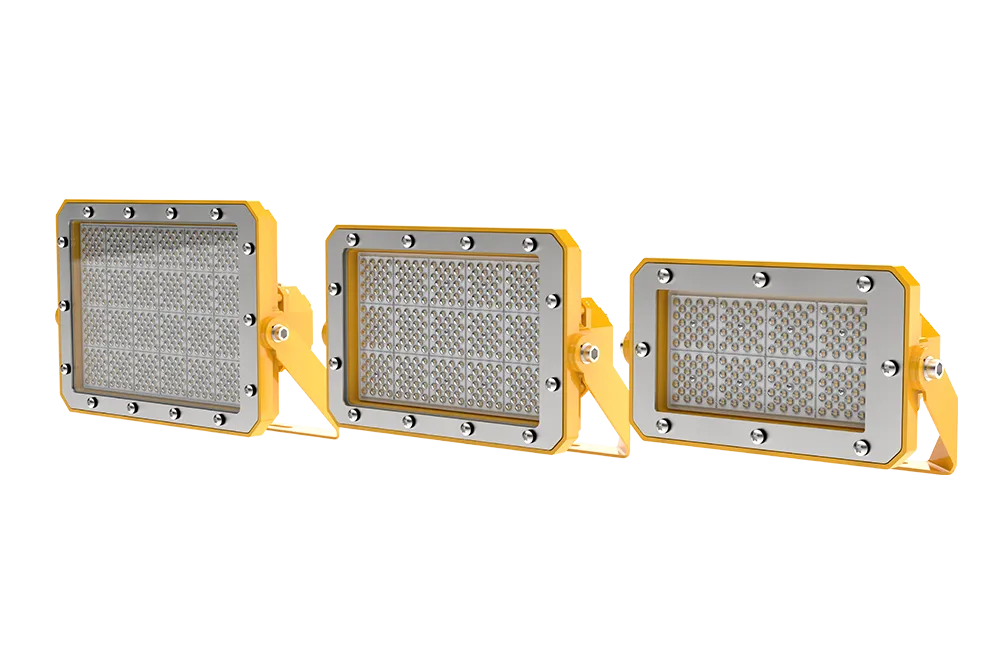
SEEKINGLED LED Explosion Proof Flood Lights are ATEX certified for Zone 2 and Zone 22 hazardous areas, offering high efficiency, adjustable power and integrated junction box.
View details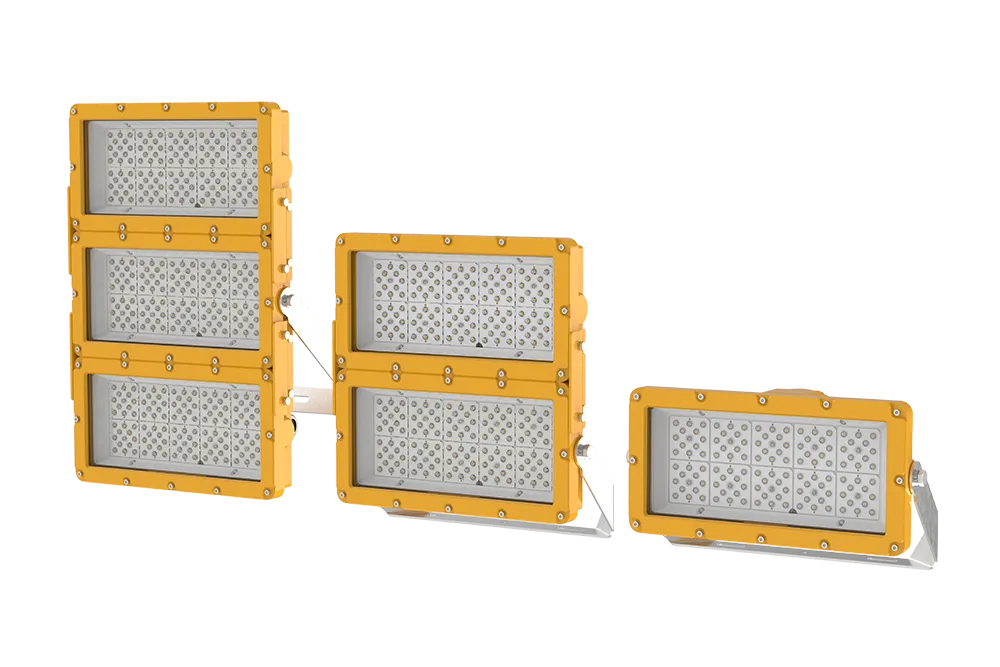
SEEKINGLED LED Explosion Proof Flood Lights are flameproof ATEX and IECEx certified for Zone 1 and Zone 2 hazardous areas, offering high power, adjustable output and long service life.
View details
SEEKINGLED LED Gas Station Canopy Lights are ATEX certified for Zone 2 and Zone 22 hazardous areas, featuring adjustable power and built-in explosion-proof junction box.
View details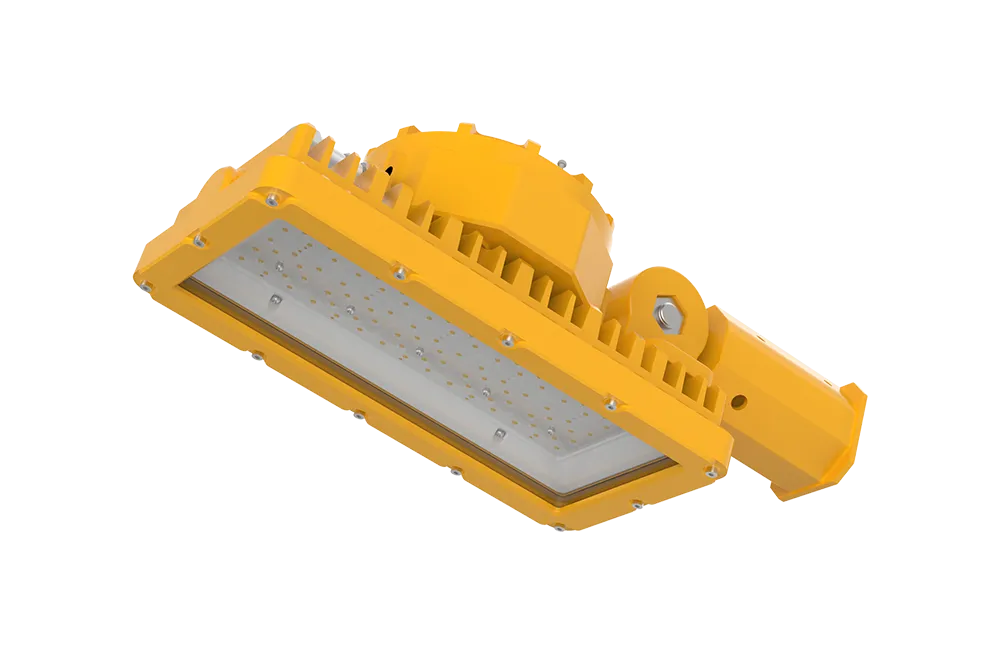
ATEX: Ex II 2G Ex db IIB T6/T5 GbEx II 2D Ex tb IIIC T80°C/ T95°C Db IECEx Ex db IIB T6 Gb;Ex tb IIIC T80°C Db Feature: ● For Zone 1,2 and Zone 21,22● Flameproof type, the strongest● 100W can replace 250W HID,energy saving● Power:60W,80W,100W Application: Oil and gas, marine, Chemical, pharmaceutical, semiconductor,mining,military industr…
View details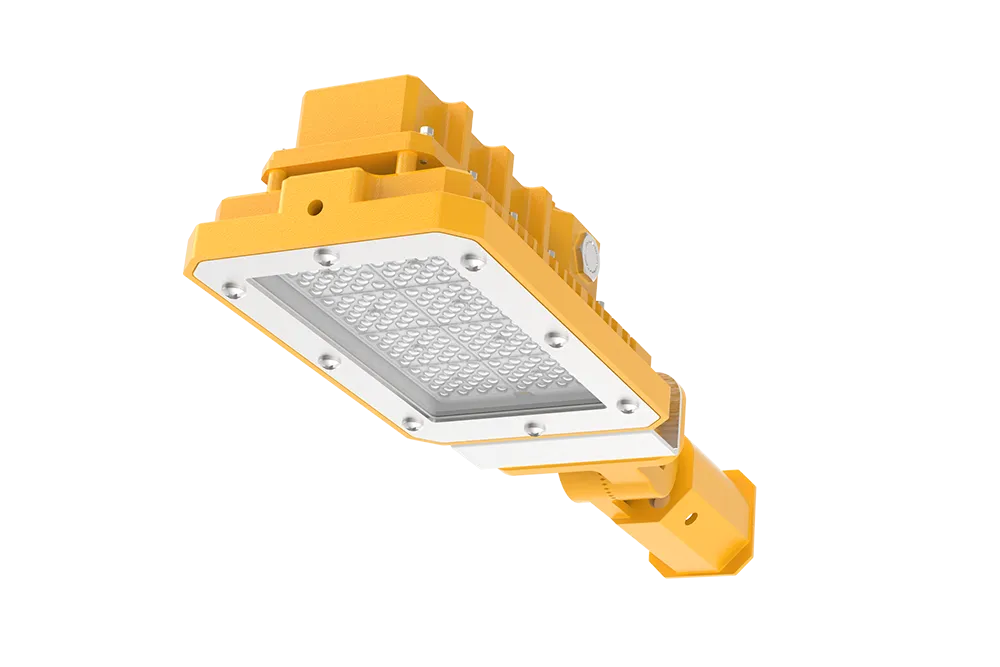
ATEX: II 3G Ex nR ⅡC T5/T6 GcII 3D Ex tc ⅢC T80℃/T95℃Dc ATEX Certificate NO: TÜV CY 26 ATEX 0207611 X Feature: ● For Zone 2 and Zone 22● 150W can replace 250W HID lamps,Energy saving● Power:50W,75W,100W,150W,200W Application: Oil and gas, marine, Chemical, pharmaceutical, semiconductor,mining,military industry, paint booth,power plant ETC…
View details
LED explosion proof high bay lights are designed for Zone 1, Zone 2, Zone 21 and Zone 22 hazardous areas. This page introduces the HB21 Series from SEEKING, including certifications, power options and real application considerations.
View details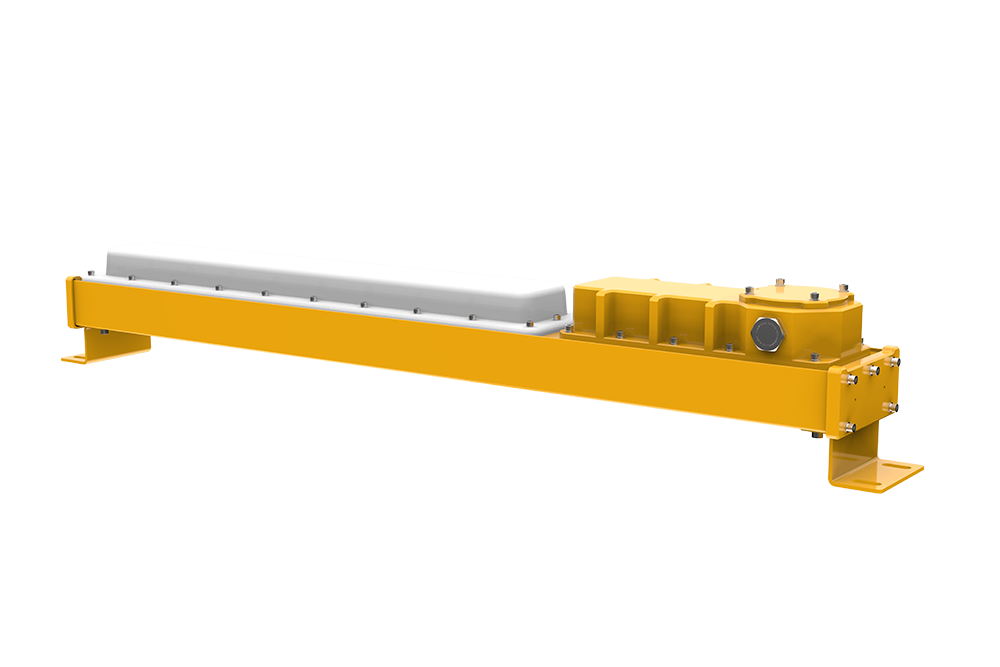
LED Linear Explosion Proof Lights from SEEKINGLED. LU Series Flame Proof lights ATEX-certified explosion proof LED linear lighting for Zone 2 gas and Zone 22 dust areas, IP69K, IK10, long lifetime and flexible power options.
View details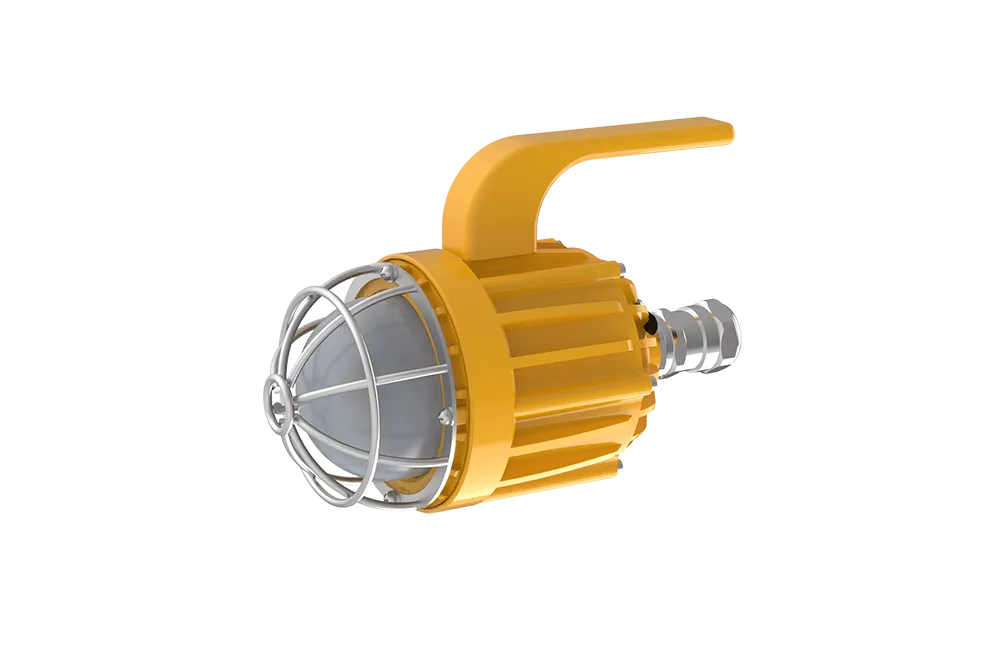
Certified explosion proof work lights for Zone 1 & 21 hazardous areas. Portable, ATEX & IECEx approved, built for oil, gas and chemical plants by SEEKINGLED.
View details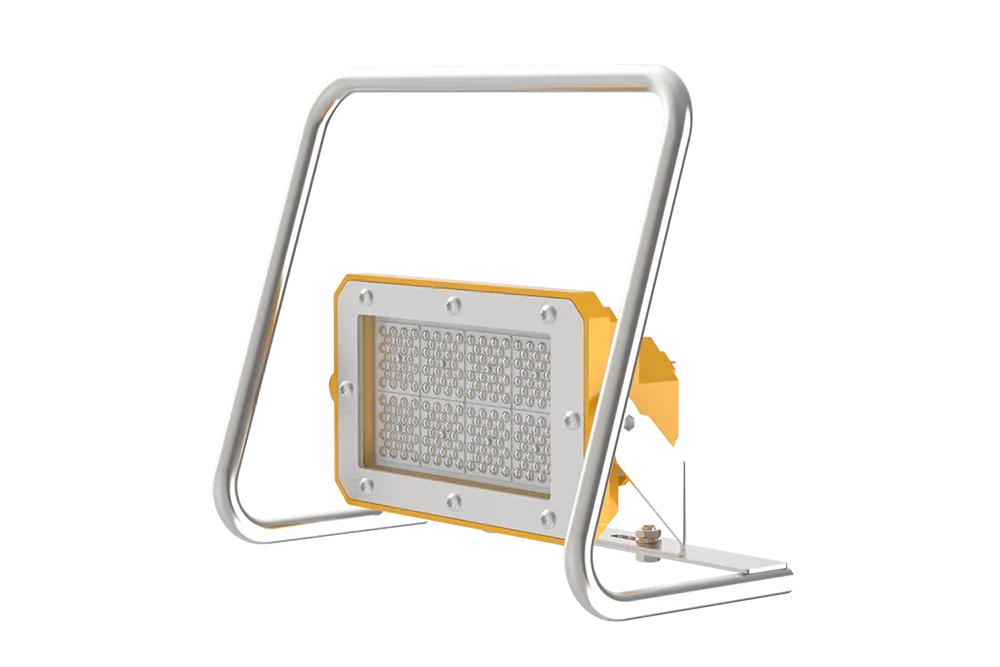
ATEX: II 3G Ex nR ⅡC T6 GcII 3D Ex tc ⅢC T80℃ Dc ATEX Certificate NO: TÜV CY 26 ATEX 0207611 X Feature: ● For Zone 2 and Zone 22● Accepts battery-powered supply● indestructible● Power:AC input:50W,75W,100WDC input:15W,25W,35W Application: Oil and gas, marine, Chemical, pharmaceutical, semiconductor,mining,military industry, paint booth,po…
View details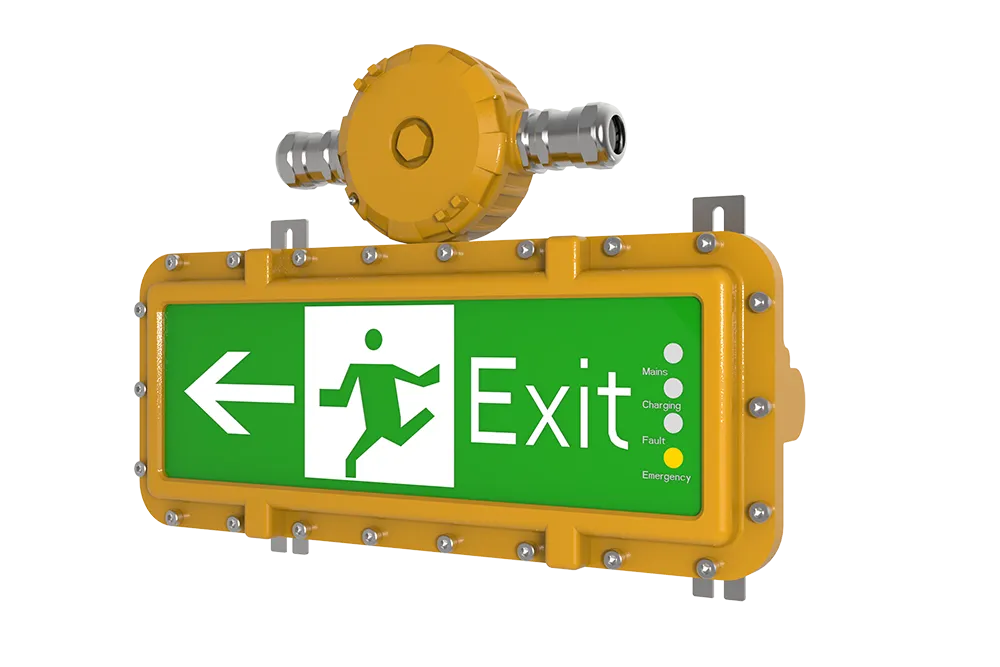
ATEX: Ex II 2G Ex db IIB T6 GbEx II 2D Ex tb IIIC T80°C Db IECEx Ex db IIB T6 Gb;Ex tb IIIC T80°C Db Feature: ● For Zone 1,2 and Zone 21,22● Flameproof type, the strongest Application: Oil and gas, marine, Chemical, pharmaceutical, semiconductor,mining,military industry, paint booth,power plant ETC hazardous area. Technical Specifications:…
View details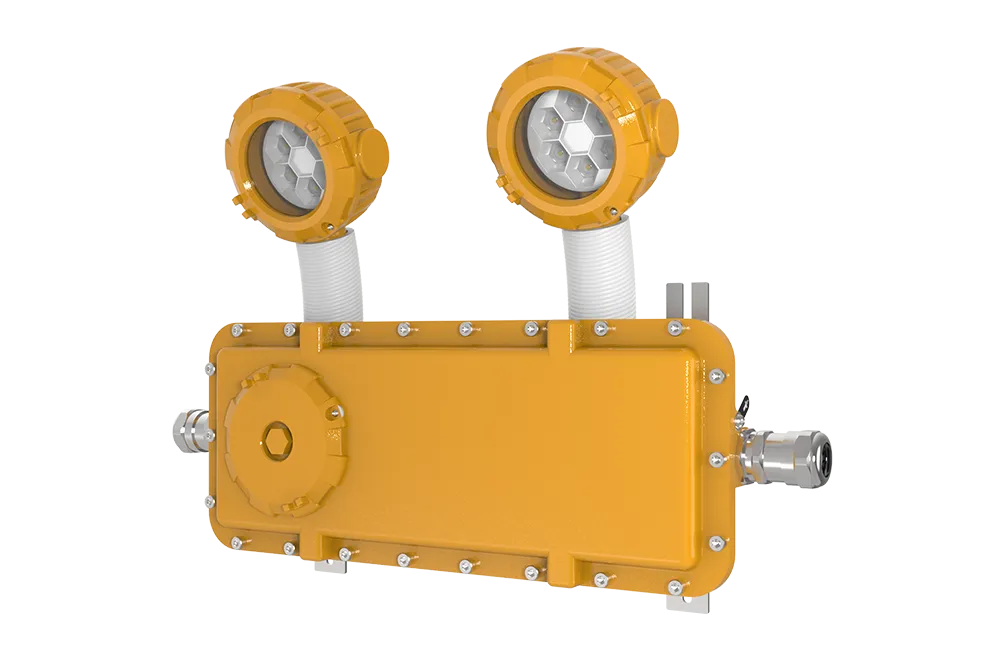
ATEX: Ex II 2G Ex db IIB T6 GbEx II 2D Ex tb IIIC T80°C Db IECEx Ex db IIB T6 Gb;Ex tb IIIC T80°C Db Feature: ● For Zone 1,2 and Zone 21,22● Flameproof type, the strongest Application: Oil and gas, marine, Chemical, pharmaceutical, semiconductor,mining,military industry, paint booth,power plant ETC hazardous area. Technical Specifications:…
View details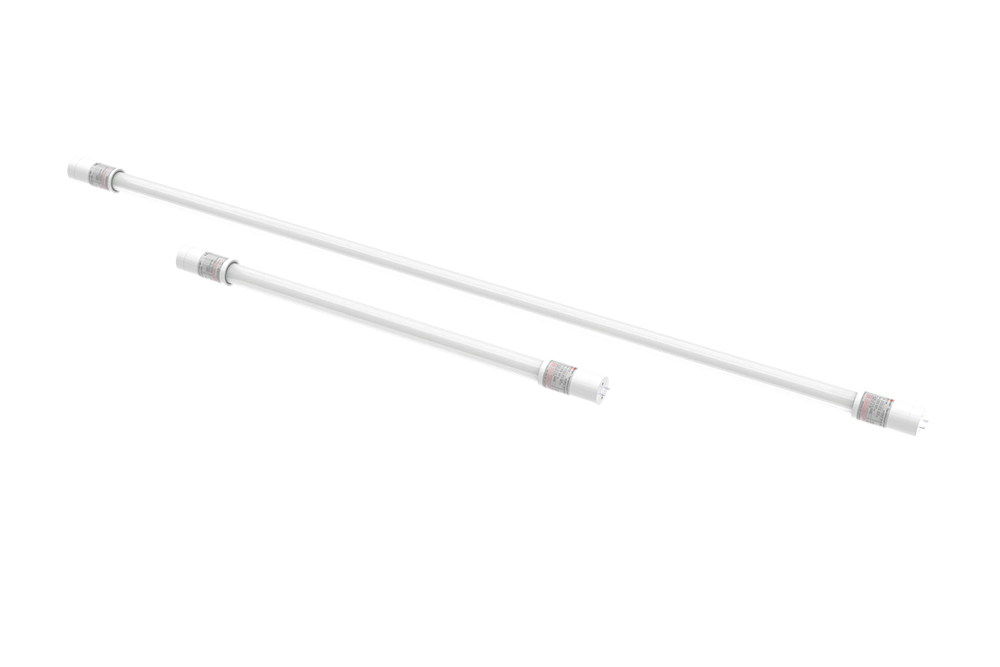
ATEX: Ex II 2G Ex d e IIB T6 Gb ATEX: Ex d e IIB T6 Gb; Feature: ● For Zone 1,2● 9W can replace 18W fluorescent lamps,50% Energy saving Application: Oil and gas, marine, Chemical, pharmaceutical, semiconductor,mining,military industry, paint booth,power plant ETC hazardous area. Technical Specifications: Standards:60079-0, 60079-1, 60079…
View details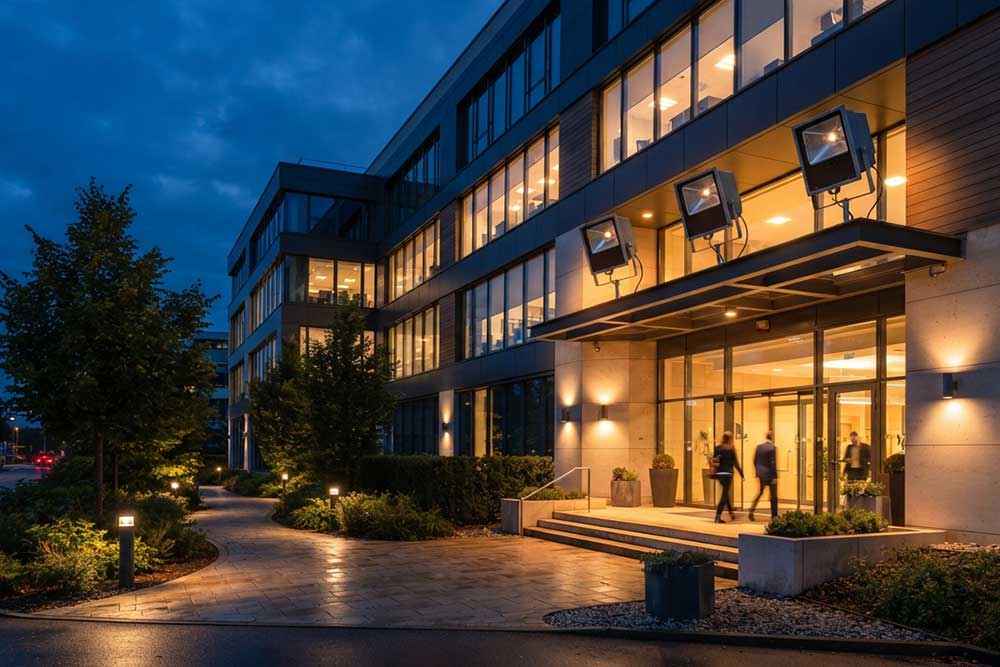
Most halogen flood lights are dimmable with a compatible dimmer and correctly rated circuit. Dimming reduces light output and energy consumption while making...
View details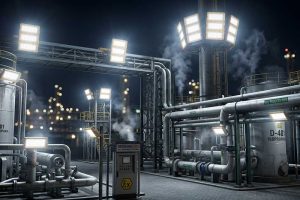
Can LED lights be used in an explosion proof area? Learn when LEDs are safe, certification requirements, and real-world insights for hazardous locations.
View details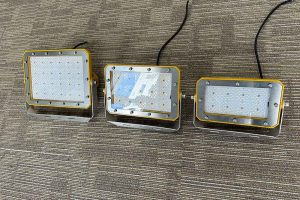
Explosion proof junction boxes engineered for hazardous areas. SEEKINGLED ATEX-certified enclosures ensure safe cable connections in oil, gas, mining and chemical plants.
View details
Upgrade your facility with indoor led floodlights from SEEKINGLED. Reliable brightness, lower energy costs, and real industrial performance that lasts.
View details