 Seeking LED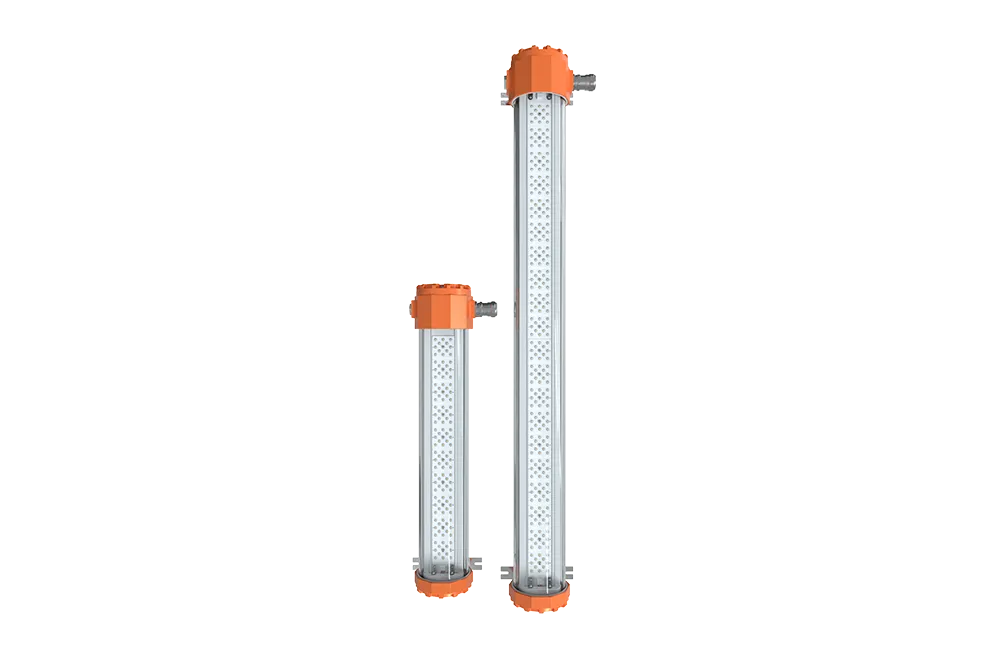
What Is Explosion Proof Junction Box?
0What is explosion proof junction box? Learn how explosion-proof junction boxes prevent ignition risks in hazardous areas, where they are used, and how to choose the right model.
View detailsSearch the whole station
ATEX LED lights are rarely discussed until someone walks into a hazardous industrial site and realizes ordinary lighting simply can’t be used there.
My first real encounter with explosion-proof lighting wasn’t in a showroom or office meeting. It was inside a refinery maintenance corridor during a lighting survey. Pipes overhead, metal platforms underfoot, and the faint smell of hydrocarbons drifting through the air. It was already getting dark, and the old metal-halide fixtures mounted along the rack structure had begun to show their age.
A few were flickering. One had gone completely dark.
That kind of failure in a refinery doesn’t just inconvenience workers—it slows inspections, complicates maintenance, and raises safety concerns. Situations like that are exactly why atex led lights exist.
Oil refineries, chemical plants, offshore platforms, and pharmaceutical facilities all share a similar challenge: flammable gases, vapors, or dust can accumulate under certain conditions.
If electrical equipment creates a spark—or even a surface temperature high enough to ignite those materials—the consequences can be severe.
In Europe and many international projects, equipment used in such environments must comply with the ATEX directives regulated by the European Commission.
These directives define strict requirements for equipment operating in explosive atmospheres. Hazardous areas are typically classified as:
Lighting fixtures installed in these zones must be engineered to prevent ignition under normal or fault conditions.
That’s the role of properly designed atex led lights.
Industrial facilities used to rely heavily on high-pressure sodium or metal-halide lamps for hazardous locations.
They worked, but they weren’t ideal.
Warm-up times could stretch to several minutes. Maintenance crews had to replace lamps regularly. Energy consumption was high.
LED technology changed that.
According to research published by the U.S. Department of Energy, LED lighting systems can reduce energy consumption by 50% or more compared with traditional lighting technologies while maintaining equal or higher illumination levels.
For large industrial facilities operating 24 hours a day, that difference quickly becomes significant.
It’s one reason many operators have started upgrading older fixtures to modern atex led lights designed specifically for hazardous environments.
At a glance, explosion-proof fixtures look heavy and almost over-engineered. There’s a reason for that.
Inside a hazardous zone, the lighting equipment must contain any internal ignition and prevent it from reaching the surrounding atmosphere.
Typical atex led lights include several engineering features:
Explosion-proof housing
Thick aluminum or stainless-steel enclosures contain sparks or electrical faults.
Controlled surface temperature
Fixtures must remain below ignition temperatures for surrounding gases.
Sealed cable entries and drivers
Electrical connections are carefully protected.
Impact-resistant glass lenses
Industrial environments can be rough—tools drop, equipment moves, vibration happens.
Manufacturers like SEEKINGLED design hazardous-area luminaires with these factors in mind because reliability is critical once lights are installed in difficult-to-reach areas.
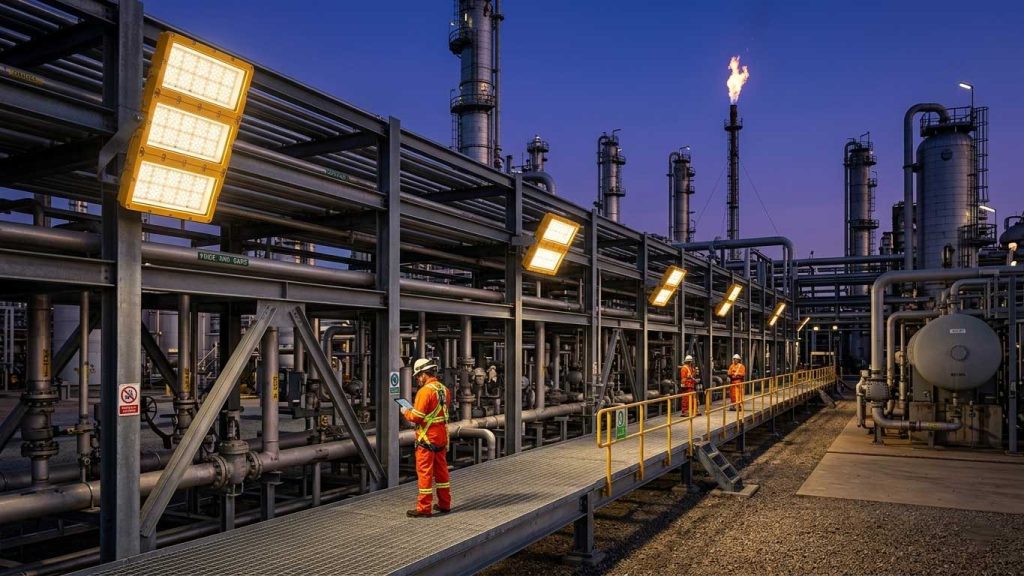
A surprising observation from field inspections: many hazardous-area lighting systems aren’t actually too dim.
They’re uneven.
Bright spots appear directly under fixtures, while shadows form between pipes and equipment. Workers end up carrying portable lamps to see properly.
Good atex led lights aren’t just powerful. They distribute light carefully.
Optical design—beam angles, reflectors, and lens geometry—plays a big role in how well the working surface is illuminated.
When lighting systems are upgraded with well-designed LED fixtures, maintenance teams usually notice the improvement immediately.
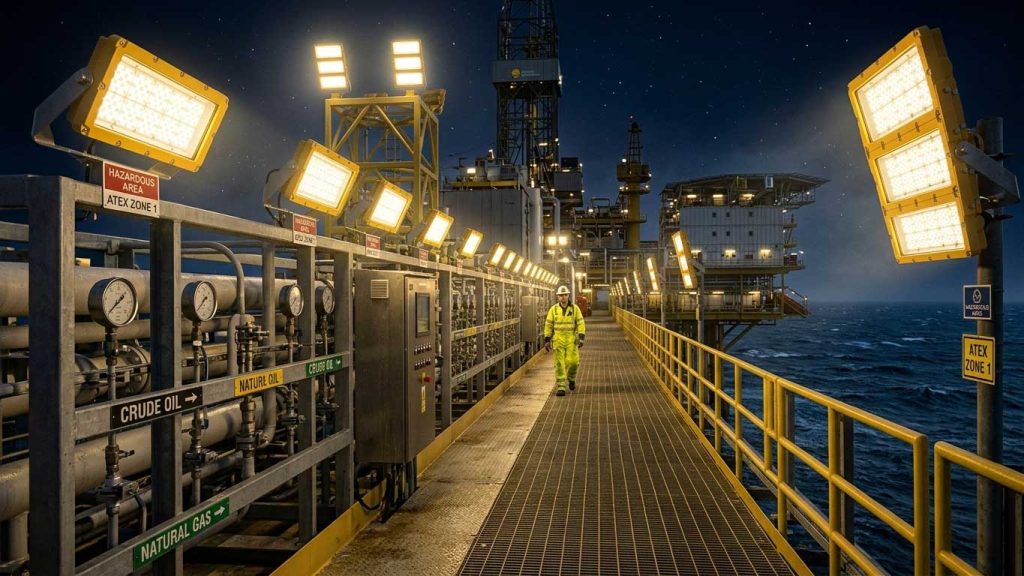
One thing becomes clear quickly when visiting industrial facilities: maintenance teams prefer equipment they don’t need to touch often.
Replacing a light fixture inside a hazardous area isn’t simple.
Sometimes the process involves work permits, safety procedures, or even temporary shutdowns.
This is why many operators now prioritize long-life LED systems.
Modern atex led lights often deliver operational lifetimes exceeding 50,000 hours, significantly reducing replacement cycles compared with traditional lamps.
For large facilities, fewer replacements mean fewer disruptions and lower maintenance costs.
That’s one reason companies such as SEEKINGLED emphasize thermal management and industrial-grade drivers in hazardous-area lighting design.
Lighting systems used in explosive atmospheres don’t just follow ATEX rules.
Many projects also reference standards from organizations such as the International Electrotechnical Commission, which publishes IECEx guidelines covering electrical equipment for explosive environments.
These standards ensure that equipment—from lighting to sensors—operates safely in hazardous zones.
Compliance with such standards is essential for any serious industrial lighting installation.
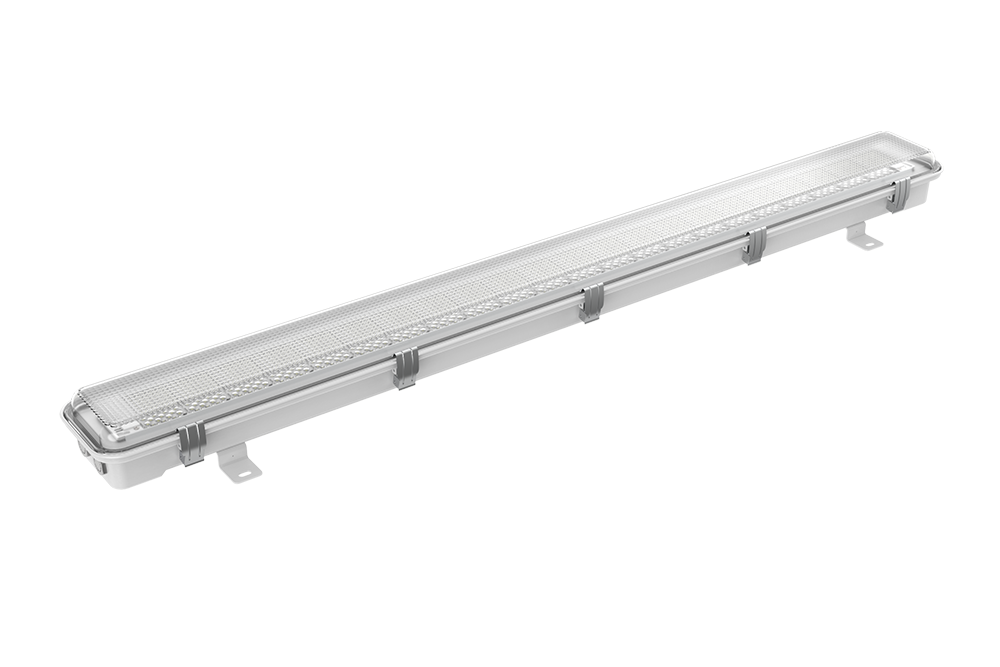
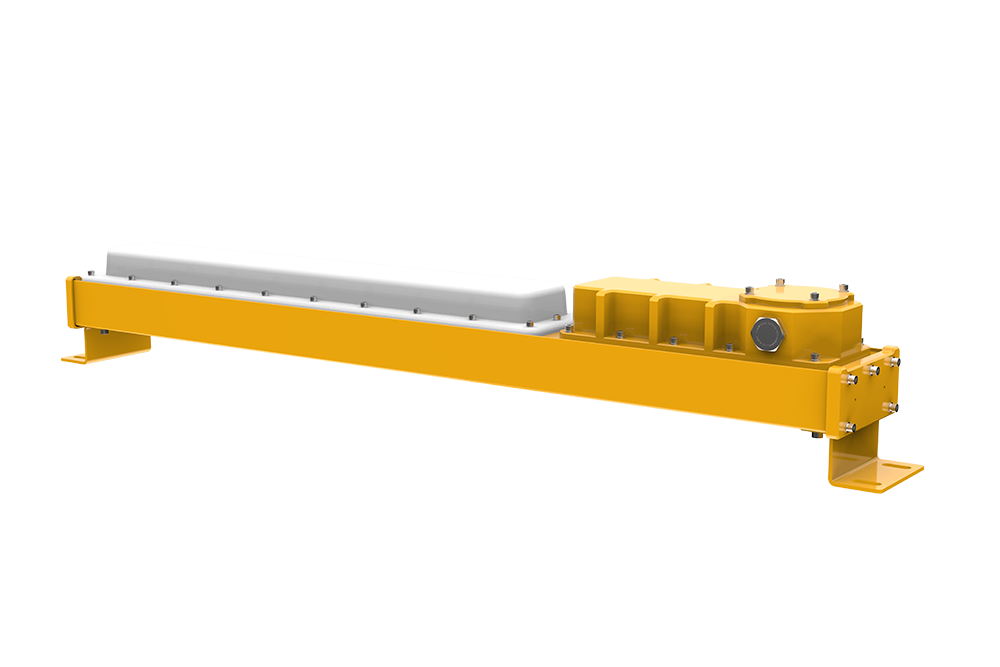
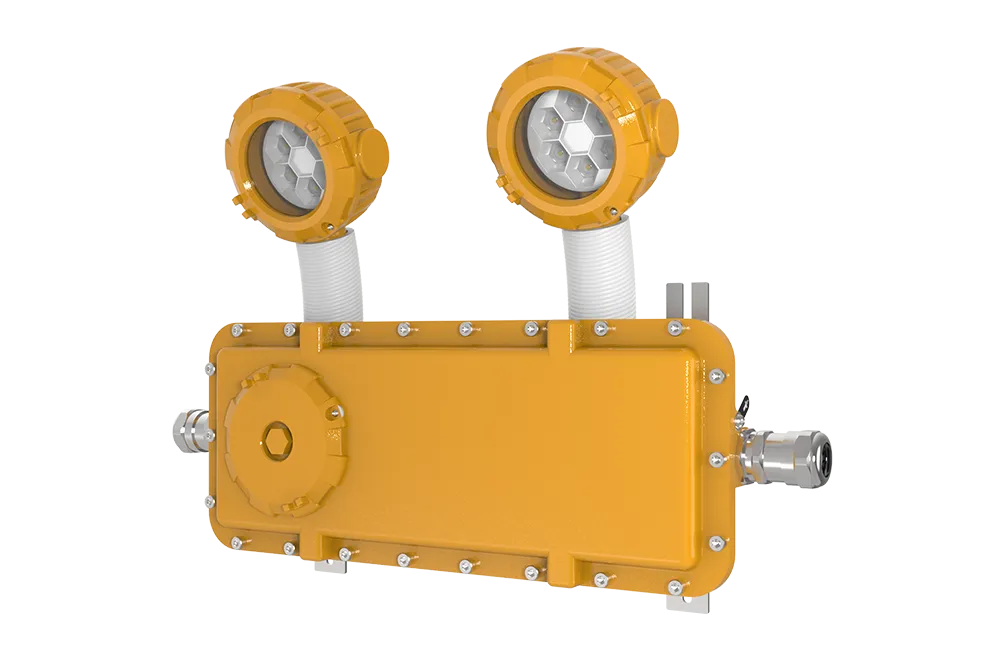
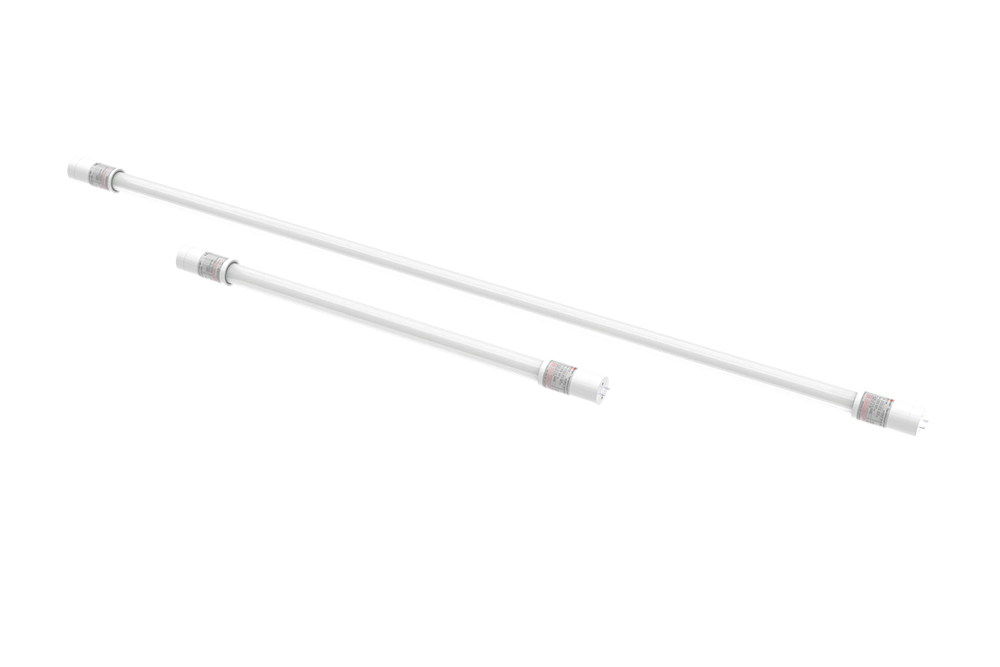
SEEKINGLED LED Linear Explosion Proof Light and Explosion Proof lighting is ATEX and IECEx certified for Zone 1, Zone 2, Zone 21 and Zone 22 hazardous locations, built for long-term industrial use.
LED Linear Explosion Proof Lights and EX Proof lights for Zone 1, Zone 2, Zone 21 and Zone 22 hazardous areas. ATEX & IECEx certified explosion proof LED linear lighting with emergency function, adjustable power and IP67 protection by SEEKINGLED.
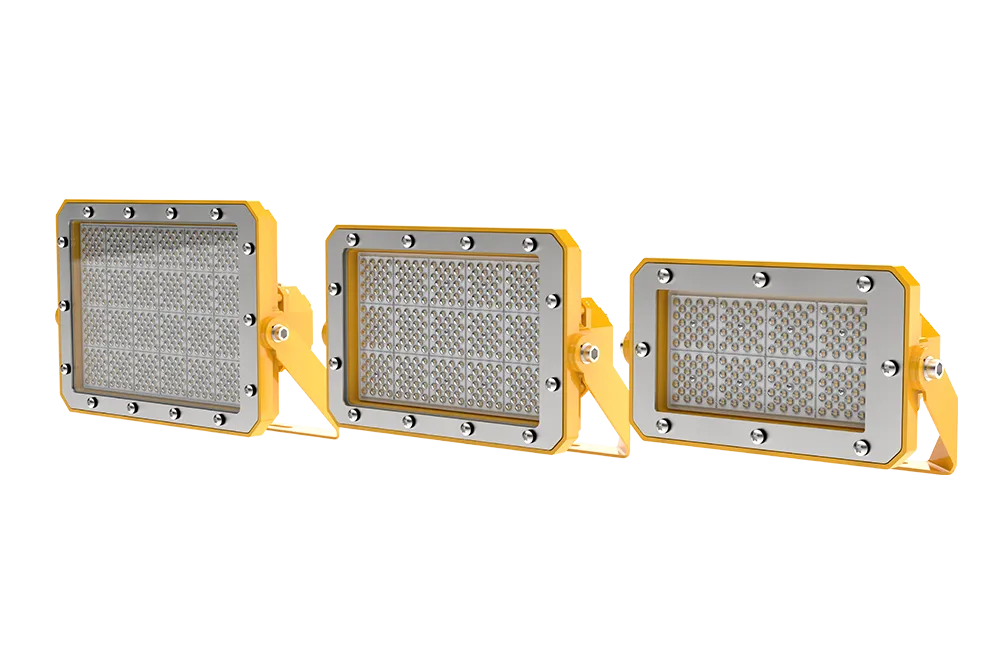
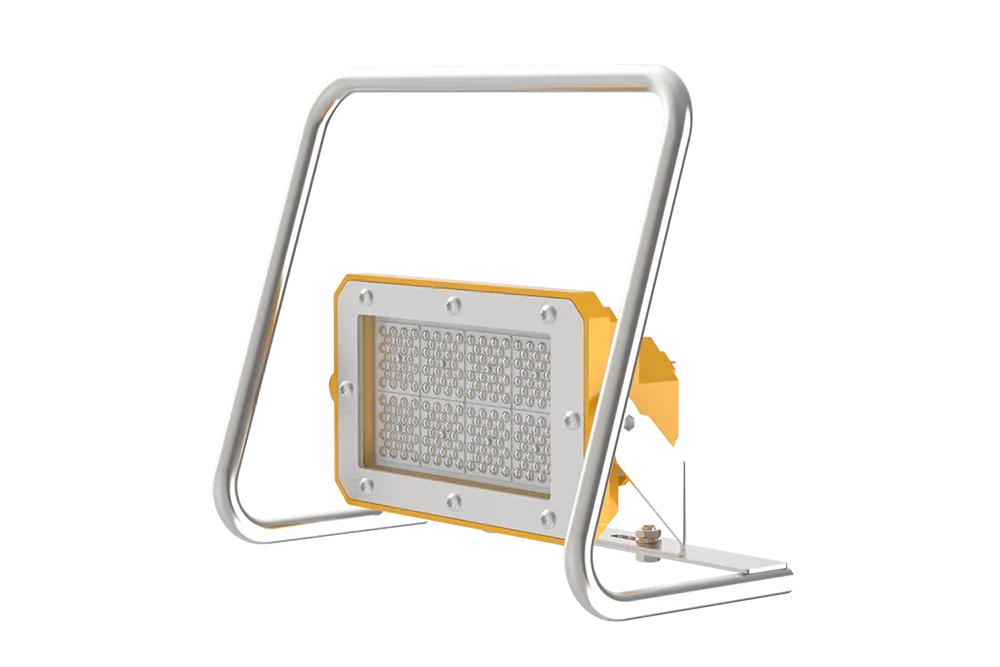
SEEKINGLED LED Explosion Proof Flood Lights are ATEX certified for Zone 2 and Zone 22 hazardous areas, offering high efficiency, adjustable power and integrated junction box.
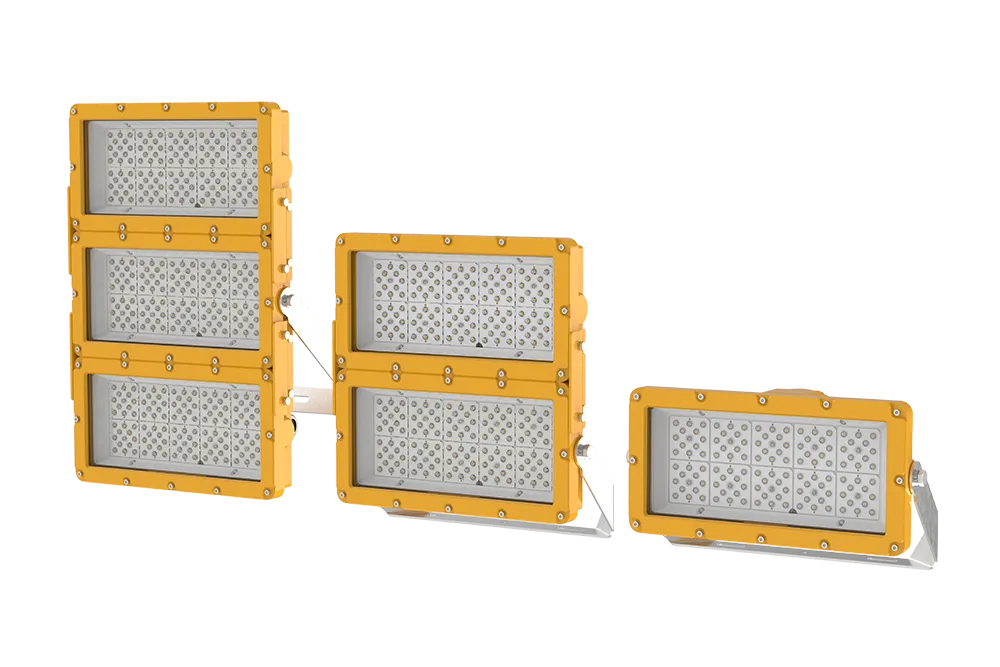
SEEKINGLED LED Explosion Proof Flood Lights are flameproof ATEX and IECEx certified for Zone 1 and Zone 2 hazardous areas, offering high power, adjustable output and long service life.
SEEKINGLED LED Gas Station Canopy Lights are ATEX certified for Zone 2 and Zone 22 hazardous areas, featuring adjustable power and built-in explosion-proof junction box.
ATEX: Ex II 2G Ex db IIB T6/T5 GbEx II 2D Ex tb IIIC T80°C/ T95°C Db IECEx Ex db IIB T6 Gb;Ex tb IIIC T80°C Db Feature: ● For Zone 1,2 and Zone 21,22● Flameproof type, the strongest● 100W can replace 250W HID,energy saving● Power:60W,80W,10…
ATEX: II 3G Ex nR ⅡC T5/T6 GcII 3D Ex tc ⅢC T80℃/T95℃Dc ATEX Certificate NO: TÜV CY 26 ATEX 0207611 X Feature: ● For Zone 2 and Zone 22● 150W can replace 250W HID lamps,Energy saving● Power:50W,75W,100W,150W,200W Application: Oil and gas, m…
LED explosion proof high bay lights are designed for Zone 1, Zone 2, Zone 21 and Zone 22 hazardous areas. This page introduces the HB21 Series from SEEKING, including certifications, power options and real application considerations.
LED Linear Explosion Proof Lights from SEEKINGLED. LU Series Flame Proof lights ATEX-certified explosion proof LED linear lighting for Zone 2 gas and Zone 22 dust areas, IP69K, IK10, long lifetime and flexible power options.
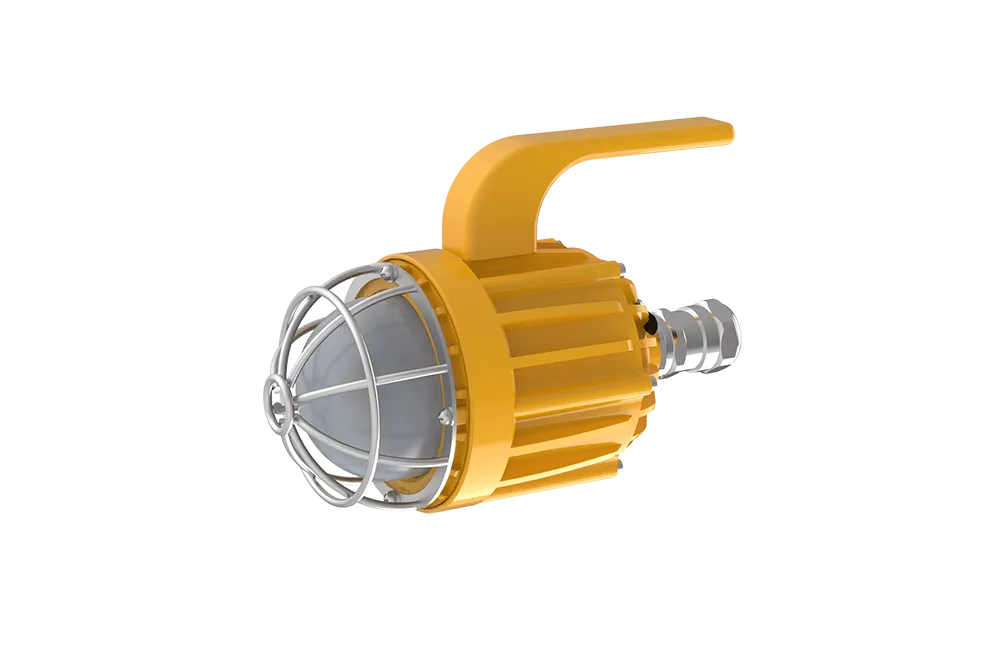
Certified explosion proof work lights for Zone 1 & 21 hazardous areas. Portable, ATEX & IECEx approved, built for oil, gas and chemical plants by SEEKINGLED.
ATEX: II 3G Ex nR ⅡC T6 GcII 3D Ex tc ⅢC T80℃ Dc ATEX Certificate NO: TÜV CY 26 ATEX 0207611 X Feature: ● For Zone 2 and Zone 22● Accepts battery-powered supply● indestructible● Power:AC input:50W,75W,100WDC input:15W,25W,35W Application: O…
ATEX: Ex II 2G Ex db IIB T6 GbEx II 2D Ex tb IIIC T80°C Db IECEx Ex db IIB T6 Gb;Ex tb IIIC T80°C Db Feature: ● For Zone 1,2 and Zone 21,22● Flameproof type, the strongest Application: Oil and gas, marine, Chemical, pharmaceutical, semicondu…
ATEX: Ex II 2G Ex db IIB T6 GbEx II 2D Ex tb IIIC T80°C Db IECEx Ex db IIB T6 Gb;Ex tb IIIC T80°C Db Feature: ● For Zone 1,2 and Zone 21,22● Flameproof type, the strongest Application: Oil and gas, marine, Chemical, pharmaceutical, semicondu…
ATEX: Ex II 2G Ex d e IIB T6 Gb ATEX: Ex d e IIB T6 Gb; Feature: ● For Zone 1,2● 9W can replace 18W fluorescent lamps,50% Energy saving Application: Oil and gas, marine, Chemical, pharmaceutical, semiconductor,mining,military industry, pain…
loading…
This is the last post!
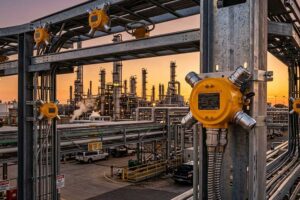
What is explosion proof junction box? Learn how explosion-proof junction boxes prevent ignition risks in hazardous areas, where they are used, and how to choose the right model.
View details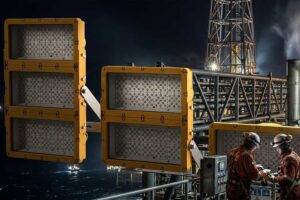
What Are Hazardous Area Floodlights? Learn how explosion-proof floodlights protect oil, gas, marine, and chemical facilities with certified hazardous-area safety.
View details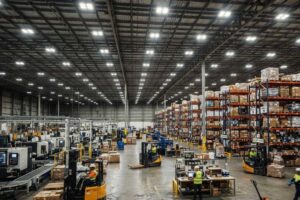
how many high bay lights do i need? Learn how to calculate high bay lighting quantity using ceiling height, lumens, spacing, and industrial lighting requirements.
View details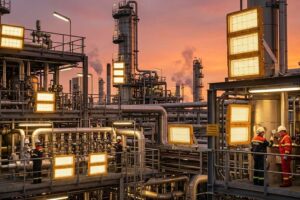
Discover how ATEX light fittings improve safety in explosive atmospheres. Learn certifications, applications, selection tips, and real-world industry insights from SEEKINGLED.
View details