LED ATEX lighting is specifically engineered for hazardous locations where flammable gases, vapors, or combustible dust may exist. Unlike ordinary industrial fixtures, ATEX-certified LED lights are designed to prevent ignition sources through controlled surface temperatures, sealed enclosures, and certified explosion-protection methods.
A lot of buyers assume ATEX certification is simply another “industrial standard.” It isn’t. In real projects, ATEX compliance determines whether a facility can legally operate in explosive atmospheres across Europe and many international markets.
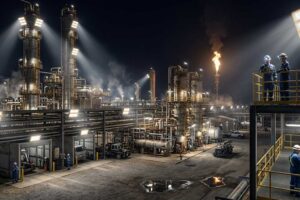
I realized how misunderstood this topic was during a refinery retrofit project near Rotterdam several years ago. The maintenance team had upgraded almost everything — piping, controls, ventilation — but the lighting still used aging fluorescent fixtures inside classified zones. On paper, the facility looked modern. In reality, one failed ballast could have triggered catastrophic ignition.
That project changed how I evaluate hazardous-area lighting permanently.
Why LED ATEX Lighting Matters in Hazardous Areas
Hazardous atmospheres are more common than many people realize.
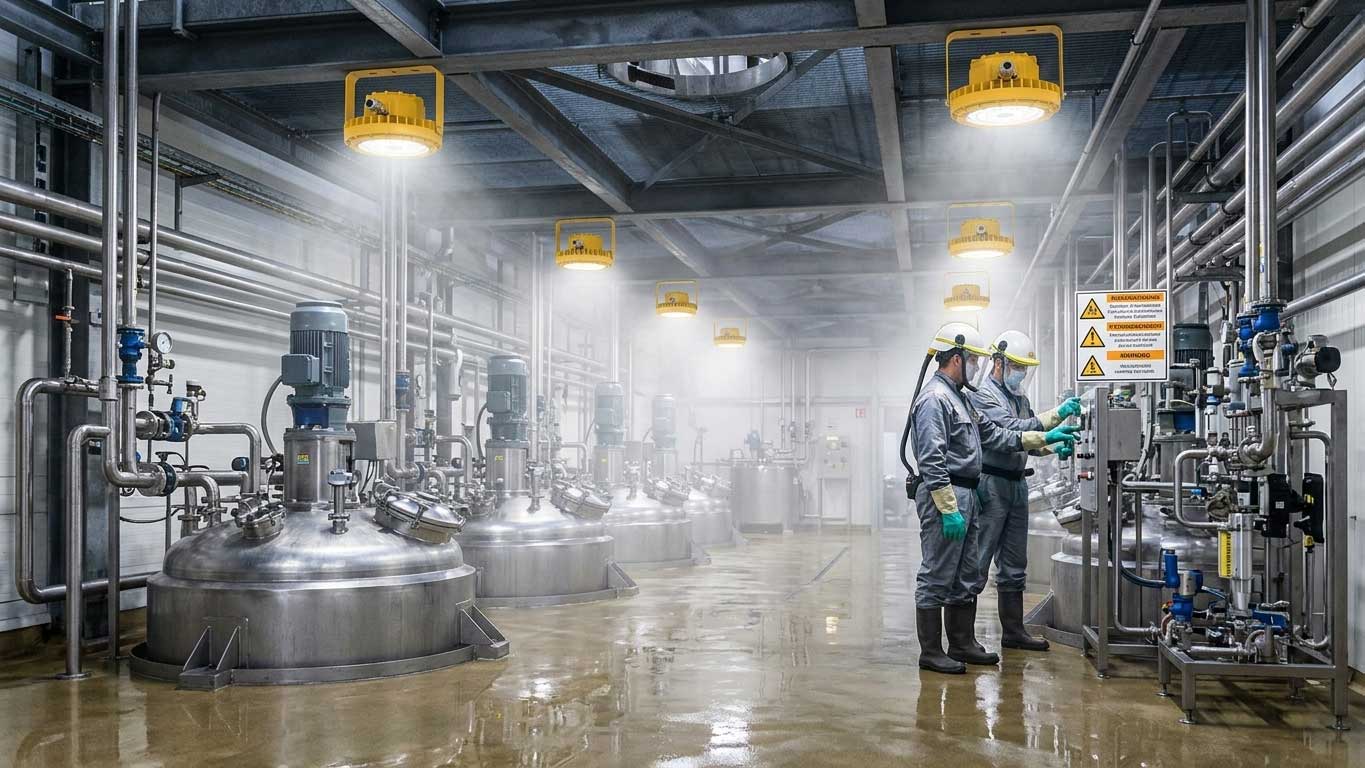
Industries dealing with hydrocarbons, solvents, powders, hydrogen, methane, ethanol, paint vapors, or combustible dust all face ignition risks. According to the European Agency for Safety and Health at Work, explosive atmospheres remain a major industrial safety concern across manufacturing, chemical processing, and energy sectors.
ATEX-certified LED lighting exists for one reason:
Prevent the lighting fixture itself from becoming an ignition source.
That includes preventing:
Sparks
Electrical arcs
Excessive surface temperatures
Static discharge
Internal explosions reaching external gases
Without proper protection, even a standard LED driver failure can ignite volatile vapor clouds.
What Does ATEX Mean?
Understanding the ATEX Directive
ATEX comes from the French phrase:
“ATmosphères EXplosibles”
It refers to two European directives regulating equipment used in explosive atmospheres:
For LED ATEX lighting, certification proves the fixture can safely operate in hazardous environments without igniting surrounding gases or dust.
Hazardous Area Zones Explained
Gas Zones
ATEX hazardous gas environments use Zone classifications.
Zone
Hazard Frequency
Zone 0
Explosive gas continuously present
Zone 1
Explosive gas likely during normal operation
Zone 2
Explosive gas unlikely or temporary
Dust Zones
Combustible dust uses separate classifications.
Zone
Dust Hazard Level
Zone 20
Continuous dust atmosphere
Zone 21
Dust likely during operation
Zone 22
Dust unlikely under normal conditions
One mistake I still see online is people assuming Zone 2 equals “safe enough for regular lights.”
That assumption fails inspections constantly.
Zone 2 still requires certified hazardous-location lighting.
Why LED Technology Changed Hazardous Lighting
Older hazardous lighting relied heavily on:
Metal halide lamps
High-pressure sodium fixtures
Fluorescent tube systems
Those technologies created several problems:
Excessive heat
Short lifespan
Fragile bulbs
High maintenance
Slow restart times
LED ATEX lighting changed the equation.
Modern hazardous-area LED systems commonly achieve:
140–160 lm/W efficiency
50,000–100,000 operating hours
Lower surface temperatures
Instant startup
Reduced maintenance costs
According to the U.S. Department of Energy, LED systems can reduce lighting energy consumption by up to 75% compared with conventional technologies in industrial applications.
In offshore projects, that matters enormously because maintenance labor costs are extreme.
Main Protection Methods Used in LED ATEX Lighting
Ex d — Flameproof Protection
Ex d fixtures contain internal explosions.
If ignition occurs inside:
Flames stay contained
Pressure remains controlled
External gases cannot ignite
These systems use:
Thick aluminum housings
Precision flame paths
Heavy threaded joints
Common in:
Refineries
LNG terminals
Fuel loading systems
Ex e — Increased Safety
Ex e protection prevents sparks and excessive heat generation.
This includes:
Reinforced insulation
Secure terminals
Temperature-controlled electronics
Ex e systems are commonly combined with Ex d designs.
Ex m — Encapsulation
Ex m protection fully encapsulates sensitive electrical components using resin compounds.
Often applied to:
LED drivers
Emergency modules
Control circuits
This reduces maintenance but creates thermal engineering challenges.
Ex n — Zone 2 Protection
Ex n lighting is designed for lower-risk hazardous environments.
Typical features:
Non-sparking operation
Controlled internal temperatures
Restricted breathing enclosures
Widely used in:
Utility corridors
Fuel storage perimeters
Chemical warehouses
Surface Temperature Is More Important Than Brightness
Many buyers focus only on lumens.
Hazardous-area engineers focus on temperature class first.
Why?
Because hot surfaces ignite gas.
ATEX fixtures use T-ratings:
T-Code
Max Surface Temperature
T1
450°C
T2
300°C
T3
200°C
T4
135°C
T5
100°C
T6
85°C
Modern LED ATEX lighting commonly targets T4–T6 ratings because LEDs naturally operate cooler than HID lamps.
That’s one reason LEDs became dominant in hazardous lighting over the past decade.
Corrosion Resistance in Real Industrial Environments
Hazardous zones are rarely clean.
Most facilities combine explosive atmospheres with:
Salt spray
Chemical vapor
Humidity
Vibration
Temperature cycling
I’ve inspected coastal facilities where standard industrial fixtures corroded internally within eighteen months.
Good LED ATEX lighting survives because it uses:
Marine-grade powder coatings
Stainless steel hardware
Tempered borosilicate glass
Sealed driver chambers
IP66/IP67 protection
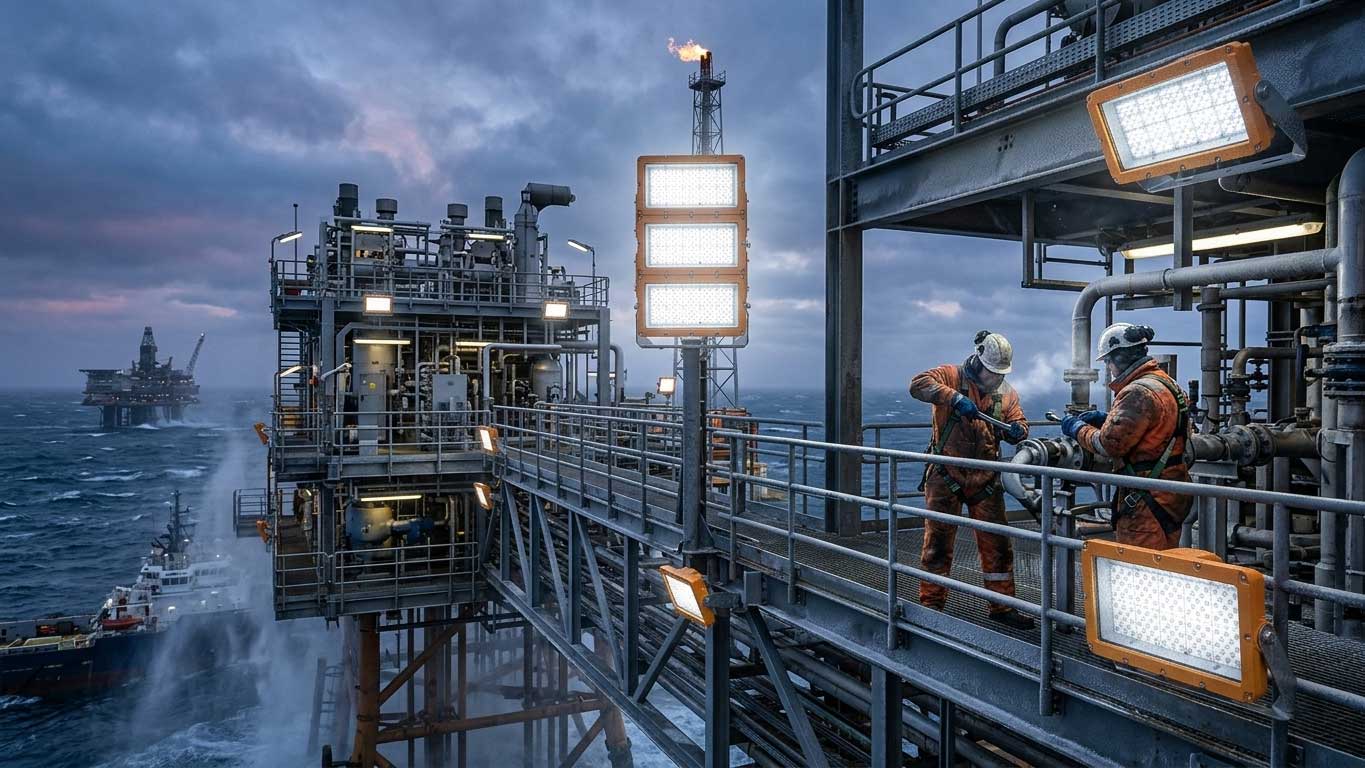
SEEKINGLED hazardous-area fixtures are frequently specified for offshore and marine applications where corrosion protection becomes as critical as explosion protection itself.
LED ATEX Lighting vs Ordinary Industrial Lighting
Feature
LED ATEX Lighting
Standard Industrial LED
Explosion Protection
Certified
None
Hazardous Area Use
Yes
No
Temperature Control
Strictly regulated
General
Flame Containment
Yes
No
Certification
ATEX / IECEx
IEC 60598
Corrosion Resistance
Industrial-grade
Varies
Legal Compliance
Hazardous zones
Safe areas only
This difference becomes critical during inspections.
A standard LED high bay may look nearly identical to an ATEX-certified fixture.
Internally, they are completely different systems.
Industries Using LED ATEX Lighting
Oil & Gas
Offshore platforms
LNG terminals
Refineries
Pipeline stations
Chemical Processing
Solvent production
Paint manufacturing
Pharmaceutical plants
Food & Agriculture
Combustible dust risks exist in:
Grain silos
Sugar plants
Flour processing
Marine & Shipyards
Marine hazardous zones often require:
Corrosion resistance
Shock resistance
Explosion protection simultaneously
Common Mistakes Buyers Make
Choosing Only by Wattage
Hazardous lighting selection depends more on:
Zone rating
Gas group
T-code
Mounting method
Corrosion resistance
than raw wattage alone.
Ignoring Certification Traceability
Real ATEX-certified fixtures include:
Marking labels
Certification numbers
Test documentation
Verification should always come from official notified bodies.
Mixing Certified and Non-Certified Components
One overlooked issue:
Installers replacing cable glands or junction boxes with cheaper parts.
That can void the entire hazardous-area certification.
I’ve seen completed projects fail inspection for exactly this reason.
Daweiboss specializes in hazardous-area LED lighting systems for oil & gas facilities, marine engineering projects, petrochemical plants, and industrial processing environments. His experience includes ATEX-certified lighting retrofits, explosion-proof compliance consulting, offshore lighting upgrades, and hazardous-location energy-efficiency projects across international industrial markets.
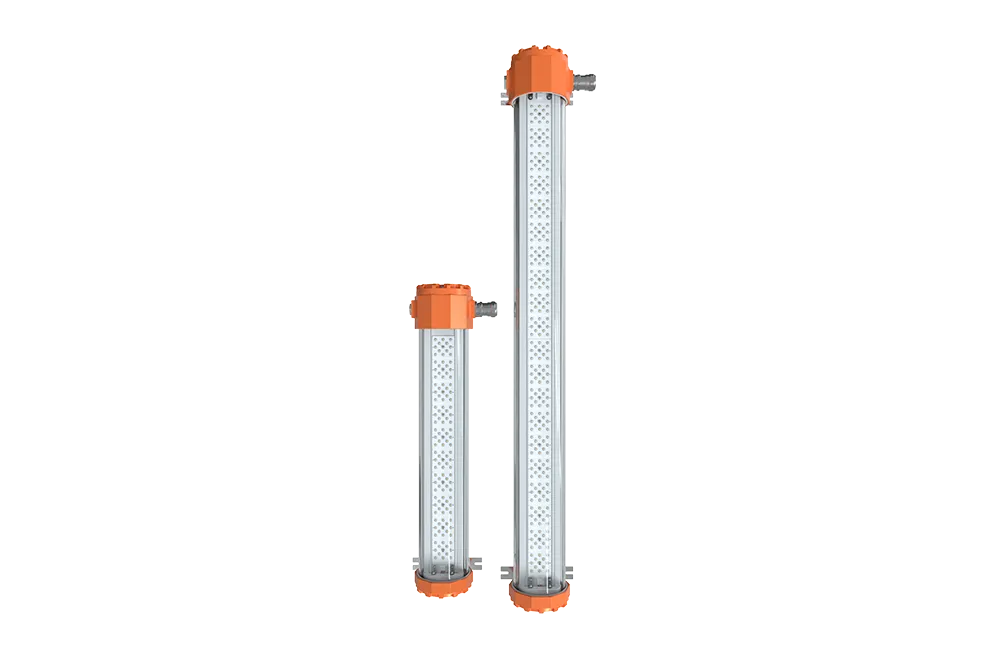
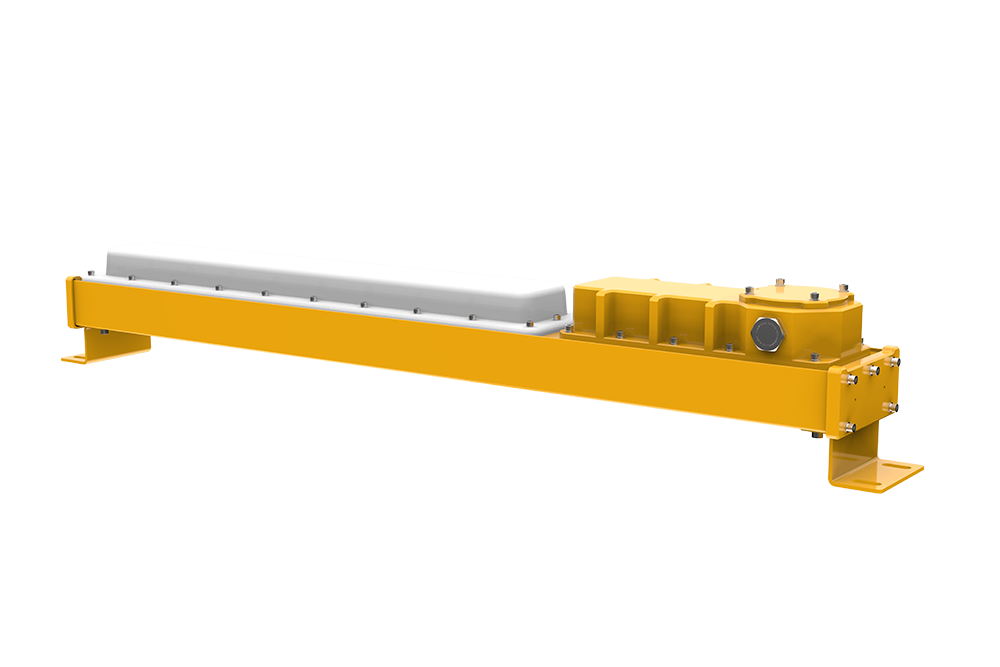
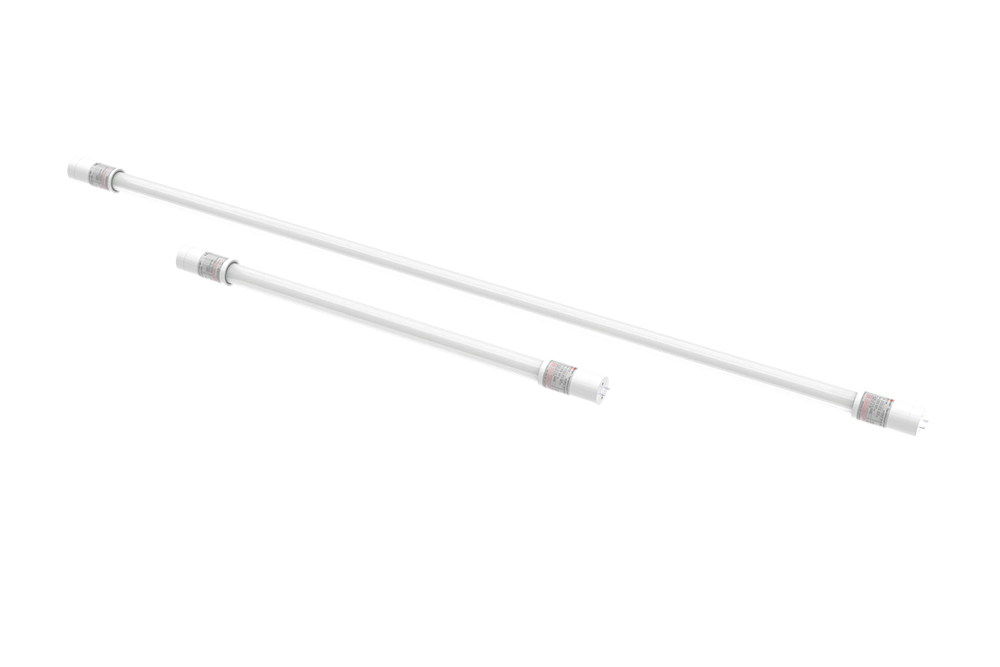
SEEKINGLED LED Linear Explosion Proof Light and Explosion Proof lighting is ATEX and IECEx certified for Zone 1, Zone 2, Zone 21 and Zone 22 hazardous locations, built for long-term industrial use.
LED Linear Explosion Proof Lights and EX Proof lights for Zone 1, Zone 2, Zone 21 and Zone 22 hazardous areas. ATEX & IECEx certified explosion proof LED linear lighting with emergency function, adjustable power and IP67 protection by SEEKINGLED.
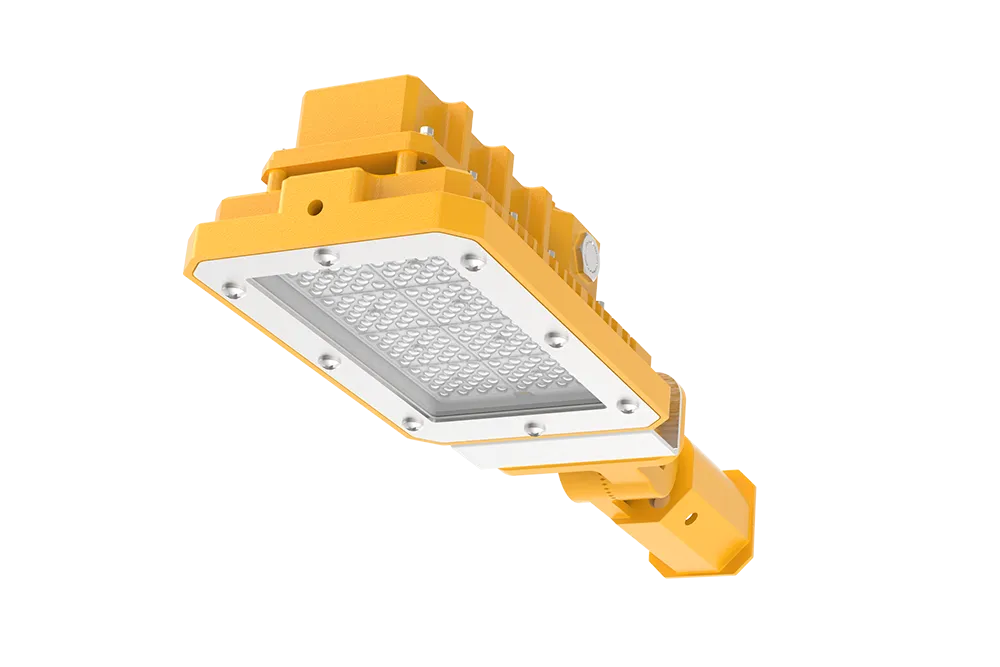
SEEKINGLED LED Explosion Proof Flood Lights are ATEX certified for Zone 2 and Zone 22 hazardous areas, offering high efficiency, adjustable power and integrated junction box.
SEEKINGLED LED Explosion Proof Flood Lights are flameproof ATEX and IECEx certified for Zone 1 and Zone 2 hazardous areas, offering high power, adjustable output and long service life.
SEEKINGLED LED Gas Station Canopy Lights are ATEX certified for Zone 2 and Zone 22 hazardous areas, featuring adjustable power and built-in explosion-proof junction box.
ATEX: Ex II 2G Ex db IIB T6/T5 GbEx II 2D Ex tb IIIC T80°C/ T95°C Db IECEx Ex db IIB T6 Gb;Ex tb IIIC T80°C Db Feature: ● For Zone 1,2 and Zone 21,22● Flameproof type, the strongest● 100W can replace 250W HID,energy saving● Power:60W,80W,100W Application: Oil and gas, marine, Chemical, pharmaceutical, semiconductor,mining,military industr…
ATEX: II 3G Ex nR ⅡC T5/T6 GcII 3D Ex tc ⅢC T80℃/T95℃Dc ATEX Certificate NO: TÜV CY 26 ATEX 0207611 X Feature: ● For Zone 2 and Zone 22● 150W can replace 250W HID lamps,Energy saving● Power:50W,75W,100W,150W,200W Application: Oil and gas, marine, Chemical, pharmaceutical, semiconductor,mining,military industry, paint booth,power plant ETC…
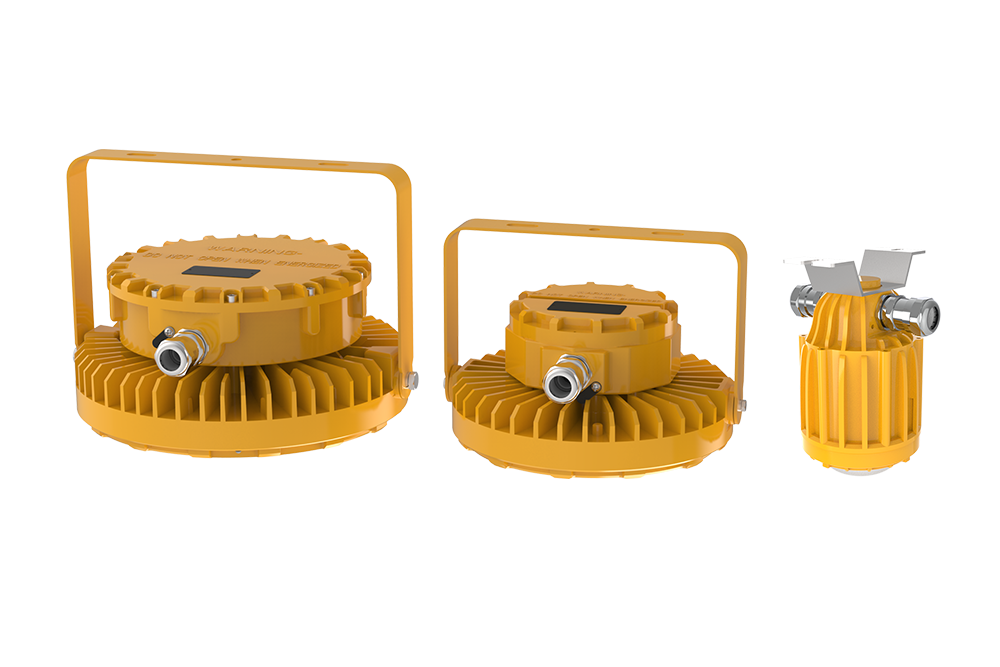
LED explosion proof high bay lights are designed for Zone 1, Zone 2, Zone 21 and Zone 22 hazardous areas. This page introduces the HB21 Series from SEEKING, including certifications, power options and real application considerations.
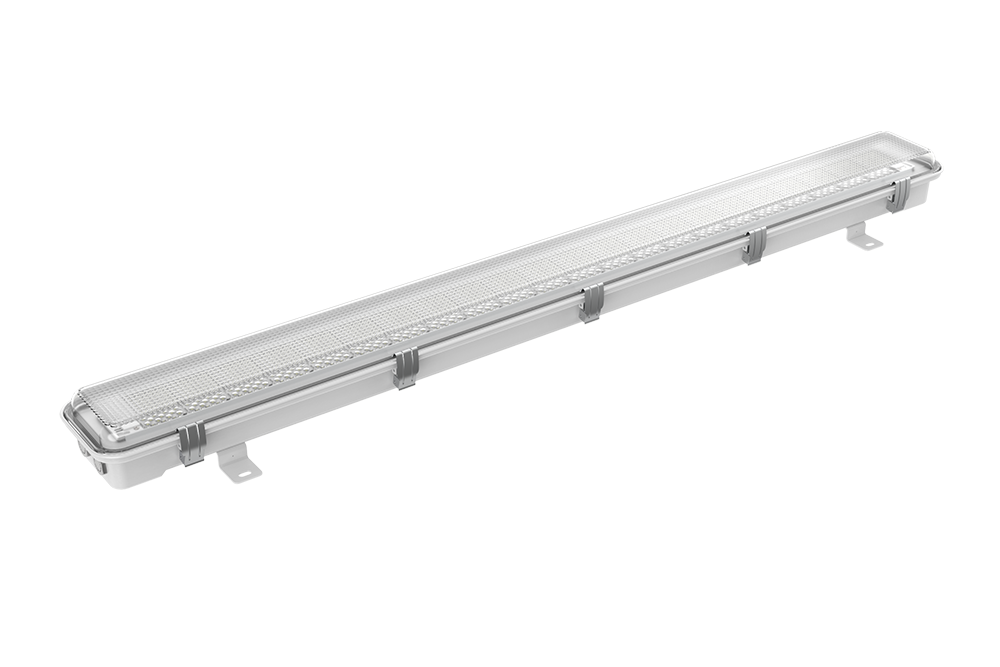
LED Linear Explosion Proof Lights from SEEKINGLED. LU Series Flame Proof lights ATEX-certified explosion proof LED linear lighting for Zone 2 gas and Zone 22 dust areas, IP69K, IK10, long lifetime and flexible power options.
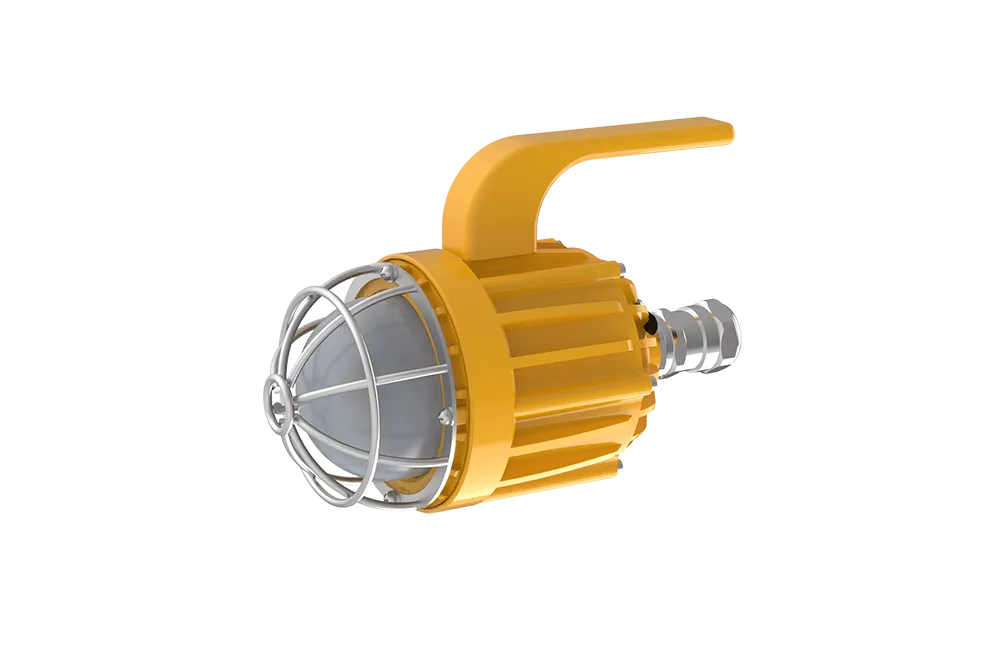
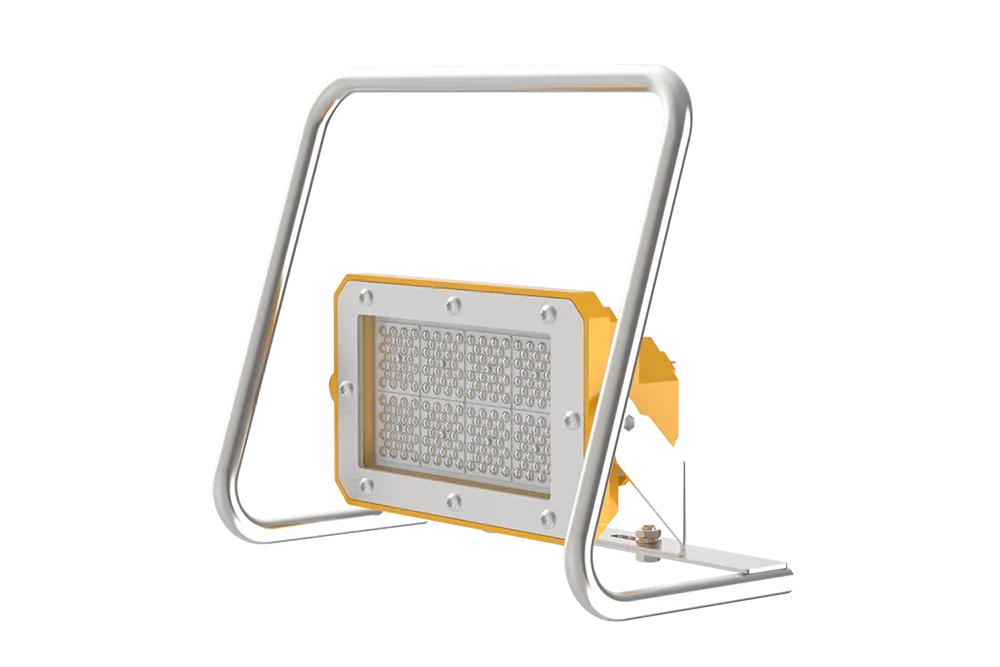
Certified explosion proof work lights for Zone 1 & 21 hazardous areas. Portable, ATEX & IECEx approved, built for oil, gas and chemical plants by SEEKINGLED.
ATEX: II 3G Ex nR ⅡC T6 GcII 3D Ex tc ⅢC T80℃ Dc ATEX Certificate NO: TÜV CY 26 ATEX 0207611 X Feature: ● For Zone 2 and Zone 22● Accepts battery-powered supply● indestructible● Power:AC input:50W,75W,100WDC input:15W,25W,35W Application: Oil and gas, marine, Chemical, pharmaceutical, semiconductor,mining,military industry, paint booth,po…
ATEX: Ex II 2G Ex db IIB T6 GbEx II 2D Ex tb IIIC T80°C Db IECEx Ex db IIB T6 Gb;Ex tb IIIC T80°C Db Feature: ● For Zone 1,2 and Zone 21,22● Flameproof type, the strongest Application: Oil and gas, marine, Chemical, pharmaceutical, semiconductor,mining,military industry, paint booth,power plant ETC hazardous area. Technical Specifications:…
ATEX: Ex II 2G Ex db IIB T6 GbEx II 2D Ex tb IIIC T80°C Db IECEx Ex db IIB T6 Gb;Ex tb IIIC T80°C Db Feature: ● For Zone 1,2 and Zone 21,22● Flameproof type, the strongest Application: Oil and gas, marine, Chemical, pharmaceutical, semiconductor,mining,military industry, paint booth,power plant ETC hazardous area. Technical Specifications:…
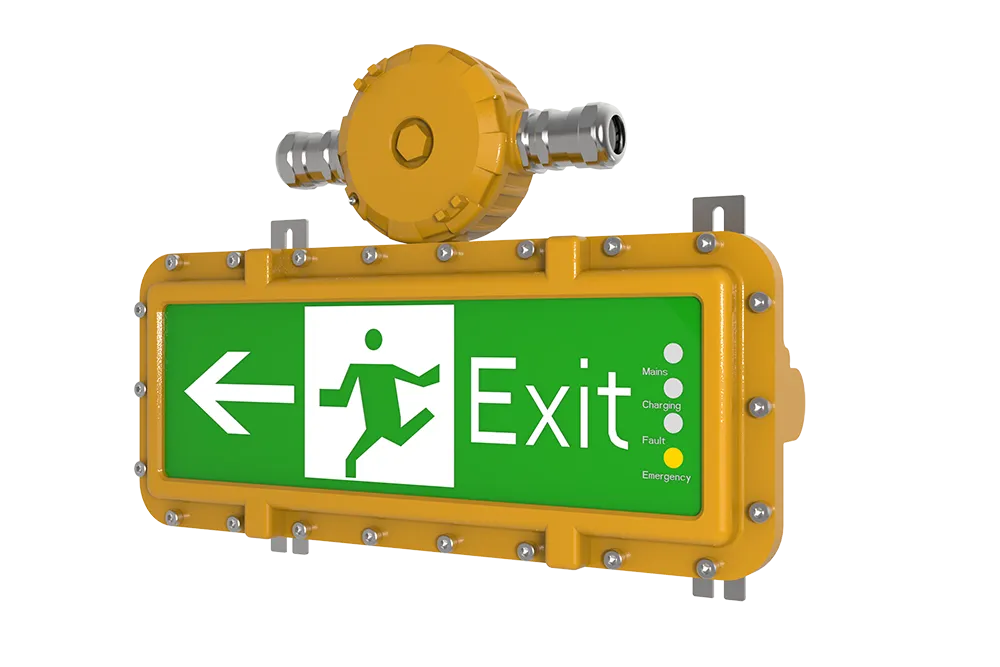
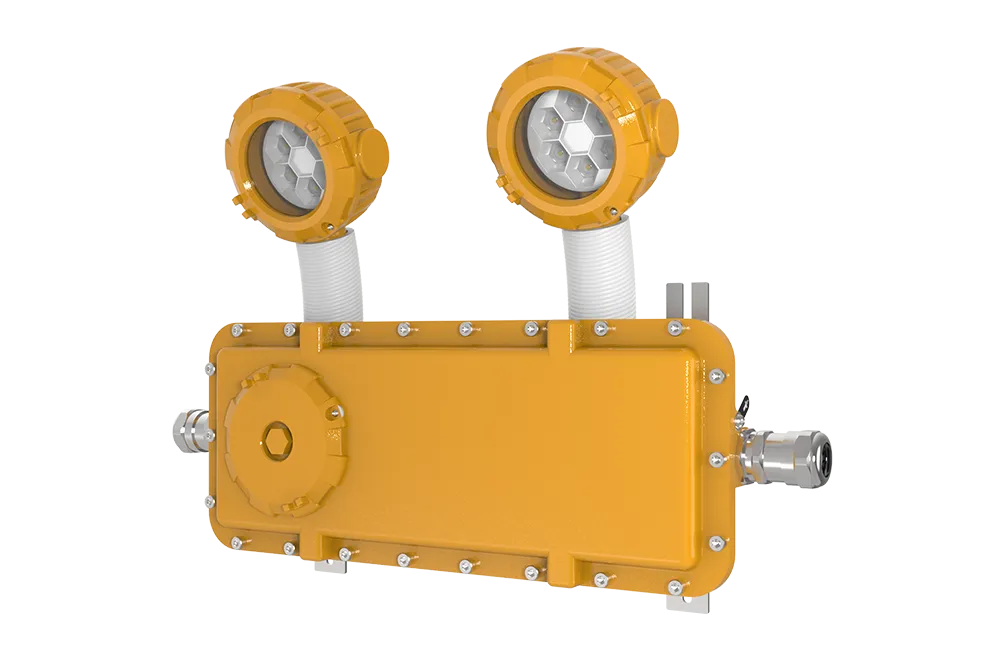
ATEX: Ex II 2G Ex d e IIB T6 Gb ATEX: Ex d e IIB T6 Gb; Feature: ● For Zone 1,2● 9W can replace 18W fluorescent lamps,50% Energy saving Application: Oil and gas, marine, Chemical, pharmaceutical, semiconductor,mining,military industry, paint booth,power plant ETC hazardous area. Technical Specifications: Standards:60079-0, 60079-1, 60079…
Hazardous LED lighting fixtures provide certified protection, lower maintenance costs, and reliable illumination for oil, gas, chemical, and hazardous industrial environments.
Can you use a LED flood light to grow plants? Learn when it works, when it doesn’t, and why outdoor LED flood lights like SEEKINGLED are not designed as grow lights.
Why are there blue LED street lights in some cities? This official Q&A explains real technical reasons, whether blue street lights are intentional, and what it means for safety.
How much do LED street lights cost for roads, parking areas, and municipal projects? This guide explains price ranges, cost factors, and real-world LED street lighting choices from SEEKINGLED.
 Seeking LED