 Seeking LED
How to Fix LED Flood Light?
373How to fix LED flood light issues like no power, flickering, or dim output? This practical guide explains common causes and repair steps based on real LED flood light projects by SEEKINGLED.
View detailsSearch the whole station
ATEX explosion proof lights are certified hazardous-area luminaires designed to prevent ignition in explosive gas or dust environments. They use flameproof housings, temperature-controlled LED systems, and sealed electrical protection to safely operate in Zone 1, Zone 2, Zone 21, and Zone 22 industrial locations.
I learned very early in refinery lighting projects that hazardous-area lighting is not really about brightness. It is about controlling risk when one spark, one overheated driver, or one damaged cable gland could trigger an explosion.
Several years ago, during a retrofit project near a coastal LNG terminal, an engineer pointed to two floodlights mounted only fifteen meters apart. One was a normal industrial fixture. The other was ATEX certified. To most people they looked similar. But internally, the certified fixture had flame paths, thermal controls, sealed chambers, and pressure-resistant housing designed specifically to survive dangerous environments.
That difference is exactly why ATEX explosion proof lights exist.
ATEX explosion proof lights are lighting fixtures certified under the European ATEX directive for operation in explosive atmospheres.
The term “ATEX” comes from the French:
These fixtures are engineered so they cannot ignite surrounding hazardous gases, vapors, combustible dust, or fibers.
Typical installation environments include:
Unlike ordinary industrial LED fixtures, ATEX explosion proof lights undergo strict testing for:
According to the European Commission ATEX framework and IECEx standards, hazardous-area equipment must be selected according to both gas group and temperature classification.
That is where many inexperienced buyers make mistakes.
In hazardous facilities, the danger is often invisible.
You cannot always see methane.
You cannot always smell hydrogen.
Combustible dust may float silently above production equipment.
But ignition energy requirements can be incredibly low.
According to IEC 60079 standards, hydrogen gas can ignite with extremely small ignition energy under certain conditions. That means even electrical arcs, overheated LEDs, or static discharge may become dangerous.
ATEX explosion proof lights are designed specifically to remove those ignition risks.
The U.S. Chemical Safety Board (CSB) continues to investigate explosions involving combustible gases and dust in industrial facilities.
One recurring issue appears again and again:
Improper electrical equipment installed in classified hazardous areas.
That includes:
A lighting fixture is not just “lighting” inside hazardous zones.
It becomes part of the plant’s safety system.
The most common protection method for high-power hazardous lighting is flameproof protection.
If an internal spark or fault ignites gas inside the fixture:
SEEKINGLED ATEX explosion proof lights commonly use precision-machined flameproof joints combined with heavy-duty aluminum housings.
Surface temperature matters more than many buyers realize.
Even without sparks, a hot fixture surface can ignite gas.
That is why ATEX fixtures use T-ratings:
| Temperature Class | Maximum Surface Temperature |
|---|---|
| T1 | 450°C |
| T2 | 300°C |
| T3 | 200°C |
| T4 | 135°C |
| T5 | 100°C |
| T6 | 85°C |
Modern LED ATEX explosion proof lights usually target T4–T6 classifications.
Compared with traditional HID systems, LEDs dramatically reduce ignition risk because they generate less surface heat.
| Zone | Hazard Frequency |
|---|---|
| Zone 0 | Hazard continuously present |
| Zone 1 | Hazard likely during normal operation |
| Zone 2 | Hazard unlikely or short duration |
| Zone | Dust Hazard Level |
|---|---|
| Zone 20 | Continuous combustible dust |
| Zone 21 | Dust likely during operation |
| Zone 22 | Dust only during abnormal conditions |
Correct zone classification determines which ATEX explosion proof lights can legally and safely be installed.
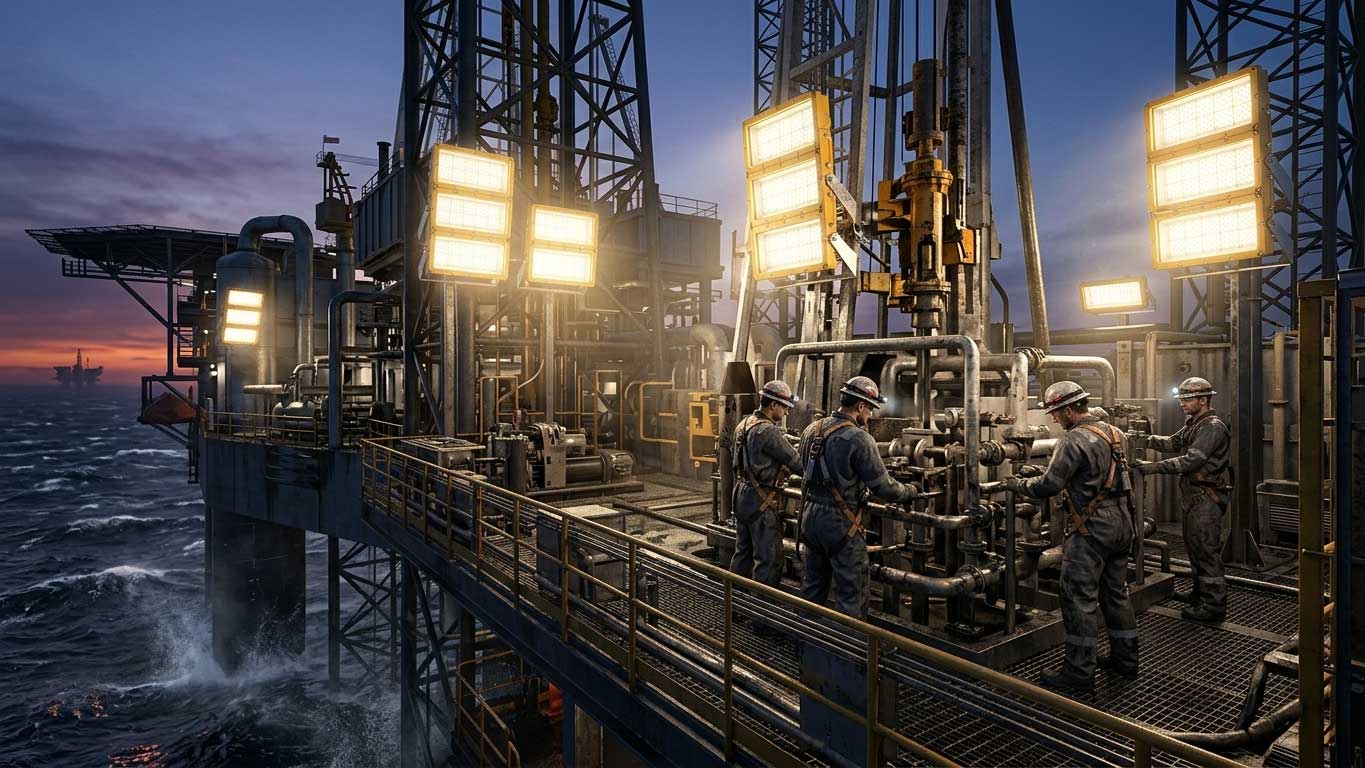
Traditional HID hazardous fixtures often operate at very high temperatures.
I still remember maintenance crews waiting for old metal-halide explosion-proof lights to cool before touching them safely.
LED systems changed that.
Modern ATEX explosion proof lights commonly run much cooler while maintaining high lumen output.
According to the U.S. Department of Energy, industrial LED lighting systems can significantly reduce energy consumption compared with legacy lighting technologies.
In hazardous facilities running 24/7 operations, that reduction becomes substantial over time.
Especially offshore.
Diesel-generated electricity offshore is extremely expensive.
Even small efficiency improvements matter.
Hazardous-area maintenance is expensive because:
Long-life LED ATEX fixtures help reduce maintenance frequency dramatically.
SEEKINGLED hazardous-area fixtures are commonly engineered for operational lifespans exceeding 50,000 hours under industrial conditions.
On paper, many explosion proof lights appear similar.
Field performance tells another story.
Poor-quality fixtures often fail because of:
This becomes especially visible offshore.
I once inspected a marine fuel terminal where several low-cost hazardous fixtures showed severe corrosion within two years.
The certified label remained intact.
The housing integrity did not.
That difference matters.
Common materials include:
The housing must resist:
Hazardous-area optics usually use:
These materials handle extreme temperature variation and industrial vibration better than standard plastics.
Improper cable glands are one of the most overlooked hazardous-area risks.
A certified fixture can lose compliance if installers use non-certified cable entries.
SEEKINGLED systems commonly use sealed hazardous-area cable glands engineered for:
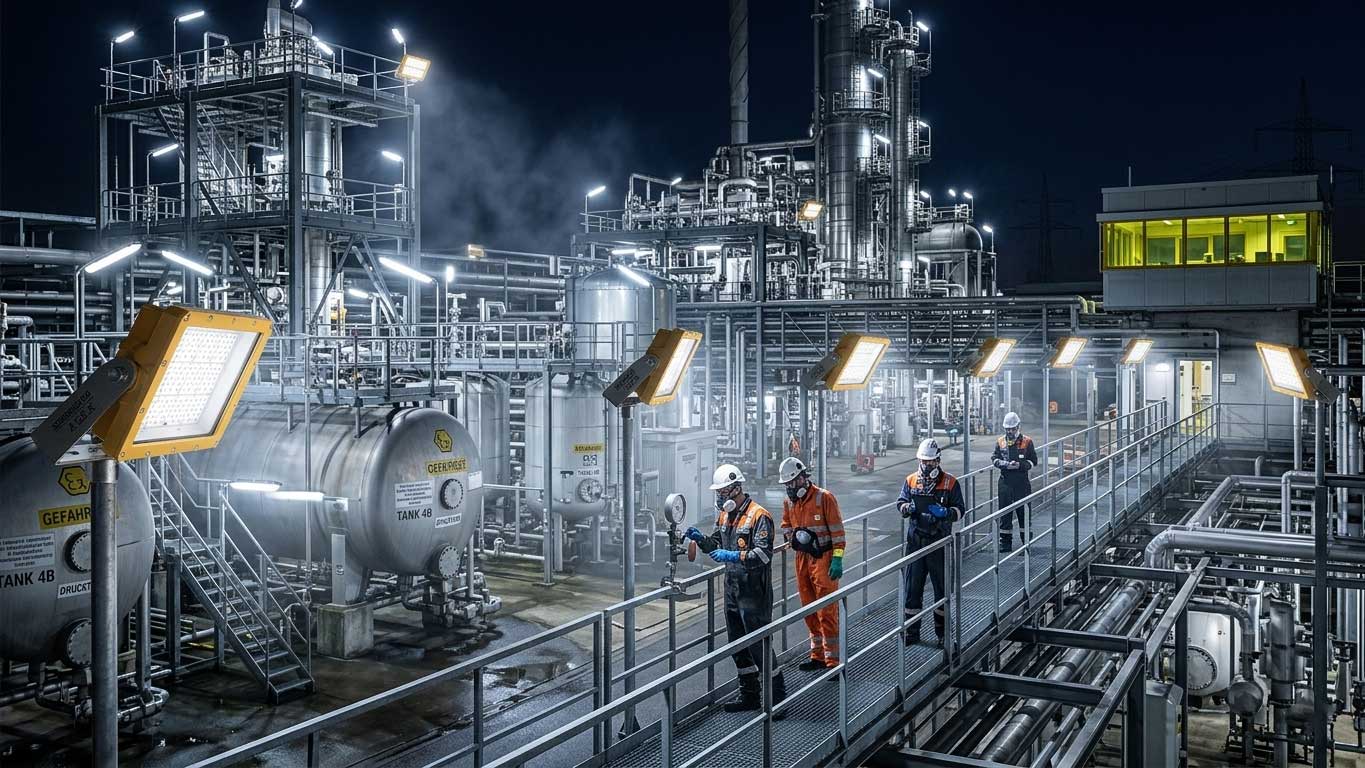
Many industrial buyers confuse ATEX and IECEx certifications.
They are related, but not identical.
| Certification | Primary Market |
|---|---|
| ATEX | European Union |
| IECEx | International markets |
Many global industrial projects require both.
SEEKINGLED hazardous lighting solutions are commonly engineered for international hazardous-area compliance requirements across oil & gas, marine, and chemical sectors.
Combustible dust risks exist in:
This surprises many outside industrial engineering.
Dust explosions can be devastating.
One issue rarely discussed publicly:
Unauthorized modifications.
I’ve seen certified hazardous lighting become non-compliant because contractors replaced:
with cheaper standard parts.
Certification only remains valid when the entire installation matches approved hazardous-area design requirements.
That detail alone causes many failed inspections.
Before selecting fixtures, verify:
The wrong beam angle can create dark zones even if brightness appears sufficient on paper.
Real industrial lighting design is more complicated than lumen numbers alone.
ATEX refers to European hazardous-area certification standards for equipment used in explosive atmospheres.
Most industrial models are designed with high IP ratings like IP66 or IP67 for harsh environments.
Yes. Properly certified LED fixtures can safely operate in hazardous areas when engineered to ATEX or IECEx standards.
Oil & gas, marine, chemical processing, mining, pharmaceuticals, food manufacturing, and fuel storage facilities.
Not always legally required, but ATEX-certified equipment is widely accepted internationally for hazardous-area projects.
SEEKINGLED develops hazardous-area LED lighting for demanding industrial environments including:
Key features include:
In hazardous locations, lighting is not decorative equipment.
It becomes part of the facility’s risk-control infrastructure.
Author: Daweiboss
Brand: SEEKINGLED
Daweiboss specializes in hazardous-area LED lighting systems for offshore platforms, petrochemical plants, marine engineering projects, and industrial explosion-proof applications. His experience includes ATEX-certified lighting retrofits, hazardous-location compliance consulting, and industrial LED system design for high-risk operating environments.
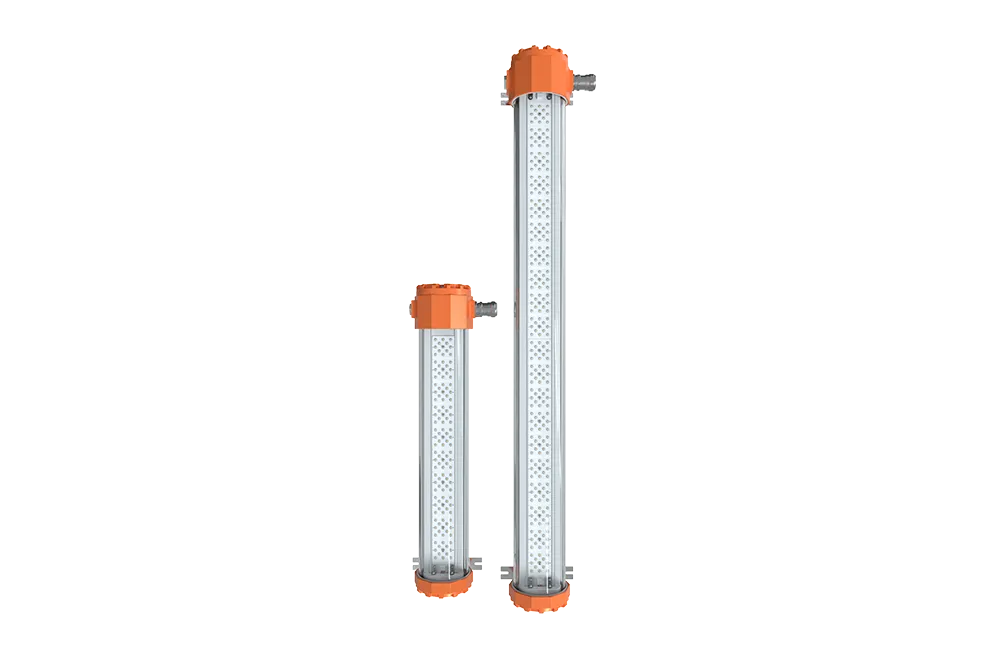
SEEKINGLED LED Linear Explosion Proof Light and Explosion Proof lighting is ATEX and IECEx certified for Zone 1, Zone 2, Zone 21 and Zone 22 hazardous locations, built for long-term industrial use.
View details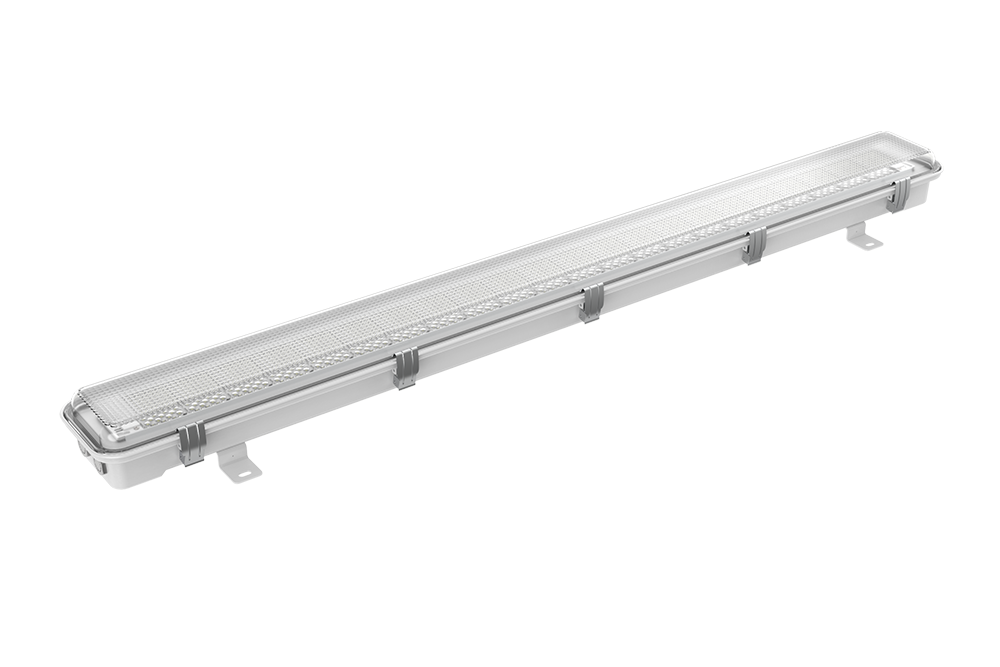
LED Linear Explosion Proof Lights and EX Proof lights for Zone 1, Zone 2, Zone 21 and Zone 22 hazardous areas. ATEX & IECEx certified explosion proof LED linear lighting with emergency function, adjustable power and IP67 protection by SEEKINGLED.
View details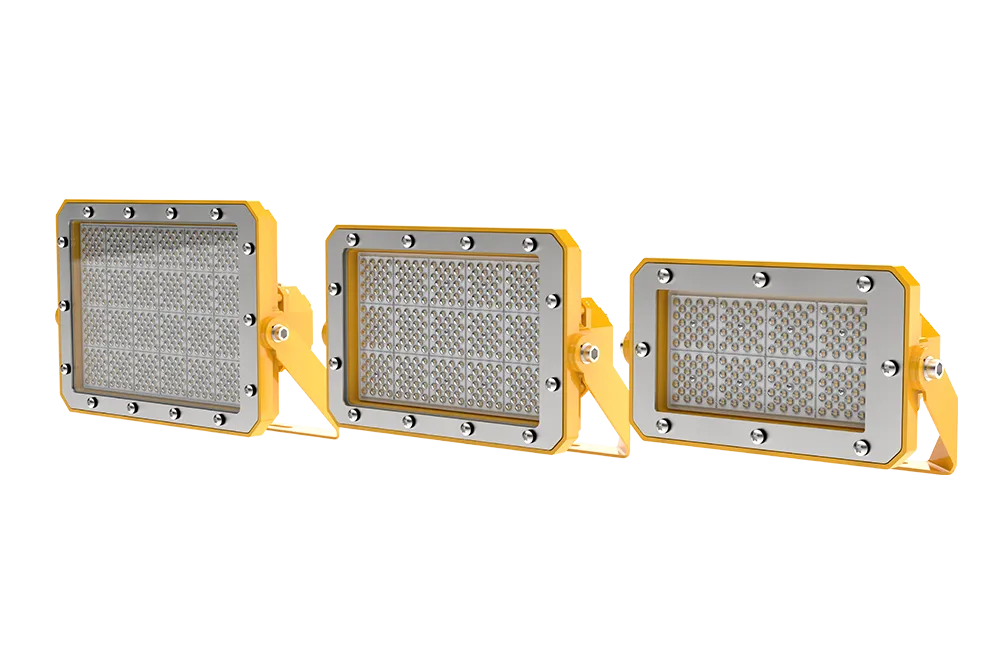
SEEKINGLED LED Explosion Proof Flood Lights are ATEX certified for Zone 2 and Zone 22 hazardous areas, offering high efficiency, adjustable power and integrated junction box.
View details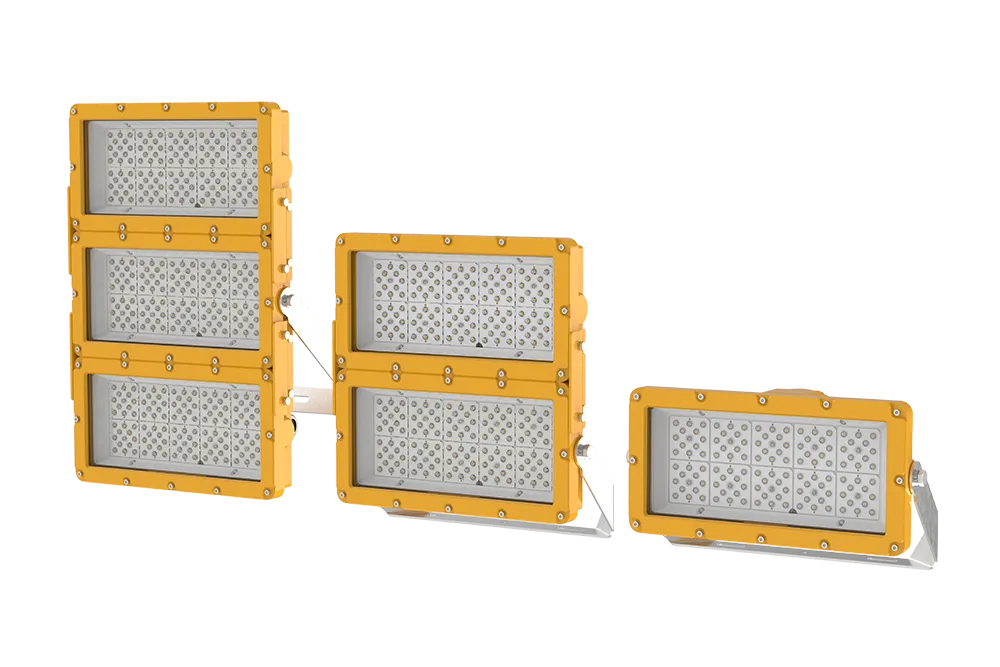
SEEKINGLED LED Explosion Proof Flood Lights are flameproof ATEX and IECEx certified for Zone 1 and Zone 2 hazardous areas, offering high power, adjustable output and long service life.
View details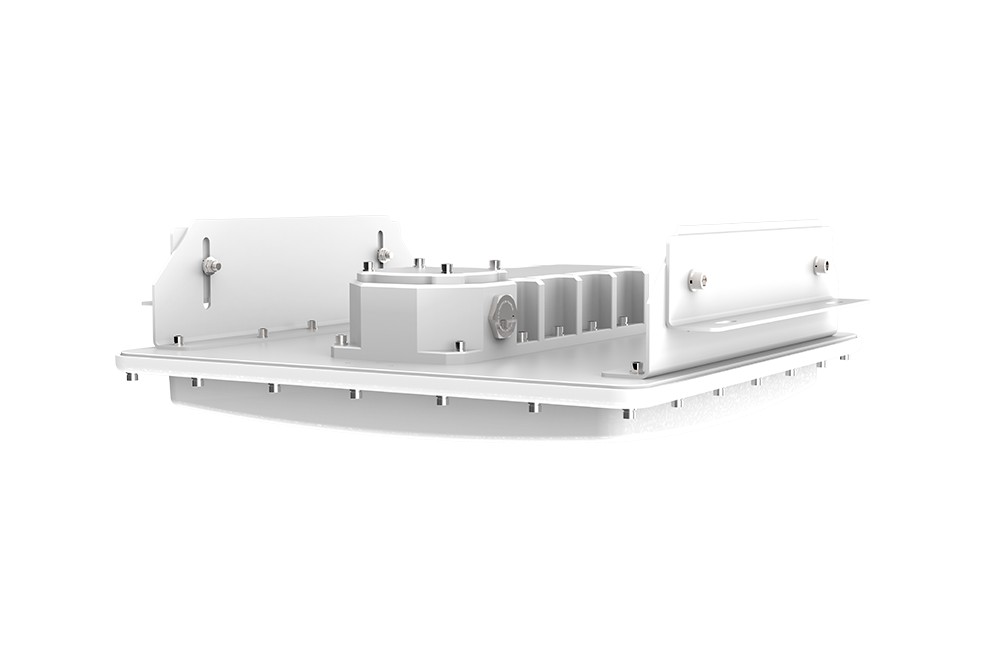
SEEKINGLED LED Gas Station Canopy Lights are ATEX certified for Zone 2 and Zone 22 hazardous areas, featuring adjustable power and built-in explosion-proof junction box.
View details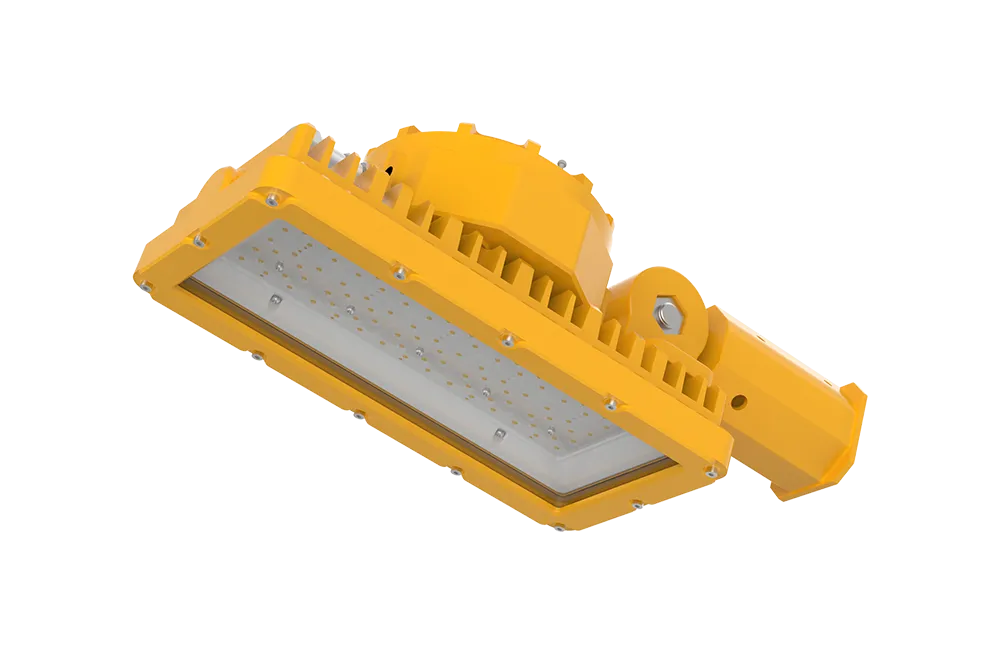
ATEX: Ex II 2G Ex db IIB T6/T5 GbEx II 2D Ex tb IIIC T80°C/ T95°C Db IECEx Ex db IIB T6 Gb;Ex tb IIIC T80°C Db Feature: ● For Zone 1,2 and Zone 21,22● Flameproof type, the strongest● 100W can replace 250W HID,energy saving● Power:60W,80W,100W Application: Oil and gas, marine, Chemical, pharmaceutical, semiconductor,mining,military industr…
View details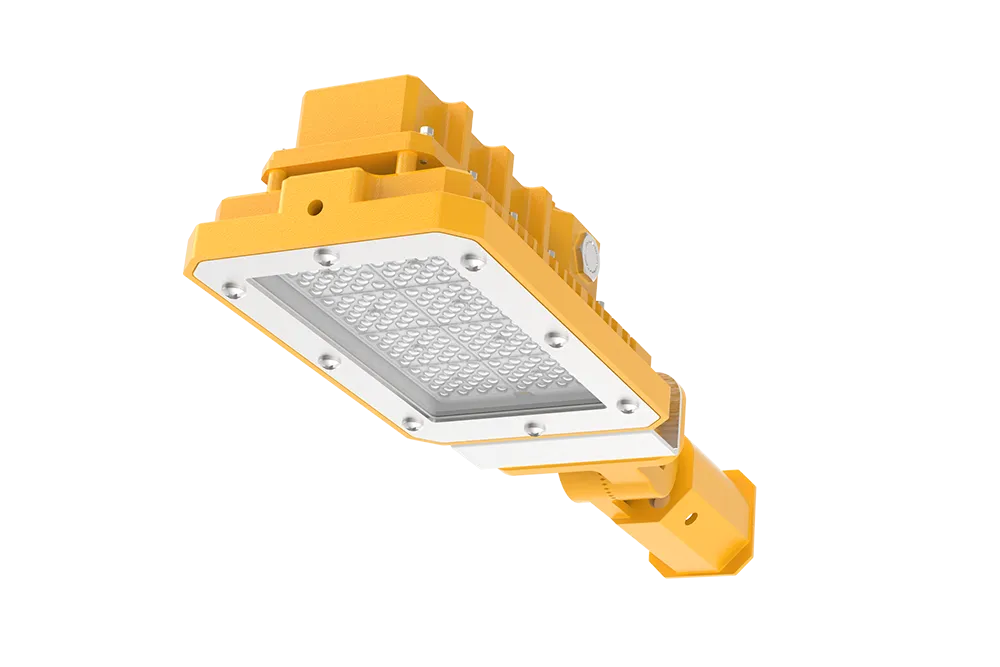
ATEX: II 3G Ex nR ⅡC T5/T6 GcII 3D Ex tc ⅢC T80℃/T95℃Dc ATEX Certificate NO: TÜV CY 26 ATEX 0207611 X Feature: ● For Zone 2 and Zone 22● 150W can replace 250W HID lamps,Energy saving● Power:50W,75W,100W,150W,200W Application: Oil and gas, marine, Chemical, pharmaceutical, semiconductor,mining,military industry, paint booth,power plant ETC…
View details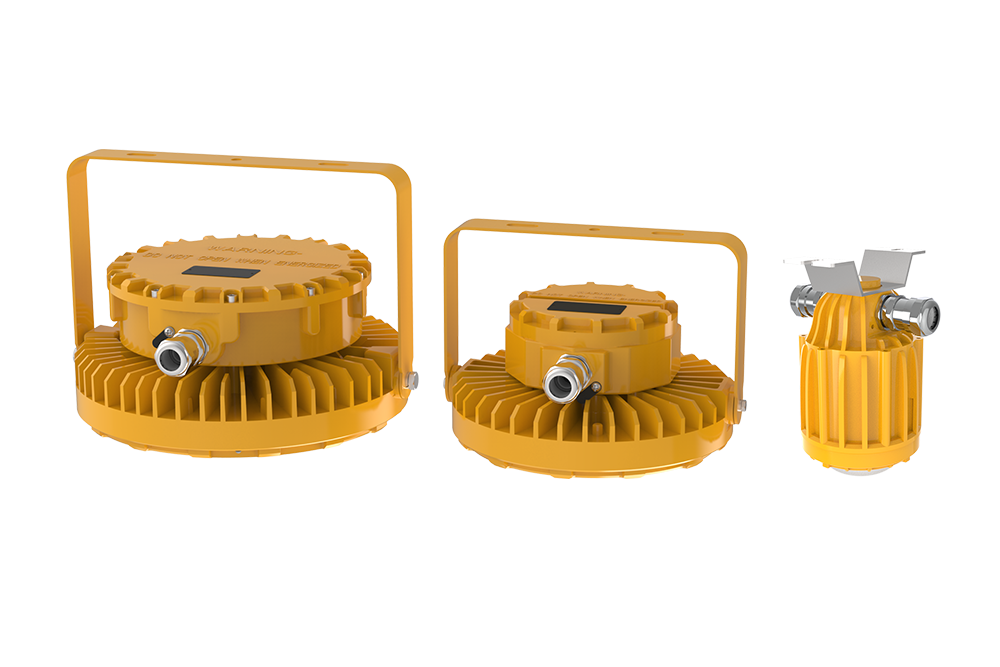
LED explosion proof high bay lights are designed for Zone 1, Zone 2, Zone 21 and Zone 22 hazardous areas. This page introduces the HB21 Series from SEEKING, including certifications, power options and real application considerations.
View details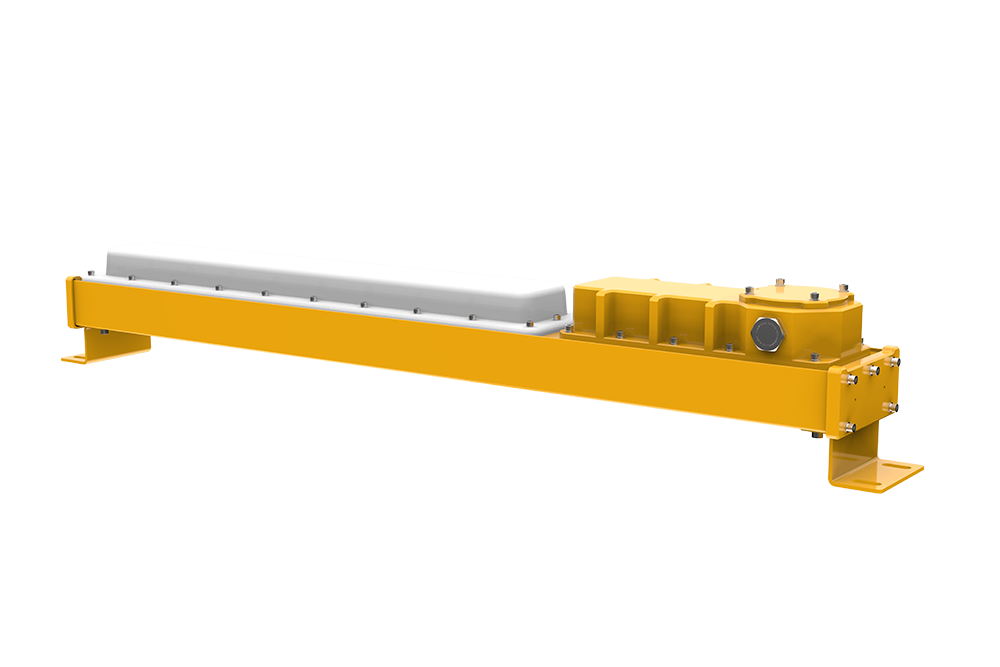
LED Linear Explosion Proof Lights from SEEKINGLED. LU Series Flame Proof lights ATEX-certified explosion proof LED linear lighting for Zone 2 gas and Zone 22 dust areas, IP69K, IK10, long lifetime and flexible power options.
View details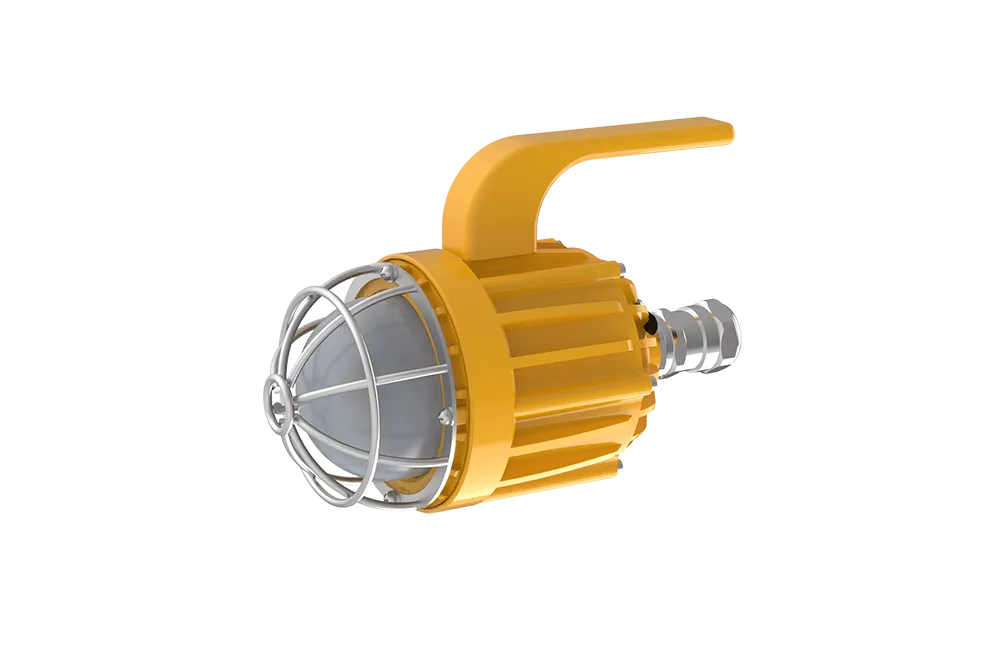
Certified explosion proof work lights for Zone 1 & 21 hazardous areas. Portable, ATEX & IECEx approved, built for oil, gas and chemical plants by SEEKINGLED.
View details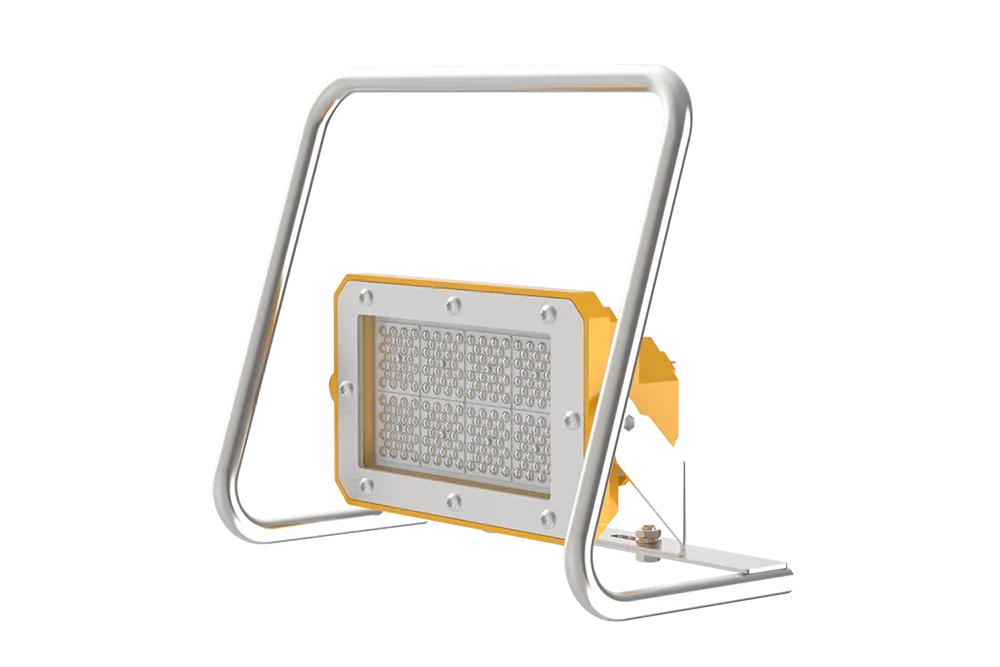
ATEX: II 3G Ex nR ⅡC T6 GcII 3D Ex tc ⅢC T80℃ Dc ATEX Certificate NO: TÜV CY 26 ATEX 0207611 X Feature: ● For Zone 2 and Zone 22● Accepts battery-powered supply● indestructible● Power:AC input:50W,75W,100WDC input:15W,25W,35W Application: Oil and gas, marine, Chemical, pharmaceutical, semiconductor,mining,military industry, paint booth,po…
View details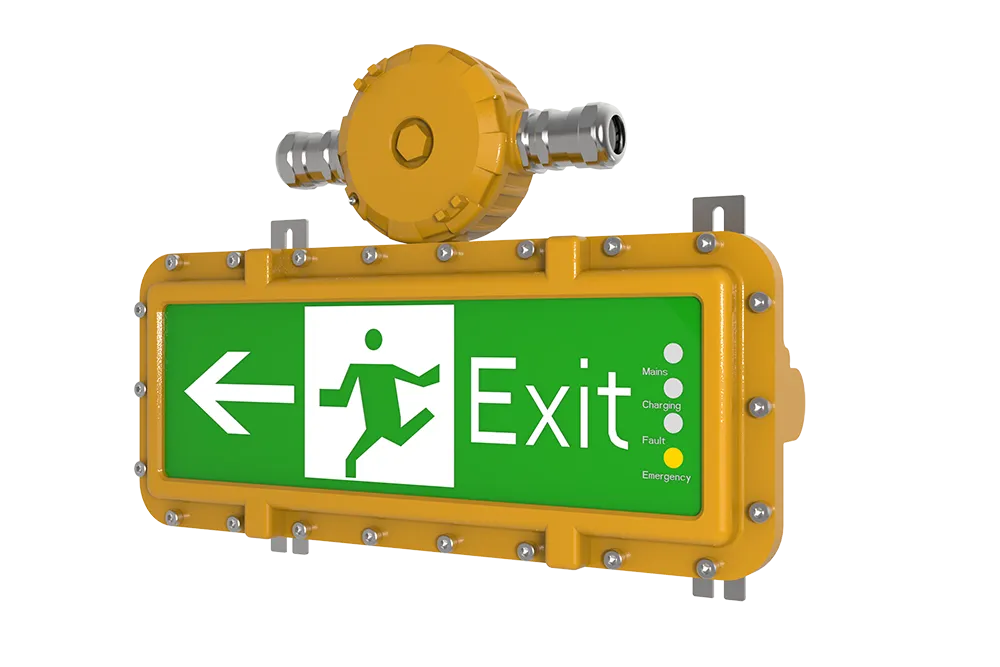
ATEX: Ex II 2G Ex db IIB T6 GbEx II 2D Ex tb IIIC T80°C Db IECEx Ex db IIB T6 Gb;Ex tb IIIC T80°C Db Feature: ● For Zone 1,2 and Zone 21,22● Flameproof type, the strongest Application: Oil and gas, marine, Chemical, pharmaceutical, semiconductor,mining,military industry, paint booth,power plant ETC hazardous area. Technical Specifications:…
View details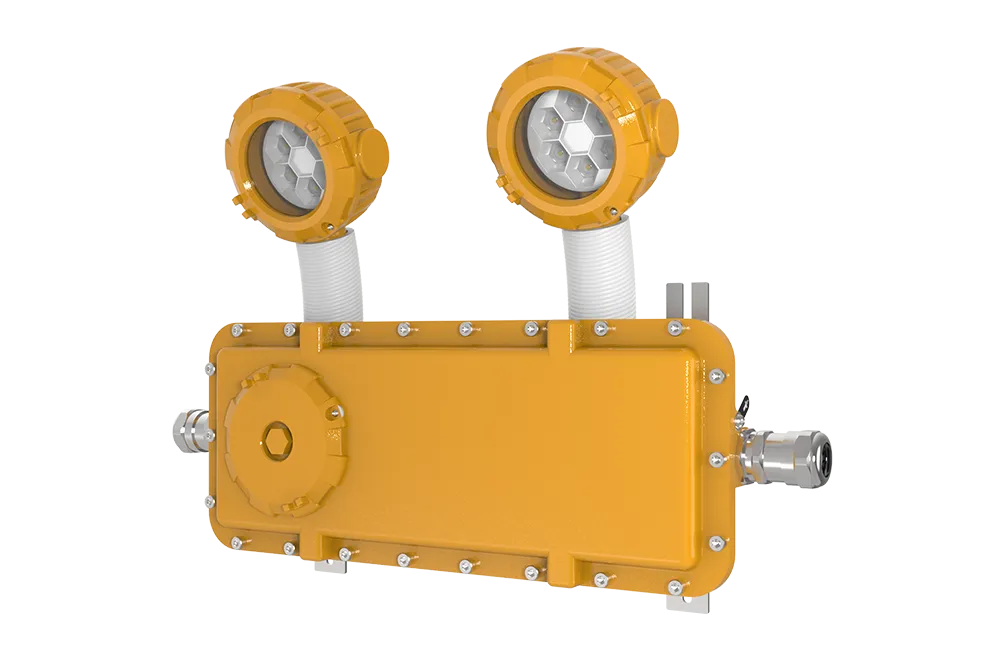
ATEX: Ex II 2G Ex db IIB T6 GbEx II 2D Ex tb IIIC T80°C Db IECEx Ex db IIB T6 Gb;Ex tb IIIC T80°C Db Feature: ● For Zone 1,2 and Zone 21,22● Flameproof type, the strongest Application: Oil and gas, marine, Chemical, pharmaceutical, semiconductor,mining,military industry, paint booth,power plant ETC hazardous area. Technical Specifications:…
View details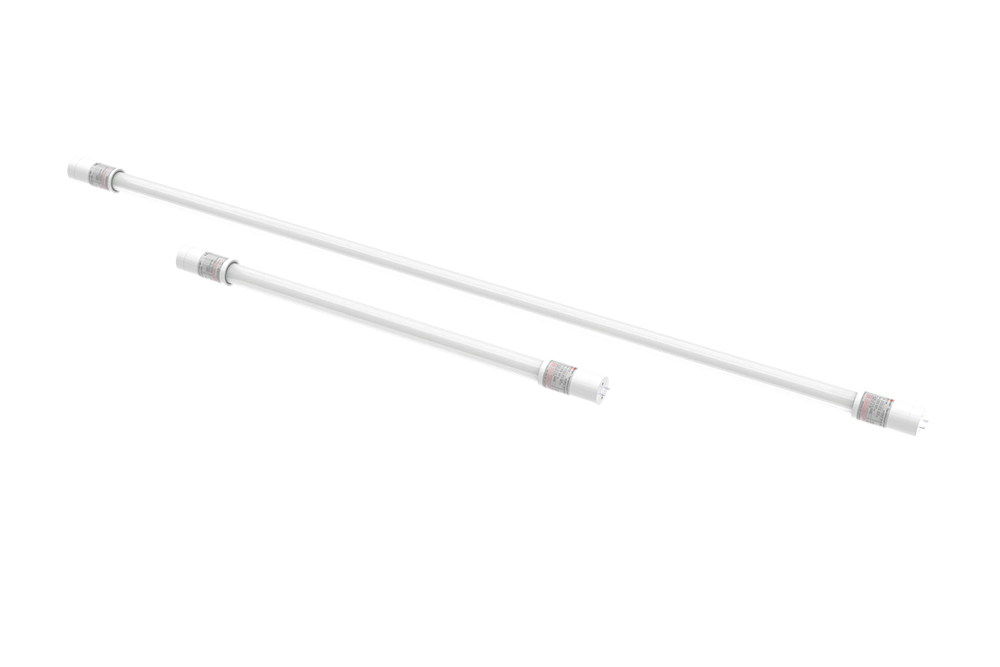
ATEX: Ex II 2G Ex d e IIB T6 Gb ATEX: Ex d e IIB T6 Gb; Feature: ● For Zone 1,2● 9W can replace 18W fluorescent lamps,50% Energy saving Application: Oil and gas, marine, Chemical, pharmaceutical, semiconductor,mining,military industry, paint booth,power plant ETC hazardous area. Technical Specifications: Standards:60079-0, 60079-1, 60079…
View details
How to fix LED flood light issues like no power, flickering, or dim output? This practical guide explains common causes and repair steps based on real LED flood light projects by SEEKINGLED.
View details
Explosion-proof lights are essential in refineries to prevent sparks and fires. SEEKINGLED FL7 Series LED lights provide Zone 1 Ex d protection, ATEX & IECEx certified for safe operations.
View details
Some flood lights are dimmable, but not all. Dimming depends mainly on the LED driver, control interface, and compatible dimming method.
View details
Learn how explosion proof paint booth lighting improves safety, visibility, and compliance in hazardous spray areas. Expert insights from SEEKINGLED.
View details