 Seeking LED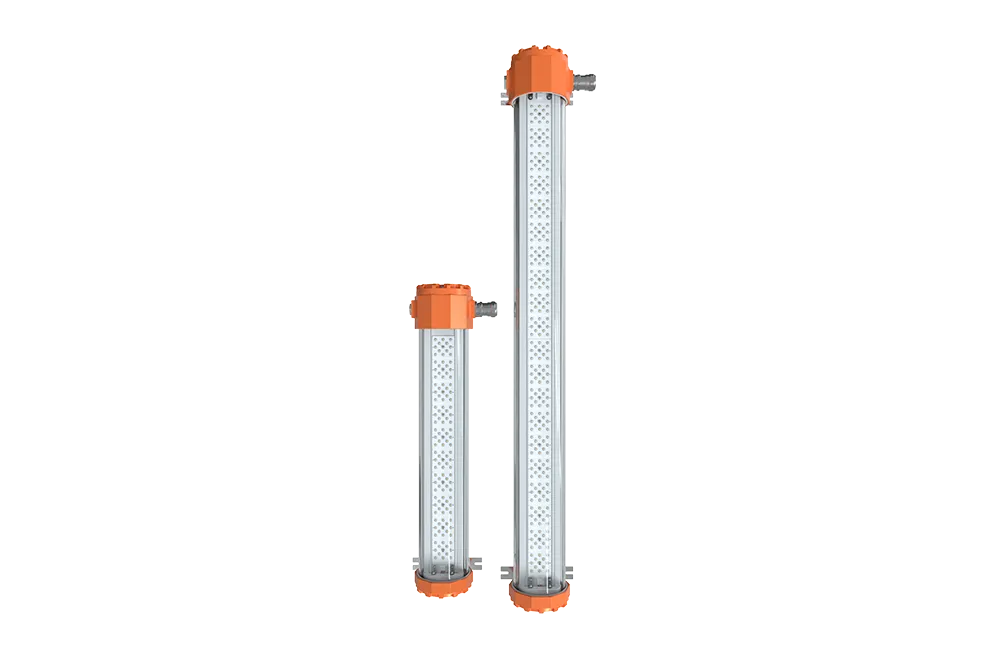
What Is an ATEX Certificate?
0what is an atex certificate? Learn how ATEX certification works, equipment approval requirements, and why certified lighting matters in explosive areas.
View detailsSearch the whole station
Are LED lights explosion proof?
The short answer is no. Standard LED lights are not explosion proof, even though LEDs themselves run cooler and more efficiently than traditional light sources.
Explosion protection is not determined by the light source alone. It depends on the entire luminaire design, including enclosure strength, sealing method, wiring structure and how heat and sparks are controlled inside the fixture.
Only LED luminaires that are specifically designed, tested and certified for hazardous areas can be considered explosion proof.
Many people assume that because LEDs generate less heat, they are automatically safe for hazardous locations. In real industrial environments, this assumption often causes problems.
A standard LED fixture may still:
In explosive atmospheres, these risks are enough to trigger ignition. This is why certification standards such as ATEX and IECEx exist.
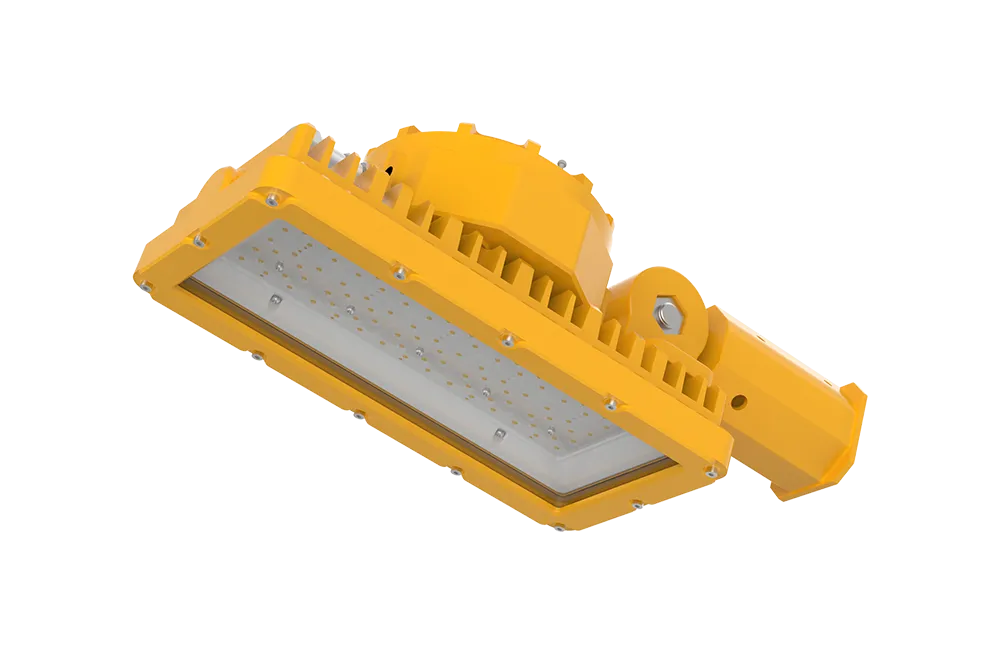
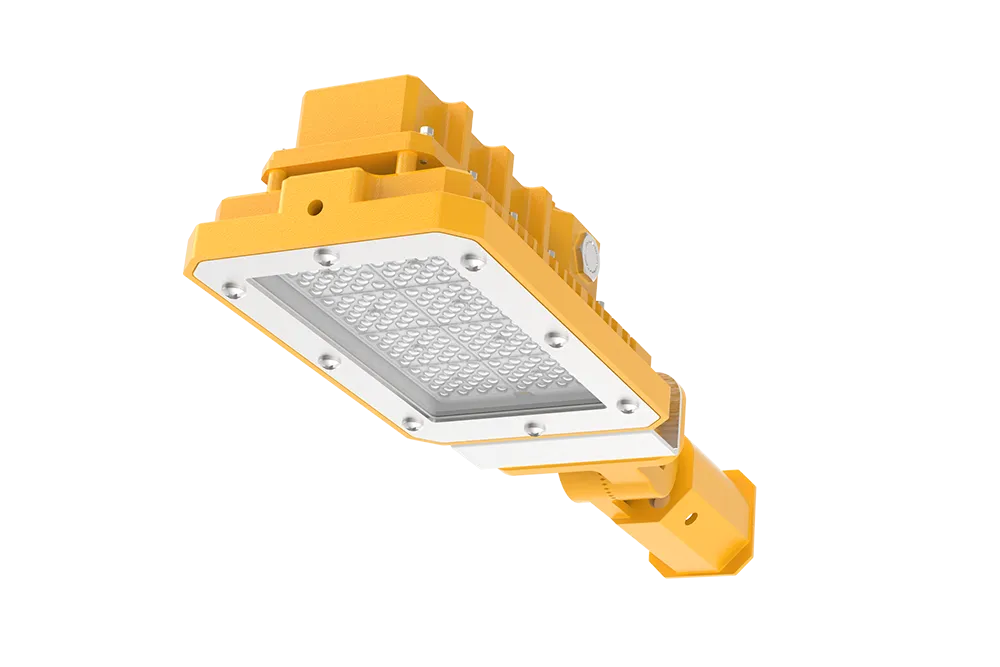
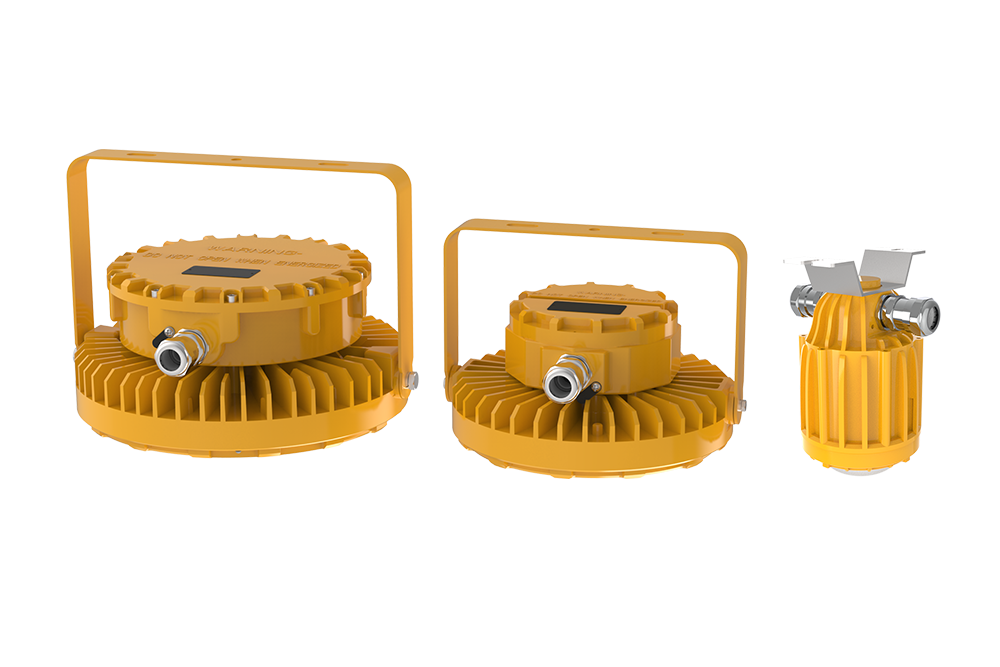
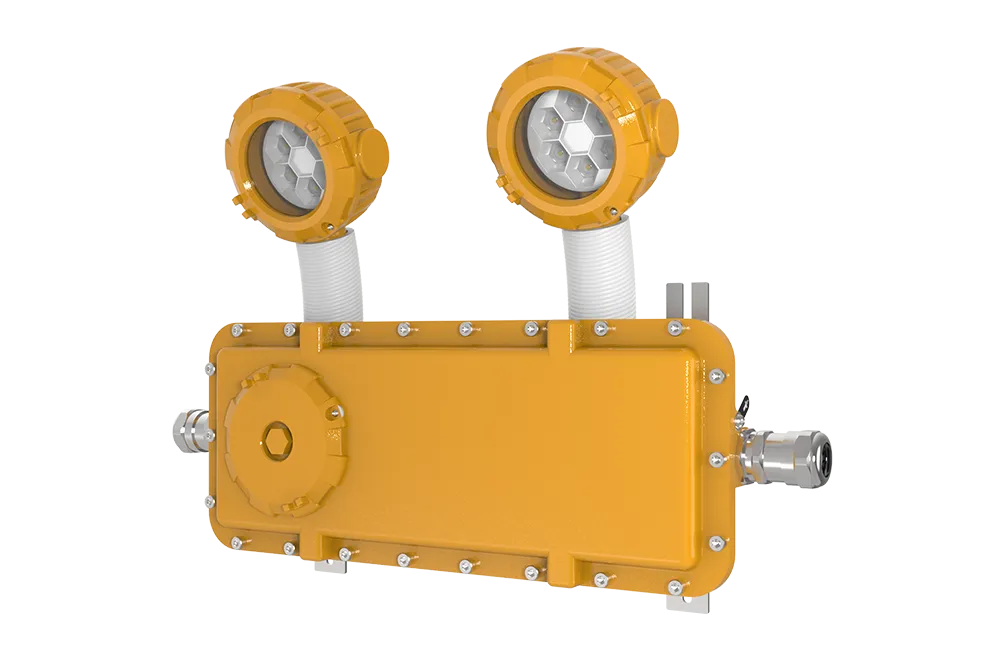
Explosion proof LED lights are designed as complete systems. They use protection methods such as flameproof enclosures (Ex d), increased safety (Ex e) or encapsulation (Ex m), depending on the application.
Certified explosion proof LED lighting is tested under strict conditions to ensure that:
Without this testing and certification, an LED light cannot be called explosion proof.
No. Even among certified products, there are differences.
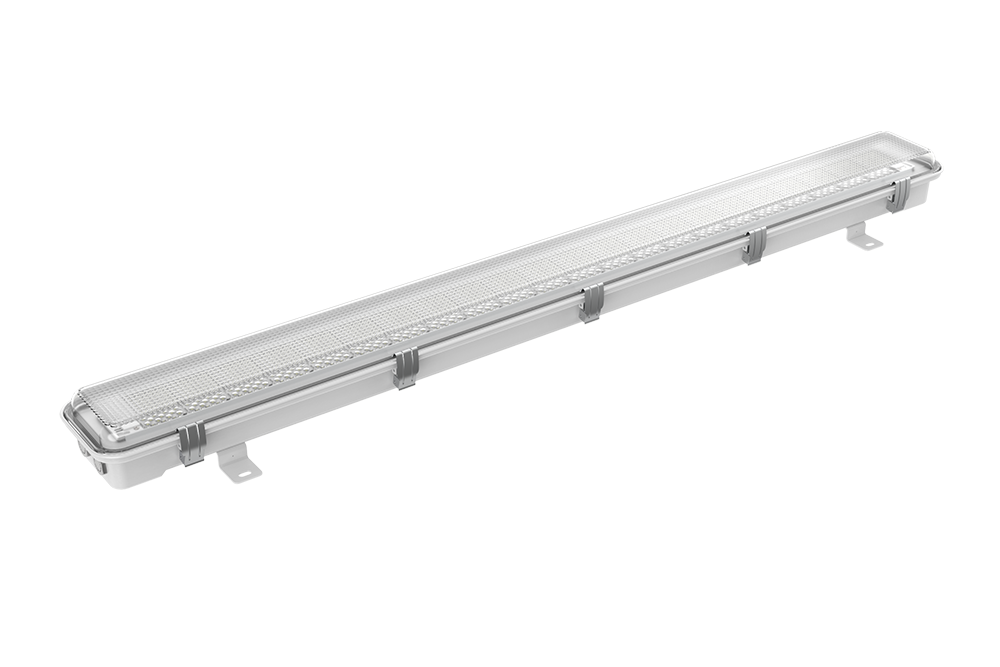
Some explosion proof LED linear lights are designed mainly for gas zones, while others focus on dust environments. Power rating, thermal management and installation method also affect where the fixture can be safely used.
In practice, engineers select explosion proof LED lights based on zone classification, ambient temperature and installation location, not just wattage or brightness.
Explosion proof LED lighting is typically installed in:
In these locations, standard industrial LED lights are not acceptable, regardless of energy efficiency.
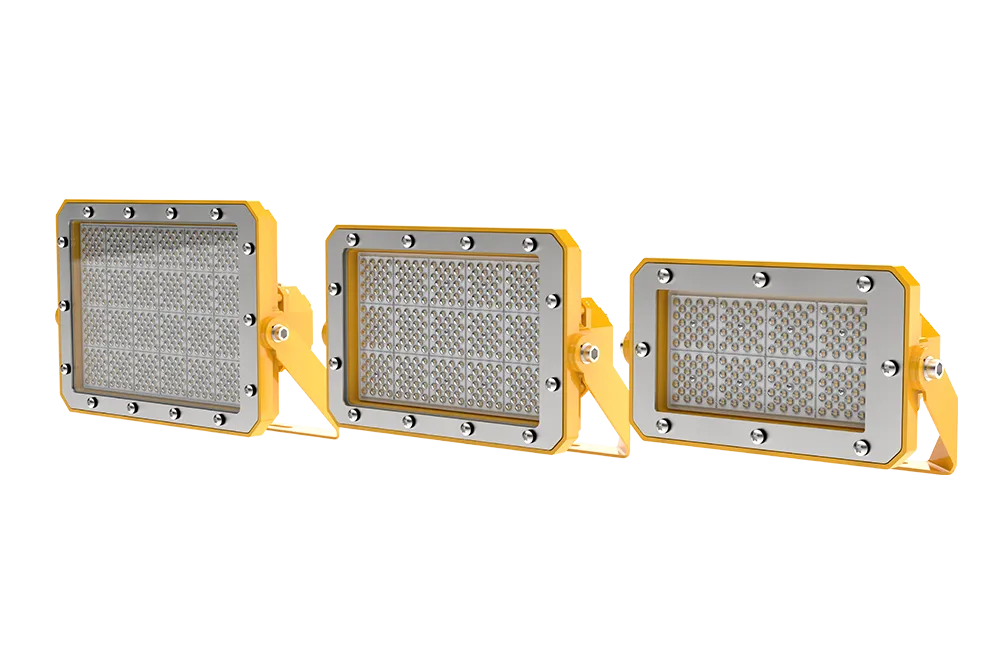
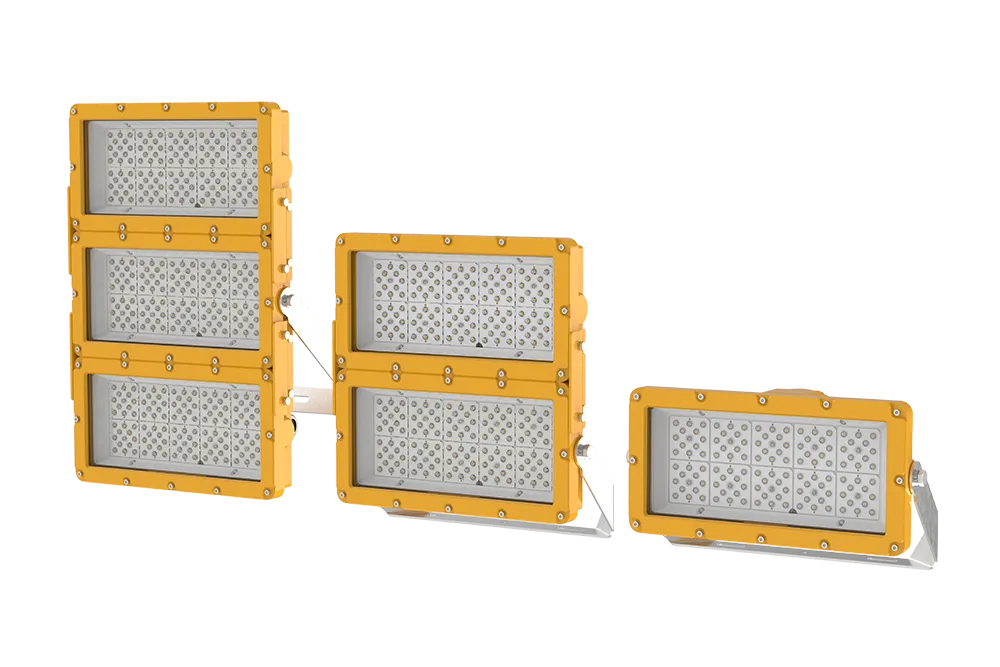
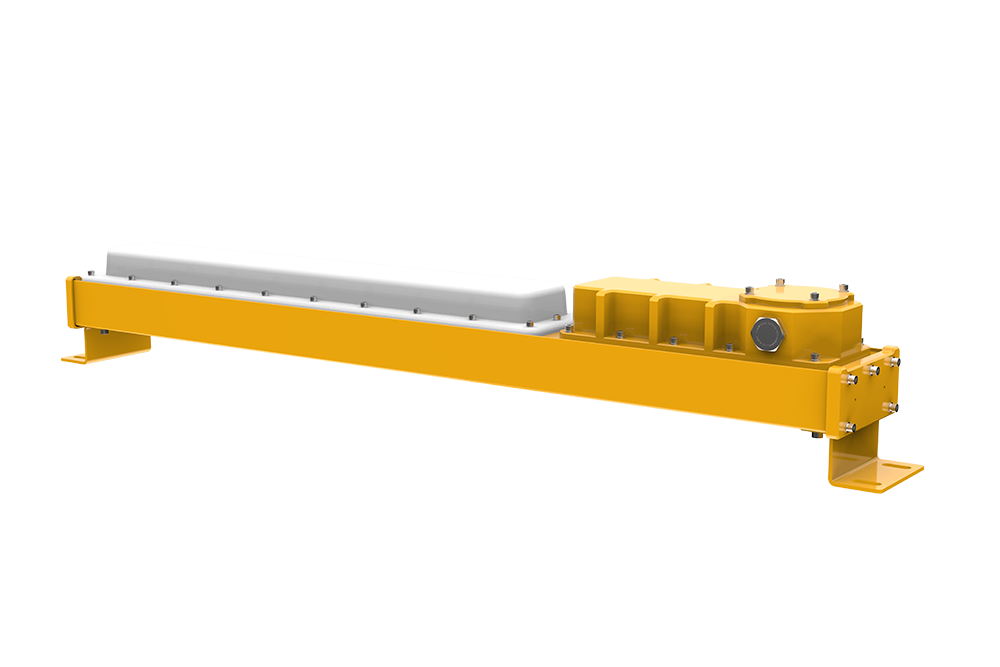
SEEKINGLED develops LED explosion proof luminaires specifically for hazardous area applications. Products are designed to meet ATEX and IECEx requirements and are used in gas and dust classified zones.
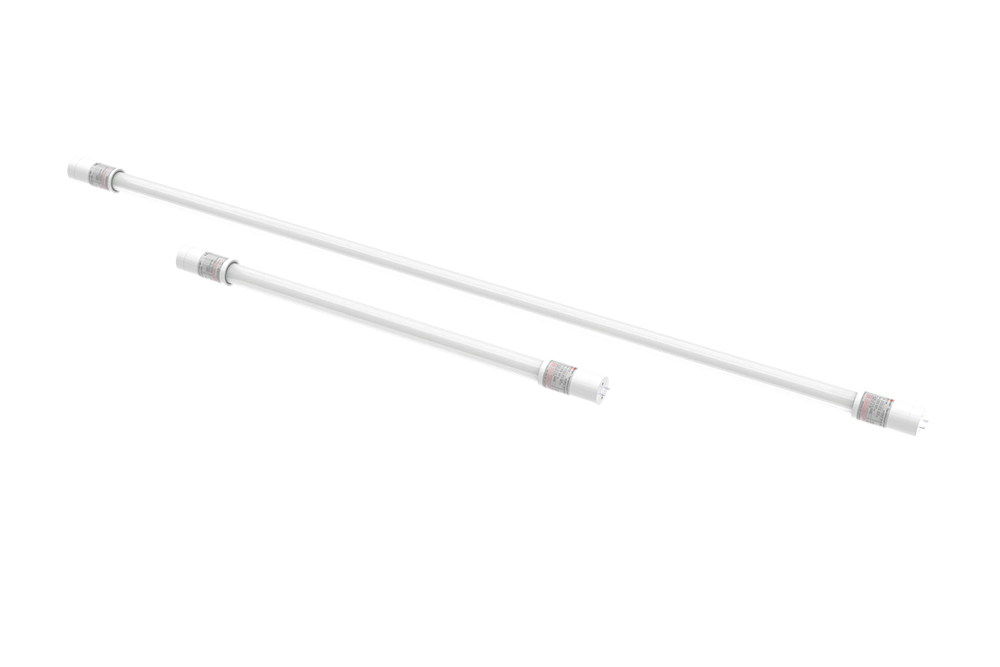
Rather than modifying standard lights, SEEKINGLED focuses on purpose-built explosion proof LED solutions, including linear lighting for industrial and marine environments.
Are LED lights explosion proof?
Not automatically.
An LED chip itself isn’t dangerous, but that doesn’t make the whole fixture safe for explosive environments. What matters is how the entire light is built. The housing, seals, wiring protection and thermal control all play a role.
A normal industrial LED light might work perfectly in a warehouse or parking lot. But in a hazardous area, even a small spark or excessive surface temperature could ignite gas or dust.
That’s why only certified explosion-proof LED fixtures are allowed in those environments.
What is hazardous area LED lighting?
Hazardous area LED lighting simply means lighting designed for places where explosive gases, vapors or dust may be present.
Instead of using a standard enclosure, these fixtures are engineered to prevent ignition. The internal components are protected, the housing is sealed, and the maximum surface temperature is controlled.
You’ll typically see this type of lighting used in oil facilities, chemical processing plants, and fuel storage areas where safety standards are strict.
What are hazardous location LED lights?
Hazardous location LED lights are fixtures built specifically for classified environments.
Engineers usually select them according to the zone rating of the site — for example Zone 1, Zone 2, Zone 21 or Zone 22. The lighting must match those conditions to prevent ignition risks.
Unlike regular industrial lights, these fixtures are tested under certification programs such as ATEX or IECEx before they are approved for installation.
Why use LED lighting for hazardous areas?
LED lighting has gradually become the preferred option in hazardous environments, mainly because of reliability.
Compared with older lighting technologies, LEDs offer longer operating life and stable light output. Facilities that run continuously—refineries, chemical plants, production lines—benefit from reduced maintenance.
But the key point is still certification. The LED fixture must be designed specifically for hazardous areas, not just adapted from a normal industrial light.
What explosion proof lights are used in paint booths?
Paint booths are a typical example of environments where explosion-proof lighting is required.
During spraying operations, solvents and paint vapors can accumulate in the air. If a lighting fixture produces sparks or excessive heat, ignition becomes possible.
For that reason, paint booths normally use sealed explosion-proof luminaires that isolate electrical components from the surrounding atmosphere. LED versions are now common because they provide stable brightness and long service life in continuous production environments.
what is an atex certificate? Learn how ATEX certification works, equipment approval requirements, and why certified lighting matters in explosive areas.
View details
Are LED light pods street legal for public roads? This guide explains regulations, common restrictions, and why purpose-built LED street lights like SEEKINGLED STA Series are preferred.
View details
Outdoor flood light bulbs LED deliver powerful, energy-saving illumination for yards and buildings. Learn real installation tips, durability factors, and expert insights with SEEKINGLED.
View details
What is LED flood light explained from real installation experience. Outdoor uses, common mistakes, and how SEEKINGLED designs them.
View details