 Seeking LED
Can LED Lights Be Used in an Explosion Proof Area?
364Can LED lights be used in an explosion proof area? Learn when LED lighting is safe, certified, and compliant for hazardous locations. By SEEKINGLED.
View detailsSearch the whole station
How does explosion proof lighting work?
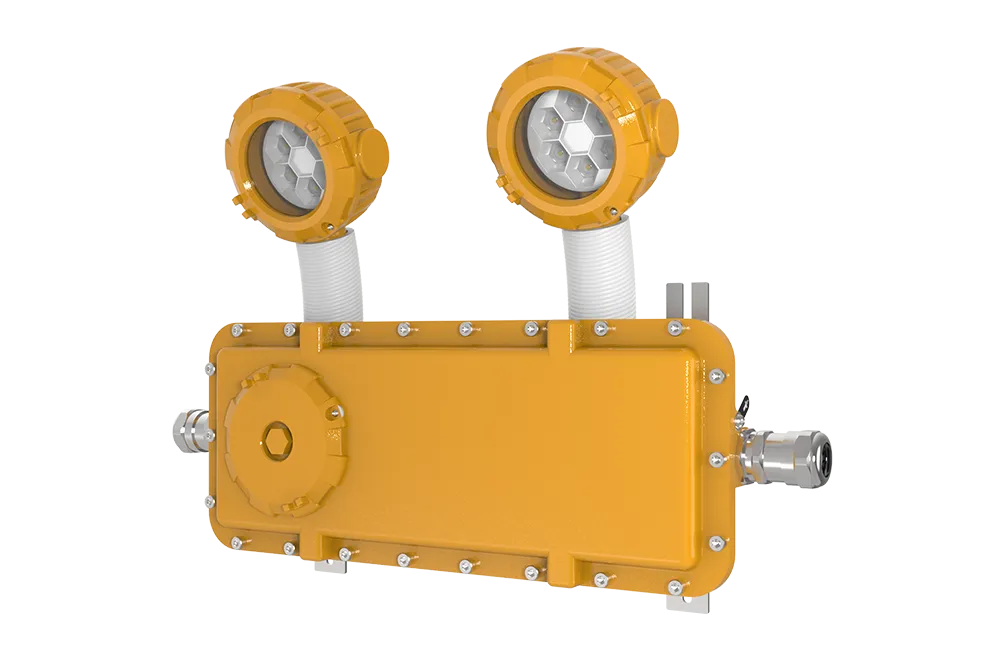
Explosion proof lighting works by containing potential ignition sources inside a certified enclosure, so that sparks, arcs, or high temperatures generated within the luminaire cannot ignite flammable gases or combustible dust outside.
Instead of trying to eliminate electrical faults completely, explosion proof lighting is designed on the assumption that faults can happen—and then controls what happens next.
A common misunderstanding is that explosion proof lighting prevents explosions in the surrounding environment. It does not.
What it does is far more practical:
If an ignition occurs inside the fixture, the enclosure is strong enough to contain it. Any hot gases escaping through joints or gaps are cooled to a safe temperature before reaching the outside atmosphere.
This is why enclosure design, joint tolerances and material selection matter more than appearance or lumen output.
Heat is just as dangerous as sparks in hazardous locations. Explosion proof lighting works by carefully managing surface temperature under both normal operation and fault conditions.
Certified fixtures are tested to ensure the maximum surface temperature stays below the ignition point of the surrounding gas or dust group. This is why ambient temperature ratings and T-class markings are critical in real projects.
In modern designs, explosion proof lighting often uses more than one protection concept. Flameproof enclosures (Ex d) may be combined with increased safety (Ex e) or encapsulation (Ex m).
This layered approach allows:
SEEKINGLED applies these combined protection principles in its explosion proof LED lighting to meet both ATEX and IECEx requirements.
High-quality LEDs alone do not make a fixture explosion proof. Certification evaluates the entire system, including housing, seals, cable entries and thermal behavior.
This is why explosion proof lighting must always be selected based on certified markings, not on internal parts or marketing descriptions.
In real installations, inspectors look at certificates first, not wattage or brand brochures.
In oil and gas plants, chemical facilities or marine environments, explosion proof lighting is chosen after zone classification is confirmed. The lighting layout often changes once gas group and temperature class are defined.
SEEKINGLED works with project teams to align explosion proof LED lighting with actual site conditions, rather than forcing a one-size-fits-all solution.
Can LED lights be used in an explosion proof area? Learn when LED lighting is safe, certified, and compliant for hazardous locations. By SEEKINGLED.
View details
Discover what is atex, how ATEX certification protects hazardous workplaces, and how certified explosion proof lighting helps industries improve safety and reliability.
View details
LED flood light waterproof explained from real outdoor projects. Learn IP ratings, sealing risks, and long-term reliability standards with SEEKINGLED.
View details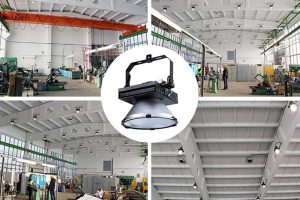
New Factory High Bay Lighting Installation requires early-stage planning and accurate lux calculations. This case records how SEEKINGLED selected and installed XJ-HBL150W high bays for a new factory project in Germany.
View details