 Seeking LED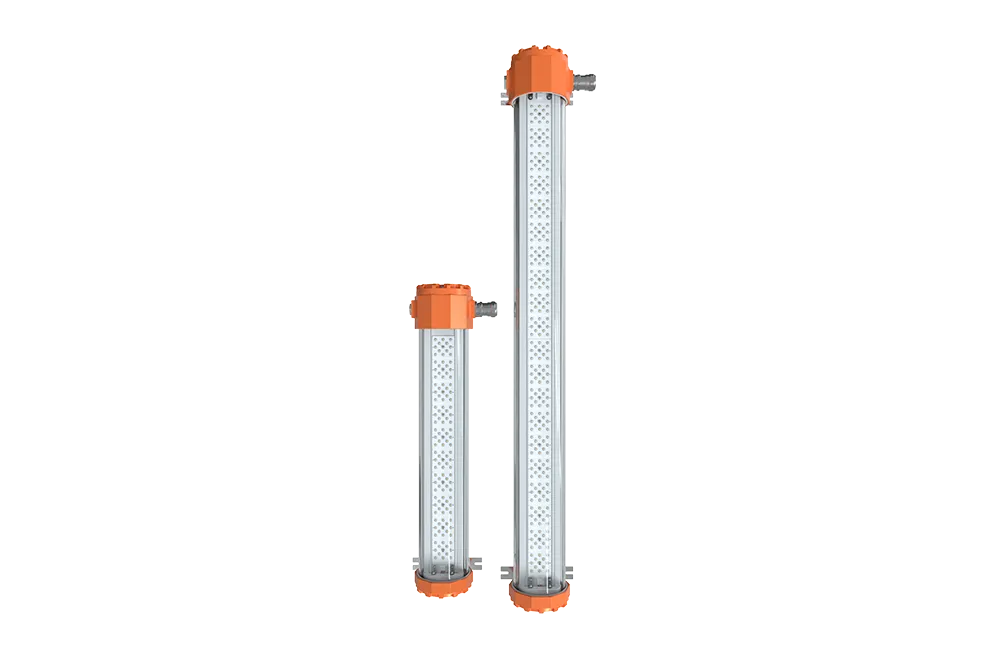
can i use flood lights to grow plants?
0Yes, some LED flood lights can grow plants, but they must provide suitable spectrum, PPFD, coverage, and photoperiod. Dedicated horticultural LEDs are better...
View detailsSearch the whole station
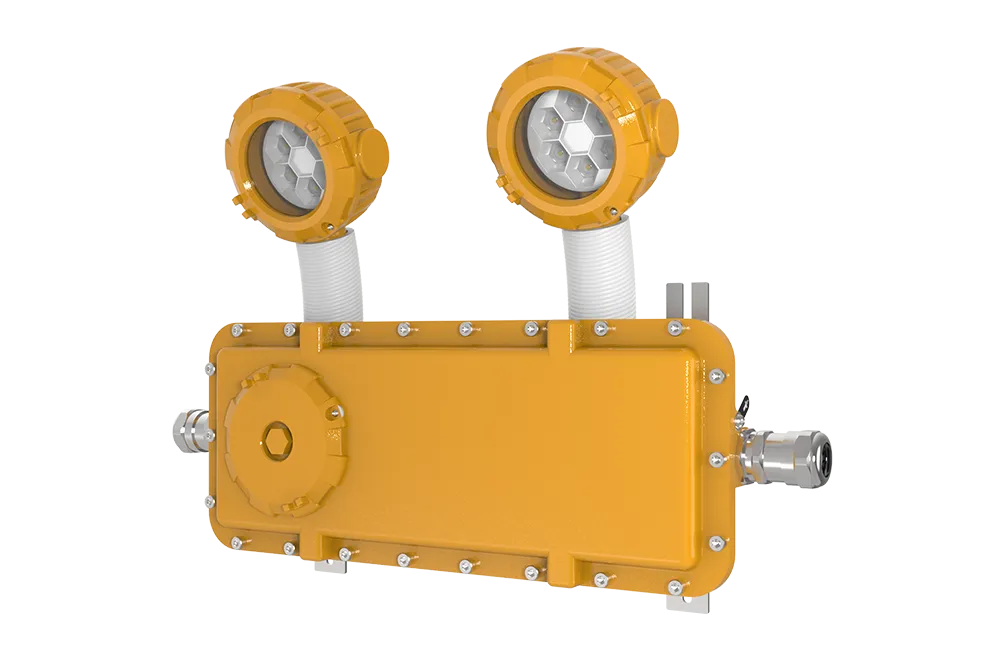
This is a common question from project engineers and facility managers: can LED lights be used in an explosion proof area?
The short answer is yes, but only if the LED lights are specifically designed, tested, and certified for hazardous locations. Standard commercial LED lights are not suitable for explosion proof areas, even if they appear robust or industrial-grade.
An explosion proof area contains flammable gas, vapor, dust, or fibers that can ignite under certain conditions. A regular LED fixture may still create ignition risks due to:
Without proper protection concepts, even low-wattage LED lights can become a hazard.
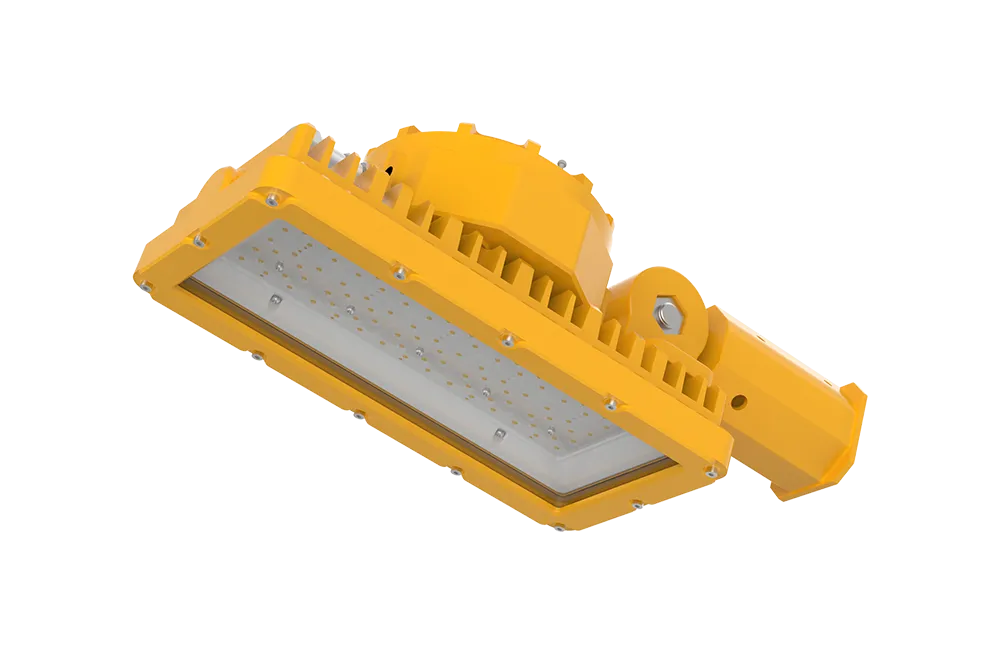
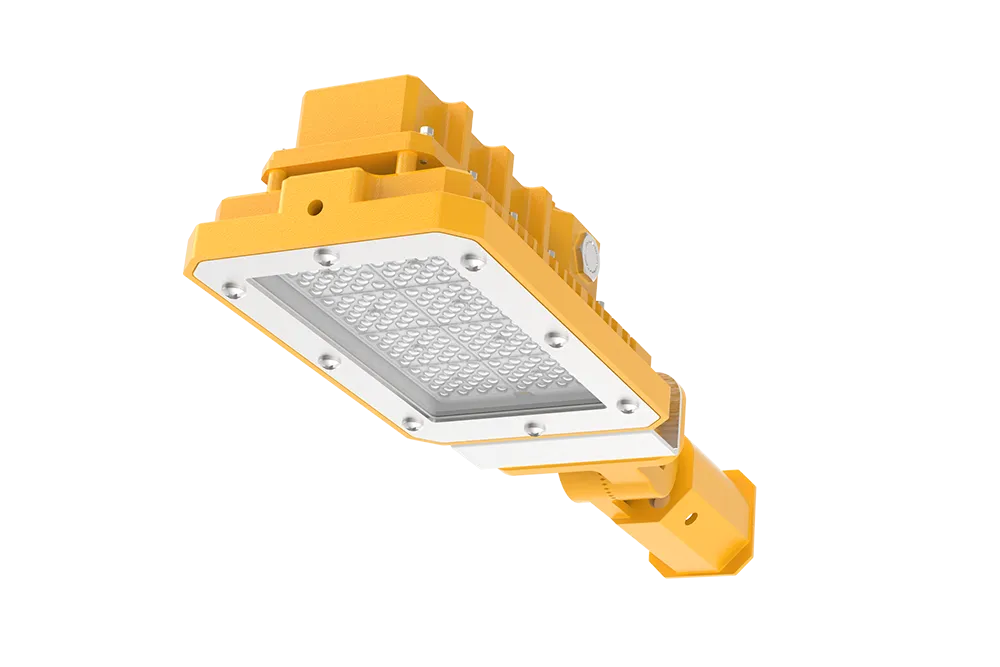
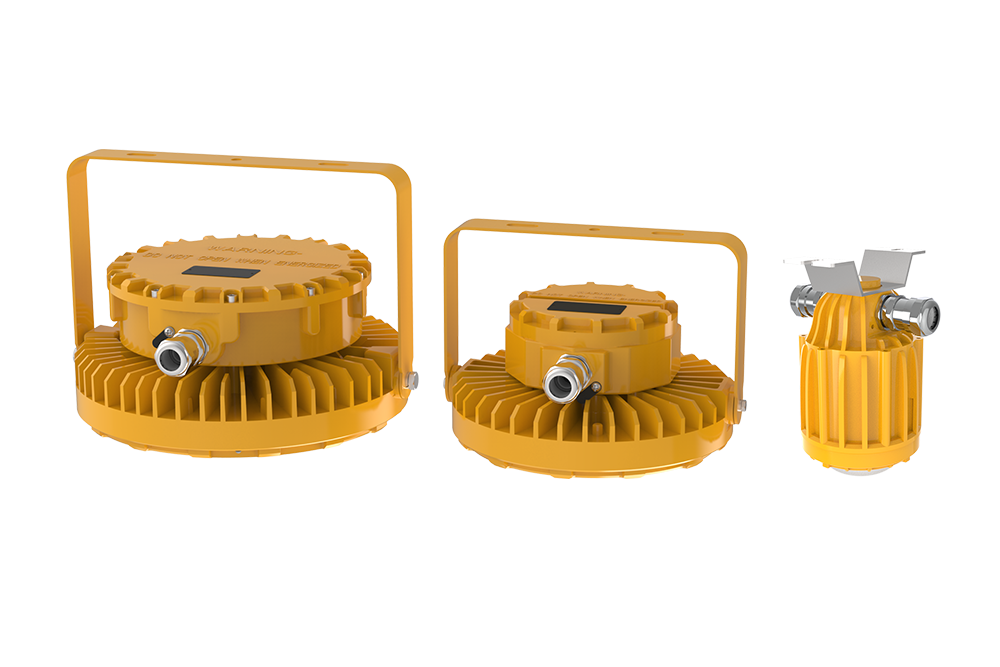
LED lights can be safely used in explosion proof areas only when they are built as explosion-proof luminaires, not adapted afterward.
Key engineering features include:
At SEEKINGLED, explosion-proof LED lights are designed from the beginning to meet these requirements, rather than modifying standard fixtures.
When selecting LED lights for an explosion proof area, the zone classification defines what is allowed:
The LED light must match the zone rating, gas group, temperature class, and installation conditions. This is why engineers focus on certification details, not just the word “LED.”
Properly certified LED lights are widely used in:
In these applications, LED technology offers stable light output, long service life, and reduced maintenance—when used correctly.
At SEEKINGLED, we support customers by selecting LED explosion-proof lighting based on actual site conditions, not assumptions. Our engineers work with zone classification, mounting height, ambient temperature, and operating hours to ensure long-term safety and compliance.
Are LED lights explosion proof?
Not automatically. The LED technology itself isn’t what makes a light explosion proof.
A standard LED fixture from a commercial warehouse or parking lot installation cannot be placed directly in a hazardous area. Even if the housing looks rugged, it may still produce sparks, internal faults, or surface temperatures that could ignite gas or dust.
For hazardous locations, the fixture must be specifically designed and certified as an explosion-proof LED light. That usually means flameproof housing, controlled heat management, and compliance with standards such as ATEX or IECEx.
What is hazardous location LED lighting?
Hazardous location LED lighting refers to lighting fixtures engineered for environments where flammable gases, vapors, or combustible dust may be present.
These lights are built differently from normal industrial luminaires. The enclosure prevents ignition from escaping, electrical components are protected, and the maximum surface temperature is controlled to avoid igniting surrounding materials.
You’ll typically see this type of lighting in oil facilities, chemical plants, grain processing areas, and other industries where explosion risk exists.
What are the explosion proof lighting requirements?
The explosion proof lighting requirements depend largely on the hazardous area classification. Engineers usually evaluate several factors before selecting a fixture.
Key requirements often include:
Certified protection standards such as ATEX, IECEx, or UL
Correct zone rating (Zone 1, Zone 2, Zone 21, or Zone 22)
Temperature class matching the ignition point of surrounding gases
Dust or gas-tight enclosure protection
Proper cable entry and sealing
In practice, compliance documentation is just as important as the fixture itself. Inspectors usually look for certification markings before approving installation.
What are common applications of explosion-proof LED work lights?
The applications of explosion-proof LED work lights are mostly in industries where temporary or task lighting is needed in hazardous environments.
Typical examples include:
Maintenance work in oil refineries
Tank inspection inside chemical plants
Shipyard repairs in fuel handling areas
Grain storage or milling facilities
Offshore platform service operations
Portable explosion-proof lights are useful in these situations because they provide safe illumination without introducing ignition risks.
What are hazardous location LED lights?
Hazardous location LED lights are lighting fixtures designed to operate safely in environments classified as potentially explosive.
Instead of allowing sparks or heat to escape, the internal design contains any ignition source within the housing. At the same time, the fixture maintains a controlled external temperature so that nearby gases or dust cannot ignite.
These lights are not optional in hazardous facilities—they are usually required by safety regulations and industrial codes.
Using LED lighting for hazardous areas has become common in recent years because LEDs offer several practical advantages.
They consume less energy than older technologies like high-pressure sodium lamps, they reach full brightness instantly, and they typically last much longer. For facilities that operate continuously, this means fewer maintenance shutdowns and lower operating costs.
However, the key point remains the same: the LED fixture must be properly certified for the hazardous zone where it will be installed.
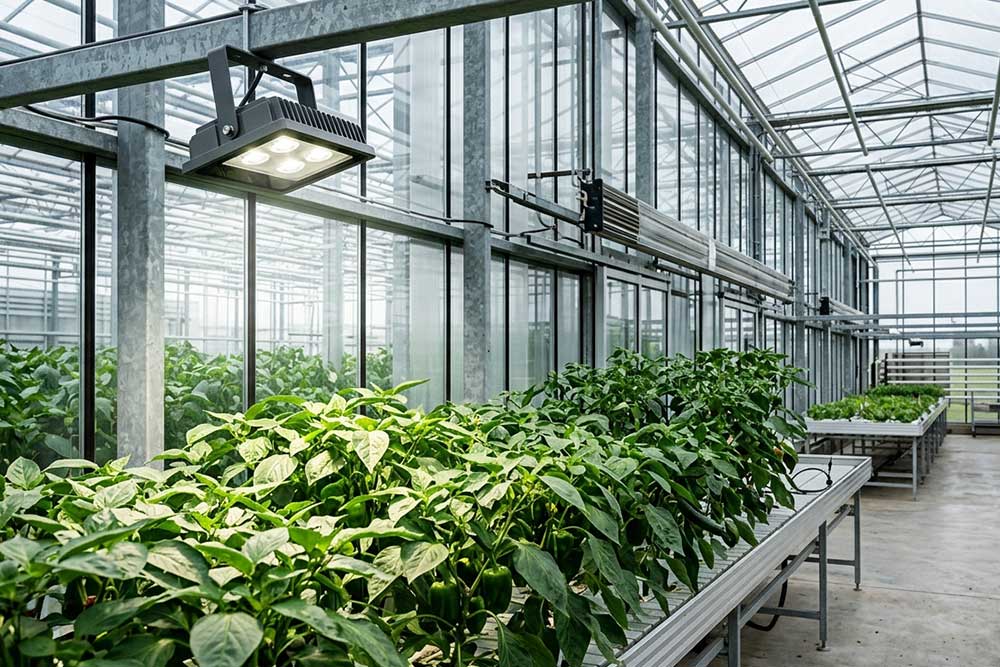
Yes, some LED flood lights can grow plants, but they must provide suitable spectrum, PPFD, coverage, and photoperiod. Dedicated horticultural LEDs are better...
View details
What is the best LED outdoor flood light for your yard or driveway? Learn brightness, durability, and beam angle tips from SEEKINGLED outdoor lighting experts.
View details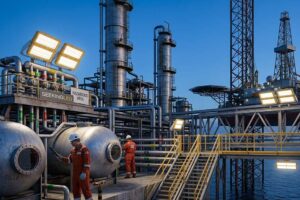
Explore explosion proof LED light fixtures for hazardous locations. Learn certifications, performance data, installation practices, and industry applications.
View details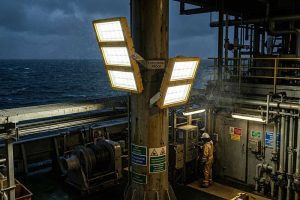
led flood light explosion proof engineered for Zone 1 & 2 hazardous sites. ATEX & IECEx certified high-output industrial lighting built for refineries, offshore and chemical plants.
View details