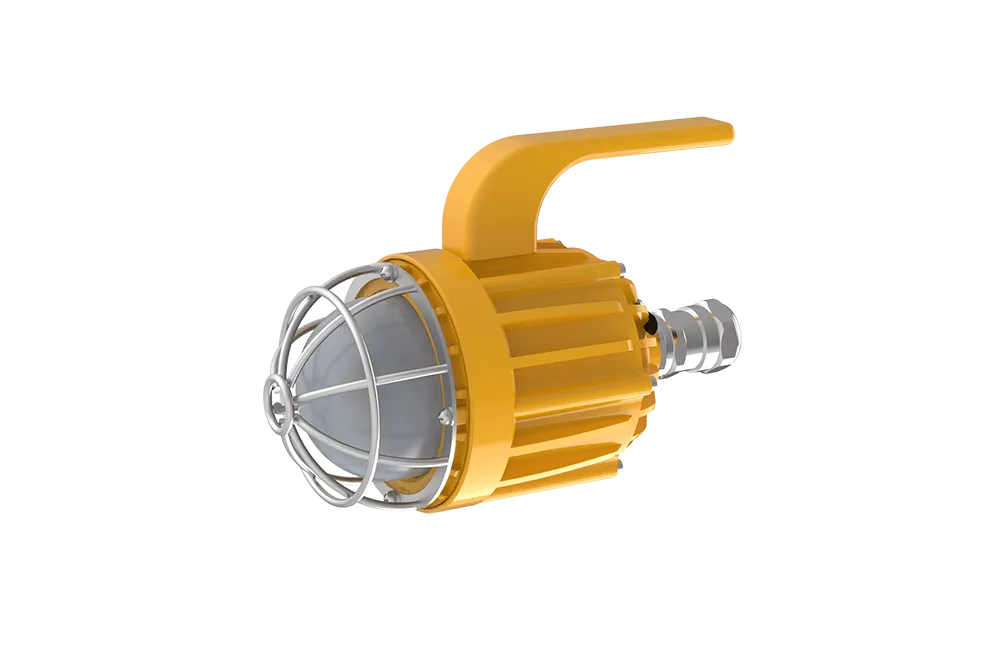
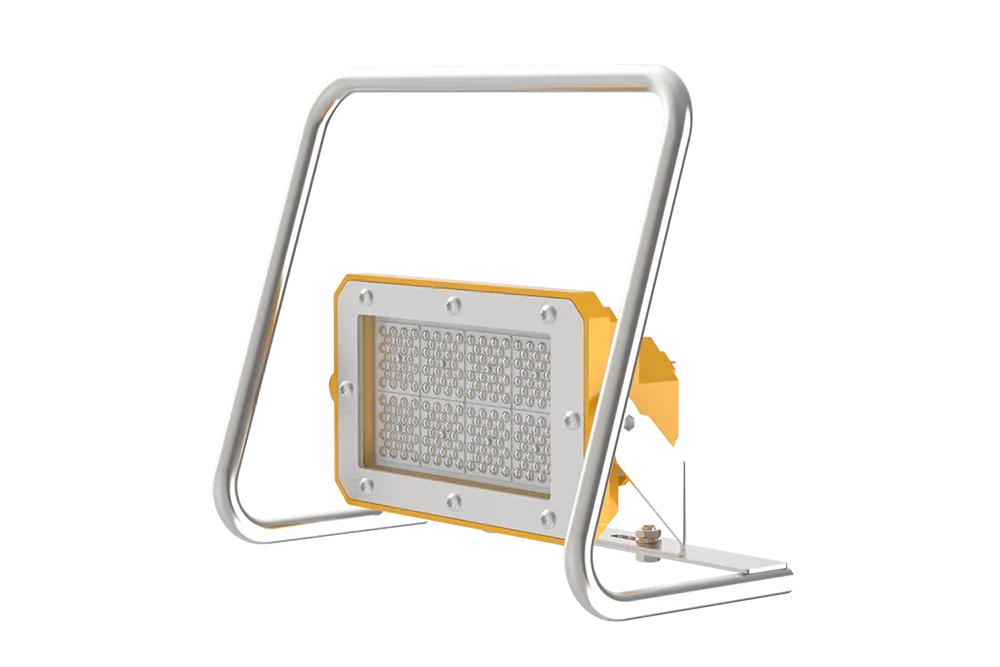
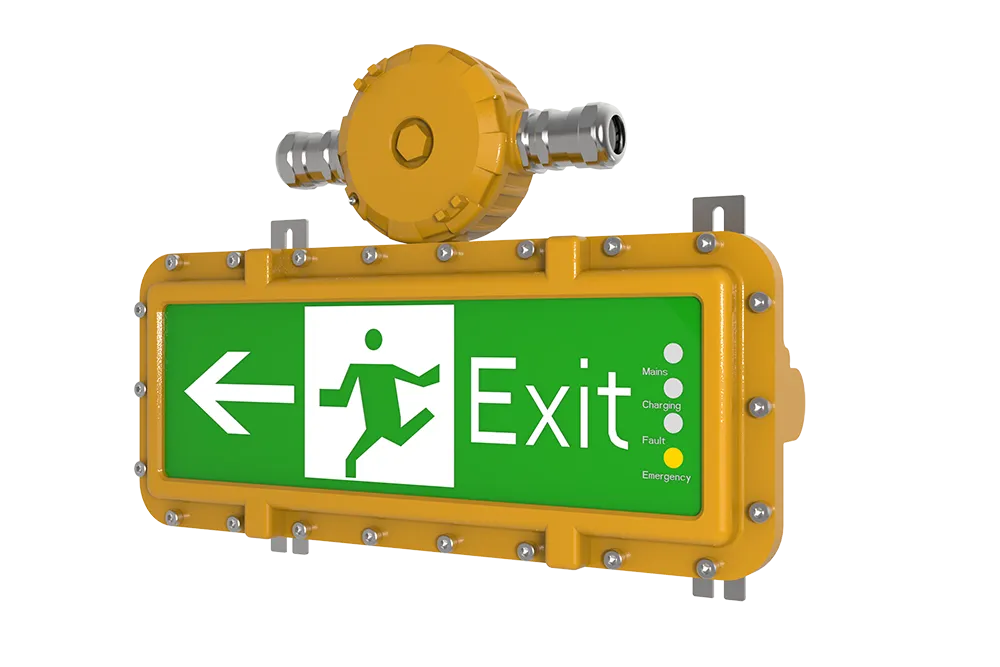
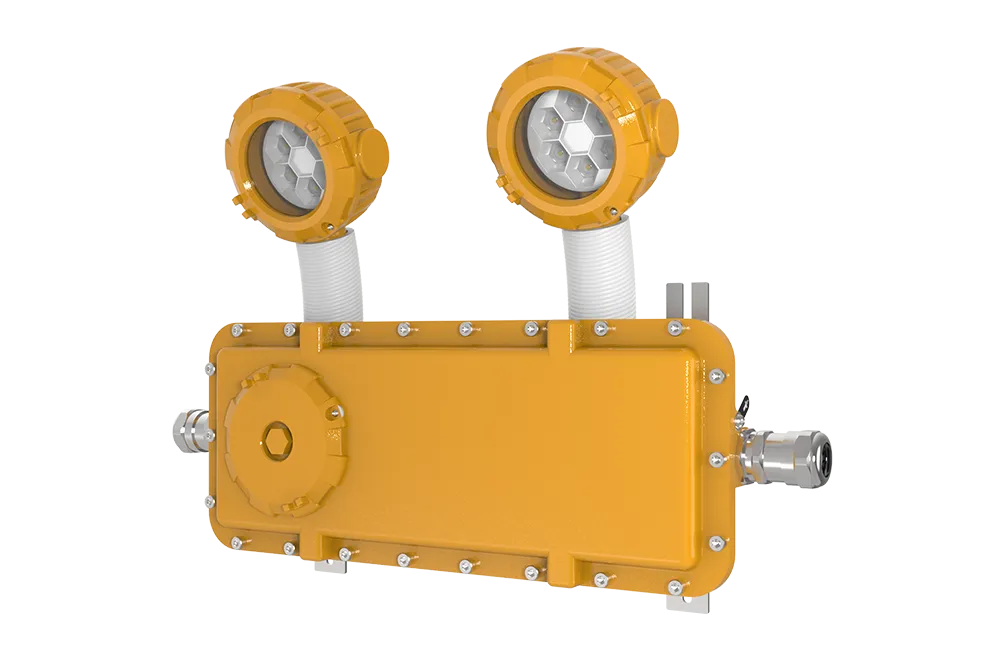
How to choose the right explosion-proof trouble light?
Choose the right explosion-proof trouble light by verifying ATEX/IECEx certification, matching zone ratings, ensuring proper brightness and battery life, and selecting durable, sealed construction for hazardous environments.
That’s the straight answer. But on-site, it’s never that clean.
why choosing the wrong trouble light is a real risk
It’s not just about light—it’s ignition control
In hazardous areas, a trouble light is often handheld, moved, dropped, or used in tight spaces. That makes it more vulnerable than fixed lighting.
According to the International Electrotechnical Commission (IEC 60079), ignition can occur from:
Electrical arcs
High surface temperatures
Mechanical sparks
A non-certified portable light increases all three risks.
Field note from maintenance work
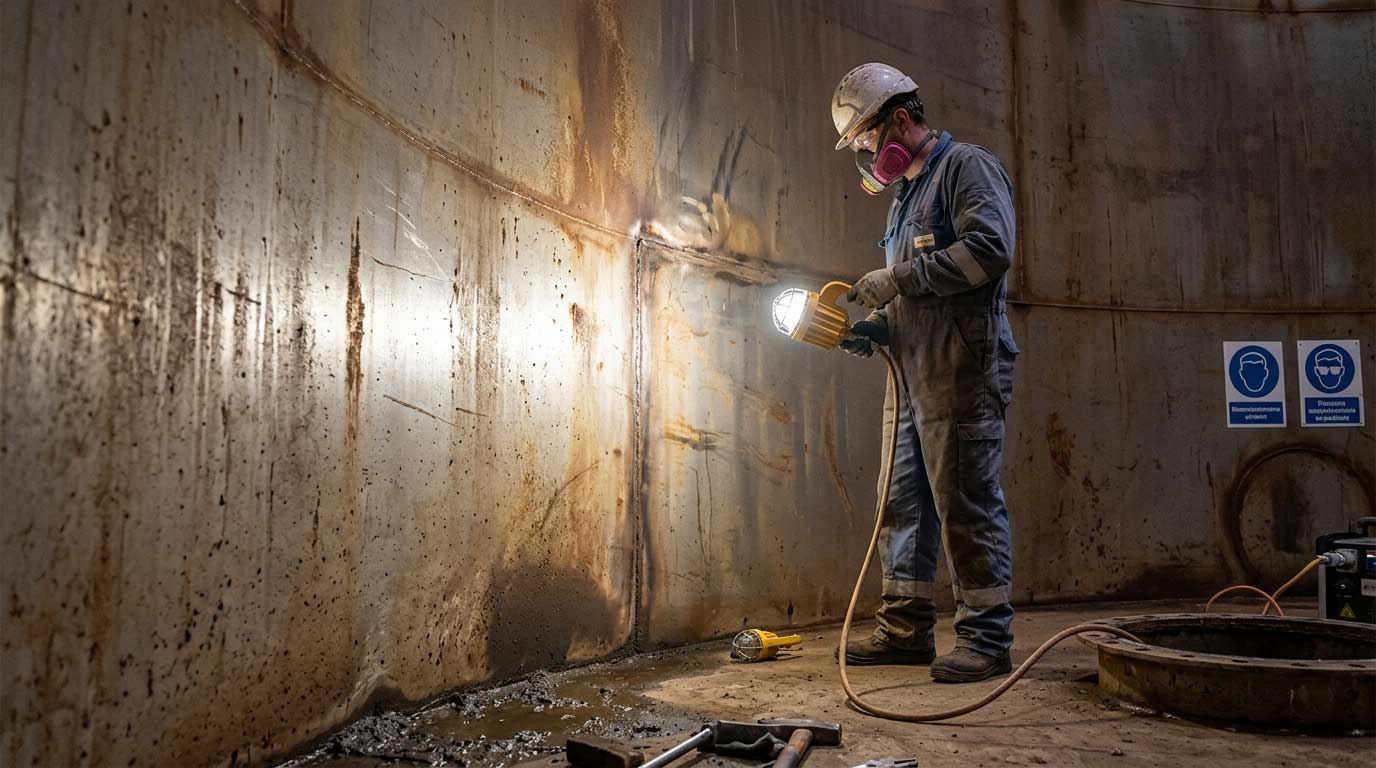
During a tank inspection project, I saw a contractor bring a standard rechargeable work light into a Zone 1 area. It lasted 20 minutes before being flagged—and removed.
Not because it failed. Because it could fail.
key factors when choosing explosion-proof trouble lights
Ex d IIC T4 Gb → suitable for gas environments with high ignition risk
Without this, the product is not an explosion-proof trouble light—period.
2. Match the hazardous zone
Different environments require different protection levels:
Zone
Risk Level
Requirement
Zone 0
Continuous explosive atmosphere
Highest protection
Zone 1
Likely during operation
Certified Ex lighting
Zone 2
Occasional presence
Lower but still regulated
Choosing a lower-rated light for a higher-risk zone is a common—and dangerous—mistake.
3. Battery safety and runtime
Portable lights live and die by battery performance.
From field usage:
Minimum 8–12 hours runtime is practical
Lithium-ion batteries must include thermal protection circuits
The U.S. Department of Energy (DOE) notes that LED systems significantly reduce heat output compared to traditional lighting, improving safety in enclosed environments.
durability: what actually fails first
Impact and sealing matter more than lumen output
In real conditions:
Lights get dropped
Hooks fail
Seals degrade
Look for:
IP66 or higher (dust + water protection)
IK08+ impact rating
Reinforced handles or magnetic mounts
Cheap units usually fail at the cable entry point or battery housing.
brightness vs safety: a common misconception
More lumens doesn’t mean better
Typical range:
500–2000 lumens → inspection tasks
2000–5000 lumens → maintenance work
But higher brightness means:
More heat
Faster battery drain
Balance is key. In hazardous areas, thermal control matters more than raw output.
quick selection checklist
Before you buy, confirm:
✔ Valid ATEX / IECEx certification
✔ Correct zone classification
✔ IP66+ sealing
✔ 8+ hour runtime
✔ Anti-static housing materials
✔ Reliable mounting (hook/magnet/stand)
faq-How to choose the right explosion-proof trouble light?
Can I use a normal LED work light in hazardous areas?
No. Only certified explosion-proof trouble lights are permitted in hazardous zones.
What is the safest type of trouble light?
ATEX or IECEx certified LED trouble lights with low surface temperature and sealed housing are the safest.
How long do explosion-proof trouble lights last?
High-quality units typically last 30,000–50,000 hours, depending on thermal design and usage.
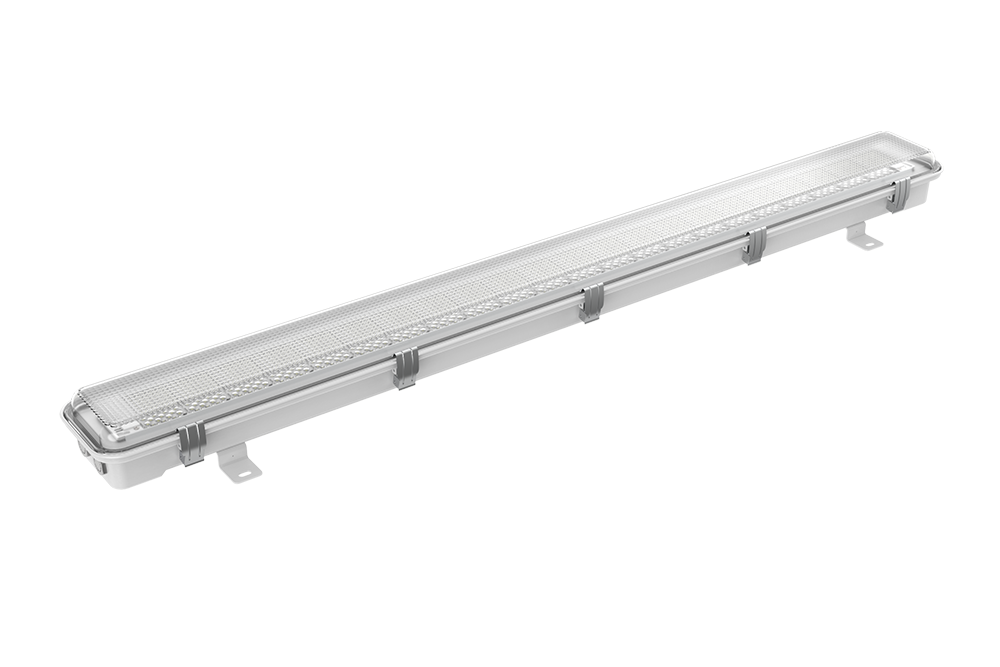
SEEKINGLED LED Linear Explosion Proof Light and Explosion Proof lighting is ATEX and IECEx certified for Zone 1, Zone 2, Zone 21 and Zone 22 hazardous locations, built for long-term industrial use.
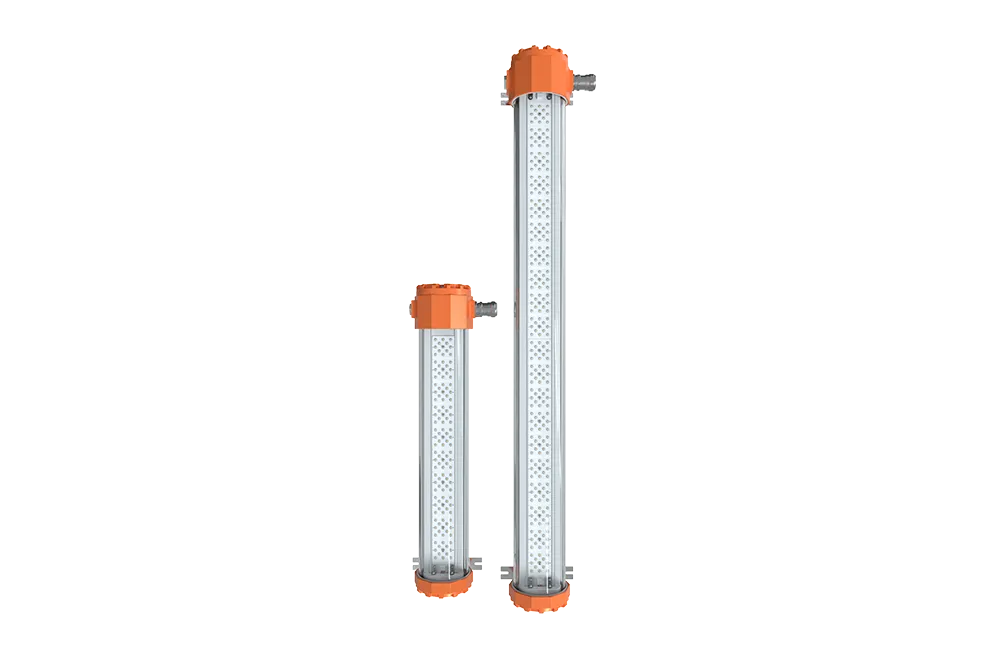
LED Linear Explosion Proof Lights and EX Proof lights for Zone 1, Zone 2, Zone 21 and Zone 22 hazardous areas. ATEX & IECEx certified explosion proof LED linear lighting with emergency function, adjustable power and IP67 protection by SEEKINGLED.
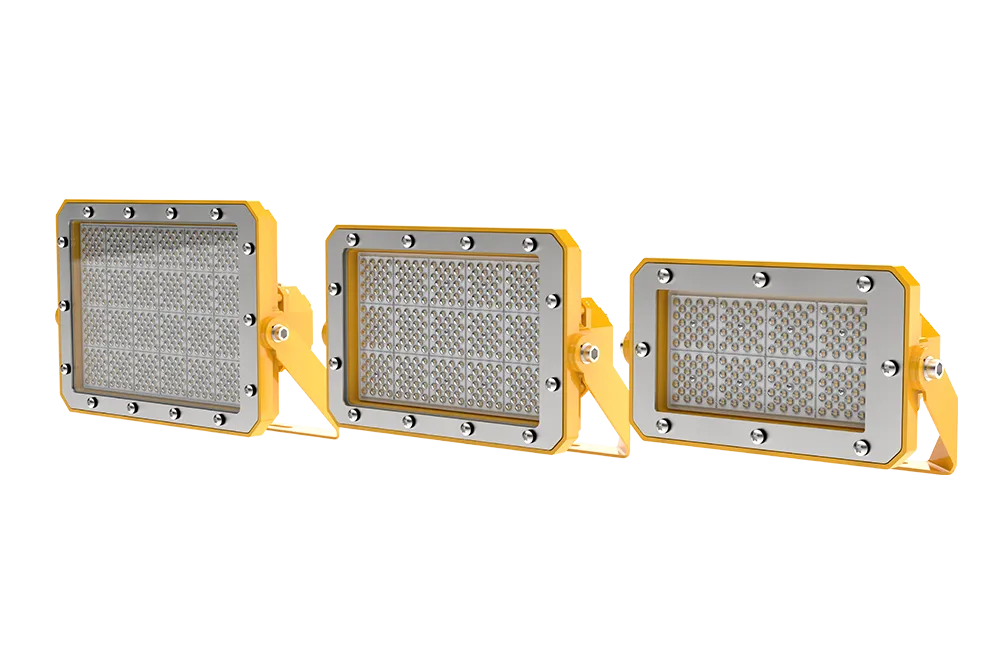
SEEKINGLED LED Explosion Proof Flood Lights are ATEX certified for Zone 2 and Zone 22 hazardous areas, offering high efficiency, adjustable power and integrated junction box.
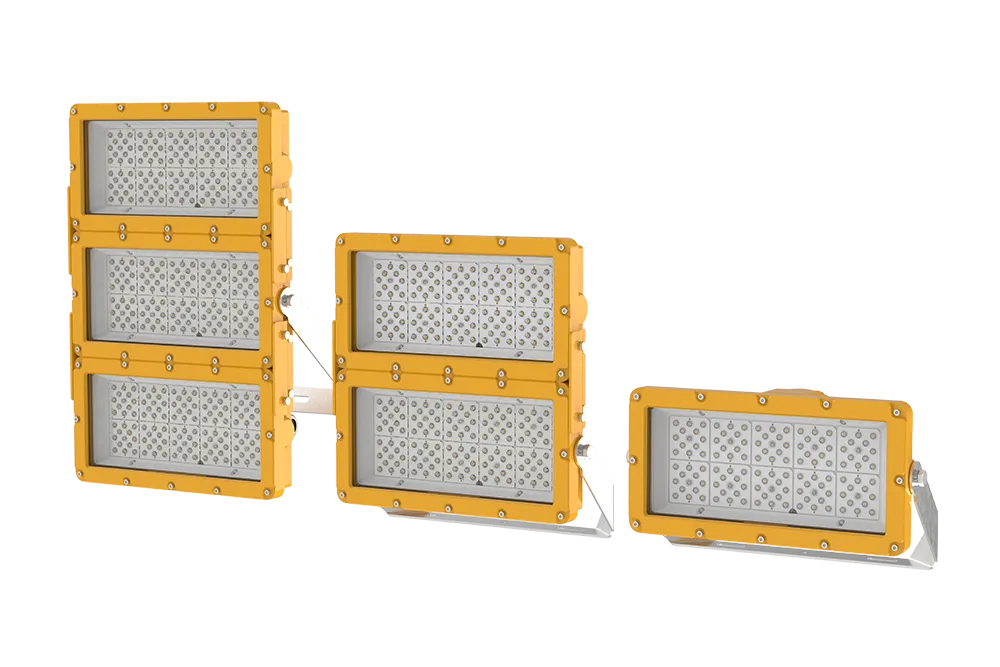
SEEKINGLED LED Explosion Proof Flood Lights are flameproof ATEX and IECEx certified for Zone 1 and Zone 2 hazardous areas, offering high power, adjustable output and long service life.
SEEKINGLED LED Gas Station Canopy Lights are ATEX certified for Zone 2 and Zone 22 hazardous areas, featuring adjustable power and built-in explosion-proof junction box.
ATEX: Ex II 2G Ex db IIB T6/T5 GbEx II 2D Ex tb IIIC T80°C/ T95°C Db IECEx Ex db IIB T6 Gb;Ex tb IIIC T80°C Db Feature: ● For Zone 1,2 and Zone 21,22● Flameproof type, the strongest● 100W can replace 250W HID,energy saving● Power:60W,80W,100W Application: Oil and gas, marine, Chemical, pharmaceutical, semiconductor,mining,military industr…
ATEX: II 3G Ex nR ⅡC T5/T6 GcII 3D Ex tc ⅢC T80℃/T95℃Dc ATEX Certificate NO: TÜV CY 26 ATEX 0207611 X Feature: ● For Zone 2 and Zone 22● 150W can replace 250W HID lamps,Energy saving● Power:50W,75W,100W,150W,200W Application: Oil and gas, marine, Chemical, pharmaceutical, semiconductor,mining,military industry, paint booth,power plant ETC…
LED explosion proof high bay lights are designed for Zone 1, Zone 2, Zone 21 and Zone 22 hazardous areas. This page introduces the HB21 Series from SEEKING, including certifications, power options and real application considerations.
LED Linear Explosion Proof Lights from SEEKINGLED. LU Series Flame Proof lights ATEX-certified explosion proof LED linear lighting for Zone 2 gas and Zone 22 dust areas, IP69K, IK10, long lifetime and flexible power options.
Certified explosion proof work lights for Zone 1 & 21 hazardous areas. Portable, ATEX & IECEx approved, built for oil, gas and chemical plants by SEEKINGLED.
ATEX: II 3G Ex nR ⅡC T6 GcII 3D Ex tc ⅢC T80℃ Dc ATEX Certificate NO: TÜV CY 26 ATEX 0207611 X Feature: ● For Zone 2 and Zone 22● Accepts battery-powered supply● indestructible● Power:AC input:50W,75W,100WDC input:15W,25W,35W Application: Oil and gas, marine, Chemical, pharmaceutical, semiconductor,mining,military industry, paint booth,po…
ATEX: Ex II 2G Ex db IIB T6 GbEx II 2D Ex tb IIIC T80°C Db IECEx Ex db IIB T6 Gb;Ex tb IIIC T80°C Db Feature: ● For Zone 1,2 and Zone 21,22● Flameproof type, the strongest Application: Oil and gas, marine, Chemical, pharmaceutical, semiconductor,mining,military industry, paint booth,power plant ETC hazardous area. Technical Specifications:…
ATEX: Ex II 2G Ex db IIB T6 GbEx II 2D Ex tb IIIC T80°C Db IECEx Ex db IIB T6 Gb;Ex tb IIIC T80°C Db Feature: ● For Zone 1,2 and Zone 21,22● Flameproof type, the strongest Application: Oil and gas, marine, Chemical, pharmaceutical, semiconductor,mining,military industry, paint booth,power plant ETC hazardous area. Technical Specifications:…
ATEX: Ex II 2G Ex d e IIB T6 Gb ATEX: Ex d e IIB T6 Gb; Feature: ● For Zone 1,2● 9W can replace 18W fluorescent lamps,50% Energy saving Application: Oil and gas, marine, Chemical, pharmaceutical, semiconductor,mining,military industry, paint booth,power plant ETC hazardous area. Technical Specifications: Standards:60079-0, 60079-1, 60079…
LED indoor flood light bulbs deliver focused, energy-efficient lighting for homes and commercial spaces. Learn real-world usage, brightness tips, and expert insights with SEEKINGLED.
Match hazard level, height and work needs. Quick recommendations by scenario: Height doubles → illuminance drops to ~1/4Prefer ≥140 lm/W LEDAdd 20% maintenance factorMatch Zone + ATEX/IECEx certification SEEKINGLED is a professional manufacturer o...
What are hazardous light fixtures? Learn how hazardous area lighting works, where it is used, and why certified fixtures protect oil, gas, and chemical facilities.
 Seeking LED