This question doesn’t come from theory.
It comes from the field.
A radio signal drops.
A receiver starts acting strange.
Someone looks up at a nearby light pole and asks:
Are LED street lights a source of RF noise?
The honest answer is sometimes—but not by nature.
The short answer, without soft wording
LED street lights can be a source of RF noise.
But only when something is wrong.
A properly designed LED street light does not create meaningful RF interference.
That difference matters.
Where RF noise in LED street lights actually comes from
The light itself isn’t the problem.
The issue is almost always inside the driver.
Switching power supplies are the key factor
LED street lights use high-frequency switching drivers.
That’s normal. That’s efficient.
But when:
- Filtering is weak
- Shielding is skipped
- Grounding is sloppy
RF noise leaks out.
Not loudly.
But enough to bother nearby receivers.
When LED street lights do NOT cause RF noise
In real installations, LED street lights are quiet when they are:
- Properly shielded
- EMC-tested
- Grounded correctly
- Built with compliant drivers
At SEEKINGLED, this is standard—not optional.
A well-built LED street light blends into the RF background.
You don’t notice it.
Your radio doesn’t either.
When problems usually show up
From experience, RF noise complaints tend to appear when:
- Very low-cost fixtures are used
- Drivers are swapped without EMC review
- Aging components degrade filtering
- Installations skip proper grounding
The light didn’t “become noisy” on its own.
The system around it failed.
Are LED street lights worse than older street lights?
No. And sometimes, they’re better.
Old HID and sodium lamps:
- Had noisy ballasts
- Aged poorly
- Drifted electrically over time
Modern LED street lights, when designed correctly, are more stable, not less.
The difference is consistency.
What RF-sensitive users should know
If you work with:
- Amateur radio
- Emergency communications
- Scientific receivers
You’ll notice RF noise quickly.
In those environments, fixture selection matters.
A certified LED street light with proper EMC control is not a risk.
An untested one might be.
How quality manufacturers reduce RF noise
This isn’t marketing. It’s engineering.
RF noise control comes from:
- EMI filters designed into the driver
- Metal housings acting as shields
- Clean PCB layouts
- Verified compliance testing
SEEKINGLED LED street lights are designed with these controls from day one, not added later to “fix complaints.”
What LED street lights are not doing
Let’s be clear.
They are not:
- Broadcasting RF signals
- Acting as transmitters
- Emitting intentional radiation
Any RF noise is incidental, not functional—and controllable.
Final answer: are led street lights a source of rf noise?
So, are LED street lights a source of RF noise?
They can be, but only when poorly designed or improperly installed.
A correctly engineered LED street light is electrically quiet, predictable, and compliant.
That’s not optimism.
That’s how the systems behave in the real world.
— SEEKINGLED
LED street lighting project
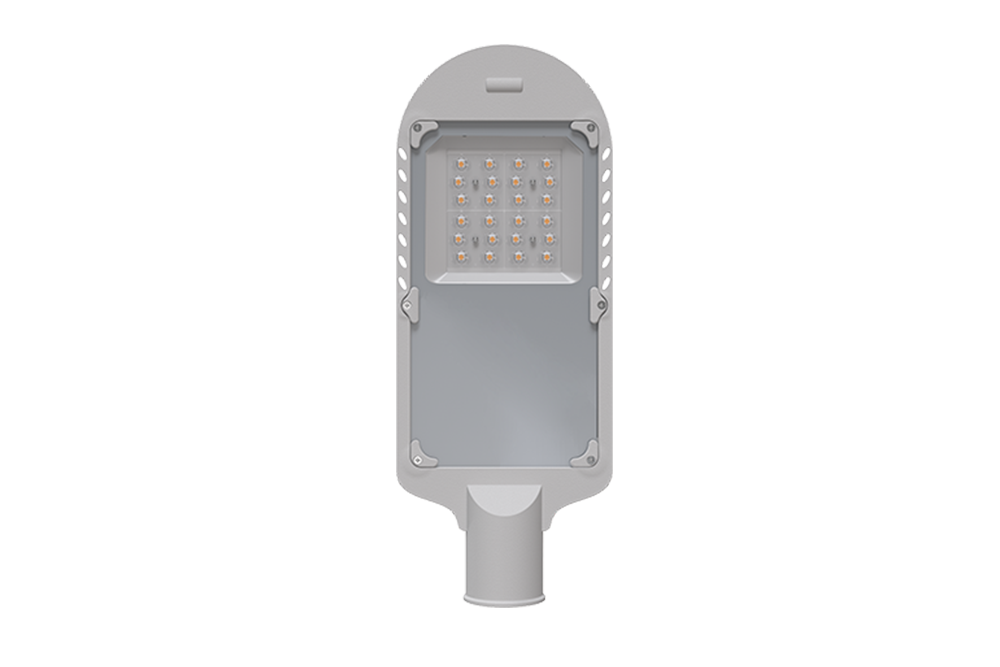
SEEKING STL-Series LED street lights deliver stable performance, 170 lm/W efficiency and 10KV surge protection. Ideal for city streets, parking lots, public roads and outdoor area lighting projects. Durable IP66 & IK08 design for long-term reliabi…
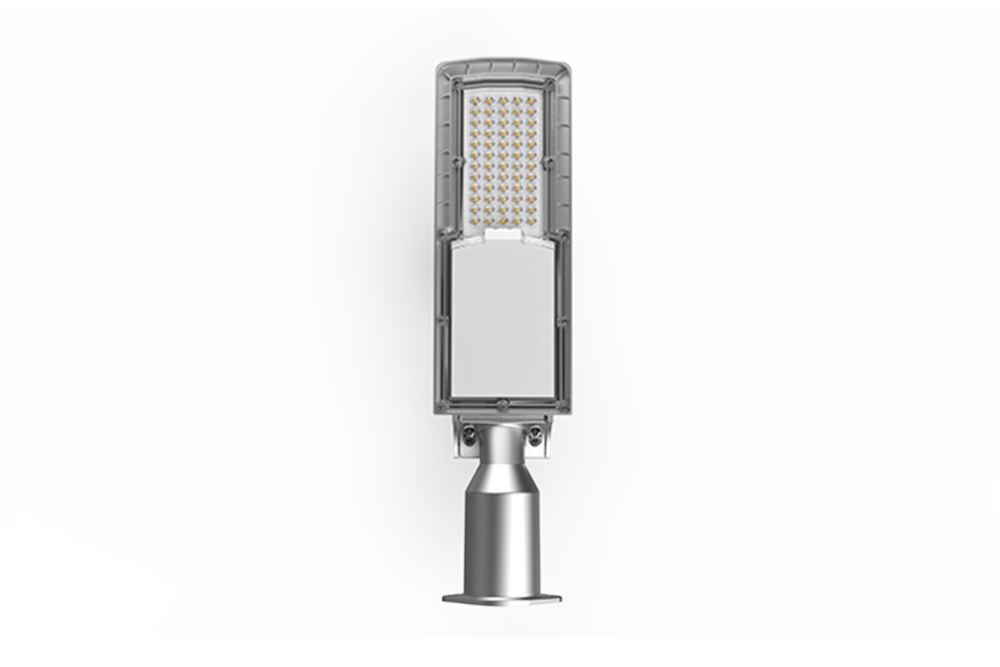
The SEEKING STC Series LED light street light delivers up to 170lm/W efficiency with MOSO drivers, IP66 protection, and a ±15° adjustable arm—ideal for roads, residential areas, and public lighting upgrades.
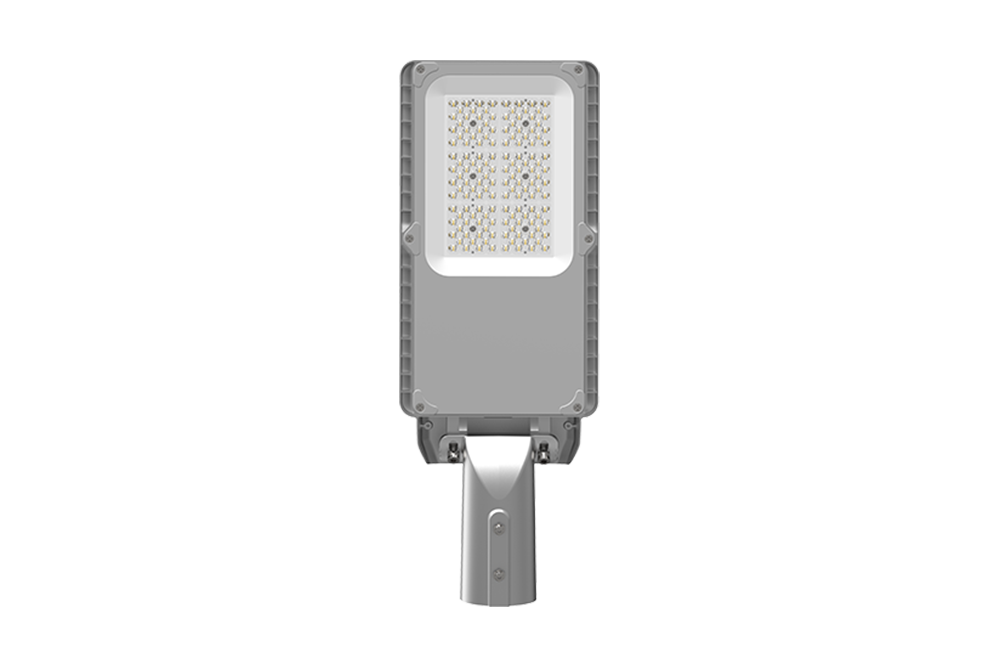
SEEKING STB Series LED street lighting delivers up to 160 lm/W, 10kV surge protection, IP66 waterproofing, and durable IK08 impact resistance. Ideal for streets, parking lots, and large outdoor areas needing long-lasting, energy-saving LED roadway…
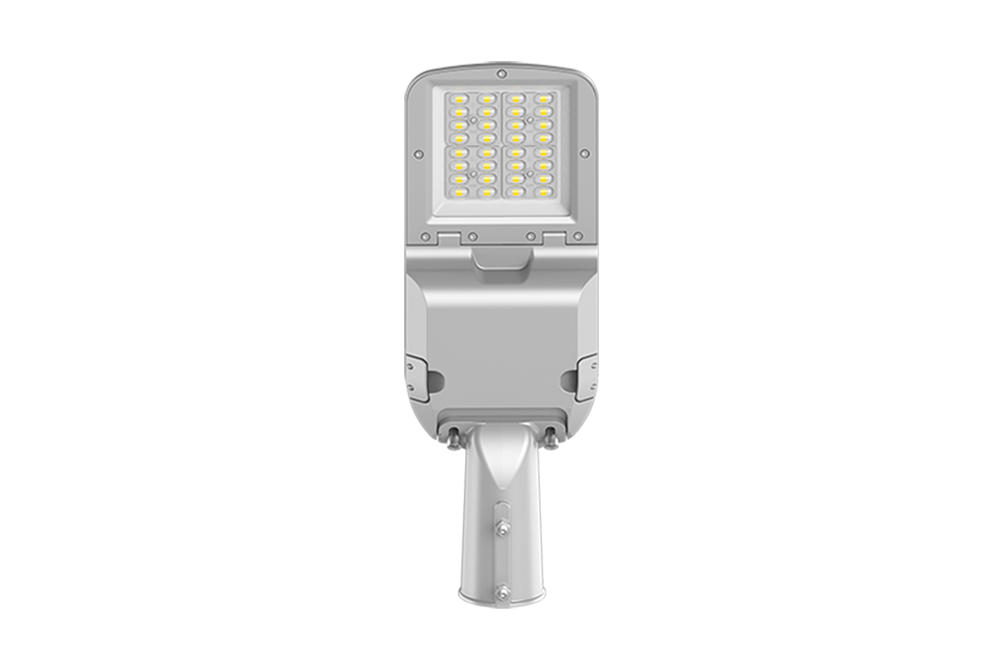
The SEEKING STA Series LED street light delivers strong efficiency, IP66 protection, 10kV surge resistance and multiple beam patterns for roads, parking lots and urban areas. High lumen output, easy installation and reliable performance for long-t…
loading…
This is the last post!
 Seeking LED