Yes — you can convert a street light to LED. But here’s the part people don’t like hearing: not every street light should be converted, and not every conversion is worth doing.
I’ve seen both ends. Clean upgrades that run for years. And “cheap retrofits” pulled down six months later.
So let’s talk about it honestly.
What “convert a street light to LED” actually means
Most people imagine a simple bulb swap. That’s rarely the case.
In reality, conversion usually means one of three things:
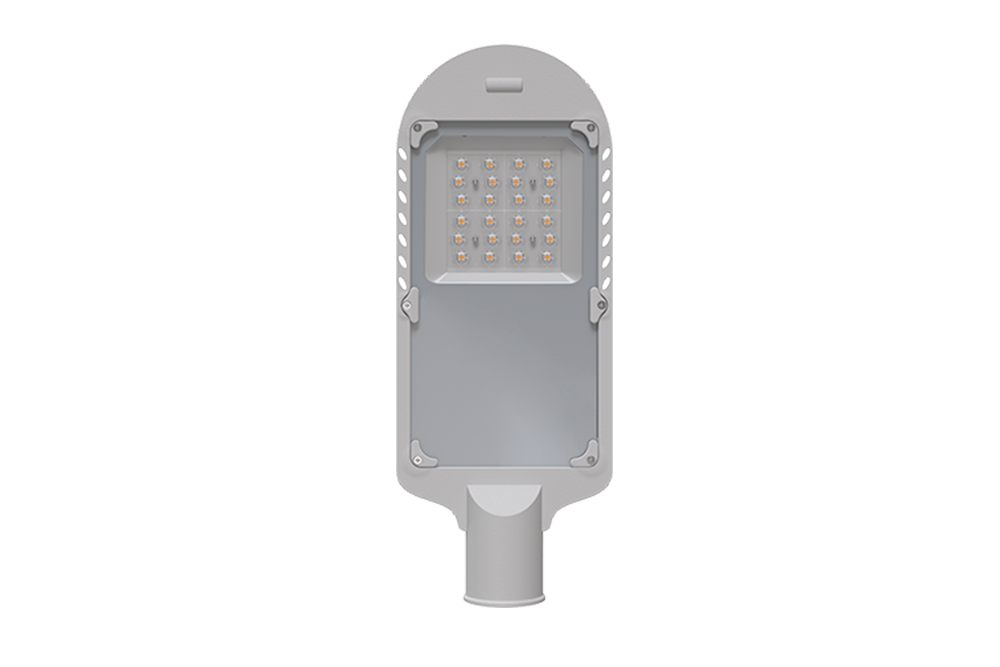
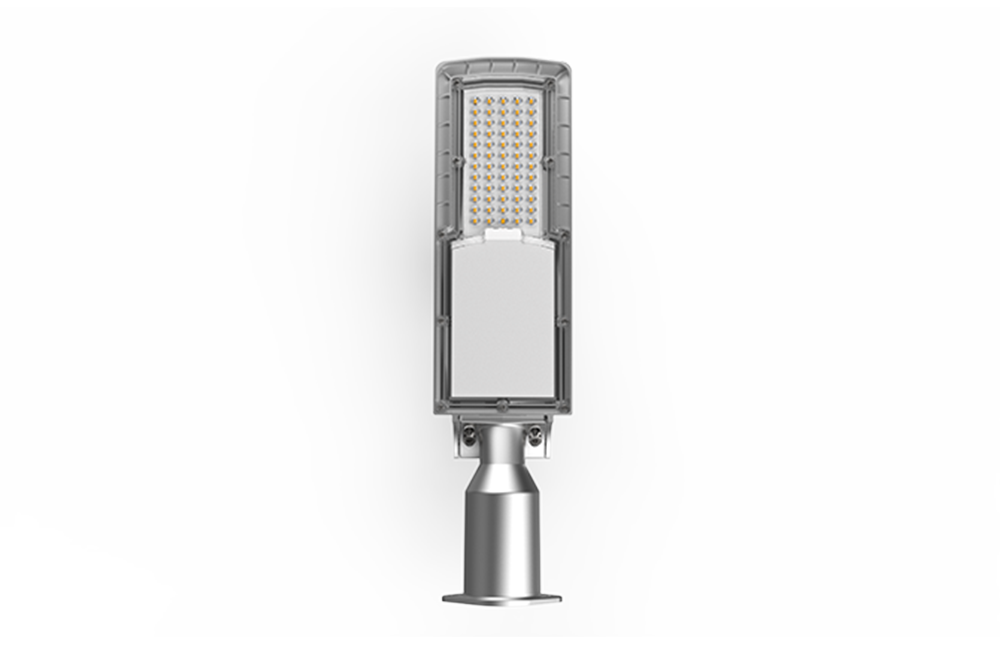
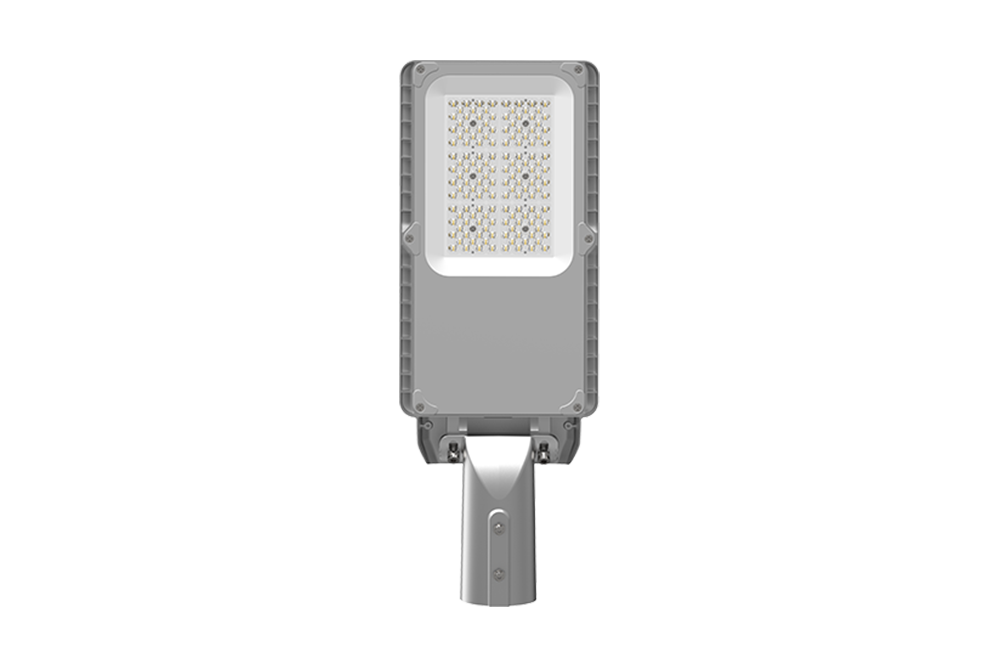
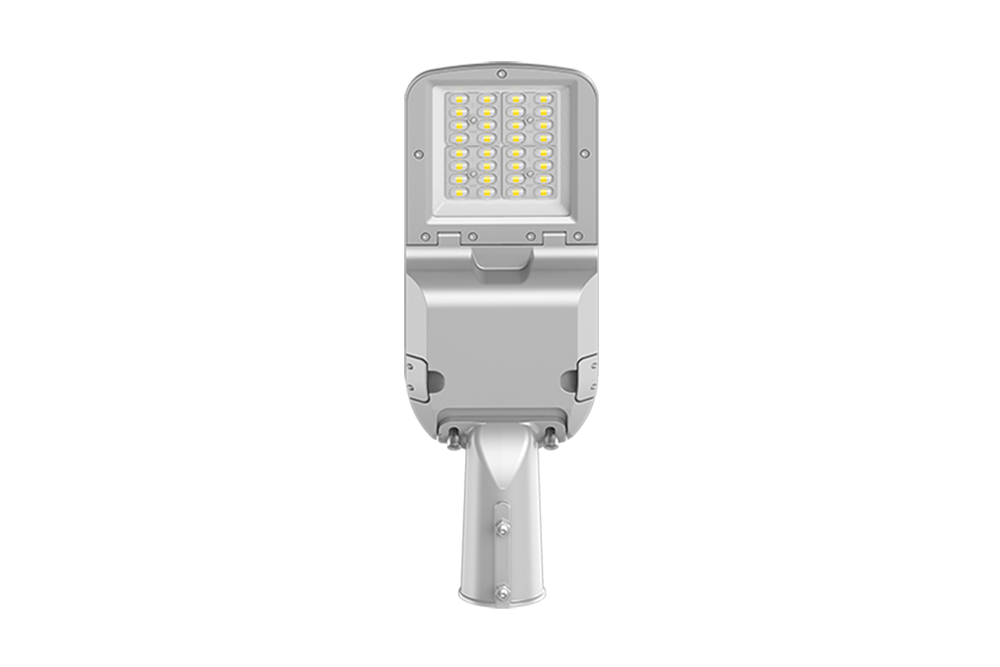
Replacing the entire luminaire with an LED street light
Installing an LED retrofit kit inside the existing housing
Replacing the lamp and driver while keeping the pole and arm
The pole almost always stays. Everything else is negotiable.
When converting to LED makes sense
Conversion works well when:
The pole and arm are structurally sound
The existing fixture housing is in good condition
The electrical system is stable
The goal is lower energy use and less maintenance
In these cases, a LED street light conversion can cut energy use fast. You see it on the bill. You feel it during maintenance cycles.
That’s why cities keep doing it.
When conversion is a bad idea (and people still try)
This part matters.
Conversion usually fails when:
Old housings trap heat
Wiring insulation is already degraded
Cheap retrofit kits are used
The driver is an afterthought
The light works. At first. Then it flickers. Or shuts down at midnight. Or quietly dies.
At that point, people say LEDs are unreliable. They’re not. The setup was.
Retrofit vs full replacement: the real decision
Many ask which is better.
A retrofit:
Lower upfront cost
Faster installation
Higher risk if components don’t match
Full LED replacement:
Higher initial investment
Better thermal design
Longer service life
From experience, full replacement wins over time, especially for main roads and long operating hours.
What about cost?
People search led street light conversion cost for a reason.
Costs depend on:
Wattage
Optical requirements
Installation labor
Driver quality
Cheap conversions look good on paper. Expensive maintenance later changes the math.
That’s why many municipalities now standardize LED fixtures instead of mixing retrofit solutions.
Safety and compliance matter more than people think
Street lighting isn’t decorative lighting.
Conversions must meet:
Local electrical codes
Photometric standards
Surge protection requirements
Skipping this doesn’t save money. It just delays the invoice.
How SEEKINGLED approaches LED conversion projects
At SEEKINGLED, conversion projects are evaluated before anything is sold.
That includes:
Checking whether retrofit even makes sense
Matching driver specs to grid conditions
Designing optics for the actual road, not a catalog photo
Sometimes the recommendation is don’t retrofit — replace. That honesty avoids failure later.
The short, honest answer
So, can I convert a street light to LED?
Yes. But the better question is: should this one be converted, or replaced?
Get that decision right, and LED works exactly as promised. Get it wrong, and no technology can save the project.
ATEX LED floodlight solutions deliver safe, high-output illumination for hazardous locations. Discover certifications, applications, and selection insights for industrial environments.
How to remove the explosion proof light fixtures in hazardous areas? This FAQ explains safe removal steps, ATEX requirements, lifting risks and field practice based on SEEKINGLED engineering experience.
waterproof outdoor led flood lights deliver reliable illumination in harsh weather, with IP65+ protection, energy efficiency, and long lifespan for outdoor use.
 Seeking LED