A lot of people ask the same question when planning a lighting installation: how many amps does a 100 watt led light use?
Usually the question comes up right before installing outdoor lighting, warehouse lights, or parking lot fixtures. Someone is standing near an electrical panel, counting circuits, wondering if the breaker will handle the load.
The answer isn’t complicated. But it’s also not just one number.
Because the current depends on voltage.
The Simple Electrical Calculation
Electricians normally start with a basic rule from Ohm’s Law:
Amps = Watts ÷ Volts
So if you take a 100-watt LED light, the math looks like this.
At 120V power supply
100W ÷ 120V ≈ 0.83 amps
At 240V power supply
100W ÷ 240V ≈ 0.42 amps
That means a standard 100 watt LED light typically draws less than 1 amp on a 120-volt circuit.
Which still surprises some people. Especially if they’re used to older lighting technologies.
What Happens in Real Installations
The first time I checked this in the field was during a small warehouse lighting upgrade. We replaced several outdated fixtures with LED units rated around 100 watts.
On paper the current should have been around 0.83 amps.
So we clamped the meter onto the live conductor just to confirm.
The reading moved a bit. Around 0.9 amps for some fixtures.
Not exactly the calculated value.
But that’s normal.
LED Flood Light use electronic drivers to convert AC voltage into the constant current the LEDs need. Those drivers aren’t perfectly efficient. A small amount of extra current shows up because of power factor and driver losses.
Nothing dramatic. Just real-world electronics.
Why LED Lights Draw So Little Current
The reason a 100W LED light draws such a small current compared with older lamps is efficiency.
Traditional lighting wastes a large amount of energy as heat.
LED technology doesn’t.
According to research from the U.S. Department of Energy, modern LED lighting systems can reduce electricity consumption by 50% to 75% compared with conventional lighting technologies.
Less energy used. Less current drawn from the circuit.
Simple physics.
What This Means for Circuit Planning
When someone searches how many amps does a 100 watt led light use, they’re usually trying to determine how many fixtures can run on one breaker.
Let’s take a typical 15-amp circuit.
If each LED fixture draws around 0.83 amps, the circuit could theoretically power about 18 lights.
But in practice electricians rarely push a circuit that far.
Organizations such as the National Electrical Manufacturers Association emphasize safe electrical design and reasonable load margins.
So installers often plan for fewer fixtures per circuit. Not because LEDs require it — just because good electrical practice does.
Real Example from Outdoor Lighting Projects
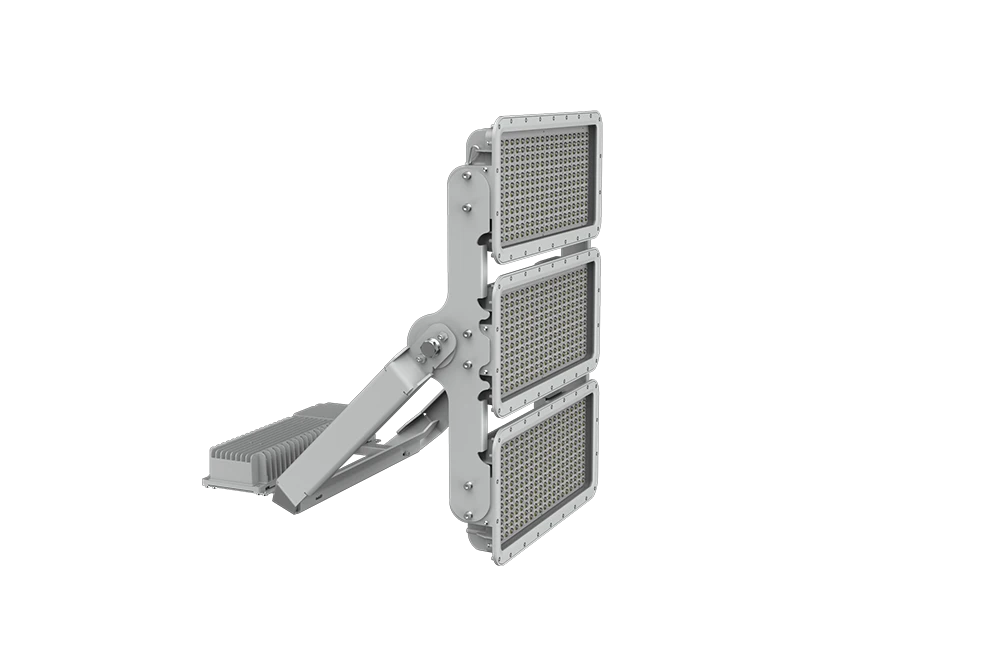
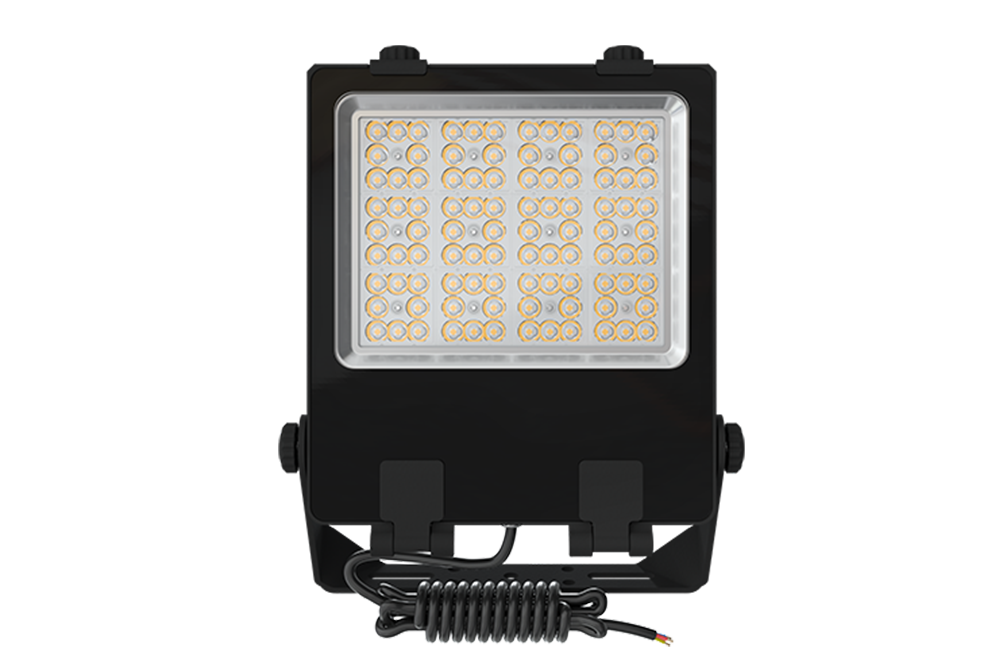
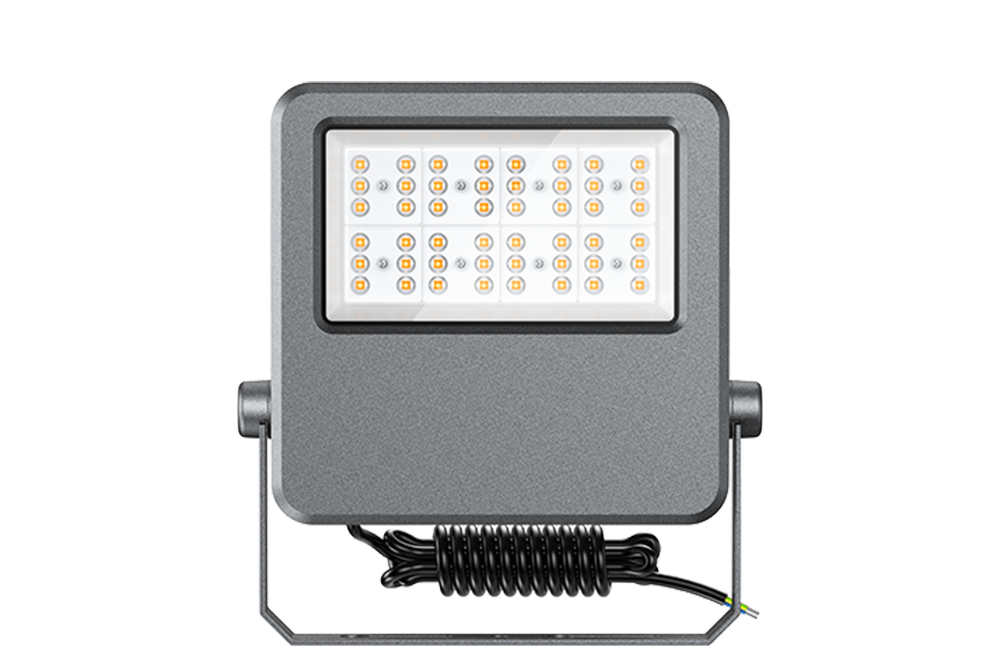
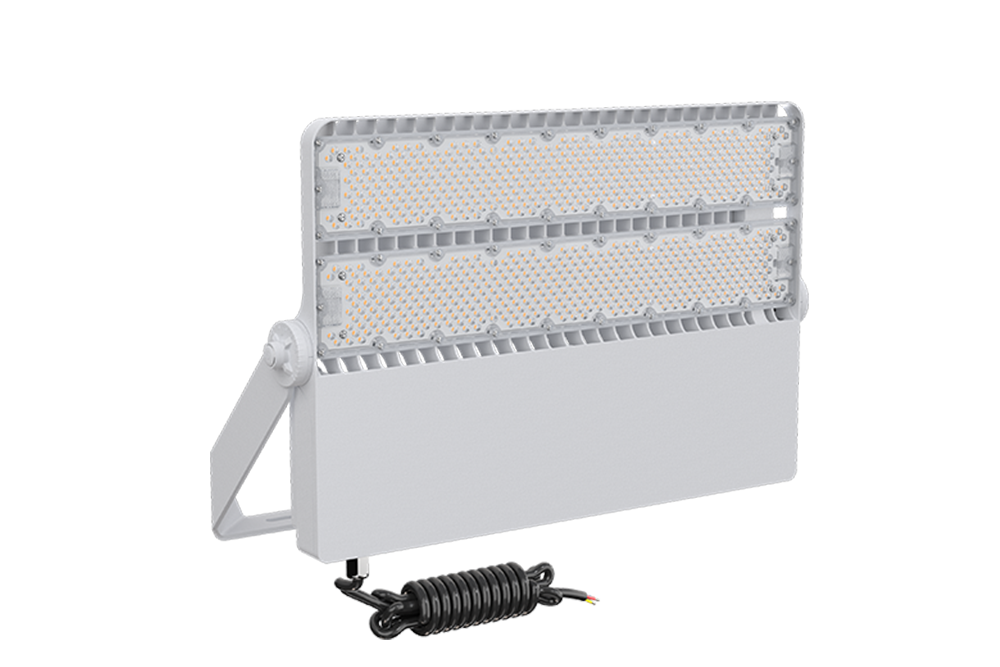
At SEEKINGLED, we often work with customers installing 100-watt LED floodlights or street lights.
A common concern appears before the project begins.
“Do we need new wiring?”
Usually the answer is no.
In many cases the new LED system draws less current than the old lighting it replaces. High-pressure sodium or metal halide fixtures often consumed far more power.
Once the LED system turns on, the electrical panel suddenly looks much less crowded.
That’s the quiet advantage of efficient lighting.
A Quick Rule of Thumb
If you just want a fast estimate without pulling out a calculator, here’s a simple way to think about it.
For 100-watt LED lights:
- 120V circuits → roughly 0.8–1 amp
- 240V circuits → roughly 0.4–0.5 amps
Not exact numbers, but they’re reliable enough for planning purposes.
And if you’re installing several fixtures, the total current is simply the sum of each light.
More answers
Final Answer
So, how many amps does a 100 watt led light use?
In most real installations:
- about 0.83 amps on a 120V circuit
- about 0.42 amps on a 240V circuit
Even with driver losses and small variations, the current remains low.
That’s one reason LED lighting systems from SEEKINGLED are widely used in parking lots, industrial facilities, and outdoor infrastructure projects.
Lower energy consumption. Lower current draw. And fewer electrical headaches during installation.
LED flood light Recommendations
 Seeking LED