 Seeking LED
What Does the Cut Line Look Like on LED Lights?
376What does the cut line look like on LED lights? This guide explains how beam edges appear in real installations and why cut line quality affects LED linear lighting performance.
View detailsSearch the whole station
When people ask me how to choose UFO high bay LED lights, I usually answer with another question:
“How many hours per day will they actually run?”
After more than a decade working with warehouse and factory lighting projects, I’ve seen the same pattern repeat. On paper, many UFO high bay fixtures look impressive—high lumen output, attractive pricing, compact design. But after two or three years of real operation, problems start to show up: lumen drop, driver instability, uneven light distribution, or premature failures.
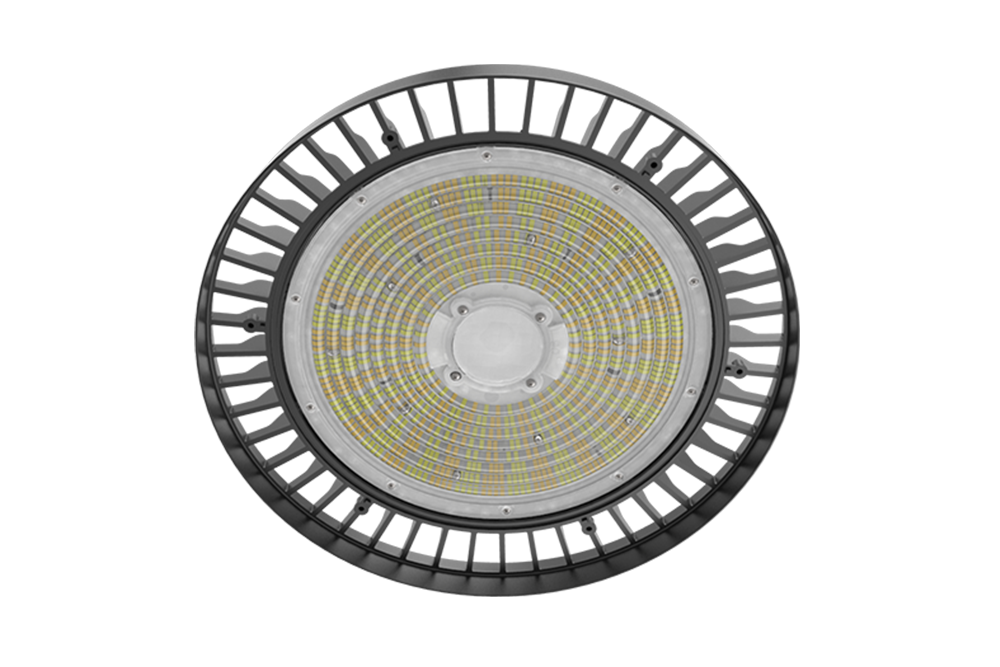
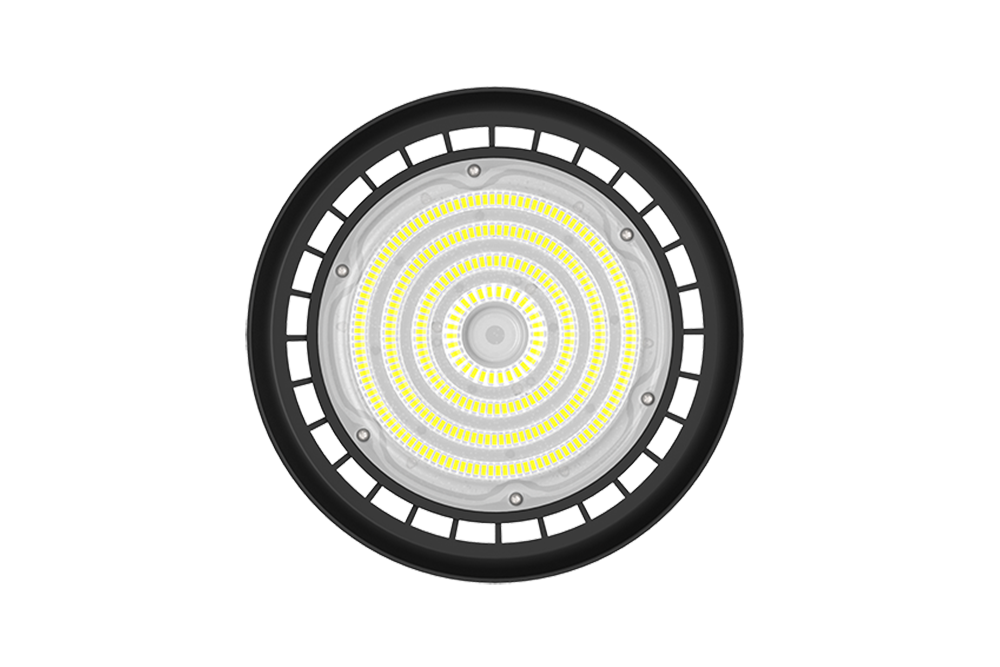
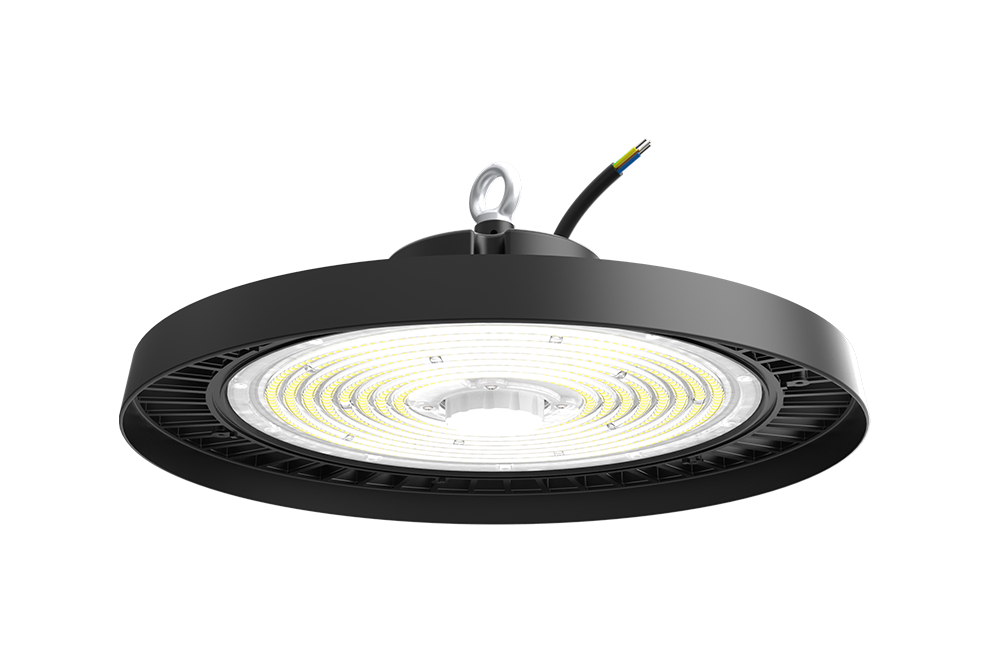
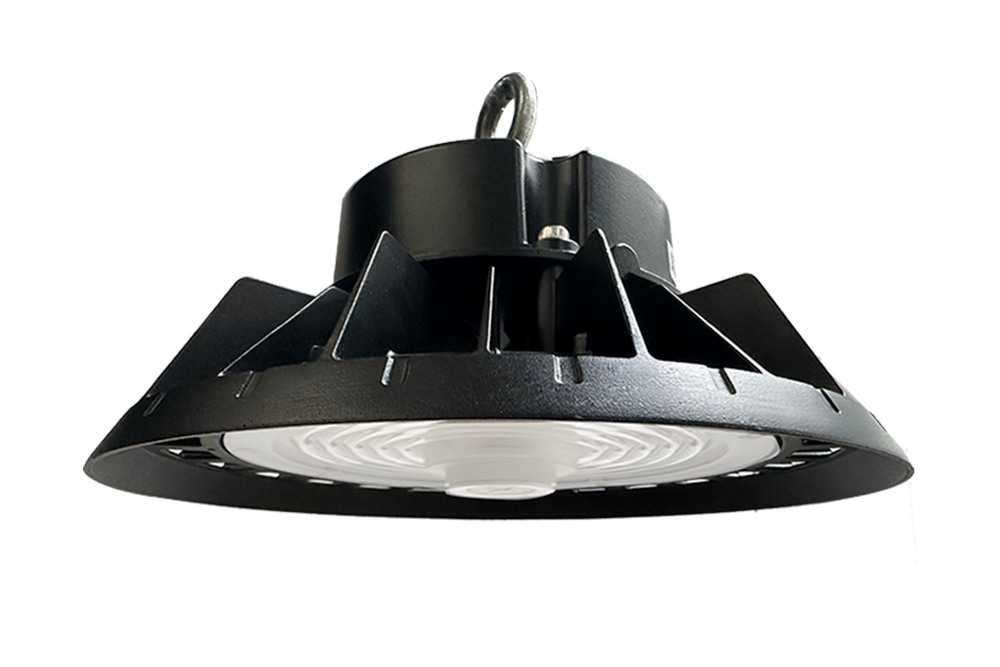
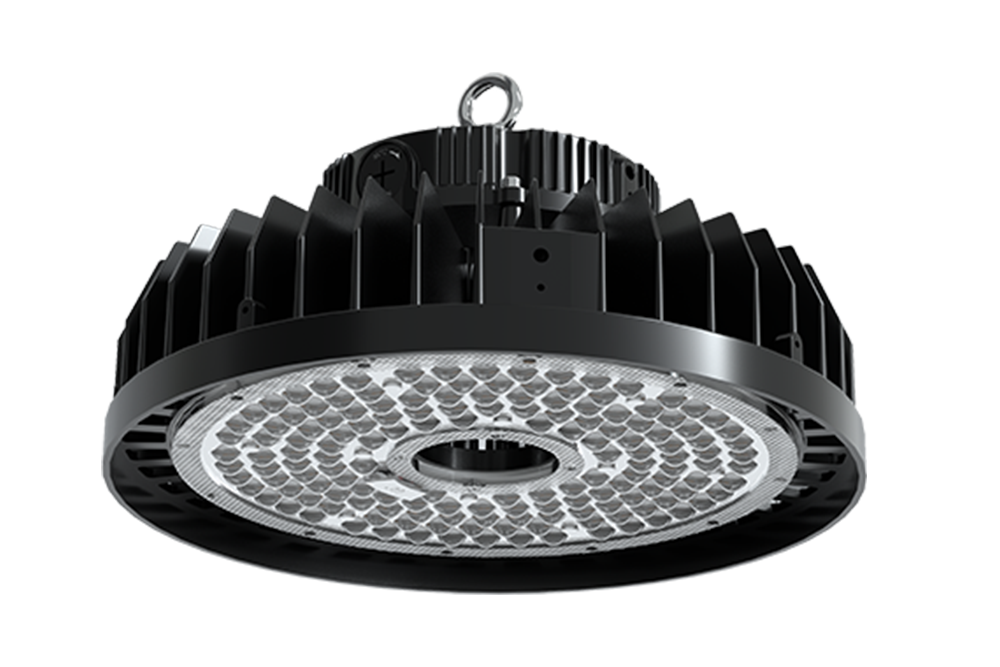
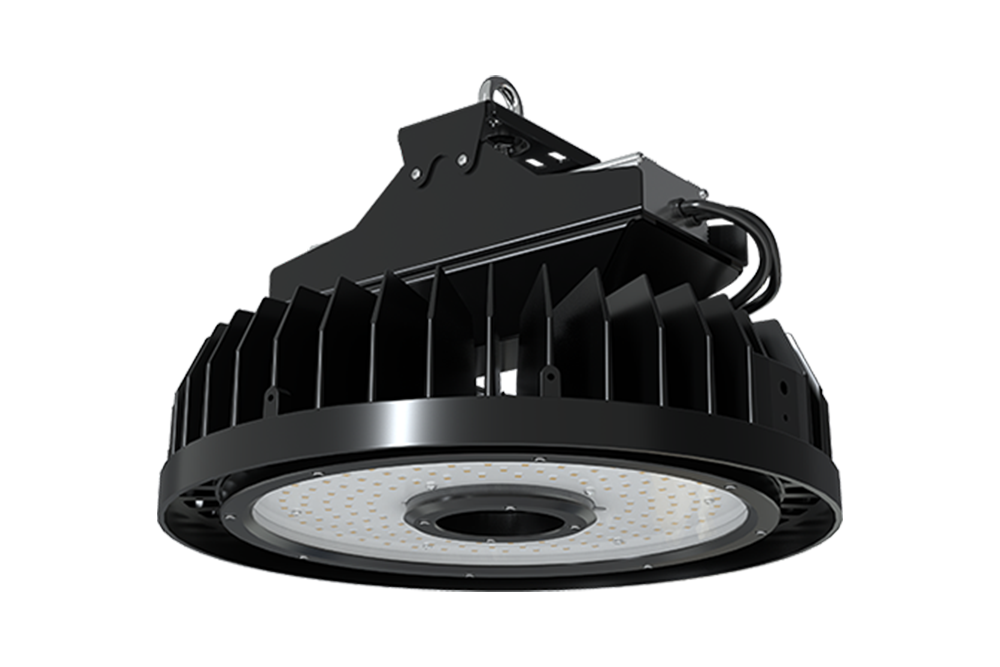
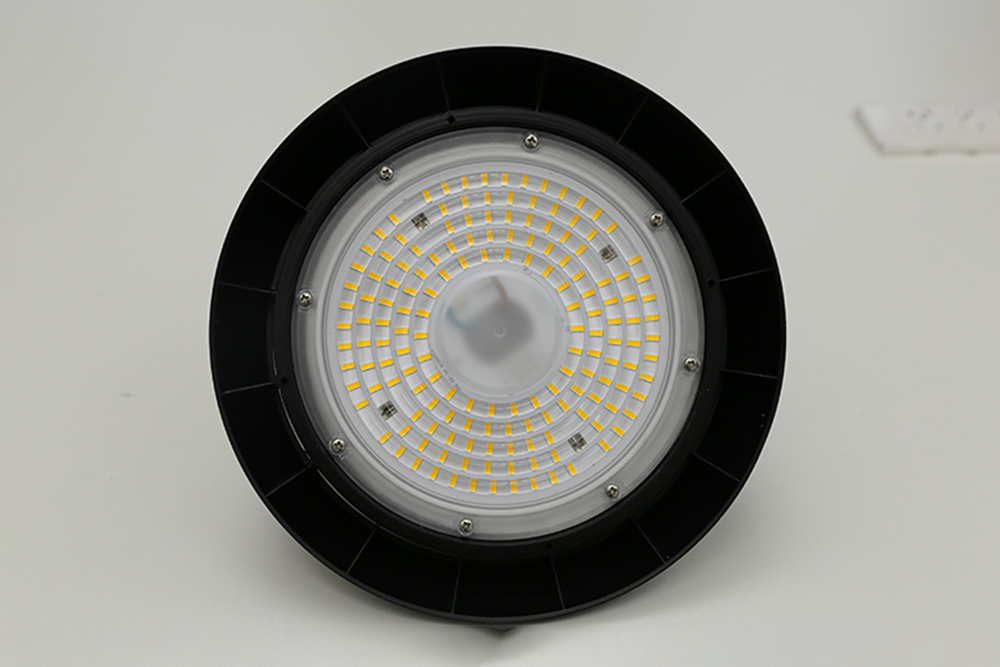
The HBF Series UFO High Bay LED Lights from SEEKINGLED were developed to avoid those common issues, not by chasing extreme specifications, but by focusing on how industrial buildings actually work.
Industrial lighting almost always sits between two pressures: energy efficiency and cost control. According to data published by the U.S. Department of Energy (DOE), upgrading traditional HID high bays to LED systems can reduce lighting energy use by 50–70%, especially in facilities operating more than 12 hours per day.
However, the same DOE studies also point out a less advertised fact: high initial efficacy does not guarantee long-term performance if thermal and driver design are not properly managed.
That’s where many UFO-style high bay lights struggle.
Instead of maximizing every parameter on the datasheet, SEEKINGLED’s engineering team kept the HBF Series compact, carefully controlled thermal mass, and selected a driver platform proven for continuous indoor industrial operation.
The HBF Series delivers up to 200 lm/W, measured at 5700K, Ra>70. In theory, that number looks impressive. In practice, it matters because warehouses and production halls rarely turn lights off.
From retrofit audits I’ve personally participated in, even a 5–10% improvement in system efficacy can translate into meaningful annual savings when fixtures run 4,000–6,000 hours per year. That’s where efficient UFO high bay LED lights justify their investment—not on day one, but over years of operation.

In steel-roof factories, heat accumulates near the ceiling. If a UFO high bay fixture cannot move that heat efficiently, LED junction temperature rises—and lumen maintenance suffers.
Independent LM-80 test data for 2835 LED packages clearly shows that elevated junction temperature accelerates lumen depreciation. When combined with TM-21 lifetime projections, properly managed systems can realistically achieve L80B20 beyond 100,000 hours at 25°C.
This is not marketing optimism. It’s established industry methodology.
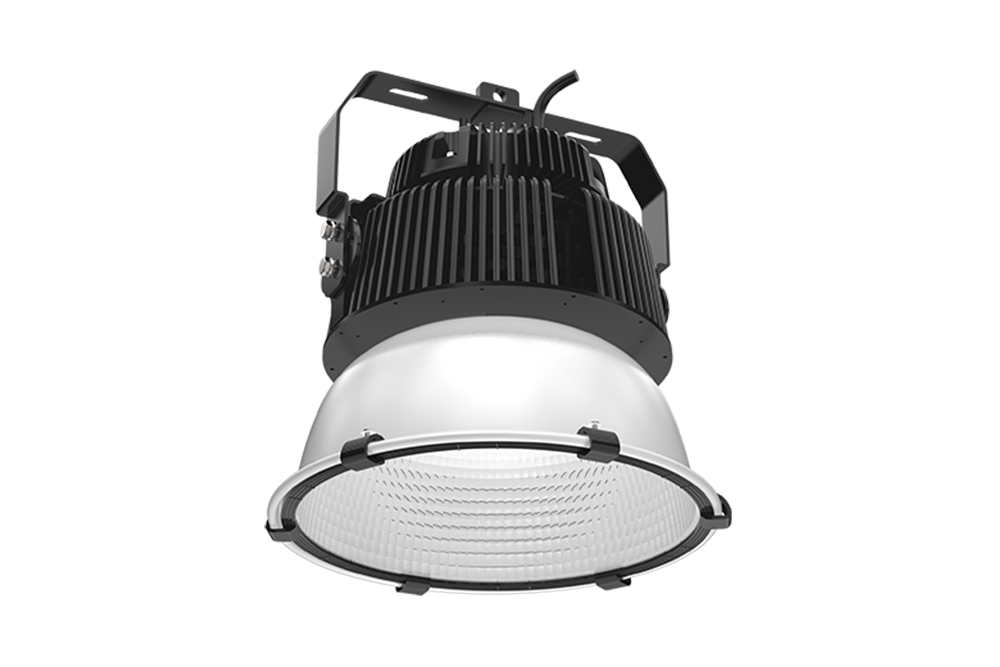
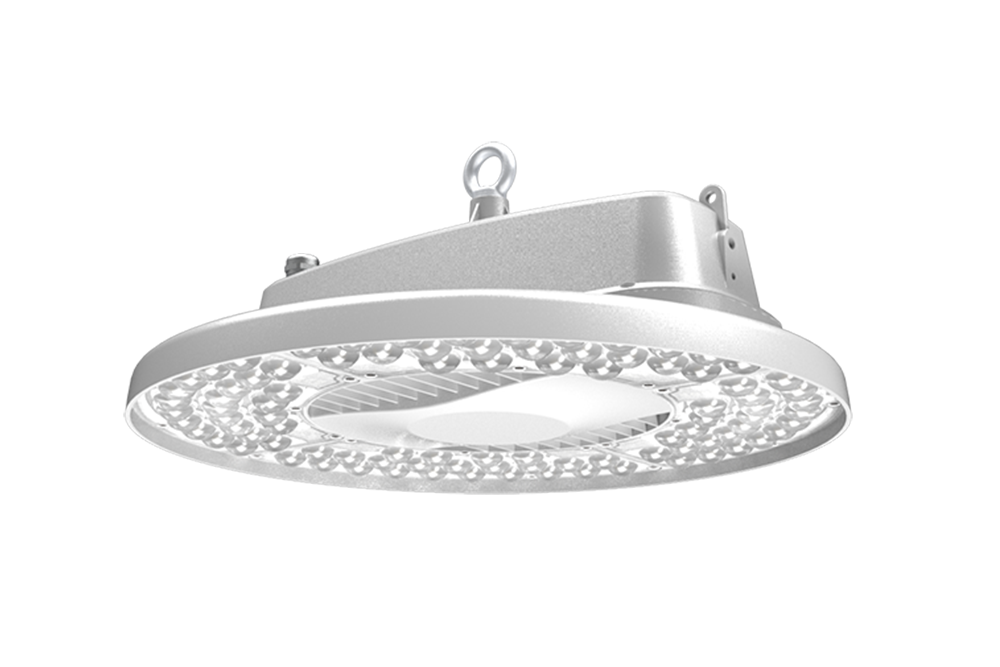
The HBF Series uses a die-cast aluminum housing designed specifically for industrial ceiling environments, helping maintain stable thermal conditions even when fixtures are mounted close to the roof structure.
SEEKINGLED’s choice of SOSEN flicker-free drivers was intentional. In modern factories, lighting interacts with more than just human eyes.
According to IEEE Std 1789, low-frequency flicker can interfere with visual comfort and machine vision systems. In facilities using cameras for inspection or automation, unstable light output becomes a functional risk.
With PF ≥ 0.95 and low THD, the HBF Series maintains stable performance even on three-phase industrial grids, where voltage fluctuation is common.

The HBF Series offers 60° and 90° beam angles, which may sound simple, but it solves many real-world lighting problems. Too often, facilities try to “fix” poor distribution after installation.
Specifying beam angle based on mounting height reduces glare, improves uniformity, and avoids wasted energy. An optional microwave motion sensor interface allows step-dimming strategies aligned with modern energy codes in Europe and North America.
This is practical lighting control—not unnecessary smart features.
With IP65 and IK08 ratings, the HBF Series is prepared for dusty logistics centers, semi-open garages, and industrial buildings where vibration and occasional impact are normal conditions.
The C3 corrosion classification further supports long-term use in humid or coastal regions, where fixture housings often degrade faster than expected.
Written by an industrial lighting engineer with over 12 years of experience in UFO high bay LED lighting design, factory audits, and large-scale warehouse retrofit projects across Europe and Asia.
Good UFO high bay LED lights don’t rely on exaggerated claims. They deliver consistent output, stable operation, and predictable lifetime performance.
The HBF Series LED High Bay Light from SEEKINGLED was built with those priorities in mind—designed for real buildings, real operating hours, and real industrial expectations.
That’s usually what determines whether a lighting upgrade succeeds or quietly becomes a problem later.
What does the cut line look like on LED lights? This guide explains how beam edges appear in real installations and why cut line quality affects LED linear lighting performance.
View details
Explosion proof class 1 div 1 lighting delivers certified protection for hazardous gas environments. Learn standards, applications, and industrial insights.
View details
Why Lighting for Hazardous Areas Exists is a critical question for industrial safety. Learn how hazardous area lighting prevents ignition risks and protects workers.
View details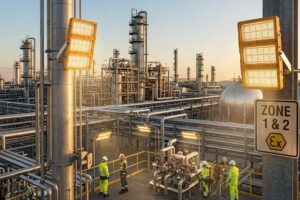
Discover hazardous area - zone 1 & 2 atex lighting solutions for oil, gas, chemical and industrial facilities. Learn ATEX requirements, Zone classifications, safety standards and expert selection advice from SEEKINGLED.
View details