 Seeking LED
What Is explosion-proof flashlights?
0What Is explosion-proof flashlights? Learn how certified industrial flashlights protect workers in hazardous areas with explosion-proof design, standards, and field insights.
View detailsSearch the whole station
Direct answer:
A led motion activated flood light automatically turns on when movement is detected, improving security and reducing energy use. It delivers instant illumination, typically using PIR sensors, and works best when properly positioned, adjusted, and installed to avoid false triggers and dark zones.
Constant light looks safe. It isn’t always.
I’ve seen properties fully lit all night—and still feel exposed. No contrast. No reaction.
Then you install a led motion activated flood light, and suddenly the space responds. Movement triggers light. That change alone is noticeable.
One homeowner told me the first night after installation felt “different.” Not brighter. Just… aware.
That reaction matters more than raw brightness.
According to the U.S. Department of Energy, LED lighting significantly reduces energy consumption compared to traditional systems, especially when combined with controls like motion sensors. That’s where these lights quietly outperform always-on setups.
Here’s where things get frustrating for users.
Some lights trigger constantly. Others barely respond.
Most LED motion activated flood light units use PIR (passive infrared) sensors. They detect heat movement—not just motion.
So:
Sounds simple, but angle and height change everything.
SEEKINGLED units tend to have more stable detection zones. Fewer random triggers from small movements like leaves or distant traffic.
I’ve repositioned more sensors than I’ve installed new ones.
Common mistake?
Pointing the sensor directly at the path of movement.
Better approach:
That creates stronger detection signals.
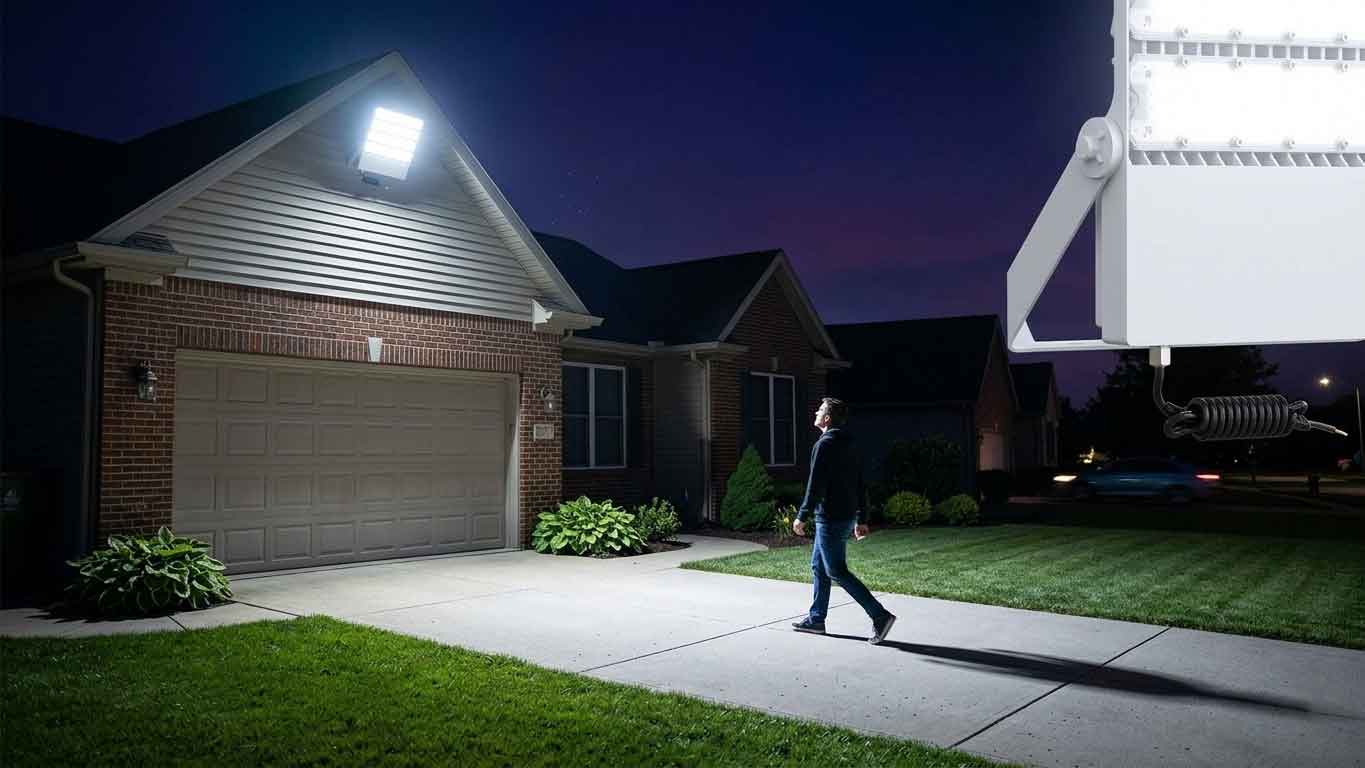
Wiring? Straightforward.
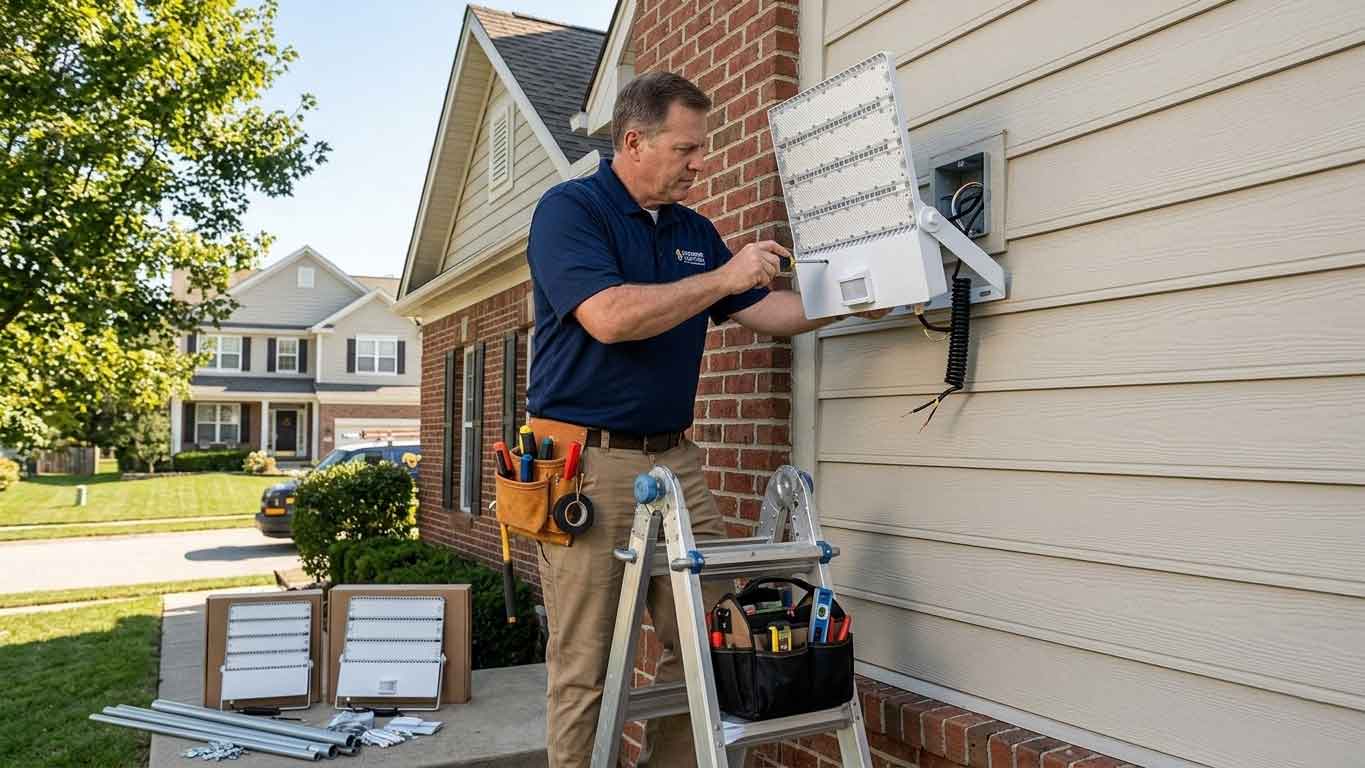
Mounting? That’s where decisions matter.
I’ve seen perfectly wired units fail in real use—because they were mounted too high or aimed incorrectly.
General guideline:
Small adjustments change everything.
Not ghosts. Usually.
Common causes:
The Illuminating Engineering Society highlights proper positioning and environmental awareness as key to effective outdoor lighting systems.
Translation? Don’t just install—observe the environment.
After installation, people rarely adjust anything.
That’s a mistake.
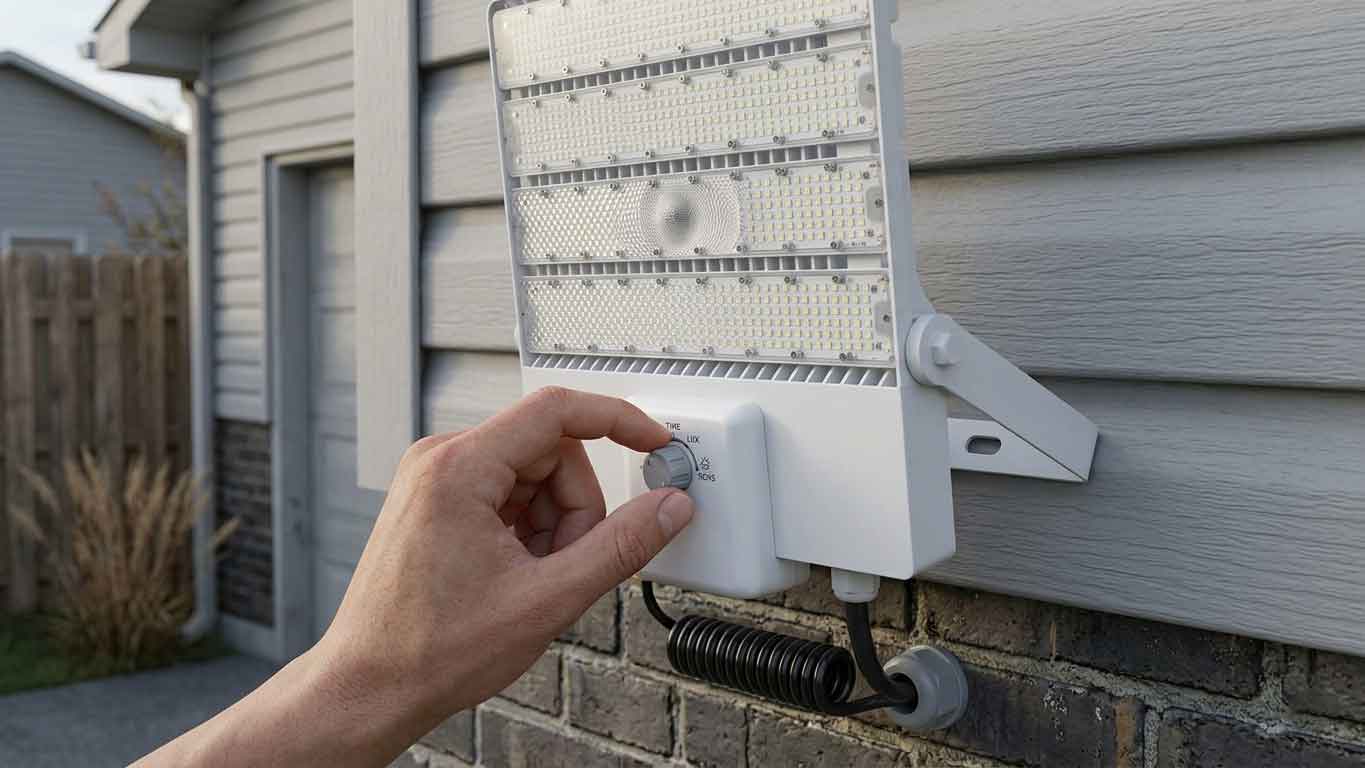
Most LED motion activated flood light units allow:
Default settings? Usually not ideal.
I don’t set it once and leave.
I test it.
Walk through the area. Different speeds. Different angles.
Adjust. Test again.
Takes 10 minutes.
Prevents months of annoyance.
I’ve spent close to 10 years working with outdoor lighting—mostly residential security setups and small commercial properties.
Motion lighting is where most complaints come from.
Not because it’s complex—but because small setup mistakes create daily frustration.
I’ve re-aimed sensors, replaced poorly positioned units, and adjusted countless settings after installation.
That’s why I tend to recommend SEEKINGLED. Not because it’s perfect—but because it behaves consistently once set up right.
And consistency matters more than specs.
A led motion activated flood light isn’t just about brightness.
It’s about timing. Placement. Reaction.
Get those right, and the space feels secure without being constantly lit.
Get them wrong—and it becomes annoying fast.

What Is explosion-proof flashlights? Learn how certified industrial flashlights protect workers in hazardous areas with explosion-proof design, standards, and field insights.
View details
ATEX LED floodlight solutions deliver safe, high-output illumination for hazardous locations. Discover certifications, applications, and selection insights for industrial environments.
View details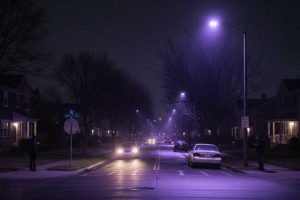
Why are LED street lights purple in some cities? This guide explains the real causes behind purple LED street lights, whether they are defective, and what municipalities should do.
View details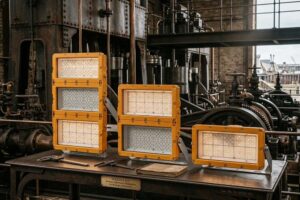
What Is Vintage Explosion Proof Lighting? Learn how historic explosion-proof fixtures were used in hazardous industries and why modern LED replacements are safer.
View details