 Seeking LED
LED Street Light Fixture: What Holds Up After Years Outdoors
144LED street light fixture designed for long-term outdoor use, offering stable performance, controlled optics, and reliable durability by SEEKINGLED.
View detailsSearch the whole station
What Are Hazardous Area LED Lights?
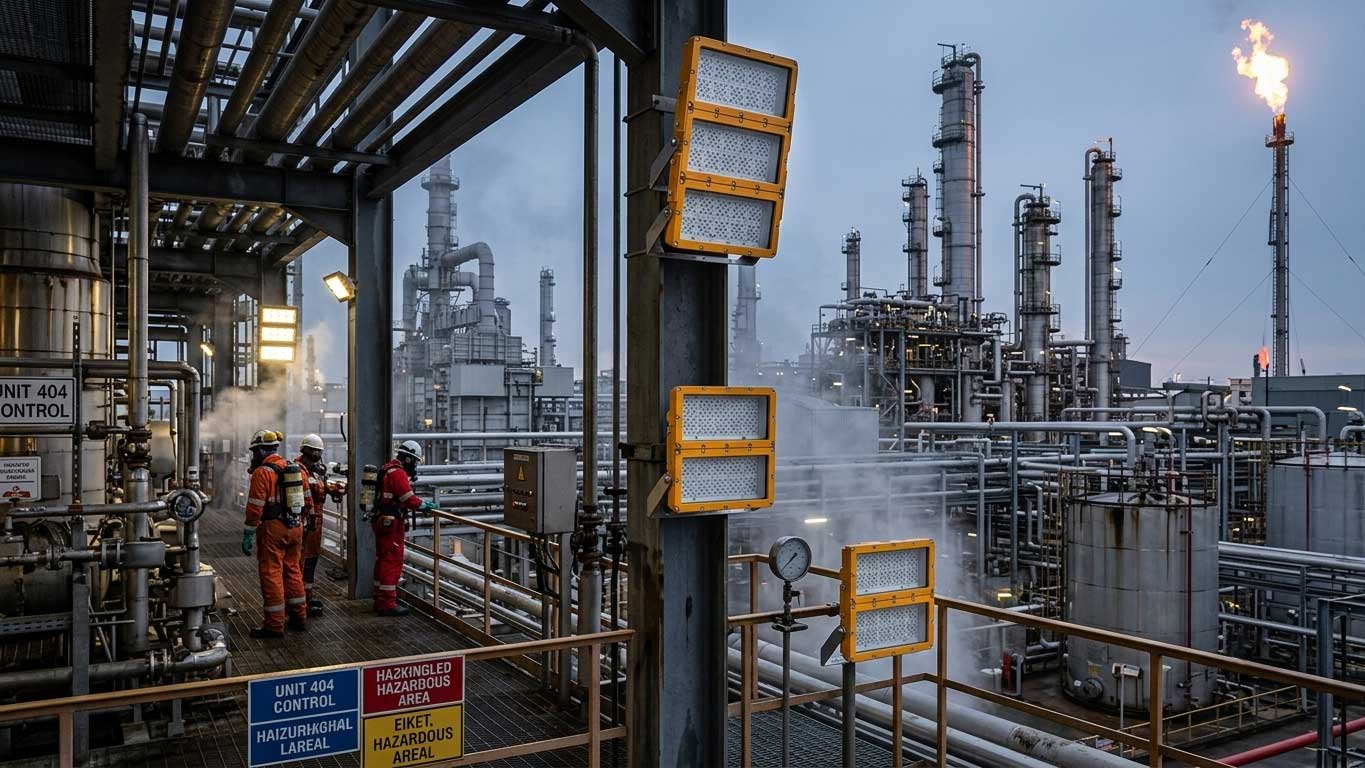
Hazardous area LED lights are specially certified lighting fixtures designed for locations where flammable gases, vapors, or combustible dust may be present. They prevent ignition risks, improve industrial safety, and provide reliable illumination in hazardous environments such as oil refineries, chemical plants, and offshore facilities.
The first hazardous LED fixture I examined was mounted nearly eight meters above a loading station at a petroleum terminal. The maintenance engineer standing beside me ignored the brightness completely. He pointed at the certification label and said, “This line of text is worth more than the entire fixture.”
That moment explained hazardous lighting better than any brochure.
Ordinary industrial lights focus on illumination.
Hazardous area LED lights focus on safety first.
They are designed to prevent the fixture itself from becoming an ignition source in environments where explosive atmospheres may occur.
These environments may contain:
Typical installation locations include:
A conventional fixture may generate:
Hazardous area LED lights are engineered specifically to control those risks.
Not every hazardous environment carries the same level of risk.
Industrial areas are classified according to how frequently explosive atmospheres may occur.
| Zone | Description |
|---|---|
| Zone 0 | Gas present continuously |
| Zone 1 | Gas likely during normal operation |
| Zone 2 | Gas unlikely and temporary |
| Zone 21 | Dust likely present |
| Zone 22 | Dust occasionally present |
Zone classifications determine:
Several refinery projects change lighting specifications entirely when a process area is reclassified.
The light itself may remain unchanged.
The certification requirements do not.
The most recognized certifications include:
ATEX applies throughout Europe.
IECEx provides international certification standards.
According to the IECEx system, equipment must undergo rigorous testing to ensure safe operation in explosive atmospheres.
Source:
The ATEX Directive 2014/34/EU governs equipment used in explosive atmospheres throughout the European Union.
Source:
https://single-market-economy.ec.europa.eu
Certification testing evaluates:
Without certification, a lighting fixture should never be installed in a hazardous location.
Many buyers become confused by markings such as:
Ex db eb IIC T5 Gb
Engineers read these markings immediately.
| Marking | Meaning |
|---|---|
| Ex | Explosion protection |
| db | Flameproof protection |
| eb | Increased safety |
| IIC | Gas group |
| T5 | Temperature class |
| Gb | Equipment protection level |
The certification label determines the safe installation location.
The wattage does not.
The lumen output does not.
The housing color certainly does not.
Older hazardous facilities relied heavily on:
Those technologies introduced several problems:
LED technology dramatically improved performance.
According to the International Energy Agency, LEDs remain the most efficient mainstream lighting technology available.
Source:
Modern hazardous LED fixtures offer:
In hazardous areas, avoiding maintenance trips often saves more money than reducing electricity consumption.
Premium hazardous LED fixtures commonly achieve:
According to the U.S. Department of Energy, quality LED systems substantially outperform traditional lighting technologies regarding service life.
Source:
https://www.energy.gov/eere/ssl/led-basics
| Lighting Technology | Typical Lifetime |
|---|---|
| Metal Halide | 15,000 hours |
| Fluorescent | 20,000 hours |
| Industrial LED | 50,000 hours |
| Premium Hazardous LED | 100,000 hours |
At twelve operating hours per day:
Actual lifetime depends on:
Flammable gases ignite at specific temperatures.
Hazardous fixtures control their external surface temperatures through temperature classifications.
| Temperature Class | Maximum Surface Temperature |
|---|---|
| T1 | 450°C |
| T2 | 300°C |
| T3 | 200°C |
| T4 | 135°C |
| T5 | 100°C |
| T6 | 85°C |
One chemical plant inspection revealed that an entire shipment had to be replaced because the fixtures carried T4 certification while the project required T5.
Everything else was acceptable.
One line on the label changed the outcome.
Applications include:
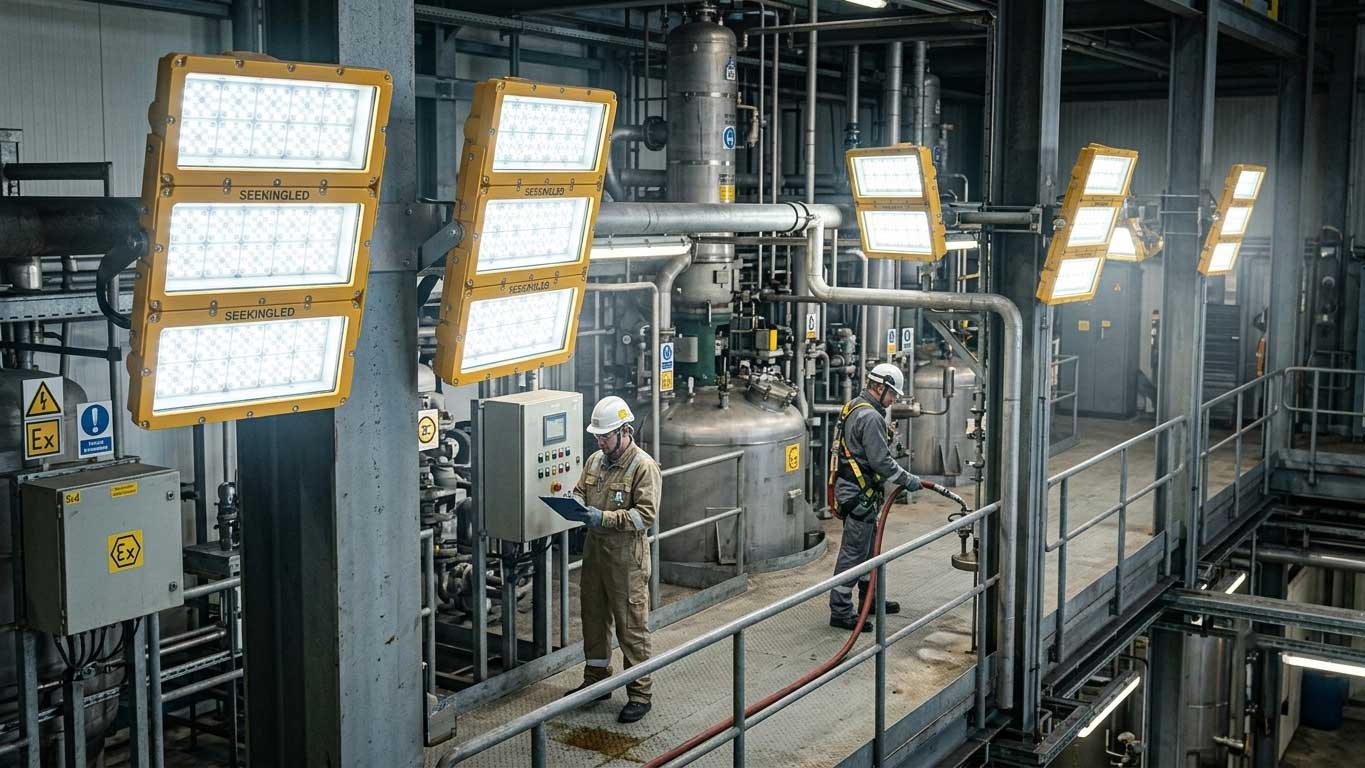
Offshore environments expose fixtures to:
Chemical processing introduces:
Combustible dust remains a serious industrial hazard.
According to OSHA, combustible dust incidents continue to cause fires and explosions in industrial facilities.
Source:
https://www.osha.gov/combustible-dust
After years of visiting industrial facilities, one observation remains consistent.
The most appreciated hazardous lights are rarely the brightest.
They are the fixtures that nobody talks about.
No failures.
No maintenance calls.
No emergency replacements.
No inspection issues.
When a hazardous LED fixture operates quietly for ten years, engineers notice its absence from maintenance reports.
That often represents the highest compliment a lighting product can receive.
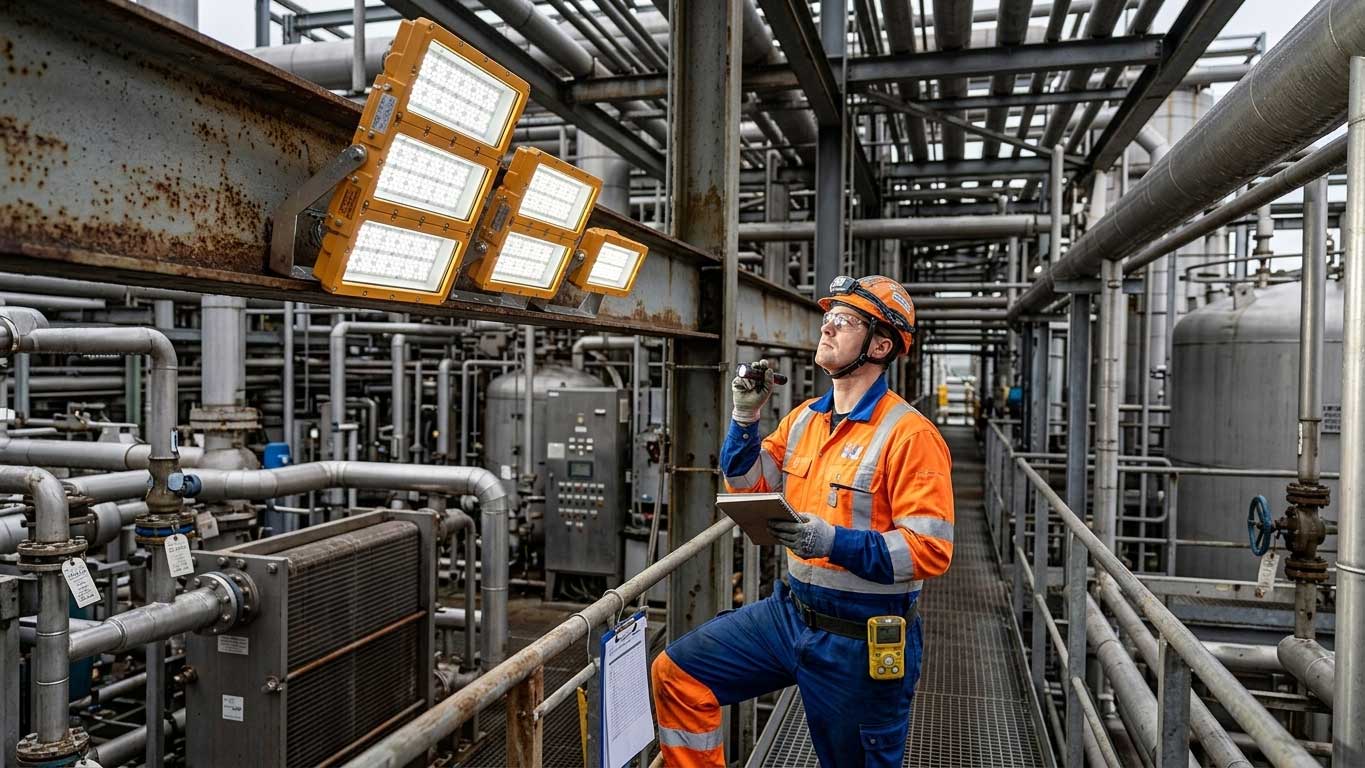
At SEEKINGLED, hazardous lighting discussions generally begin with questions such as:
Only after understanding these factors does product selection begin.
This approach prevents both:
Reliable operation depends on matching the fixture to the environment.
Many hazardous LED fixtures are explosion-proof, although the specific protection method depends on the certification.
No. Standard industrial fixtures do not provide the required explosion protection.
ATEX and IECEx certifications are among the most widely recognized internationally.
Most products provide IP66 or IP67 protection against dust and water ingress.
Yes. LEDs typically consume significantly less energy than traditional lighting technologies.
What Are Hazardous Area LED Lights? They are specialized lighting systems designed to operate safely where flammable gases, vapors, or combustible dust may exist.
Their purpose extends far beyond illumination.
They help protect workers, reduce maintenance exposure, improve reliability, and support compliance with international safety standards.
For hazardous environments, choosing properly certified hazardous area LED lights remains one of the most important decisions an engineer or facility manager can make.
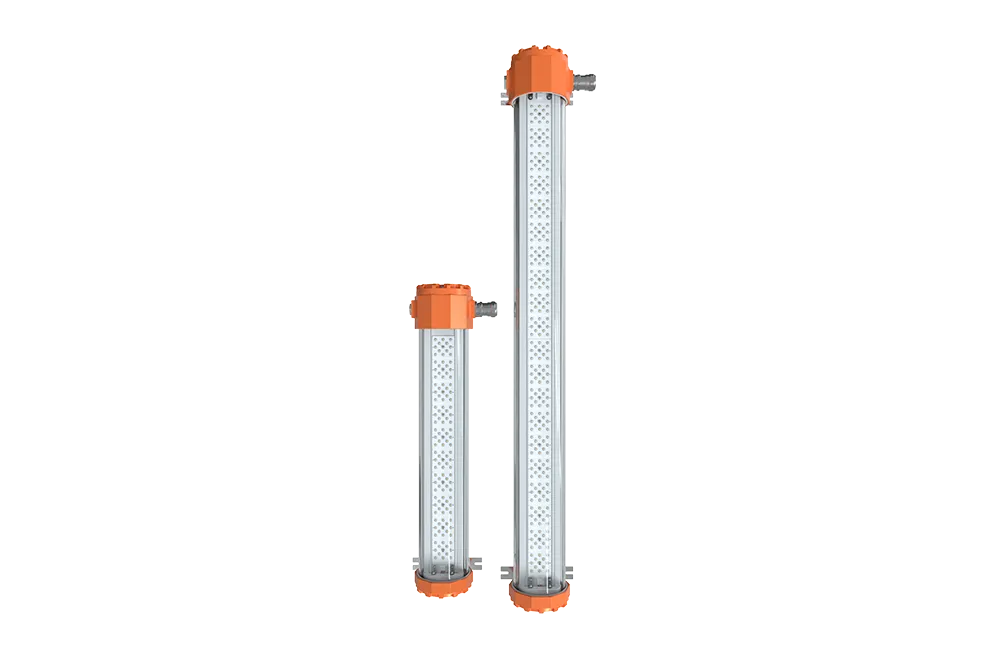
SEEKINGLED LED Linear Explosion Proof Light and Explosion Proof lighting is ATEX and IECEx certified for Zone 1, Zone 2, Zone 21 and Zone 22 hazardous locations, built for long-term industrial use.
View details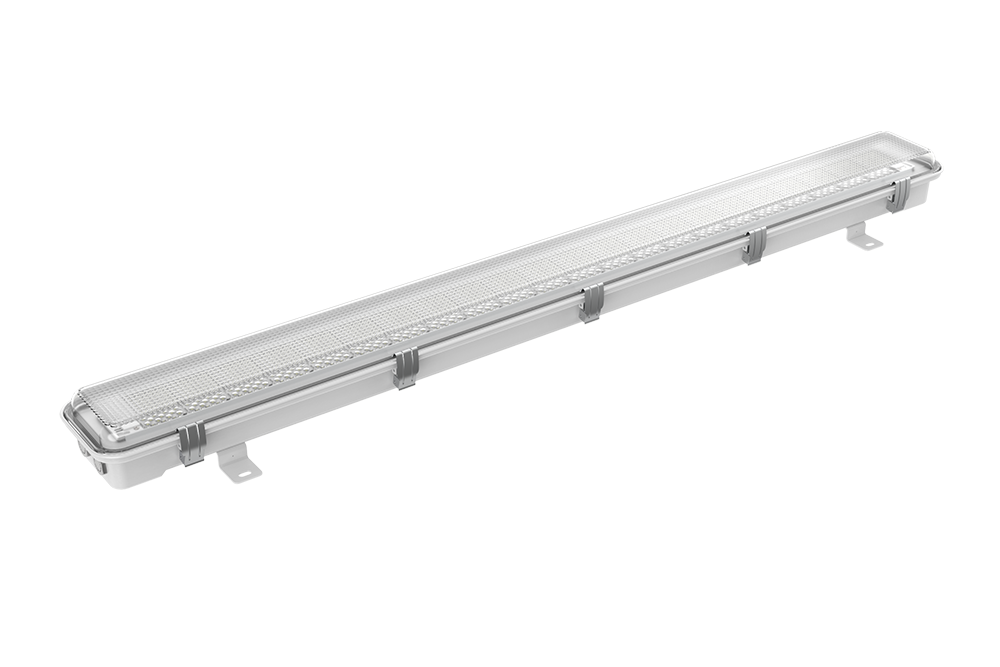
LED Linear Explosion Proof Lights and EX Proof lights for Zone 1, Zone 2, Zone 21 and Zone 22 hazardous areas. ATEX & IECEx certified explosion proof LED linear lighting with emergency function, adjustable power and IP67 protection by SEEKINGLED.
View details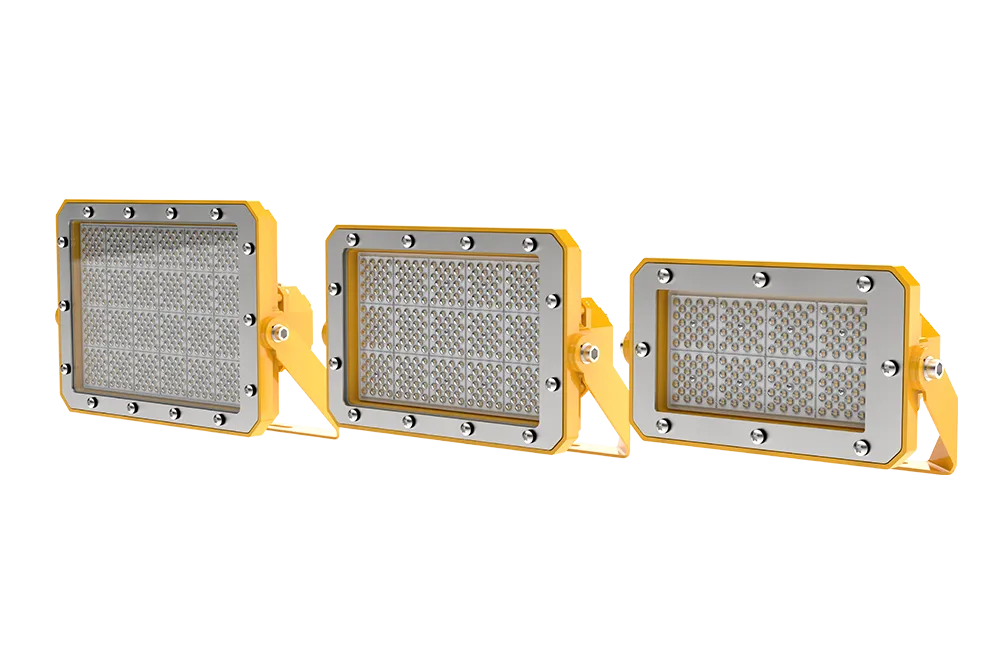
SEEKINGLED LED Explosion Proof Flood Lights are ATEX certified for Zone 2 and Zone 22 hazardous areas, offering high efficiency, adjustable power and integrated junction box.
View details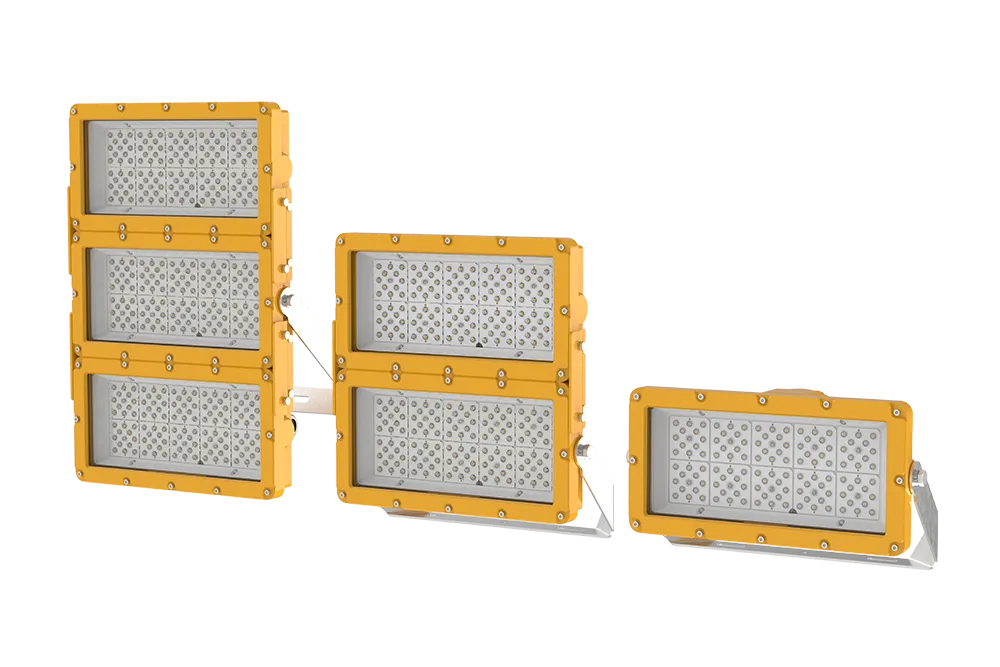
SEEKINGLED LED Explosion Proof Flood Lights are flameproof ATEX and IECEx certified for Zone 1 and Zone 2 hazardous areas, offering high power, adjustable output and long service life.
View details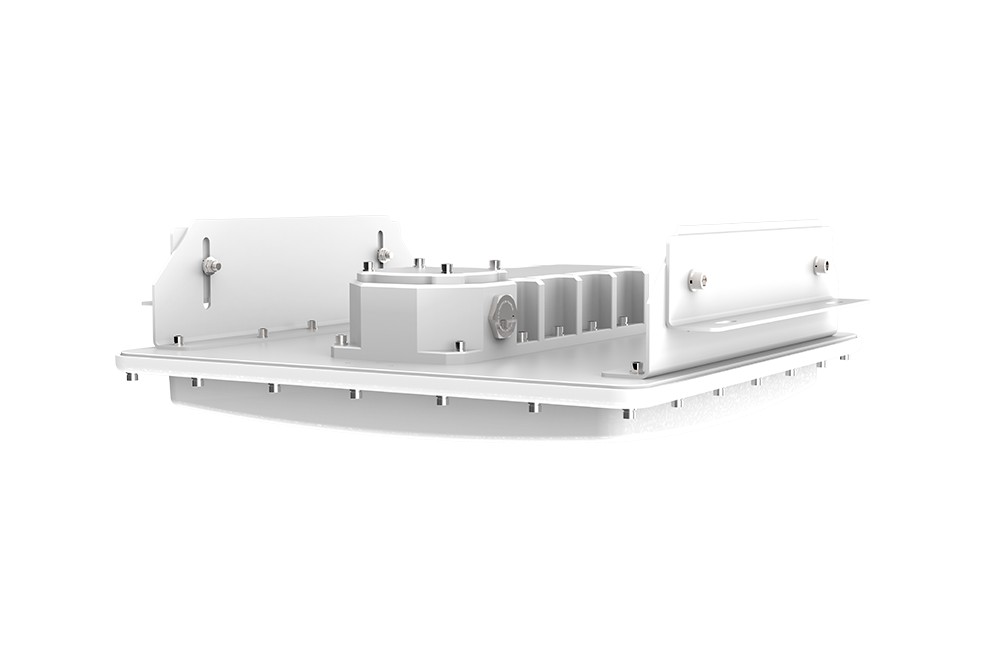
SEEKINGLED LED Gas Station Canopy Lights are ATEX certified for Zone 2 and Zone 22 hazardous areas, featuring adjustable power and built-in explosion-proof junction box.
View details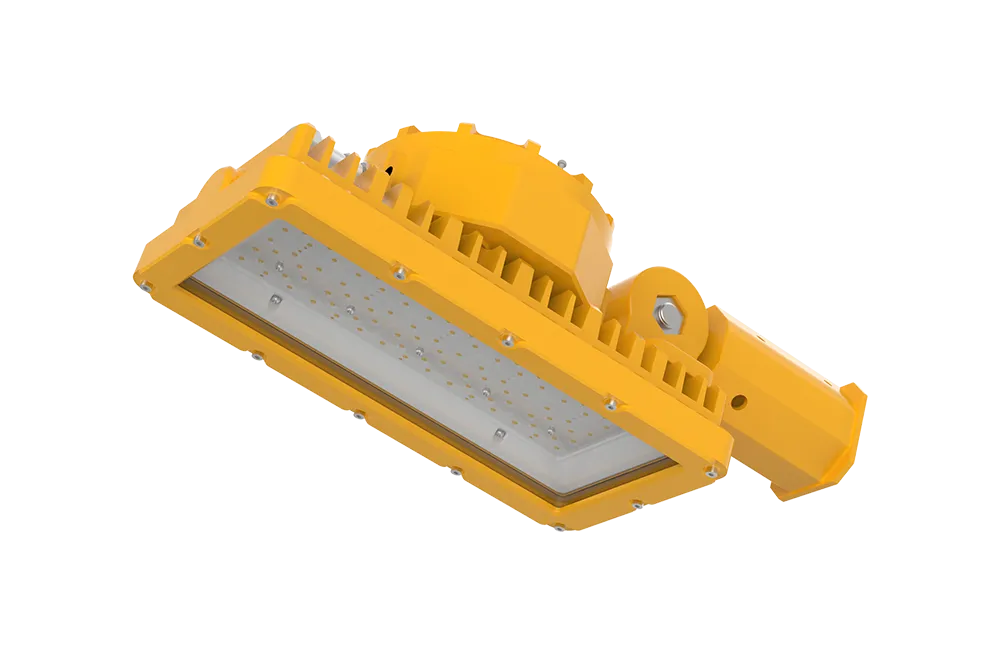
ATEX: Ex II 2G Ex db IIB T6/T5 GbEx II 2D Ex tb IIIC T80°C/ T95°C Db IECEx Ex db IIB T6 Gb;Ex tb IIIC T80°C Db Feature: ● For Zone 1,2 and Zone 21,22● Flameproof type, the strongest● 100W can replace 250W HID,energy saving● Power:60W,80W,100W Application: Oil and gas, marine, Chemical, pharmaceutical, semiconductor,mining,military industr…
View details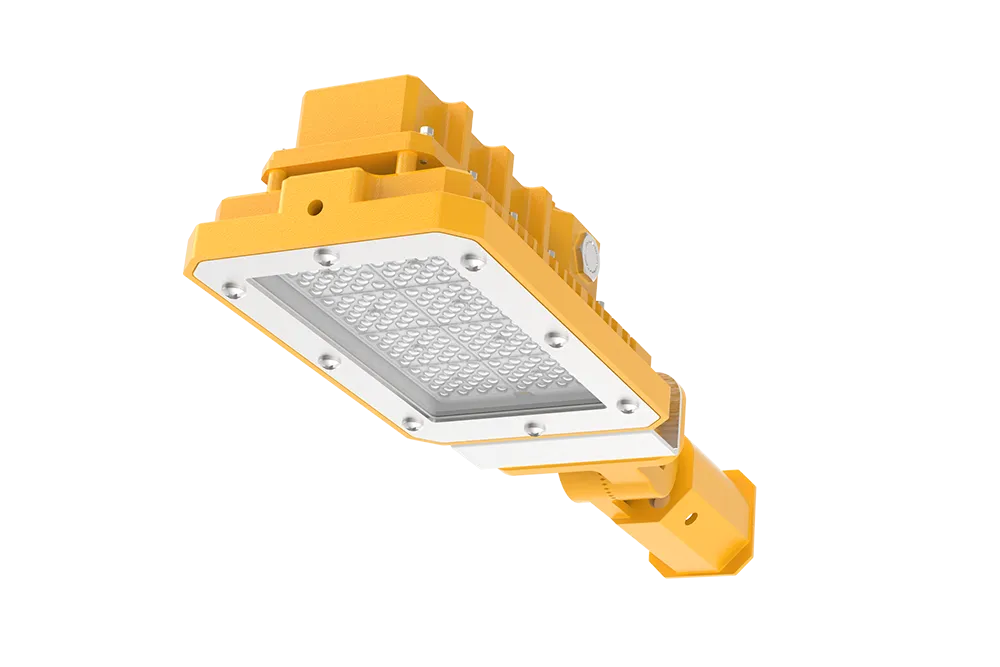
ATEX: II 3G Ex nR ⅡC T5/T6 GcII 3D Ex tc ⅢC T80℃/T95℃Dc ATEX Certificate NO: TÜV CY 26 ATEX 0207611 X Feature: ● For Zone 2 and Zone 22● 150W can replace 250W HID lamps,Energy saving● Power:50W,75W,100W,150W,200W Application: Oil and gas, marine, Chemical, pharmaceutical, semiconductor,mining,military industry, paint booth,power plant ETC…
View details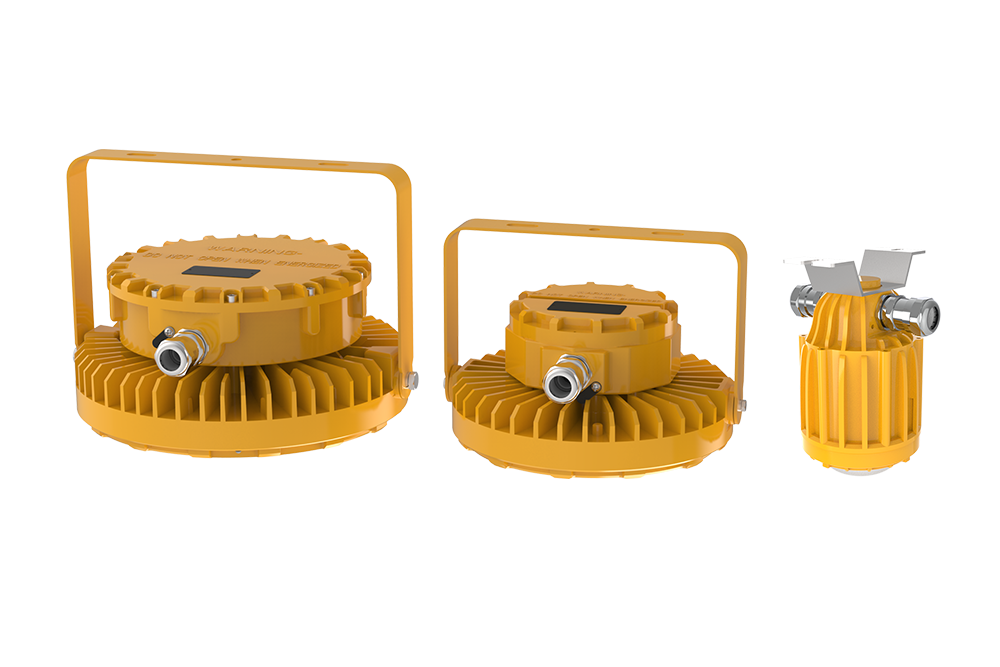
LED explosion proof high bay lights are designed for Zone 1, Zone 2, Zone 21 and Zone 22 hazardous areas. This page introduces the HB21 Series from SEEKING, including certifications, power options and real application considerations.
View details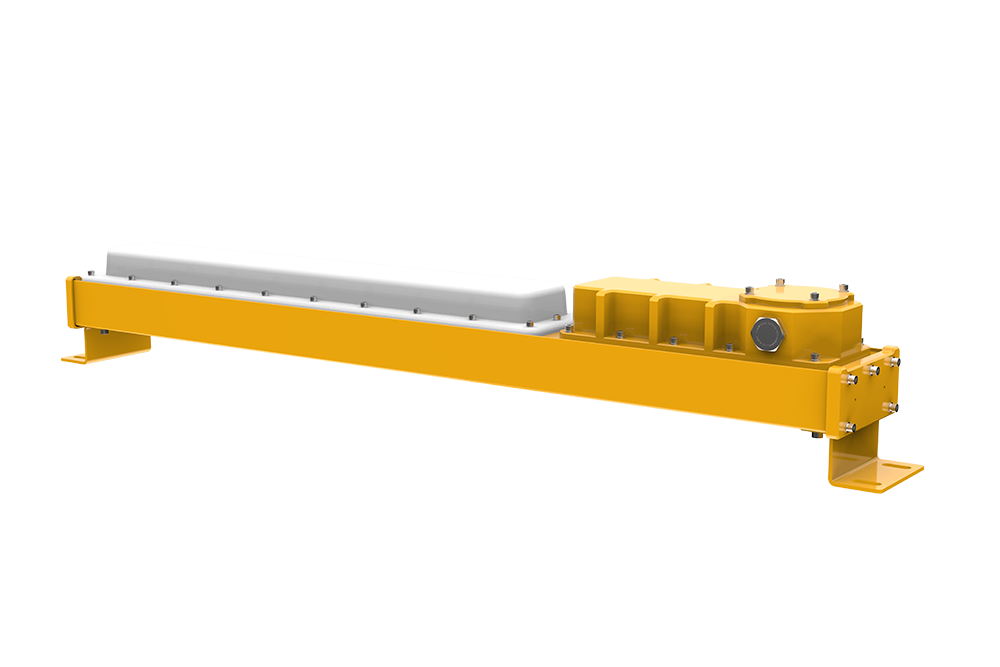
LED Linear Explosion Proof Lights from SEEKINGLED. LU Series Flame Proof lights ATEX-certified explosion proof LED linear lighting for Zone 2 gas and Zone 22 dust areas, IP69K, IK10, long lifetime and flexible power options.
View details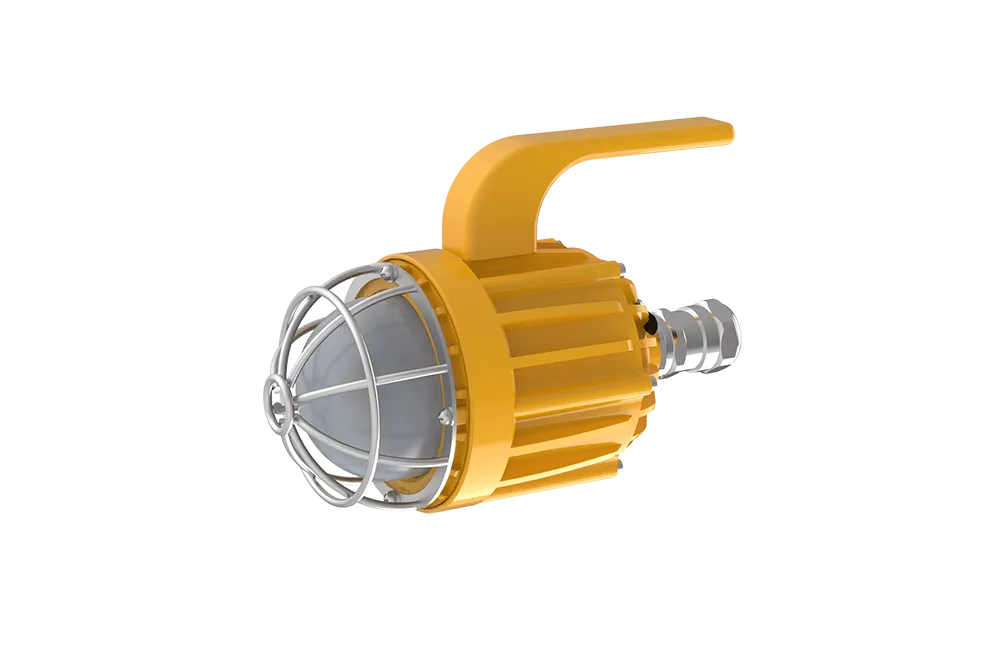
Certified explosion proof work lights for Zone 1 & 21 hazardous areas. Portable, ATEX & IECEx approved, built for oil, gas and chemical plants by SEEKINGLED.
View details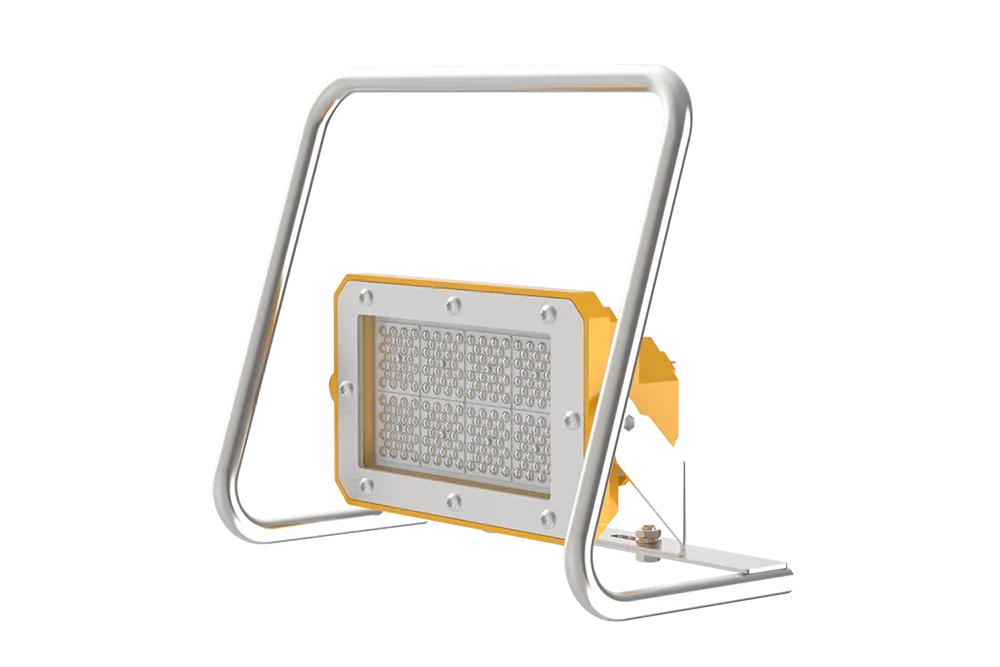
ATEX: II 3G Ex nR ⅡC T6 GcII 3D Ex tc ⅢC T80℃ Dc ATEX Certificate NO: TÜV CY 26 ATEX 0207611 X Feature: ● For Zone 2 and Zone 22● Accepts battery-powered supply● indestructible● Power:AC input:50W,75W,100WDC input:15W,25W,35W Application: Oil and gas, marine, Chemical, pharmaceutical, semiconductor,mining,military industry, paint booth,po…
View details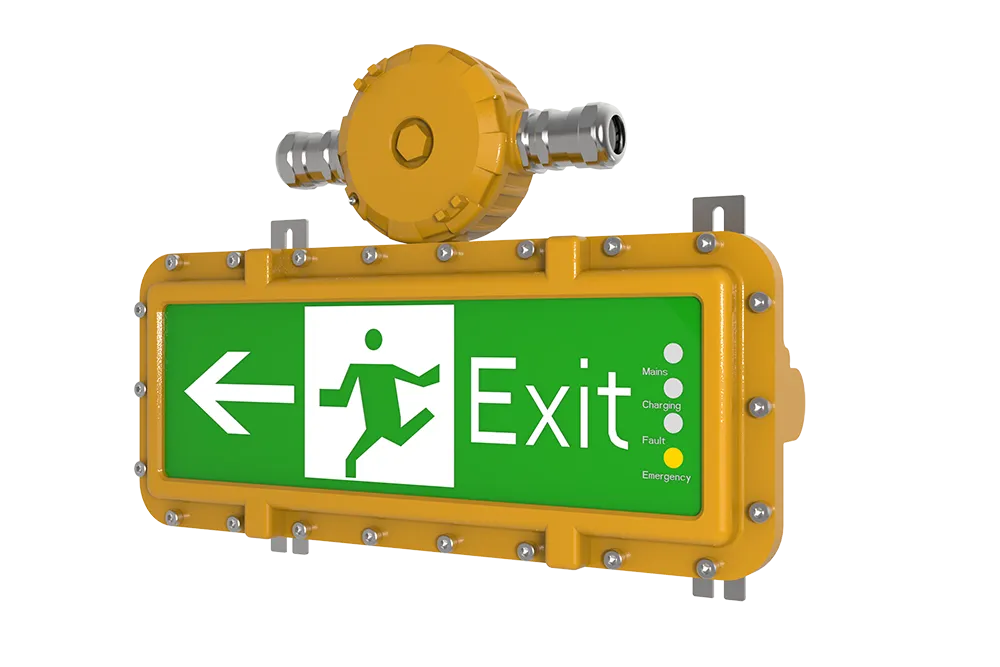
ATEX: Ex II 2G Ex db IIB T6 GbEx II 2D Ex tb IIIC T80°C Db IECEx Ex db IIB T6 Gb;Ex tb IIIC T80°C Db Feature: ● For Zone 1,2 and Zone 21,22● Flameproof type, the strongest Application: Oil and gas, marine, Chemical, pharmaceutical, semiconductor,mining,military industry, paint booth,power plant ETC hazardous area. Technical Specifications:…
View details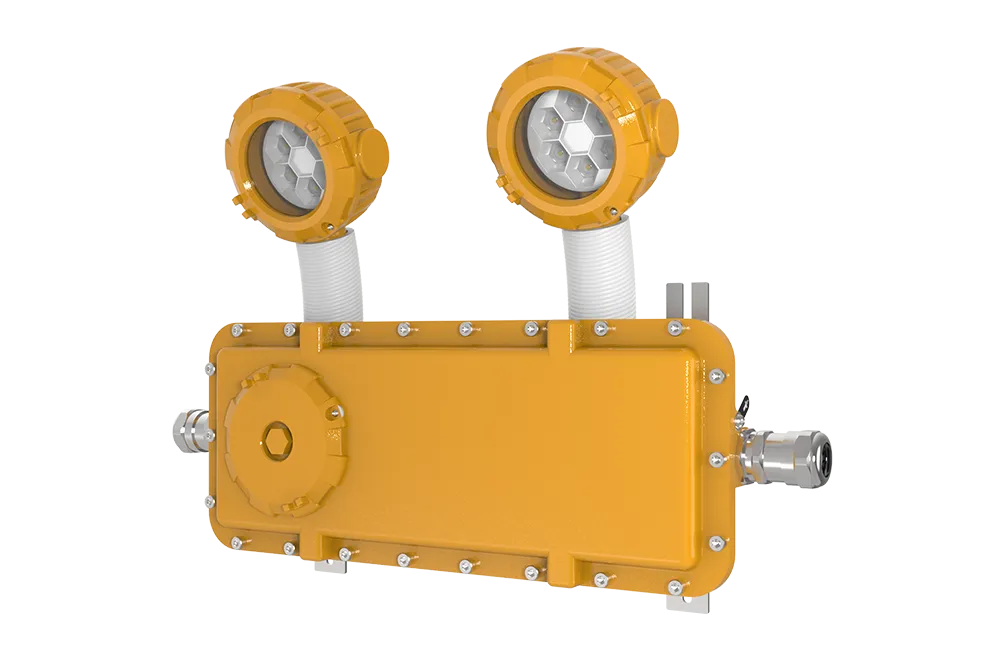
ATEX: Ex II 2G Ex db IIB T6 GbEx II 2D Ex tb IIIC T80°C Db IECEx Ex db IIB T6 Gb;Ex tb IIIC T80°C Db Feature: ● For Zone 1,2 and Zone 21,22● Flameproof type, the strongest Application: Oil and gas, marine, Chemical, pharmaceutical, semiconductor,mining,military industry, paint booth,power plant ETC hazardous area. Technical Specifications:…
View details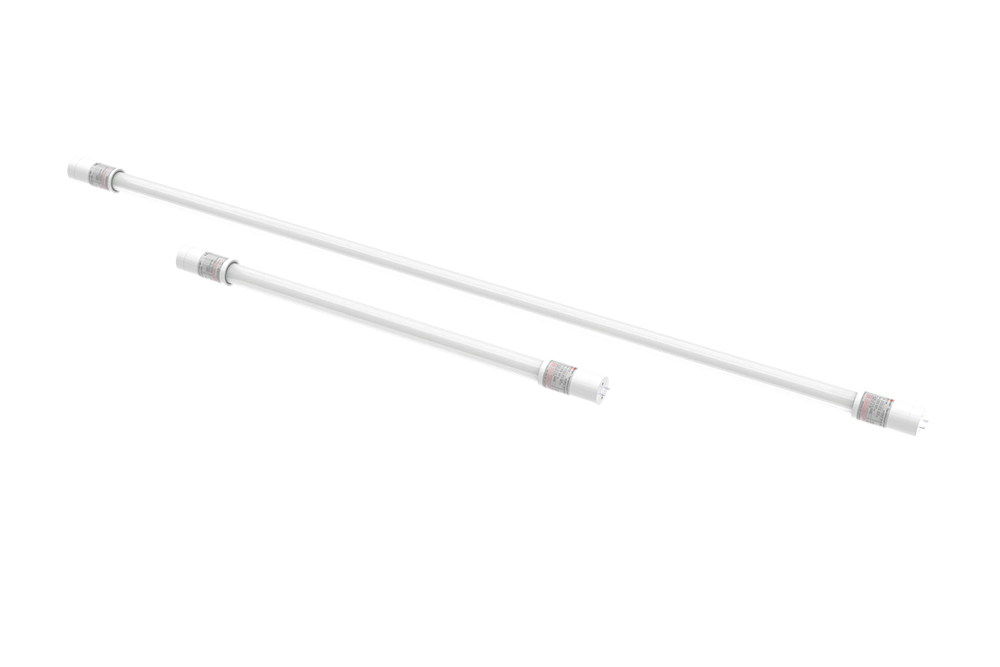
ATEX: Ex II 2G Ex d e IIB T6 Gb ATEX: Ex d e IIB T6 Gb; Feature: ● For Zone 1,2● 9W can replace 18W fluorescent lamps,50% Energy saving Application: Oil and gas, marine, Chemical, pharmaceutical, semiconductor,mining,military industry, paint booth,power plant ETC hazardous area. Technical Specifications: Standards:60079-0, 60079-1, 60079…
View details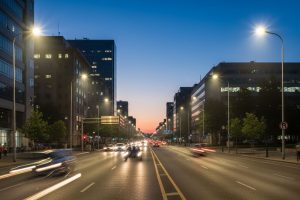
LED street light fixture designed for long-term outdoor use, offering stable performance, controlled optics, and reliable durability by SEEKINGLED.
View details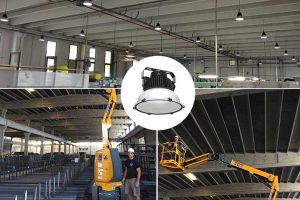
This LED High Bay Light factory project shows how SEEKINGLED upgraded factory lighting in Italy using 150W high bay fixtures to improve visibility, efficiency, and long-term energy savings.
View details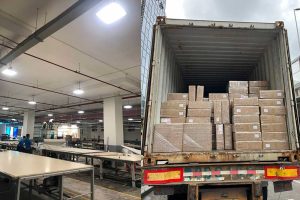
Even during the Qingming Festival holiday, SEEKINGLED remains fully committed to production and shipment. 880 units of GSL Series Canopy Lights are currently being loaded into containers and will arrive at a food processing plant in Belgium in two...
View details
Are all LED lights dimmable in real use? Learn why some LEDs fail to dim, common compatibility issues, and how SEEKINGLED ensures stable dimming performance.
View details