 Seeking LED
Minimum Height for High Bay Lights: What Installers Actually Use
233Minimum height for high bay lights explained by real installers. Clear numbers, safety limits, and layout advice used in warehouses with SEEKINGLED.
View detailsSearch the whole station
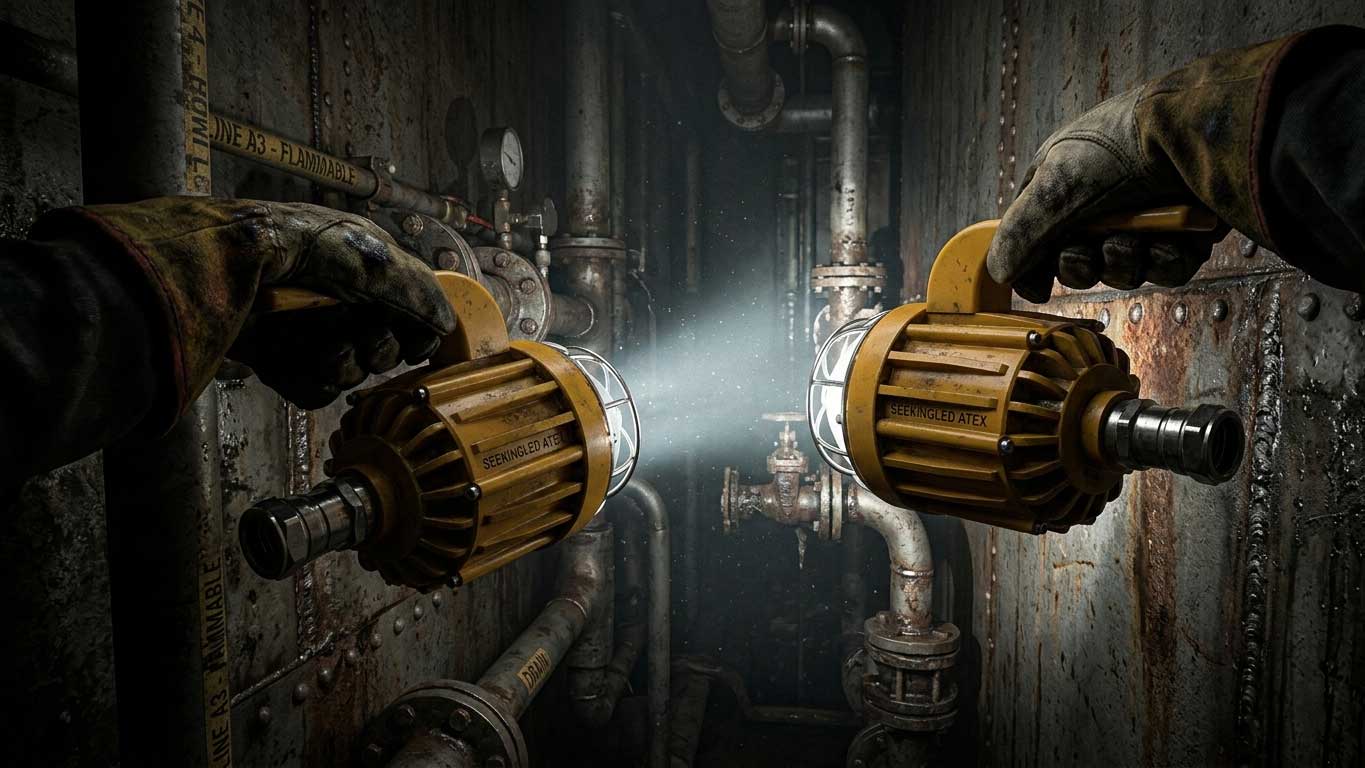
An ATEX work light is a certified portable lighting device designed to safely operate in explosive atmospheres by preventing sparks, arcs, or heat from igniting surrounding gases or dust.
That’s the direct answer.
But if you’ve ever worked a maintenance shift inside a refinery or climbed into a confined tank for inspection, you know something else:
Fixed lighting doesn’t reach everywhere.
And when you bring light into a hazardous zone—by hand—you’re introducing risk unless that tool is designed to eliminate it.
I’ve seen teams stop a job entirely because someone brought the wrong portable light. It’s not a minor detail. It’s a shutdown trigger.
ATEX isn’t a marketing label.
It’s a legal requirement in Europe for equipment used in explosive atmospheres.
An ATEX-certified work light ensures:
It will not ignite surrounding gases or dust under defined operating conditions—even during faults.
The ATEX directive (2014/34/EU) governs this, alongside international IECEx standards.
According to the IECEx system, certified equipment must ensure that internal ignition cannot propagate outside the enclosure.
Source: https://www.iecex.com
That applies even more strictly to portable lighting—because it’s handled, moved, dropped, and exposed to unpredictable conditions.
Portable lighting is essential in areas where fixed lighting can’t cover:
Dust explosions can occur at concentrations as low as 50 g/m³, depending on the material.
I’ve walked into confined spaces where dust wasn’t visible at first—but once disturbed, it hung in the air under the beam of a work light. That’s when you realize how critical proper certification is.
Portable lighting isn’t about maximum brightness.
It’s about usable light.
| Power | Lumens | Application |
|---|---|---|
| 10W | 1,000–1,500 lm | inspection tasks |
| 20W | 2,000–3,000 lm | maintenance work |
| 30W+ | 3,500–5,000 lm | larger confined areas |
The U.S. Department of Energy notes that LED lighting can reduce energy consumption by up to 75% compared to traditional systems.
Source: https://www.energy.gov/energysaver/led-lighting
But in portable ATEX lighting, brightness is only part of the story.
Battery life—and heat—matter just as much.
Portable ATEX work lights must balance:
Too much output → excessive heat
Too little output → poor visibility
In one field test I observed, a high-output portable light performed well initially but became noticeably warm after extended use in a confined space.
That’s not just a comfort issue.
It’s a safety concern.
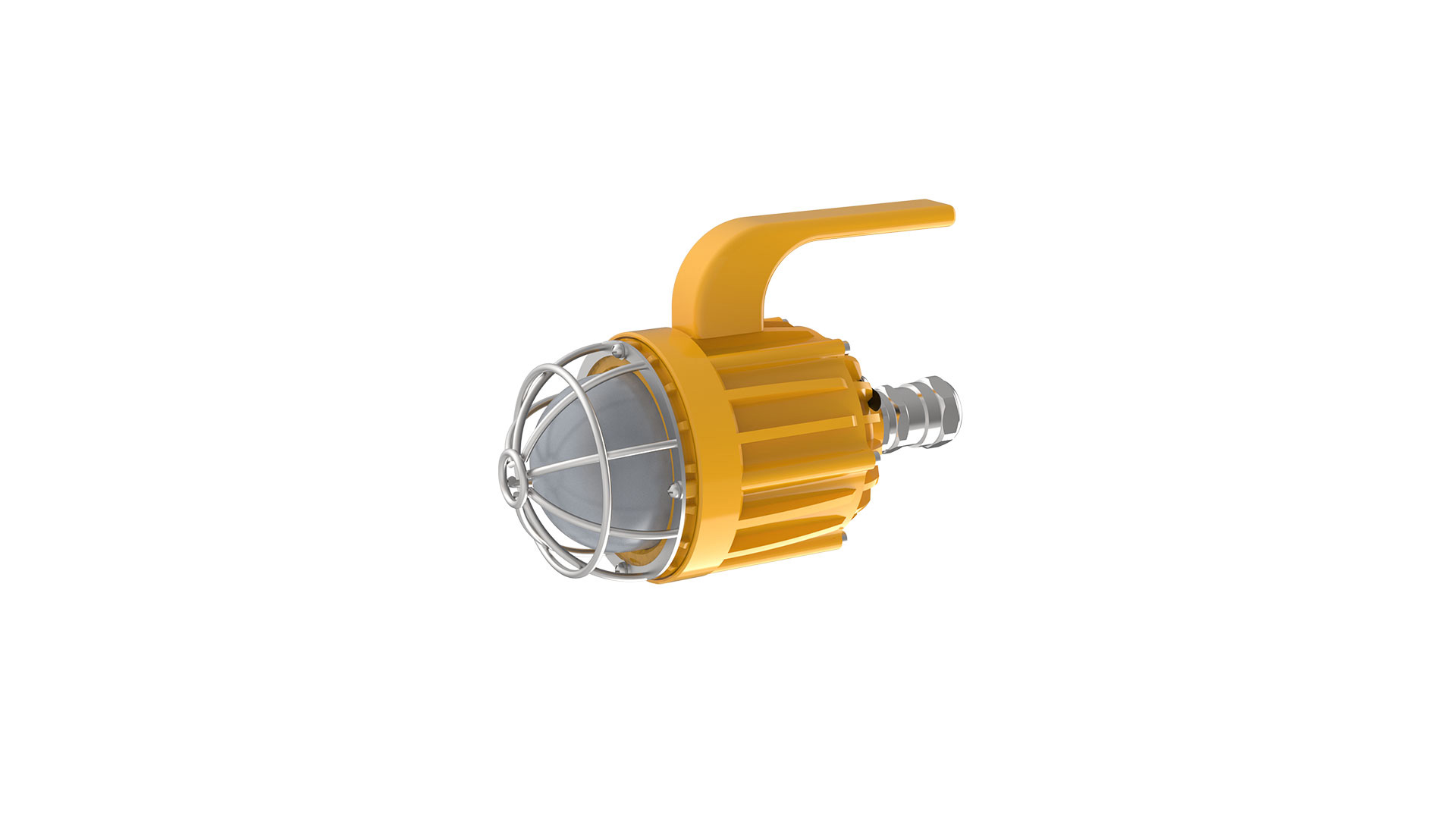
Not all ATEX work lights are equal.
Certification levels matter.
According to OSHA, improper electrical equipment is a major contributor to hazardous location incidents.
Source: https://www.osha.gov
I’ve seen portable lights rejected on-site—not because they failed technically, but because their certification didn’t match the zone classification.
That’s a stop-work situation.
Portable lighting introduces variables that fixed lighting doesn’t.
In one maintenance job, a light passed all checks—but the charging port seal had degraded slightly over time.
That small detail turned into a compliance issue.
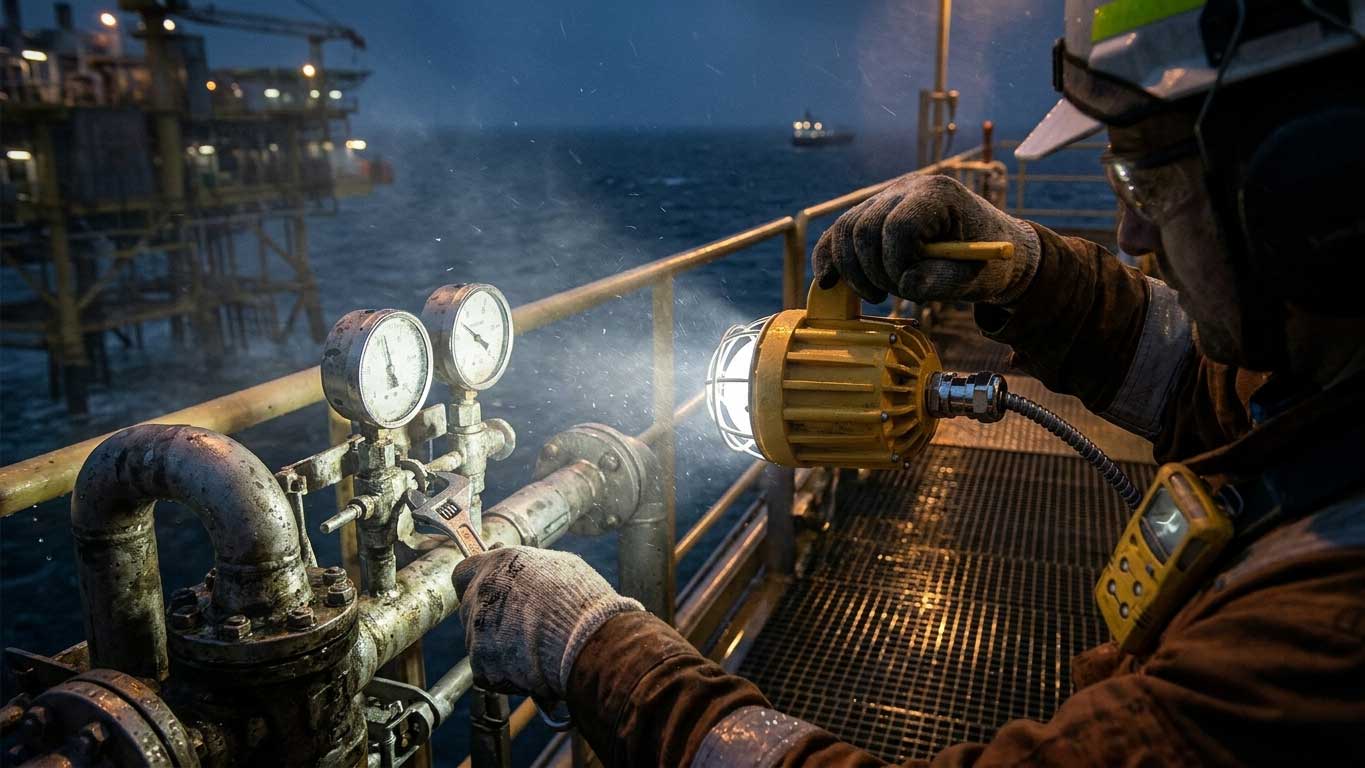
From a manufacturer’s side, portable lighting seems straightforward.
From a field perspective, it’s unpredictable.
I’ve been involved in:
What stands out:
At SEEKINGLED, ATEX work light design is shaped as much by field feedback as by lab testing.
Typically 30,000–50,000 hours, depending on battery cycles and usage conditions.
Yes, but they are heavier and more expensive than standard portable lights.
Zone 1: explosive atmosphere likely during operation
Zone 2: unlikely but possible
No. Balanced output, runtime, and thermal control are more important.
Final Insight
An ATEX work light isn’t just a portable light source.
It’s a controlled tool designed to bring visibility into hazardous environments—without introducing new risks.
And in those environments, that balance matters more than brightness alone.
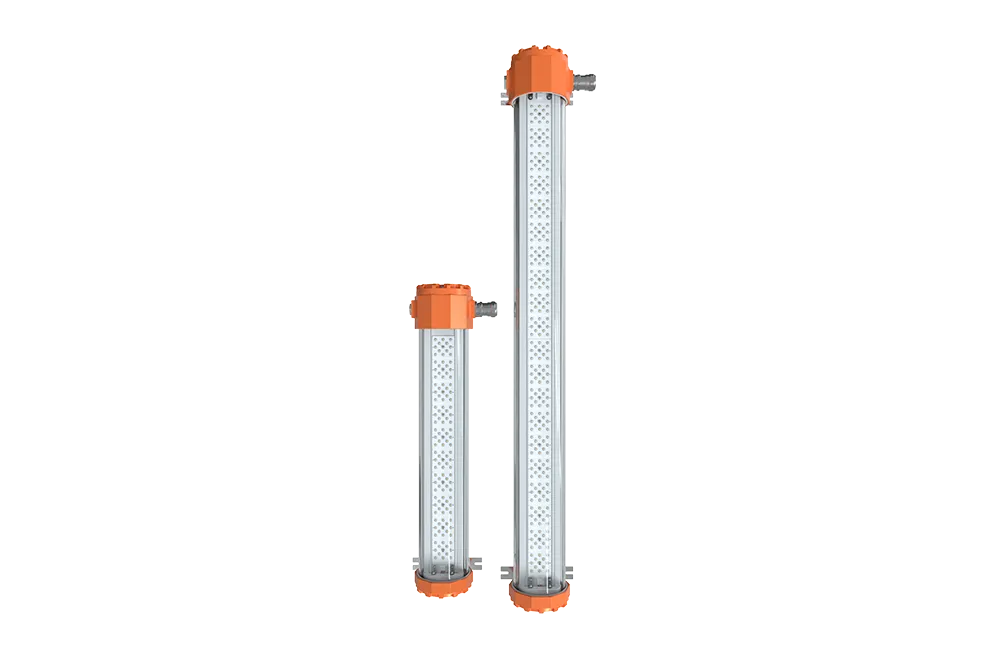
SEEKINGLED LED Linear Explosion Proof Light and Explosion Proof lighting is ATEX and IECEx certified for Zone 1, Zone 2, Zone 21 and Zone 22 hazardous locations, built for long-term industrial use.
View details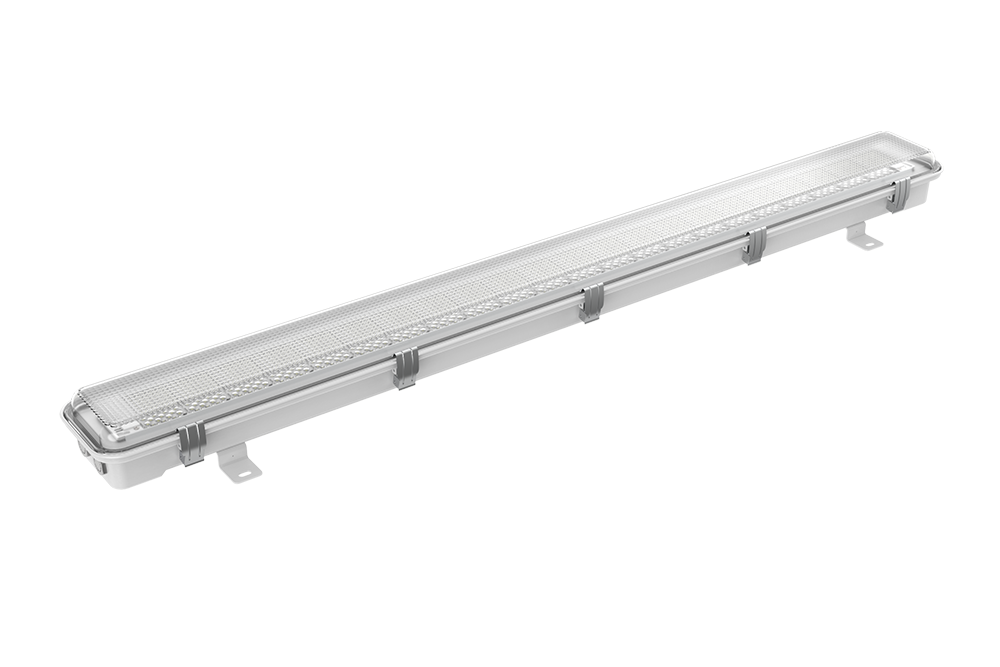
LED Linear Explosion Proof Lights and EX Proof lights for Zone 1, Zone 2, Zone 21 and Zone 22 hazardous areas. ATEX & IECEx certified explosion proof LED linear lighting with emergency function, adjustable power and IP67 protection by SEEKINGLED.
View details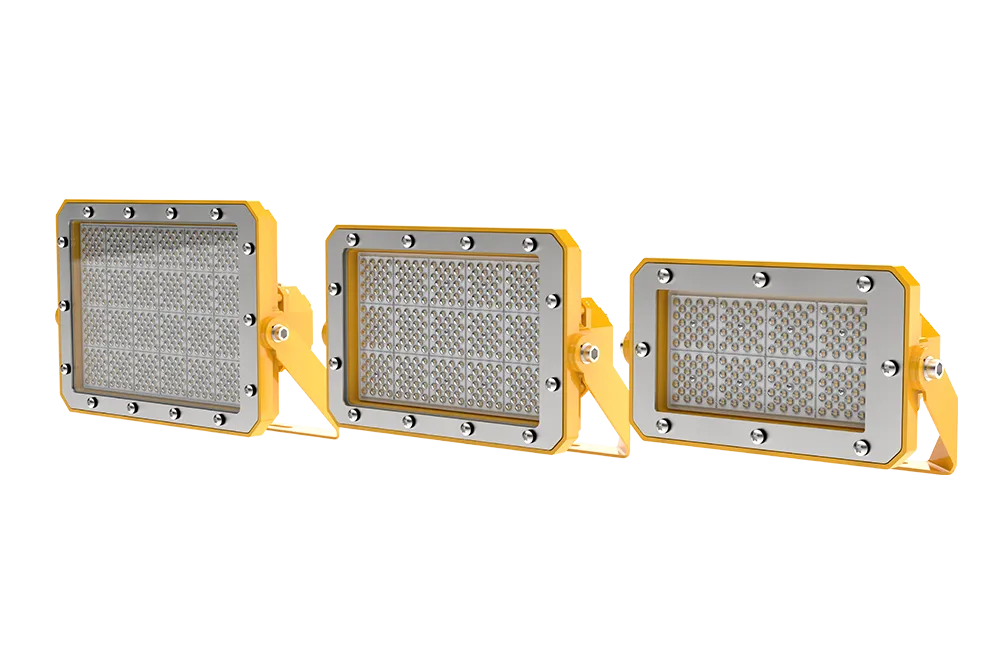
SEEKINGLED LED Explosion Proof Flood Lights are ATEX certified for Zone 2 and Zone 22 hazardous areas, offering high efficiency, adjustable power and integrated junction box.
View details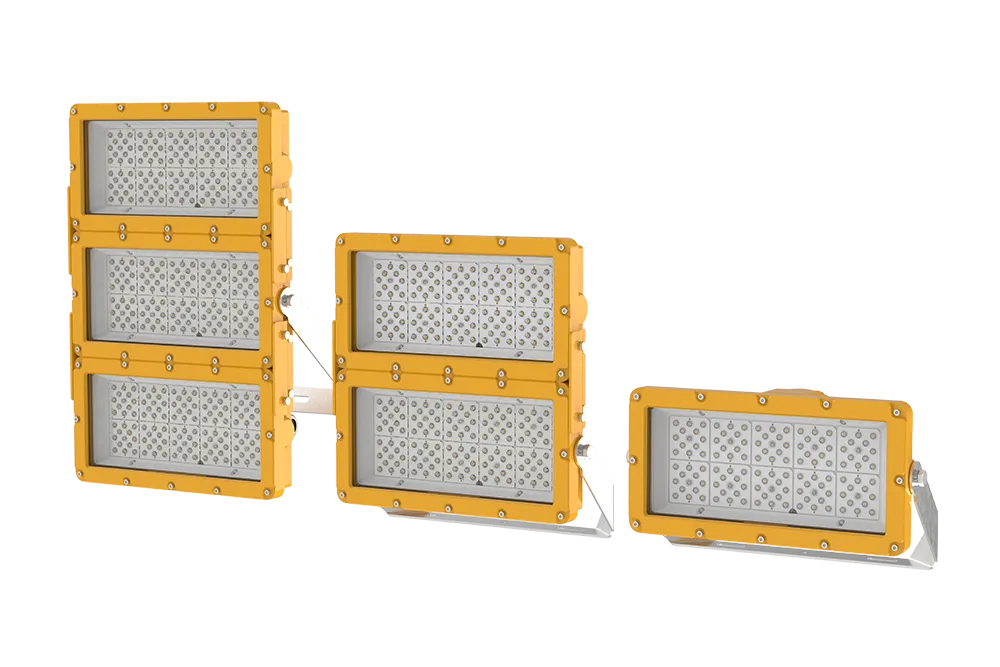
SEEKINGLED LED Explosion Proof Flood Lights are flameproof ATEX and IECEx certified for Zone 1 and Zone 2 hazardous areas, offering high power, adjustable output and long service life.
View details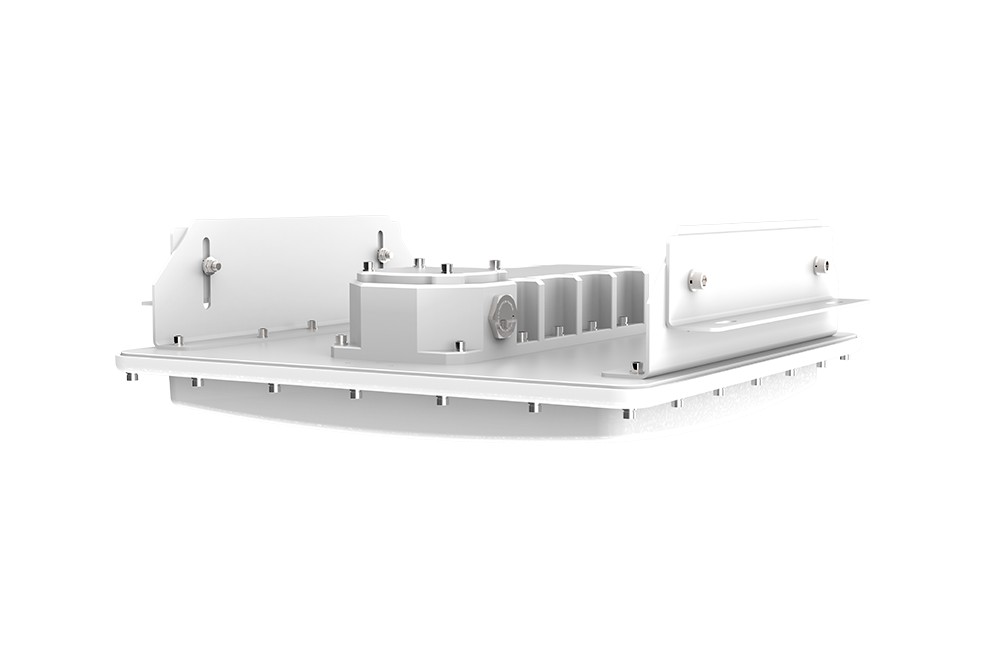
SEEKINGLED LED Gas Station Canopy Lights are ATEX certified for Zone 2 and Zone 22 hazardous areas, featuring adjustable power and built-in explosion-proof junction box.
View details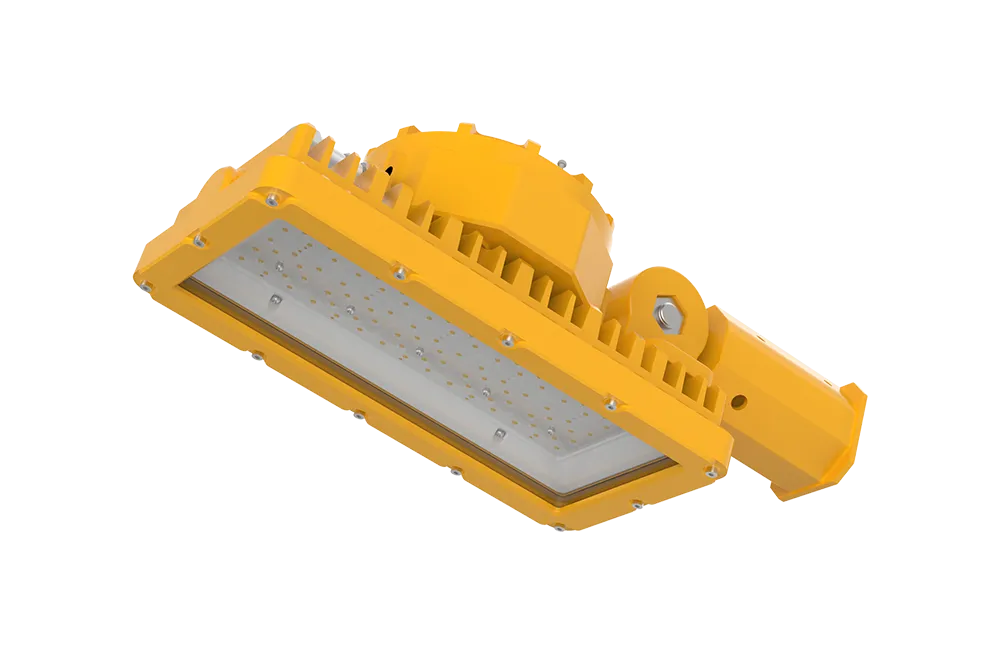
ATEX: Ex II 2G Ex db IIB T6/T5 GbEx II 2D Ex tb IIIC T80°C/ T95°C Db IECEx Ex db IIB T6 Gb;Ex tb IIIC T80°C Db Feature: ● For Zone 1,2 and Zone 21,22● Flameproof type, the strongest● 100W can replace 250W HID,energy saving● Power:60W,80W,100W Application: Oil and gas, marine, Chemical, pharmaceutical, semiconductor,mining,military industr…
View details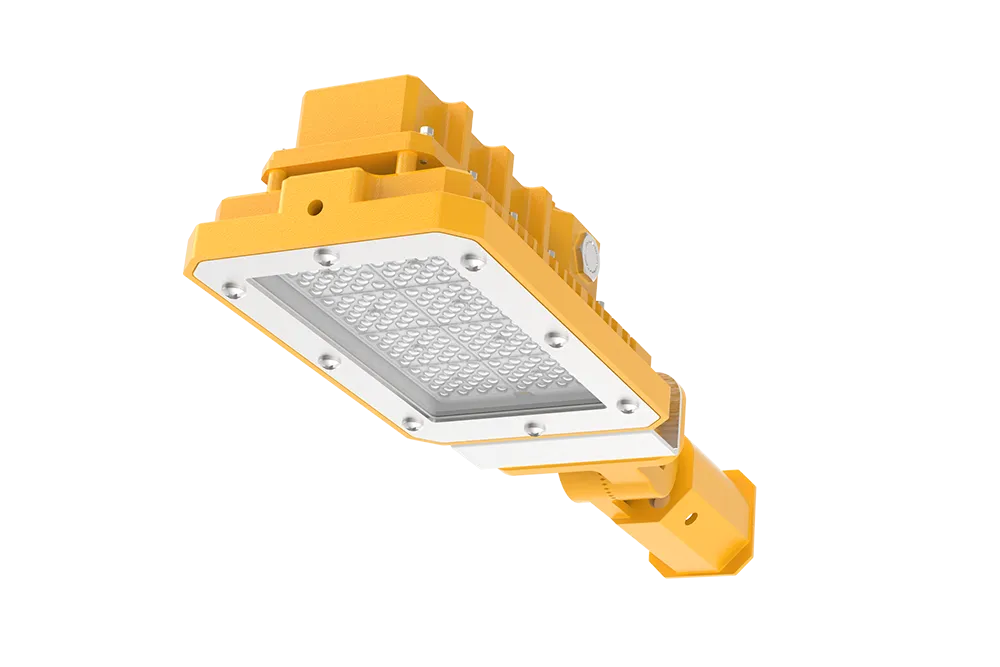
ATEX: II 3G Ex nR ⅡC T5/T6 GcII 3D Ex tc ⅢC T80℃/T95℃Dc ATEX Certificate NO: TÜV CY 26 ATEX 0207611 X Feature: ● For Zone 2 and Zone 22● 150W can replace 250W HID lamps,Energy saving● Power:50W,75W,100W,150W,200W Application: Oil and gas, marine, Chemical, pharmaceutical, semiconductor,mining,military industry, paint booth,power plant ETC…
View details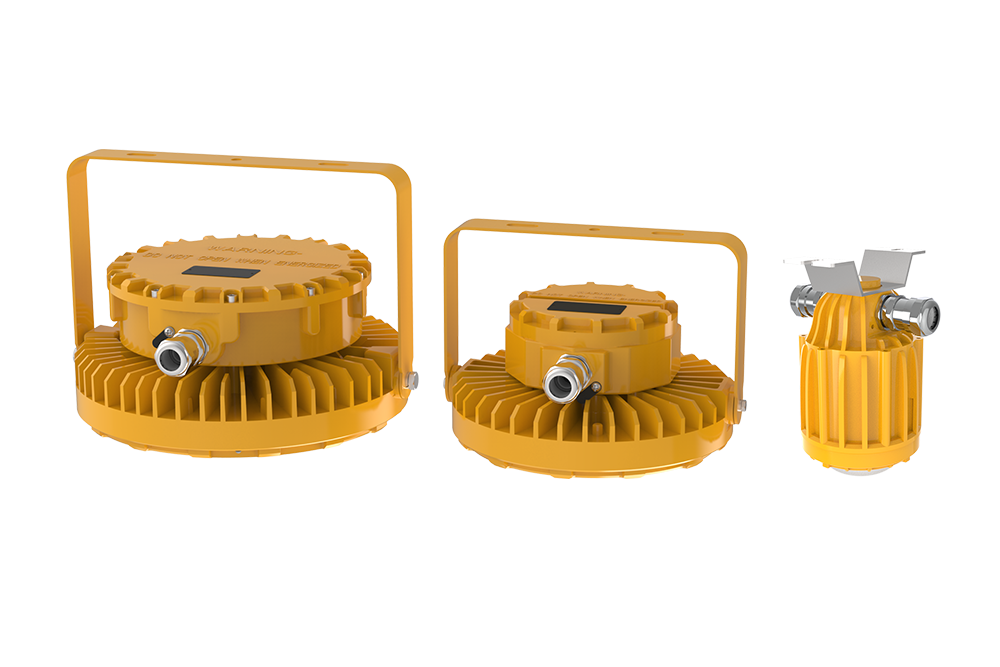
LED explosion proof high bay lights are designed for Zone 1, Zone 2, Zone 21 and Zone 22 hazardous areas. This page introduces the HB21 Series from SEEKING, including certifications, power options and real application considerations.
View details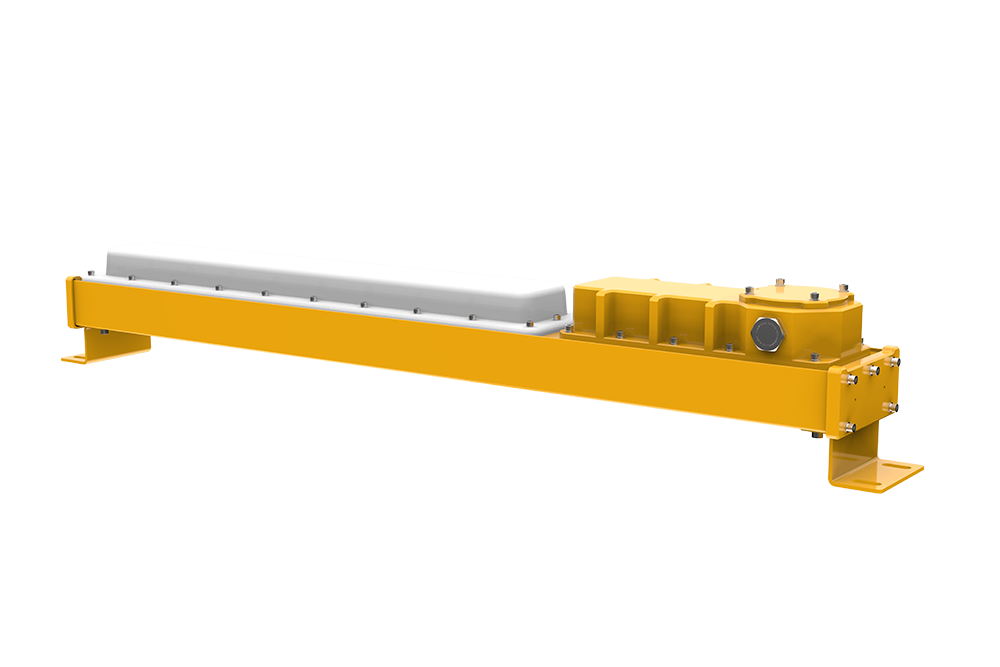
LED Linear Explosion Proof Lights from SEEKINGLED. LU Series Flame Proof lights ATEX-certified explosion proof LED linear lighting for Zone 2 gas and Zone 22 dust areas, IP69K, IK10, long lifetime and flexible power options.
View details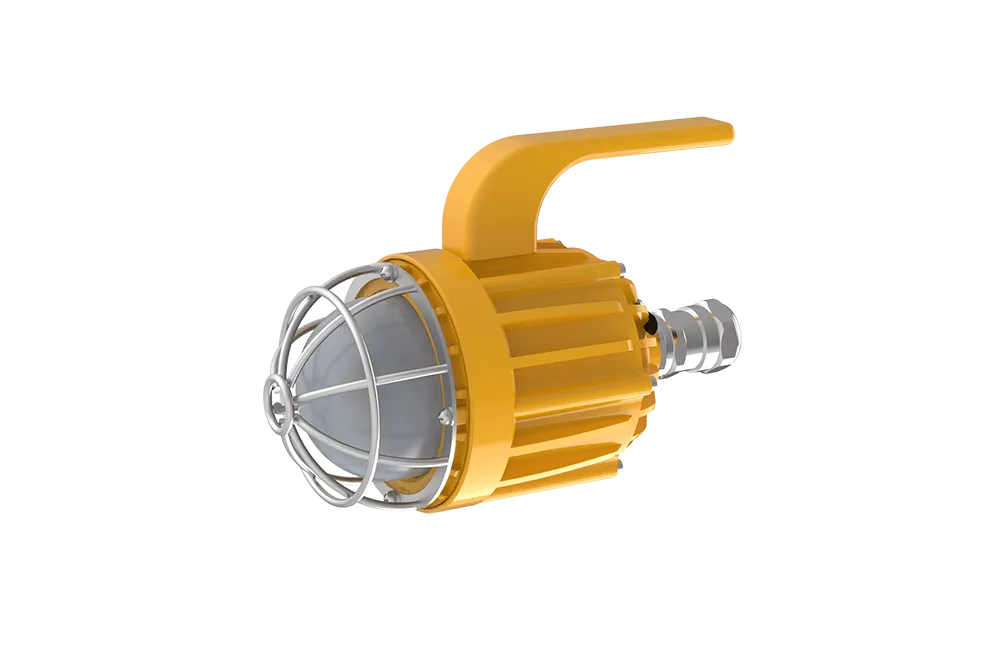
Certified explosion proof work lights for Zone 1 & 21 hazardous areas. Portable, ATEX & IECEx approved, built for oil, gas and chemical plants by SEEKINGLED.
View details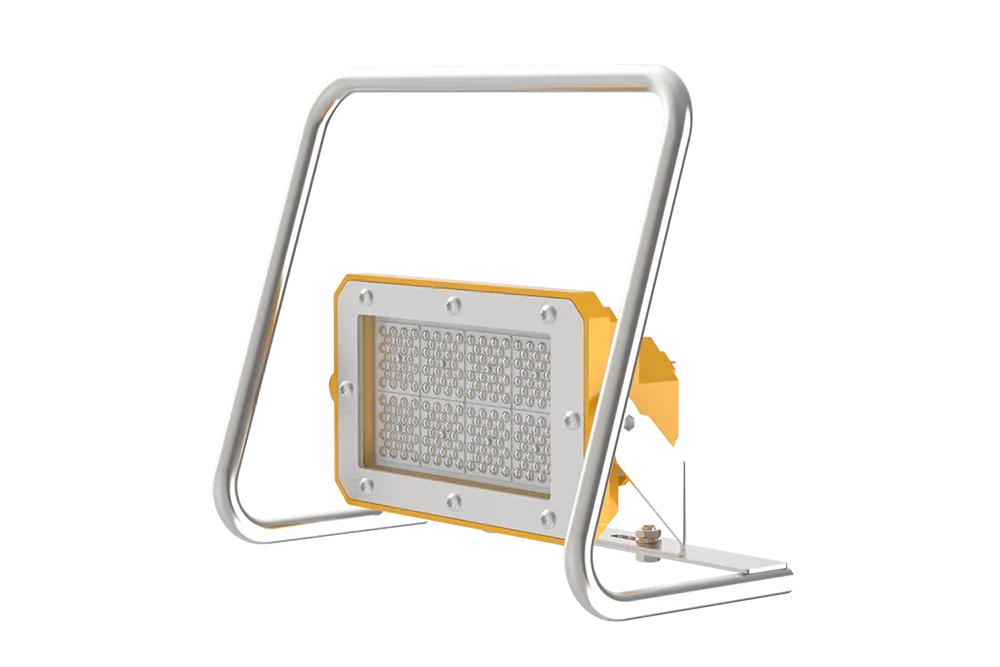
ATEX: II 3G Ex nR ⅡC T6 GcII 3D Ex tc ⅢC T80℃ Dc ATEX Certificate NO: TÜV CY 26 ATEX 0207611 X Feature: ● For Zone 2 and Zone 22● Accepts battery-powered supply● indestructible● Power:AC input:50W,75W,100WDC input:15W,25W,35W Application: Oil and gas, marine, Chemical, pharmaceutical, semiconductor,mining,military industry, paint booth,po…
View details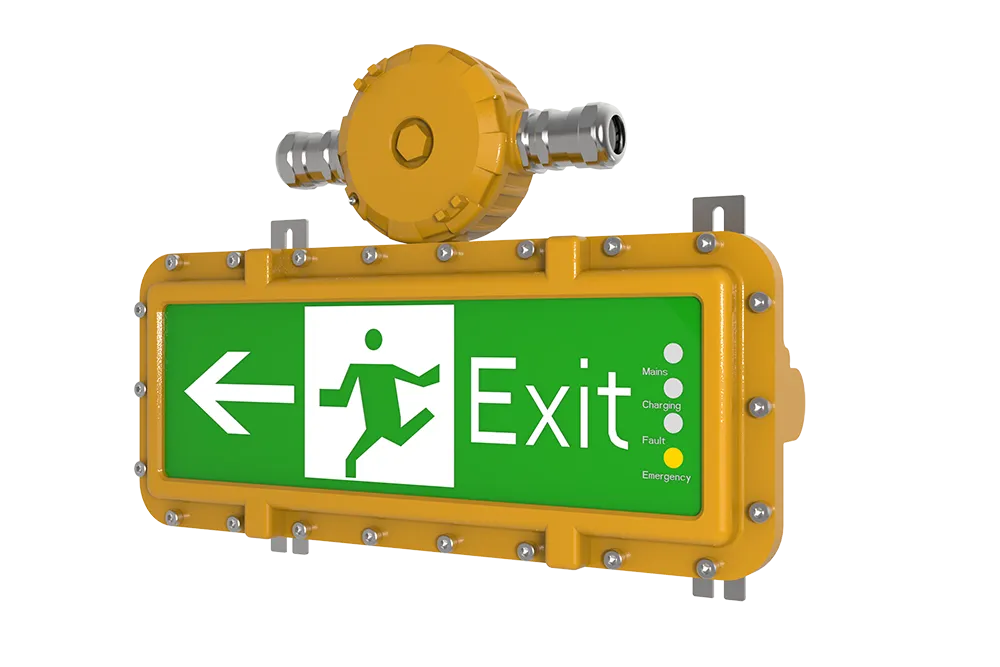
ATEX: Ex II 2G Ex db IIB T6 GbEx II 2D Ex tb IIIC T80°C Db IECEx Ex db IIB T6 Gb;Ex tb IIIC T80°C Db Feature: ● For Zone 1,2 and Zone 21,22● Flameproof type, the strongest Application: Oil and gas, marine, Chemical, pharmaceutical, semiconductor,mining,military industry, paint booth,power plant ETC hazardous area. Technical Specifications:…
View details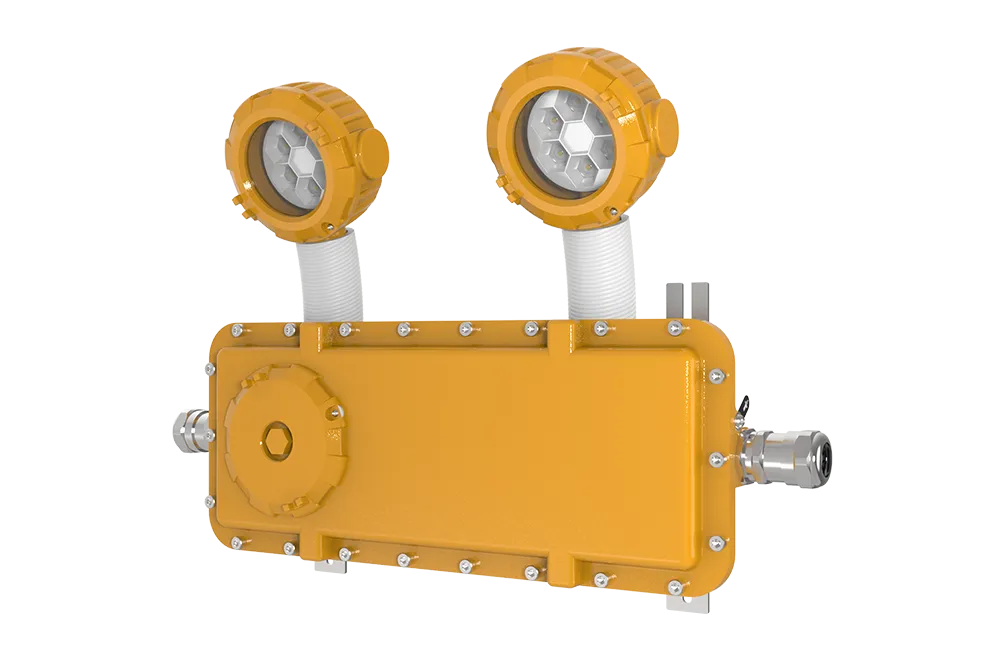
ATEX: Ex II 2G Ex db IIB T6 GbEx II 2D Ex tb IIIC T80°C Db IECEx Ex db IIB T6 Gb;Ex tb IIIC T80°C Db Feature: ● For Zone 1,2 and Zone 21,22● Flameproof type, the strongest Application: Oil and gas, marine, Chemical, pharmaceutical, semiconductor,mining,military industry, paint booth,power plant ETC hazardous area. Technical Specifications:…
View details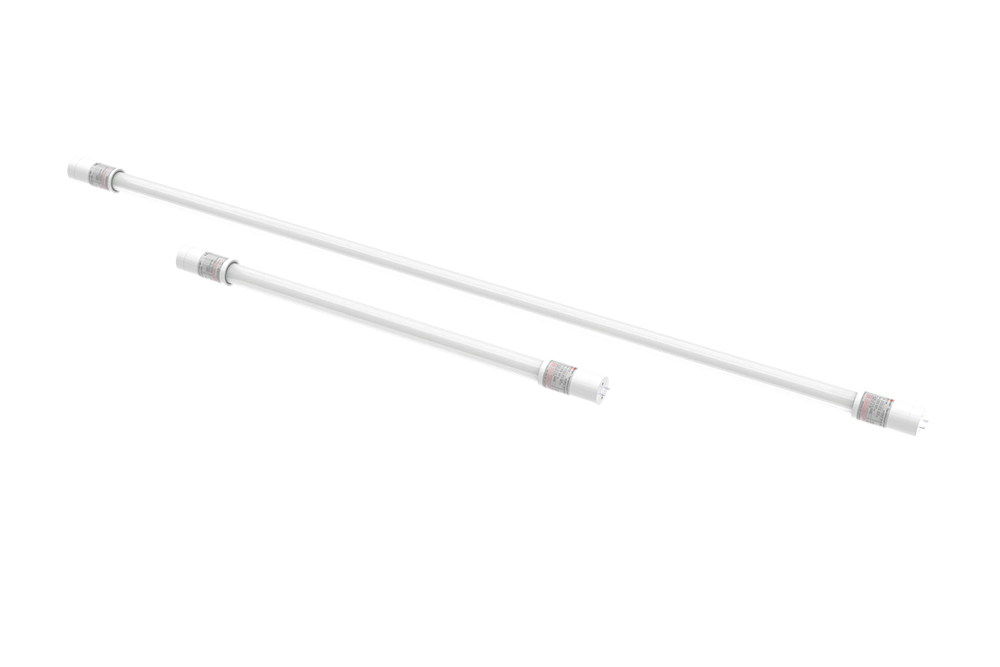
ATEX: Ex II 2G Ex d e IIB T6 Gb ATEX: Ex d e IIB T6 Gb; Feature: ● For Zone 1,2● 9W can replace 18W fluorescent lamps,50% Energy saving Application: Oil and gas, marine, Chemical, pharmaceutical, semiconductor,mining,military industry, paint booth,power plant ETC hazardous area. Technical Specifications: Standards:60079-0, 60079-1, 60079…
View details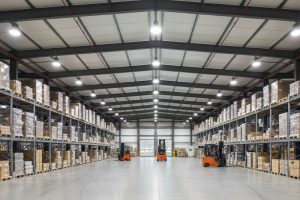
Minimum height for high bay lights explained by real installers. Clear numbers, safety limits, and layout advice used in warehouses with SEEKINGLED.
View details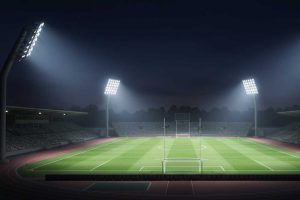
Choosing the right football light fixture affects visibility, safety, and long-term costs. Learn how professional stadium lighting fixtures perform on real fields.
View details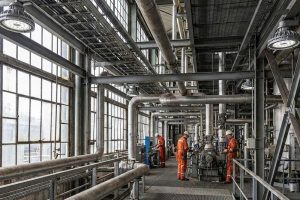
How does explosion proof lighting work in hazardous areas? Learn how certified explosion proof LED lighting contains ignition and controls temperature. Explained by SEEKINGLED.
View details
led explosion proof lighting engineered for Zone 1 & 2 hazardous areas. ATEX & IECEx certified, energy-efficient and durable for oil, gas and chemical plants.
View details