 Seeking LED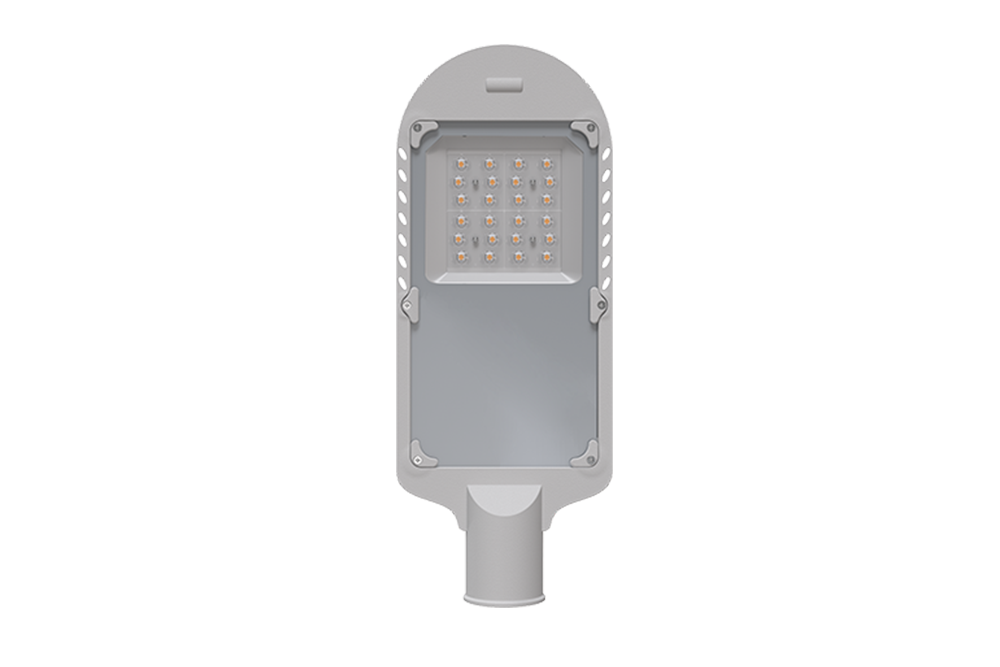
High Bay LED Lights 200W for Real Industrial Environments
248High Bay LED Lights 200W deliver stable output, energy savings, and long lifespan. Discover how to choose reliable industrial lighting that performs in real environments.
View detailsSearch the whole station
This question shows up more than people expect:
can a LED put out street lights?
Short answer: no, a single LED does not “put out” street lights.
But the confusion behind the question is understandable. I’ve heard it on site, from maintenance teams, even from city managers after a strange outage.
So let’s slow it down and talk about what’s actually happening.
Most people don’t mean a tiny LED bulb doing something dramatic.
What they usually saw was this:
And the brain connects dots fast. Sometimes too fast.
No.
An LED chip is a passive light-emitting component.
It does not have the authority—or capability—to shut down a street lighting system.
What can shut it down:
The LED is just along for the ride.
This is where real-world experience matters.
When people say “the LED put out the street light,” what actually happened is usually one of these:
The light goes out. The LED gets blamed. Wrong target.
Not directly.
Street lights are typically:
If multiple lights go out together, the cause is upstream:
Again, not the LED.
There’s a persistent idea that LEDs are “too sensitive” and somehow disruptive.
In reality:
What fails is usually the support system, not the light source.
When a street light goes out after switching to LED, experienced teams check:
They don’t blame the LED. They trace the system.
That’s the difference between guessing and knowing.
High-quality LED street lights are built to avoid these shutdown scenarios:
At SEEKINGLED, street lighting systems are designed with these failure points in mind because field conditions are never perfect—and pretending they are causes problems later.
So, can a LED put out street lights?
No.
An LED does not shut down street lights by itself.
If a light goes out, something else failed. The LED just happens to be visible, so it takes the blame.
Street lighting failures are system issues, not LED behavior.
SEEKING STL-Series LED street lights deliver stable performance, 170 lm/W efficiency and 10KV surge protection. Ideal for city streets, parking lots, public roads and outdoor area lighting projects. Durable IP66 & IK08 design for long-term reliabi…
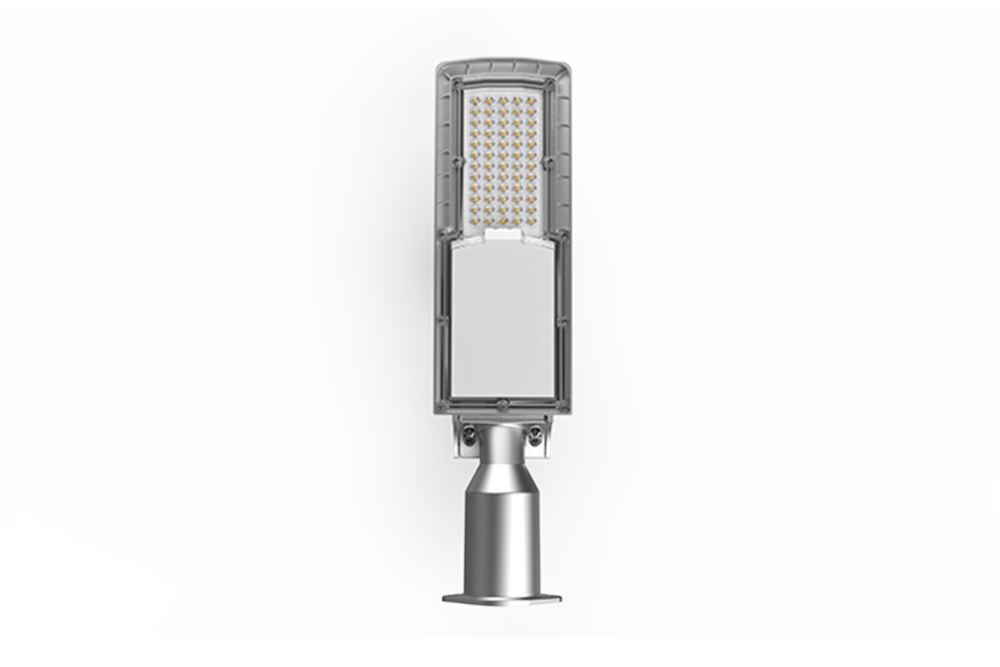
The SEEKING STC Series LED light street light delivers up to 170lm/W efficiency with MOSO drivers, IP66 protection, and a ±15° adjustable arm—ideal for roads, residential areas, and public lighting upgrades.
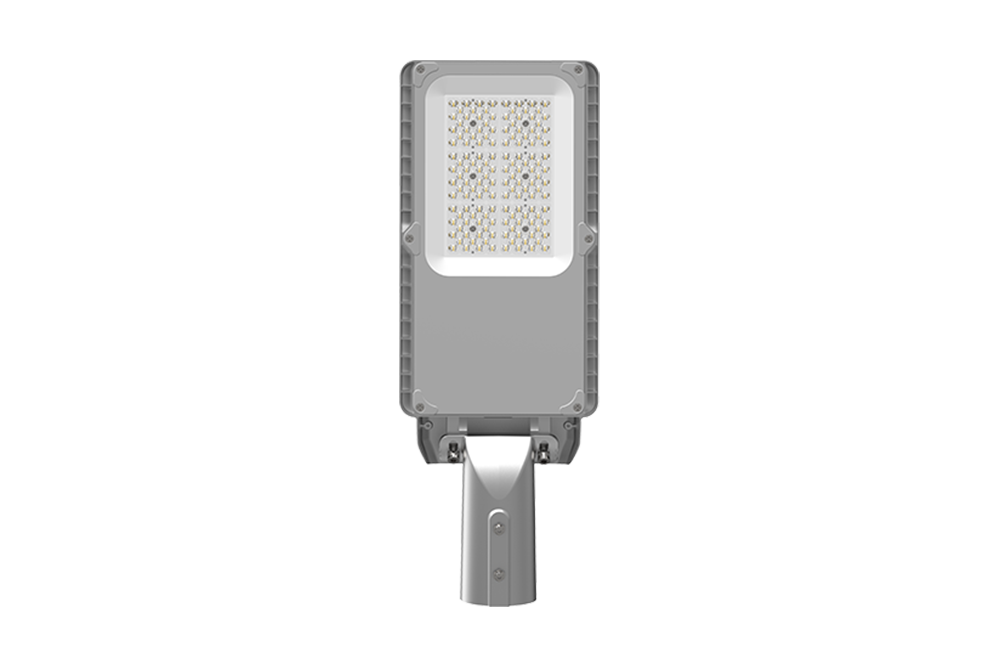
SEEKING STB Series LED street lighting delivers up to 160 lm/W, 10kV surge protection, IP66 waterproofing, and durable IK08 impact resistance. Ideal for streets, parking lots, and large outdoor areas needing long-lasting, energy-saving LED roadway…
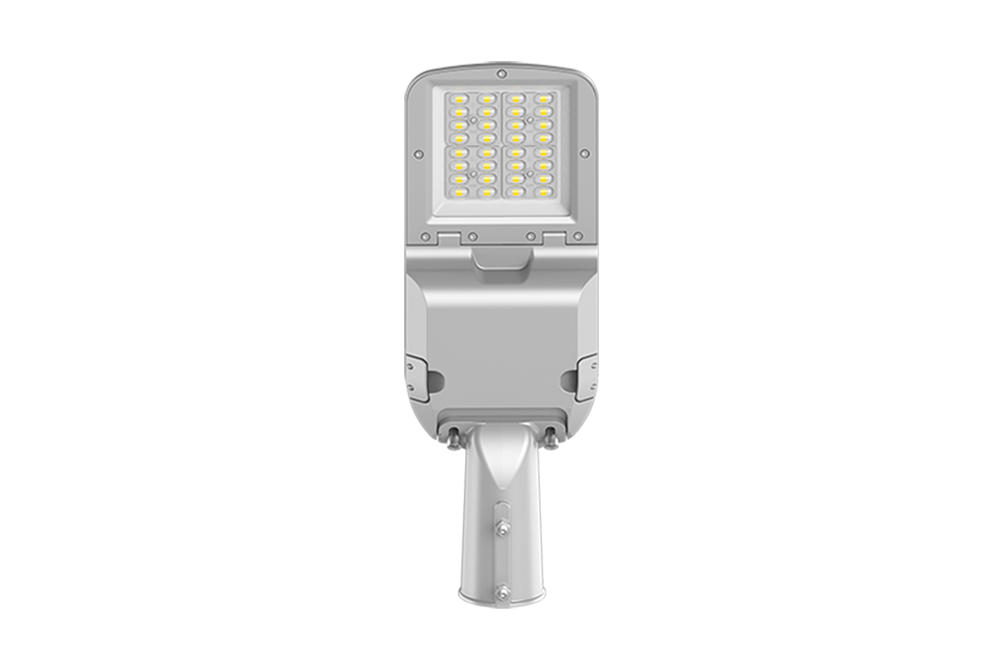
The SEEKING STA Series LED street light delivers strong efficiency, IP66 protection, 10kV surge resistance and multiple beam patterns for roads, parking lots and urban areas. High lumen output, easy installation and reliable performance for long-t…
loading…
This is the last post!

High Bay LED Lights 200W deliver stable output, energy savings, and long lifespan. Discover how to choose reliable industrial lighting that performs in real environments.
View details
Discover reliable atex led flood lights for hazardous areas. Learn certification requirements, LED advantages, industrial applications, and selection tips from SEEKINGLED.
View details
Upgrade outdoor roads with a 150W LED street light delivering 170 lm/W efficiency, long lifespan, and stable performance. Trusted by SEEKINGLED projects.
View details
Outdoor parking lot LED lighting solutions improve safety, visibility and energy efficiency. Learn how SEEKINGLED applies LED flood lights, street lights and tri-proof lamps in real parking projects.
View details