 Seeking LED
why are flood lights called flood lights?
0Flood lights are called “flood lights” because they spread directed light across a relatively large target area rather than concentrating it into a small spot.
View detailsSearch the whole station
how long do led tennis court lights last?
LED tennis court lights typically last 50,000 to 100,000 hours, depending on thermal design, driver quality, and outdoor conditions such as heat, humidity, and usage patterns.
That’s the direct answer. But tennis court lighting behaves differently from general lighting. These fixtures run at higher outputs, often mounted high, exposed to wind, moisture, and long nightly operation cycles.
In real projects, lifespan isn’t just hours—it’s consistency over time.
Manufacturers commonly rate:
These ratings are based on L70 standards—when light output drops to 70% of initial brightness.
According to the U.S. Department of Energy (energy.gov), LEDs gradually lose lumen output rather than failing abruptly.
But here’s the key:
A tennis court doesn’t tolerate dim lighting well. Even a 20–30% drop becomes noticeable to players.
A how long do led tennis court lights last discussion must include outdoor conditions:
The International Energy Agency (iea.org) highlights that environmental exposure significantly impacts LED system longevity.
On multiple court installations:
I’ve seen fixtures survive electrically—but lose optical clarity due to lens aging.
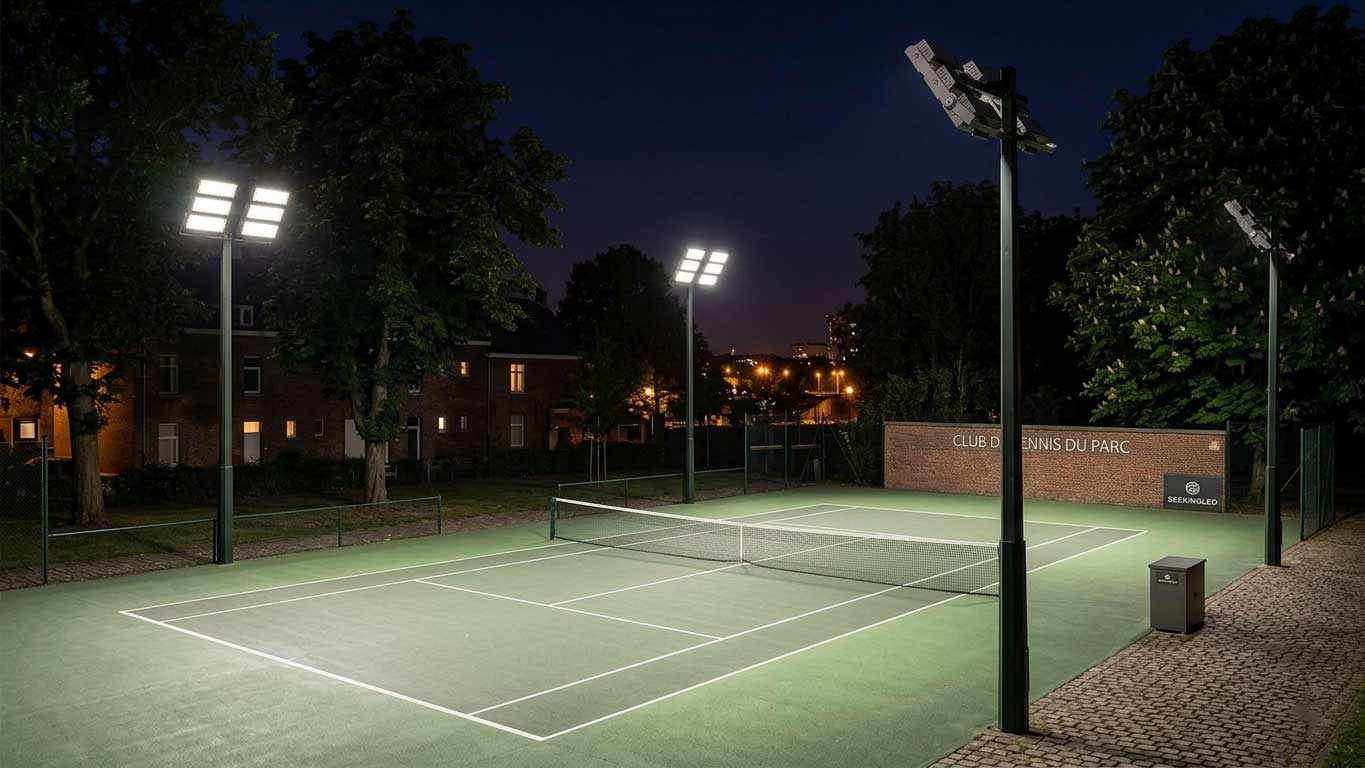
High-mast installations (8–12 meters):
The U.S. Department of Energy (energy.gov) confirms thermal management is the most critical factor in LED lifespan.
In many cases:
This is especially true in outdoor sports facilities with unstable power grids.
In one court, cleaning lenses improved brightness noticeably without replacing fixtures.
| Lighting Type | Lifespan | Maintenance |
|---|---|---|
| Metal Halide | 10,000–20,000 hrs | Frequent replacement |
| High Pressure Sodium | 20,000 hrs | Moderate |
| LED | 50,000–100,000 hrs | Low |
The U.S. Department of Energy (energy.gov) states LEDs significantly reduce maintenance costs due to longer operational life.
Ignoring these leads to performance loss before actual failure.
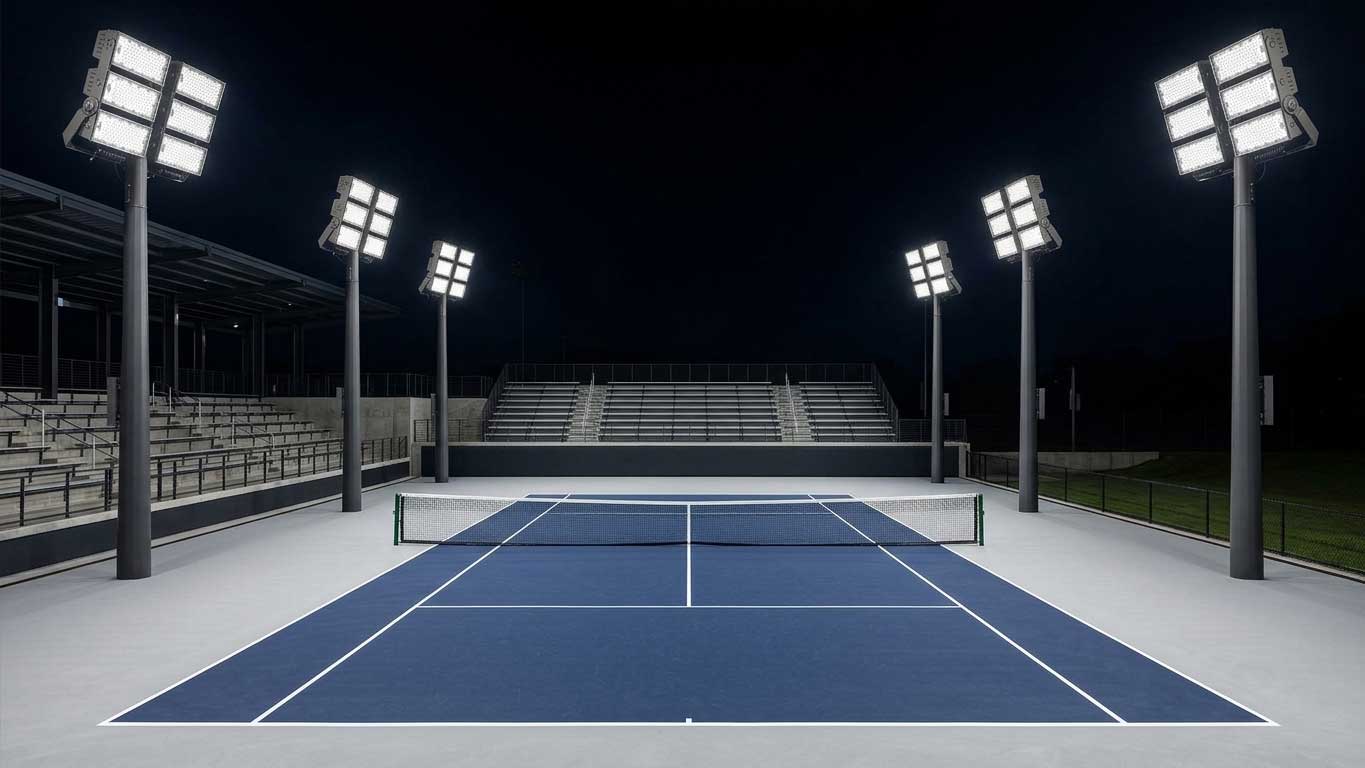
In one facility, simply improving airflow around fixtures extended operational life without replacing equipment.
Yes, but only under optimal conditions with proper thermal and electrical management.
Typically the driver, not the LED chips.
At least once per year, including cleaning and inspection.
I work with SEEKINGLED on outdoor sports lighting systems, including:
These insights come from real courts—where lighting quality directly affects gameplay.
how long do led tennis court lights last depends less on the LED chip and more on everything around it—heat, power, environment, and maintenance. In real courts, longevity is measured not just in hours, but in how consistently the light performs over time.
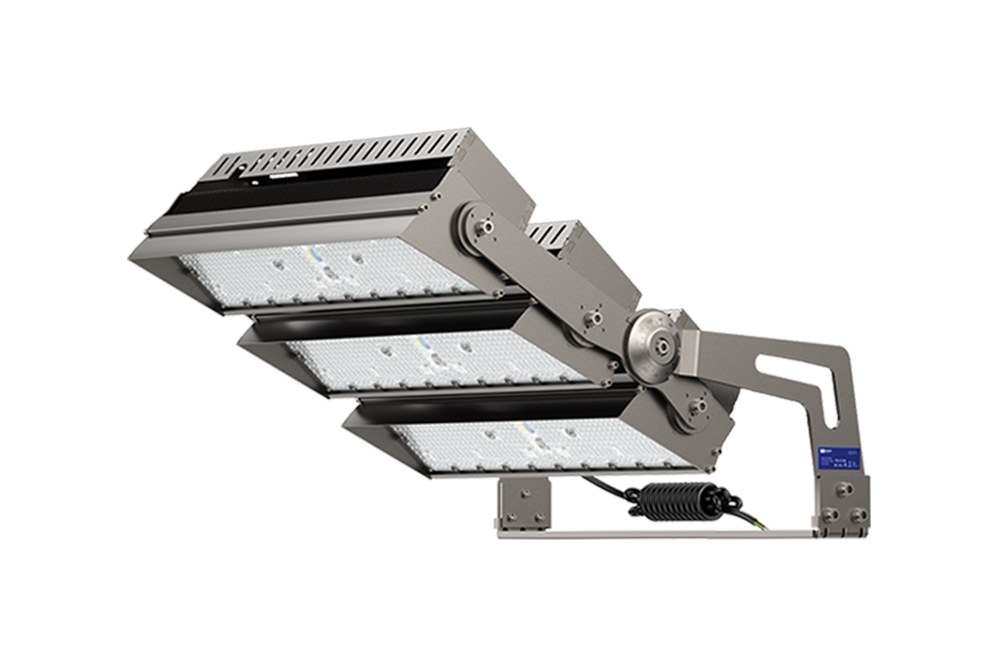
LED sports lighting stadium solutions from SEEKING. The TFV Series high mast LED lights deliver reliable, uniform illumination for stadiums, arenas and high-pole areas, with IP66 protection, long lifespan and flexible beam options.
View details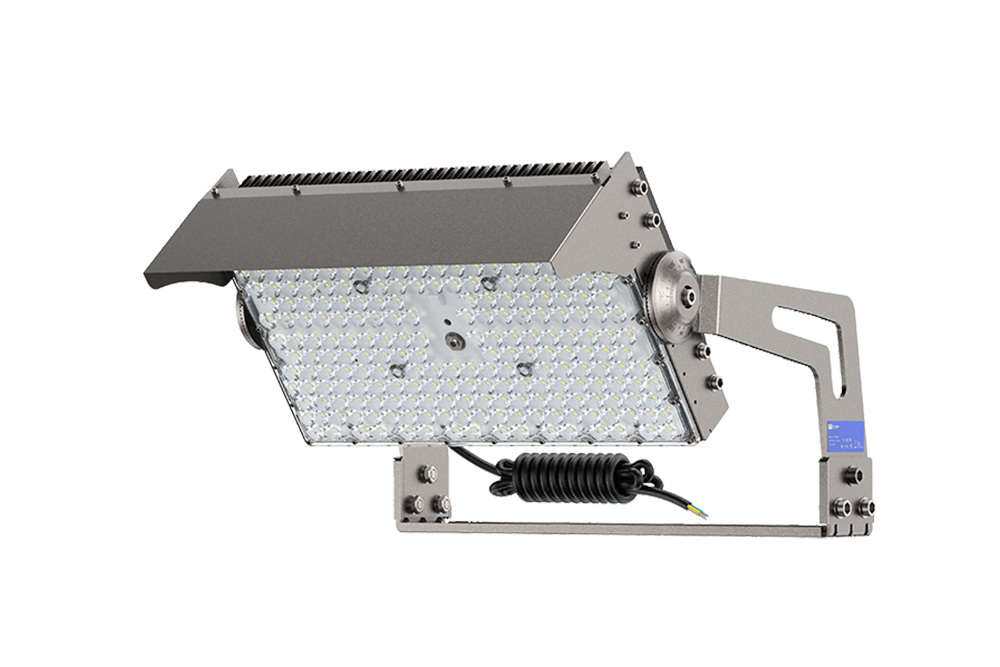
Sports stadium lights from SEEKING TFC Series deliver stable, high-output LED lighting for stadiums, arenas, and high mast applications. With 150 lm/W efficiency, IP66 protection, and long lifespan, these high mast LED lights are built for demanding outdoor sports lighting projects.
View details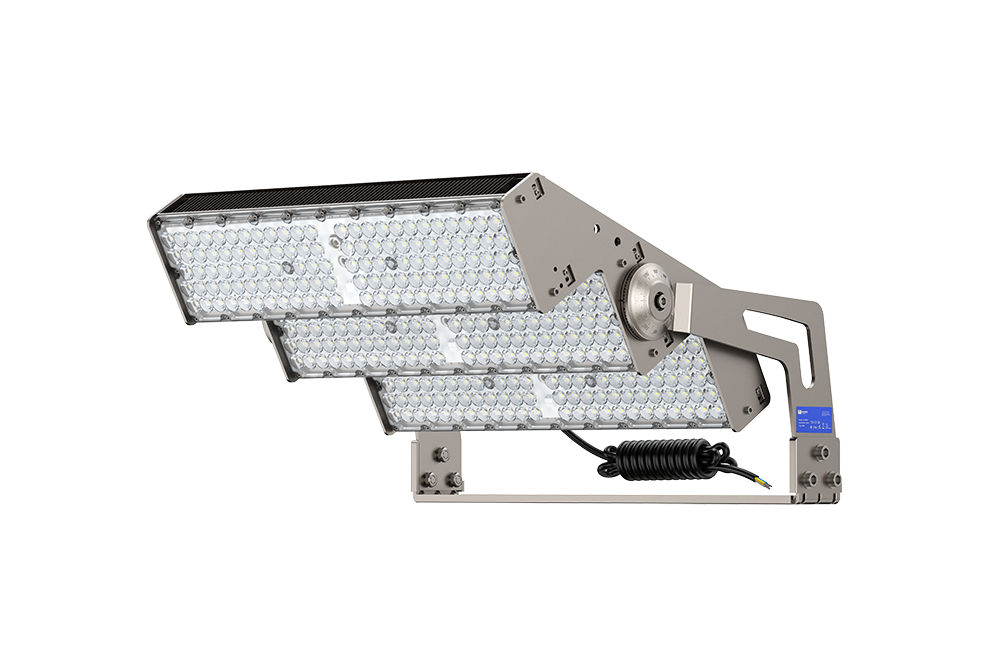
Sports stadium lighting from SEEKING TFT Series is designed for stadiums, arenas, and high-mast applications. High efficiency LED flood lighting with multiple beam angles, 10kV surge protection, and long service life.
View details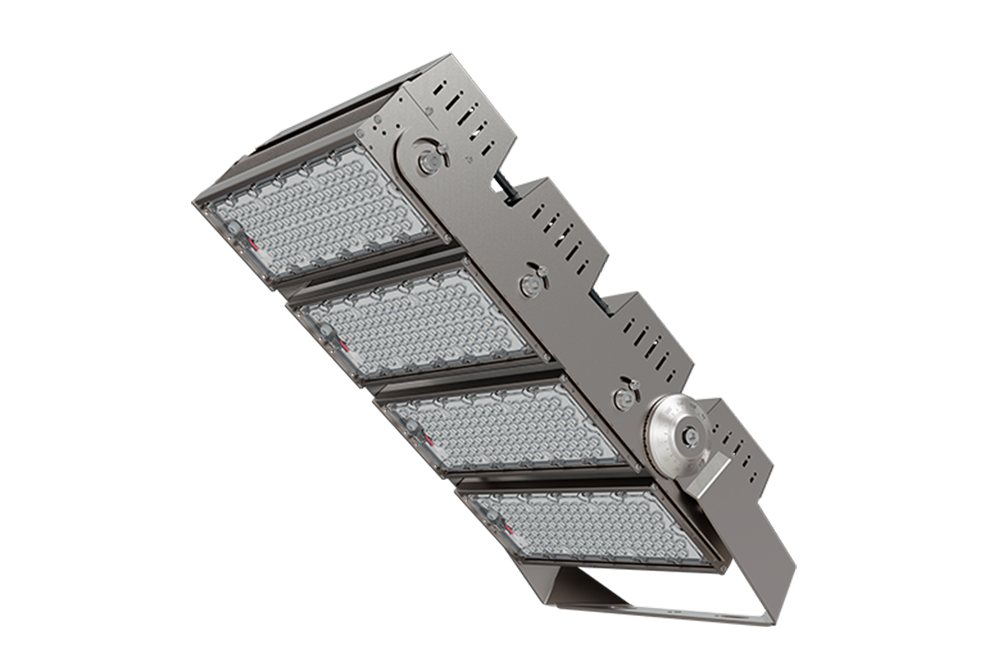
Sports stadium LED lighting from SEEKING TFD Series delivers powerful high mast illumination for stadiums, sports fields, and large venues. With up to 170 lm/W, multiple beam angles, IP66 protection, and 10kV surge resistance, it ensures reliable lighting for professional sports and high-pole applications.
View details
Flood lights are called “flood lights” because they spread directed light across a relatively large target area rather than concentrating it into a small spot.
View details
Discover what is atex, how ATEX certification protects hazardous workplaces, and how certified explosion proof lighting helps industries improve safety and reliability.
View details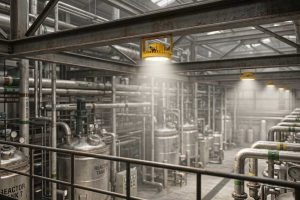
Explosion proof LED high bay explained with real lumens, certifications, and industrial insights. Learn how SEEKINGLED ensures safe hazardous lighting.
View details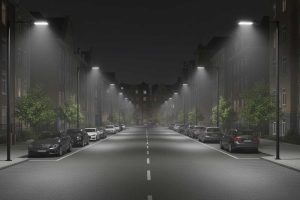
How long do LED street lights last in real outdoor projects? Learn what affects LED street light lifespan and how SEEKINGLED STB Series is designed for long-term road lighting.
View details