 Seeking LED
How Long Can LED Lights Last When You Actually Use Them?
54How long can LED lights last in real conditions? Discover true lifespan, key factors, and why SEEKINGLED lighting systems perform longer in demanding environments.
View detailsSearch the whole station
Direct answer :
Colored LED flood lights provide dynamic, adjustable lighting using RGB or multi-color LEDs, ideal for landscaping, events, and architectural accents. They offer energy efficiency, long lifespan, and flexible color control, allowing users to create atmosphere while maintaining reliable outdoor performance.
White light shows a space.
Color changes it.
First time I used colored LED flood lights on a building façade, it didn’t just look brighter—it looked intentional. That’s the difference. You’re not just lighting anymore, you’re shaping perception.
One project—small outdoor café. Nothing high-end. We added low-power SEEKINGLED fixtures with soft amber and blue tones.
Same walls. Same layout.
Completely different atmosphere.
People spend too much time picking colors.
Not enough time thinking about where the light hits.
I’ve seen expensive RGB setups look messy—just because colors were scattered randomly.
Better approach:
SEEKINGLED units handle color blending fairly well. Not overly saturated, which helps avoid that “cheap neon” look.
Grass absorbs light.
Concrete reflects it.
Water amplifies it.
Same colored LED flood lights—completely different results depending on surface.
That’s something you only notice after installing a few dozen setups.
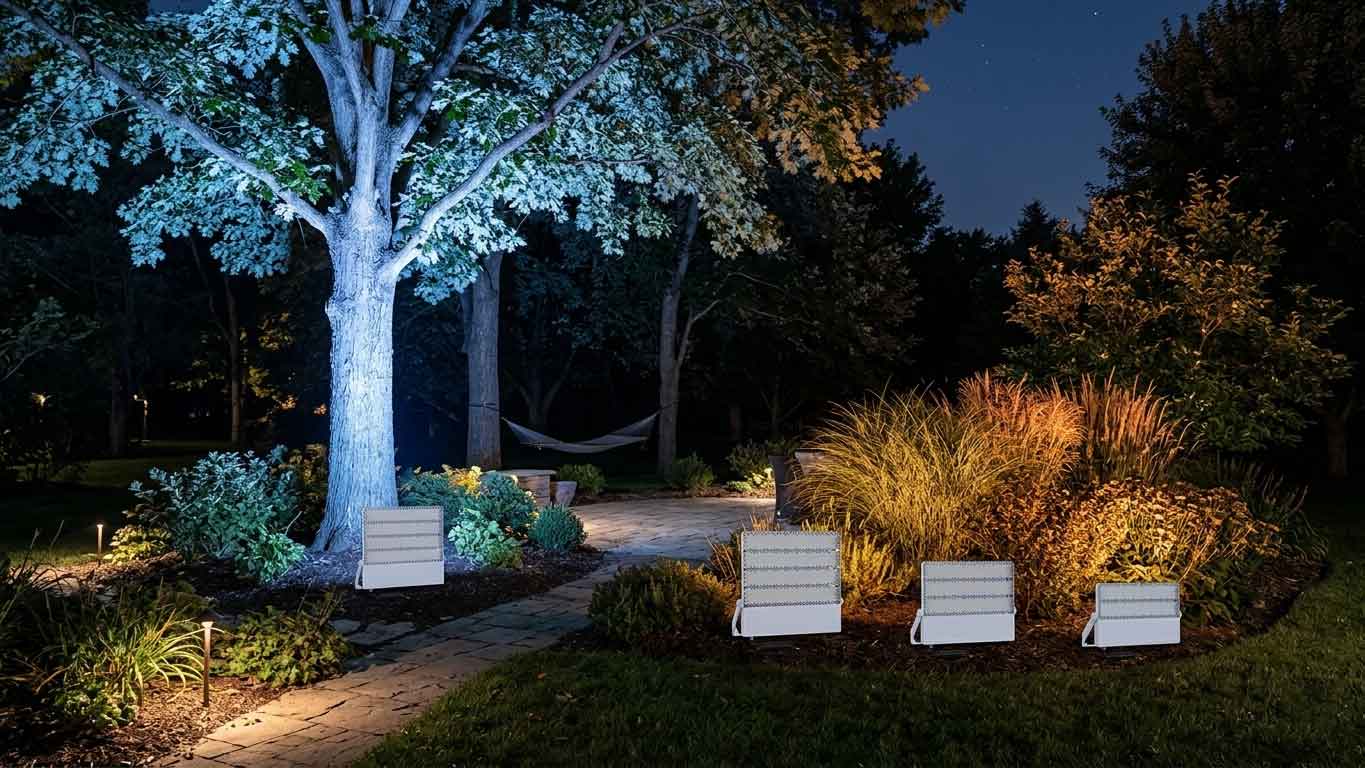
Color is great—until the light fails after rain.
I’ve replaced RGB units that looked impressive… for about two months.
Water got in. Driver failed.
Done.
Look for:
The U.S. Department of Energy notes that LED systems not only save energy but also maintain performance longer when properly engineered. Outdoors, “properly engineered” usually means sealed and heat-managed.
RGB chips generate different heat patterns compared to standard white LEDs.
If cooling isn’t handled well, colors shift over time.
SEEKINGLED units tend to hold color consistency better, especially in long-run usage.
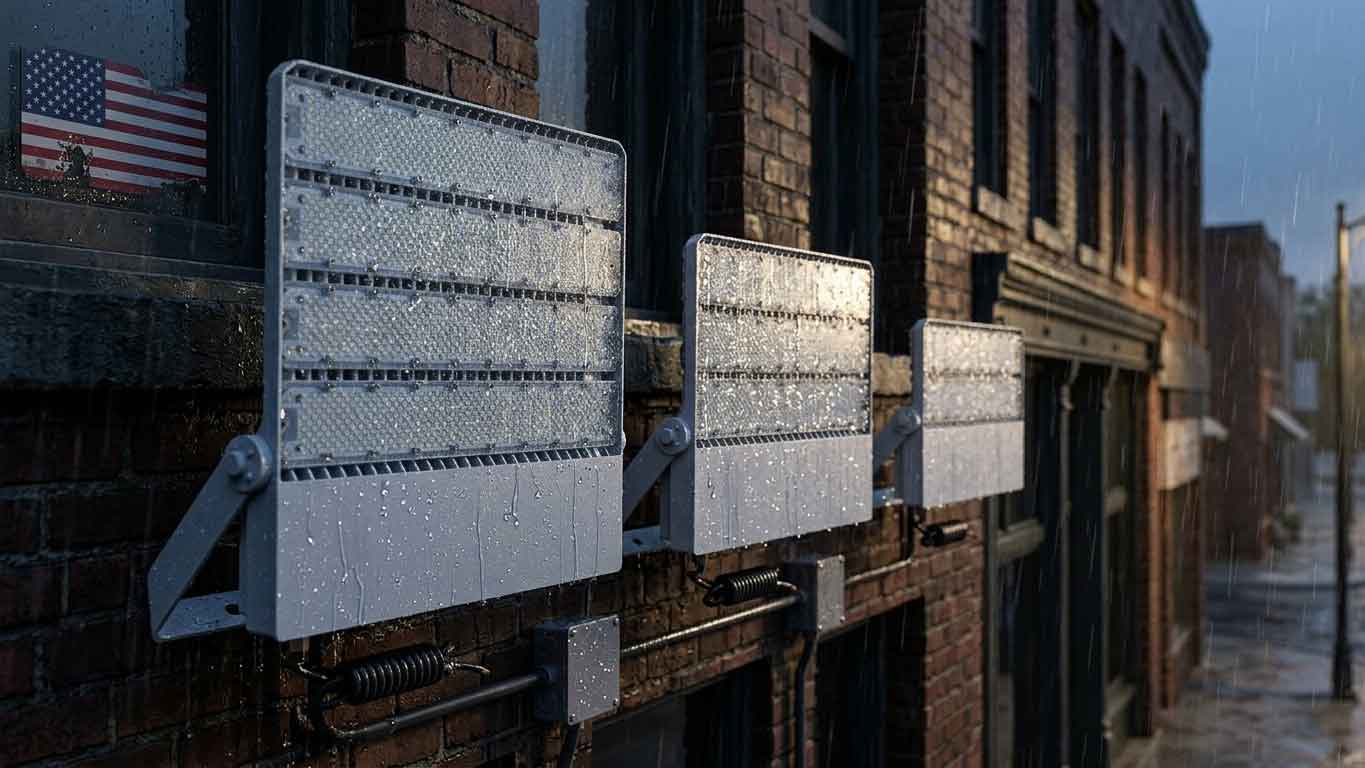
For events, brightness is secondary.
Control is everything.
I’ve worked setups where lighting had to shift every hour—warm tones for dinner, cooler tones later, then full color for late-night atmosphere.
Static lighting can’t do that.
Colored LED flood lights—especially with remote or app control—handle it easily.
Big mistake:
Too many colors at once.
It looks chaotic.
Better to rotate colors slowly or stick to 2–3 tones max.
The Illuminating Engineering Society emphasizes visual comfort—even in decorative lighting. Too much contrast or saturation becomes tiring quickly.
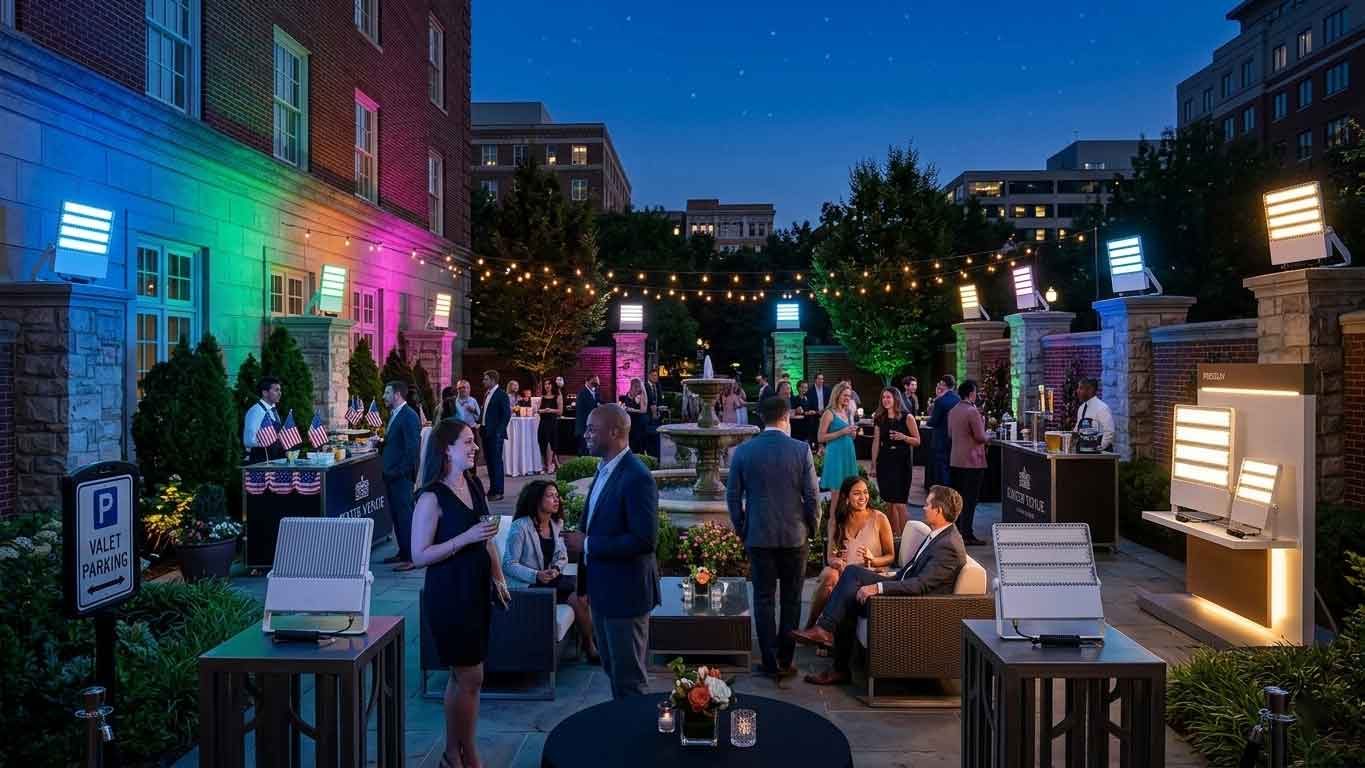
I don’t plan everything upfront anymore.
I install. Turn it on. Then adjust.
Because real environments don’t behave like diagrams.
Try:
It’s a process, not a fixed setup.
You don’t need more wattage.
You need better positioning.
I’ve reduced wattage on projects just by correcting angles—and the result looked better.
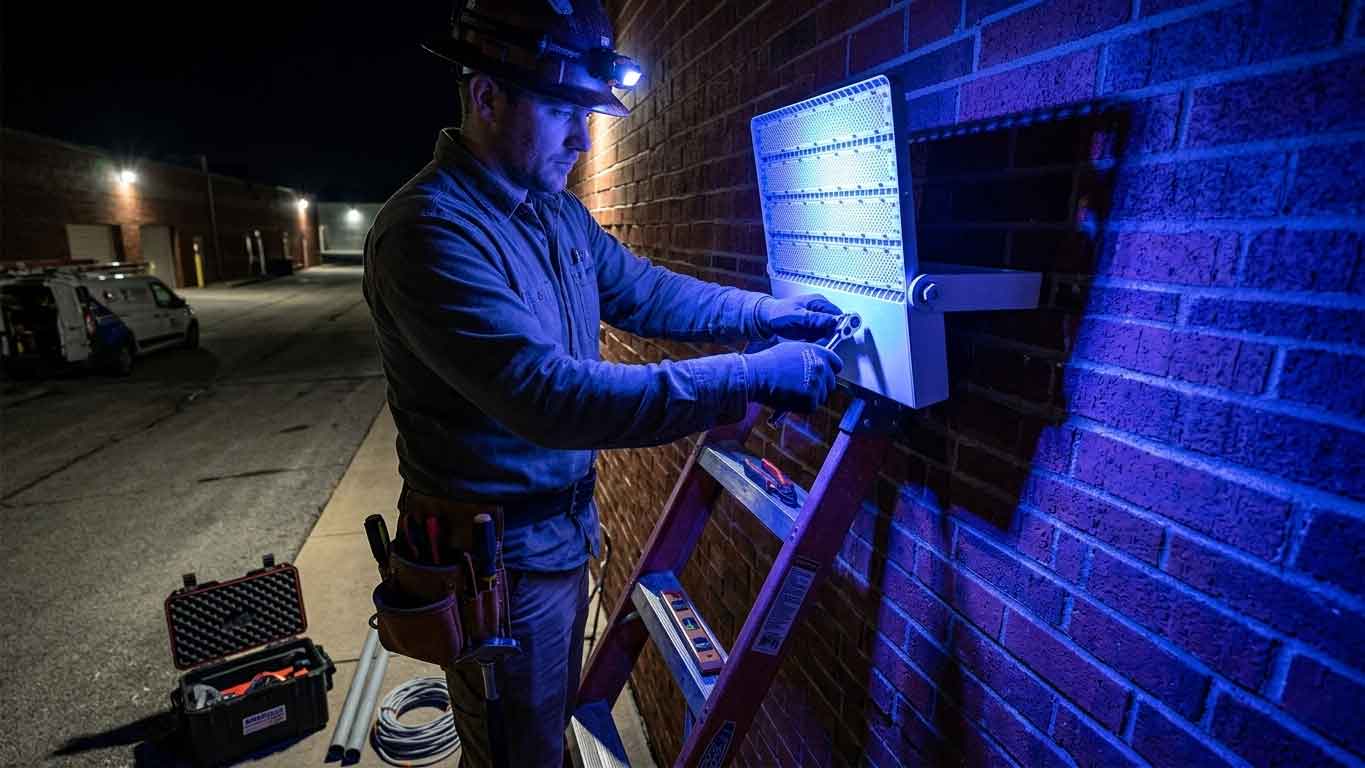
Colored lighting is where most expectations go wrong.
People expect instant “wow.” But getting that effect takes positioning, restraint, and sometimes trial and error.
That’s why I lean toward SEEKINGLED—not because it’s the most advanced—but because it behaves predictably when you adjust it.
And with colored lighting, predictability saves time.Author Experience
Colored LED flood lights aren’t just decorative.
They change how a space feels.
But the difference between “impressive” and “overdone” is small.
Take your time. Adjust gradually.
That’s where the real result shows up.

How long can LED lights last in real conditions? Discover true lifespan, key factors, and why SEEKINGLED lighting systems perform longer in demanding environments.
View details
What is explosion proof lighting? Learn how certified fixtures prevent ignition in hazardous areas, key standards, and real-world applications with expert insights from SEEKINGLED.
View details
What is the cut line on LED lights? Learn how cut lines control glare, improve safety, and why beam precision matters in industrial and outdoor LED lighting.
View details
A typical modern LED street light produces about 5,000–30,000 lumens, while larger roadway fixtures may exceed 30,000 lumens.
View details