 Seeking LED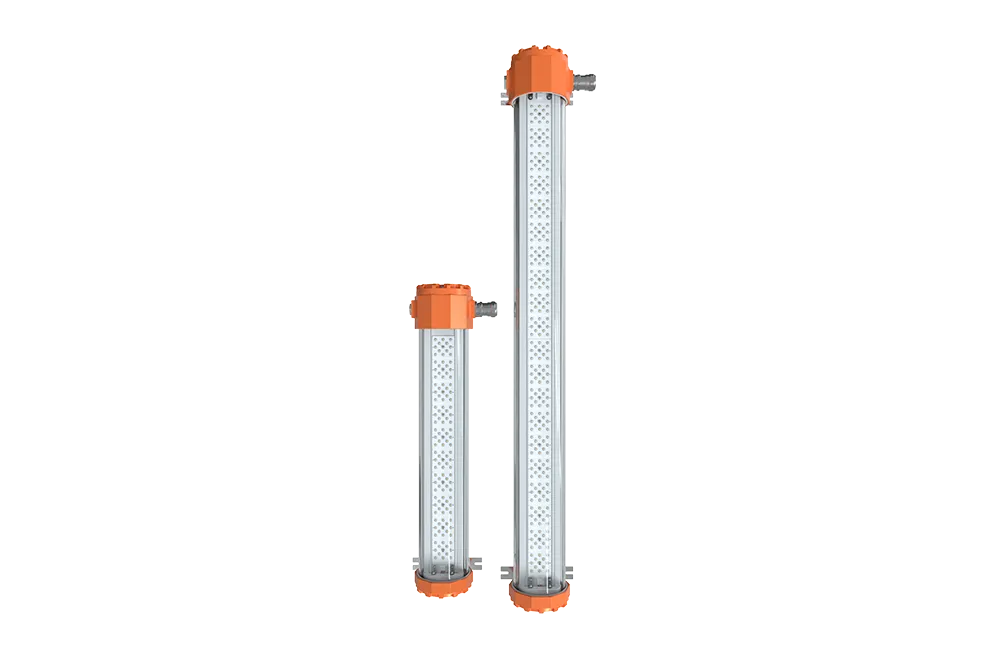
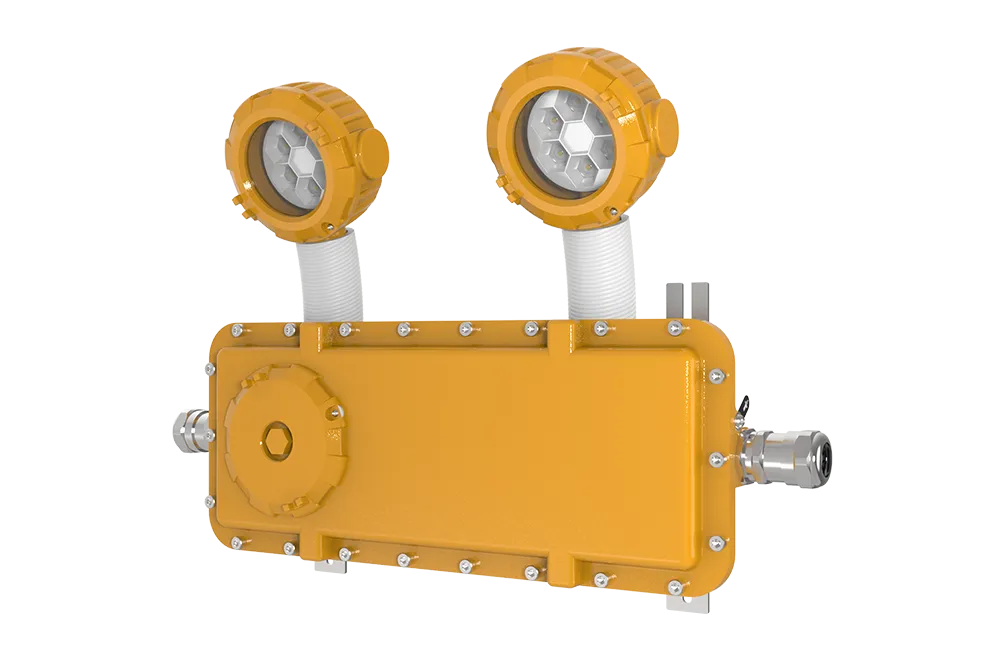
Main Explosion-Proof Types and Working Principles of Explosion-Proof Lights
0Learn the main explosion-proof types used in hazardous area lighting, including Ex d, Ex e, Ex m, Ex n, and Ex i protection methods for industrial safety.
View detailsSearch the whole station
A led flood light explosion proof fixture doesn’t get noticed when it works.
It only gets attention when it doesn’t.
The first refinery turnaround I supported as a lighting engineer was loud, humid, and impatient. Contractors were moving fast. Scaffolding everywhere. Temporary cables hanging like vines. The old HID floodlights were still in place, drawing heavy current and generating more heat than anyone liked to admit.
By week two, we had swapped part of the process area to LED.
Not because it was fashionable. Because it solved three practical problems at once: glare, maintenance downtime, and surface temperature.
I’ve spent over a decade working in hazardous-area industrial lighting projects across petrochemical and marine facilities, now representing SEEKINGLED in international retrofit programs. Floodlights are rarely glamorous equipment. But they carry the visual workload in high-risk zones.
And in explosive atmospheres, there’s no margin for improvisation.
Most buyers look first for ATEX or IECEx markings. Fair enough.
Under the framework defined by the International Electrotechnical Commission, explosion protection types like Ex d (flameproof enclosure) or Ex e (increased safety) dictate how ignition risks are contained. In North America, hazardous classifications align with standards published by the National Fire Protection Association.
But certification papers don’t tell you how a luminaire behaves after three summers in corrosive coastal air.
That part you learn slowly.
Traditional metal halide floodlights can exceed high external temperatures. LED systems significantly reduce thermal output per lumen. According to the U.S. Department of Energy, LED lighting in industrial applications can reduce energy consumption by 50–70% compared with conventional HID systems.
Energy savings matter.
But what mattered more on-site was this: lower housing temperature meant lower thermal stress on gaskets and cable entries. That directly influences long-term explosion protection integrity.
During one coastal chemical plant upgrade, we logged surface temperature differences exceeding 20°C between legacy HID and the new LED flood assemblies under continuous operation.
No dramatic announcement followed.
Just fewer maintenance call-backs.
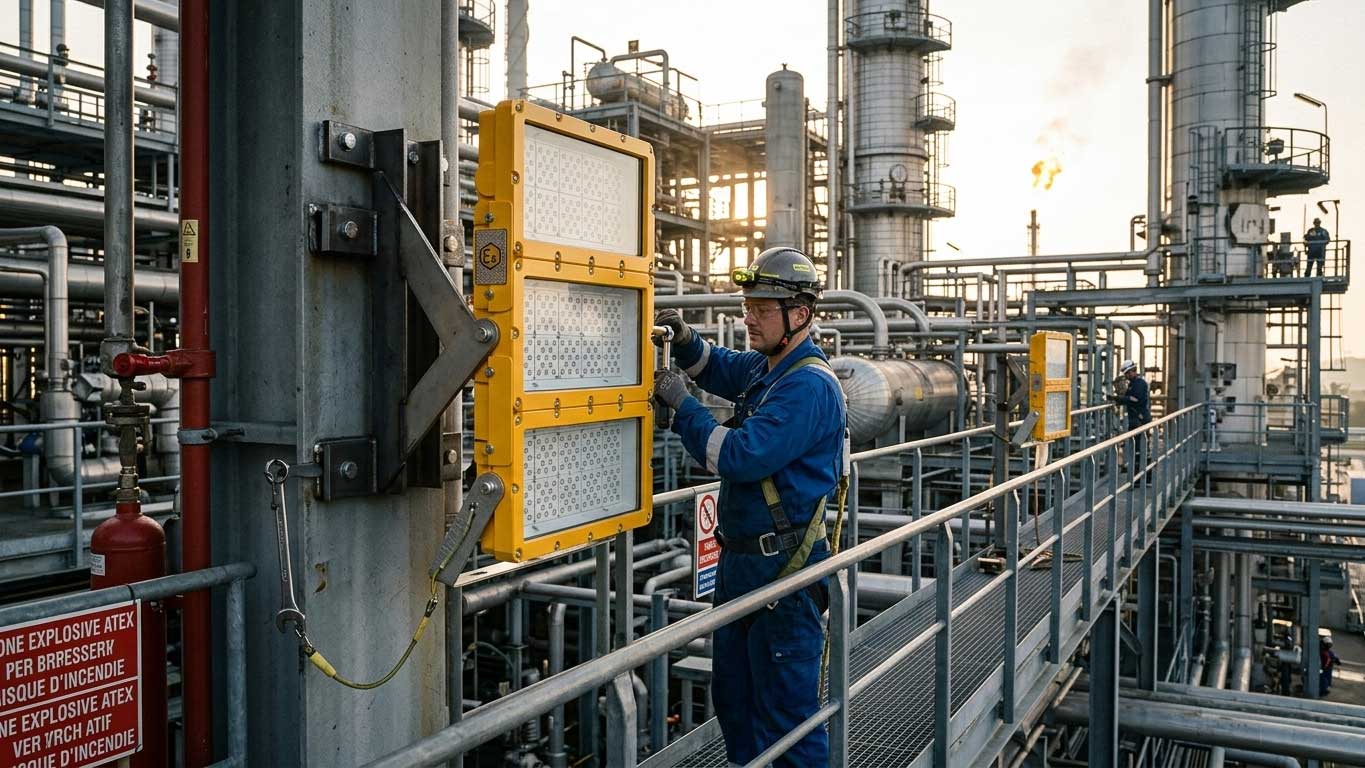
Explosion protection prevents ignition. It does not guarantee visibility quality.
Older flood systems created sharp glare zones. Operators complained—not formally, just in passing—about eye strain during night shifts. That affects inspection accuracy.
LED optics changed that dynamic.
Better beam control. Wider uniformity. Fewer harsh hotspots.
The International Energy Agency, via the International Energy Agency, consistently highlights lighting efficiency and performance as contributors to industrial operational reliability. In hazardous areas, visual clarity isn’t aesthetic. It supports procedural safety.
Floodlighting should illuminate the work, not blind the worker.
Explosion proof housings are thick. Heavy. Reassuring.
But corrosion doesn’t attack thickness first. It attacks edges, fasteners, cable glands.
I’ve inspected fixtures where stainless bolts outlived the painted bracket holding them. In offshore wind-adjacent petrochemical zones, salt mist accumulation accelerates degradation faster than spec sheets suggest.
A durable led flood light explosion proof fixture needs:
Otherwise, certification becomes theoretical over time.
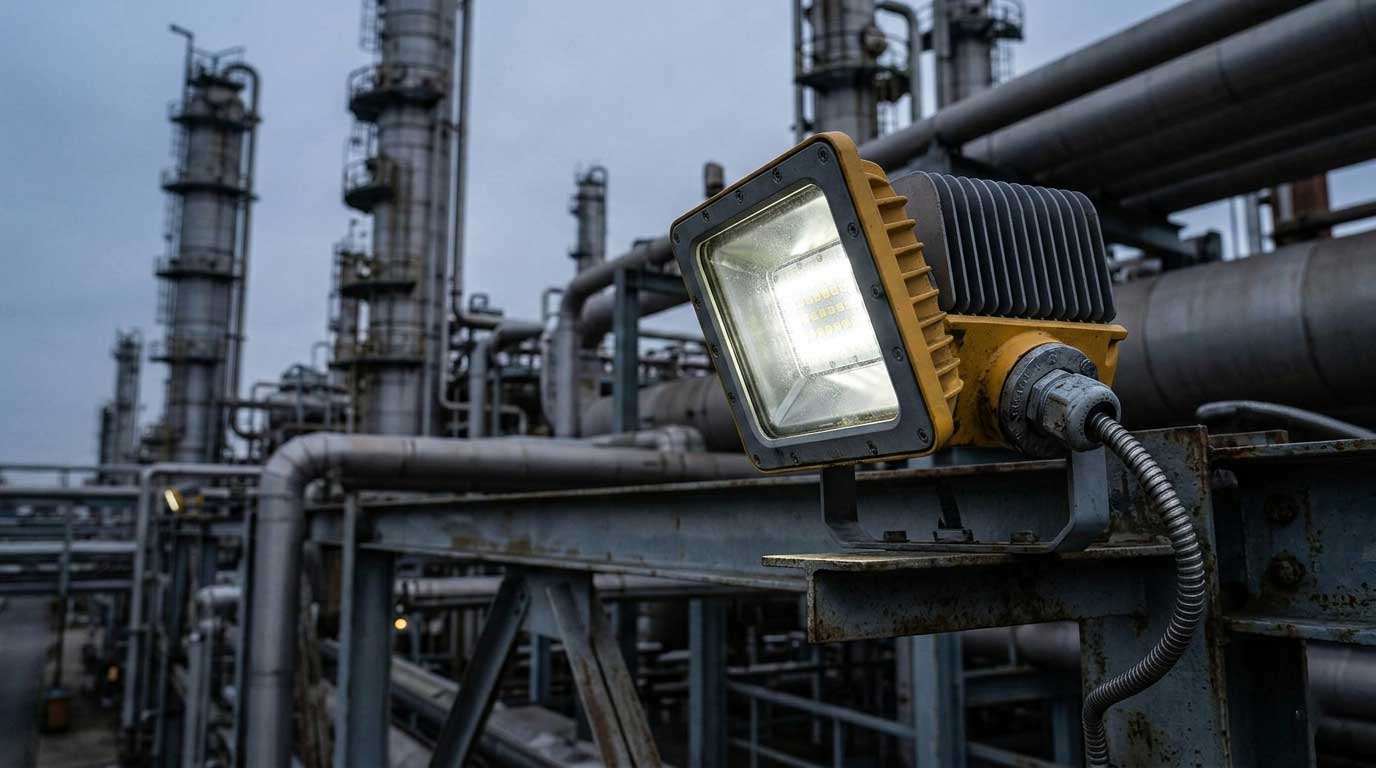
Voltage fluctuation is common in older industrial grids. Especially during shutdown periods when temporary systems connect.
Quality drivers inside explosion proof LED floodlights must tolerate input instability without flicker or failure. We test units under simulated unstable supply conditions before approving bulk deployment.
A failed driver in a hazardous zone isn’t just inconvenient. It requires permit procedures, shutdown coordination, and safety supervision to replace.
Reducing that intervention frequency is where real cost savings happen.
Many facilities attempt partial upgrades—keeping existing mounting geometry while replacing internal technology.
Sometimes that works.
Sometimes beam angles change shadow patterns unexpectedly, especially around pipe racks and vertical vessel columns. We conduct on-site photometric checks rather than relying solely on simulation data.
Lighting design in hazardous areas is as much physical as computational.
The phrase led flood light explosion proof sounds technical. Almost bureaucratic.
But on a refinery night shift, it simply means this: clear visibility without ignition risk.
At SEEKINGLED, we build each led flood light explosion proof unit around that operational reality—balancing certified protection, optical performance, corrosion resistance, and electrical stability for Zone 1 and Zone 2 environments.
Because once installed, no one wants to think about it again.
That’s usually the best outcome.
And that is exactly what a properly engineered led flood light explosion proof fixture is supposed to deliver.
SEEKINGLED LED Linear Explosion Proof Light and Explosion Proof lighting is ATEX and IECEx certified for Zone 1, Zone 2, Zone 21 and Zone 22 hazardous locations, built for long-term industrial use.
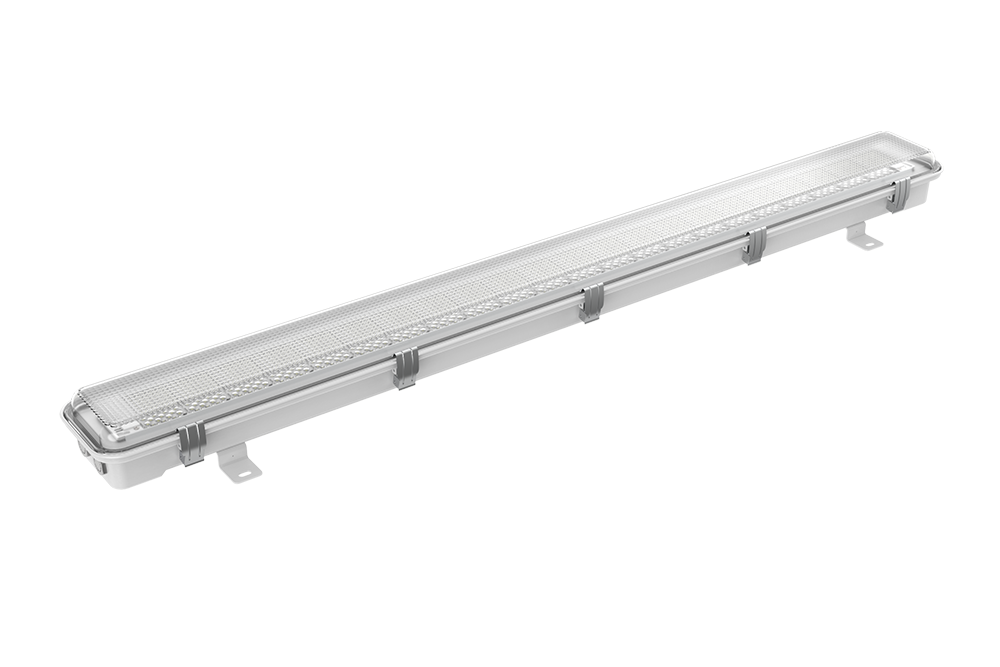
LED Linear Explosion Proof Lights and EX Proof lights for Zone 1, Zone 2, Zone 21 and Zone 22 hazardous areas. ATEX & IECEx certified explosion proof LED linear lighting with emergency function, adjustable power and IP67 protection by SEEKINGLED.
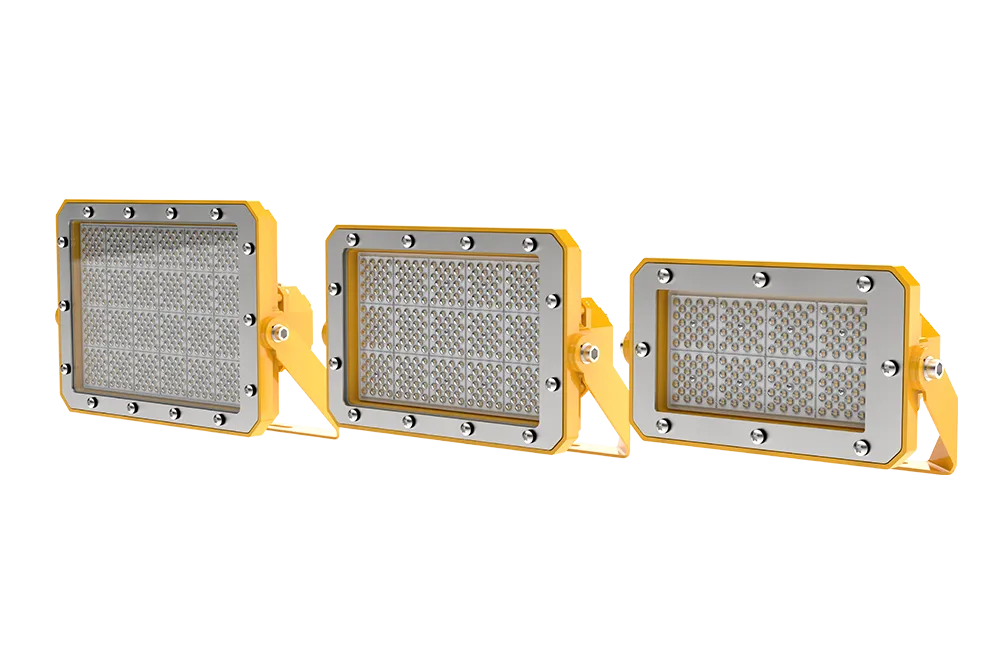
SEEKINGLED LED Explosion Proof Flood Lights are ATEX certified for Zone 2 and Zone 22 hazardous areas, offering high efficiency, adjustable power and integrated junction box.
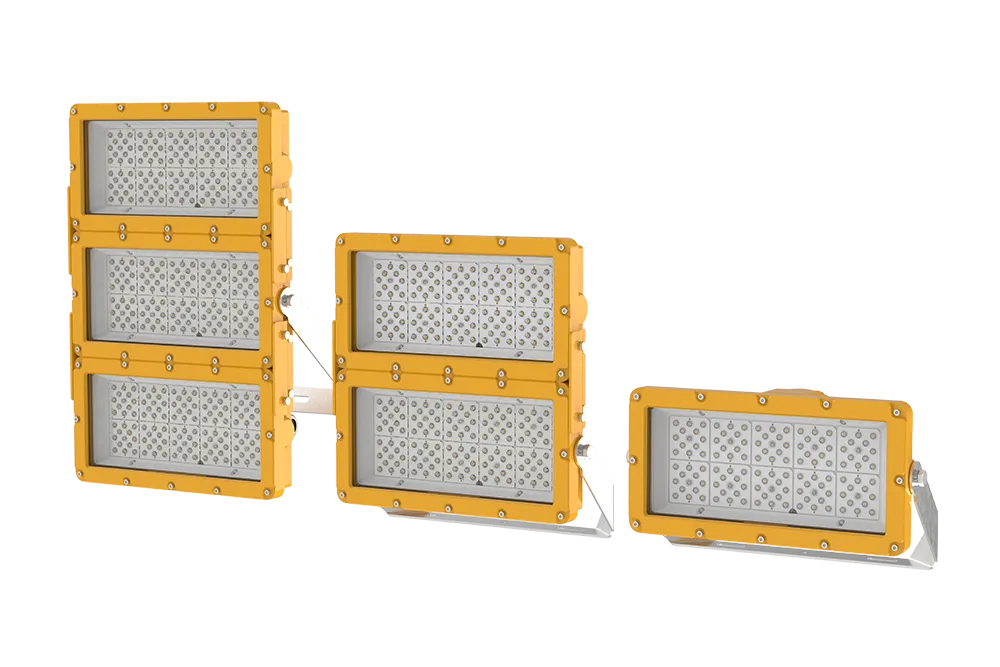
SEEKINGLED LED Explosion Proof Flood Lights are flameproof ATEX and IECEx certified for Zone 1 and Zone 2 hazardous areas, offering high power, adjustable output and long service life.
SEEKINGLED LED Gas Station Canopy Lights are ATEX certified for Zone 2 and Zone 22 hazardous areas, featuring adjustable power and built-in explosion-proof junction box.
ATEX: Ex II 2G Ex db IIB T6/T5 GbEx II 2D Ex tb IIIC T80°C/ T95°C Db IECEx Ex db IIB T6 Gb;Ex tb IIIC T80°C Db Feature: ● For Zone 1,2 and Zone 21,22● Flameproof type, the strongest● 100W can replace 250W HID,energy saving● Power:60W,80W,10…
ATEX: II 3G Ex nR ⅡC T5/T6 GcII 3D Ex tc ⅢC T80℃/T95℃Dc ATEX Certificate NO: TÜV CY 26 ATEX 0207611 X Feature: ● For Zone 2 and Zone 22● 150W can replace 250W HID lamps,Energy saving● Power:50W,75W,100W,150W,200W Application: Oil and gas, m…
LED explosion proof high bay lights are designed for Zone 1, Zone 2, Zone 21 and Zone 22 hazardous areas. This page introduces the HB21 Series from SEEKING, including certifications, power options and real application considerations.
LED Linear Explosion Proof Lights from SEEKINGLED. LU Series Flame Proof lights ATEX-certified explosion proof LED linear lighting for Zone 2 gas and Zone 22 dust areas, IP69K, IK10, long lifetime and flexible power options.
Certified explosion proof work lights for Zone 1 & 21 hazardous areas. Portable, ATEX & IECEx approved, built for oil, gas and chemical plants by SEEKINGLED.
ATEX: II 3G Ex nR ⅡC T6 GcII 3D Ex tc ⅢC T80℃ Dc ATEX Certificate NO: TÜV CY 26 ATEX 0207611 X Feature: ● For Zone 2 and Zone 22● Accepts battery-powered supply● indestructible● Power:AC input:50W,75W,100WDC input:15W,25W,35W Application: O…
ATEX: Ex II 2G Ex db IIB T6 GbEx II 2D Ex tb IIIC T80°C Db IECEx Ex db IIB T6 Gb;Ex tb IIIC T80°C Db Feature: ● For Zone 1,2 and Zone 21,22● Flameproof type, the strongest Application: Oil and gas, marine, Chemical, pharmaceutical, semicondu…
ATEX: Ex II 2G Ex db IIB T6 GbEx II 2D Ex tb IIIC T80°C Db IECEx Ex db IIB T6 Gb;Ex tb IIIC T80°C Db Feature: ● For Zone 1,2 and Zone 21,22● Flameproof type, the strongest Application: Oil and gas, marine, Chemical, pharmaceutical, semicondu…
ATEX: Ex II 2G Ex d e IIB T6 Gb ATEX: Ex d e IIB T6 Gb; Feature: ● For Zone 1,2● 9W can replace 18W fluorescent lamps,50% Energy saving Application: Oil and gas, marine, Chemical, pharmaceutical, semiconductor,mining,military industry, pain…
loading…
This is the last post!
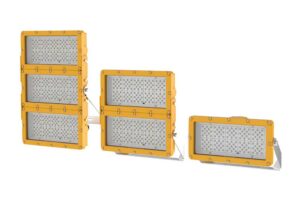
Learn the main explosion-proof types used in hazardous area lighting, including Ex d, Ex e, Ex m, Ex n, and Ex i protection methods for industrial safety.
View details
ATEX certified lighting ensures safe, reliable illumination in explosive atmospheres. Learn certifications, applications, and selection tips for hazardous industrial locations.
View details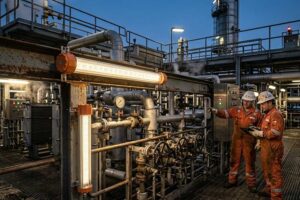
Where are explosion proof linear lights used? Discover the industries, hazardous zones, and industrial environments that require certified LED linear lighting.
View details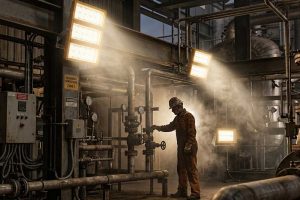
What are explosion proof lights cast from? Learn the real materials—aluminum alloys, stainless steel, tempered glass—and how they ensure safety in hazardous environments.
View details