 Seeking LED
What Makes a Light Explosion Proof?
298What makes a light explosion proof? Learn the engineering principles, certifications, and safety features that define explosion proof lighting in hazardous areas.
View detailsSearch the whole station
Direct answer:
Indoor LED floodlights provide focused, high-lumen lighting for ceilings, track systems, and commercial interiors, improving visibility while reducing energy consumption by over 50%. When properly positioned, they deliver controlled illumination, minimize glare, and maintain consistent performance across indoor environments.
First time I swapped standard bulbs for indoor LED floodlights in a retail space, something felt off.
Not worse—just sharper.
The light wasn’t spreading randomly anymore. It had direction. Edges. Intent.
That’s the key difference.
Floodlights indoors aren’t about “more light.” They’re about placing light where it matters.
According to the U.S. Department of Energy, LED lighting reduces energy consumption by at least 50%–75% compared to traditional systems. Indoors, that efficiency shows up quietly—lower heat, stable output, fewer replacements.
Not every room needs them.
But in the right spots, they outperform standard bulbs:
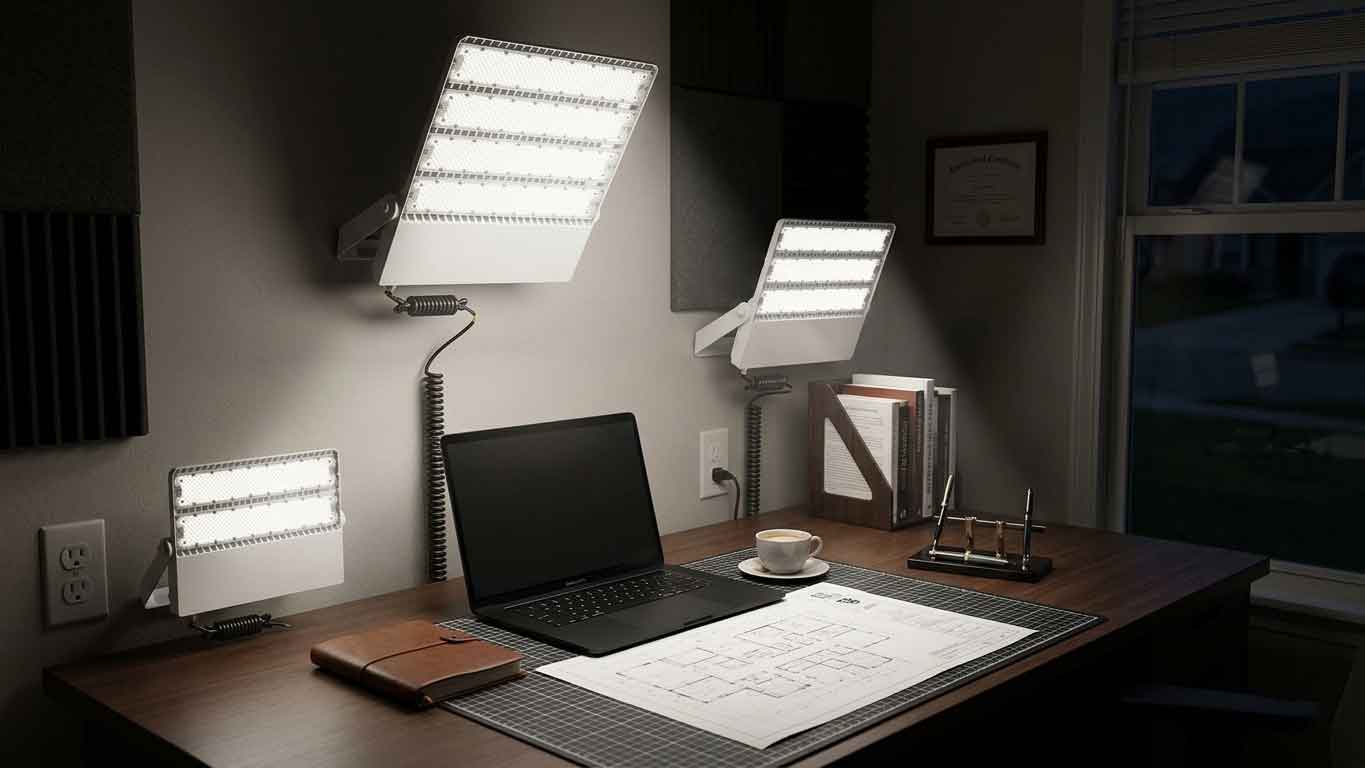
I’ve used SEEKINGLED indoor LED floodlights in a home office setup—mounted slightly off-center. It avoided glare on screens but kept the desk fully lit.
That balance matters more than raw brightness.
People install them straight down, center of the room.
Result?
Better approach: angle slightly. Let the light “wash” surfaces instead of hitting straight down.
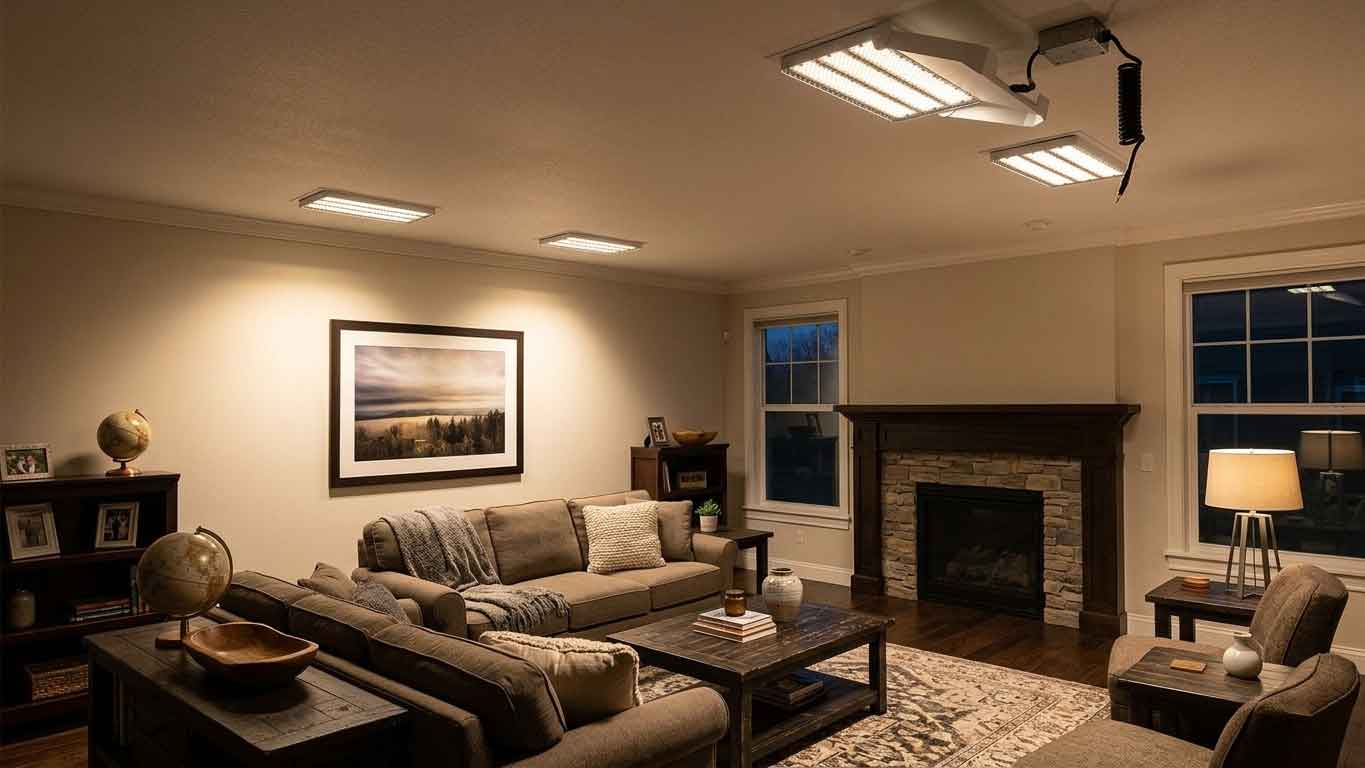
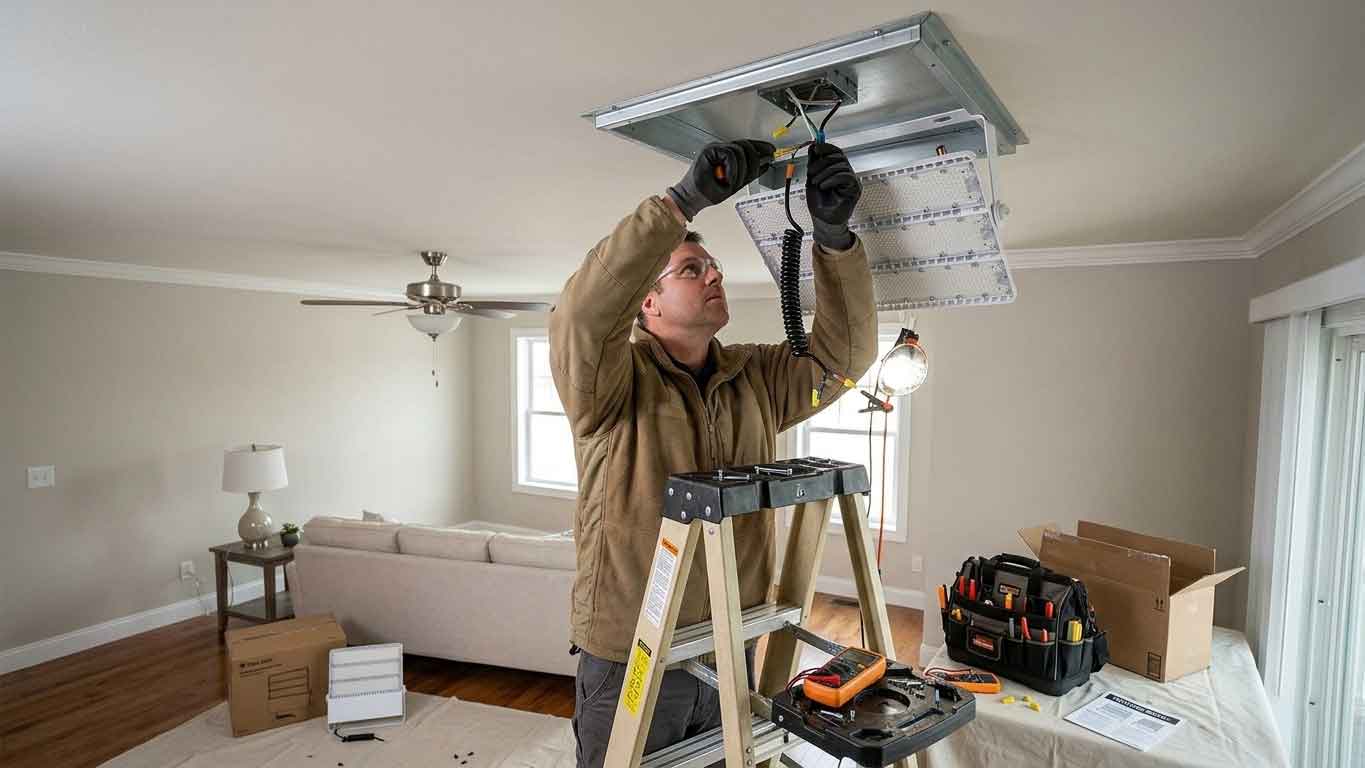
Wiring is straightforward.
Placement? That’s where experience shows.
Here’s what I usually check:
| Factor | What to Watch For |
|---|---|
| Ceiling height | Affects beam spread |
| Fixture spacing | Avoid overlap or dark zones |
| Angle | Prevent glare |
| Ventilation | Avoid heat buildup |
One install I remember—everything wired perfectly. But spacing was off. Result? Bright spots and shadows between.
Had to reposition. Took longer than wiring itself.
Small adjustments change the entire feel of a room.
This comes up a lot.
Higher lumen doesn’t automatically mean better.
I’ve seen:
It’s about distribution.
SEEKINGLED indoor LED floodlights tend to keep output stable without harsh hotspots—which helps in smaller spaces.
| Room Type | Suggested Output (Per Fixture) |
|---|---|
| Living Room | 800–1200 lumens |
| Kitchen | 1000–1500 lumens |
| Office | 900–1300 lumens |
| Hallway | 600–900 lumens |
Not strict rules—but a solid starting point.
I don’t over-plan anymore.
I install a few units. Turn them on. Adjust.
Because indoor lighting reacts differently depending on:
No plan gets it perfect on paper.
These mistakes don’t show immediately—but you feel them after a few days.
Not if chosen correctly. Brightness depends on lumen output and beam angle. Lower output with wider spread usually works better for residential spaces.
Yes, but only if they’re designed for dimming. Poor-quality drivers often cause flicker when dimmed.
Less than traditional bulbs, but still some. Proper ventilation is important to maintain lifespan.
I’ve been working with indoor and outdoor lighting installations for nearly 10 years—mostly residential interiors and small commercial spaces.
Most lighting issues I’ve fixed weren’t about brightness.
They were about placement. Glare. Uneven distribution.
That’s why I tend to use SEEKINGLED products—not because they’re the most powerful, but because they behave predictably when adjusted in real environments.
And that matters more than specs.
Indoor LED floodlights aren’t complicated.
But they’re easy to misuse.
Get the angle right. Control the brightness. Adjust based on the room—not assumptions.
That’s when they actually work.
What makes a light explosion proof? Learn the engineering principles, certifications, and safety features that define explosion proof lighting in hazardous areas.
View details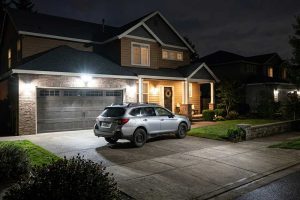
Improve security with auto flood lights. Learn how motion sensor LED floodlights enhance safety, save energy, and perform reliably outdoors.
View details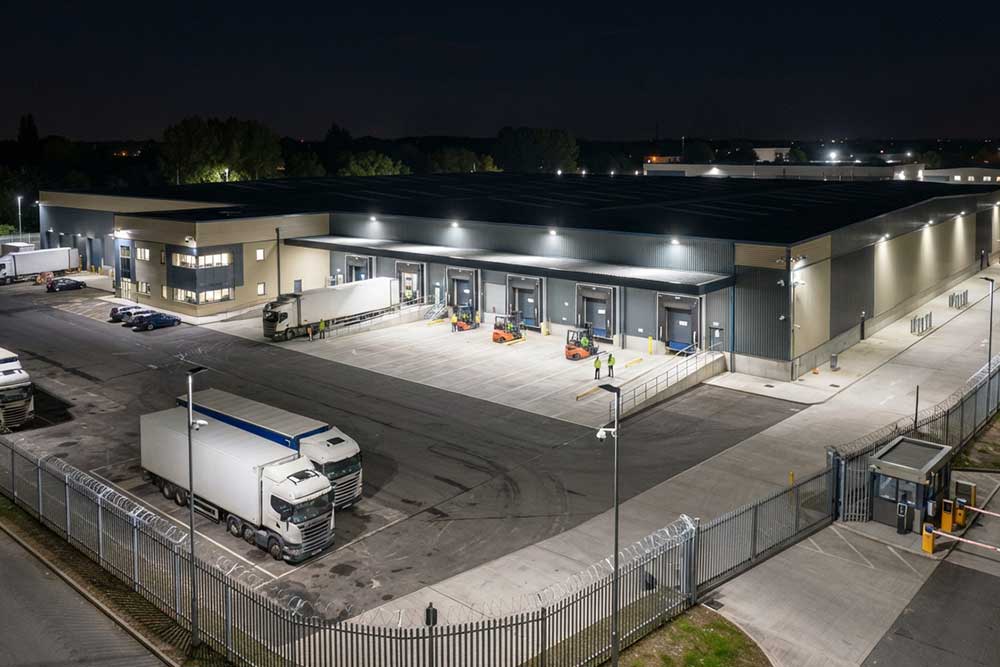
Yes. Flood lights can improve nighttime visibility and support security, but effectiveness depends on placement, coverage, beam control, and glare management.
View details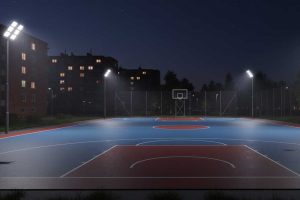
Looking for the right flood light for basketball court projects? Learn how to choose outdoor court lighting that delivers uniform brightness, safety, and long-term reliability.
View details