 Seeking LED
Explosion-Proof Light: Engineering Insights from Field Experience
102explosion-proof light engineered for Zone 1 & 2 hazardous areas with ATEX & IECEx certification. Practical safety insights and engineering from SEEKINGLED.
View detailsSearch the whole station
How Bright Is a 5000K LED Flood Light?
A 5000K LED flood light appears very bright and crisp because it produces a daylight-white beam, but its actual brightness depends on lumens, not Kelvin. In real outdoor use, 5000K light typically looks sharper and brighter than warmer color temperatures at the same lumen output.
That distinction matters.
After years of working with commercial outdoor lighting projects, one of the most common misunderstandings I still hear from buyers is this:
“Does 5000K mean brighter?”
Not exactly.
5000K affects how bright the light feels, while lumens determine how much light is actually emitted.
In practical terms, a 5000K LED flood light often looks noticeably brighter because the cooler daylight-white tone improves edge contrast, object definition, and nighttime visibility.
A lot of website content gets this wrong.
5000K is color temperature, not brightness.
Kelvin (K) measures the appearance of white light:
| Color Temperature | Visual Tone | Typical Feeling |
|---|---|---|
| 3000K | warm white | soft, yellowish |
| 4000K | neutral white | balanced |
| 5000K | daylight white | crisp and bright |
| 6500K | cool blue-white | sharp, harsh |
According to the U.S. Department of Energy, LED brightness should be evaluated primarily by lumens, while color temperature changes visual perception.
This means:
A 50W 5000K flood light may produce 5,000–7,000 lumens, depending on efficiency.
A premium commercial fixture can exceed 140–170 lm/W, meaning a 100W unit may reach 14,000–17,000 lumens.
That is what truly defines brightness.
How Bright Does a 5000K Flood Light Look in Real Use?
This is where field experience matters.
On paper, two flood lights may both output 6,000 lumens.
But outdoors at night, the 5000K unit almost always feels brighter than a 3000K one.
Why?
Because cooler white light improves:
In several warehouse perimeter projects I’ve worked on, switching from 3000K to 5000K at the same lumen level improved camera footage readability immediately.
License plate visibility improved by roughly 15–20% in practical monitoring distance, especially in wet conditions.
This aligns with industry observations for security lighting applications.
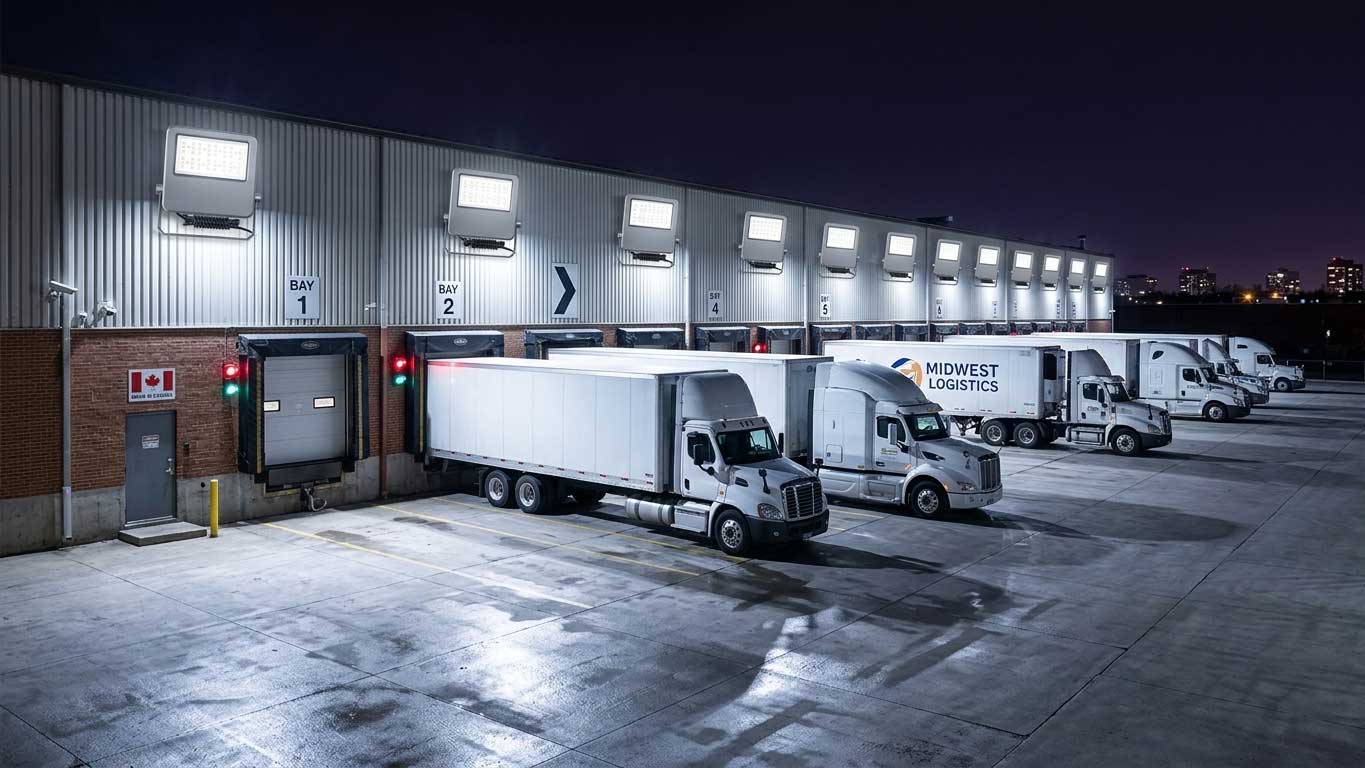
Here’s a practical brightness reference table.
| Wattage | Typical Lumens | Visual Effect at 5000K |
|---|---|---|
| 30W | 3,000–4,500 lm | small yard / doorway |
| 50W | 5,000–7,000 lm | driveway / garage |
| 100W | 10,000–15,000 lm | parking lot |
| 200W | 20,000–30,000 lm | industrial yard |
| 300W | 30,000+ lm | sports / large site |
The Department of Energy notes that LEDs use at least 75% less energy than incandescent alternatives while maintaining equal or better light quality.
That makes 5000K flood lights extremely popular in:
This is less about raw numbers and more about human vision.
The eye perceives cooler white light as more intense at night because it improves visual contrast.
Especially on:
I’ve personally seen customers reduce wattage after switching to 5000K because the site looked brighter without increasing energy consumption.
That’s a meaningful cost advantage.
A 100W 5000K fixture can often visually replace a warmer 120–150W equivalent outdoor fixture, depending on mounting height.
5000K is best when function matters more than atmosphere.
Best use cases:
For decorative residential lighting, many professionals still prefer 3000K–4000K.
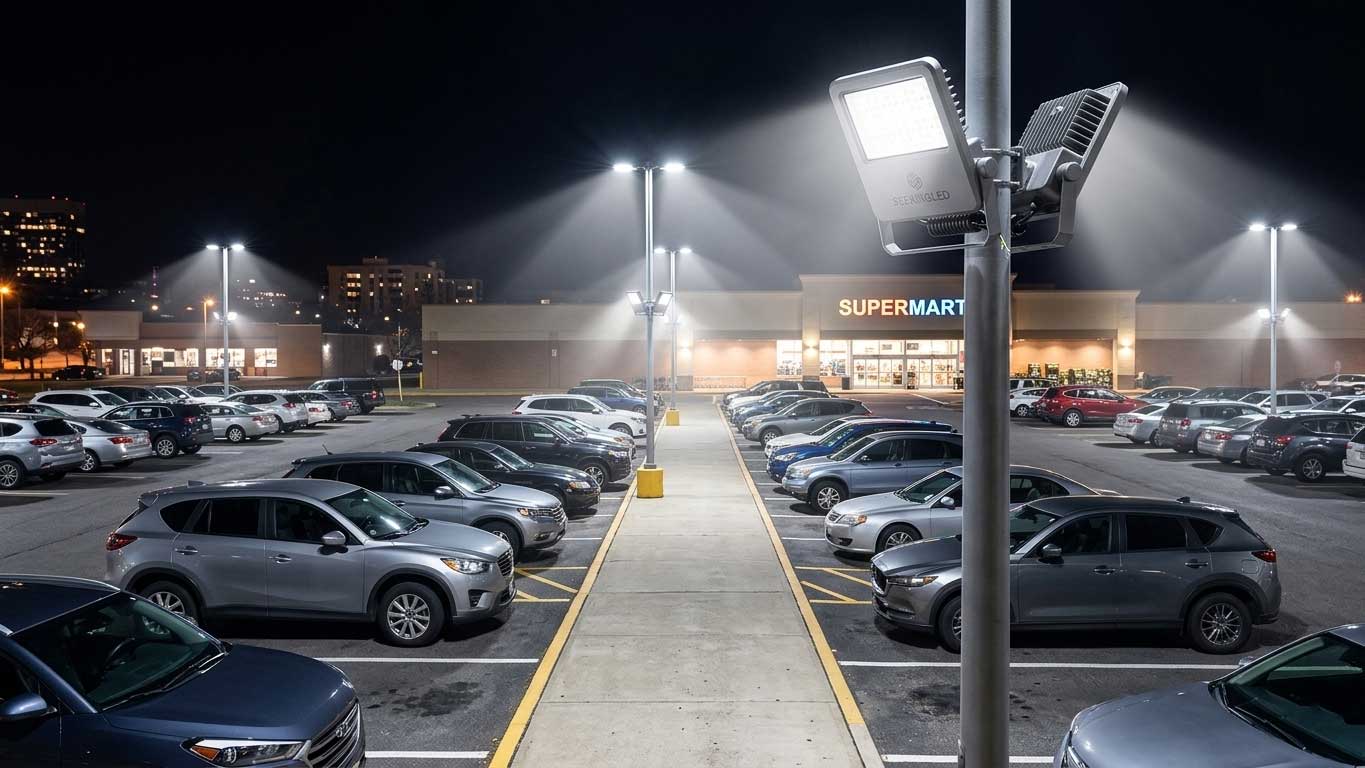
From a manufacturer’s and project-spec perspective, brightness complaints are rarely caused by Kelvin alone.
In my experience, issues usually come from:
A 5000K flood light with poor optics can still perform badly.
That’s why at SEEKINGLED we always evaluate:
—not just color temperature.
That’s the difference between catalog specs and real site performance.
Not necessarily. It is excellent for garages, driveways, and security lighting, but may feel too harsh for patios or garden ambiance.
No. Power consumption depends on wattage, not Kelvin.
Yes. For visibility and camera clarity, 5000K is generally the better choice.
A 5000K LED flood light looks very bright, crisp, and daylight-like, but true brightness depends on lumens.
For most outdoor applications, 5,000–15,000 lumens at 5000K provides excellent visibility, making it one of the best choices for security and commercial lighting.
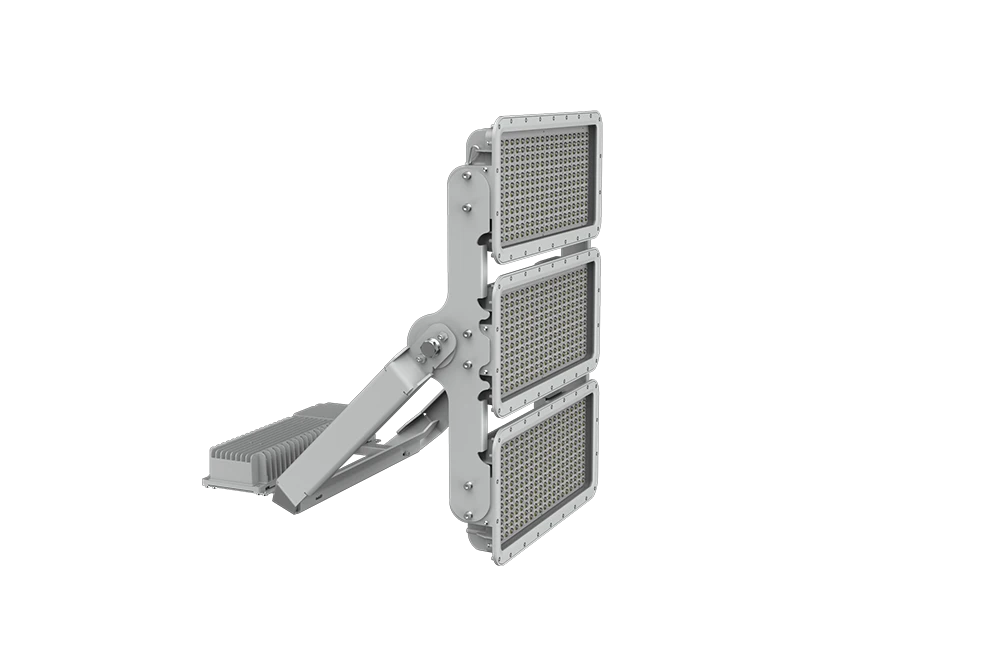
Sports Stadium LED Lighting by SEEKINGLED delivers high mast illumination, precise beam control, and EN 12193 compliant performance for professional venues.
View details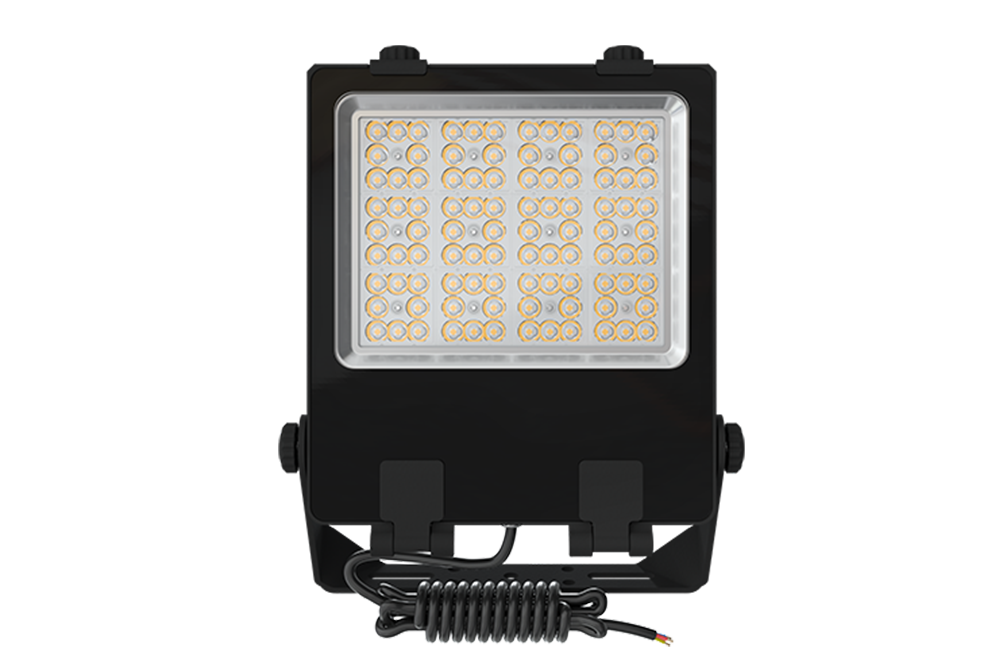
SEEKING FLX Series LED flood light outdoor for sports courts and open-area projects with 170lm/W efficiency, IP66 protection and multiple beam distributions. Designed for long-life commercial and public outdoor use.
View details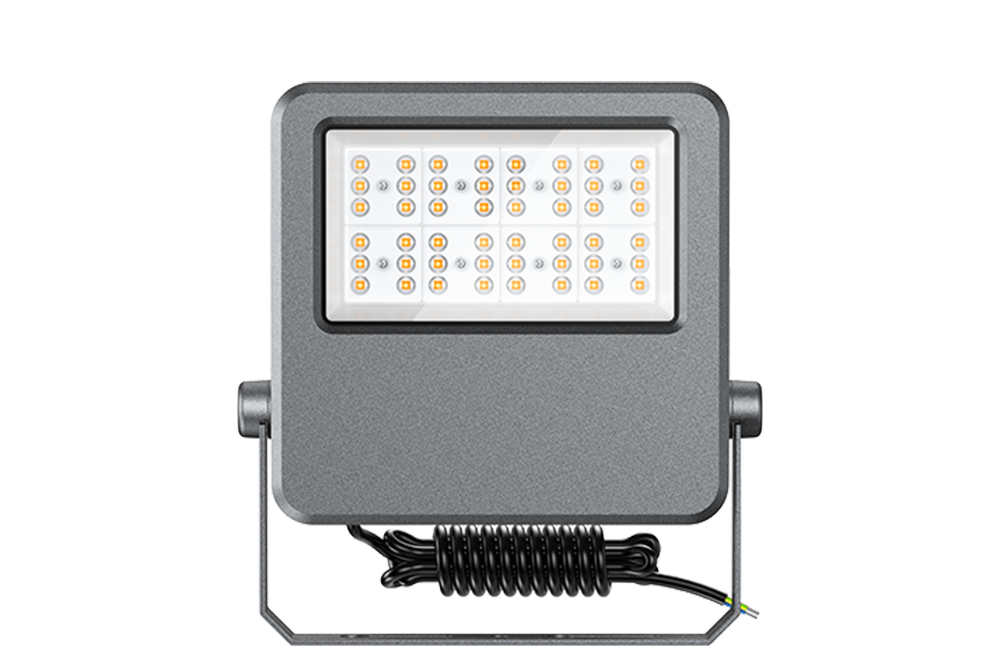
SEEKING FLE Series LED outdoor flood lights for sports grounds and open areas with multiple beam angles, IP66 protection and up to 170lm/W. Designed for long-life outdoor installations with professional driver options.
View details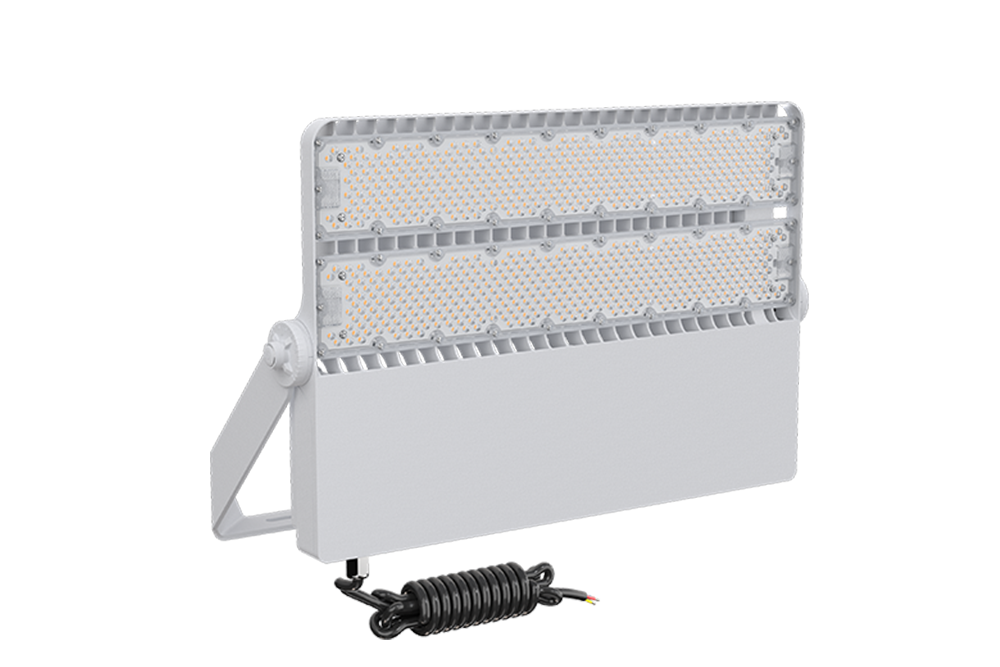
SEEKING FLD Series outdoor LED flood lights and high power led flood light deliver up to 960W with precision beam angles for sports fields, stadiums and large outdoor areas. IK08 & IP66 protection, 170lm/W efficiency and 100,000h lifetime.
View details
explosion-proof light engineered for Zone 1 & 2 hazardous areas with ATEX & IECEx certification. Practical safety insights and engineering from SEEKINGLED.
View details
SEEKING showcased advanced LED lighting solutions at the 2024 Hong Kong International Lighting Fair and Outdoor and Tech Light Expo, including new HLS linear trunking and HLD linear high bay, covering garden lights, flood lights, high bay, street ...
View details
Common LED high bay lighting mistakes cost money fast. Learn what goes wrong in real warehouses—and how to avoid glare, dark zones, and waste.
View details
Zone 1 LED floodlight solutions deliver certified safety, reliable performance, and powerful illumination for hazardous industrial environments and explosive gas zones.
View details