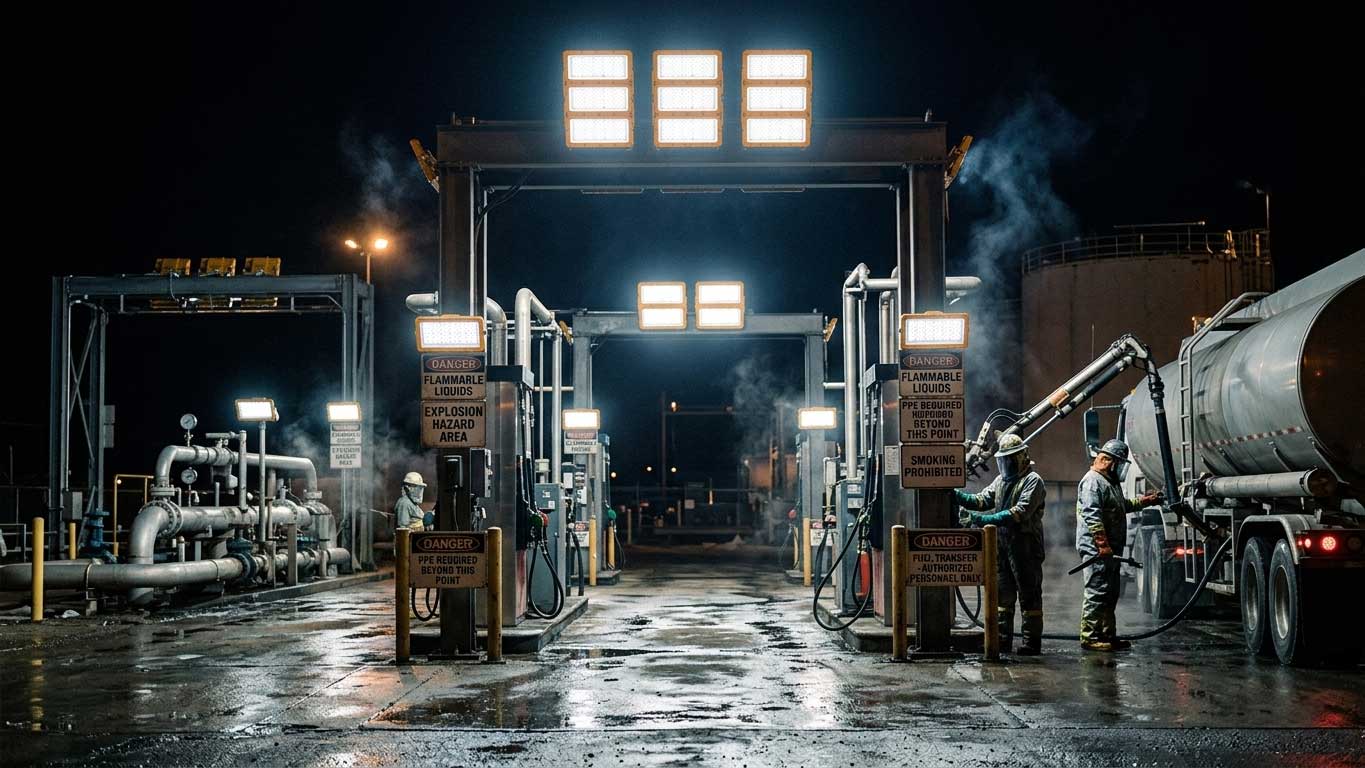
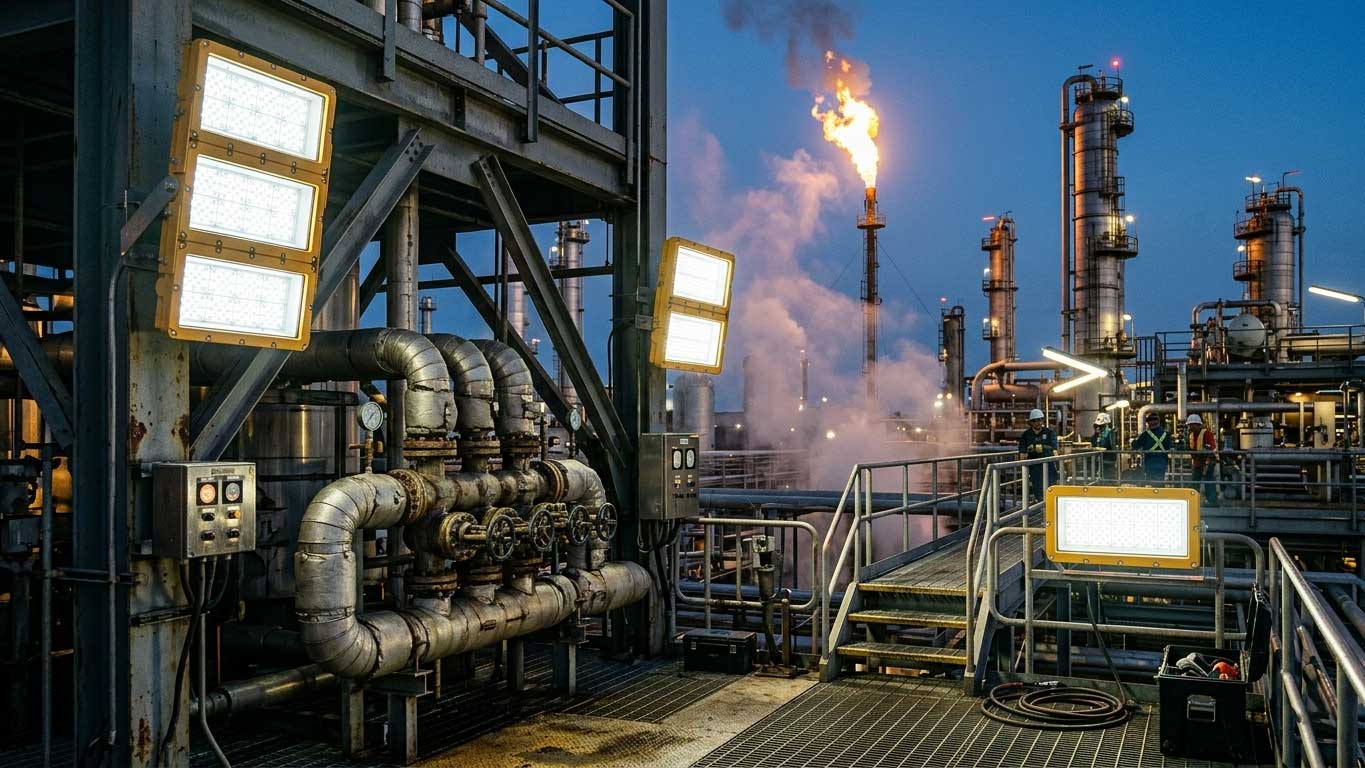
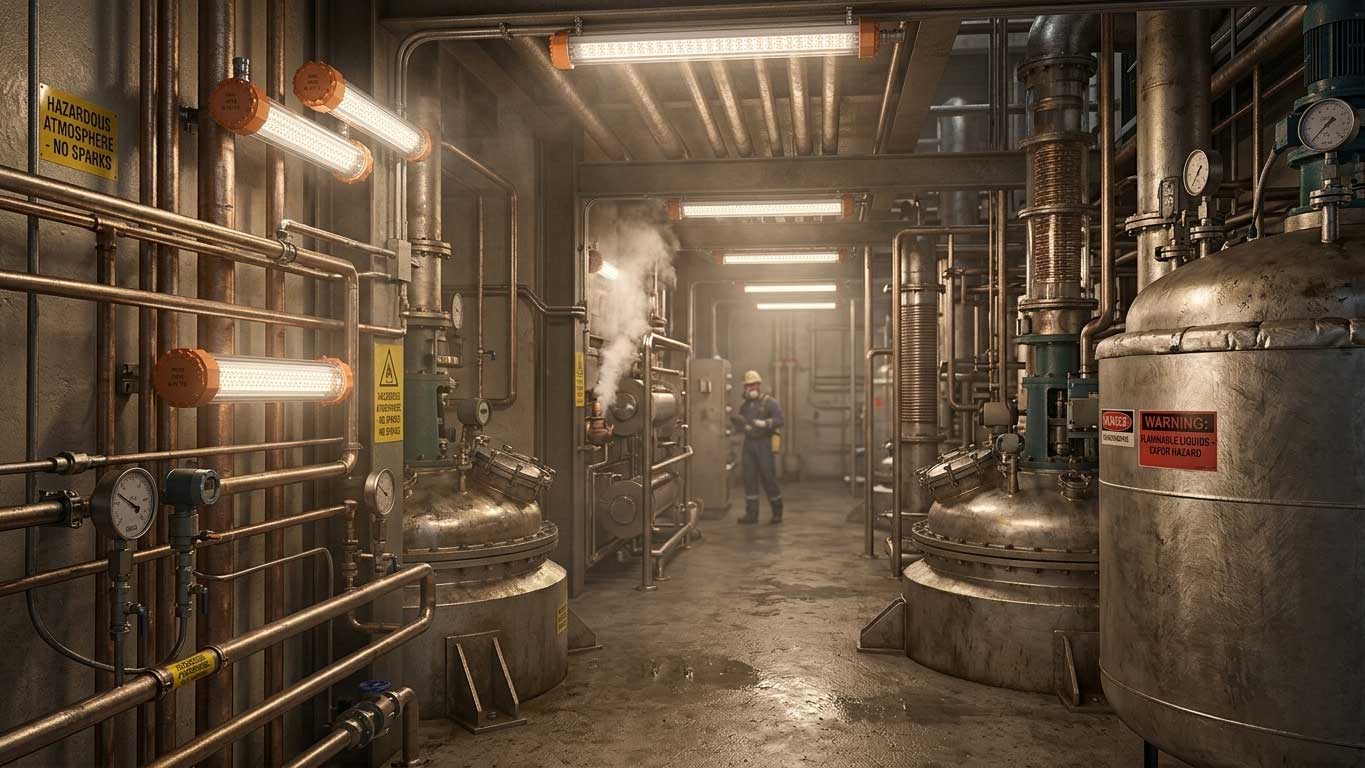
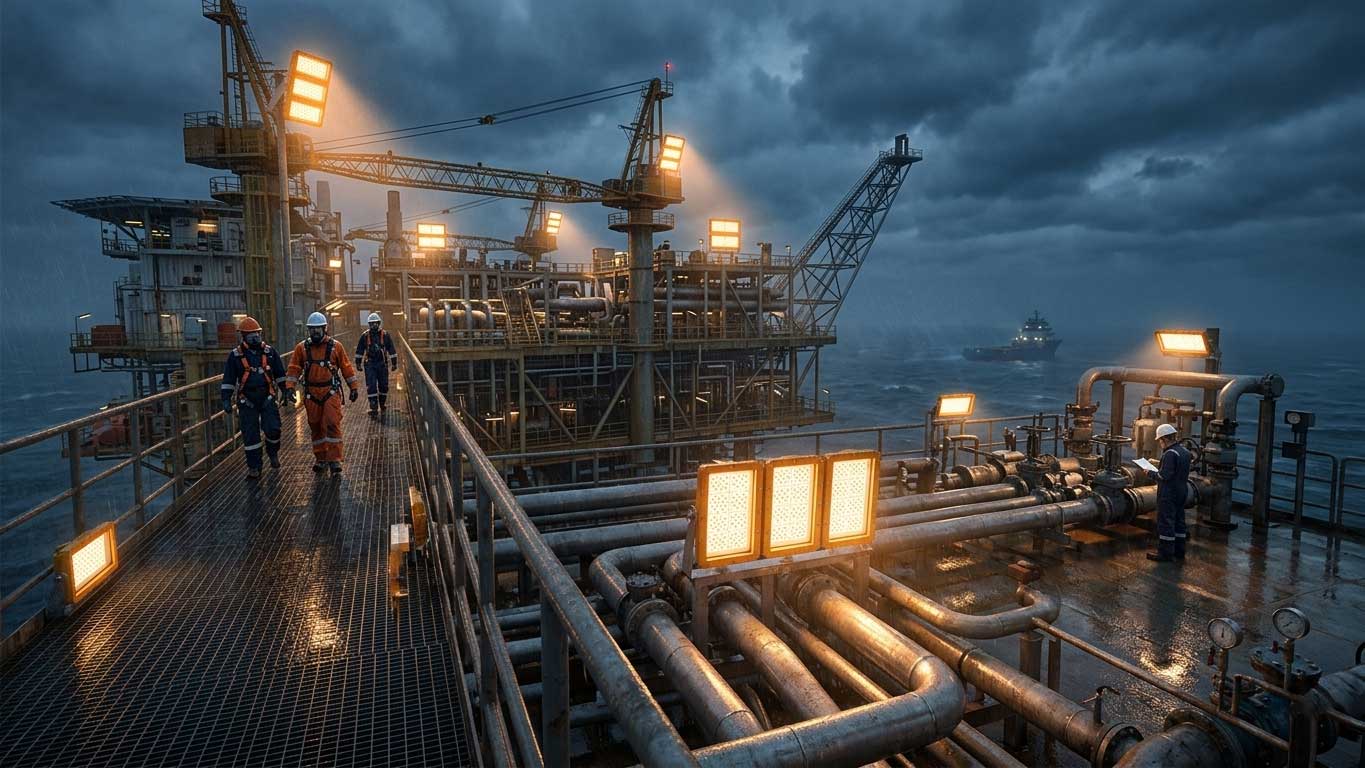
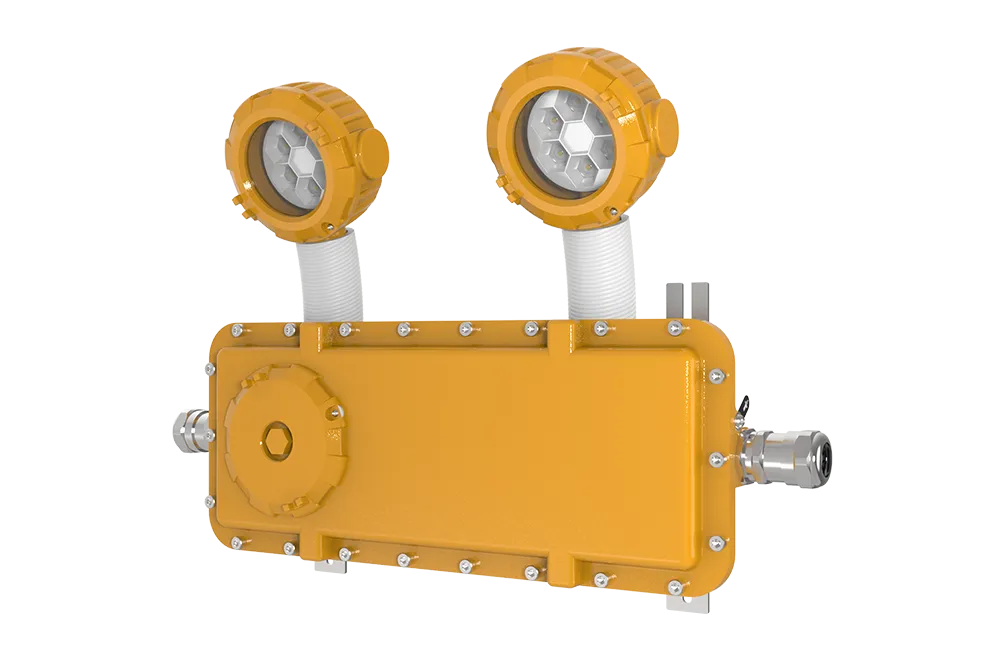
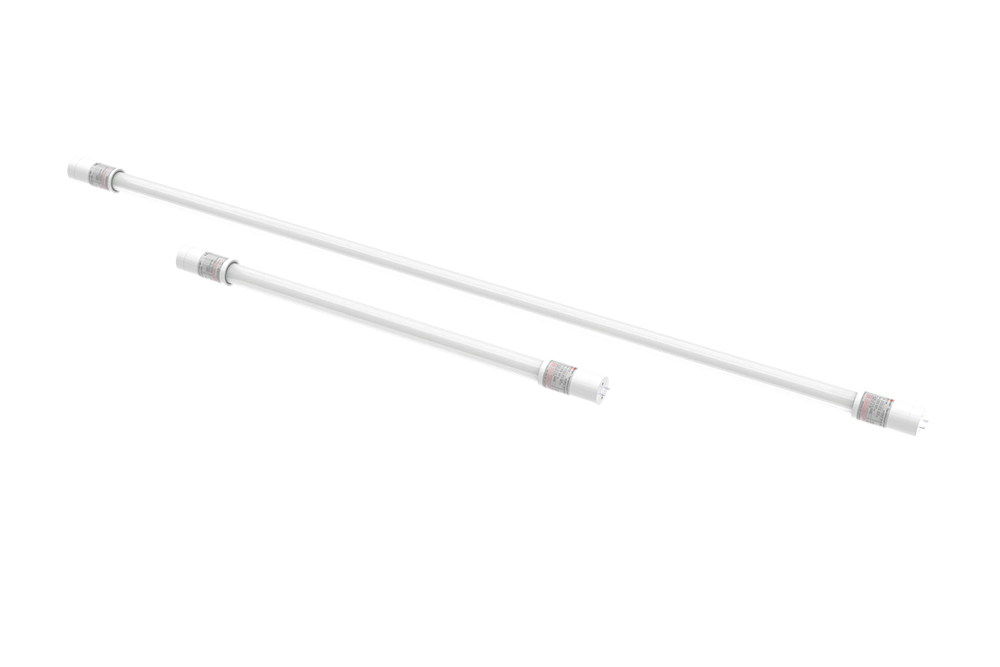
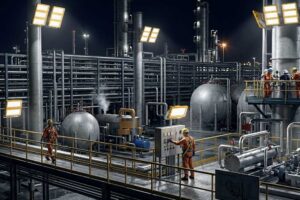
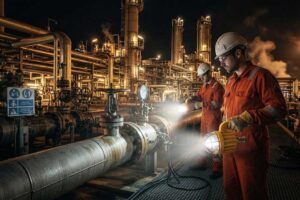
Explosion proof class 1 div 1 lighting is specifically engineered for hazardous industrial environments where flammable gases or vapors are present continuously or under normal operating conditions. These certified fixtures prevent internal sparks, heat, or electrical arcs from igniting the surrounding atmosphere, making them essential in oil refineries, chemical plants, fuel terminals, and offshore facilities.
A few years ago, I walked through a solvent recovery unit where every electrical enclosure carried a warning label. The air smelled faintly chemical even outdoors. A maintenance supervisor pointed at an old fixture hanging above a transfer pump and said quietly:
“One wrong fixture here isn’t just a failed light. It’s a possible ignition source.”
That sentence explains Class 1 Division 1 better than most catalogs ever will.
What Does Explosion Proof Class 1 Div 1 Actually Mean?
The terminology comes from hazardous location classifications defined in the National Electrical Code (NEC).
According to the National Fire Protection Association (NFPA), a Class 1 Division 1 environment contains:
Flammable gases
Combustible vapors
Ignitable volatile liquids
…under normal operating conditions or frequent maintenance situations.
The Occupational Safety and Health Administration (OSHA) also recognizes hazardous locations where explosive gas atmospheres may exist due to industrial operations.
In practical industrial terms, Class 1 Div 1 usually means:
Hazard exists regularly
Ignitable gases may be present during routine operation
Equipment failure could immediately create ignition risk
This is one of the most demanding industrial electrical environments.
Not every “industrial light” belongs there.
Why Explosion Proof Class 1 Div 1 Fixtures Are Built Differently
Containment Engineering
A true explosion proof Class 1 Div 1 fixture is designed to contain an internal ignition without allowing flame propagation into the surrounding atmosphere.
That affects:
Housing thickness
Thread tolerances
Cable entries
Lens retention systems
Thermal performance
This is not cosmetic engineering.
The fixture body itself becomes part of the protection system.
Many low-cost products visually imitate explosion proof fixtures. Internally, the difference becomes obvious:
Weak sealing
Poor machining
Inferior thermal dissipation
Unstable drivers
Corrosion-prone hardware
I once inspected a failed fixture removed from a petroleum loading area after only 18 months. Salt air had penetrated the enclosure through degraded sealing. Corrosion spread around the driver compartment. The fixture still illuminated intermittently.
But internally, it was already unsafe.
Heat Management Is Critical
One overlooked detail in hazardous lighting is surface temperature.
Traditional HID fixtures generate substantial heat. In volatile atmospheres, excessive surface temperature itself becomes dangerous.
According to the U.S. Department of Energy, LED systems reduce heat generation while significantly improving energy efficiency compared with legacy lighting technologies.
In Class 1 Div 1 environments, lower operating temperature contributes to:
Reduced ignition risk
Longer component lifespan
Improved driver stability
Lower maintenance frequency
That matters more than many procurement departments initially realize.
Industries That Commonly Require Explosion Proof Class 1 Div 1 Lighting
Oil Refineries
Refineries combine:
Flammable gas release
Continuous vibration
Heat exposure
Corrosive atmosphere
Lighting systems must survive years of abuse while maintaining certification integrity.
Common installation areas include:
Distillation units
Pump stations
Pipe racks
Tank farms
Loading terminals
At several refinery upgrades I’ve visited, maintenance engineers prioritized fixture reliability over initial purchase cost because replacing one failed light often required:
Work permits
Gas testing
Shutdown procedures
Elevated access systems
The maintenance logistics become expensive fast.
Chemical Manufacturing Plants
Chemical facilities introduce additional challenges:
Solvent vapor
Corrosive chemicals
Moisture exposure
Thermal cycling
This environment quickly exposes poor fixture quality.
Explosion proof Class 1 Div 1 refers to equipment certified for hazardous locations where flammable gases or vapors are present during normal operating conditions.
Where are Class 1 Div 1 fixtures commonly used?
They are widely used in oil refineries, offshore platforms, fuel transfer stations, chemical plants, and petrochemical processing facilities.
Can Class 1 Div 2 fixtures be used in Class 1 Div 1 areas?
No. Class 1 Div 2 fixtures are not designed for continuous hazardous gas exposure and generally do not meet Class 1 Div 1 safety requirements.
Do LED explosion proof fixtures reduce maintenance?
Yes. LED systems typically last longer and require fewer replacements than traditional HID hazardous-location fixtures.
What certifications are important for Class 1 Div 1 lighting?
Common certifications include UL844, ATEX, IECEx, and other hazardous-location approvals depending on regional requirements.
Conclusion
Explosion proof Class 1 Div 1 lighting exists because some industrial environments simply cannot tolerate ignition risk. In these facilities, lighting becomes part of the overall safety infrastructure — not just illumination equipment.
The difference between low-cost hazardous lighting and properly engineered Class 1 Div 1 fixtures usually appears slowly:
Heat
Corrosion
Moisture
Vibration
Continuous operation
Those conditions expose every weakness eventually.
And in hazardous locations, reliability is never theoretical.
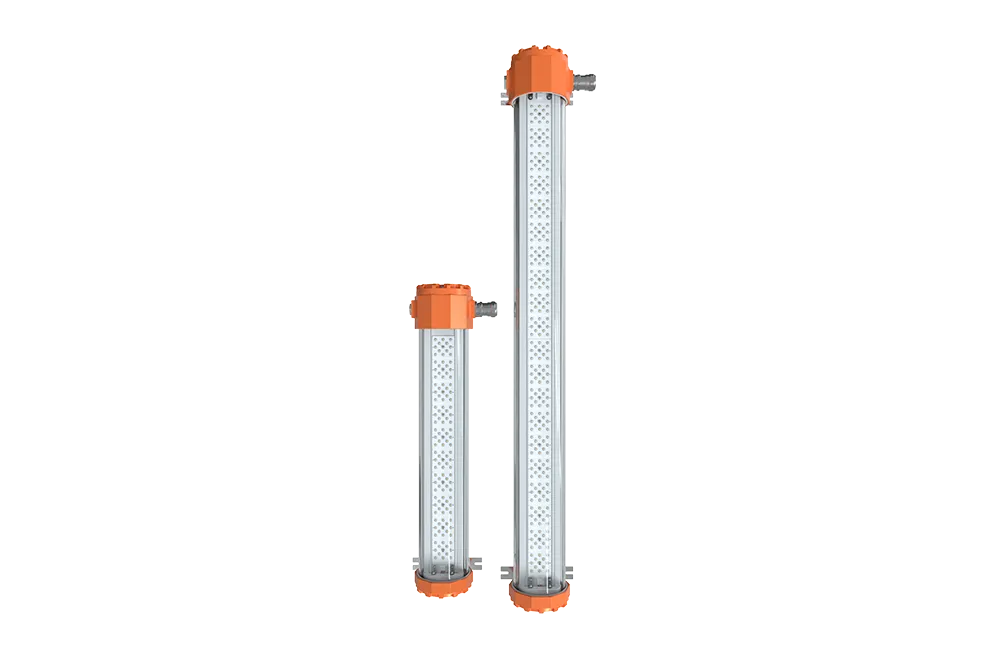
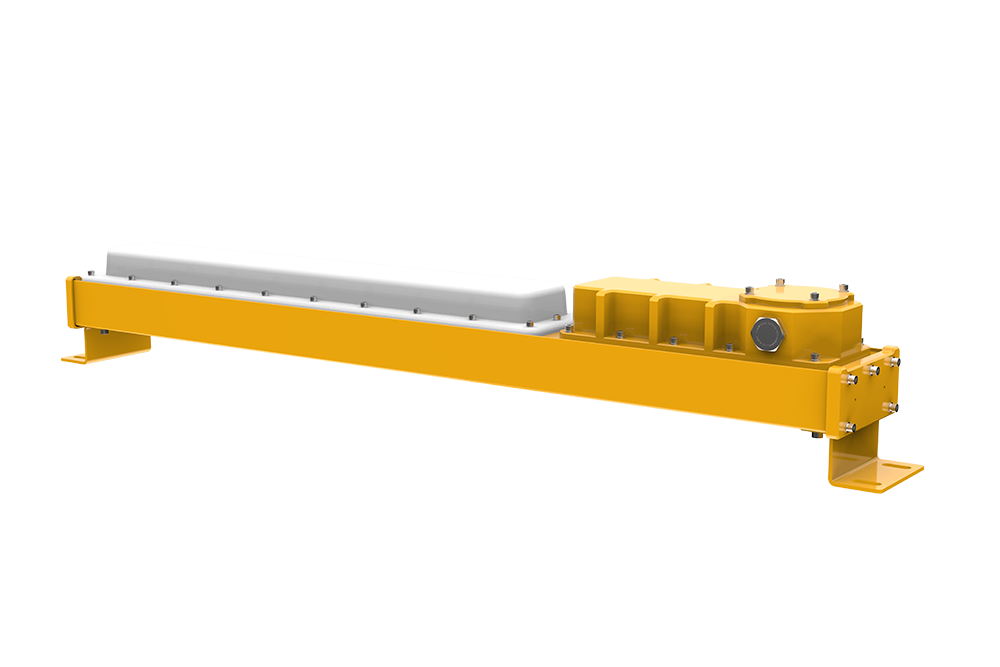
SEEKINGLED LED Linear Explosion Proof Light and Explosion Proof lighting is ATEX and IECEx certified for Zone 1, Zone 2, Zone 21 and Zone 22 hazardous locations, built for long-term industrial use.
LED Linear Explosion Proof Lights and EX Proof lights for Zone 1, Zone 2, Zone 21 and Zone 22 hazardous areas. ATEX & IECEx certified explosion proof LED linear lighting with emergency function, adjustable power and IP67 protection by SEEKINGLED.
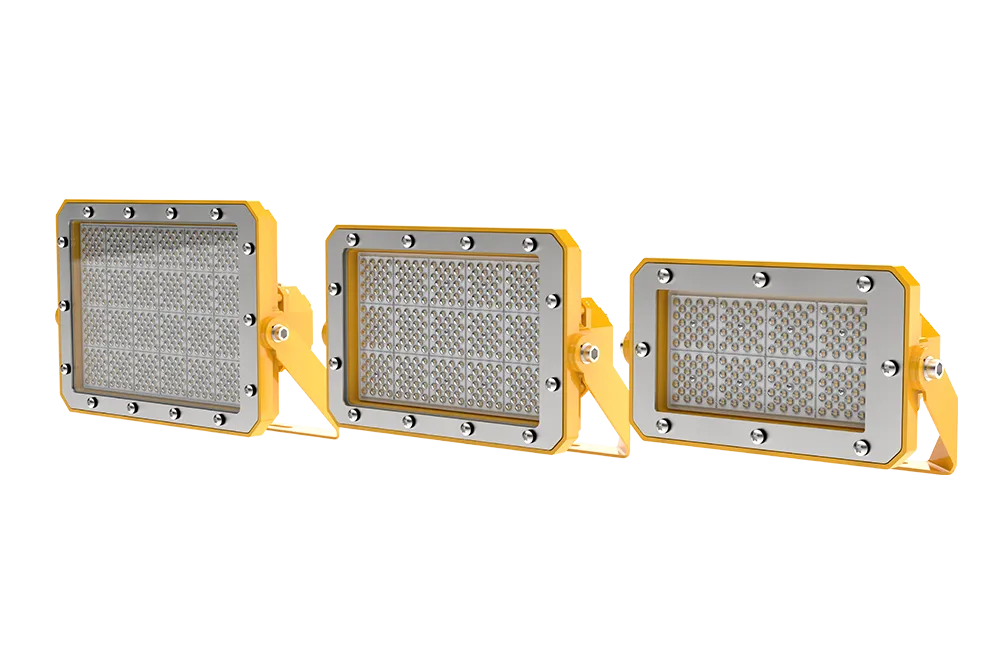
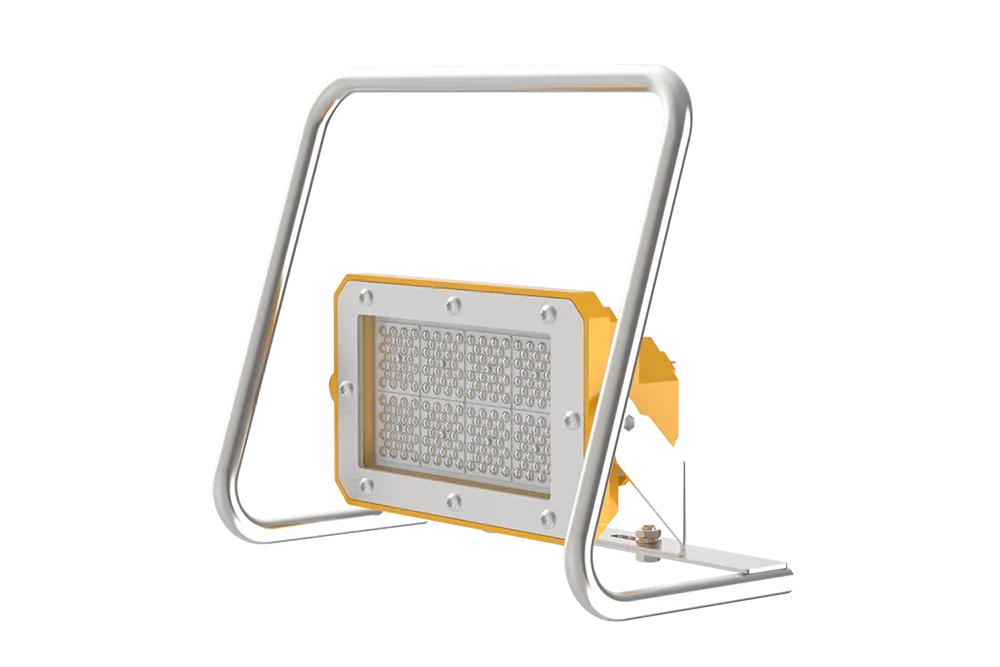
SEEKINGLED LED Explosion Proof Flood Lights are ATEX certified for Zone 2 and Zone 22 hazardous areas, offering high efficiency, adjustable power and integrated junction box.
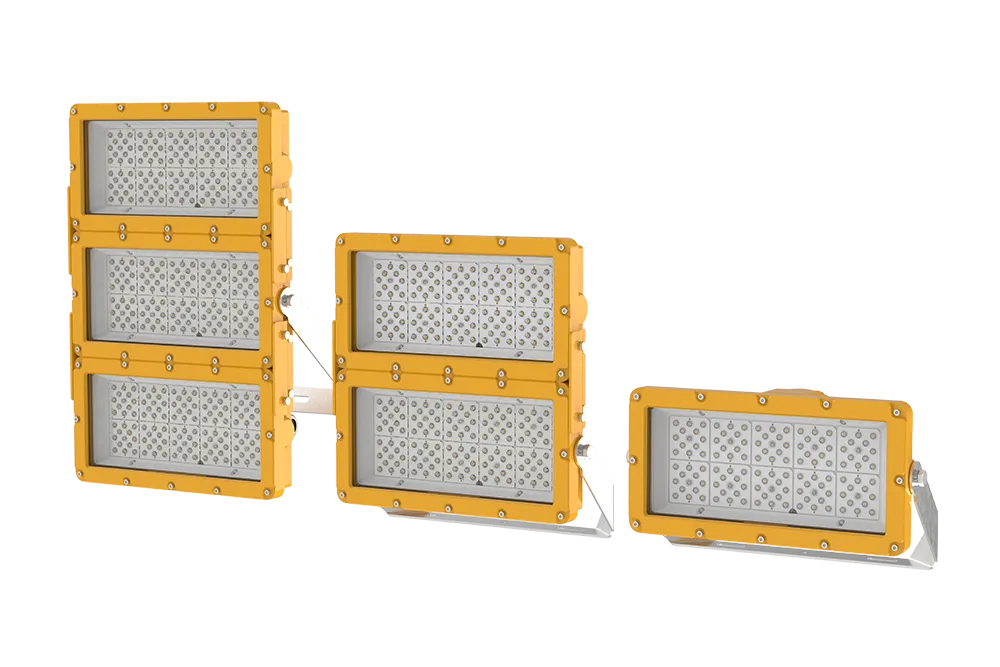
SEEKINGLED LED Explosion Proof Flood Lights are flameproof ATEX and IECEx certified for Zone 1 and Zone 2 hazardous areas, offering high power, adjustable output and long service life.
SEEKINGLED LED Gas Station Canopy Lights are ATEX certified for Zone 2 and Zone 22 hazardous areas, featuring adjustable power and built-in explosion-proof junction box.
ATEX: Ex II 2G Ex db IIB T6/T5 GbEx II 2D Ex tb IIIC T80°C/ T95°C Db IECEx Ex db IIB T6 Gb;Ex tb IIIC T80°C Db Feature: ● For Zone 1,2 and Zone 21,22● Flameproof type, the strongest● 100W can replace 250W HID,energy saving● Power:60W,80W,100W Application: Oil and gas, marine, Chemical, pharmaceutical, semiconductor,mining,military industr…
ATEX: II 3G Ex nR ⅡC T5/T6 GcII 3D Ex tc ⅢC T80℃/T95℃Dc ATEX Certificate NO: TÜV CY 26 ATEX 0207611 X Feature: ● For Zone 2 and Zone 22● 150W can replace 250W HID lamps,Energy saving● Power:50W,75W,100W,150W,200W Application: Oil and gas, marine, Chemical, pharmaceutical, semiconductor,mining,military industry, paint booth,power plant ETC…
LED explosion proof high bay lights are designed for Zone 1, Zone 2, Zone 21 and Zone 22 hazardous areas. This page introduces the HB21 Series from SEEKING, including certifications, power options and real application considerations.
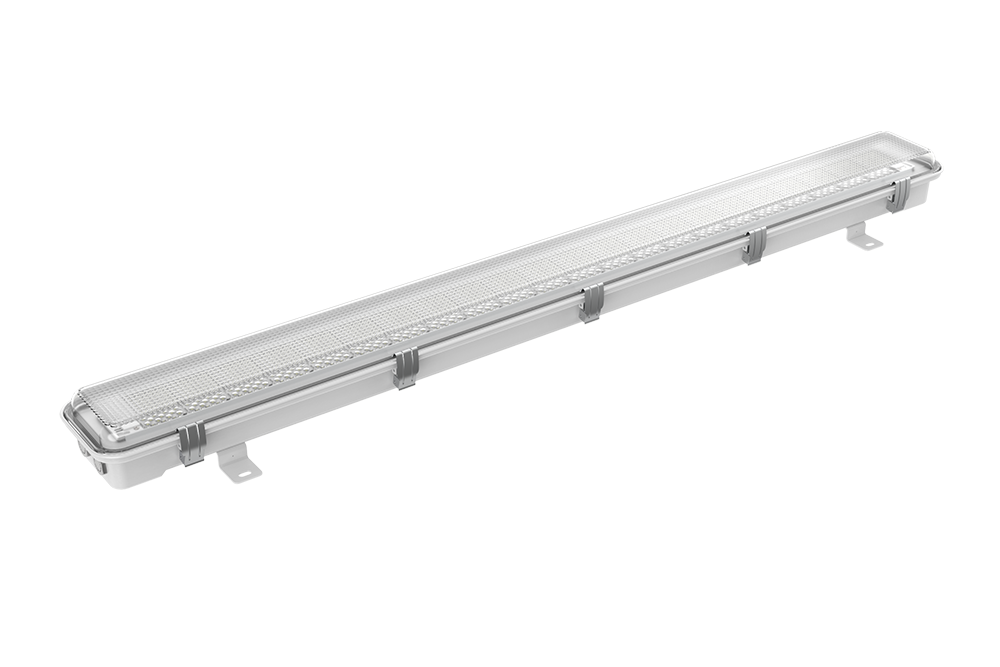
LED Linear Explosion Proof Lights from SEEKINGLED. LU Series Flame Proof lights ATEX-certified explosion proof LED linear lighting for Zone 2 gas and Zone 22 dust areas, IP69K, IK10, long lifetime and flexible power options.
Certified explosion proof work lights for Zone 1 & 21 hazardous areas. Portable, ATEX & IECEx approved, built for oil, gas and chemical plants by SEEKINGLED.
ATEX: II 3G Ex nR ⅡC T6 GcII 3D Ex tc ⅢC T80℃ Dc ATEX Certificate NO: TÜV CY 26 ATEX 0207611 X Feature: ● For Zone 2 and Zone 22● Accepts battery-powered supply● indestructible● Power:AC input:50W,75W,100WDC input:15W,25W,35W Application: Oil and gas, marine, Chemical, pharmaceutical, semiconductor,mining,military industry, paint booth,po…
ATEX: Ex II 2G Ex db IIB T6 GbEx II 2D Ex tb IIIC T80°C Db IECEx Ex db IIB T6 Gb;Ex tb IIIC T80°C Db Feature: ● For Zone 1,2 and Zone 21,22● Flameproof type, the strongest Application: Oil and gas, marine, Chemical, pharmaceutical, semiconductor,mining,military industry, paint booth,power plant ETC hazardous area. Technical Specifications:…
ATEX: Ex II 2G Ex db IIB T6 GbEx II 2D Ex tb IIIC T80°C Db IECEx Ex db IIB T6 Gb;Ex tb IIIC T80°C Db Feature: ● For Zone 1,2 and Zone 21,22● Flameproof type, the strongest Application: Oil and gas, marine, Chemical, pharmaceutical, semiconductor,mining,military industry, paint booth,power plant ETC hazardous area. Technical Specifications:…
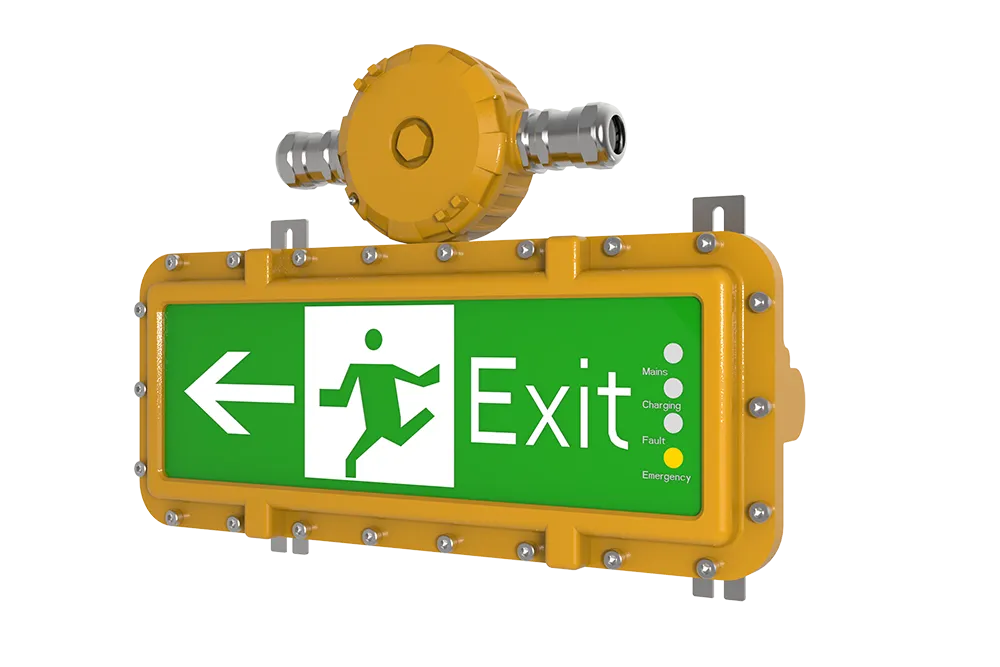
ATEX: Ex II 2G Ex d e IIB T6 Gb ATEX: Ex d e IIB T6 Gb; Feature: ● For Zone 1,2● 9W can replace 18W fluorescent lamps,50% Energy saving Application: Oil and gas, marine, Chemical, pharmaceutical, semiconductor,mining,military industry, paint booth,power plant ETC hazardous area. Technical Specifications: Standards:60079-0, 60079-1, 60079…
LED Canopy Lighting for Furniture Factory focuses on reducing maintenance pressure and improving working-area visibility. This case documents how GSL Series 100W LED canopy lights replaced 250W HPS lamps in a European furniture factory.
We're thrilled to announce that SEEKING LED has achieved prestigious international certifications for our explosion-proof LED lighting solutions! Our XJ-EX-D-LO Series Explosion-proof LED Linear Lights have been rigorously audited and approved und...
What is a Zone 1 LED floodlight? Learn how certified hazardous area floodlights safely illuminate explosive gas environments in refineries, chemical plants, and offshore facilities.
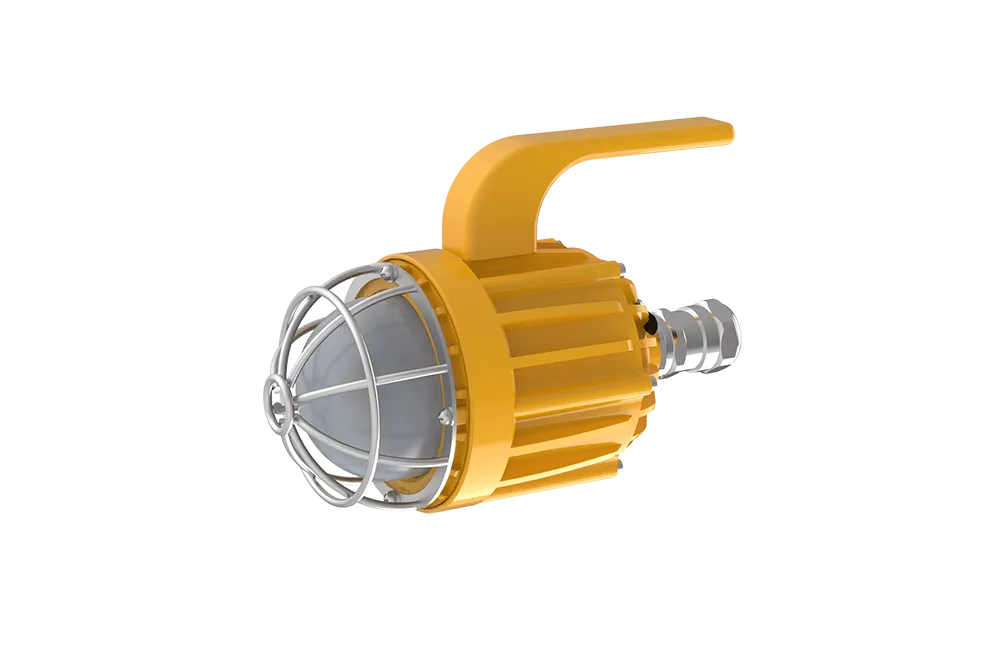
explosion-proof flashlights provide safe portable lighting for hazardous environments. Learn certifications, industrial applications, and field insights from SEEKINGLED.
 Seeking LED