 Seeking LED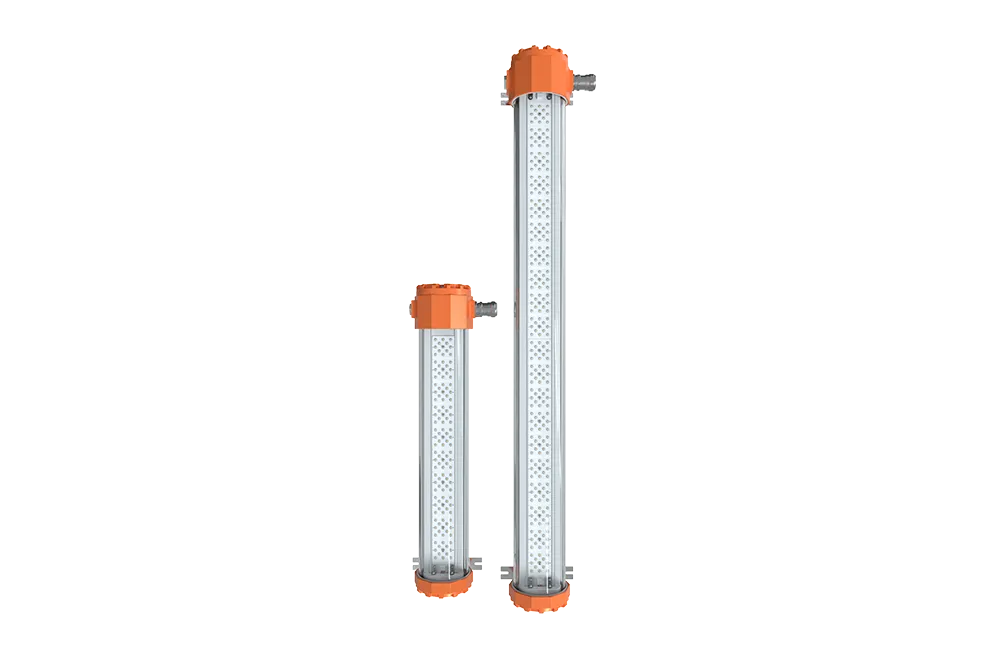

Why Do LED Street Lights Flicker?
255Why do LED street lights flicker at night? This official Q&A explains the most common reasons, from power issues to driver failure, and how cities usually solve the problem.
View detailsSearch the whole station
I have been involved in industrial lighting projects for over 13 years, including petrochemical plants, grain processing facilities, and offshore maintenance platforms. If there is one lesson experience teaches you quickly, it’s this: explosion proof LED light fixtures are not just about brightness — they are about controlled risk.
In hazardous environments, lighting is part of the safety system. Not decoration. Not convenience. A safety component.
According to the European Commission’s ATEX Workplace Directive (1999/92/EC), employers must prevent ignition sources in explosive atmospheres. Lighting equipment falls directly under that responsibility. Similarly, IEC 60079 standards outline strict requirements for equipment used in gas and dust hazardous zones.
This is where certified explosion proof LED light fixtures become essential.
In practical terms:
These are still dangerous environments. Grain dust, chemical vapor, fuel mist — they don’t announce themselves before ignition.
I’ve walked into a food processing facility after a minor dust ignition event. It wasn’t dramatic. But it was expensive. Lighting equipment was one of the first things inspected.
Explosion proof LED light fixtures must prevent arcs, sparks, or excessive surface temperatures that could ignite those atmospheres.
That’s not marketing language. That’s engineering reality.
True explosion proof LED light fixtures must comply with:
Markings such as:
These classifications define protection type, gas group, and maximum surface temperature.
Surface temperature matters more than people realize.
For example, methane (Group IIC gases) has an ignition temperature around 537°C, but many industrial vapors ignite at far lower thresholds. Dust layers can ignite at even lower temperatures if heat accumulates.
That’s why explosion proof LED light fixtures must control thermal output carefully.
Before LEDs, metal halide and high-pressure sodium dominated hazardous areas. They generated high operating temperatures and required frequent maintenance.
According to the U.S. Department of Energy Solid-State Lighting reports, LED systems can reduce energy consumption by 50–70% compared to traditional HID in industrial environments.
But more importantly for hazardous zones:
In Zone 2 and Zone 22, fewer maintenance interventions mean fewer risks.
I’ve seen explosion proof fixtures that were technically compliant but impossible to install efficiently.
Heavy housings. Separate junction boxes. Complex sealing steps.
The SEEKINGLED FL9 series approaches this differently.
This matters more than it sounds.
Traditional explosion proof LED light fixtures often require external junction boxes. More components mean:
An integrated terminal box simplifies installation and reduces site errors.
In elevated installations — refinery pipe racks, for example — reducing wiring steps saves time and improves safety.
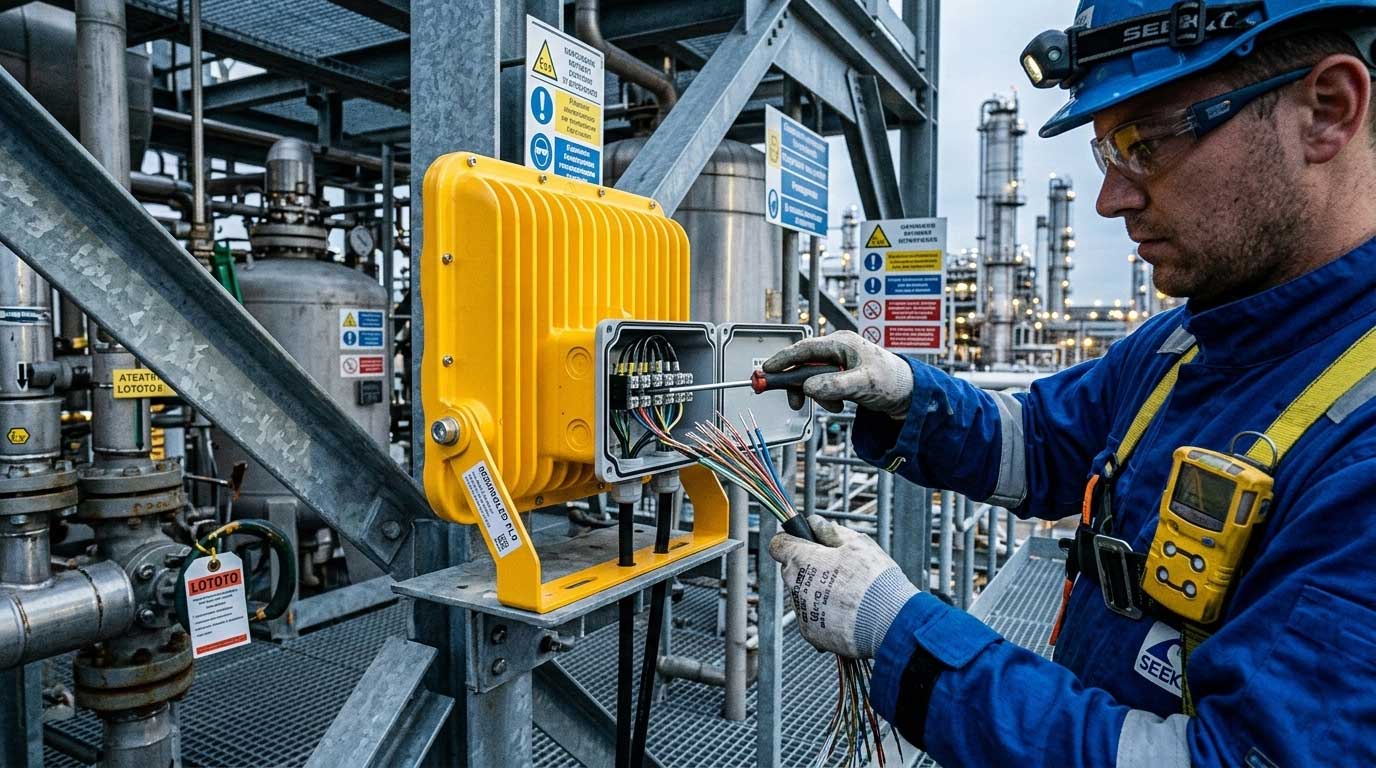
Explosion proof LED light fixtures are usually fixed-output. But real facilities change.
The FL9 series supports internal DIP power adjustment (60W–200W range depending on model). This reduces SKU complexity and allows fine tuning based on layout.
Smart features matter too:
In oil & gas or chemical storage facilities, dimming during low-activity hours reduces energy costs without compromising safety compliance.
Dust and vibration are constant in hazardous industries.
IP66 ensures protection against powerful water jets and dust ingress.
IK10 indicates strong mechanical impact resistance.
According to IEC 62262 impact rating standards, IK10 withstands 20 joules of impact energy. In environments with heavy equipment movement, that rating prevents structural compromise.
Add L80B20 >100,000 hours at 25°C, and you’re looking at long-term operational reliability.
Not theoretical. Practical.
Operating range of -20°C to +55°C covers most industrial climates. But more importantly, explosion proof LED light fixtures must prevent excessive surface temperatures.
The FL9 series maintains controlled thermal behavior through aluminum housing and optimized heat dissipation — essential for T5/T6 classification compliance.
Thermal management is the quiet factor behind safe hazardous lighting.
If you are specifying explosion proof LED light fixtures for Zone 2 or Zone 22, focus on:
Brightness is easy to sell. Safety is harder to engineer.
SEEKINGLED’s FL9 explosion proof LED light fixtures are designed with real industrial environments in mind — not just laboratory certification tests.
In hazardous areas, lighting is part of your risk control system.
Choose equipment that understands that responsibility.
And that is exactly what professional explosion proof LED light fixtures are built to do.
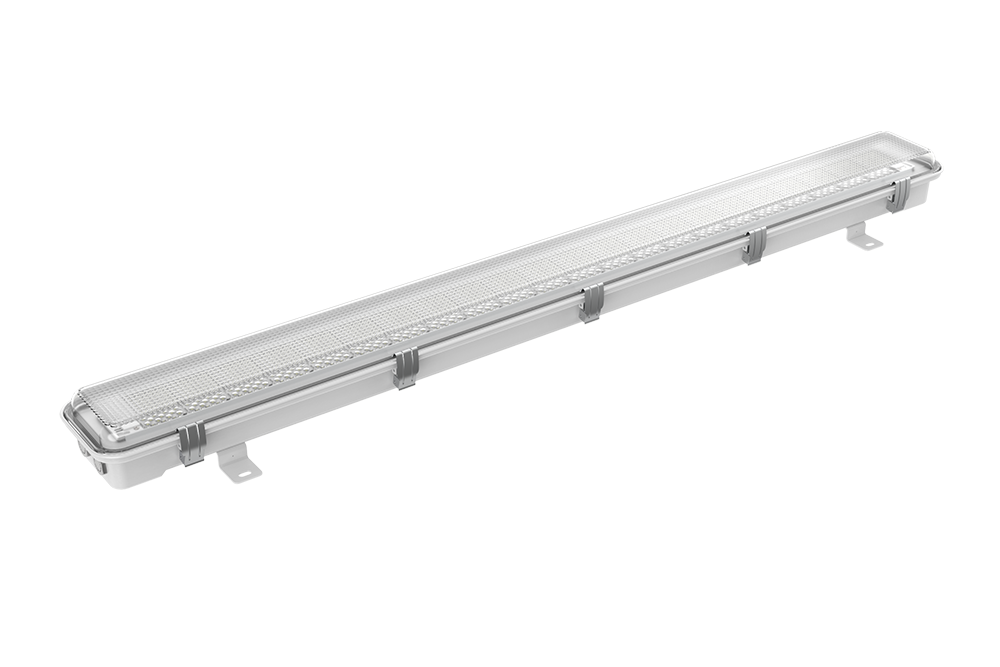
SEEKINGLED LED Linear Explosion Proof Light and Explosion Proof lighting is ATEX and IECEx certified for Zone 1, Zone 2, Zone 21 and Zone 22 hazardous locations, built for long-term industrial use.
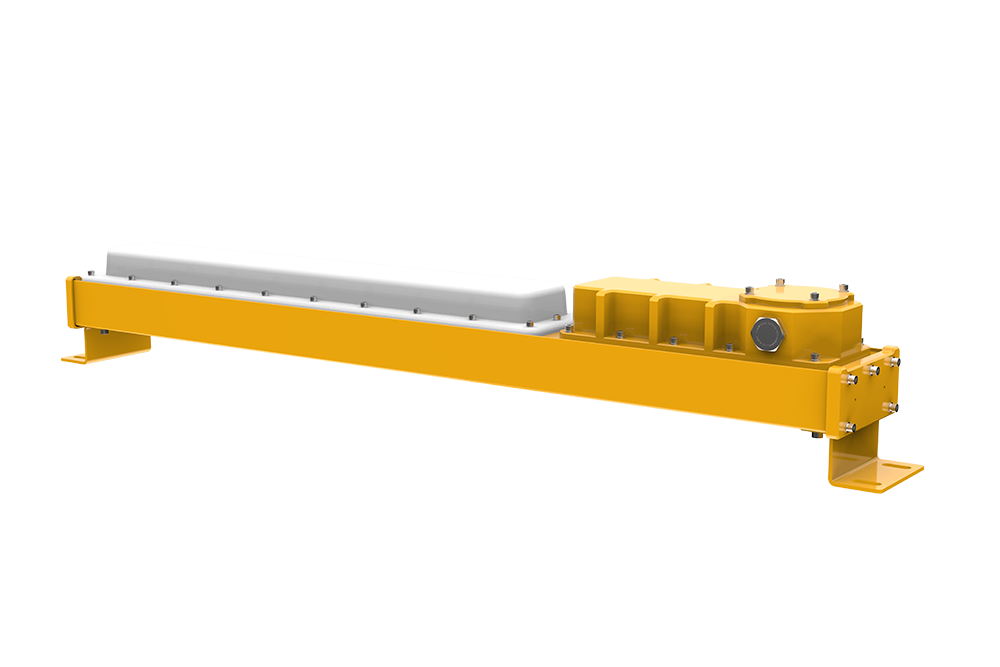
LED Linear Explosion Proof Lights and EX Proof lights for Zone 1, Zone 2, Zone 21 and Zone 22 hazardous areas. ATEX & IECEx certified explosion proof LED linear lighting with emergency function, adjustable power and IP67 protection by SEEKINGLED.
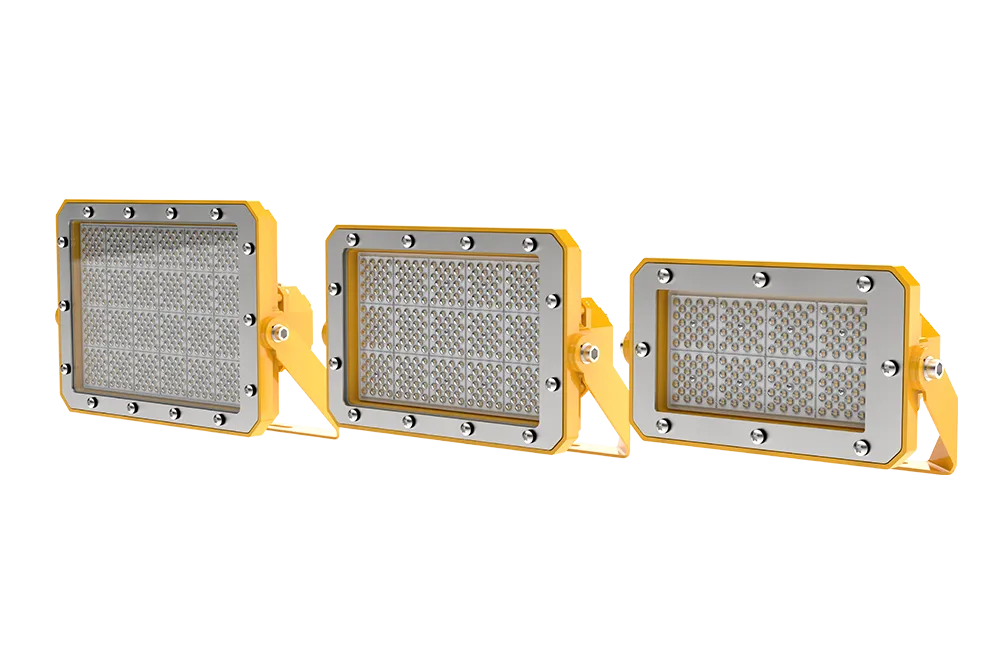
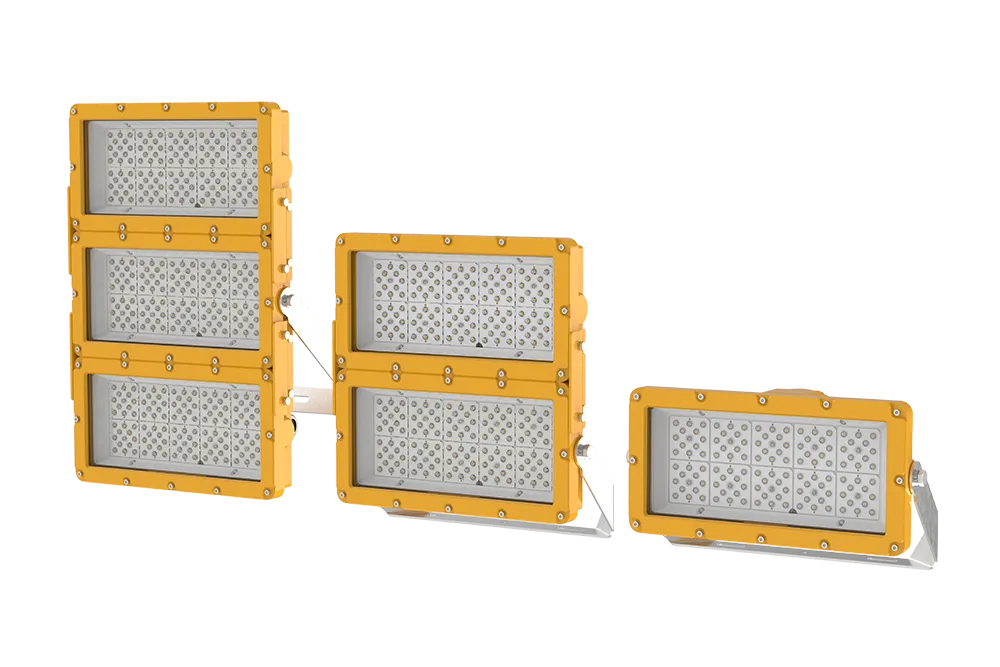
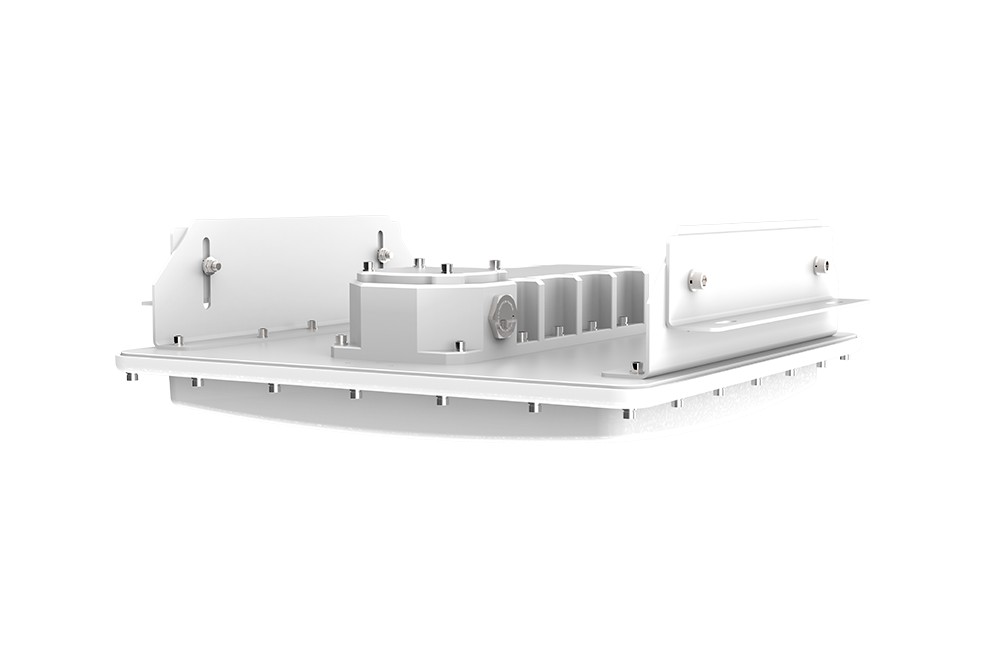
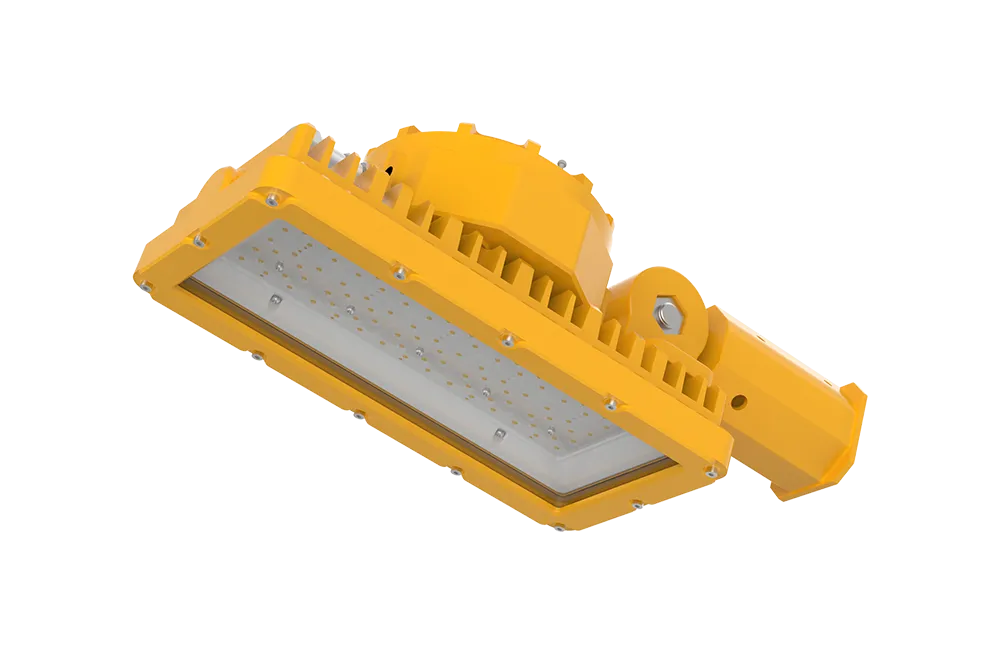
SEEKINGLED LED Explosion Proof Flood Lights are ATEX certified for Zone 2 and Zone 22 hazardous areas, offering high efficiency, adjustable power and integrated junction box.
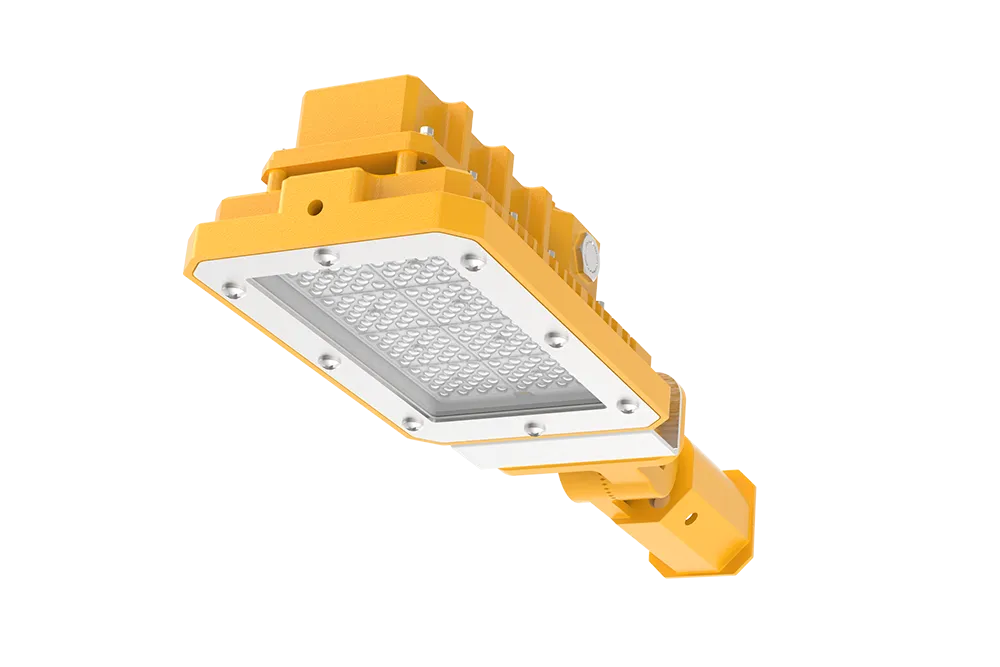
SEEKINGLED LED Explosion Proof Flood Lights are flameproof ATEX and IECEx certified for Zone 1 and Zone 2 hazardous areas, offering high power, adjustable output and long service life.
SEEKINGLED LED Gas Station Canopy Lights are ATEX certified for Zone 2 and Zone 22 hazardous areas, featuring adjustable power and built-in explosion-proof junction box.
ATEX: Ex II 2G Ex db IIB T6/T5 GbEx II 2D Ex tb IIIC T80°C/ T95°C Db IECEx Ex db IIB T6 Gb;Ex tb IIIC T80°C Db Feature: ● For Zone 1,2 and Zone 21,22● Flameproof type, the strongest● 100W can replace 250W HID,energy saving● Power:60W,80W,10…
ATEX: II 3G Ex nR ⅡC T5/T6 GcII 3D Ex tc ⅢC T80℃/T95℃Dc ATEX Certificate NO: TÜV CY 26 ATEX 0207611 X Feature: ● For Zone 2 and Zone 22● 150W can replace 250W HID lamps,Energy saving● Power:50W,75W,100W,150W,200W Application: Oil and gas, m…
LED explosion proof high bay lights are designed for Zone 1, Zone 2, Zone 21 and Zone 22 hazardous areas. This page introduces the HB21 Series from SEEKING, including certifications, power options and real application considerations.
LED Linear Explosion Proof Lights from SEEKINGLED. LU Series Flame Proof lights ATEX-certified explosion proof LED linear lighting for Zone 2 gas and Zone 22 dust areas, IP69K, IK10, long lifetime and flexible power options.
Certified explosion proof work lights for Zone 1 & 21 hazardous areas. Portable, ATEX & IECEx approved, built for oil, gas and chemical plants by SEEKINGLED.
ATEX: II 3G Ex nR ⅡC T6 GcII 3D Ex tc ⅢC T80℃ Dc ATEX Certificate NO: TÜV CY 26 ATEX 0207611 X Feature: ● For Zone 2 and Zone 22● Accepts battery-powered supply● indestructible● Power:AC input:50W,75W,100WDC input:15W,25W,35W Application: O…
ATEX: Ex II 2G Ex db IIB T6 GbEx II 2D Ex tb IIIC T80°C Db IECEx Ex db IIB T6 Gb;Ex tb IIIC T80°C Db Feature: ● For Zone 1,2 and Zone 21,22● Flameproof type, the strongest Application: Oil and gas, marine, Chemical, pharmaceutical, semicondu…
ATEX: Ex II 2G Ex db IIB T6 GbEx II 2D Ex tb IIIC T80°C Db IECEx Ex db IIB T6 Gb;Ex tb IIIC T80°C Db Feature: ● For Zone 1,2 and Zone 21,22● Flameproof type, the strongest Application: Oil and gas, marine, Chemical, pharmaceutical, semicondu…
ATEX: Ex II 2G Ex d e IIB T6 Gb ATEX: Ex d e IIB T6 Gb; Feature: ● For Zone 1,2● 9W can replace 18W fluorescent lamps,50% Energy saving Application: Oil and gas, marine, Chemical, pharmaceutical, semiconductor,mining,military industry, pain…
loading…
This is the last post!
Why do LED street lights flicker at night? This official Q&A explains the most common reasons, from power issues to driver failure, and how cities usually solve the problem.
View details
Customized ex proof LED flood light engineered for Zone 1 & 2 hazardous areas. Reliable, certified and tailored by SEEKINGLED for demanding sites.
View details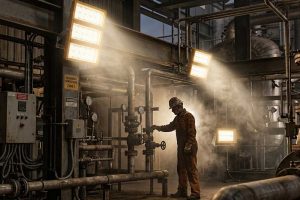
What are explosion proof lights cast from? Learn the real materials—aluminum alloys, stainless steel, tempered glass—and how they ensure safety in hazardous environments.
View details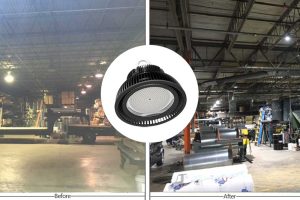
LED High Bay Replacement for 400W Metal Halide was carried out in Germany using XJ-HBG150W. This project record documents how 192 MH fixtures were replaced by 72 LED high bays through a new lighting calculation.
View details