 Seeking LED
Are LED Street Light Wires Safe to Touch?
235Are LED street light wires safe to touch during installation or maintenance? Learn the real risks, voltage facts, and safe handling practices.
View detailsSearch the whole station
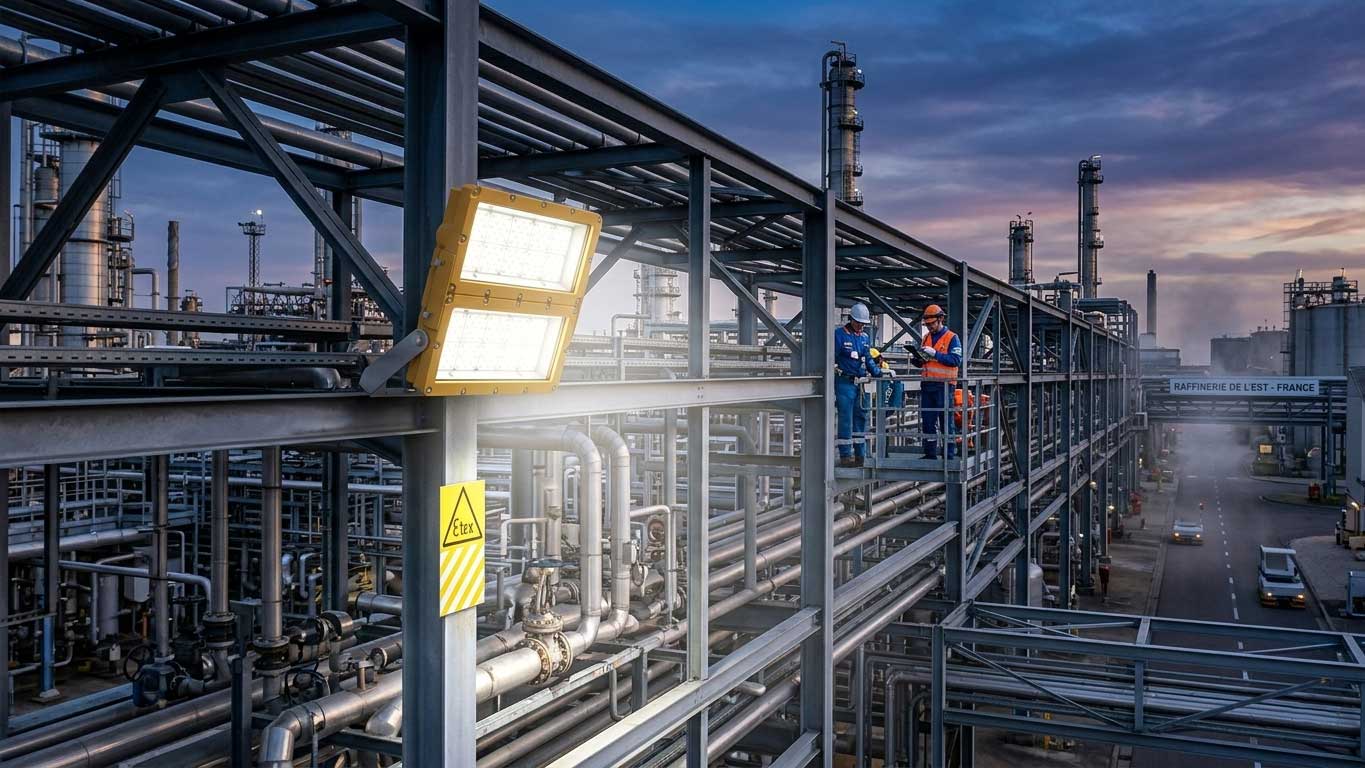
ATEX flood light is a certified explosion-protected luminaire designed for hazardous locations where flammable gas, vapor, or combustible dust may be present. It provides safe, powerful illumination while preventing ignition risks. For refineries, chemical plants, marine terminals, and grain facilities, it is the correct lighting standard—not an optional upgrade.
I’ll state that directly because I’ve inspected sites where temporary non-certified lights were still hanging six months later. In hazardous zones, shortcuts have a way of becoming permanent.
After years working with industrial LED lighting projects across petrochemical plants, coastal docks, processing facilities, and dust-risk warehouses, one pattern is constant: buyers focus on watts first, then regret it later. Certification, thermal stability, sealing, optics, and maintenance access matter more.
ATEX refers to European directives regulating equipment used in explosive atmospheres.
A compliant atex flood light is tested and certified for environments where combustible substances could ignite.
Common classifications include:
These standards are widely used across Europe, the Middle East, Africa, and international EPC projects.
That means a normal outdoor floodlight is not a substitute.
I’ve seen ordinary LED floodlights installed near solvent storage areas because they were “only temporary.”
They looked acceptable from a distance. Up close:
No accident occurred. That still does not make it safe.
Hazardous area fixtures must control:
That is why proper atex led flood light products are engineered differently.
Do not rely on marketing phrases like “explosion-proof style.”
You need real documentation showing:
If a supplier delays documents, treat it as a warning sign.
Heat quietly destroys weak fixtures.
In one port retrofit, two brands with similar wattage were tested side by side. One housing ran 14°C hotter after 90 minutes. Same lumen claim. Very different thermal reality.
Reliable hazardous area flood light products typically use:
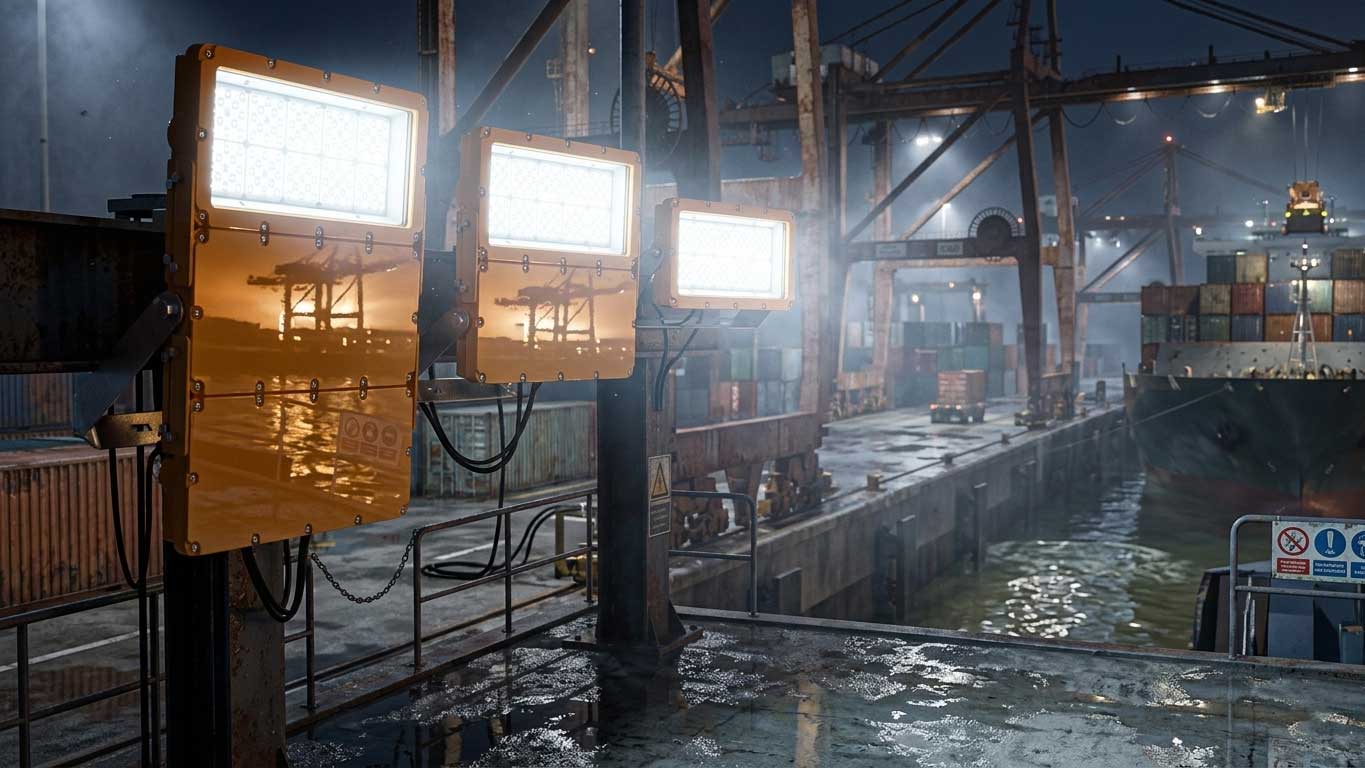
For marine or chemical environments, IP66/IP67 plus anti-corrosion coating is common.
Salt air exposes weak paint systems quickly.
Lumen numbers alone mislead buyers.
Choose beam angles by task:
A well-aimed 100W fixture often outperforms a badly aimed 200W unit.
| Industry | Common Risk | Recommended Use |
|---|---|---|
| Oil & Gas | Hydrocarbon vapor | Tank farms, loading bays, pipe racks |
| Chemical Plants | Solvents / reactive gas | Outdoor process areas |
| Food & Grain | Combustible dust | Silos, conveyors, mills |
| Marine | Salt corrosion + fuel vapor | Docks, engine service zones |
| Mining | Dust / harsh vibration | Surface facilities |
Use lux targets, not guesswork.
Typical lighting targets:
A proper lighting plan often reduces fixture quantity by 10–25%.
I’ve seen sites request 200W everywhere when 100W with correct optics was enough.
At one batching plant, fixtures near vibrating motors failed every year.
Not because of water.
Internal components loosened gradually from vibration.
After switching to reinforced brackets and improved driver fixation, failures dropped sharply.
If your site has crushers, pumps, engines, or conveyors—ask about vibration resistance.
SEEKINGLED focuses on industrial and hazardous LED lighting where uptime matters.
Project teams often value:
The product matters. Support matters too.
The cheapest quote often becomes the expensive one.
If the area is classified hazardous under applicable regulations, certified equipment is typically required.
ATEX is the EU framework. IECEx is an international certification system.
Quality LED units often target 50,000+ hours, depending on ambient heat and driver quality.
Do not assume so. Zone suitability must be certified.
When people ask me for the best atex flood light, I ask one question first:
What can fail at your site over five years?
That’s the real buying horizon.
Not day-one brightness.
Not brochure wattage.
Not the cheapest quotation.
Choose the fixture that still seals, cools, resists corrosion, and passes inspection years later.
That usually becomes the better investment.
And yes—the right atex flood light pays for itself quietly.
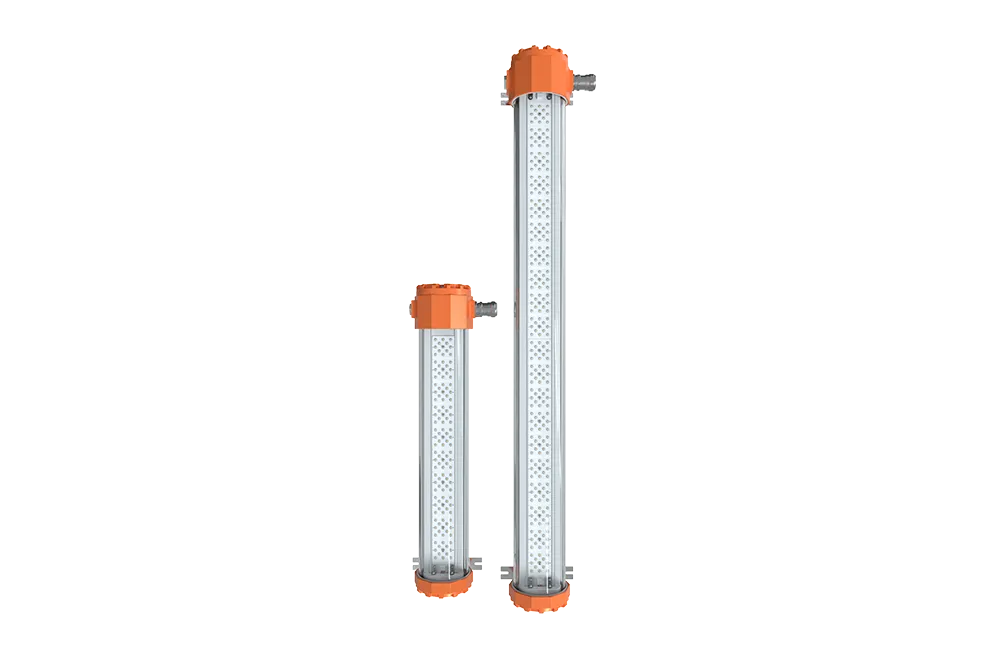
SEEKINGLED LED Linear Explosion Proof Light and Explosion Proof lighting is ATEX and IECEx certified for Zone 1, Zone 2, Zone 21 and Zone 22 hazardous locations, built for long-term industrial use.
View details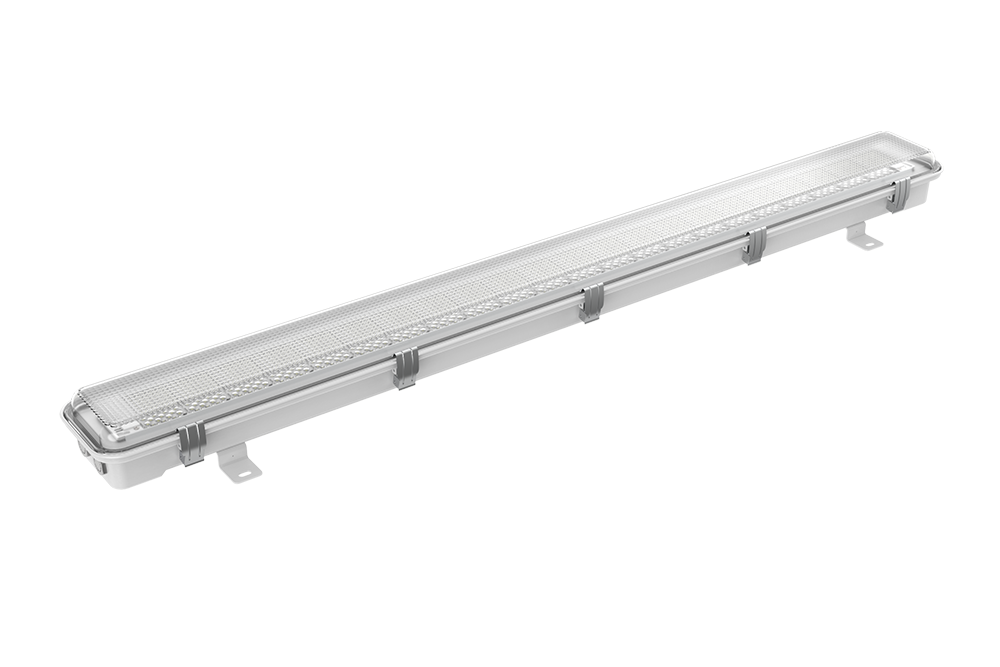
LED Linear Explosion Proof Lights and EX Proof lights for Zone 1, Zone 2, Zone 21 and Zone 22 hazardous areas. ATEX & IECEx certified explosion proof LED linear lighting with emergency function, adjustable power and IP67 protection by SEEKINGLED.
View details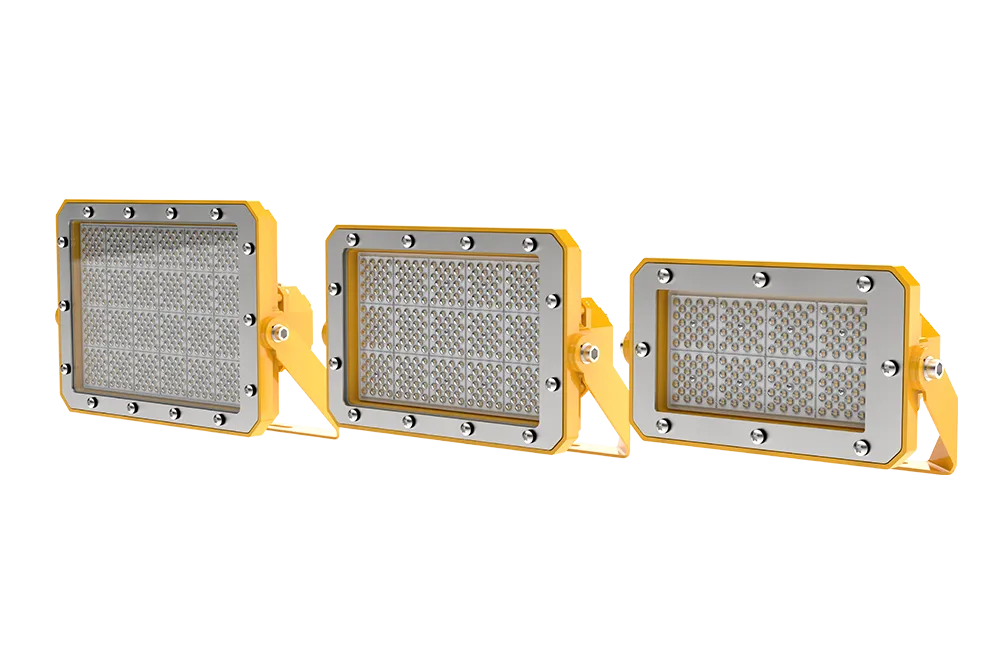
SEEKINGLED LED Explosion Proof Flood Lights are ATEX certified for Zone 2 and Zone 22 hazardous areas, offering high efficiency, adjustable power and integrated junction box.
View details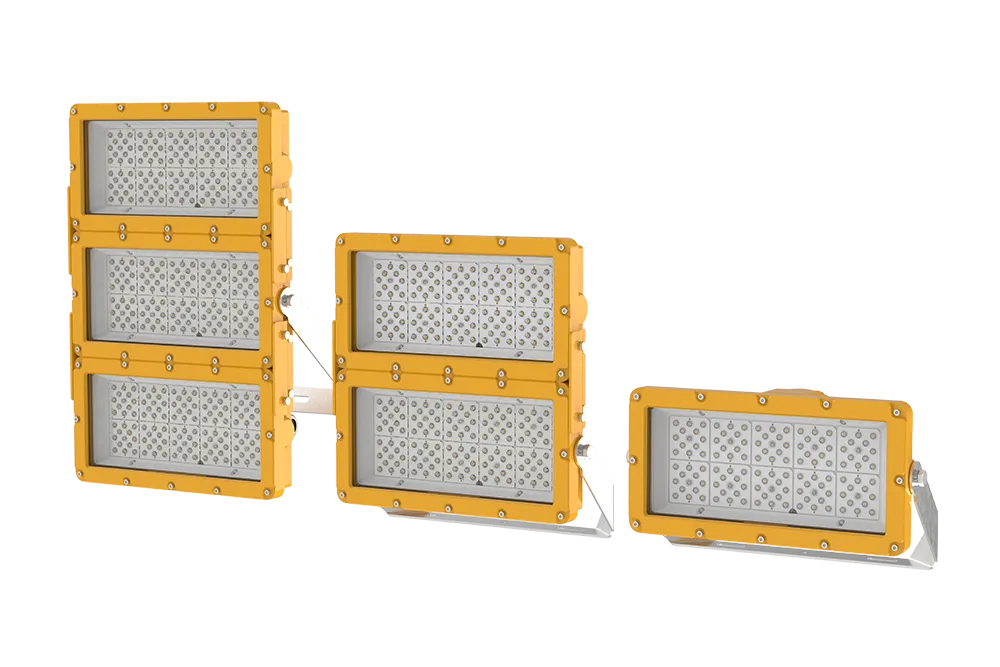
SEEKINGLED LED Explosion Proof Flood Lights are flameproof ATEX and IECEx certified for Zone 1 and Zone 2 hazardous areas, offering high power, adjustable output and long service life.
View details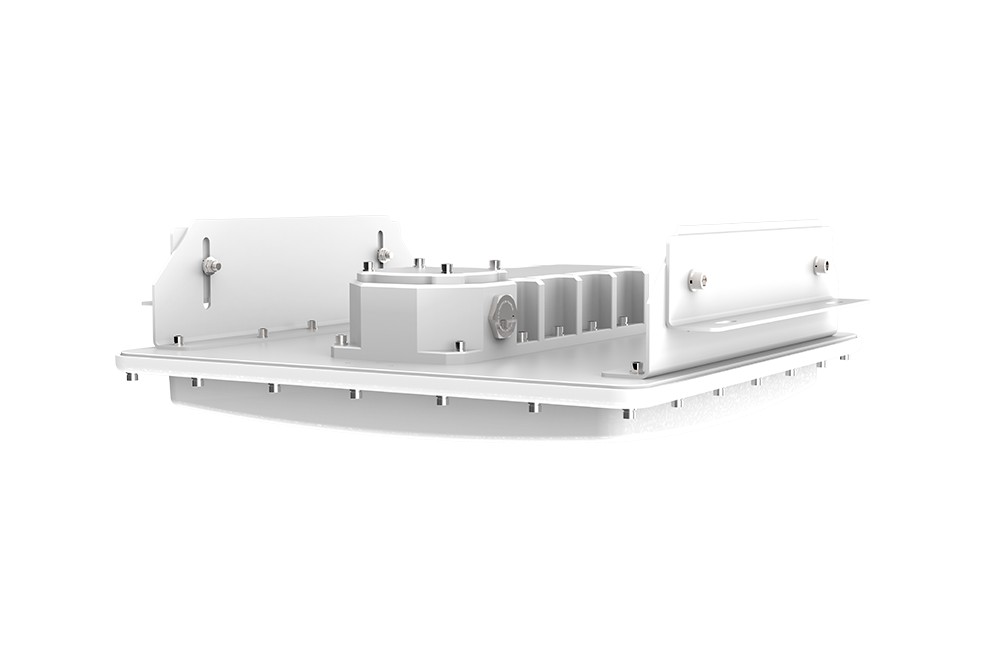
SEEKINGLED LED Gas Station Canopy Lights are ATEX certified for Zone 2 and Zone 22 hazardous areas, featuring adjustable power and built-in explosion-proof junction box.
View details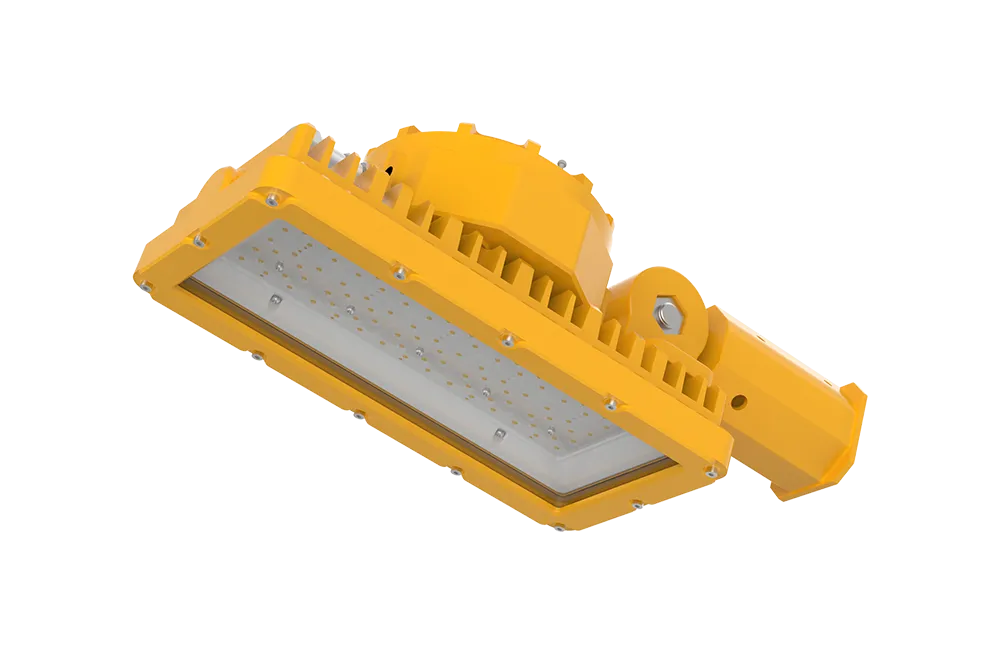
ATEX: Ex II 2G Ex db IIB T6/T5 GbEx II 2D Ex tb IIIC T80°C/ T95°C Db IECEx Ex db IIB T6 Gb;Ex tb IIIC T80°C Db Feature: ● For Zone 1,2 and Zone 21,22● Flameproof type, the strongest● 100W can replace 250W HID,energy saving● Power:60W,80W,100W Application: Oil and gas, marine, Chemical, pharmaceutical, semiconductor,mining,military industr…
View details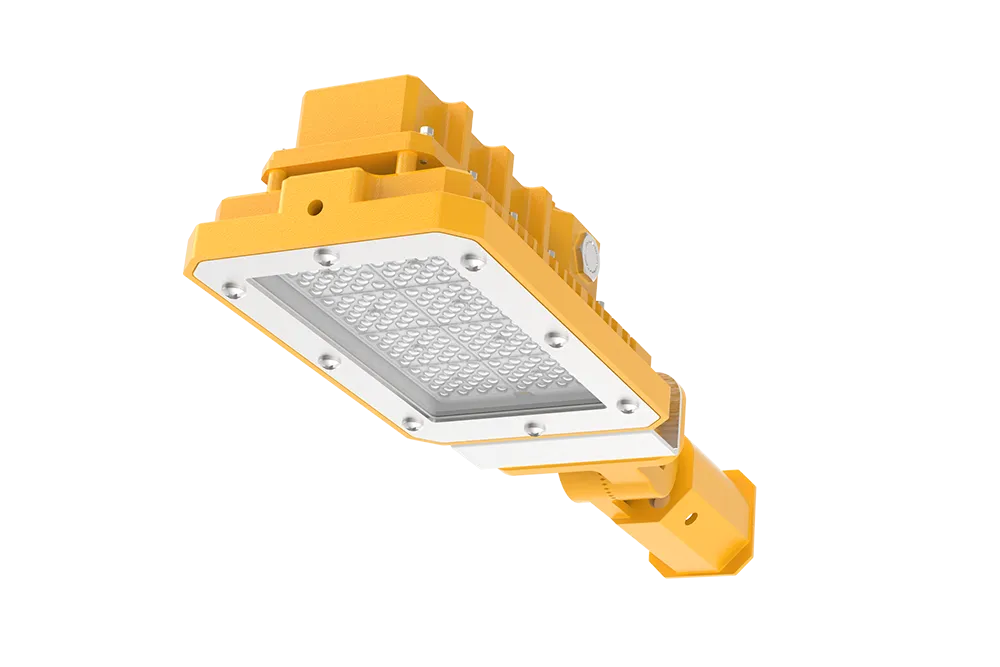
ATEX: II 3G Ex nR ⅡC T5/T6 GcII 3D Ex tc ⅢC T80℃/T95℃Dc ATEX Certificate NO: TÜV CY 26 ATEX 0207611 X Feature: ● For Zone 2 and Zone 22● 150W can replace 250W HID lamps,Energy saving● Power:50W,75W,100W,150W,200W Application: Oil and gas, marine, Chemical, pharmaceutical, semiconductor,mining,military industry, paint booth,power plant ETC…
View details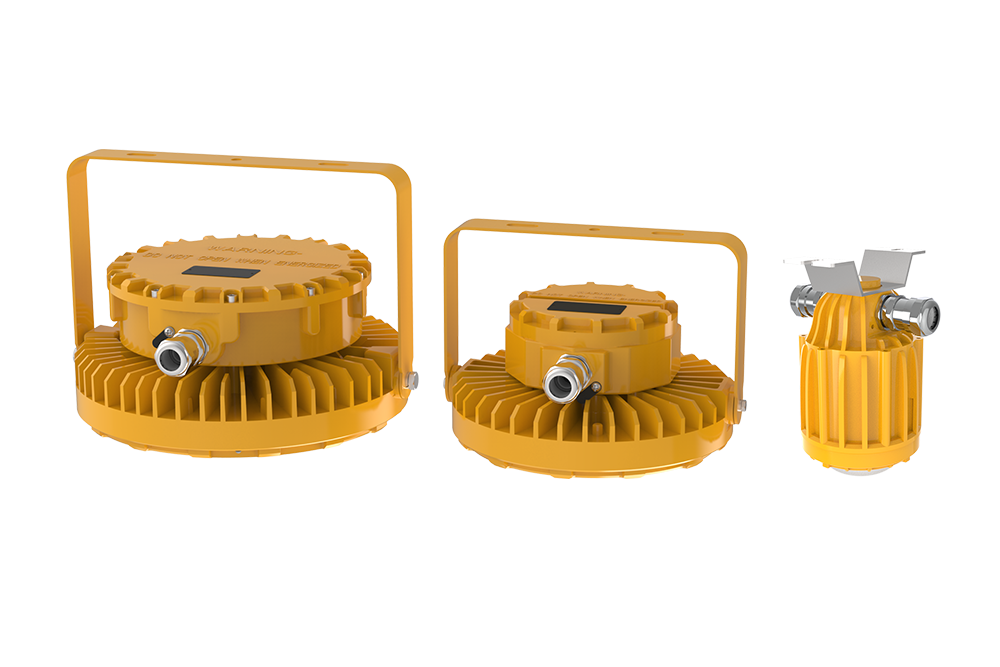
LED explosion proof high bay lights are designed for Zone 1, Zone 2, Zone 21 and Zone 22 hazardous areas. This page introduces the HB21 Series from SEEKING, including certifications, power options and real application considerations.
View details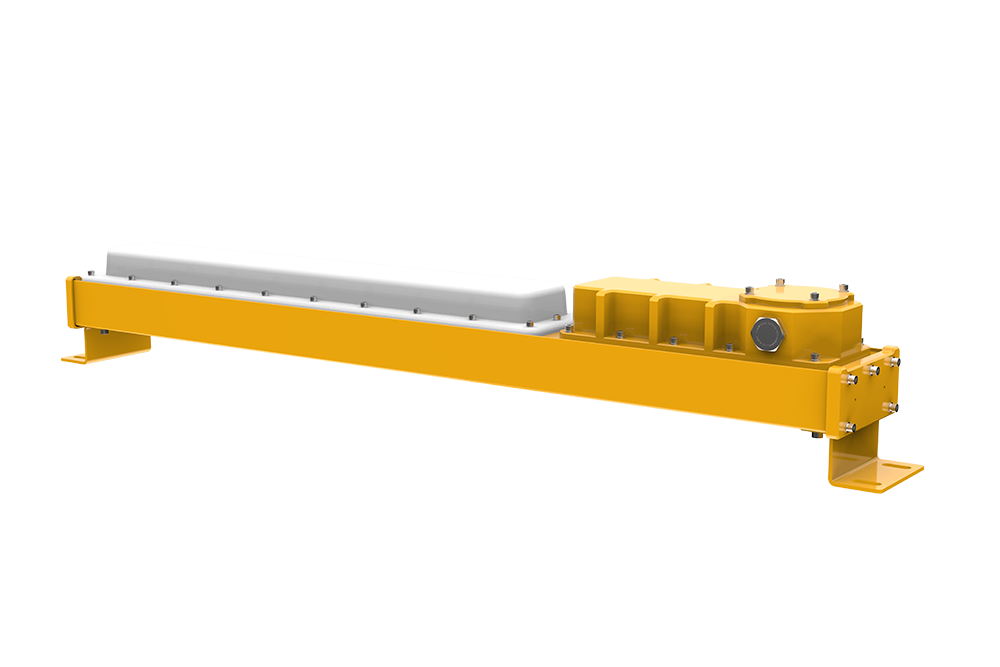
LED Linear Explosion Proof Lights from SEEKINGLED. LU Series Flame Proof lights ATEX-certified explosion proof LED linear lighting for Zone 2 gas and Zone 22 dust areas, IP69K, IK10, long lifetime and flexible power options.
View details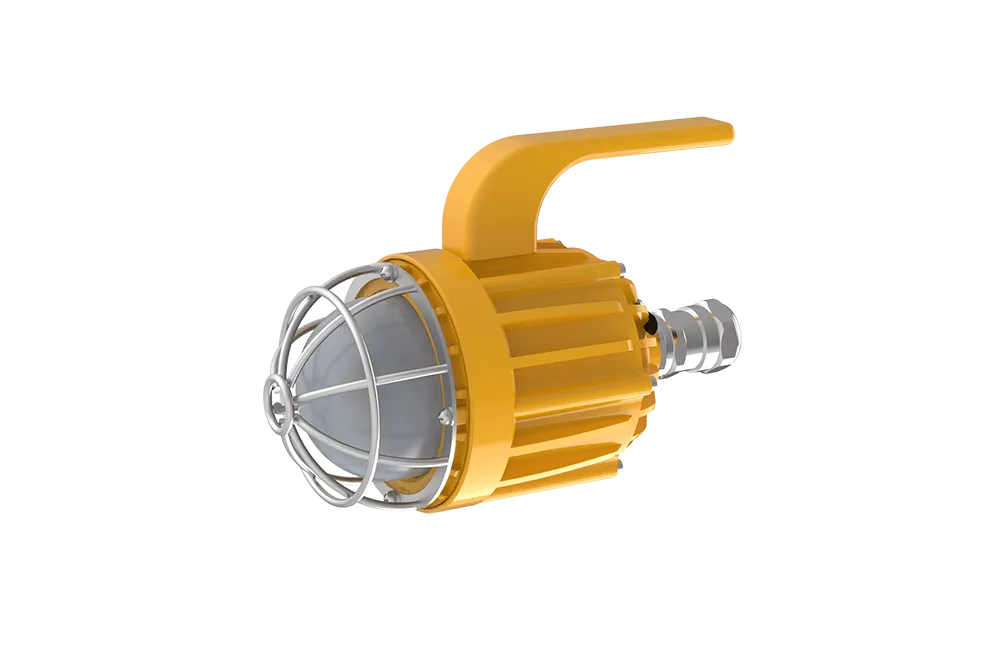
Certified explosion proof work lights for Zone 1 & 21 hazardous areas. Portable, ATEX & IECEx approved, built for oil, gas and chemical plants by SEEKINGLED.
View details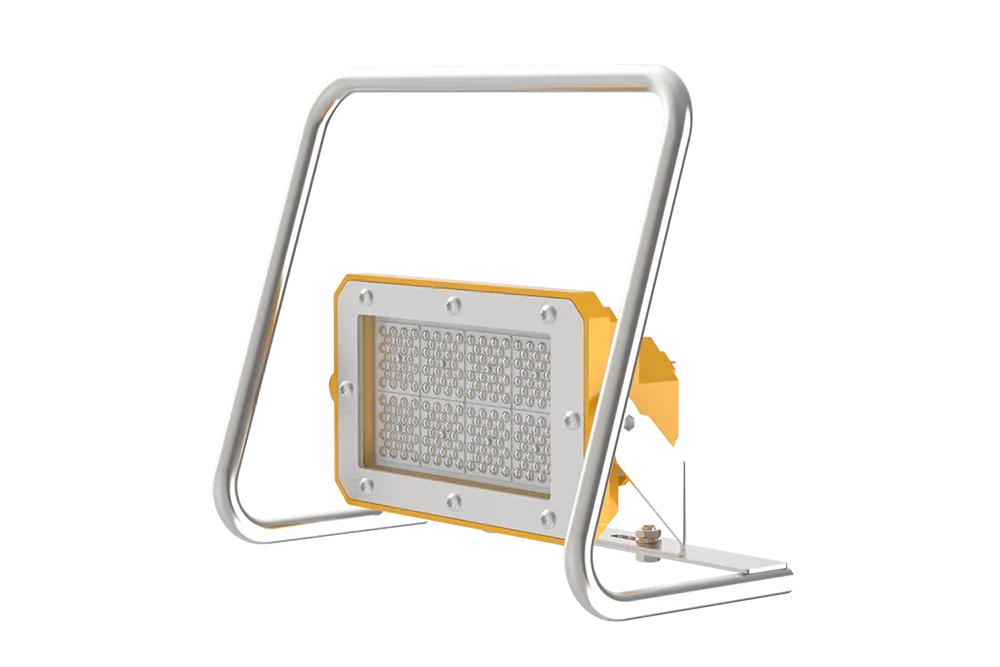
ATEX: II 3G Ex nR ⅡC T6 GcII 3D Ex tc ⅢC T80℃ Dc ATEX Certificate NO: TÜV CY 26 ATEX 0207611 X Feature: ● For Zone 2 and Zone 22● Accepts battery-powered supply● indestructible● Power:AC input:50W,75W,100WDC input:15W,25W,35W Application: Oil and gas, marine, Chemical, pharmaceutical, semiconductor,mining,military industry, paint booth,po…
View details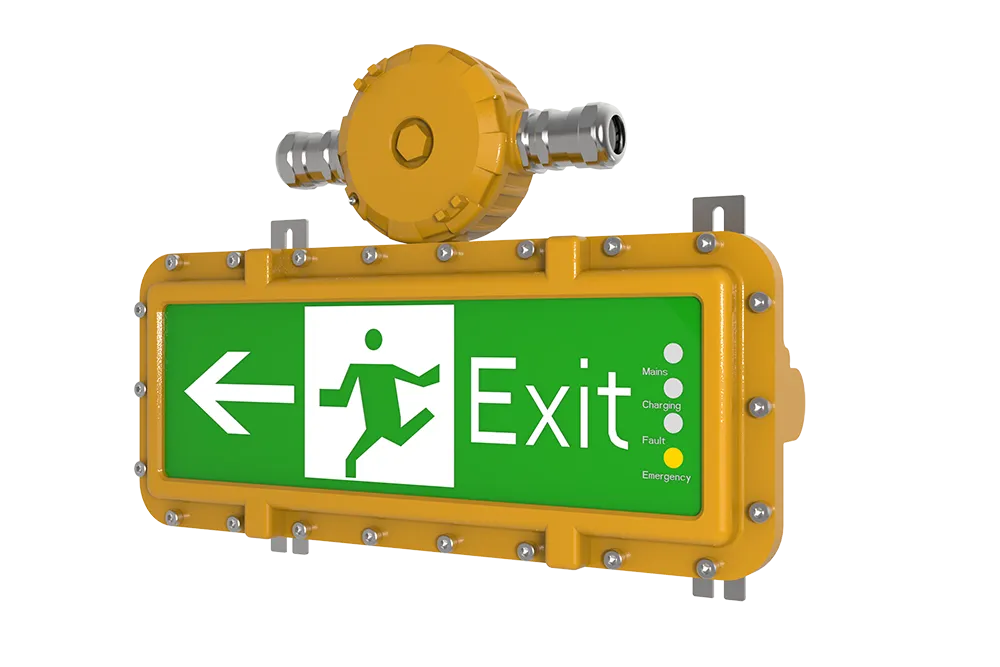
ATEX: Ex II 2G Ex db IIB T6 GbEx II 2D Ex tb IIIC T80°C Db IECEx Ex db IIB T6 Gb;Ex tb IIIC T80°C Db Feature: ● For Zone 1,2 and Zone 21,22● Flameproof type, the strongest Application: Oil and gas, marine, Chemical, pharmaceutical, semiconductor,mining,military industry, paint booth,power plant ETC hazardous area. Technical Specifications:…
View details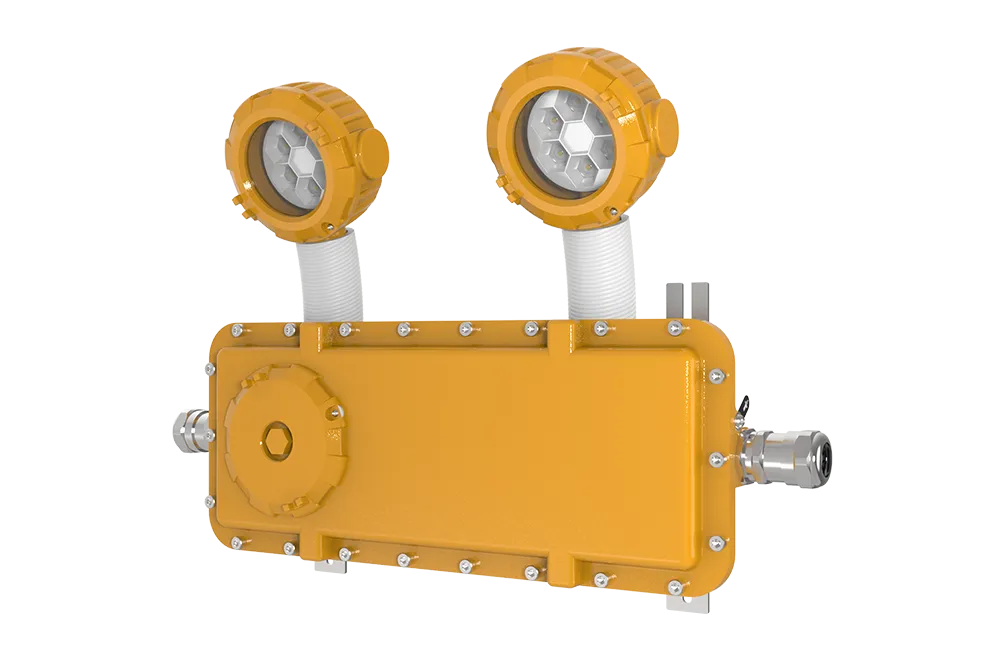
ATEX: Ex II 2G Ex db IIB T6 GbEx II 2D Ex tb IIIC T80°C Db IECEx Ex db IIB T6 Gb;Ex tb IIIC T80°C Db Feature: ● For Zone 1,2 and Zone 21,22● Flameproof type, the strongest Application: Oil and gas, marine, Chemical, pharmaceutical, semiconductor,mining,military industry, paint booth,power plant ETC hazardous area. Technical Specifications:…
View details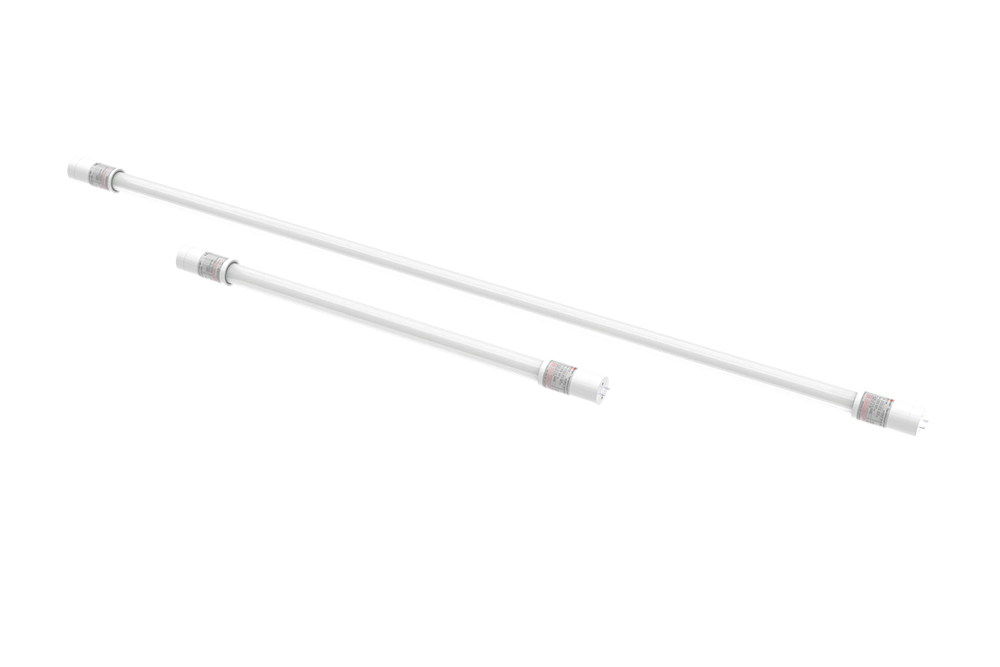
ATEX: Ex II 2G Ex d e IIB T6 Gb ATEX: Ex d e IIB T6 Gb; Feature: ● For Zone 1,2● 9W can replace 18W fluorescent lamps,50% Energy saving Application: Oil and gas, marine, Chemical, pharmaceutical, semiconductor,mining,military industry, paint booth,power plant ETC hazardous area. Technical Specifications: Standards:60079-0, 60079-1, 60079…
View details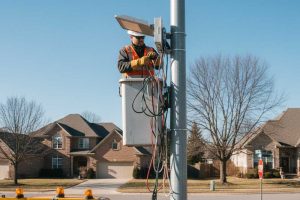
Are LED street light wires safe to touch during installation or maintenance? Learn the real risks, voltage facts, and safe handling practices.
View details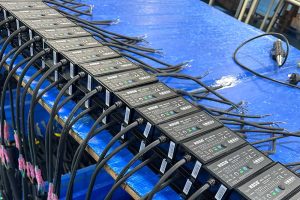
In explosion proof lighting fixture production, many customers customize special lengths of input cables, while the driver comes with a standard cable length of 30CM. Special customization usually requires a minimum order quantity of ...
View details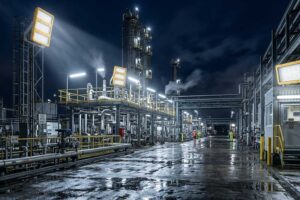
Can ATEX flood lights be used outdoors? Learn how explosion-proof LED flood lights handle rain, salt spray, dust, and hazardous outdoor industrial environments.
View details
led flood light with lens delivers precise beam control, higher lux efficiency, and reduced glare—ideal for sports fields, industrial yards, and outdoor projects.
View details