 Seeking LED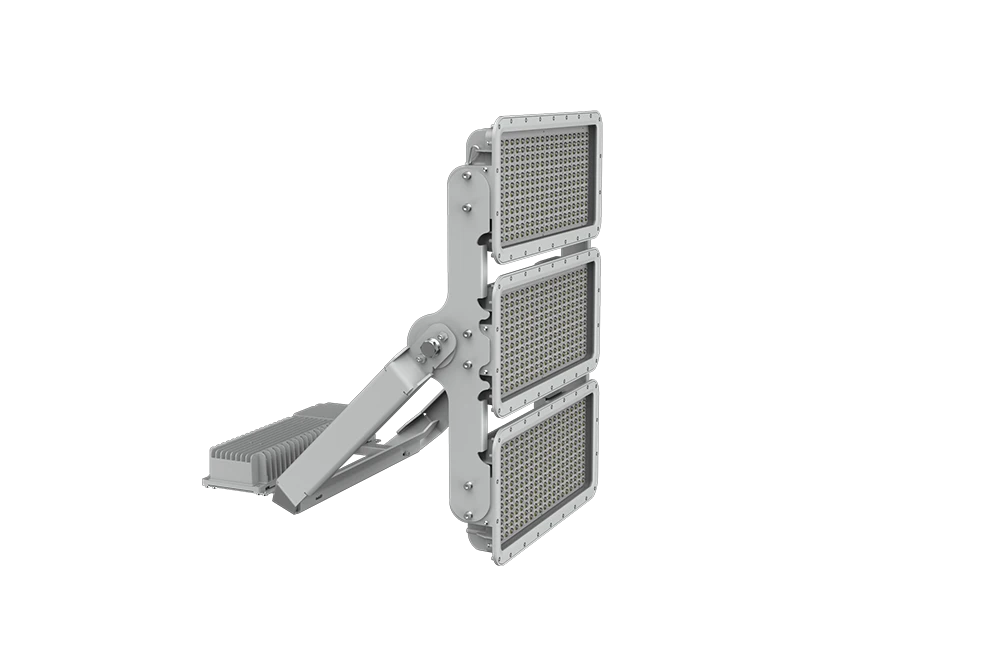
How Do LED Lights Work?
385How do LED lights work? This guide explains how LED lighting works, how LEDs produce light, and why LED lights are more efficient for industrial and commercial applications.
View detailsSearch the whole station
Choosing a led flood lamp for a large outdoor site is rarely about wattage alone. Beam control, structural durability, electrical stability, and long-term lumen maintenance matter far more than brochure numbers. In this article, I’ll walk through real-world considerations from field installations, reference recognized industry data, and explain how SEEKINGLED’s FLD Series (400W–960W) fits demanding environments such as sports courts, logistics yards, and open industrial areas.
I’ve worked on retrofit projects where 1000W metal halide fixtures were still running after a decade. They were bright, yes—but inconsistent. After 6–8 months, lumen depreciation became obvious. According to the U.S. Department of Energy (DOE) SSL reports, LED systems typically maintain significantly higher lumen output over time compared to traditional HID sources, especially under proper thermal management. That stability changes everything for facility operators.
When replacing HID with a modern led flood lamp, the energy difference becomes measurable. With 170 lm/W efficacy, a 600W LED unit producing around 102,000 lumens can often replace higher-rated legacy systems while reducing total site consumption. In warehouses running 10–12 hours daily, the annual savings are not theoretical—they show up clearly in electricity bills.
But efficiency is only half the story. Uniformity improves because beam distribution is engineered, not just reflected from a bulb inside a housing.
In outdoor sports lighting, beam angle selection determines whether players complain. I’ve seen projects fail inspection not because of low lux levels, but because of glare and uneven distribution.
The SEEKINGLED FLD Series offers 15°, 30°, 60°, 90°, and P50 asymmetric optics. Narrow 15° beams work well for high mounting points in football or tennis courts. 60° and 90° options serve parking lots or yard perimeters. The P50 asymmetric pattern is particularly practical for sideline installations, directing light forward without wasting spill behind the pole.
This isn’t guesswork. EN 12193 (European standard for sports lighting) emphasizes both horizontal and vertical illuminance requirements. Without controlled optics, meeting those values becomes difficult, regardless of lumen output.
Outdoor lighting fails for predictable reasons: moisture, voltage fluctuation, heat.
The FLD housing uses die-cast aluminum with IP66 sealing and IK08 impact rating. In coastal areas with humidity and salt exposure, sealing integrity determines lifespan. Surge protection at 10kV matters more than many buyers realize—storm-related failures are common in open yards.
Constant-current drivers from SOSEN or MEAN WELL ensure electrical stability, maintaining PF ≥0.95 and THD <15%. IEEE power quality recommendations support maintaining low harmonic distortion to protect grid stability and driver longevity. That’s not marketing—it’s basic electrical engineering practice.
With L80B20 >100,000 hours under standard conditions, lumen maintenance remains within 80% of initial output for extended operation. This aligns with TM-21 extrapolation principles commonly used in LED lifetime projections.
On a recent logistics yard project, we replaced clusters of smaller floodlights with fewer high-power led flood lamp units (720W models). Mounting heights remained unchanged, but spacing widened.
The result?
Sometimes reducing fixture count simplifies maintenance access. Technicians don’t need to service multiple small units when one high-output luminaire handles the load.
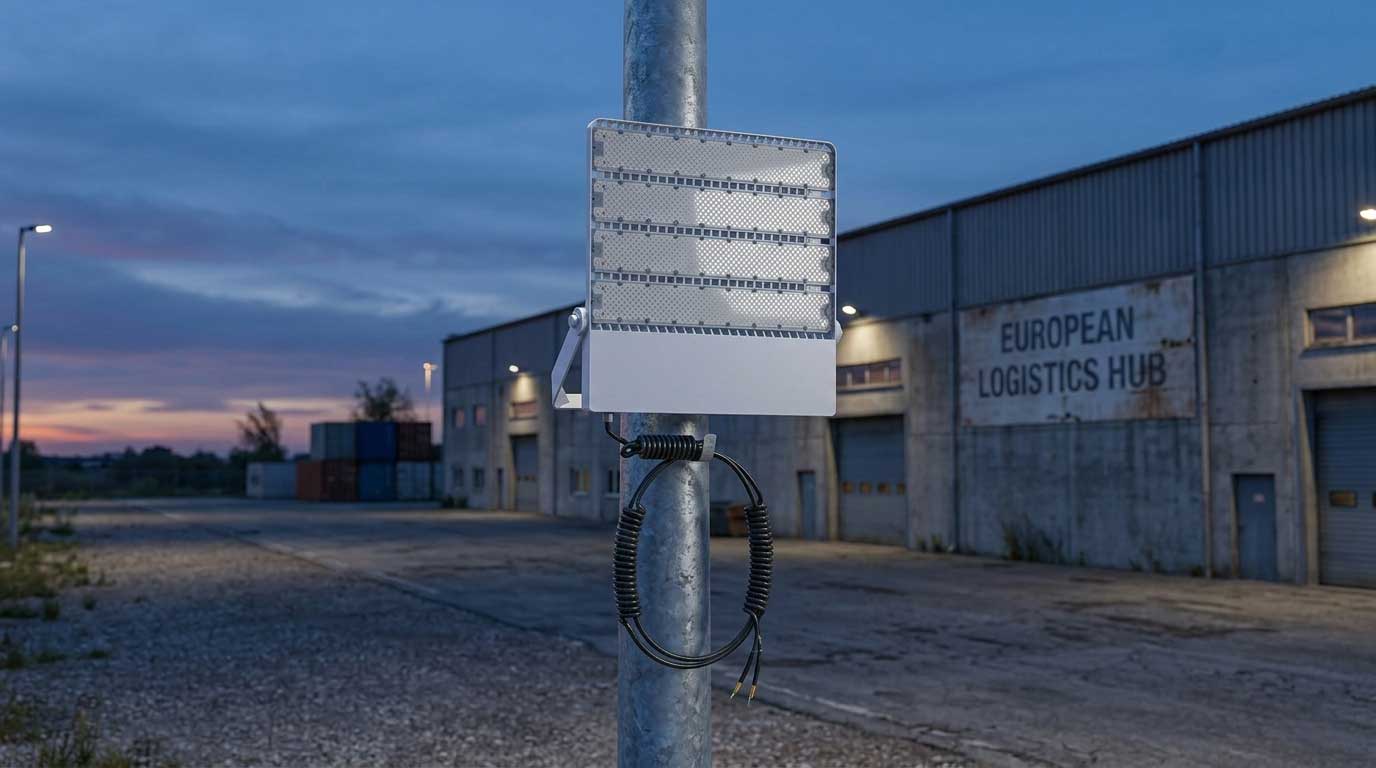
Not every outdoor area requires 960W. Overspecifying increases capital cost unnecessarily.
Typical use cases:
For wide parking areas, 400W or 480W variants often suffice. For high-mast configurations above 25 meters, 800W–960W provide deeper projection. The flexibility across models (XJ-FLD400W to XJ-FLD960W) ensures scalable design rather than one-size-fits-all deployment.
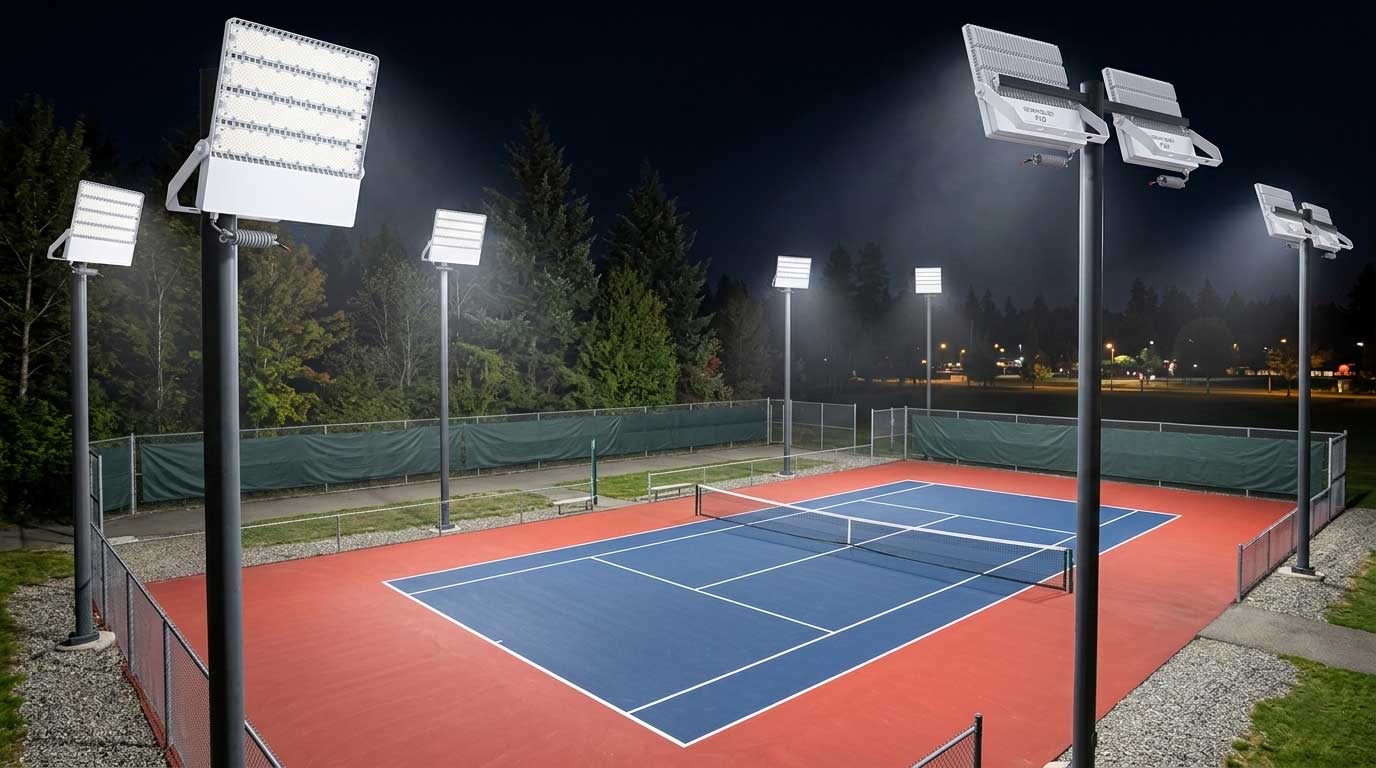
The International Energy Agency (IEA) reports that LED technology continues to outperform traditional lighting in efficacy and lifecycle cost across commercial sectors. Transitioning to high efficacy LED flood systems is now considered best practice for large-area illumination.
When comparing lifecycle cost (initial cost + energy + maintenance), LED solutions typically show favorable payback within several years, particularly in facilities operating over 3,000 hours annually.
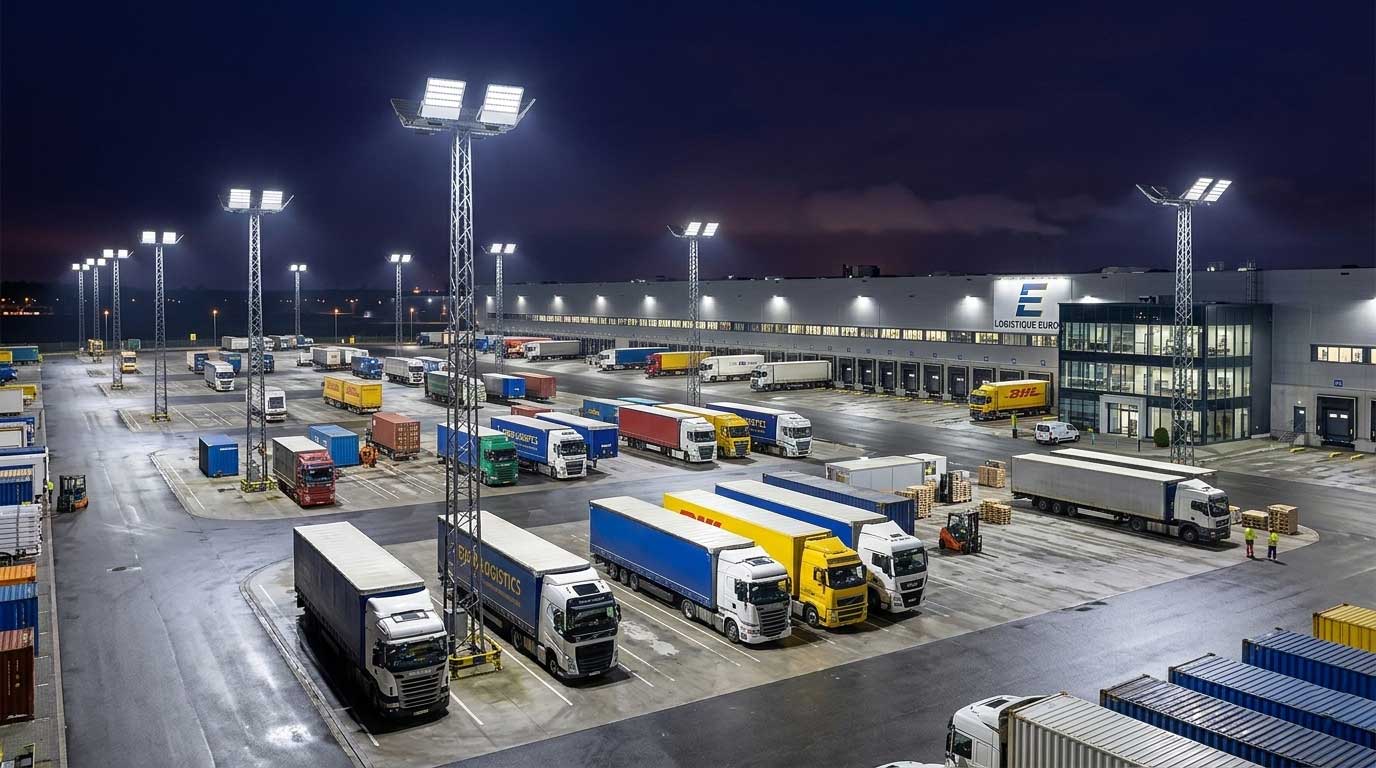
CE and CB certifications support deployment in international projects. Standard 4000K and 5700K CCT options align with sports and industrial requirements, where visibility and contrast matter more than warm ambiance.
Selecting the right led flood lamp is about performance under real conditions—wind, rain, voltage fluctuation, long operating hours. SEEKINGLED’s FLD Series combines high efficacy, engineered optics, and durable construction to meet those demands without overcomplicating installation.
In large outdoor environments, fewer high-output luminaires often outperform clusters of smaller fixtures. That’s been consistent in field experience.
If you are planning a retrofit or new installation, start with beam planning and real lux requirements. The right led flood lamp choice makes the rest of the project straightforward.
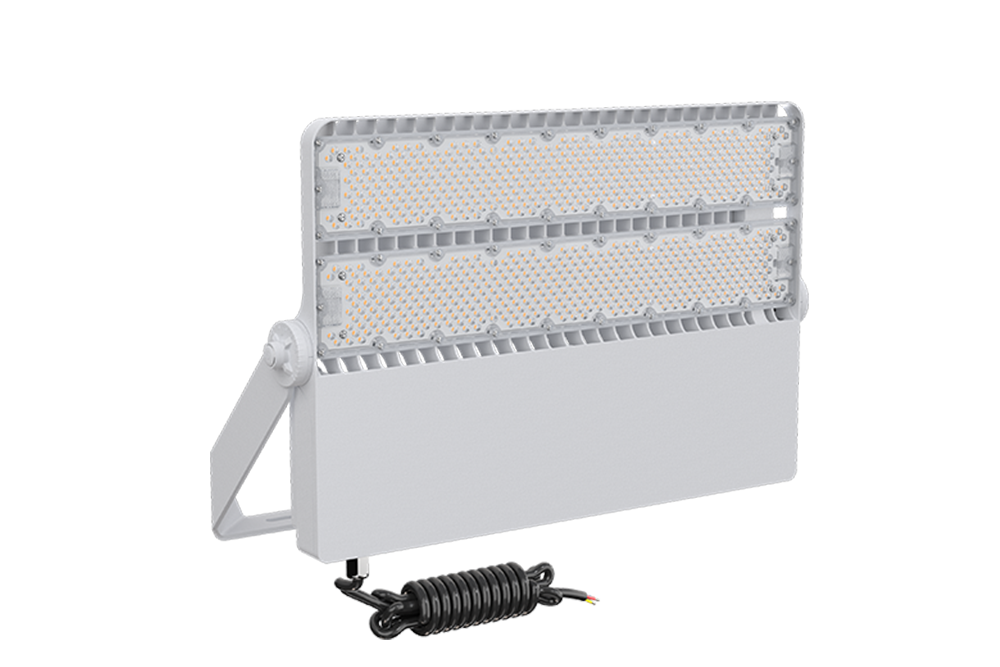
Sports Stadium LED Lighting by SEEKINGLED delivers high mast illumination, precise beam control, and EN 12193 compliant performance for professional venues.
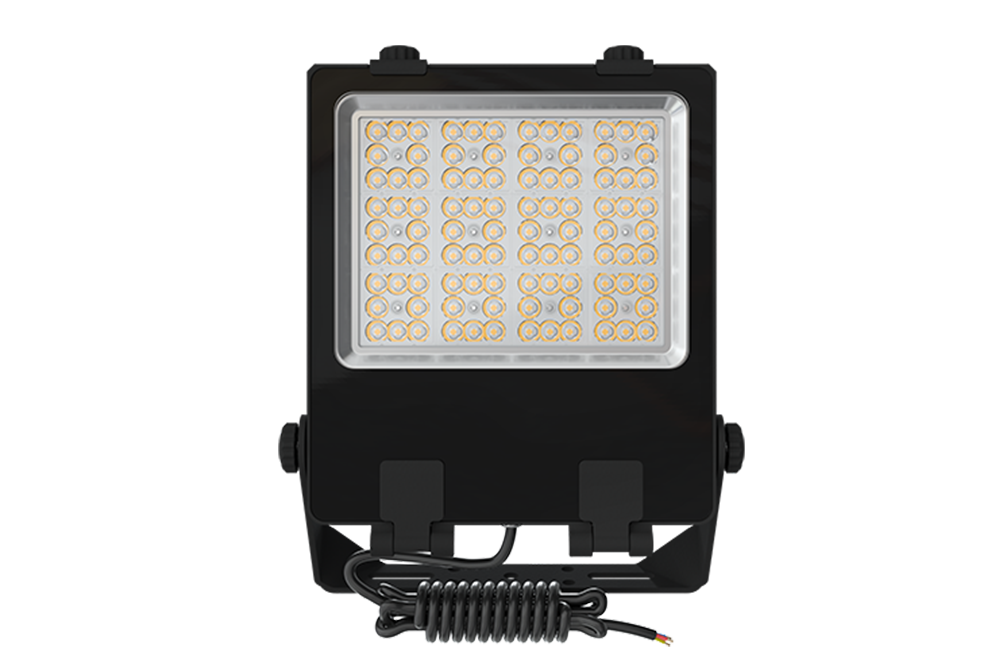
SEEKING FLX Series LED flood light outdoor for sports courts and open-area projects with 170lm/W efficiency, IP66 protection and multiple beam distributions. Designed for long-life commercial and public outdoor use.
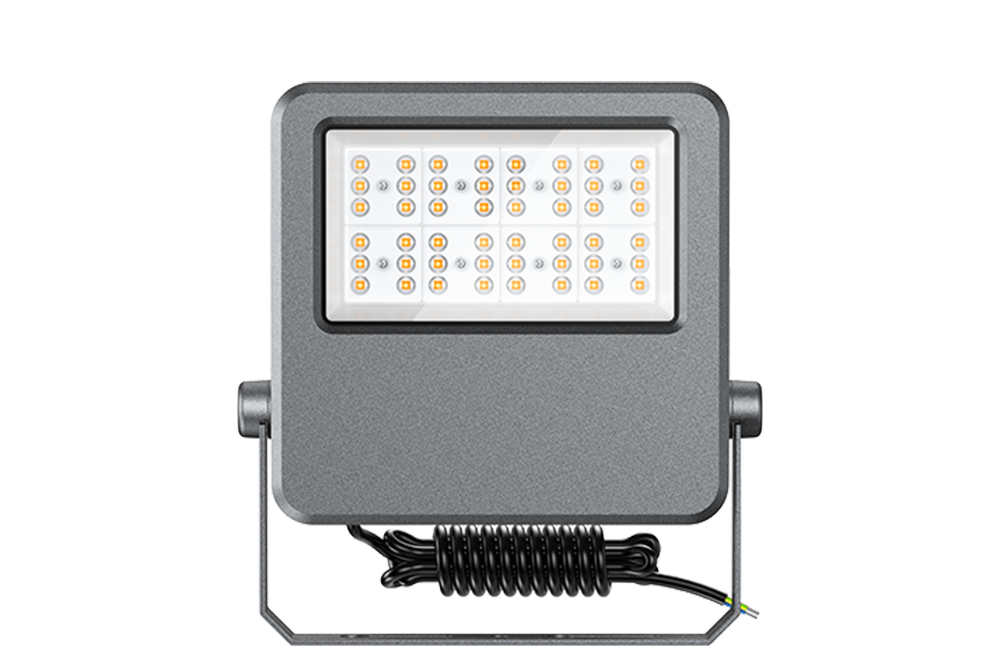
SEEKING FLE Series LED outdoor flood lights for sports grounds and open areas with multiple beam angles, IP66 protection and up to 170lm/W. Designed for long-life outdoor installations with professional driver options.
SEEKING FLD Series outdoor LED flood lights and high power led flood light deliver up to 960W with precision beam angles for sports fields, stadiums and large outdoor areas. IK08 & IP66 protection, 170lm/W efficiency and 100,000h lifetime.
loading…
This is the last post!
How do LED lights work? This guide explains how LED lighting works, how LEDs produce light, and why LED lights are more efficient for industrial and commercial applications.
View details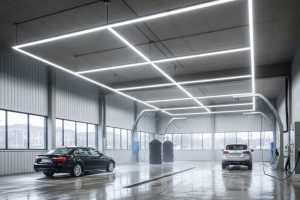
Upgrade your facility with car wash LED lighting. Brighter wash bays, lower energy use, moisture-resistant fixtures, built for real car wash conditions by SEEKINGLED.
View details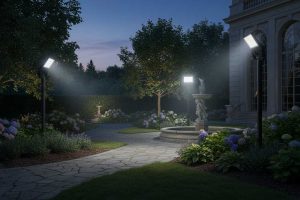
Can you use a LED flood light to grow plants? Learn when it works, when it doesn’t, and why outdoor LED flood lights like SEEKINGLED are not designed as grow lights.
View details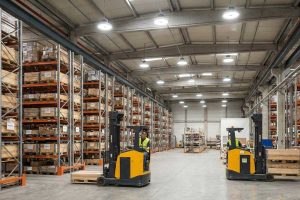
What height should high bay LED lights be for warehouses, factories, and gyms? This Q&A explains mounting height ranges and real installation considerations.
View details