 Seeking LED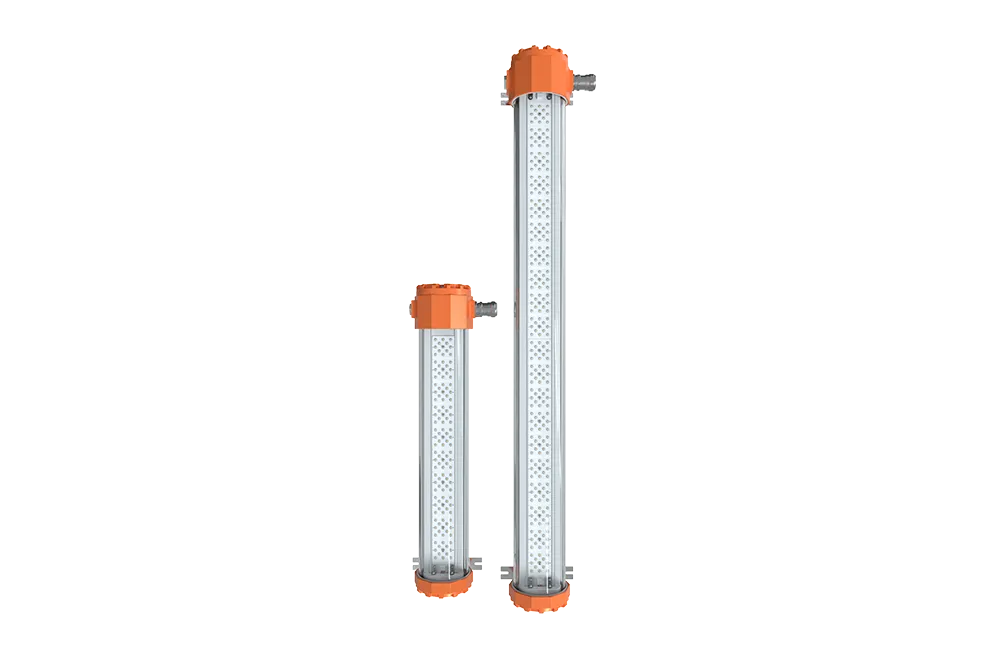
What Is ATEX Hazardous Lighting?
0What Is ATEX Hazardous Lighting? Learn how ATEX-certified lighting protects hazardous areas, Zone 1 and Zone 2 locations, and industrial facilities worldwide.
View detailsSearch the whole station
Written by a senior lighting application engineer with over 12 years of experience in hazardous-area industrial lighting projects across petrochemical plants, logistics terminals, offshore facilities, and chemical processing sites in Europe and the Middle East. Involved in ATEX and IECEx project evaluations, luminaire selection, and site commissioning.
Explosion proof LED lighting Class 1 Division 1 is not something you approach casually.
If you’ve worked on hazardous sites long enough, you learn quickly that lighting failures are not just inconvenient—they can shut down operations or trigger safety investigations.
In Class 1 Division 1 environments, flammable gases or vapors are present under normal operating conditions. That definition alone already sets the tone. There is no margin for guesswork. Every enclosure, seal, and temperature rating matters.
Over the years, I’ve seen too many projects start with good intentions and end with retrofits because lighting was underestimated.
In North America, Class 1 Division 1 locations are defined by NEC and NFPA standards. In practice, many international projects align these requirements with IEC 60079-0 and IEC 60079-1, which govern flameproof equipment design.
According to IEC 60079-1, a flameproof enclosure must:
These are not abstract rules. During FAT inspections, inspectors often focus on:
This is where poorly designed LED fixtures fail first.
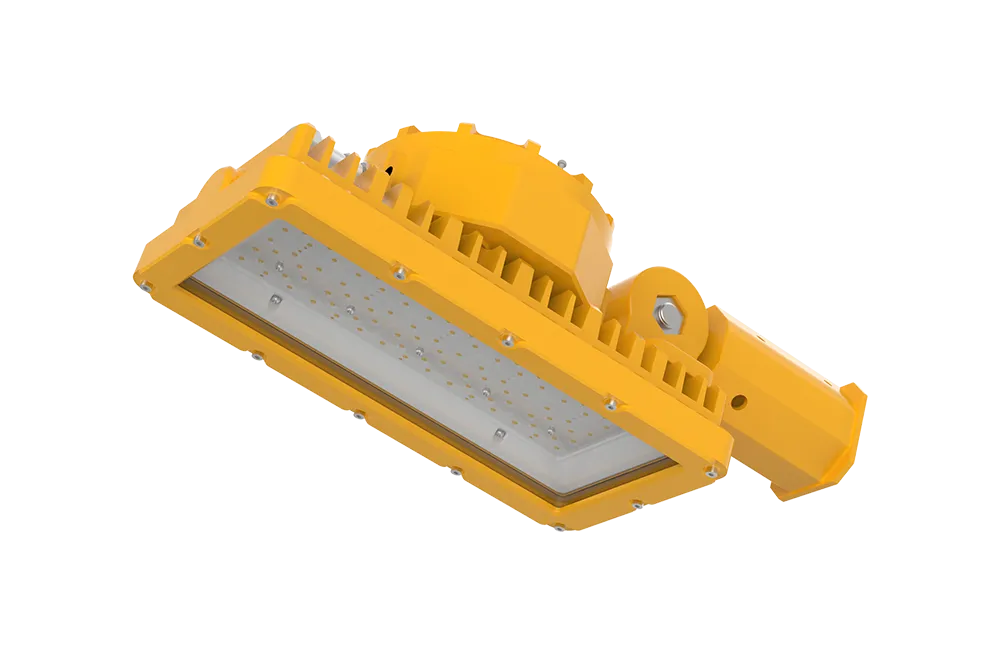
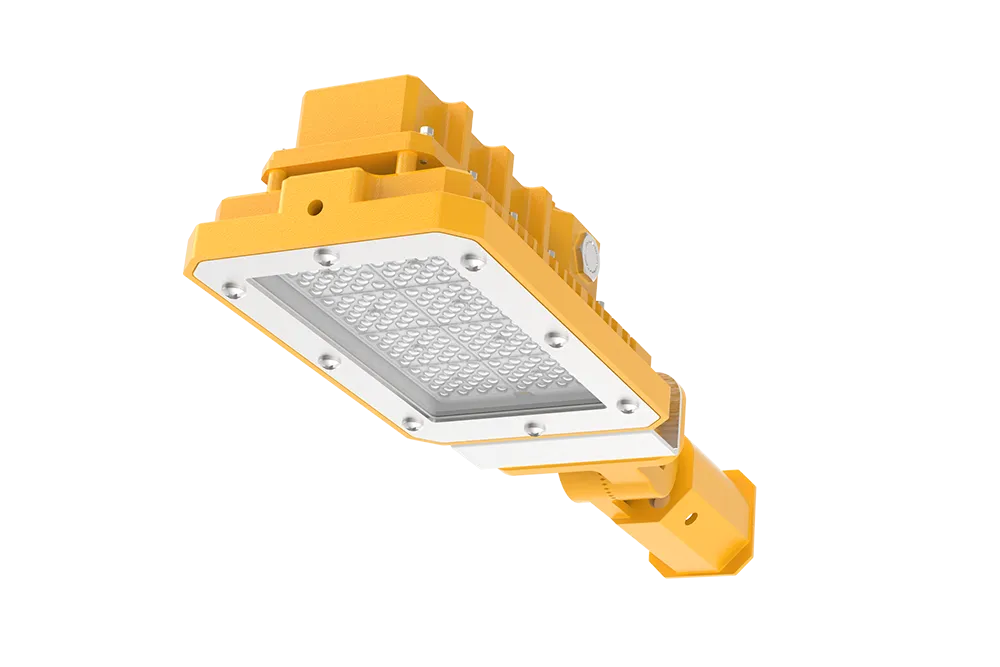
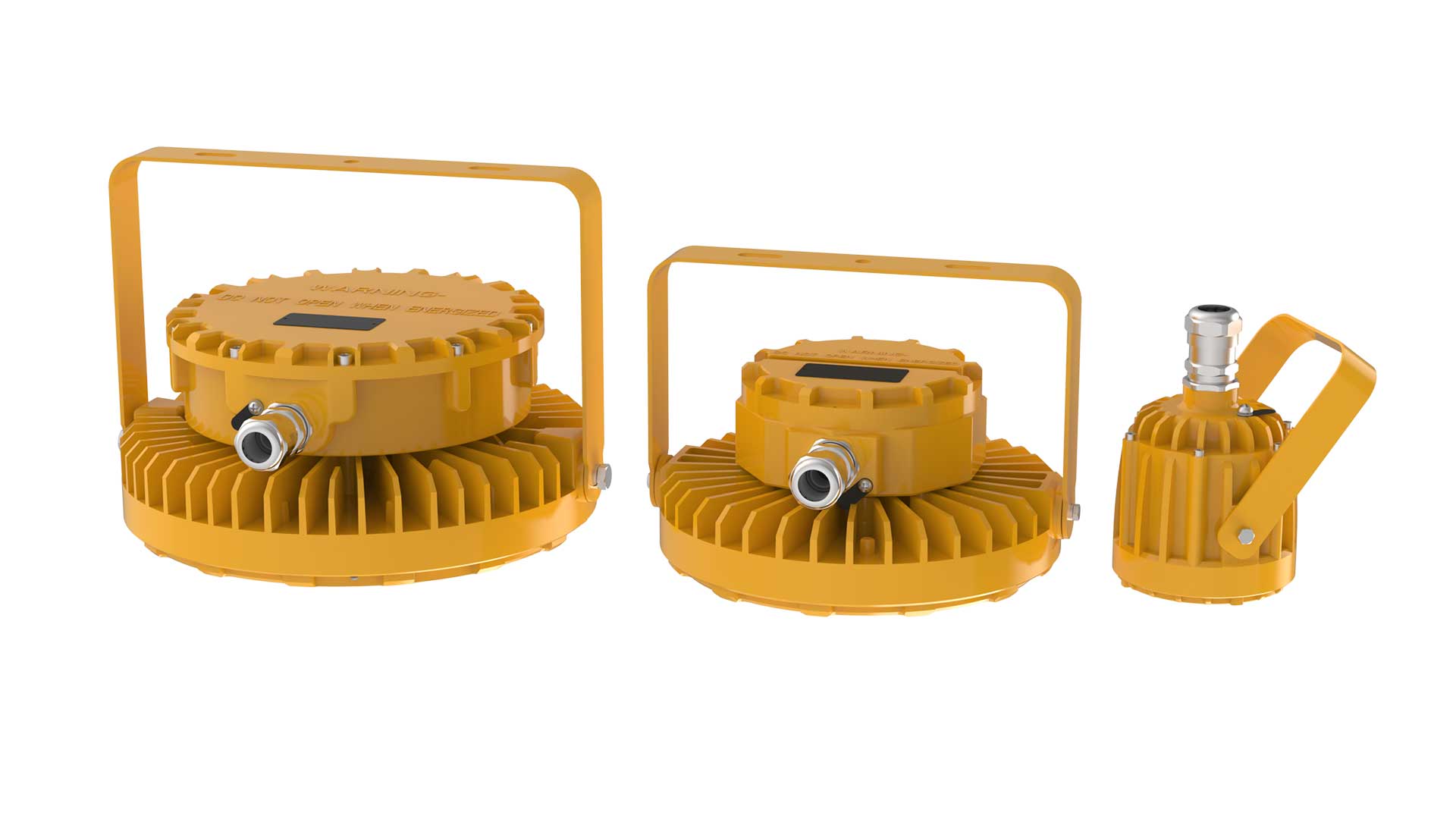
In several hazardous-area retrofit projects, we used the HB21 Series LED explosion proof high bay lights from SEEKINGLED specifically for areas classified as Zone 1 / Zone 21, which correspond closely to Class 1 Division 1 conditions.
What mattered to us on site was not the brochure claims, but a few practical things:
The HB21 Series follows a pure flameproof design, complying with:
This alignment is critical when a project involves both EU ATEX and international IECEx acceptance.
One point that doesn’t get enough attention in explosion proof LED lighting Class 1 Division 1 discussions is surface temperature control.
HB21 Series fixtures are rated:
These values are not theoretical. According to IEC data, many hydrocarbon gases have ignition temperatures between 200°C and 450°C. Keeping luminaire surfaces well below these thresholds is essential.
In continuous-operation areas, especially near compressors or process lines, we monitored housing temperature after several hours of runtime. The aluminum housing and internal thermal layout of the HB21 helped keep temperatures stable, even at higher wattages.
Another lesson learned: brightness alone doesn’t solve visibility issues.
The HB21 Series Explosion proof light offers 60°, 90°, and 120° beam angles, which helped us adapt lighting to different layouts:
At up to 150 lm/W @ CRI>80, the light quality is noticeably cleaner than older halogen or HPS fixtures. Color rendering matters more than people think—misreading pipe markings or valve positions can cause real problems.
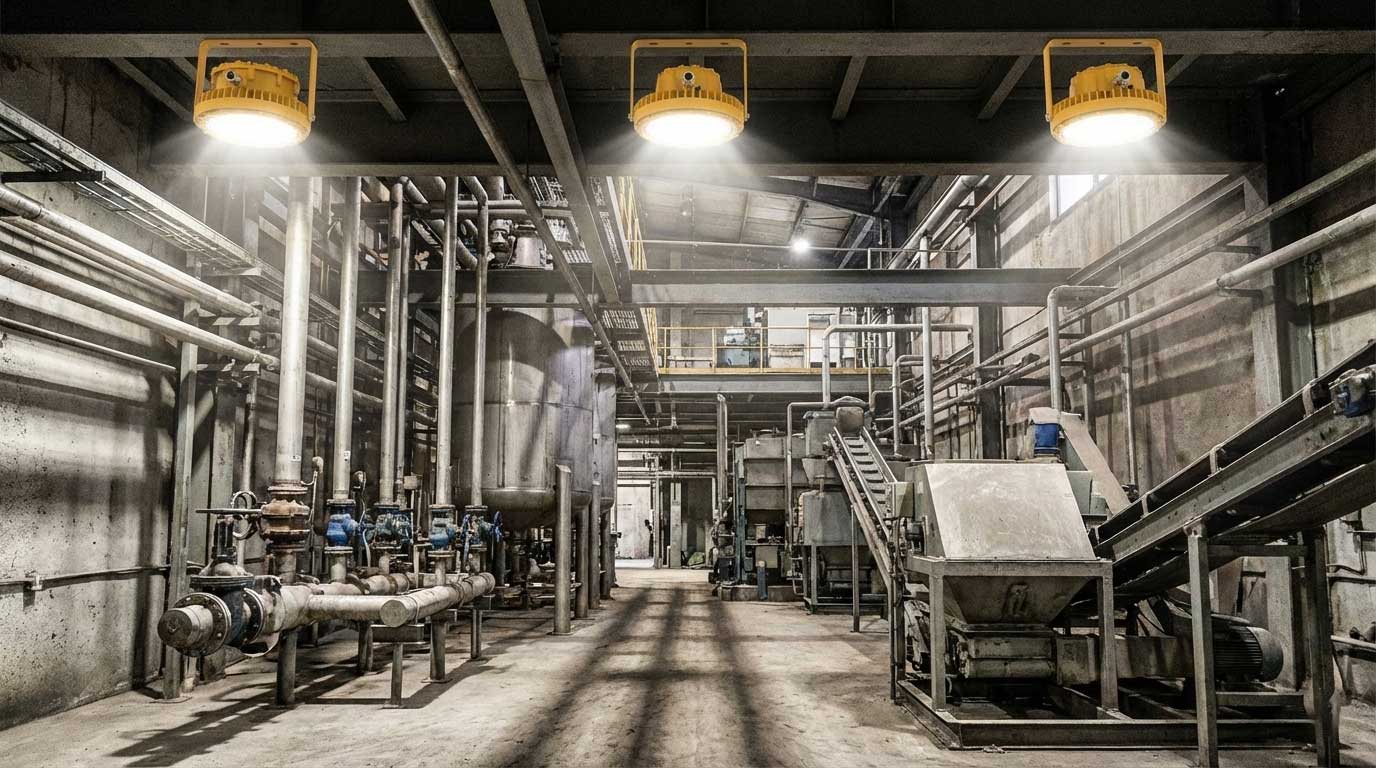
A few practical notes from the field:
We’ve learned the hard way that simplifying installation reduces long-term maintenance risks, especially in restricted hazardous zones.
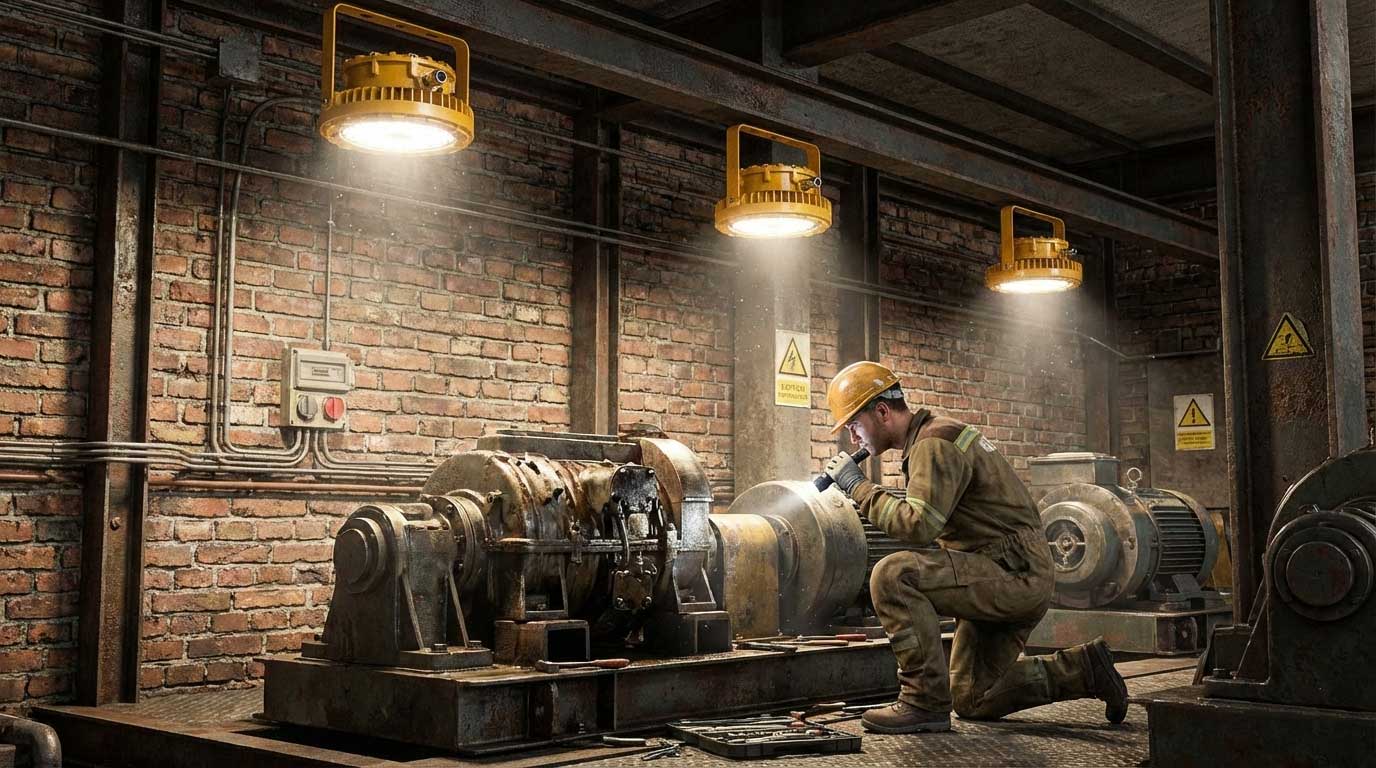
Explosion proof LED lighting Class 1 Division 1 is not about chasing efficiency numbers.
It’s about trust—trust that the light will not become the weakest link in a hazardous system.
From my experience, the HB21 Series from SEEKINGLED fits where flameproof design, certification credibility, and long-term stability are non-negotiable. No drama. No shortcuts. Just equipment that behaves the way it should, day after day.
And in hazardous areas, that’s usually enough.
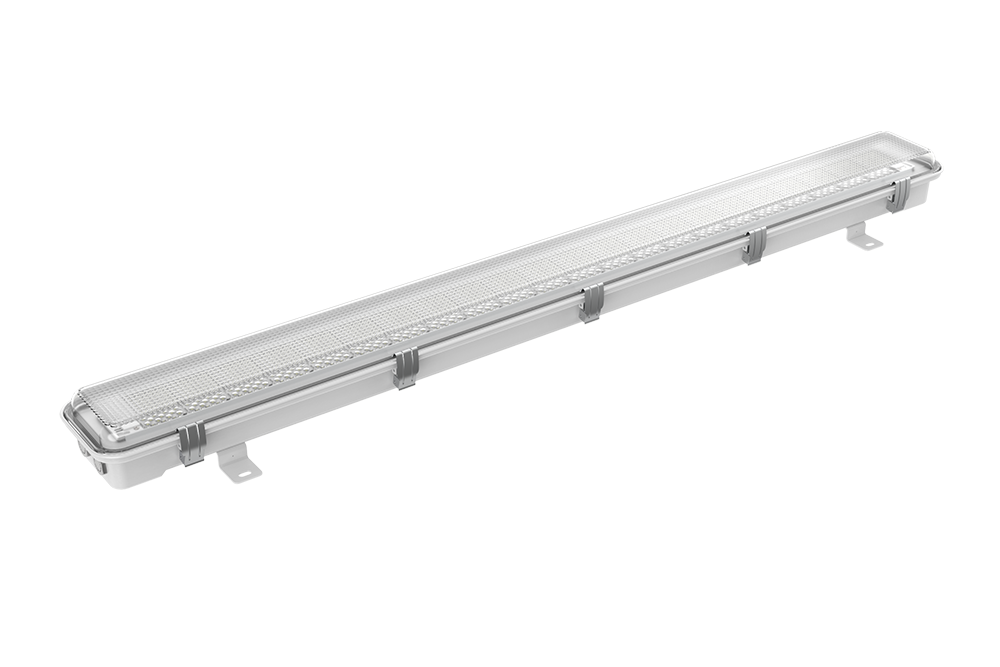
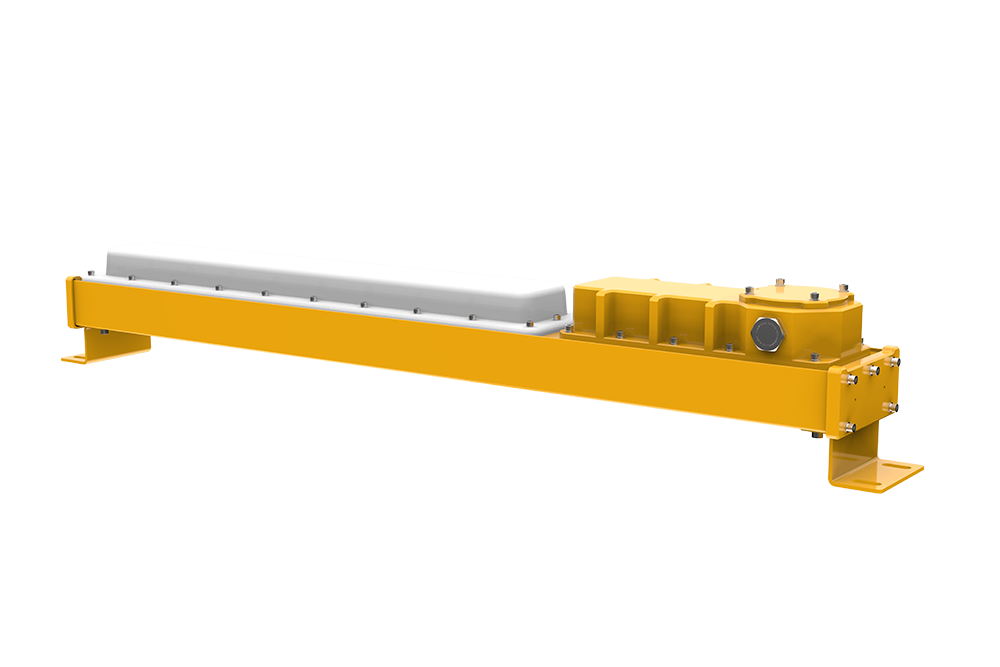
SEEKINGLED LED Linear Explosion Proof Light and Explosion Proof lighting is ATEX and IECEx certified for Zone 1, Zone 2, Zone 21 and Zone 22 hazardous locations, built for long-term industrial use.
LED Linear Explosion Proof Lights and EX Proof lights for Zone 1, Zone 2, Zone 21 and Zone 22 hazardous areas. ATEX & IECEx certified explosion proof LED linear lighting with emergency function, adjustable power and IP67 protection by SEEKINGLED.
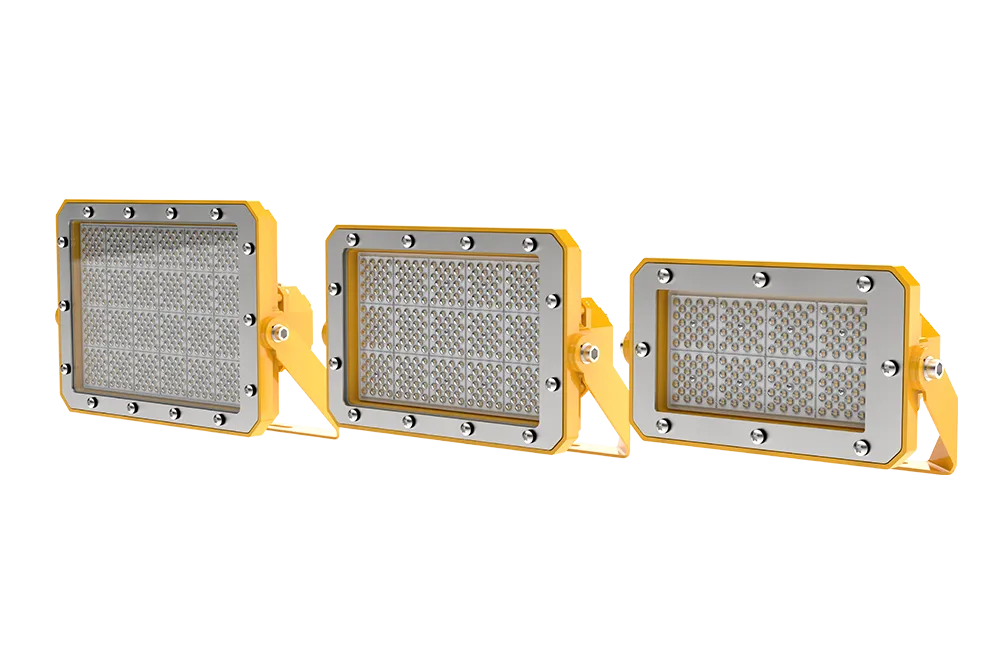
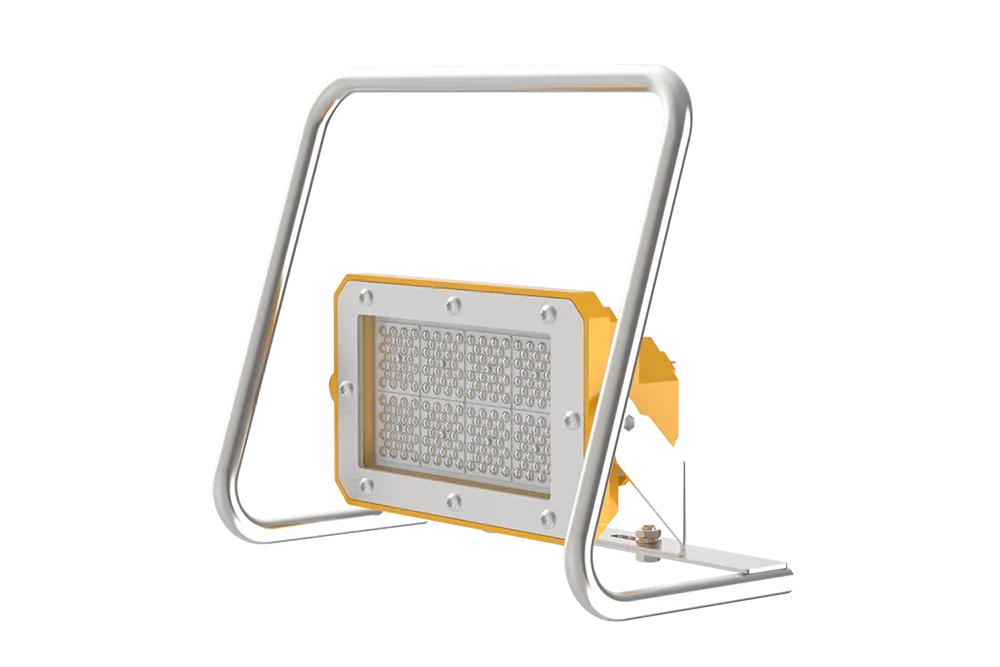
SEEKINGLED LED Explosion Proof Flood Lights are ATEX certified for Zone 2 and Zone 22 hazardous areas, offering high efficiency, adjustable power and integrated junction box.
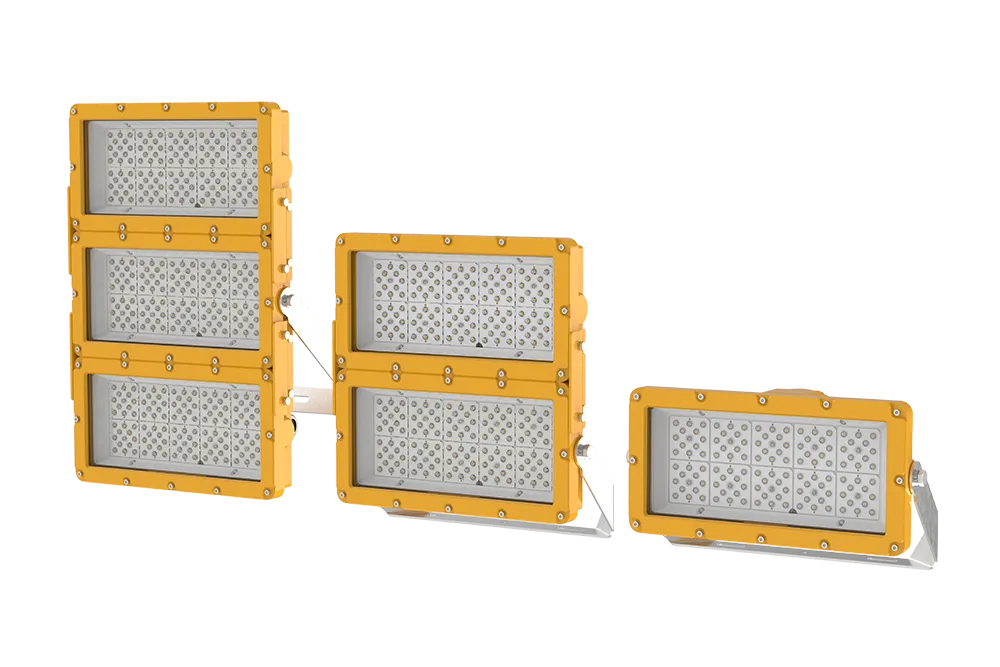
SEEKINGLED LED Explosion Proof Flood Lights are flameproof ATEX and IECEx certified for Zone 1 and Zone 2 hazardous areas, offering high power, adjustable output and long service life.
SEEKINGLED LED Gas Station Canopy Lights are ATEX certified for Zone 2 and Zone 22 hazardous areas, featuring adjustable power and built-in explosion-proof junction box.
ATEX: Ex II 2G Ex db IIB T6/T5 GbEx II 2D Ex tb IIIC T80°C/ T95°C Db IECEx Ex db IIB T6 Gb;Ex tb IIIC T80°C Db Feature: ● For Zone 1,2 and Zone 21,22● Flameproof type, the strongest● 100W can replace 250W HID,energy saving● Power:60W,80W,10…
ATEX: II 3G Ex nR ⅡC T5/T6 GcII 3D Ex tc ⅢC T80℃/T95℃Dc ATEX Certificate NO: TÜV CY 26 ATEX 0207611 X Feature: ● For Zone 2 and Zone 22● 150W can replace 250W HID lamps,Energy saving● Power:50W,75W,100W,150W,200W Application: Oil and gas, m…
LED explosion proof high bay lights are designed for Zone 1, Zone 2, Zone 21 and Zone 22 hazardous areas. This page introduces the HB21 Series from SEEKING, including certifications, power options and real application considerations.
LED Linear Explosion Proof Lights from SEEKINGLED. LU Series Flame Proof lights ATEX-certified explosion proof LED linear lighting for Zone 2 gas and Zone 22 dust areas, IP69K, IK10, long lifetime and flexible power options.
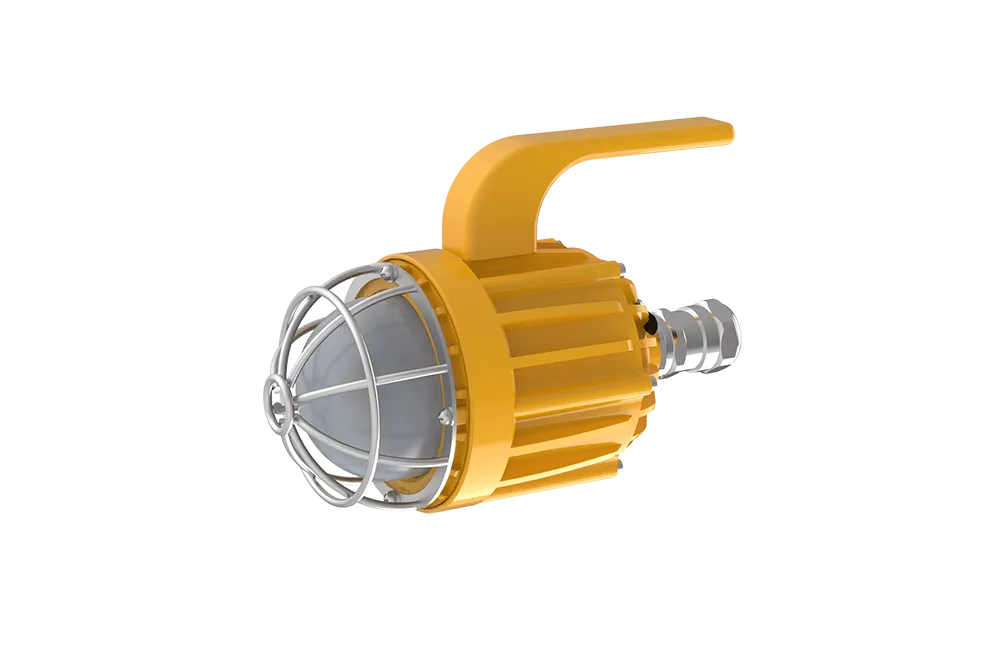
Certified explosion proof work lights for Zone 1 & 21 hazardous areas. Portable, ATEX & IECEx approved, built for oil, gas and chemical plants by SEEKINGLED.
ATEX: II 3G Ex nR ⅡC T6 GcII 3D Ex tc ⅢC T80℃ Dc ATEX Certificate NO: TÜV CY 26 ATEX 0207611 X Feature: ● For Zone 2 and Zone 22● Accepts battery-powered supply● indestructible● Power:AC input:50W,75W,100WDC input:15W,25W,35W Application: O…
ATEX: Ex II 2G Ex db IIB T6 GbEx II 2D Ex tb IIIC T80°C Db IECEx Ex db IIB T6 Gb;Ex tb IIIC T80°C Db Feature: ● For Zone 1,2 and Zone 21,22● Flameproof type, the strongest Application: Oil and gas, marine, Chemical, pharmaceutical, semicondu…
ATEX: Ex II 2G Ex db IIB T6 GbEx II 2D Ex tb IIIC T80°C Db IECEx Ex db IIB T6 Gb;Ex tb IIIC T80°C Db Feature: ● For Zone 1,2 and Zone 21,22● Flameproof type, the strongest Application: Oil and gas, marine, Chemical, pharmaceutical, semicondu…
ATEX: Ex II 2G Ex d e IIB T6 Gb ATEX: Ex d e IIB T6 Gb; Feature: ● For Zone 1,2● 9W can replace 18W fluorescent lamps,50% Energy saving Application: Oil and gas, marine, Chemical, pharmaceutical, semiconductor,mining,military industry, pain…
loading…
This is the last post!
What Is ATEX Hazardous Lighting? Learn how ATEX-certified lighting protects hazardous areas, Zone 1 and Zone 2 locations, and industrial facilities worldwide.
View details
4 foot LED high bay lights designed for aisles and corridors. SEEKINGLED HB17 delivers focused optics, high efficiency, and stable long-hour performance.
View details
Outdoor flood light bulbs LED deliver powerful, energy-saving illumination for yards and buildings. Learn real installation tips, durability factors, and expert insights with SEEKINGLED.
View details
What is LED flood light explained from real installation experience. Outdoor uses, common mistakes, and how SEEKINGLED designs them.
View details