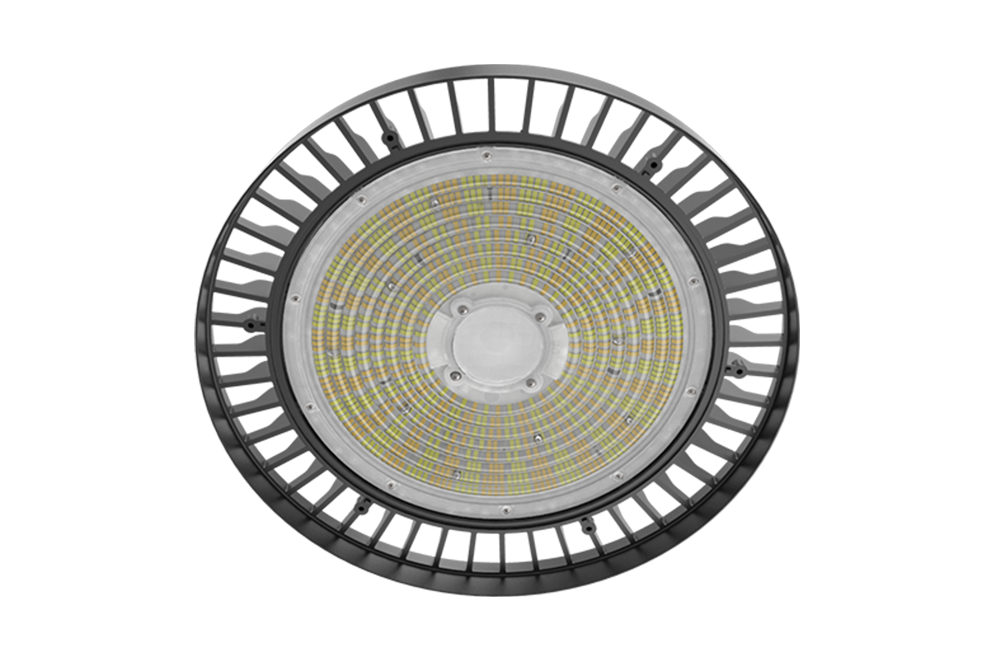
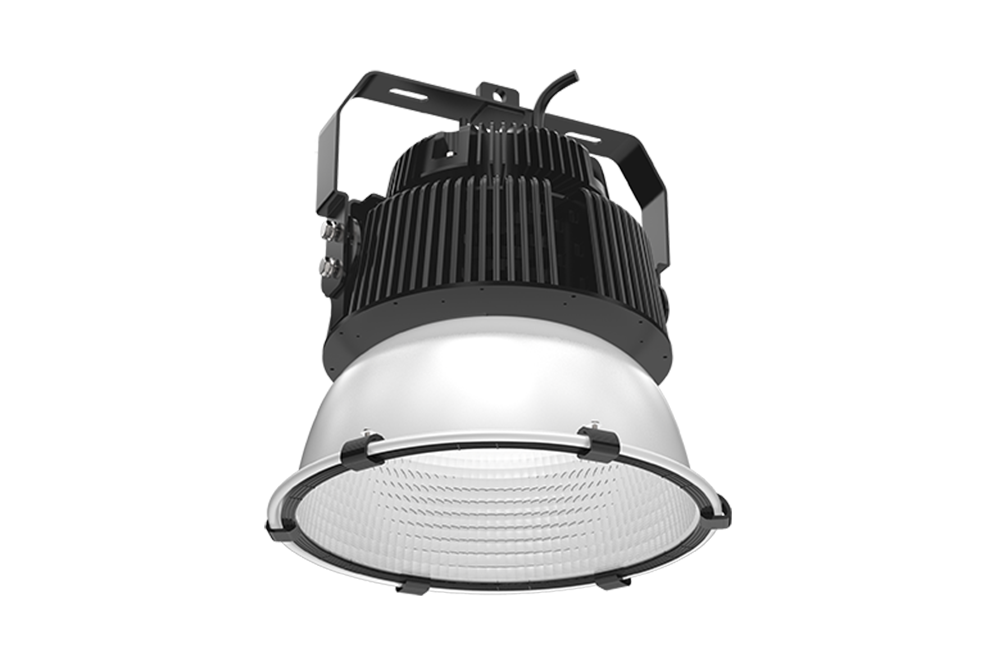
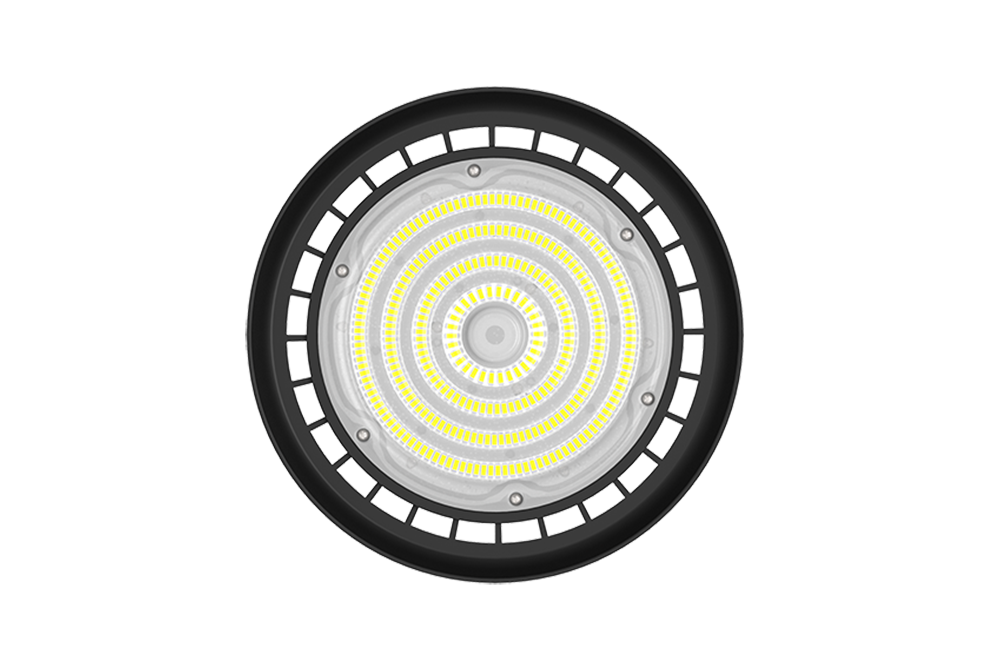
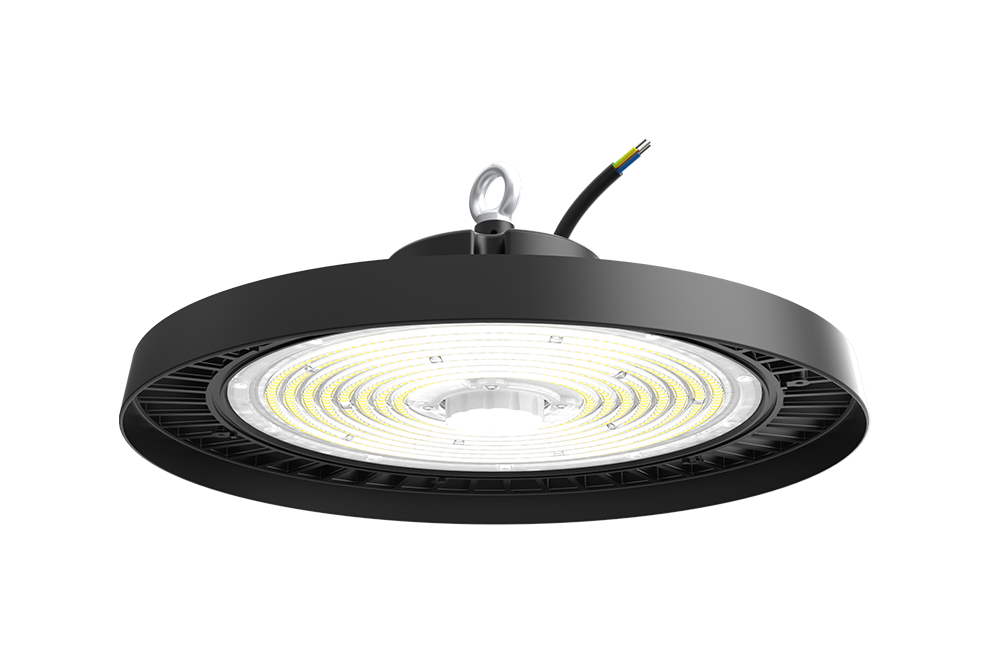
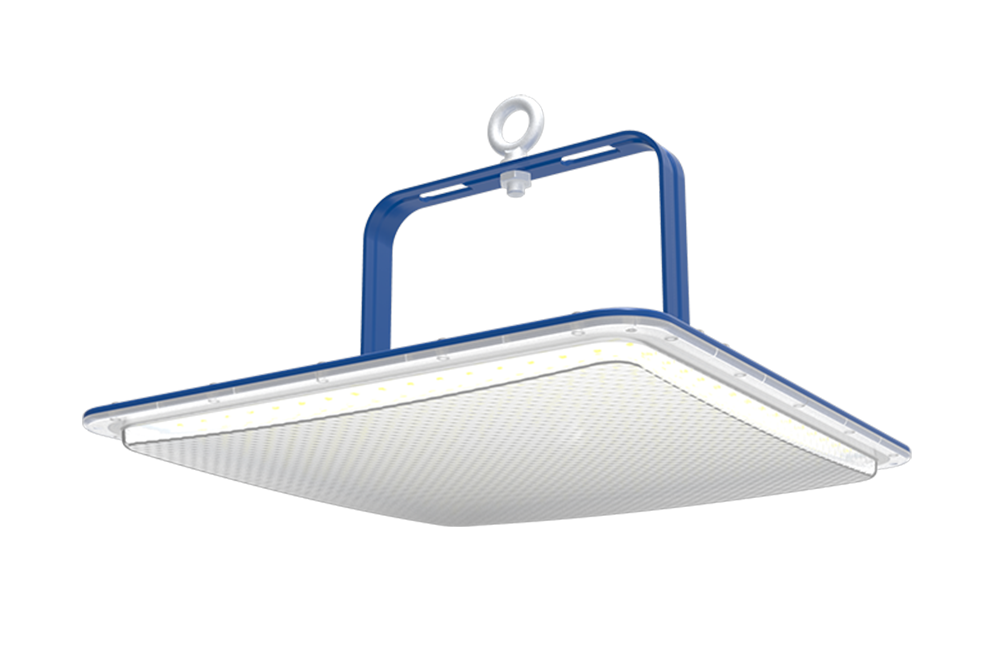
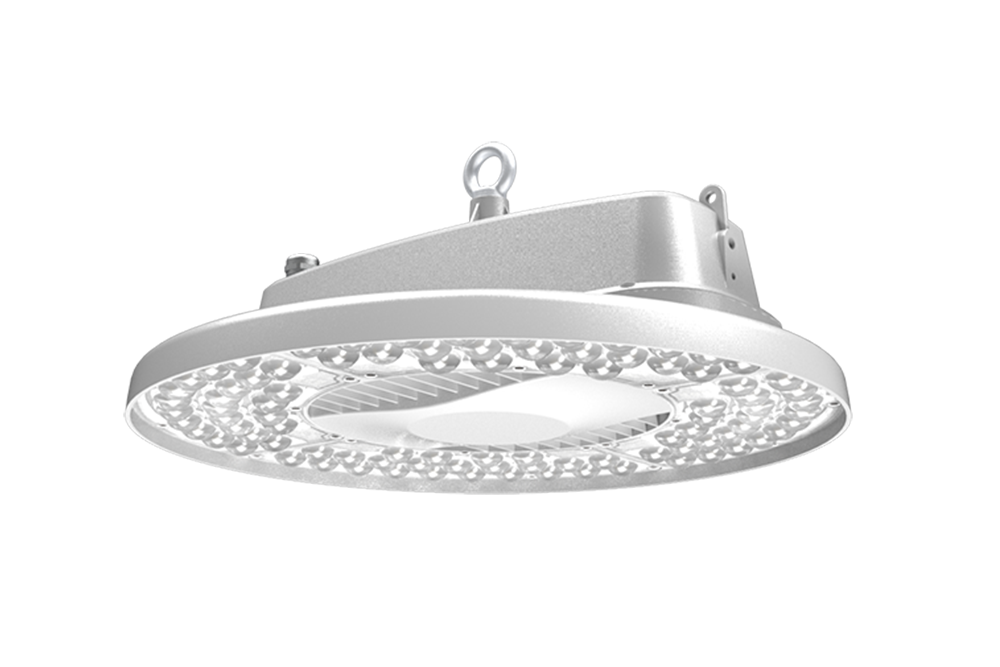
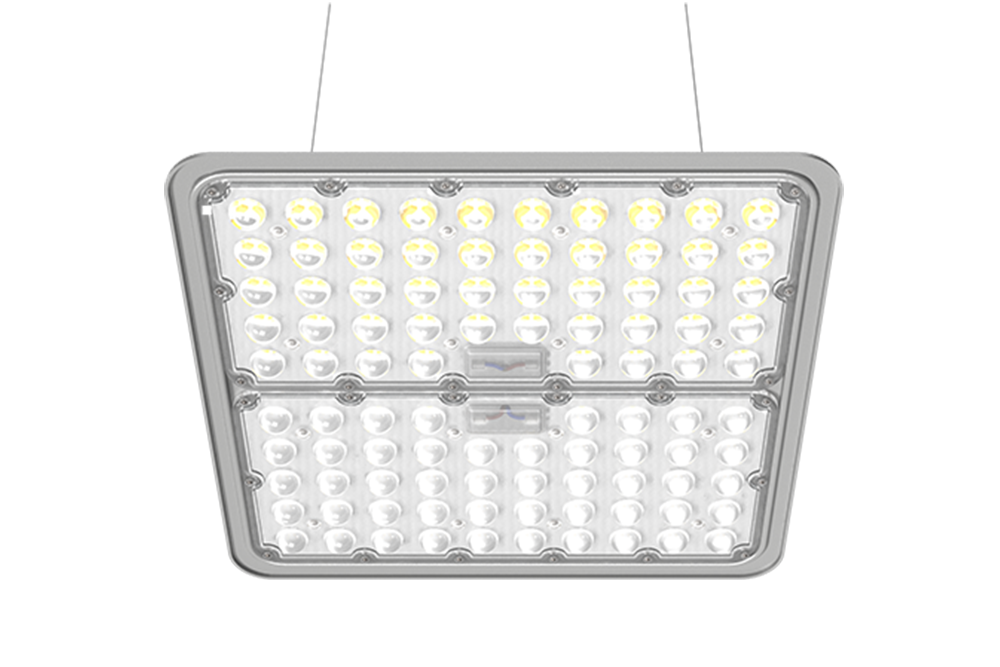
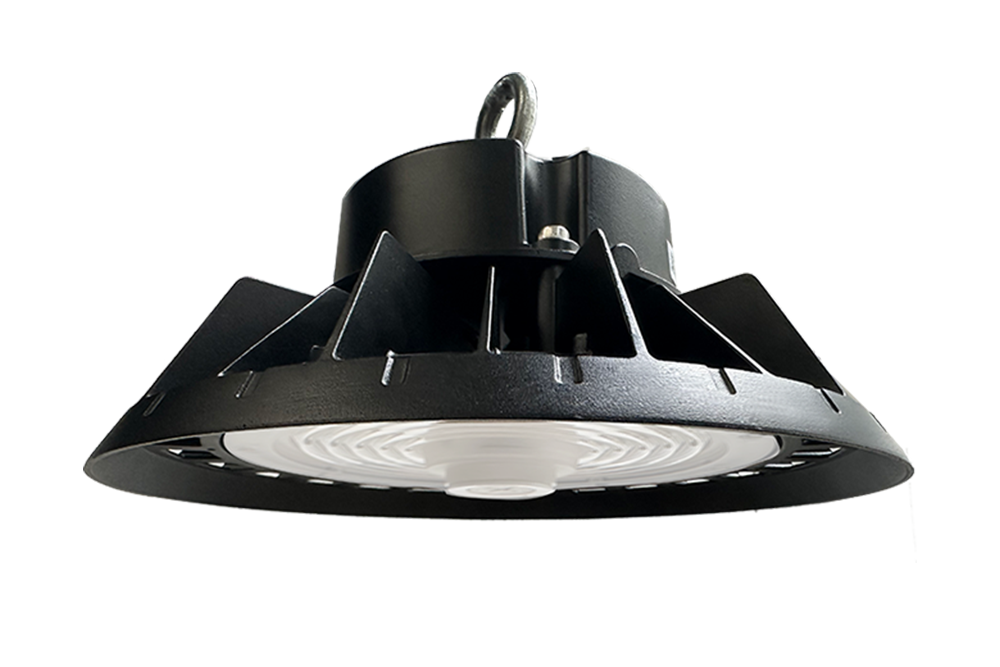
100W LED High Bay Light: Is It Really the Right Choice for Your Space?
If you search for a 100w led high bay light, chances are you’re not chasing extremes.
You’re not lighting a stadium.
You’re not trying to blind anyone.
You just want solid, reliable light that works every day.
That’s where 100W usually enters the conversation.
What a 100W LED High Bay Light Feels Like on the Floor
On paper, numbers look neat.
In reality, lighting never does.
A decent 100w led high bay light delivers around 14,000–16,000 lumens. Mounted at the right height, that translates into clean visibility—not dramatic, not weak.
Workers see labels clearly.
Forklifts move without shadow traps.
Eyes don’t feel tired after a long shift.
That’s the real test. Not the datasheet.
Where a 100W LED High Bay Light Works Well
From real projects, 100W performs best in:
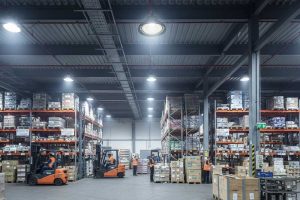
- Warehouses with 6–8 meter ceilings
- Assembly or packaging areas
- Light industrial workshops
- Storage aisles with defined layouts
If your ceiling isn’t too high and your space is organized, a 100w led high bay light usually hits the sweet spot.
Anything bigger, and expectations start to drift.
Where 100W Starts to Feel Wrong
Let’s be honest.
If your ceiling pushes 10 meters or more, or the space is wide open with no structure, 100W struggles. Light spreads. Contrast drops. Complaints begin.
At that point, the issue isn’t brand or quality.
It’s simply asking the wrong wattage to do a bigger job.
No marketing phrase can fix physics.
Beam Angle: The Quiet Deal-Breaker
This is where many installs go sideways.
Same 100W. Different beam angle.
Totally different result.
A narrow beam focuses light downward—great for aisles.
A wide beam washes light everywhere—sometimes where no one works.
At SEEKINGLED, beam choice is discussed before shipment, not after complaints. It’s a small decision that changes everything.
Heat Is Real, Even at 100W
People say LEDs “don’t get hot.”
That’s not true.
They get less hot, but heat still exists.
A poorly designed 100w led high bay light traps heat in the driver and chip area. Over time, brightness drops quietly. No failure. Just dull light.
SEEKINGLED uses heavier housings and conservative drive currents. Not flashy. But stable. Especially in warehouses running lights all day.
Energy Savings You Actually Notice
Yes, power consumption drops compared to old HID systems.
But the real savings show up elsewhere:
- Fewer replacements
- Less maintenance labor
- Stable brightness year after year
A 100w led high bay light often replaces 250W metal halide with better visibility and lower operating stress. That’s where the return shows up.
Common Mistakes That Ruin Good Lighting
Even a good fixture fails when:
- Spacing is guessed
- Mounting height is ignored
- Beam angle is chosen randomly
Most lighting “problems” aren’t wattage problems. They’re planning problems.
Fix the layout, and 100W suddenly makes sense again.
Why Many Buyers Choose SEEKINGLED
SEEKINGLED doesn’t chase exaggerated lumen numbers.
We focus on:
- Real-world performance
- Thermal stability
- Consistency over time
Our 100w led high bay light is built for working environments, not showrooms or spec-sheet comparisons.
Should You Choose a 100W LED High Bay Light?
Choose it if:
- Your ceiling height is moderate
- You value efficiency over excess
- You want predictable, calm lighting
Skip it if:
- Your space is very high or very wide
- You expect high-mast brightness
Lighting works best when it’s honest.
And in the right space, a 100w led high bay light does its job quietly—and keeps doing it.
100w led high bay light recommended
The SEEKING HBC-T Series high bay lights LED offer long-lasting performance for warehouses, production plants and logistics centers. Durable IP65 & IK08 housing, 60°/90° beam angles, up to 150 lm/W, and a lifespan beyond 100,000 hours. Ideal for a…
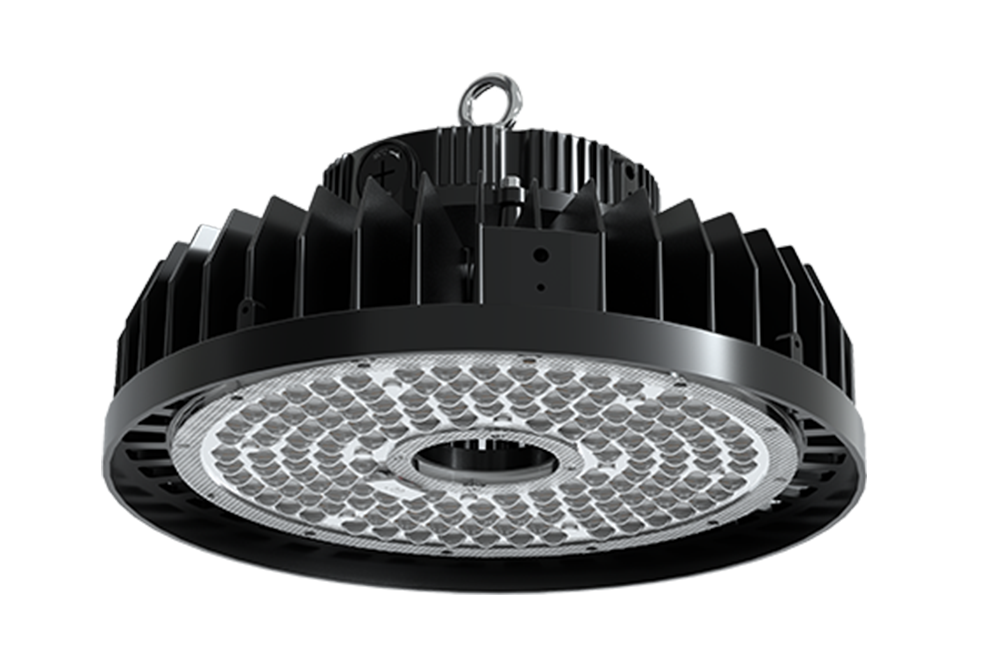
The SEEKING HBS Series LED UFO high bay light delivers 140 lm/W efficiency, IP65 protection and MEAN WELL drivers. A durable high-rise lighting solution for factories, warehouses and commercial halls.
SEEKING HBD Series LED high bay lighting delivers 160 lm/W efficiency, IP66 protection, and long 100,000-hour lifespan. A durable UFO high bay solution for warehouses, workshops, logistics centers and commercial facilities.
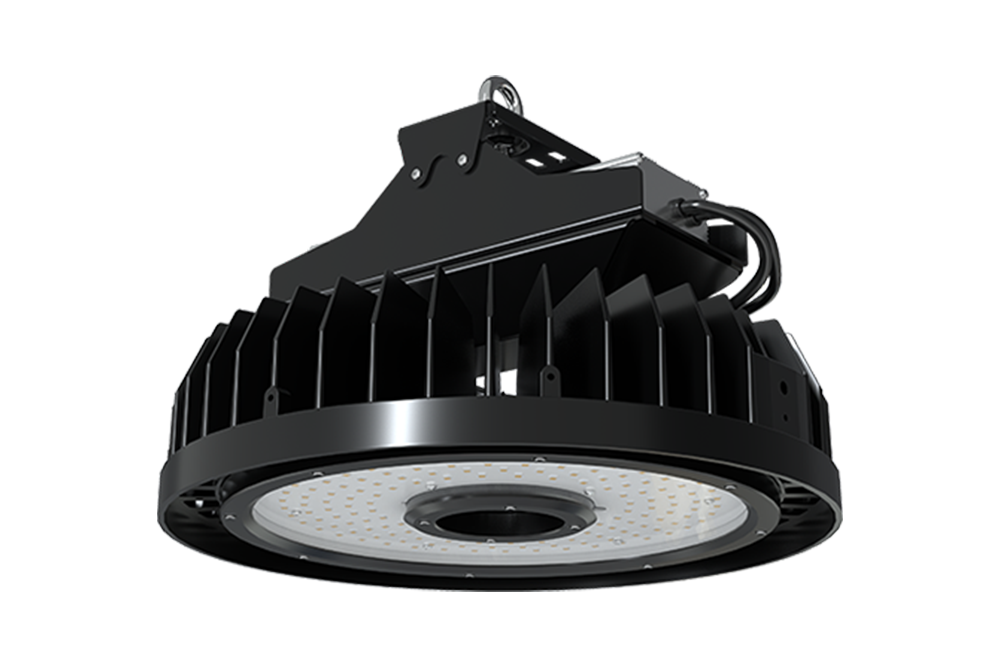
The SEEKING HBC Series high bay LED light fixtures combine strong efficiency, practical design and reliable SOSEN drivers. A durable UFO high bay lighting option for warehouses, workshops and wholesale projects.
The SEEKING GSL Series high bay LED light delivers powerful, efficient lighting for industrial and commercial spaces. With IP65 protection, flexible mounting, and up to 140 lm/W performance, it’s ideal for warehouses, workshops, and retail areas.
The SEEKING HB15(GLE) Series delivers advanced high bay led lighting with UGR 100,000 h) and reliable illumination for demanding commercial environments.
Discover the SEEKING HB13(GLK) Series ufo led high bay light, engineered for sports halls, airport lounges, showrooms, and large commercial spaces. UGR 100,000 h). Ideal for industrial ufo high bay lighting fixtures and commercial retrofits.
SEEKING HBF Series offers industrial LED high bay lighting with up to 200lm/W efficiency, SOSEN flicker-free driver, IP65 protection and optional microwave motion sensor. Ideal for warehouses, factories and commercial distribution projects.
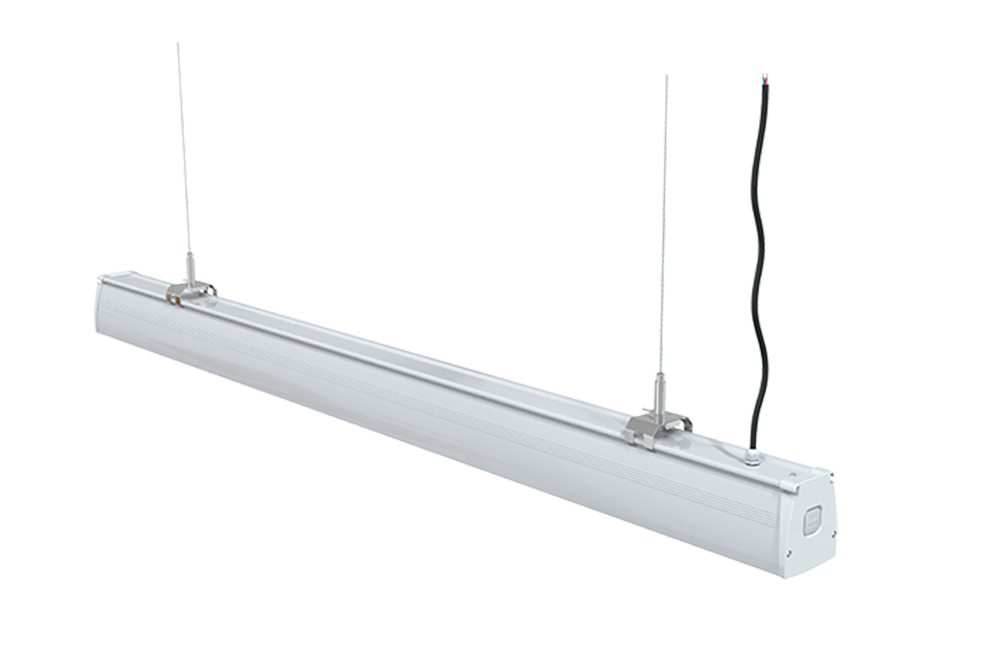
The HLD Series linear high bay LED lights from SEEKING deliver up to 200 lm/W with multiple beam angles and adjustable CCT options for warehouse, workshop, corridor and general industrial lighting.
The HBK Series LED high bay light by SEEKING combines 500W power, 160–175 lm/W efficiency and IP65 durability for heavy-duty industrial lighting. Designed for warehouse, factory and production facilities with demanding ceiling heights.
LED high bay lights engineered for extreme heat and low-temperature industrial sites. SEEKING HBK Ultua Series operates from -40°C to +70°C with Nichia LEDs and Inventronics driver.
High bay LED lights built for warehouses, production plants and wholesale distribution. SEEKING HBI Series offers up to 200lm/W, IP65, IK08 and optional microwave motion sensor for energy saving operation.
loading…
This is the last post!
 Seeking LED