The first time you open an electrical junction box inside a classified industrial area, the design differences become obvious immediately.
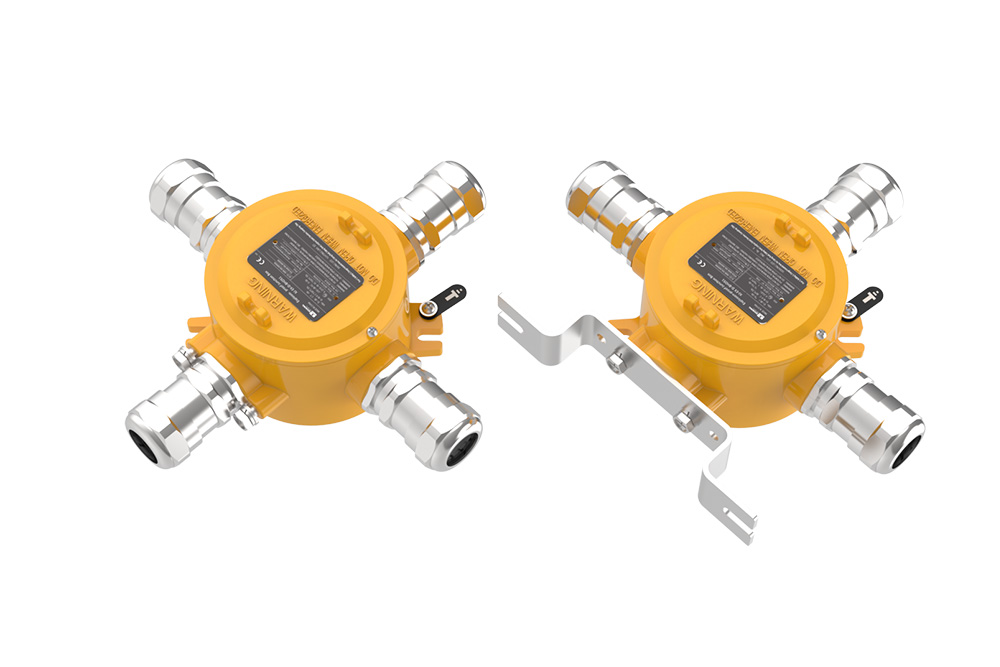
It is heavier. The wall thickness is substantial. The cable entries look oversized compared with standard industrial enclosures.
None of that is accidental.
In hazardous facilities—oil processing plants, offshore gas platforms, underground mines—simple electrical connections can become potential ignition points. A loose wire, a small spark, even a high surface temperature may trigger combustion if flammable gas or dust is present.
That is exactly why explosion proof junction boxes exist.
They are not just containers for wires. They are engineered safety devices built to isolate electrical connections from explosive atmospheres.
Why Standard Electrical Boxes Are Not Enough
In conventional industrial buildings, junction boxes primarily serve organizational purposes: routing cables, protecting terminals, and simplifying maintenance.
Hazardous environments change the equation.
According to the International Electrotechnical Commission (IEC) standards such as IEC 60079-0, equipment installed in explosive atmospheres must prevent sparks or hot surfaces from igniting surrounding gases or dust.
Industrial sites are therefore divided into hazardous zones:
Zone 1 – explosive gases likely during normal operation
Zone 2 – gases present occasionally
Zone 21 – combustible dust frequently present
Zone 22 – dust occasionally present
Any electrical enclosure used in these locations must meet strict mechanical and thermal requirements.
This is where explosion proof junction boxes become essential components of the electrical infrastructure.
Flameproof Construction: A Key Safety Principle
Most hazardous-area junction boxes use Ex d flameproof protection.
Instead of attempting to eliminate internal sparks entirely—which is almost impossible in electrical systems—the enclosure is designed to contain an explosion inside the housing.
If ignition occurs internally, the flame cannot escape to the external atmosphere.
This approach requires precise engineering:
- thick aluminum or stainless steel housings
- threaded or flame-path joints
- reinforced cable entries
- high-temperature seals
During inspections at petrochemical facilities, it is common to see explosion-proof junction boxes weighing several times more than ordinary industrial enclosures. That additional material is part of the safety design.
Installation Realities in Industrial Projects
Electrical drawings often look clean and organized. Actual installation environments rarely match those diagrams.
Pipelines cross cable trays. Structural beams block access points. Offshore platforms add vibration and salt corrosion to the mix.
When technicians install wiring systems in these environments, junction boxes become critical connection hubs. Every lighting circuit, sensor cable, and power feed eventually passes through one.
The explosion proof junction boxes developed by SEEKINGLED are designed with these practical conditions in mind. Integrated junction compartments with quick-connect terminals allow electricians to complete installations more efficiently.
In real projects this makes a difference.
Reducing wiring time even slightly can lower labor costs significantly—especially in facilities where safety permits and supervision are required before technicians can begin work.
Efficiency and System Integration
Another trend in modern hazardous-area lighting systems is integration.
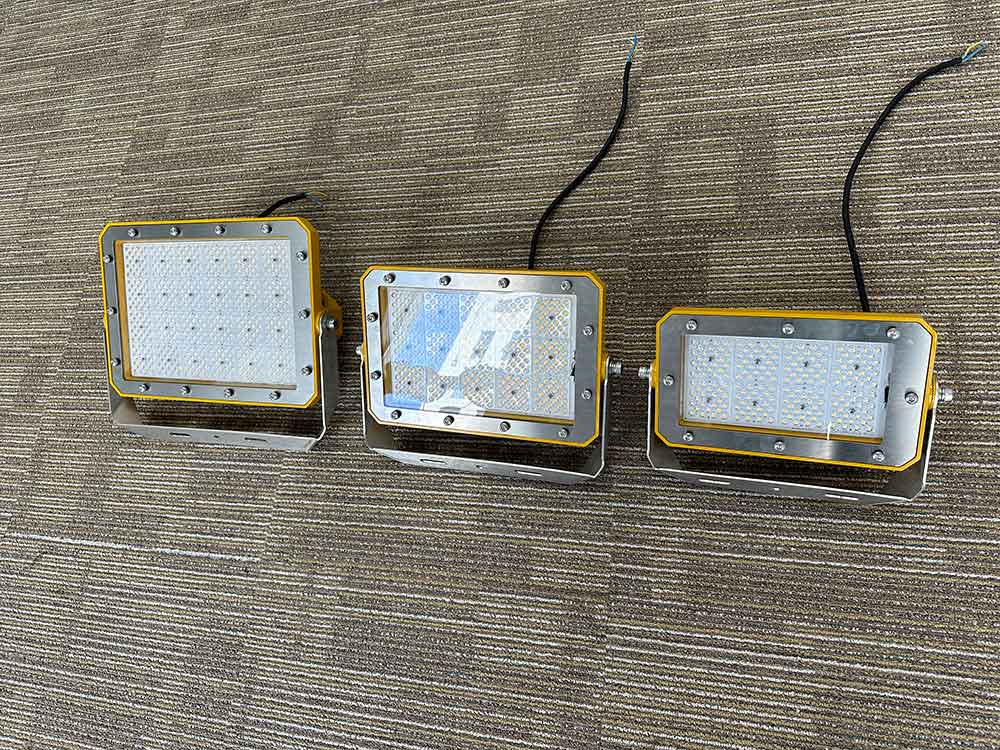
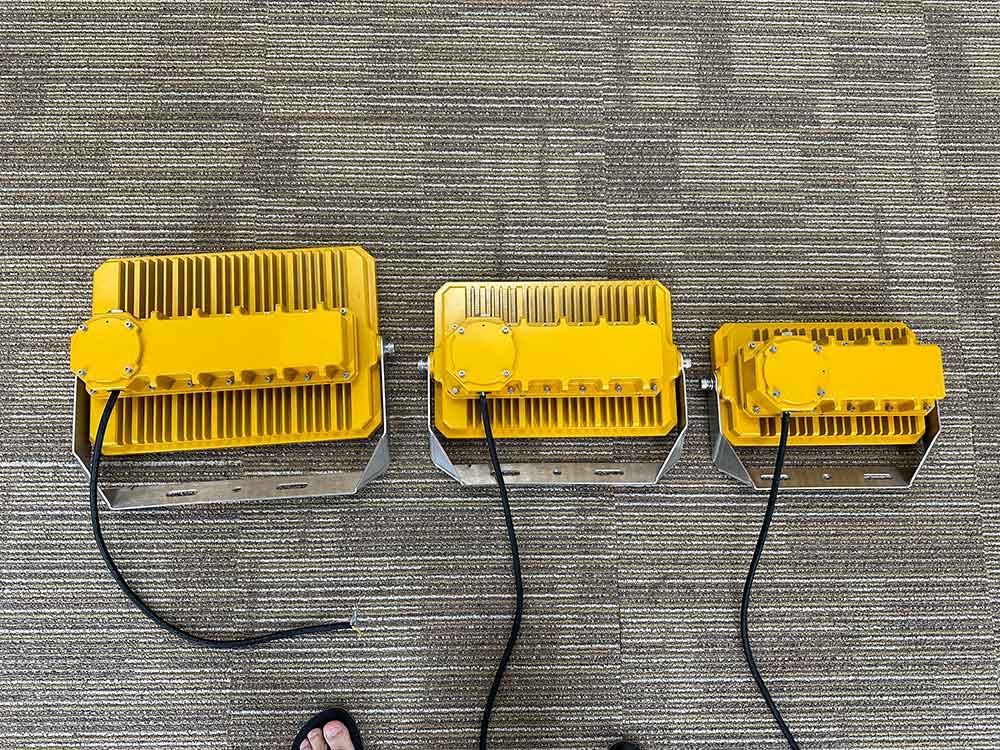
Instead of installing separate electrical boxes and lighting fixtures, some luminaires now include integrated junction boxes. This approach simplifies wiring and reduces the number of external components required.
For example, SEEKINGLED explosion-proof luminaires incorporate built-in junction boxes equipped with quick-connect terminals. Installers can connect power lines directly within the fixture enclosure.
Less external hardware means fewer potential failure points.
It also speeds up installation.
Energy Efficiency Still Matters
Even in hazardous environments where safety dominates design decisions, energy efficiency remains important.
Lighting systems often operate continuously in oil and gas facilities, processing plants, and underground infrastructure.
According to the U.S. Department of Energy, LED lighting can reduce electricity consumption by 50–75 percent compared with traditional lighting technologies in many industrial applications.
Because junction boxes form part of the lighting infrastructure, their design increasingly supports efficient LED systems with modular wiring configurations and flexible installation layouts.
The result is safer and more efficient industrial lighting networks.
Durability in Harsh Environments
Explosion-proof equipment must survive more than just internal pressure events.
Hazardous industrial sites introduce multiple stress factors:
constant vibration from heavy machinery
high humidity or marine salt exposure
dust accumulation in mining operations
temperature fluctuations in outdoor installations
For this reason explosion proof junction boxes are typically manufactured using corrosion-resistant aluminum alloys or stainless steel housings with reinforced sealing systems.
These enclosures are designed to remain reliable even after years of operation in demanding environments.
It is not unusual to see hazardous-area electrical enclosures still functioning after a decade of continuous service.
Typical Applications
Because electrical connections are required throughout industrial facilities, explosion proof junction boxes appear in many hazardous environments:
oil and gas production platforms
petrochemical refineries
chemical manufacturing plants
underground mining systems
industrial tunnel infrastructure
In each of these locations, the junction box becomes a small but essential component of the safety system.
Engineering Experience Behind SEEKINGLED Designs
Reliable hazardous-area equipment rarely comes from theoretical design alone.
Many improvements in explosion-proof lights hardware come from field feedback provided by engineers and installers working on real projects.
At SEEKINGLED, development teams incorporate insights gathered from installations in oil, gas, and heavy industry facilities. Details such as cable gland positioning, mounting structures, and internal wiring space are adjusted after observing how technicians interact with the equipment on site.
These practical refinements may seem minor, yet they determine whether installation proceeds smoothly—or becomes unnecessarily complicated.
And in complex industrial projects, small design decisions often have large consequences.
That is why well-engineered explosion proof junction boxes remain an indispensable part of safe electrical systems in hazardous areas.
explosion proof junction boxes recommended
Explosion-proof Junction Box for safe wiring in Zone 1 areas. Fast, tool-free installation, ATEX & IECEx certified. Trusted performance from SEEKINGLED.
loading…
This is the last post!
 Seeking LED