 Seeking LED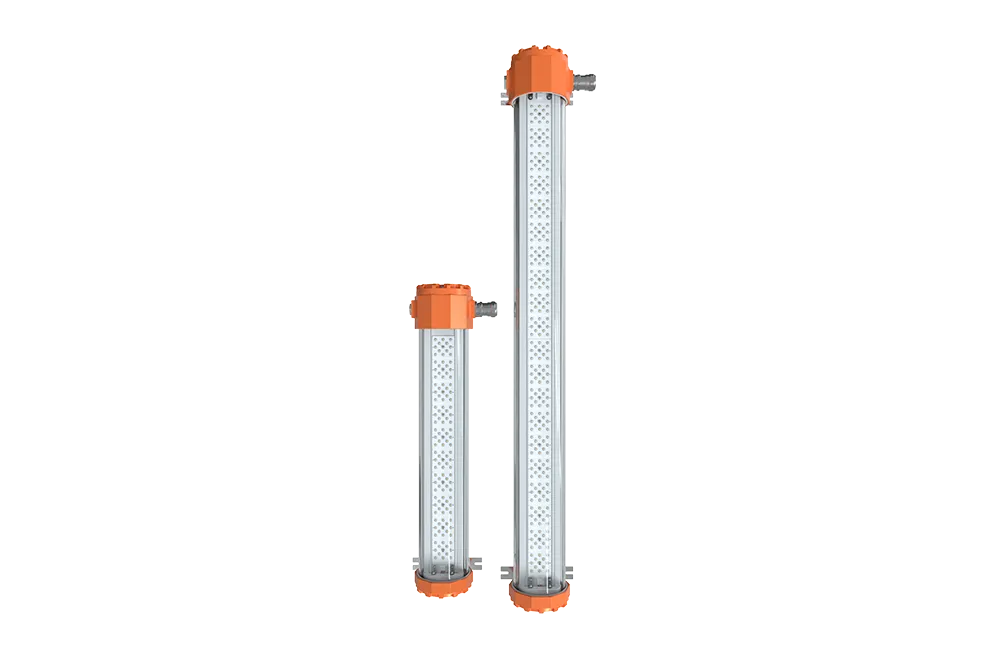
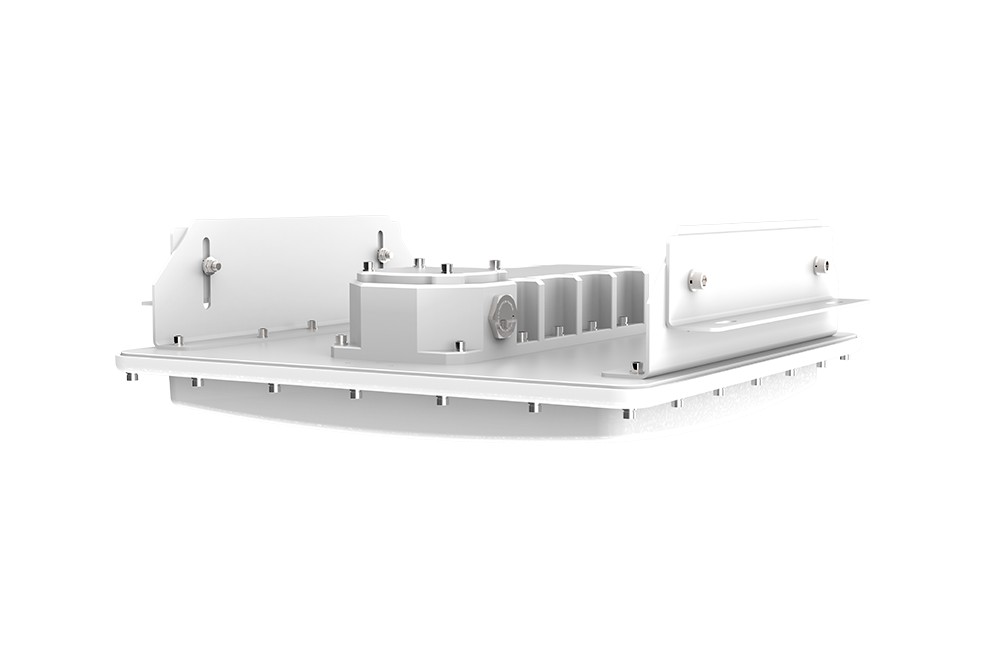
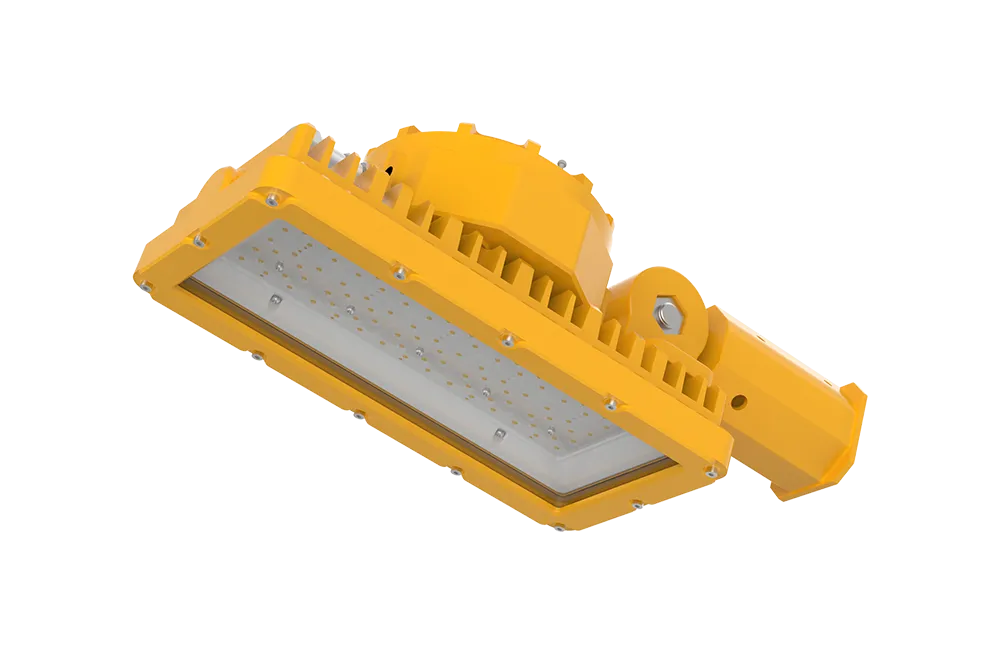
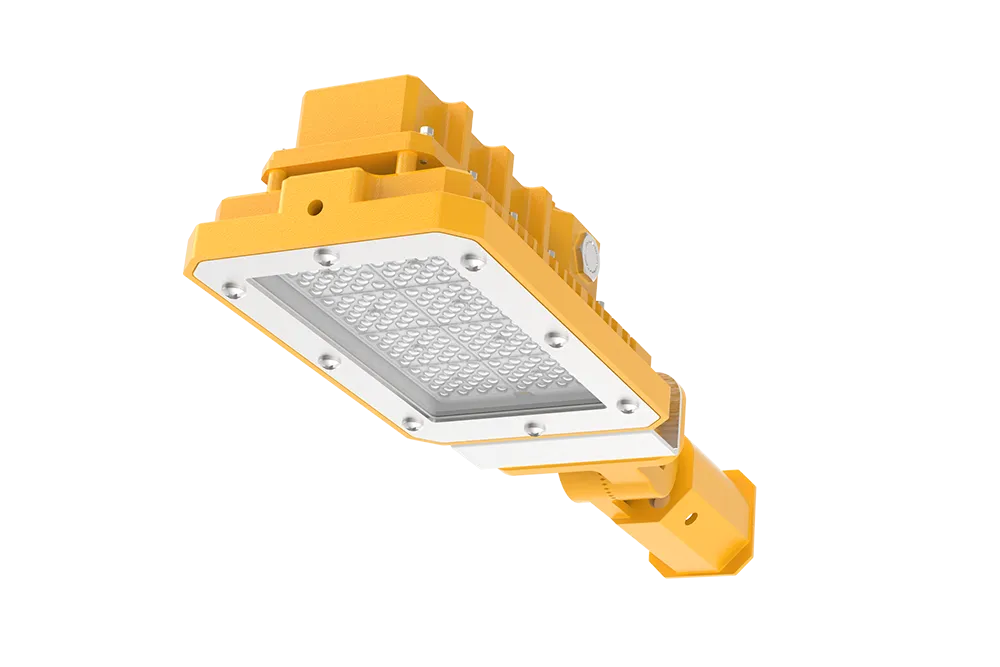
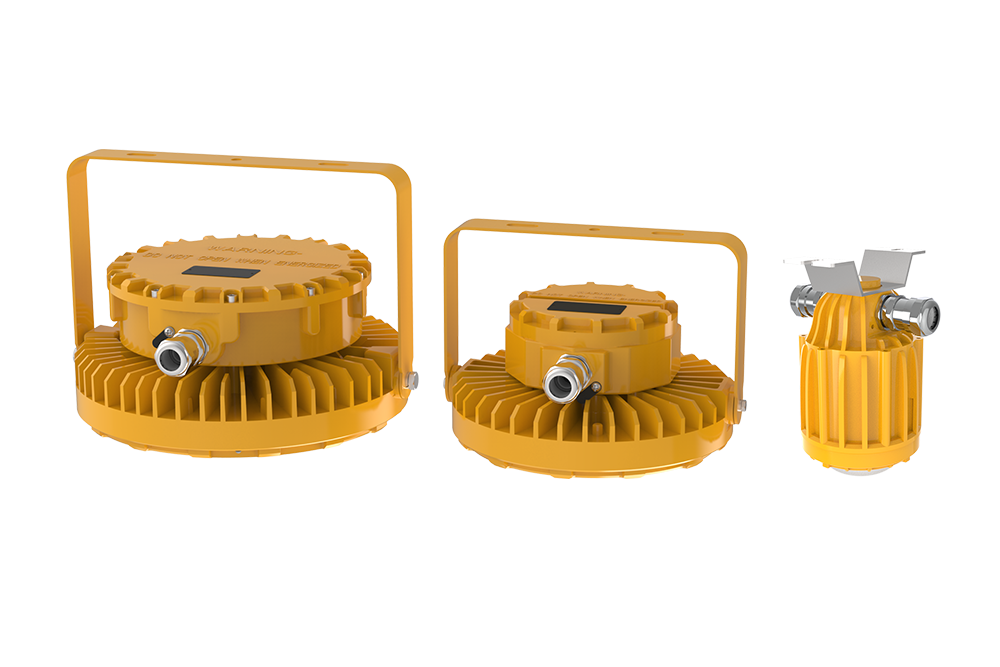
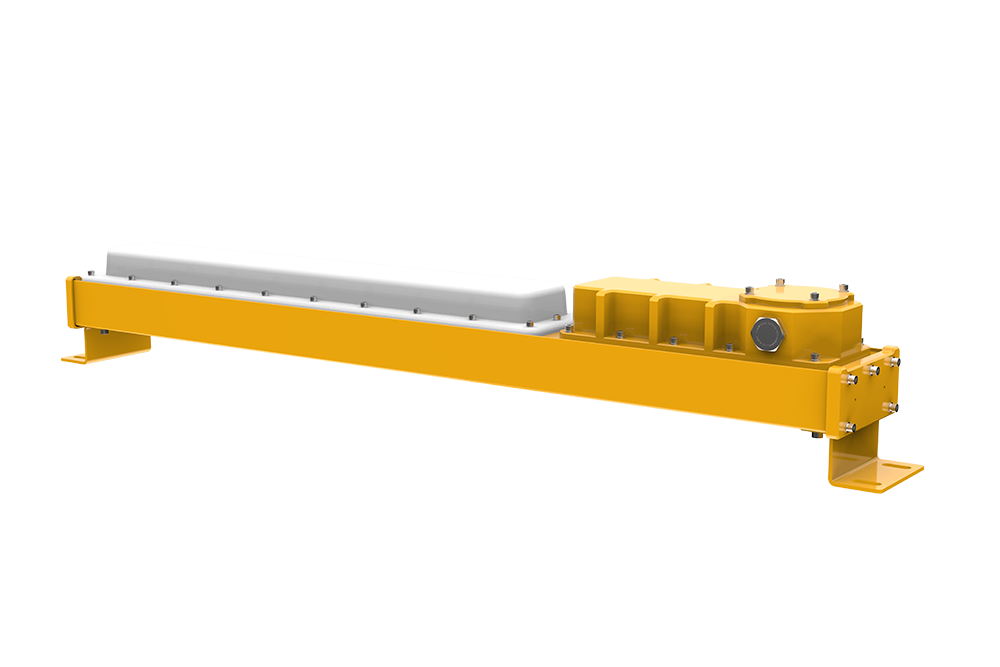
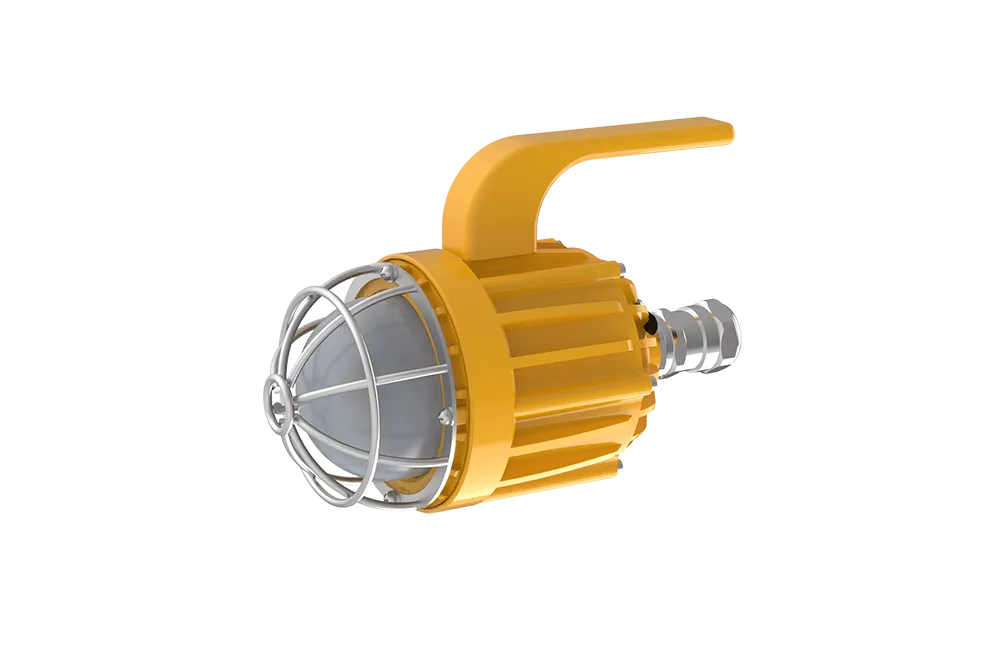
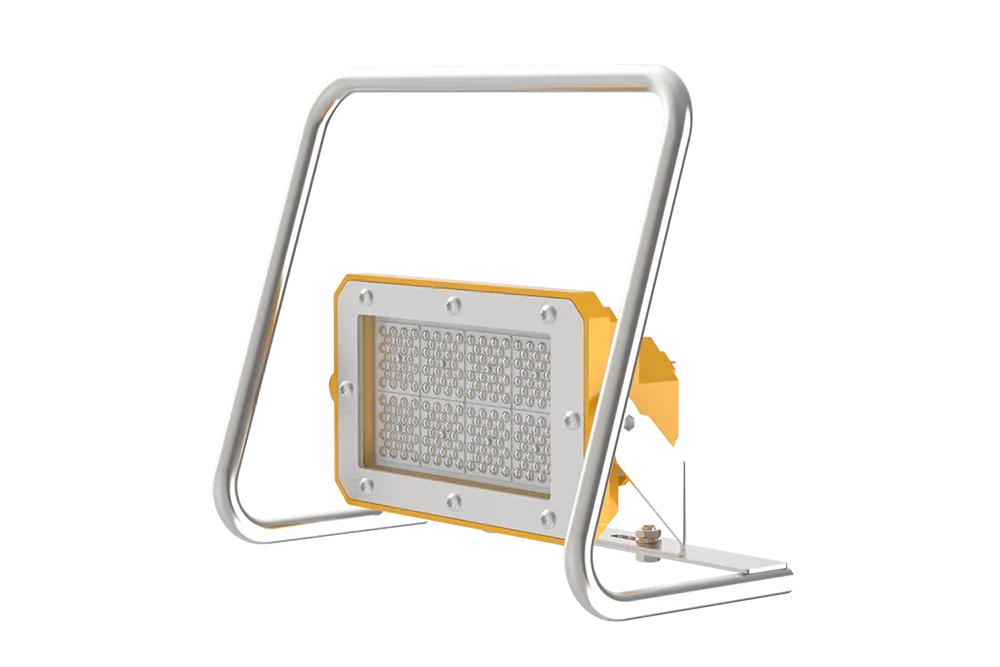
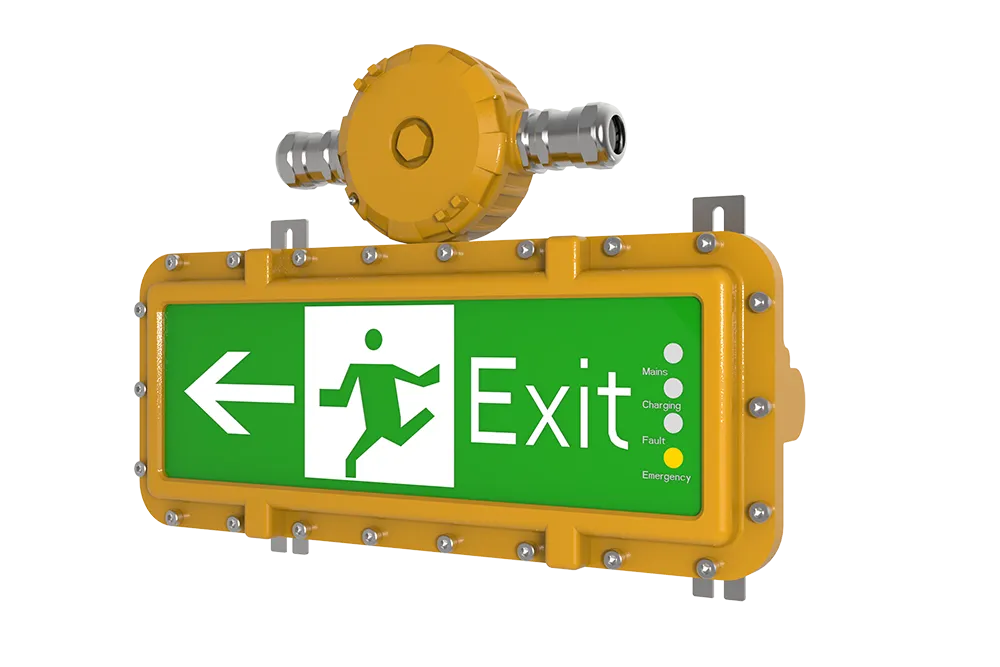
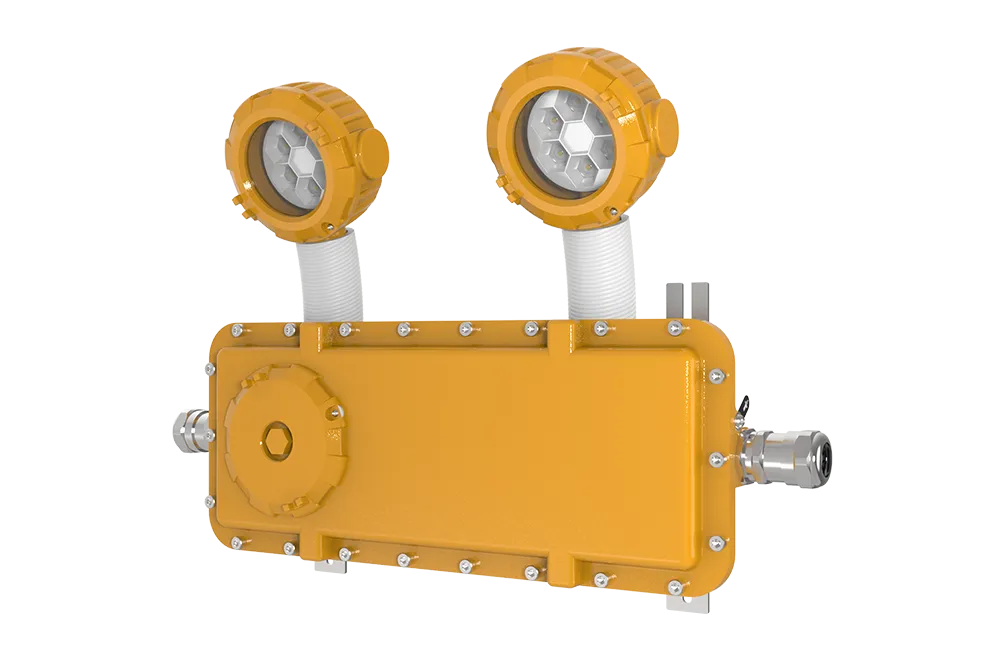
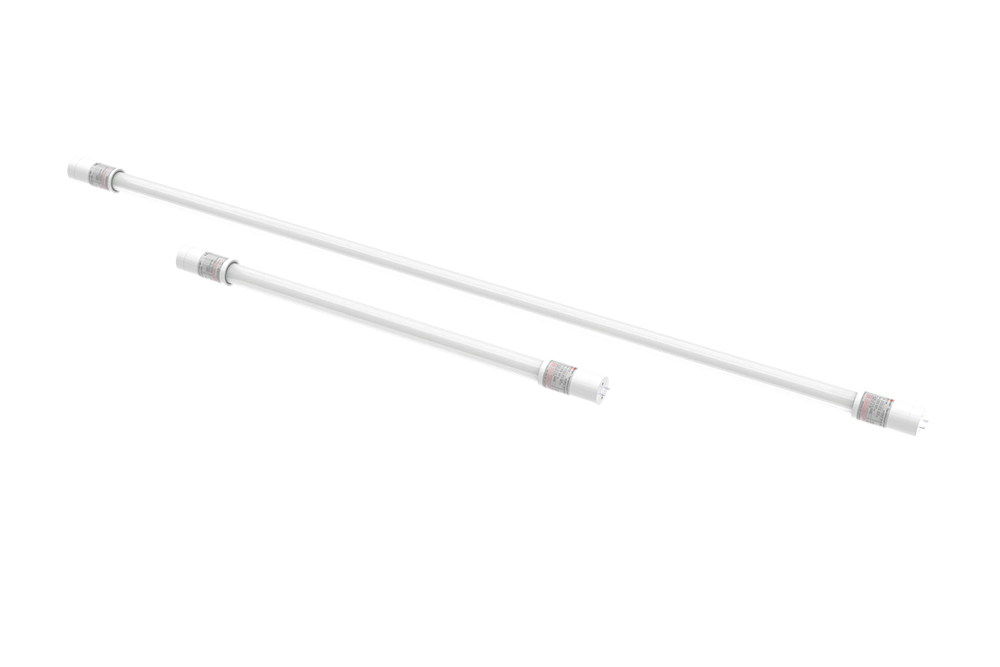
led flood light with lens: precision optics for controlled illumination
48led flood light with lens delivers precise beam control, reduced glare, and higher efficiency. Ideal for sports, industrial, and outdoor lighting upgrades.
View detailsSearch the whole station
An explosion proof light fixture is not simply a heavy-duty industrial lamp. It is a certified safety device designed to operate where flammable gases, vapors, or combustible dust may be present. In oil refineries, chemical plants, offshore platforms, and grain processing facilities, lighting is part of the safety infrastructure.
I have worked in hazardous area lighting engineering for over a decade, participating in product development, certification processes, and refinery retrofit projects. At SEEKINGLED, we design and manufacture explosion proof light fixture solutions internally — from housing design and thermal modeling to compliance testing with certification bodies.
That experience shapes how I look at hazardous lighting: details matter, and assumptions are expensive.
The term “Ex” originates from explosion protection standards developed by the International Electrotechnical Commission under the IEC 60079 series. These standards define protection concepts such as:
In Europe, these are aligned with ATEX Directive 2014/34/EU. In North America, hazardous locations are defined under the NEC, overseen by the National Fire Protection Association.
An explosion proof light fixture is designed so that:
This is engineering control, not marketing terminology.
In earlier projects, most explosion proof light fixture installations relied on high-pressure sodium or metal halide lamps. These technologies generated significant heat and required frequent replacement.
According to the U.S. Department of Energy, LED lighting can reduce energy consumption by 50–70% compared with traditional HID systems in industrial environments. That reduction directly benefits hazardous applications:
However, LED does not automatically guarantee safety. Thermal management inside a sealed enclosure is complex. If junction temperatures rise excessively, external surface temperatures may exceed T6 or T5 limits.
At SEEKINGLED, we conduct high-ambient testing at +55°C to simulate refinery conditions. We measure surface temperature stability under continuous operation. Real compliance requires real testing.
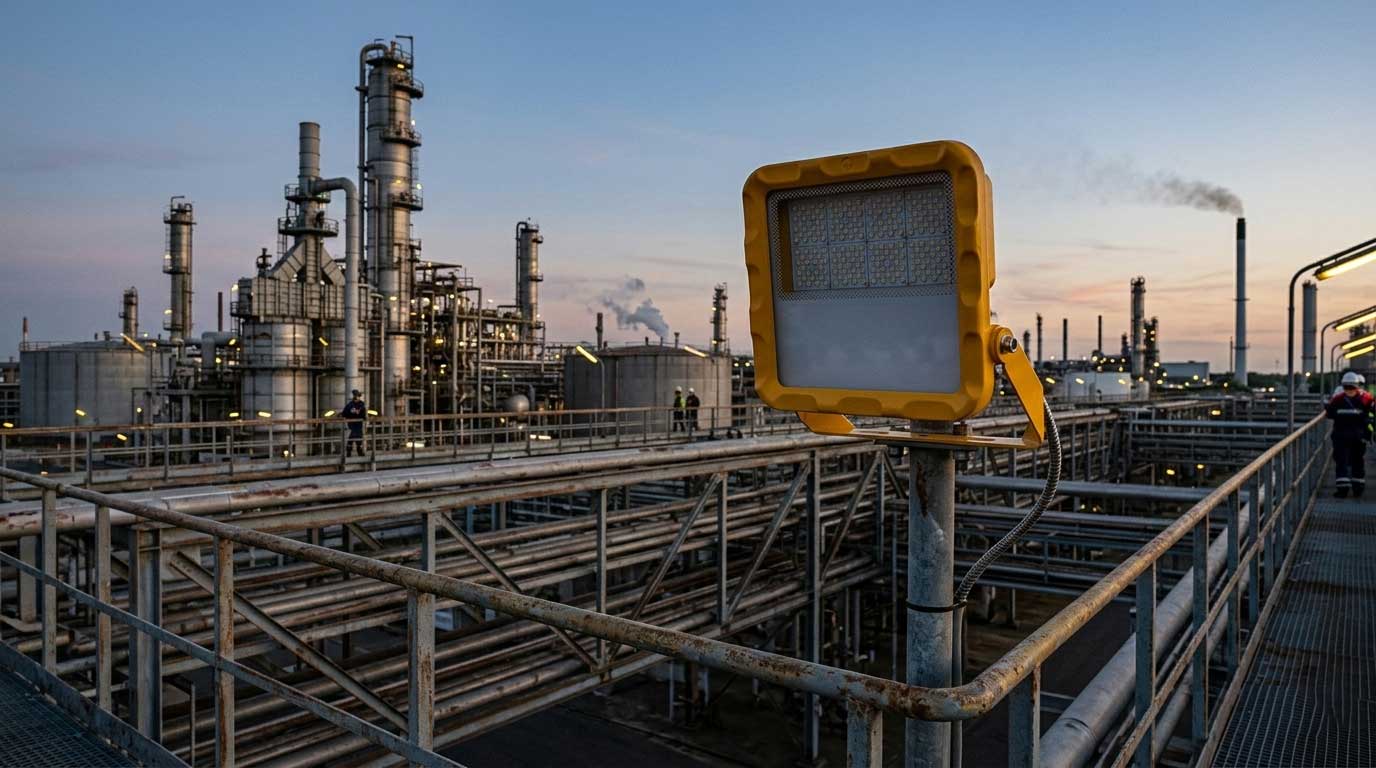
On one refinery expansion project, we replaced over 120 aging luminaires. What seemed straightforward on paper revealed several practical challenges:
An effective explosion proof light fixture must consider not only compliance but also installation efficiency. Integrated terminal compartments reduce wiring complexity. Balanced housing design simplifies mounting at height.
Labor time savings are rarely discussed in brochures, yet they significantly affect project budgets.
Hazardous areas are rarely clean or controlled. Offshore installations face salt spray and vibration. Chemical plants expose fixtures to corrosive vapors. Grain facilities accumulate dust.
The International Energy Agency has emphasized that LED system reliability depends heavily on thermal management and environmental protection.
For explosion proof light fixture design, that means:
Failure usually occurs at the interface — cable entry, seal degradation, or driver overheating.
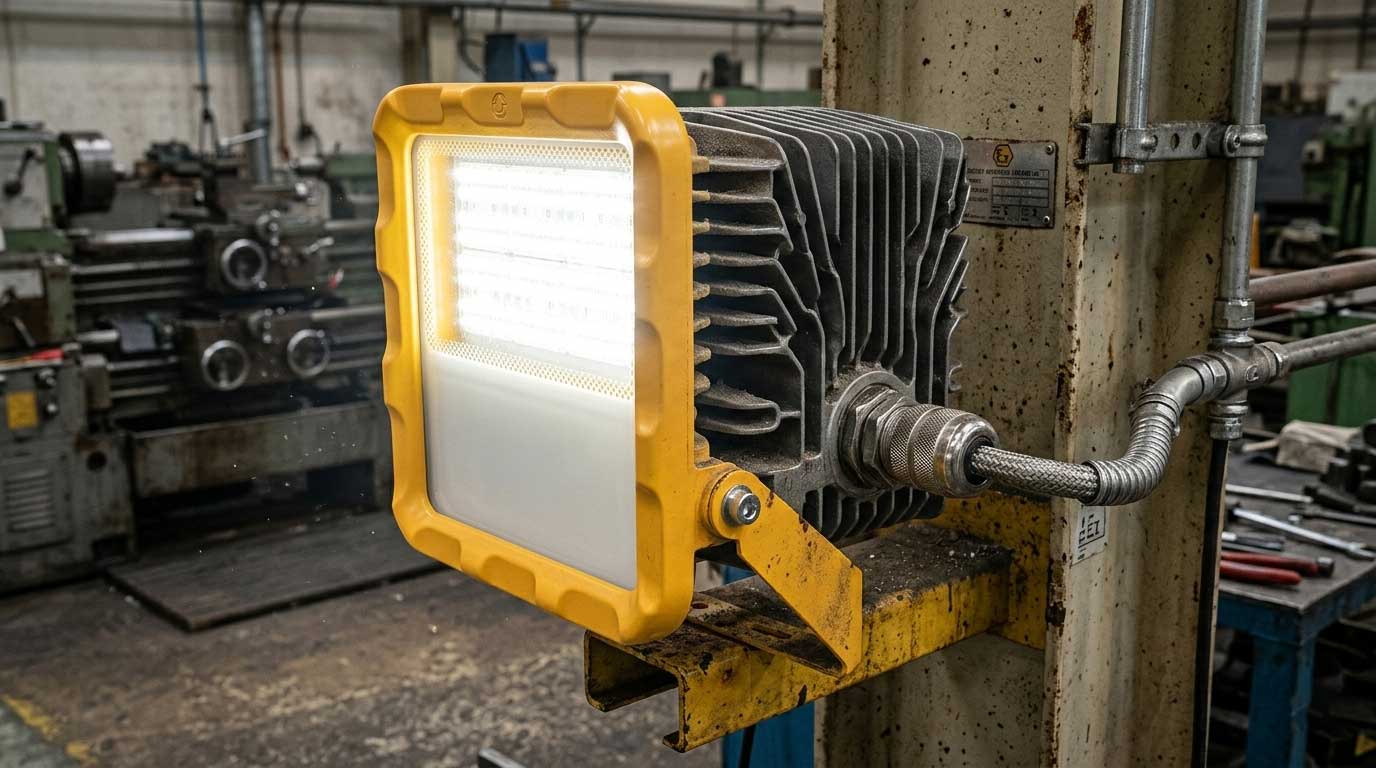
Certification is not a decorative label. During testing for flameproof (Ex d) luminaires, enclosures undergo pressure tests to confirm containment capability. Flame paths are measured precisely. Temperature rise is recorded at maximum rated load.
Any explosion proof light fixture should clearly display:
Incomplete documentation often delays project approval.
At SEEKINGLED, we coordinate directly with certification authorities to ensure traceability between product marking and official reports.
After years in hazardous lighting development and field support, I view an explosion proof light fixture as a system — mechanical, electrical, and regulatory components working together. Brightness alone does not define quality. Stability, compliance, and durability do.
In refineries, offshore platforms, and chemical facilities, lighting must operate reliably for years without creating additional risk. That is the responsibility carried by every explosion proof light fixture we design at SEEKINGLED.
Selecting the right explosion proof light fixture is ultimately about disciplined engineering and respect for hazardous environments — not just specification sheets.
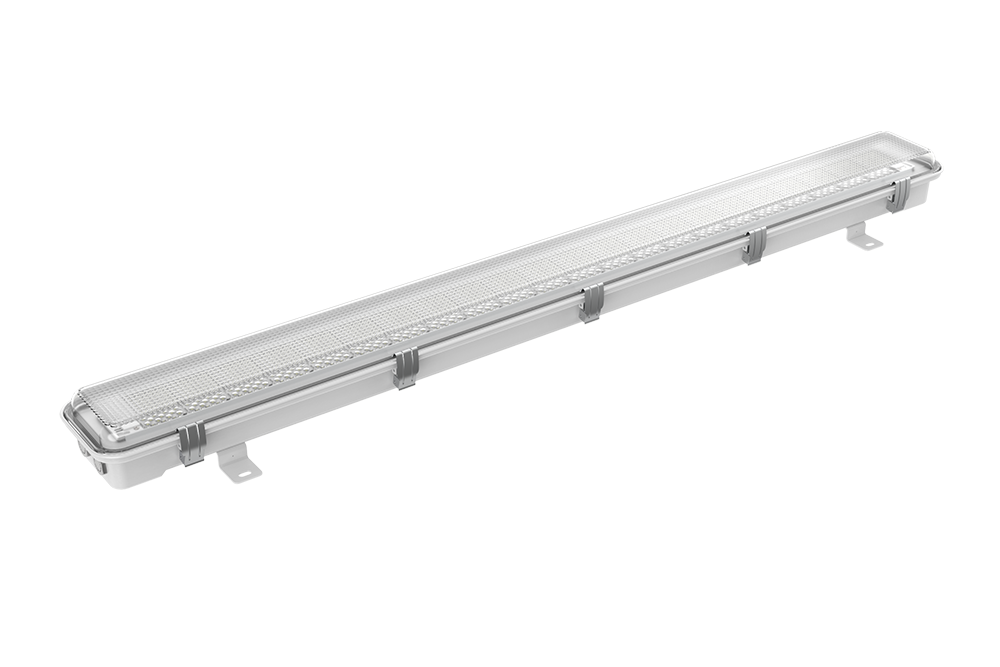
SEEKINGLED LED Linear Explosion Proof Light and Explosion Proof lighting is ATEX and IECEx certified for Zone 1, Zone 2, Zone 21 and Zone 22 hazardous locations, built for long-term industrial use.
LED Linear Explosion Proof Lights and EX Proof lights for Zone 1, Zone 2, Zone 21 and Zone 22 hazardous areas. ATEX & IECEx certified explosion proof LED linear lighting with emergency function, adjustable power and IP67 protection by SEEKINGLED.
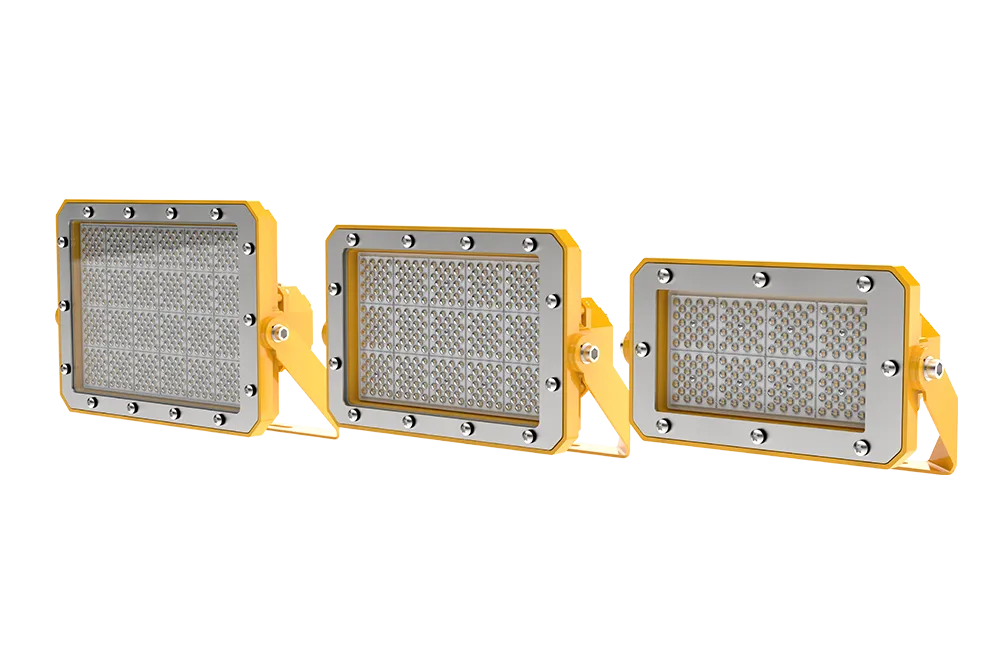
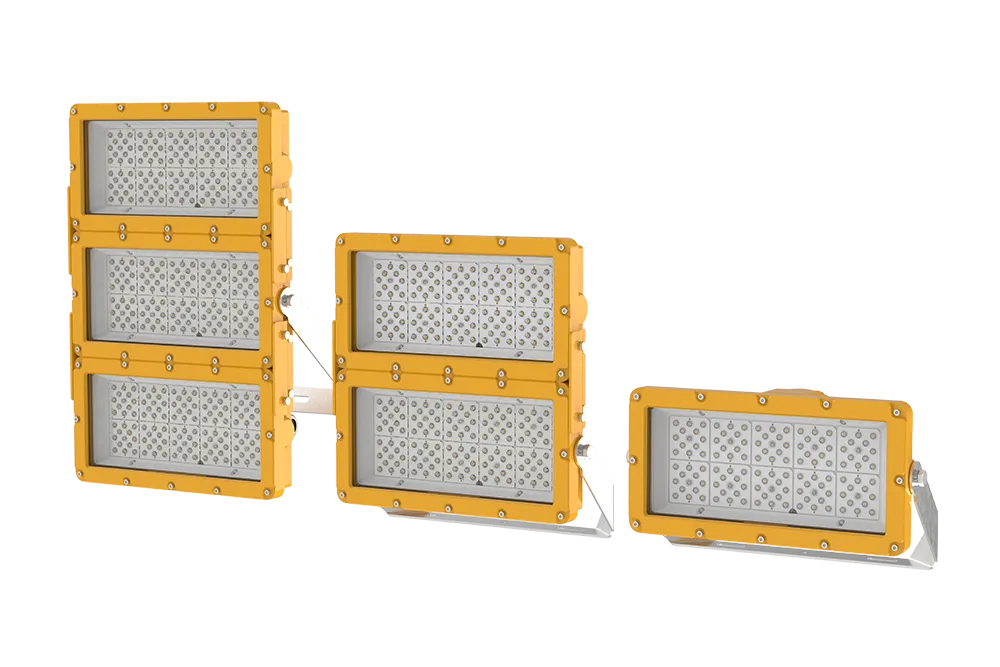
SEEKINGLED LED Explosion Proof Flood Lights are ATEX certified for Zone 2 and Zone 22 hazardous areas, offering high efficiency, adjustable power and integrated junction box.
SEEKINGLED LED Explosion Proof Flood Lights are flameproof ATEX and IECEx certified for Zone 1 and Zone 2 hazardous areas, offering high power, adjustable output and long service life.
SEEKINGLED LED Gas Station Canopy Lights are ATEX certified for Zone 2 and Zone 22 hazardous areas, featuring adjustable power and built-in explosion-proof junction box.
ATEX: Ex II 2G Ex db IIB T6/T5 GbEx II 2D Ex tb IIIC T80°C/ T95°C Db IECEx Ex db IIB T6 Gb;Ex tb IIIC T80°C Db Feature: ● For Zone 1,2 and Zone 21,22● Flameproof type, the strongest● 100W can replace 250W HID,energy saving● Power:60W,80W,10…
ATEX: II 3G Ex nR ⅡC T5/T6 GcII 3D Ex tc ⅢC T80℃/T95℃Dc ATEX Certificate NO: TÜV CY 26 ATEX 0207611 X Feature: ● For Zone 2 and Zone 22● 150W can replace 250W HID lamps,Energy saving● Power:50W,75W,100W,150W,200W Application: Oil and gas, m…
LED explosion proof high bay lights are designed for Zone 1, Zone 2, Zone 21 and Zone 22 hazardous areas. This page introduces the HB21 Series from SEEKING, including certifications, power options and real application considerations.
LED Linear Explosion Proof Lights from SEEKINGLED. LU Series Flame Proof lights ATEX-certified explosion proof LED linear lighting for Zone 2 gas and Zone 22 dust areas, IP69K, IK10, long lifetime and flexible power options.
Certified explosion proof work lights for Zone 1 & 21 hazardous areas. Portable, ATEX & IECEx approved, built for oil, gas and chemical plants by SEEKINGLED.
ATEX: II 3G Ex nR ⅡC T6 GcII 3D Ex tc ⅢC T80℃ Dc ATEX Certificate NO: TÜV CY 26 ATEX 0207611 X Feature: ● For Zone 2 and Zone 22● Accepts battery-powered supply● indestructible● Power:AC input:50W,75W,100WDC input:15W,25W,35W Application: O…
ATEX: Ex II 2G Ex db IIB T6 GbEx II 2D Ex tb IIIC T80°C Db IECEx Ex db IIB T6 Gb;Ex tb IIIC T80°C Db Feature: ● For Zone 1,2 and Zone 21,22● Flameproof type, the strongest Application: Oil and gas, marine, Chemical, pharmaceutical, semicondu…
ATEX: Ex II 2G Ex db IIB T6 GbEx II 2D Ex tb IIIC T80°C Db IECEx Ex db IIB T6 Gb;Ex tb IIIC T80°C Db Feature: ● For Zone 1,2 and Zone 21,22● Flameproof type, the strongest Application: Oil and gas, marine, Chemical, pharmaceutical, semicondu…
ATEX: Ex II 2G Ex d e IIB T6 Gb ATEX: Ex d e IIB T6 Gb; Feature: ● For Zone 1,2● 9W can replace 18W fluorescent lamps,50% Energy saving Application: Oil and gas, marine, Chemical, pharmaceutical, semiconductor,mining,military industry, pain…
loading…
This is the last post!
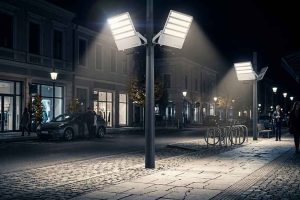
led flood light with lens delivers precise beam control, reduced glare, and higher efficiency. Ideal for sports, industrial, and outdoor lighting upgrades.
View details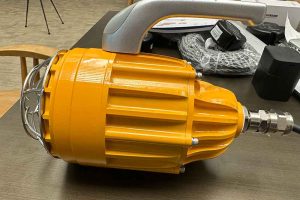
Hazardous Area Working Lights designed for explosive environments. SEEKINGLED delivers durable, ATEX-ready industrial lighting solutions for oil, gas, and chemical sites.
View details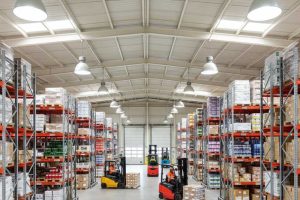
How to size LED high bay lighting depends on ceiling height, lux targets, and beam angle. Learn the real sizing logic used in industrial projects.
View details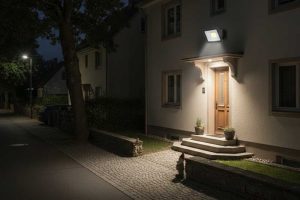
How bright is 10W LED flood light in everyday use? This answer looks at real lumen output, coverage, and where a 10W LED flood light actually works, based on practical lighting experience from SEEKINGLED.
View details