 Seeking LED
How to Open Sealed LED Flood Light?
248How to open sealed LED flood light housings step by step. Learn when it’s possible, required tools, common risks, and professional advice.
View detailsSearch the whole station
An Explosion-Proof Light is a specialized hazardous-area fixture designed to prevent sparks, arcs, or hot surfaces from igniting flammable gas, vapor, or combustible dust. Unlike ordinary industrial lights, explosion-proof lighting is engineered, certified, and tested to contain internal faults safely under extreme industrial conditions.
That’s the short answer.
But after years around refineries, offshore platforms, paint plants, and grain processing facilities, I can say this: most people underestimate how different these fixtures really are until they physically hold one in their hands.
A standard warehouse light feels like equipment.
A proper explosion-proof light feels like safety infrastructure.
The difference becomes obvious immediately.
From an engineering standpoint, the entire philosophy behind an Explosion-Proof Light is containment and prevention.
Ordinary industrial lighting only needs to operate reliably.
Explosion-proof lighting must continue operating safely even during equipment failure.
That distinction changes everything about the fixture design.
An explosion-proof fixture uses specialized protection methods including:
The most common protection method in heavy industry is Ex d flameproof protection.
If an electrical arc or ignition occurs inside the fixture:
The flame paths are precision-machined to extremely tight tolerances.
In high-quality systems, joint roughness can reach ≤6.3μm.
That level of machining is completely different from ordinary lighting manufacturing.
Temperature is one of the most misunderstood topics in hazardous lighting.
Flammable gases ignite at specific temperatures.
That’s why explosion-proof lights are classified by T-ratings:
| T Rating | Maximum Surface Temperature |
|---|---|
| T1 | 450°C |
| T2 | 300°C |
| T3 | 200°C |
| T4 | 135°C |
| T5 | 100°C |
| T6 | 85°C |
Modern LED explosion proof light fixtures usually operate within T4–T6 ranges.
Older HID fixtures often exceeded 300°C surface temperatures.
That difference alone dramatically reduced ignition risk across many industrial sectors.
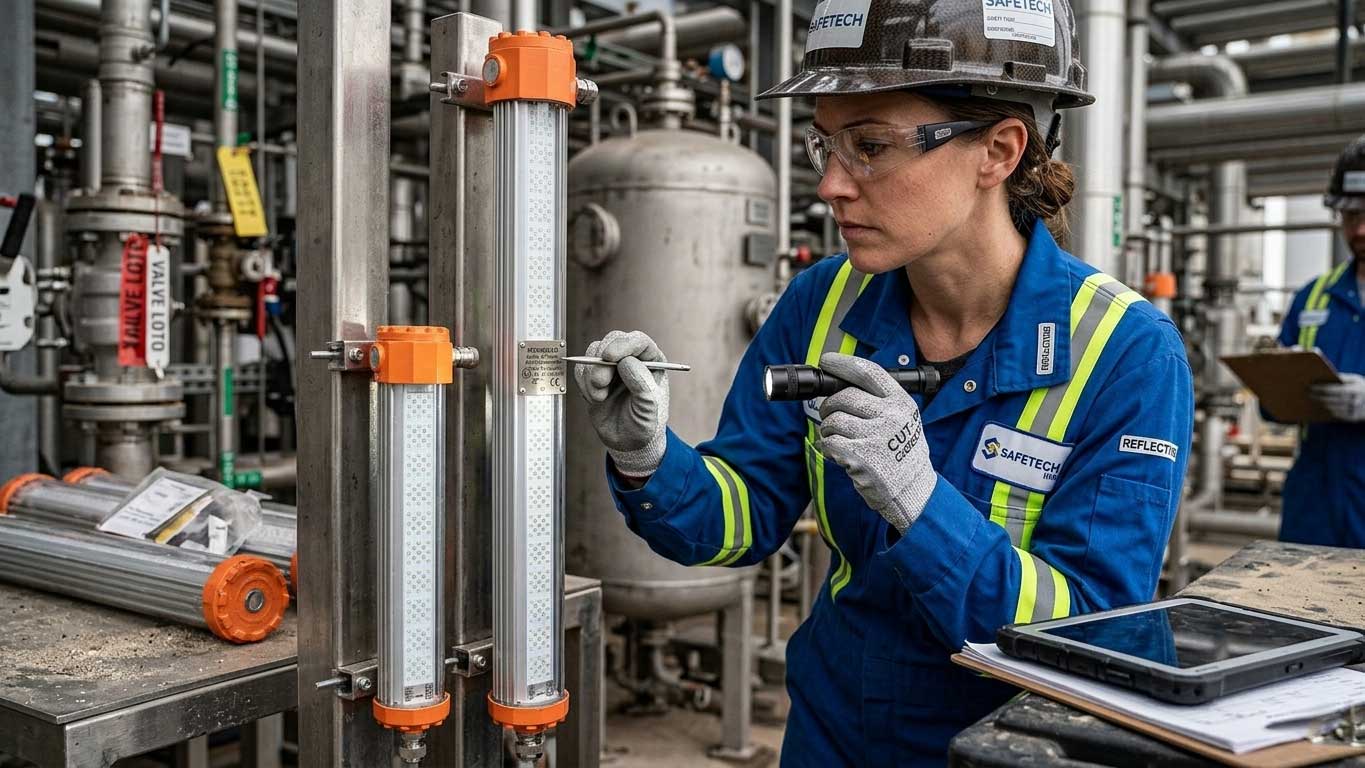
A standard industrial fixture may achieve IP65 protection.
That sounds impressive until you compare it to real hazardous-area equipment.
SEEKINGLED explosion-proof fixtures commonly reach:
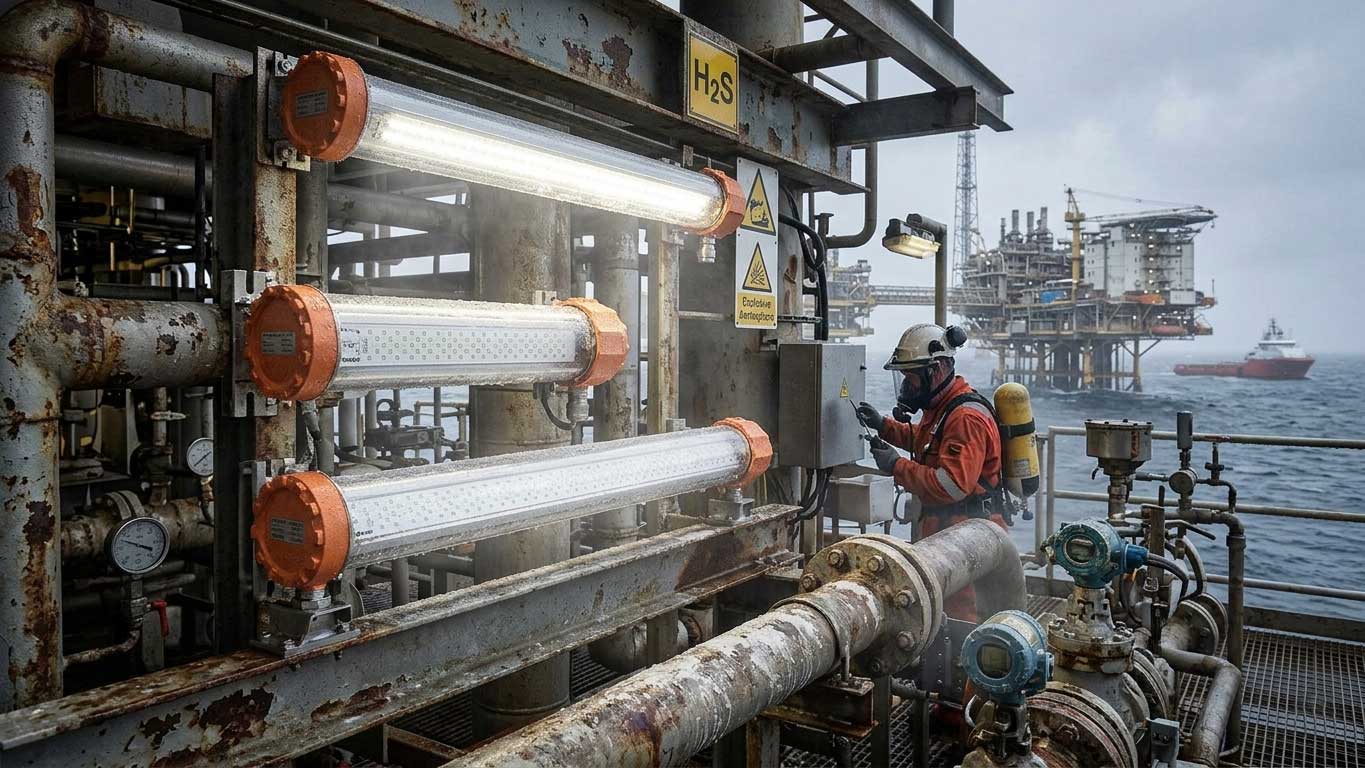
And unlike standard industrial lights, the sealing system must survive:
In one offshore maintenance project I observed, ordinary industrial fixtures began corroding around cable entries within eight months.
The explosion-proof fixtures nearby remained intact after several years.
Regular industrial lighting often includes:
Explosion-proof fixtures isolate all electrical connections within protected chambers.
Intrinsic safety circuits also limit electrical energy so sparks cannot form under fault conditions.
That matters in environments containing:
One uncontrolled spark is enough.
People often notice the weight first.
There’s a reason.
A standard warehouse light prioritizes lightweight construction.
Hazardous-area lighting prioritizes survival.
Some industrial buyers underestimate mounting requirements because they assume all LED fixtures weigh roughly the same.
They don’t.
This is where legal responsibility enters the picture.
In hazardous locations, using uncertified lighting can become a major compliance violation.
The main international hazardous-area standards include:
| Standard | Region |
|---|---|
| IECEx | International |
| ATEX | European Union |
| NEC / UL844 | North America |
| GB/T 3836 | China |
Hazardous locations include:
According to the U.S. Chemical Safety Board, combustible dust and vapor explosions continue causing severe industrial accidents globally.
Many investigations trace ignition sources back to electrical equipment failures.
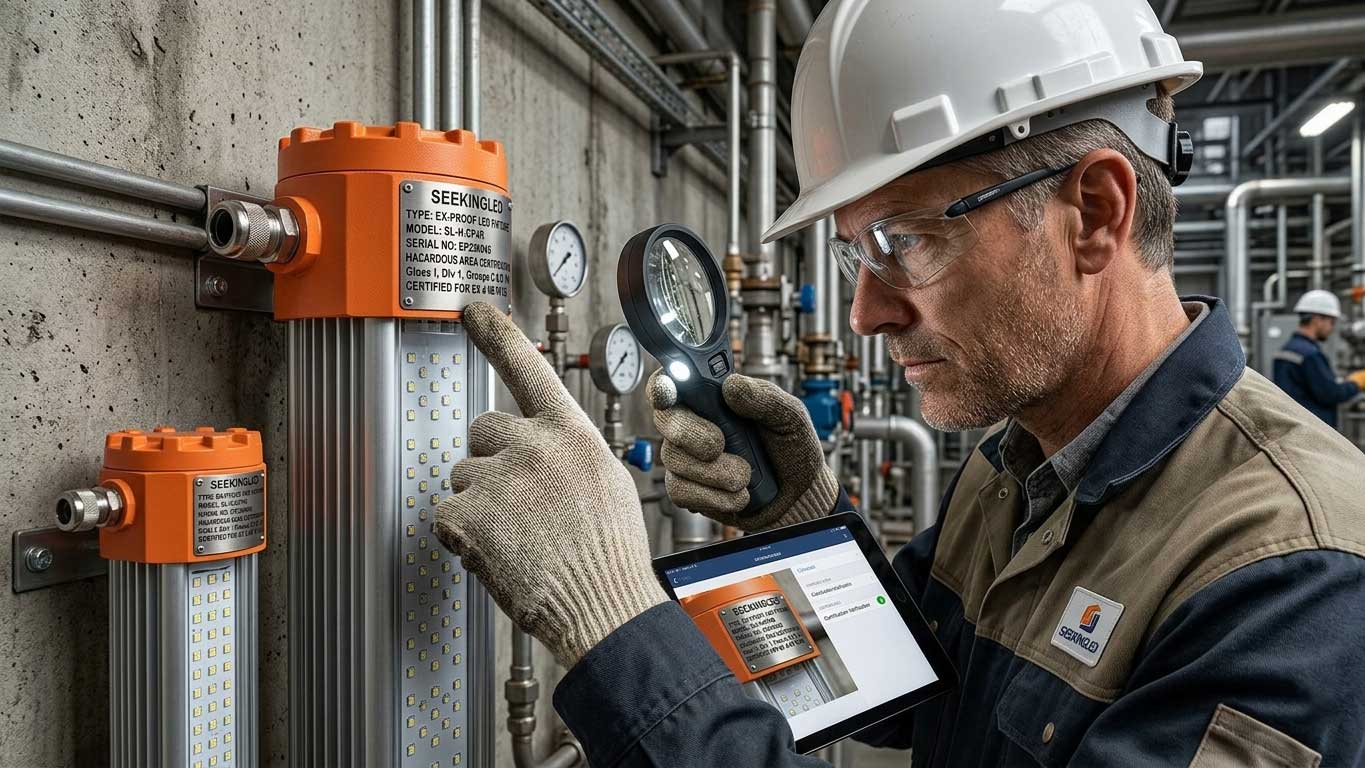
A certified fixture may carry markings like:
Ex d IIC T6 Gb
This tells inspectors:
Without these markings, the fixture cannot legally qualify for many hazardous installations.
And yes—inspectors absolutely check them.
Ordinary industrial lighting can often be repaired freely.
Explosion-proof lighting is different.
If flame paths, seals, or enclosure tolerances are altered improperly, certification may become invalid.
That’s why hazardous-area repairs often require:
In real facilities, this creates frustration sometimes.
But the alternative is far worse.
Most plant managers ask the same three questions:
Fair questions.
Because explosion-proof lighting is not cheap.
Explosion-proof fixtures continue operating safely around flammable vapor.
Ordinary fixtures cannot.
Quality LED explosion-proof fixtures often reach:
especially in controlled thermal environments.
Although initial costs may be 30–100% higher, maintenance savings become significant over time.
Especially in difficult-access facilities.
SEEKINGLED fixtures commonly use:
That matters enormously offshore.
Many hazardous fixtures support integrated battery backup systems.
This is critical during:
Modern hazardous-area LEDs commonly achieve:
matching or exceeding premium industrial lighting.
Explosion-proof optics often use:
designed for high thermal shock resistance.
IECEx-certified products can be verified publicly through official certification databases.
This helps buyers avoid counterfeit equipment.
Hazardous fixtures survive:
far better than ordinary industrial lighting.
Maintenance inside hazardous zones is expensive.
Long-life lighting significantly reduces labor exposure and downtime.
Ten years ago, HID fixtures still dominated many hazardous sites.
Today, LED systems have largely replaced them.
Main reasons include:
One refinery supervisor told me they reduced lift-access maintenance events dramatically after converting to LED hazardous lighting.
That matters because every maintenance task in hazardous zones carries risk.
SEEKINGLED LO Series explosion-proof lights are designed for demanding hazardous environments.
Available wattages include:
Key features:
Applications include:
The series also includes a full 5-year warranty.
An Explosion-Proof Light is fundamentally different from ordinary industrial lighting.
It’s not simply “rugged.”
It’s engineered to ensure electrical failure never becomes an ignition source in hazardous environments.
That changes:
And once you’ve worked around explosive atmospheres long enough, you stop viewing hazardous lighting as optional protection.
You start viewing it as part of the facility’s survival system.
Original Author: Daweiboss from SEEKINGLED
For more information:
Website: SEEKINGLED LO Series Explosion-Proof Lights
Facebook: Daweiboss Facebook
Instagram: Dawei Instagram
LinkedIn: Daweiboss LinkedIn
YouTube: Daweiboss YouTube Channel
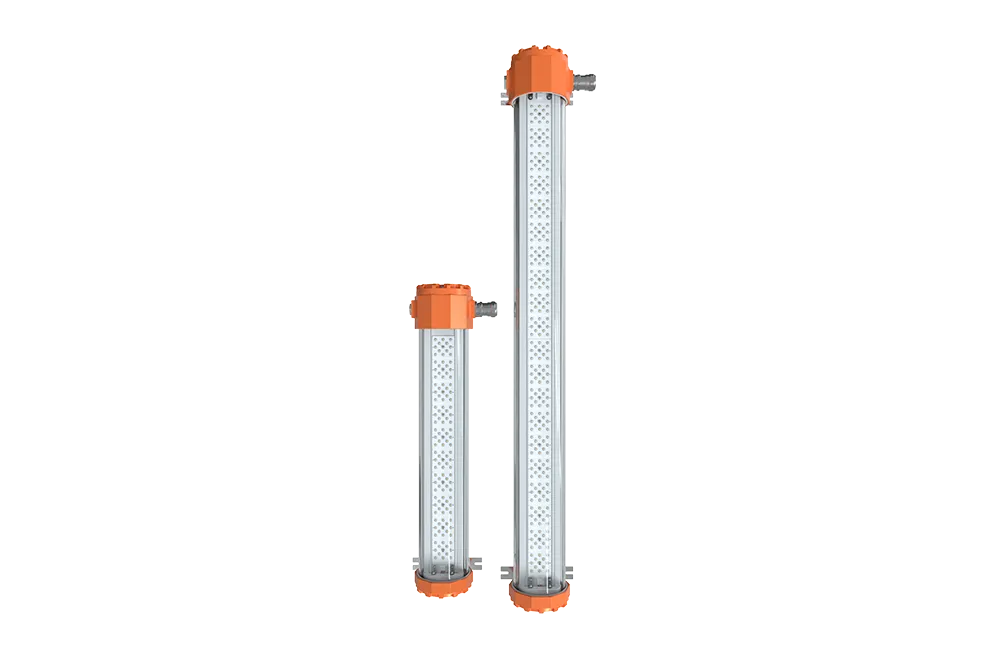
SEEKINGLED LED Linear Explosion Proof Light and Explosion Proof lighting is ATEX and IECEx certified for Zone 1, Zone 2, Zone 21 and Zone 22 hazardous locations, built for long-term industrial use.
View details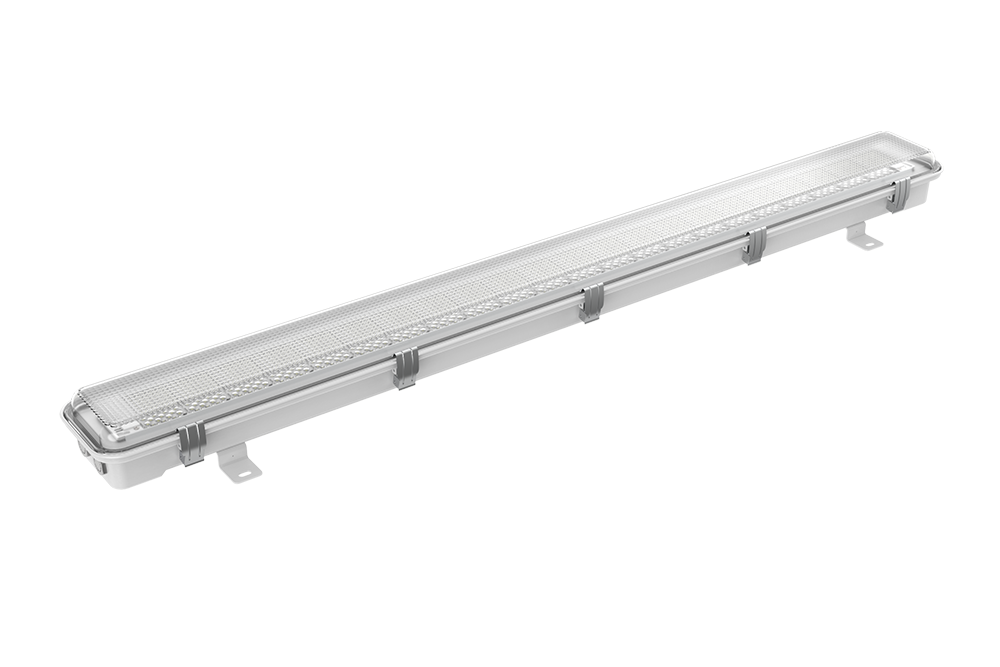
LED Linear Explosion Proof Lights and EX Proof lights for Zone 1, Zone 2, Zone 21 and Zone 22 hazardous areas. ATEX & IECEx certified explosion proof LED linear lighting with emergency function, adjustable power and IP67 protection by SEEKINGLED.
View details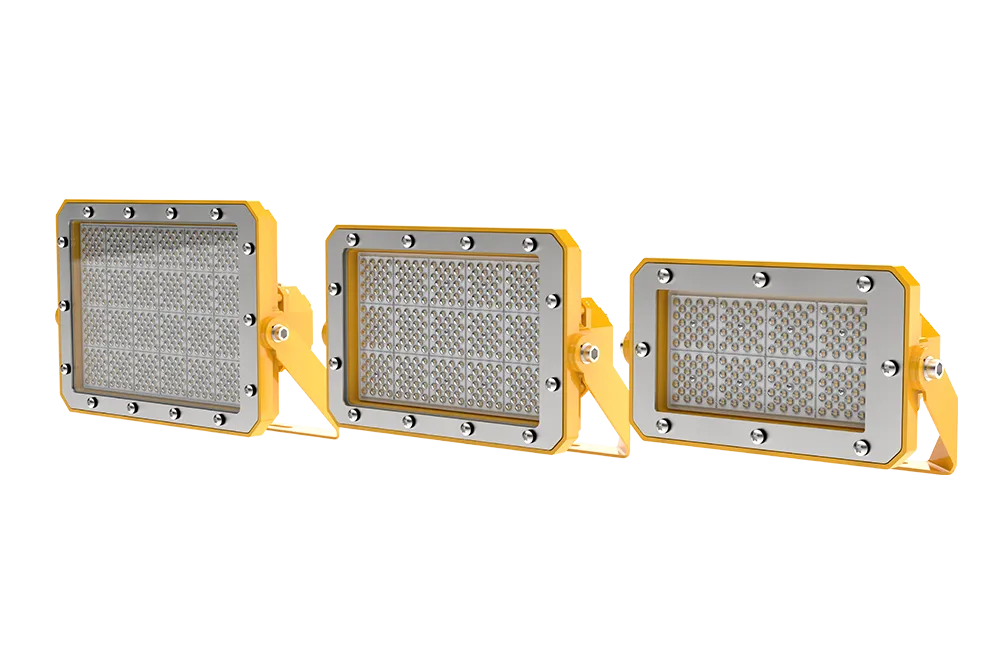
SEEKINGLED LED Explosion Proof Flood Lights are ATEX certified for Zone 2 and Zone 22 hazardous areas, offering high efficiency, adjustable power and integrated junction box.
View details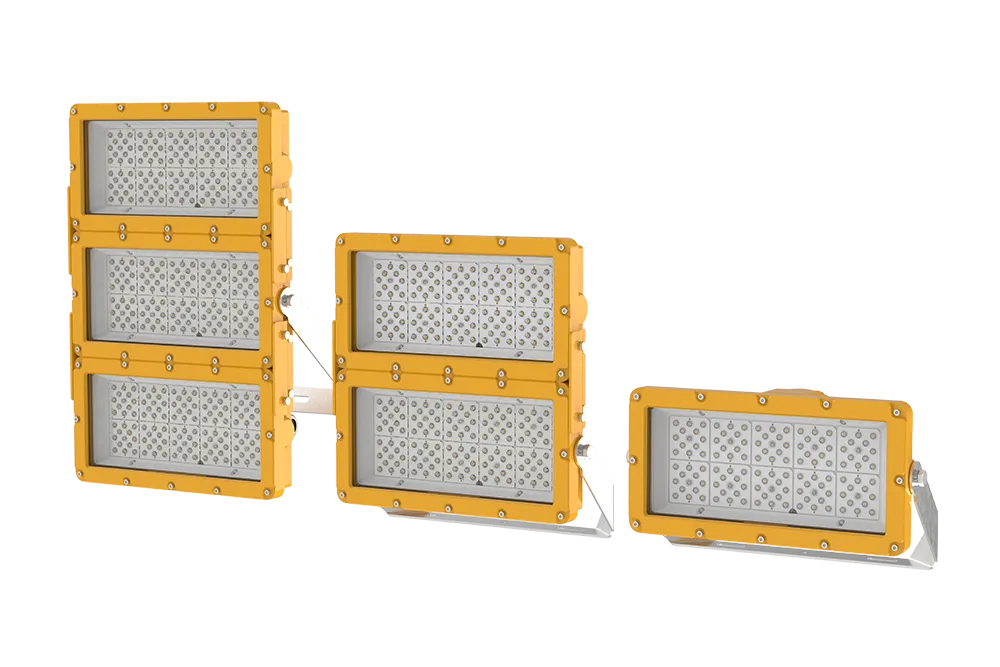
SEEKINGLED LED Explosion Proof Flood Lights are flameproof ATEX and IECEx certified for Zone 1 and Zone 2 hazardous areas, offering high power, adjustable output and long service life.
View details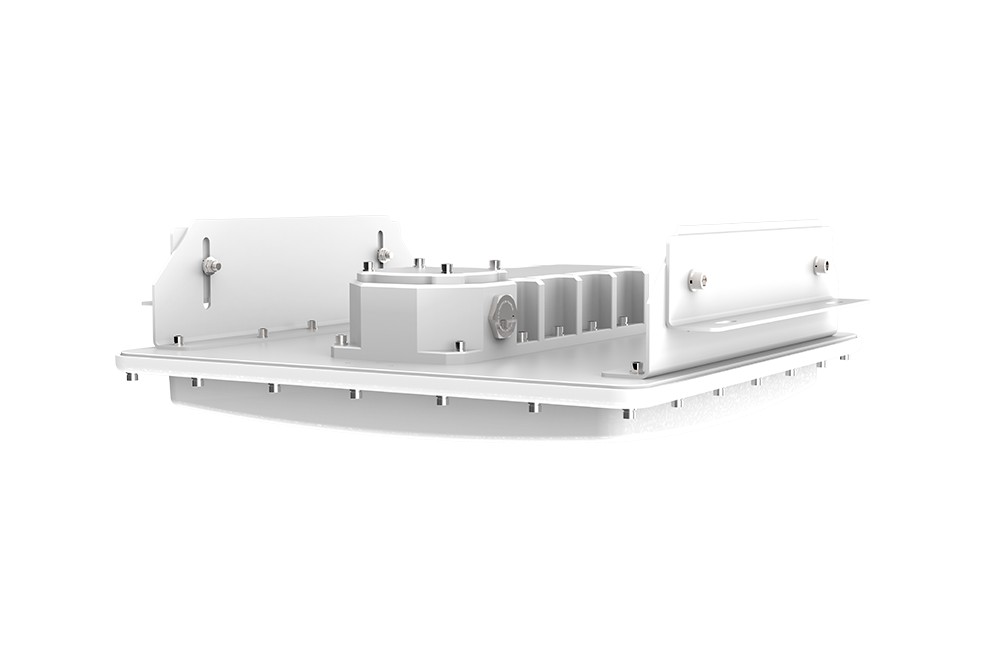
SEEKINGLED LED Gas Station Canopy Lights are ATEX certified for Zone 2 and Zone 22 hazardous areas, featuring adjustable power and built-in explosion-proof junction box.
View details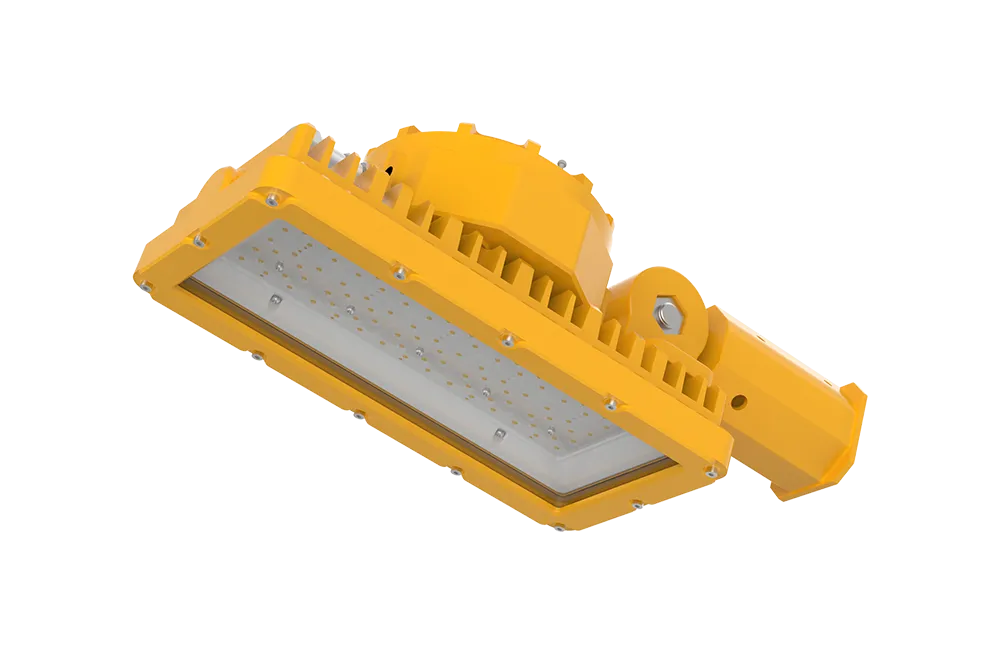
ATEX: Ex II 2G Ex db IIB T6/T5 GbEx II 2D Ex tb IIIC T80°C/ T95°C Db IECEx Ex db IIB T6 Gb;Ex tb IIIC T80°C Db Feature: ● For Zone 1,2 and Zone 21,22● Flameproof type, the strongest● 100W can replace 250W HID,energy saving● Power:60W,80W,100W Application: Oil and gas, marine, Chemical, pharmaceutical, semiconductor,mining,military industr…
View details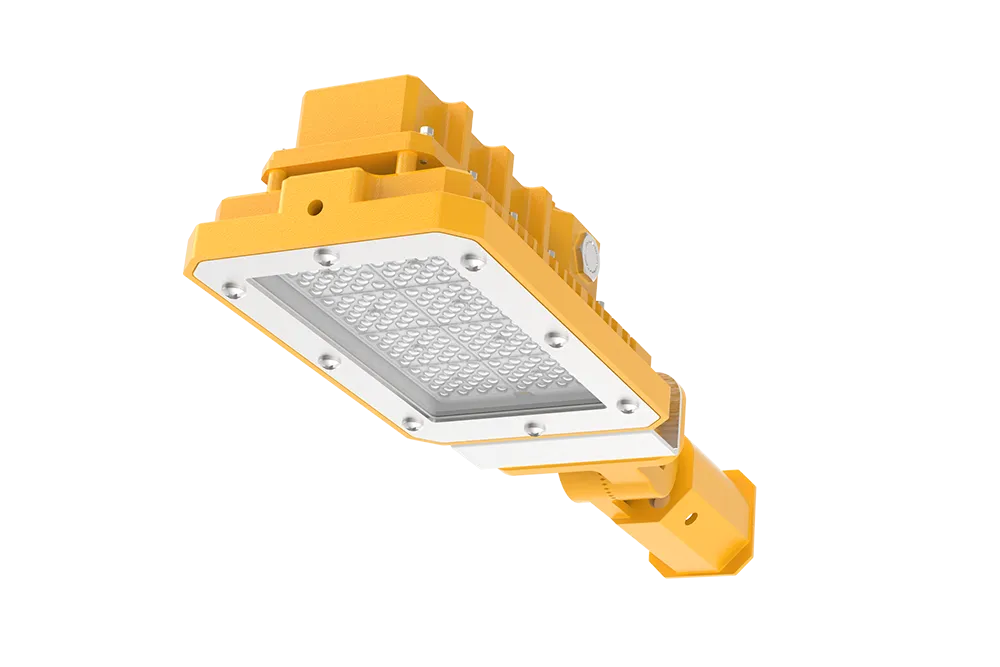
ATEX: II 3G Ex nR ⅡC T5/T6 GcII 3D Ex tc ⅢC T80℃/T95℃Dc ATEX Certificate NO: TÜV CY 26 ATEX 0207611 X Feature: ● For Zone 2 and Zone 22● 150W can replace 250W HID lamps,Energy saving● Power:50W,75W,100W,150W,200W Application: Oil and gas, marine, Chemical, pharmaceutical, semiconductor,mining,military industry, paint booth,power plant ETC…
View details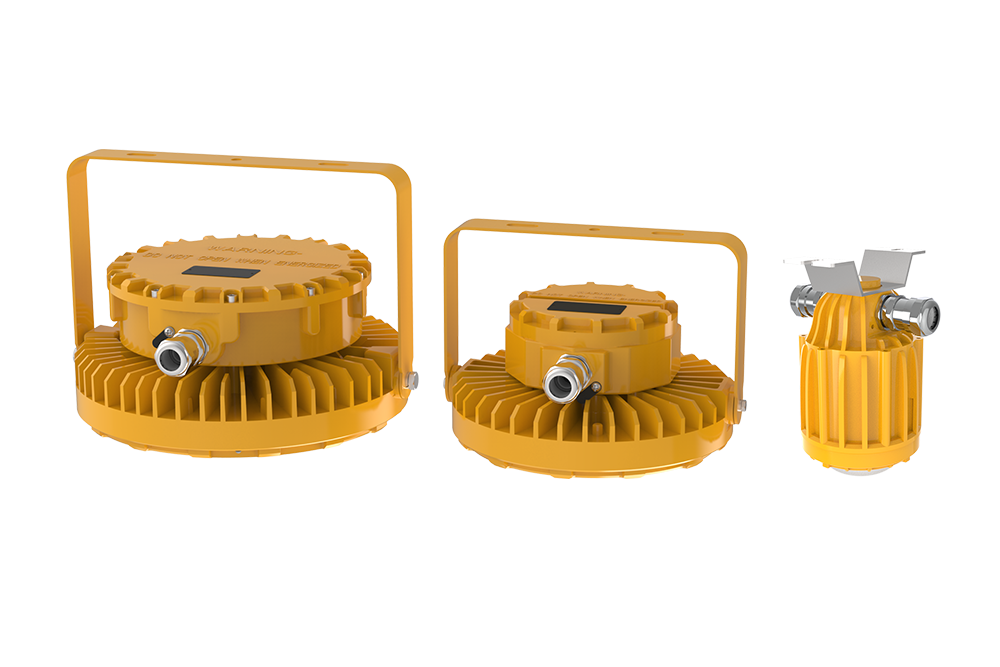
LED explosion proof high bay lights are designed for Zone 1, Zone 2, Zone 21 and Zone 22 hazardous areas. This page introduces the HB21 Series from SEEKING, including certifications, power options and real application considerations.
View details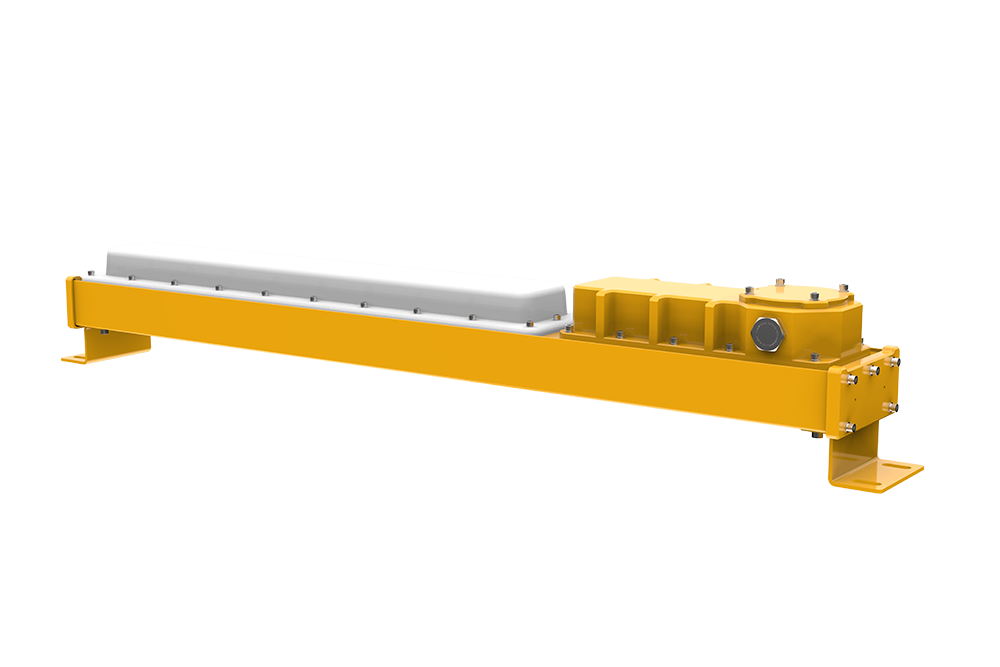
LED Linear Explosion Proof Lights from SEEKINGLED. LU Series Flame Proof lights ATEX-certified explosion proof LED linear lighting for Zone 2 gas and Zone 22 dust areas, IP69K, IK10, long lifetime and flexible power options.
View details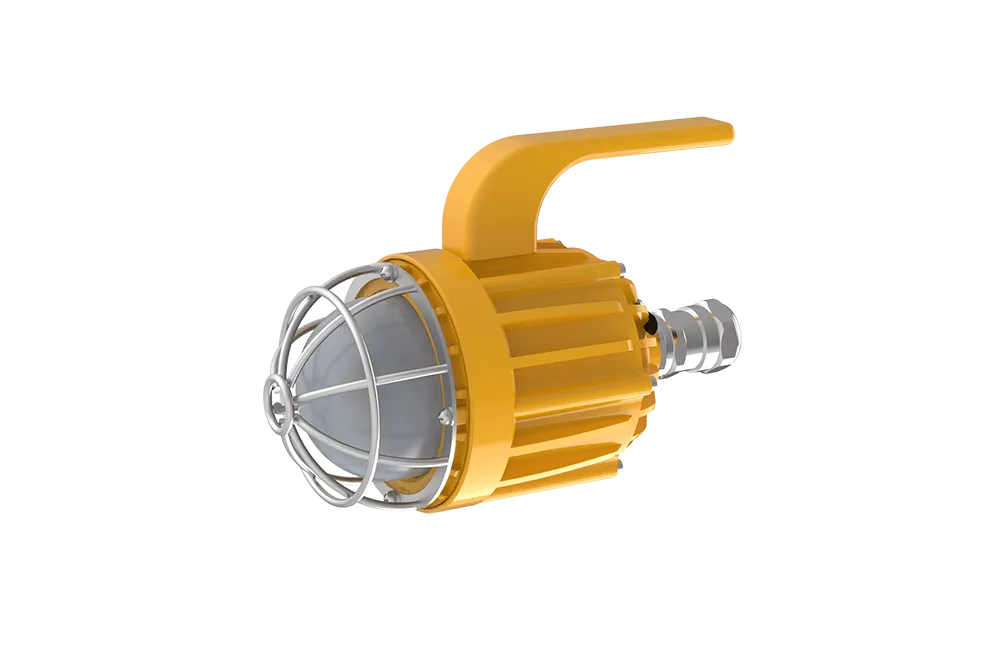
Certified explosion proof work lights for Zone 1 & 21 hazardous areas. Portable, ATEX & IECEx approved, built for oil, gas and chemical plants by SEEKINGLED.
View details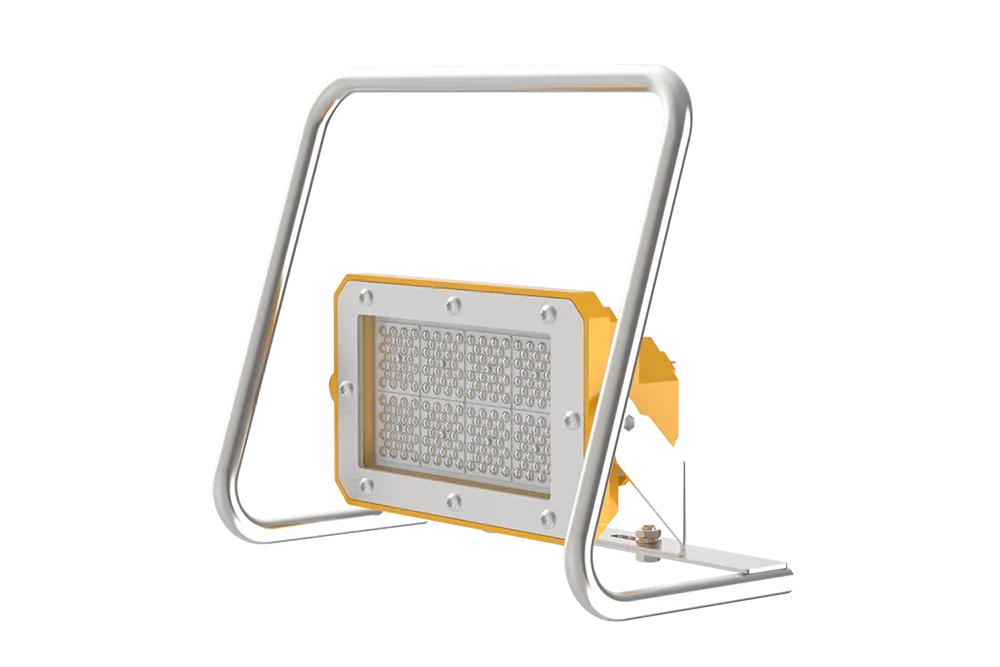
ATEX: II 3G Ex nR ⅡC T6 GcII 3D Ex tc ⅢC T80℃ Dc ATEX Certificate NO: TÜV CY 26 ATEX 0207611 X Feature: ● For Zone 2 and Zone 22● Accepts battery-powered supply● indestructible● Power:AC input:50W,75W,100WDC input:15W,25W,35W Application: Oil and gas, marine, Chemical, pharmaceutical, semiconductor,mining,military industry, paint booth,po…
View details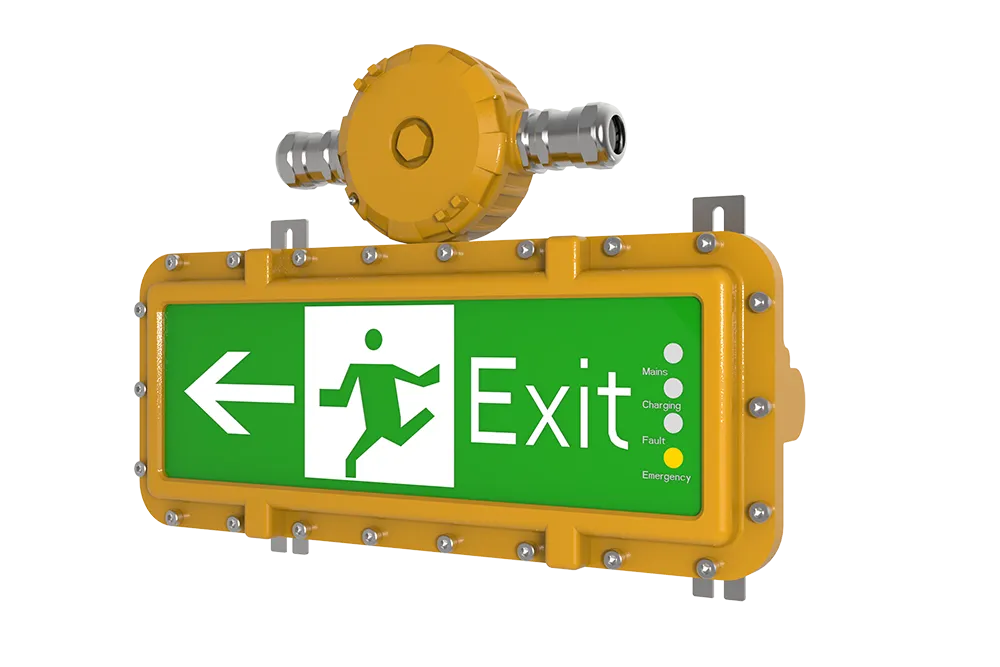
ATEX: Ex II 2G Ex db IIB T6 GbEx II 2D Ex tb IIIC T80°C Db IECEx Ex db IIB T6 Gb;Ex tb IIIC T80°C Db Feature: ● For Zone 1,2 and Zone 21,22● Flameproof type, the strongest Application: Oil and gas, marine, Chemical, pharmaceutical, semiconductor,mining,military industry, paint booth,power plant ETC hazardous area. Technical Specifications:…
View details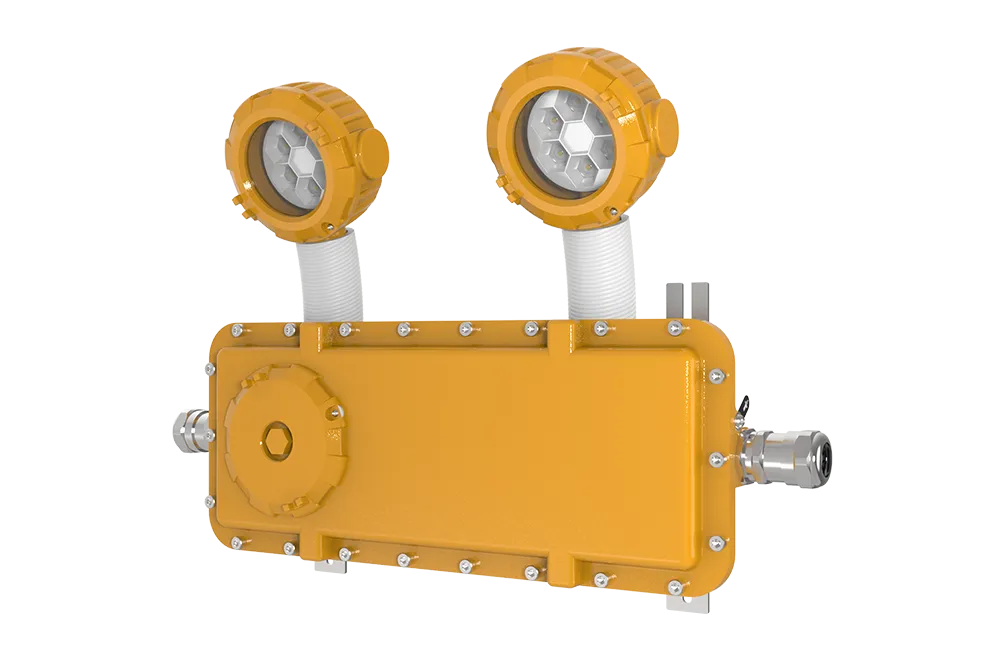
ATEX: Ex II 2G Ex db IIB T6 GbEx II 2D Ex tb IIIC T80°C Db IECEx Ex db IIB T6 Gb;Ex tb IIIC T80°C Db Feature: ● For Zone 1,2 and Zone 21,22● Flameproof type, the strongest Application: Oil and gas, marine, Chemical, pharmaceutical, semiconductor,mining,military industry, paint booth,power plant ETC hazardous area. Technical Specifications:…
View details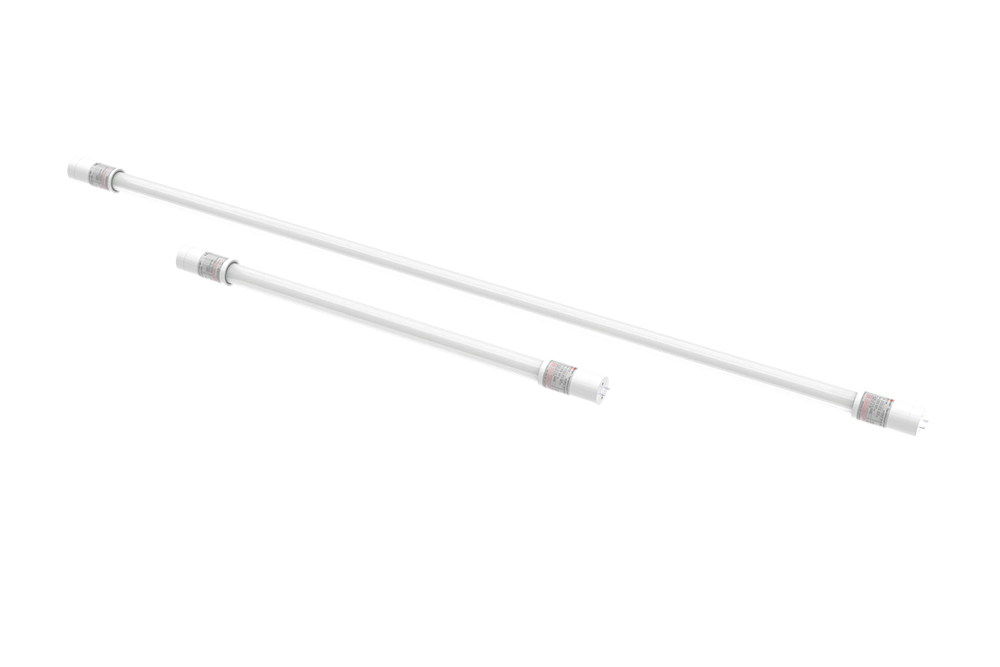
ATEX: Ex II 2G Ex d e IIB T6 Gb ATEX: Ex d e IIB T6 Gb; Feature: ● For Zone 1,2● 9W can replace 18W fluorescent lamps,50% Energy saving Application: Oil and gas, marine, Chemical, pharmaceutical, semiconductor,mining,military industry, paint booth,power plant ETC hazardous area. Technical Specifications: Standards:60079-0, 60079-1, 60079…
View details
How to open sealed LED flood light housings step by step. Learn when it’s possible, required tools, common risks, and professional advice.
View details
What are the blue LED street lights for? Learn why some cities use blue street lights, whether they are intentional or a defect, and what professionals look for in real projects.
View details
How far apart should LED high bay lights be spaced? Learn practical spacing guidelines based on ceiling height, beam angle, and real industrial layouts.
View details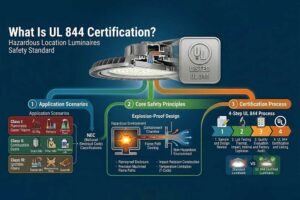
UL844 Certification is the key standard for explosion proof lighting in the US and Canada. Learn Class/Division requirements and hazardous area compliance.
View details